Albanian Olive Oil, Honey & Cheese: Foodie Shopping Guide

Albania has been quietly producing some of the Mediterranean's finest food for centuries, yet its olive oils, honeys, and cheeses remain one of the best-kept secrets in European gastronomy. While the country's beaches and ancient ruins draw an ever-growing crowd of adventurous travelers, the real treasure is often found in a dusty roadside stall, a buzzing bazaar, or a farmer's refrigerator at the edge of an olive grove. If you consider yourself a food lover, Albania is about to become your favorite destination for edible souvenirs.
The Albanian landscape is almost tailor-made for exceptional artisan food. Ancient olive trees carpet the hillsides around Vlora and Berat, bees feast on herb-rich mountain meadows in the highlands, and sheep and goats roam freely across terrain that gives local cheeses a depth of flavor you simply cannot replicate in a factory. What makes shopping for these products so exciting is the directness of it all: you are often buying from the person who made the product, tasting before you buy, and paying a fraction of what you would spend for an inferior version back home.
This guide walks you through everything you need to know about Albanian olive oil, honey, and cheese. You will learn how to identify quality, which regions produce the best varieties, where to shop with confidence, and how to pack your purchases safely for the journey home. Whether you are wandering through Tirana's old bazaar or stopping at a village market in the Gjirokastra region, you will leave Albania with a bag full of extraordinary flavors and stories to match.
Key Takeaways
| Best Olive Oil Region | The Vlora and Berat areas produce Albania's most celebrated extra-virgin olive oil from ancient, often centuries-old trees. |
|---|---|
| Top Honey Varieties | Look for wildflower, chestnut, and thyme honey from the highlands of Permet, Gramsh, and the Accursed Mountains. |
| Must-Try Cheeses | White brine cheese (djath i bardhë), kashkaval, and smoked mountain cheese are the three essential Albanian varieties to seek out. |
| Best Shopping Spots | Local bazaars, farmers' markets, roadside stalls, and dedicated agri-food cooperatives offer the freshest and most authentic products. |
| Budget Tip | Prices are extremely affordable compared to Western Europe; expect to spend just a few euros for high-quality, locally produced goods. |
| Packing Advice | Wrap olive oil bottles in bubble wrap or clothing, vacuum-seal soft cheeses, and pack honey in your checked luggage to avoid airport confiscation. |
Understanding Albanian Olive Oil: Liquid Gold from Ancient Groves
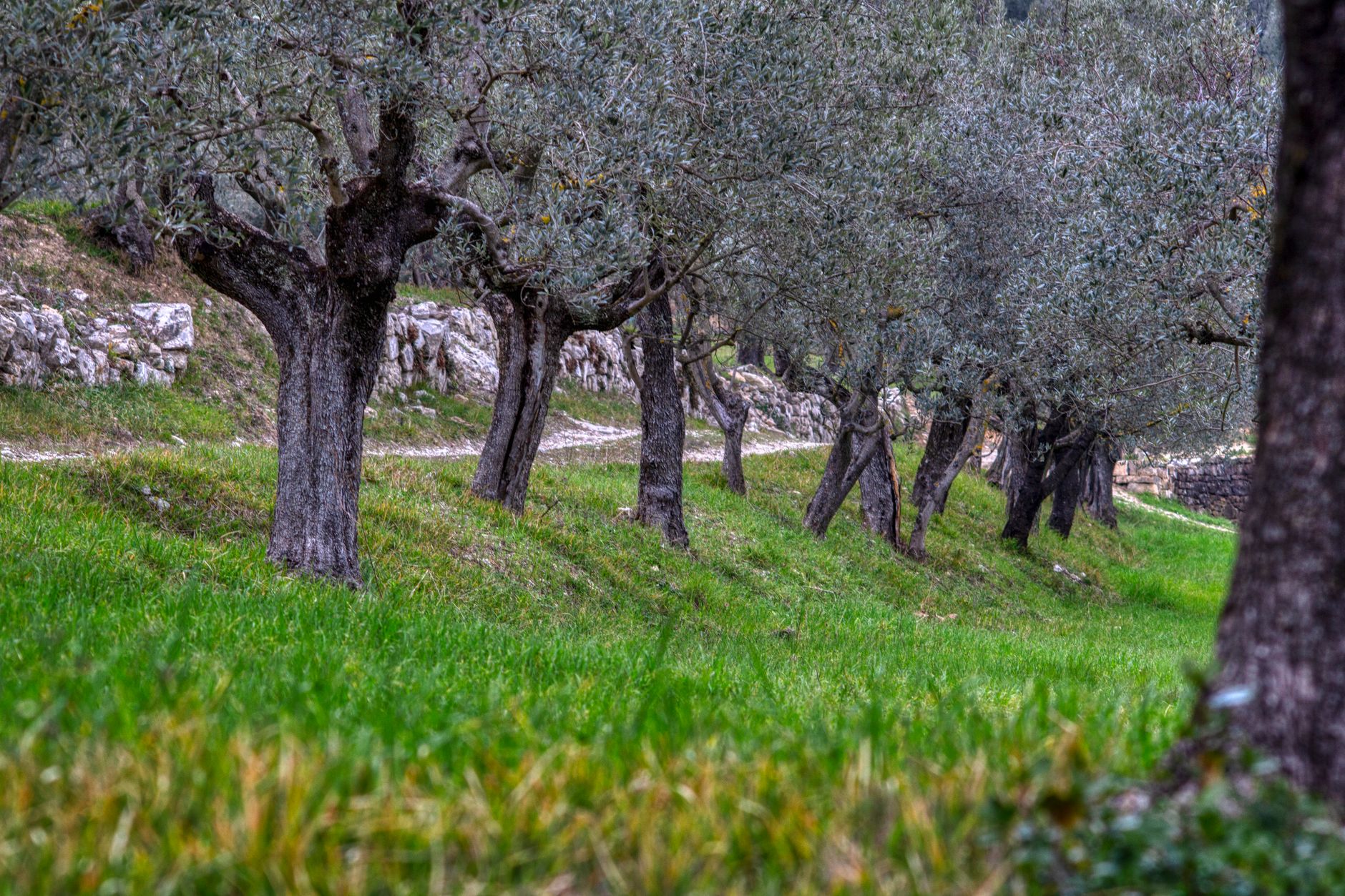
Albanian olive oil is not a new discovery for those who live here. Olive cultivation in Albania dates back over two thousand years, and the country is home to some of the oldest living olive trees in the Mediterranean basin. The trees around Vlora, in particular, are legendary: gnarled, enormous specimens that have survived wars, empires, and centuries of neglect, yet still produce olives of extraordinary quality every autumn. When you taste oil pressed from these ancient trees, you are tasting history.
The majority of Albanian olive oil is produced in the southern coastal region, stretching from Vlora down toward Saranda and inland toward Berat. The climate here is classically Mediterranean: hot, dry summers and mild, wet winters that stress the trees just enough to concentrate flavor compounds in the fruit. The result is an oil with a pronounced peppery finish, a grassy aroma, and a golden-green color that signals high polyphenol content. High polyphenols mean not only better flavor but also superior health benefits, something Albanian producers are increasingly proud to talk about.
When you are shopping for olive oil, always ask for extra-virgin cold-pressed oil. The best Albanian producers use stone mills or modern continuous presses at controlled temperatures to preserve the oil's natural chemistry. You should look for oil that has been pressed within the current or previous harvest season, ideally bottled in dark glass to protect it from light degradation. A good oil will taste slightly bitter and peppery at the back of your throat, which is a sign of freshness and quality, not a flaw.
Where to Buy Olive Oil in Albania
The best places to buy authentic Albanian olive oil are directly from producers or at farmers' markets in olive-growing regions. In Vlora, local markets near the port area often have vendors selling unlabeled oil from large drums, which you can taste before purchasing. In Berat, the old bazaar and surrounding villages are excellent hunting grounds. For a more curated experience, look for agri-food cooperatives and regional food fairs, which are increasingly common during summer and autumn. Tirana's central market and the Pazari i Ri (New Bazaar) area also have dedicated stalls selling bottled regional oils, making it a convenient last stop before your flight home.
- Look for dark glass bottles or tin containers to ensure the oil is protected from light
- Ask when the oil was pressed; fresher is always better, ideally from the last harvest
- A peppery, slightly bitter finish is a sign of high polyphenol content and freshness
- Cold-pressed or stone-milled oils retain more natural flavor and nutrients
- Avoid oils that smell rancid, musty, or like old wax, as these are signs of poor storage or age
If you visit in October or November during olive harvest season, you may be able to taste freshly pressed oil straight from the mill. This experience is unforgettable and gives you the best benchmark for quality.
Albanian Honey: The Sweet Reward of Wild Mountain Landscapes
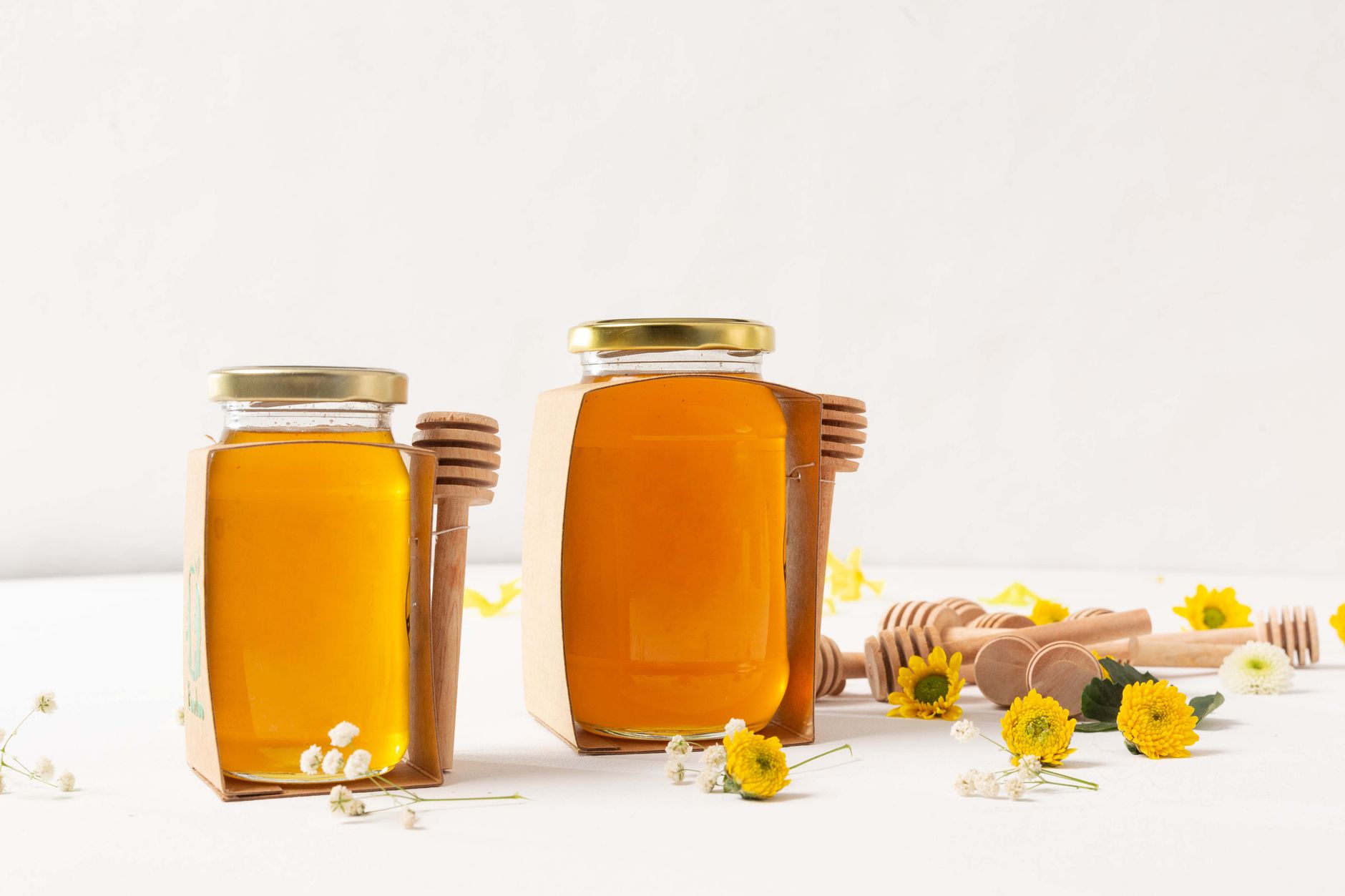
If Albanian olive oil is the country's liquid gold, then Albanian honey is its amber jewel. The country's diverse topography creates an extraordinary range of microclimates and wildflower habitats, from coastal sage and thyme fields to dense chestnut forests and alpine meadows bursting with clover, lavender, and dozens of medicinal herbs. Albanian beekeepers, many of them practicing methods passed down through generations, follow their bees through seasonal migrations, moving hives from lowland citrus groves in spring to highland meadows in summer. The result is a portfolio of honeys that is genuinely world-class.
The most commonly available variety you will encounter is wildflower honey, a complex, aromatic blend that changes character depending on the season and region in which it was produced. Thyme honey from the southern highlands near Permet and Leskovik is particularly prized for its intense herbal fragrance and slightly crystalline texture. Chestnut honey, produced in the forested mountain zones, is darker, more bitter, and almost savory, making it a spectacular pairing with strong cheeses. Acacia honey, lighter and more delicate, is popular in the northern lowlands and appeals to those who prefer a milder sweetness.
One of the great joys of buying honey in Albania is the sheer variety available at even a modest village market. You will often find small-batch producers selling directly from the back of a truck or a roadside table, with multiple jars lined up for tasting. Do not be shy about trying several before you buy. Look for honey that has a rich, complex aroma when you open the jar, a smooth or slightly granulated texture depending on the variety, and a flavor that evolves on your palate rather than delivering a single flat sweetness.
Regional Honey Hotspots to Visit
The Permet region in southeastern Albania is widely considered the honey capital of the country, and a visit to its weekly market will confirm why. Dozens of local beekeepers gather here to sell their seasonal harvests, and the variety on display is staggering. The Valbona Valley in the north is another excellent destination, where beekeepers produce honey from alpine wildflowers at high altitude. If you are traveling along the Riviera, do not overlook the small villages in the hills above Himara, where sage and oregano honey is produced in small quantities and rarely makes it further than the local market.
- Thyme honey from the Permet and Leskovik highlands is among Albania's most prized varieties
- Chestnut honey pairs beautifully with strong cheeses and is darker and more bitter in flavor
- Raw, unfiltered honey retains more pollen, enzymes, and natural health properties
- Crystallization is a sign of purity and natural sugar content, not spoilage
- Ask producers whether the bees are fed sugar syrup in winter, as purely wild-foraged honey is superior
- Buy from beekeepers who migrate their hives seasonally for the most complex flavor profiles
Buy honey in small glass jars rather than plastic containers. Glass preserves the aroma better and makes for a much more attractive gift. Many roadside vendors will let you taste from multiple jars, so take your time and enjoy the experience.
Albanian Cheese: A Tradition of Pastoral Excellence
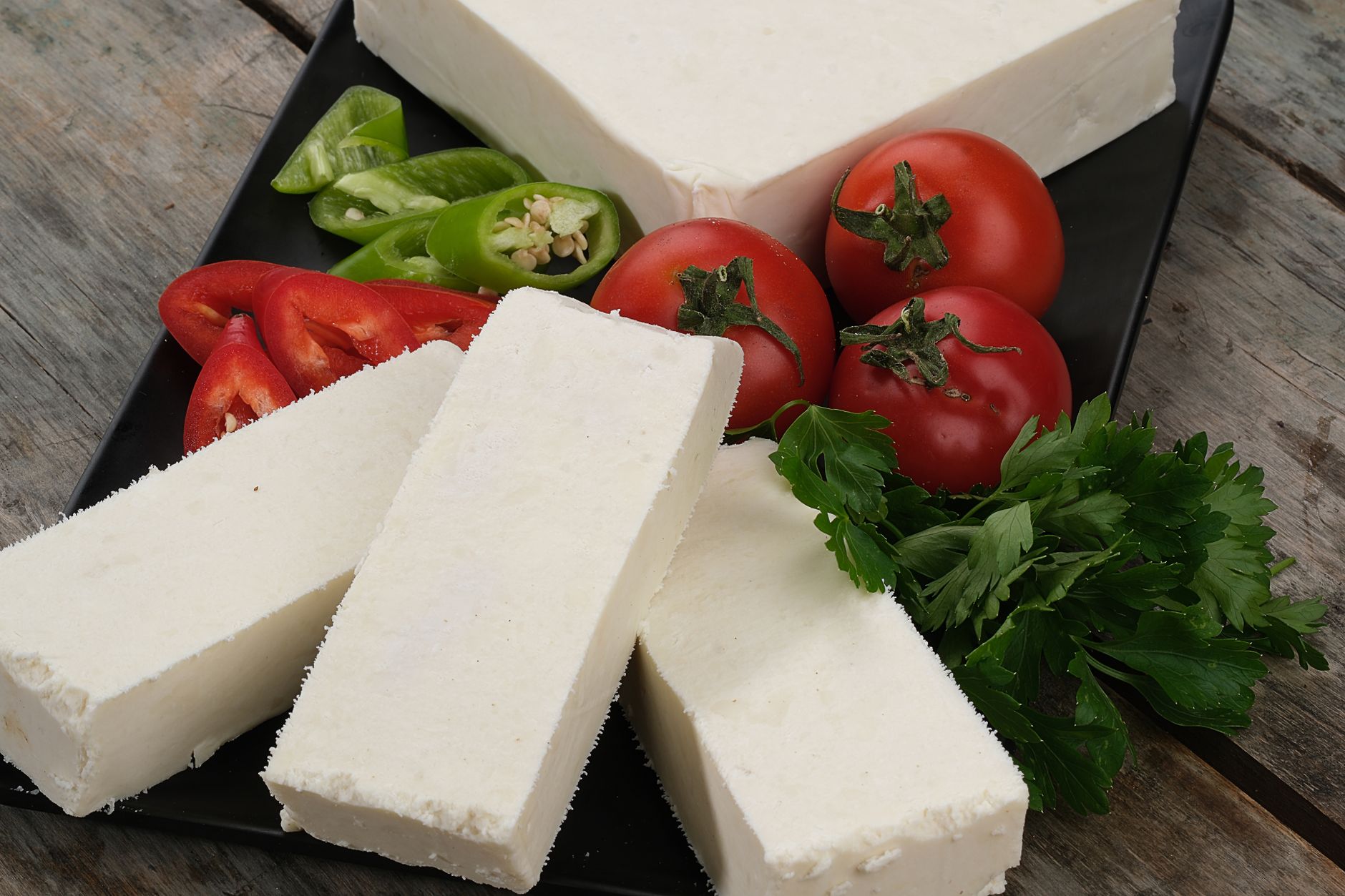
Cheese in Albania is not an afterthought or a side dish. It is a cornerstone of the national diet, eaten at breakfast, lunch, and dinner, and produced with a level of care and tradition that would impress even the most discerning fromager. The country's pastoral heritage, rooted in centuries of transhumant shepherding across mountain and coastal terrain, has given rise to a diverse and deeply flavorful cheese culture that remains largely unknown outside the Balkans. Discovering Albanian cheese is one of the true revelations of traveling here.
The most ubiquitous Albanian cheese is djath i bardhë, a white brine cheese similar in style to Greek feta but with its own distinct character. Made from sheep's milk, goat's milk, or a combination of both, it is firm yet creamy, salty but not overwhelmingly so, and carries a pleasant tang that comes from the natural fermentation process. You will encounter it on every breakfast table in the country, crumbled over salads, served alongside olives and tomatoes, or eaten simply with crusty bread and olive oil. When you buy it from a market vendor who makes it themselves, the quality difference compared to supermarket versions is extraordinary.
Beyond the white brine cheese, Albania produces a range of other varieties worth seeking out. Kashkaval is a semi-hard, yellow cheese made from sheep's milk and aged for several months, developing a buttery, slightly sharp flavor that melts beautifully and pairs well with bread and honey. Smoked mountain cheese, found particularly in the northern highlands around Shkodra and the Accursed Mountains, has a rustic, robust character with a firm rind and dense interior. Some villages also produce soft, fresh cheeses similar to ricotta, eaten the same day they are made.
Best Markets for Buying Albanian Cheese
Tirana's Pazari i Ri is an excellent starting point, with dedicated dairy stalls offering a wide selection of regional cheeses. For a more immersive experience, head to the markets in Shkodra, Gjirokastra, or Korça, where local producers bring their goods directly from farm to stall. The weekly market in Kruja, held near the historic bazaar, is another excellent option that combines cheese shopping with sightseeing. In the south, the villages around Saranda and Delvina are known for exceptional sheep's milk cheese, often sold informally from private homes or small roadside stands.
- Djath i bardhë (white brine cheese) is the national staple, best bought from small-batch producers at local markets
- Kashkaval is a semi-hard aged cheese perfect for bringing home as it travels well
- Smoked mountain cheese from the north has a distinctive, hearty flavor unlike anything you will find in a supermarket
- Always ask whether the cheese is made from sheep's, goat's, or cow's milk, as each produces a different flavor profile
- Fresh cheeses should be consumed within a day or two; aged and smoked varieties last much longer
- Taste before you buy whenever possible, as quality varies significantly between producers
If you are buying white brine cheese to take home, ask the vendor to pack it in its own brine in a sealed container. This keeps it fresh for longer and prevents it from drying out during your journey.
Where to Shop: Markets, Bazaars, and Hidden Gems
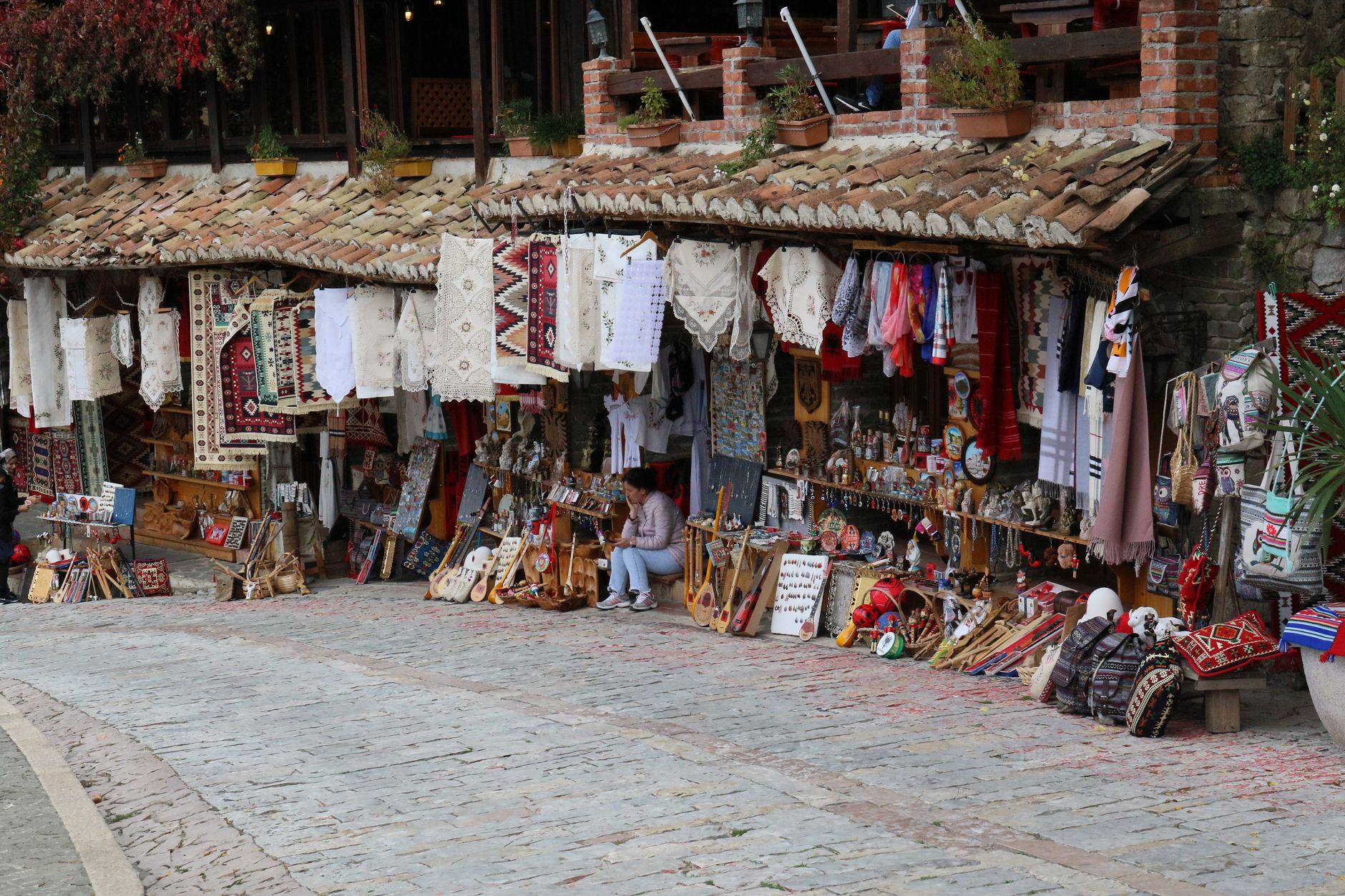
Shopping for food in Albania is an experience in itself, and knowing where to go makes all the difference between finding mediocre tourist-oriented products and discovering genuinely exceptional artisan goods. The country's market culture is vibrant, deeply local, and refreshingly unpretentious. Unlike many European destinations where artisan food has been packaged and priced for wealthy tourists, Albanian markets still operate primarily for local shoppers, which means prices are honest and quality is paramount.
Tirana is the obvious starting point for most visitors, and the city's Pazari i Ri area has been thoughtfully revitalized in recent years to showcase Albanian food culture. Here you will find permanent stalls selling olive oil, honey, cheese, and other regional products alongside seasonal produce, dried herbs, and homemade preserves. The atmosphere is lively and welcoming, and vendors are generally happy to let you taste before you buy. For a more traditional market experience, visit on a weekday morning when local shoppers rather than tourists set the pace.
Outside the capital, some of the best shopping happens in smaller towns and along rural roadsides. In southern Albania, the road between Gjirokastra and Saranda passes through villages where families sell homemade olive oil and honey from tables outside their homes. These informal roadside stops are often where you find the most extraordinary products at the lowest prices. In the north, the market town of Shkodra has a bustling weekly bazaar that draws producers from across the region. Wherever you are in Albania, keep your eyes open for handwritten signs advertising local products, as these often lead to the most memorable purchases.
- Tirana's Pazari i Ri is the most accessible and well-organized market for food shopping
- Gjirokastra's old bazaar offers a beautiful historic setting alongside excellent regional products
- Shkodra's weekly market is the best destination for northern highland specialties
- Roadside stalls between major towns often sell the most authentic and affordable products
- Village cooperatives and agri-food fairs, especially in autumn, are excellent for bulk buying
- Always carry small cash denominations, as most market vendors do not accept cards
Visit markets early in the morning, ideally before 10 a.m. This is when the freshest products arrive, vendors are most energetic, and the atmosphere is at its most authentic. Late afternoon visits often mean picked-over stalls and tired sellers.
How to Identify Quality: A Practical Tasting Guide

Knowing how to assess quality on the spot is the skill that separates a savvy food shopper from someone who brings home a disappointing jar of mediocre oil or bland honey. The good news is that Albanian producers are almost universally proud of their work and welcome questions and tasting requests. Developing a simple framework for evaluating each product type will help you shop with confidence and come home with genuinely exceptional ingredients.
For olive oil, the tasting process is straightforward. Pour a small amount into a cup, warm it gently with your hands, and inhale deeply before tasting. Fresh, high-quality oil should smell green and grassy, with hints of tomato leaf, artichoke, or fresh-cut grass. On the palate, it should have a clean, fruity entry followed by a noticeable bitterness and a peppery finish at the back of the throat. If the oil smells like old candles, tastes flat, or has a greasy, heavy texture without any pepper, it is likely old or poorly made.
For honey, look and smell are your primary guides before you even taste. High-quality honey has a rich, complex aroma that reflects its floral source. Thyme honey should smell unmistakably herbal; chestnut honey should have an almost smoky, forest-floor quality; wildflower honey should be a kaleidoscope of subtle scents. Taste a small amount and notice how the flavor develops over ten to fifteen seconds. Good honey has layers, a sweetness that evolves into something more complex, and a pleasant finish. For cheese, texture and aroma tell you most of what you need to know before tasting: fresh white cheese should smell clean and milky, aged kashkaval should have a pleasant sharpness, and smoked varieties should smell of real wood smoke rather than artificial flavoring.
- Warm olive oil in your hands before tasting to release its full aromatic profile
- Peppery finish in olive oil indicates high polyphenol content and freshness
- Complex, evolving flavor in honey is a sign of diverse floral sources and minimal processing
- Crystallization in honey is natural and desirable, not a sign of poor quality
- Fresh cheese should smell clean and milky, never sour or ammoniated
- Aged cheese should have a firm texture and a pleasant, sharp aroma without any off-putting mustiness
Do not be embarrassed to ask vendors detailed questions about their products. Where were the olives grown? When was the honey harvested? What breed of sheep produced the milk? Producers who answer confidently and enthusiastically are almost always selling something worth buying.
Packing and Bringing Home Your Albanian Food Treasures

You have spent a wonderful few days shopping through Albanian markets and your bag is now full of beautiful olive oil, fragrant honey jars, and carefully wrapped cheese. The challenge now is getting everything home safely and legally. With a little planning and the right packing strategy, you can transport even delicate products without breakage, leakage, or confiscation at airport security.
Olive oil is the most straightforward to pack. Bottles in dark glass are ideal but heavier; tin containers are lighter and virtually unbreakable. Wrap each bottle or tin individually in a plastic bag first to contain any potential leaks, then cushion it with clothing or bubble wrap inside your checked luggage. Never pack olive oil in your carry-on bag if the container is larger than 100 ml, as it will be confiscated at security. If you have purchased a small decorative bottle, it can travel in your personal item bag as long as it meets the liquid restrictions.
Honey follows the same liquid restriction rules for carry-on luggage, so pack all honey jars in your checked bag. Wrap each jar in a thick sock or t-shirt, place it inside a sealed plastic bag, and position it in the center of your suitcase surrounded by soft items. Hard cheeses and smoked cheeses travel well and can often be packed in either carry-on or checked luggage, though regulations vary by destination country. Soft brine cheeses are trickier: vacuum-seal them if possible, pack them in a small cooler bag with an ice pack, and plan to eat or refrigerate them within a day of arrival. Always check the customs regulations of your home country regarding importing dairy and food products before you travel.
- Pack all liquids including olive oil and honey in your checked luggage to avoid airport confiscation
- Wrap bottles individually in plastic bags before cushioning with clothing to contain any leaks
- Vacuum-seal soft cheeses and use a small cooler bag with an ice pack for the journey home
- Hard and smoked cheeses travel well without refrigeration for short journeys
- Check your home country's customs regulations on importing dairy and food products before you travel
- Consider shipping larger quantities home via postal service if you plan to buy in bulk
Ask market vendors or shop owners for extra packaging materials. Many are experienced with travelers buying their products and will have spare bubble wrap, foam sleeves, or sturdy bags available. Some producers even offer to ship directly to your home address.
Pairing and Using Your Albanian Purchases at Home
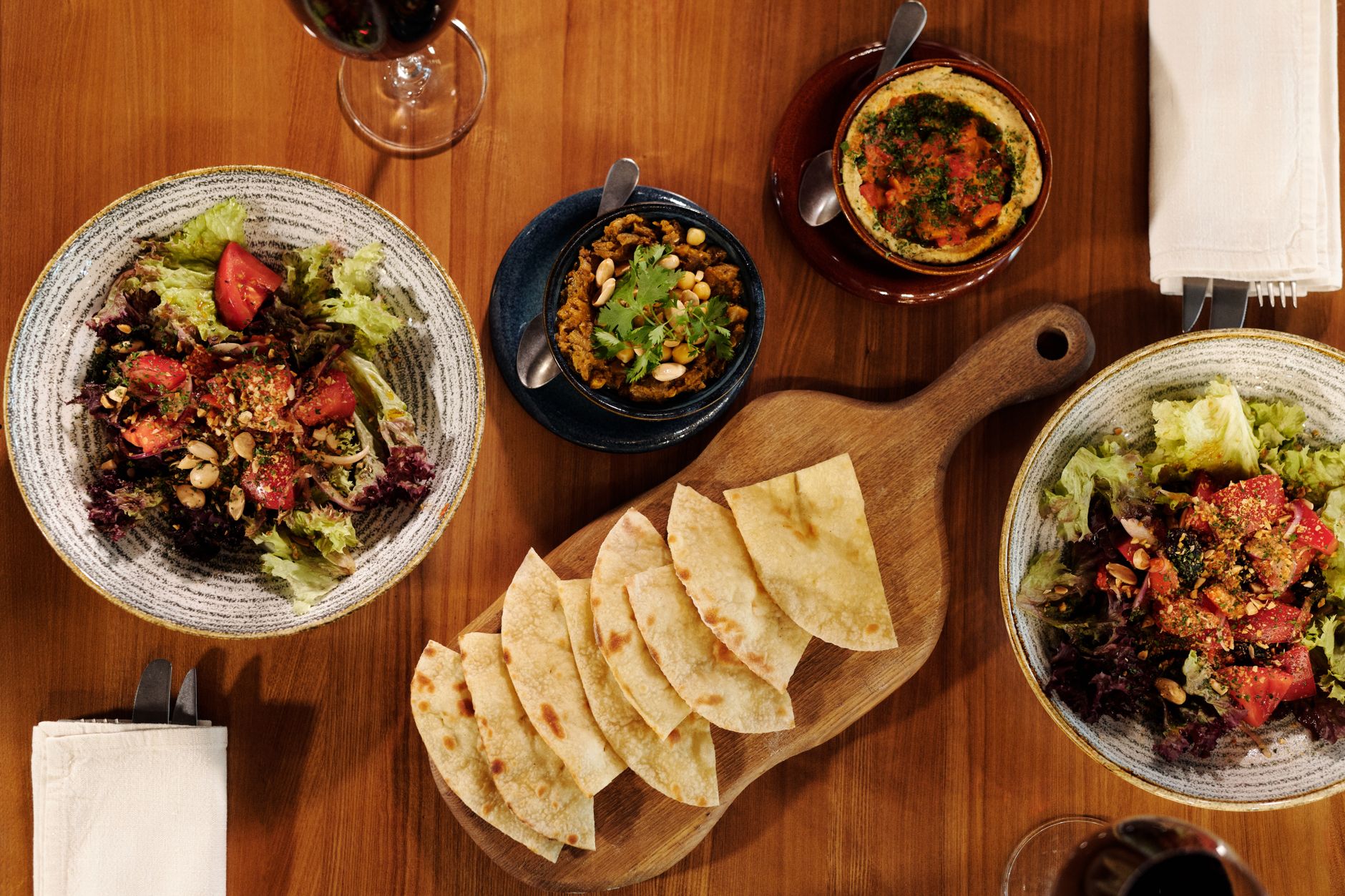
Bringing exceptional Albanian ingredients home is only half the adventure. The real joy comes from incorporating them into your cooking and sharing them with friends and family who have never tasted anything quite like them. Albanian olive oil, honey, and cheese are versatile enough to use in everyday cooking, yet distinctive enough to serve as the centerpiece of a special meal or a memorable cheese board.
Start with the simplest approach: a tasting board. Arrange slices of kashkaval and cubes of white brine cheese alongside olives, crusty bread, and a small bowl of Albanian olive oil for dipping. Drizzle chestnut or thyme honey over the cheese and let your guests discover the contrast between salty, creamy cheese and intensely floral honey. This combination requires no cooking skill, only good ingredients, and it will immediately transport everyone at the table to an Albanian hillside.
Albanian olive oil shines in its simplest applications. Use it as a finishing oil over grilled vegetables, pasta, or legume soups. Drizzle it over sliced tomatoes with a pinch of sea salt and fresh herbs for a salad that needs nothing else. Use it to dress a simple arugula salad where its peppery notes complement the bitterness of the leaves beautifully. For honey, try it stirred into plain yogurt with walnuts for a breakfast that echoes the Albanian tradition of starting the day with dairy and natural sweetness. Thyme honey makes an extraordinary glaze for roasted lamb or chicken, while chestnut honey dissolved in warm water with lemon makes a soothing and deeply flavored herbal drink.
- Build a tasting board with Albanian cheese, olive oil for dipping, and honey drizzled over the cheese
- Use olive oil as a finishing oil rather than a cooking oil to preserve its complex flavor
- Pair thyme honey with aged cheeses and chestnut honey with stronger, more pungent varieties
- Stir wildflower honey into plain yogurt with walnuts for a traditional Albanian-inspired breakfast
- Use olive oil to dress simple salads where its peppery character can shine without competition
- Share your purchases with friends and tell the story of where and how you found each item
Host a small Albanian tasting evening when you return home. Set out your olive oil, honey, and cheese with some good bread and let guests explore the flavors. Sharing the stories behind each product makes the experience even more memorable and gives you a wonderful reason to start planning your next trip.
Albanian Artisan Food at a Glance: What to Buy, Where to Find It, and What to Expect
| Product | Best Region | Key Varieties | Typical Price Range | Shelf Life / Travel Notes |
|---|---|---|---|---|
| Extra-Virgin Olive Oil | Vlora, Berat, Saranda area | Cold-pressed, stone-milled, single-estate harvest oil | 2 to 6 euros per liter | Up to 18 months sealed; pack in checked luggage in dark glass or tin |
| Wildflower Honey | Permet, Gramsh, Valbona Valley | Wildflower, thyme, chestnut, acacia | 3 to 8 euros per 500g jar | Indefinite shelf life if sealed; pack in checked luggage wrapped in clothing |
| White Brine Cheese (Djath i Bardhë) | Nationwide, especially south and north highlands | Sheep's milk, goat's milk, mixed milk varieties | 2 to 5 euros per kilogram | Refrigerate immediately; consume within 1 to 2 weeks; vacuum-seal for travel |
| Kashkaval | Korça, Shkodra, central highlands | Semi-hard aged sheep's milk cheese | 4 to 7 euros per kilogram | Lasts several weeks refrigerated; travels well without refrigeration for short trips |
| Smoked Mountain Cheese | Northern highlands, Shkodra region | Firm, wood-smoked sheep or goat cheese | 3 to 6 euros per kilogram | Excellent traveler; lasts weeks at room temperature if rind is intact |
Frequently Asked Questions
Is Albanian olive oil really as good as Italian or Greek olive oil?
Many food experts who have tasted Albanian extra-virgin olive oil consider it equal to or better than many well-known Mediterranean varieties. Albanian oil benefits from ancient tree genetics, traditional pressing methods, and a climate ideal for olive cultivation. Because it is less commercially marketed, it is often fresher and less processed than oils that travel through long international supply chains. The peppery, grassy character of a good Albanian oil is genuinely world-class.
Can I bring Albanian cheese through customs when returning to my home country?
Customs regulations vary significantly depending on your destination country. Within the European Union, bringing cheese from Albania as a non-EU country is subject to restrictions, and certain quantities may be confiscated. Travelers returning to the United States, United Kingdom, or Australia face their own specific rules regarding dairy imports. Always check the current regulations of your home country before purchasing large quantities of cheese to bring home. Hard and smoked cheeses are generally treated more leniently than fresh or soft varieties.
How do I know if the honey I am buying is pure and not adulterated with sugar syrup?
The best way to assess honey purity is through taste and smell. Pure honey has a complex, multi-layered flavor that evolves on your palate, while adulterated honey tastes flat and one-dimensionally sweet. Natural honey also tends to crystallize over time, which is a sign of genuine sugar content from flowers rather than added refined sugar. Buying directly from beekeepers who can show you their hives or discuss their practices gives you the highest confidence in purity. Asking whether the bees are fed sugar syrup during winter is also a good indicator of the producer's standards.
What is the best time of year to shop for Albanian artisan food?
Each product has its ideal season. Olive oil is freshest and most widely available from November through February, immediately after the autumn harvest. Honey is best purchased in late summer and early autumn, when the season's harvest is complete and variety is at its peak. Cheese is available year-round, but spring and early summer bring the freshest milk and the most vibrant flavors as animals graze on new grass and wildflowers. Autumn is generally the best overall season for food shopping in Albania, as markets are full and harvest festivals celebrate the year's production.
Are there any food safety concerns when buying from informal roadside vendors?
Albanian informal food vendors generally maintain good hygiene standards, as their reputation within the local community depends on it. However, it is always wise to use common sense. Check that cheese is stored at a cool temperature and does not smell off. Look for honey that is sealed or covered to prevent contamination. Olive oil sold from large drums should be in a clean container. If anything looks or smells wrong, trust your instincts and move on. Buying from established market stalls or cooperatives provides an additional layer of assurance.
How much should I budget for food shopping in Albania?
Albania offers extraordinary value for food lovers. A liter of excellent extra-virgin olive oil typically costs between two and six euros. A 500-gram jar of high-quality honey ranges from three to eight euros. A kilogram of artisan cheese costs between two and seven euros depending on the variety and producer. You can easily fill a bag with exceptional artisan products for under fifty euros, making Albanian food shopping one of the best value experiences in European travel. Prices at tourist-oriented shops in city centers may be slightly higher, but still very reasonable by international standards.
Plan your Albania adventure
Albania's artisan food culture is one of the country's greatest and most underappreciated gifts to the traveler. When you take the time to explore its markets, connect with its producers, and taste the extraordinary olive oils, honeys, and cheeses that emerge from this ancient landscape, you are participating in something that goes far beyond ordinary souvenir shopping. You are supporting local families, preserving traditional food-making knowledge, and bringing home flavors that will genuinely enrich your kitchen and your table for months to come. Every jar of thyme honey, every bottle of peppery olive oil, and every wedge of smoked mountain cheese carries with it a story of place, tradition, and care that no supermarket product can replicate.
So as you plan your Albanian adventure, make sure to leave room in your suitcase and your itinerary for the country's edible treasures. Linger at the morning market, accept the vendor's invitation to taste, ask the beekeeper about her seasonal migration routes, and let the farmer tell you about his three-hundred-year-old olive trees. These are the moments that transform a holiday into a genuine cultural experience, and the products you bring home will keep those memories alive long after your tan has faded. Albania is waiting to feed you well. All you have to do is show up hungry and curious.