The Complete Guide to Albanian Festivals and Local Celebrations
Albania is one of Europe's best-kept secrets, and nowhere is that more apparent than in its rich tapestry of festivals and local celebrations. Tucked between the Adriatic and the Balkans, this small but fiercely proud country has managed to preserve centuries-old traditions while also embracing contemporary cultural expression. When you visit Albania during a festival, you are not just a tourist watching from the sidelines — you are welcomed into the heart of a living, breathing culture that loves to share itself with the world.
From the sun-drenched shores of the Albanian Riviera to the cobblestone streets of Gjirokaster and Berat, every region has its own unique way of marking the seasons, honoring history, and celebrating community. You will find everything from UNESCO-recognized folk music gatherings and ancient pagan spring rituals to lively summer beach festivals and solemn religious observances that cut across Muslim, Orthodox, and Catholic communities. Albania's legendary religious tolerance means that celebrations here are often shared events, bringing together people of all backgrounds under one joyful roof.
Whether you are planning a dedicated cultural trip or simply want to stumble upon something magical during your travels, understanding the Albanian festival calendar will transform your experience. This guide covers the major national celebrations, regional highlights, practical tips for attending, and everything else you need to know to make the most of Albania's extraordinary festive spirit.
Key Takeaways
| Best Month for Festivals | July and August offer the highest concentration of music, cultural, and summer festivals across the country. |
|---|---|
| Most Iconic Event | The Gjirokaster National Folklore Festival is the crown jewel of Albanian cultural celebrations, held every five years. |
| Religious Harmony | Albania's festivals often blend Muslim, Orthodox, and Catholic traditions, reflecting the country's unique religious coexistence. |
| Free Entry | Many local and regional festivals are free to attend, making them incredibly accessible for budget travelers. |
| Spring Highlight | Dita e Veres on March 14 is a beloved national holiday celebrating the arrival of spring with bonfires and traditional sweets. |
| Local Tip | Arrive early to major festivals to secure a good spot and connect with locals before the crowds build up. |
Understanding Albanian Festival Culture

Before diving into specific events, it helps to understand what makes Albanian festival culture so distinctive. Albania's celebrations are deeply rooted in a concept known as 'besa,' a code of honor that emphasizes hospitality, trust, and community solidarity. When Albanians celebrate, they celebrate together — and that almost always includes you, the visitor. Do not be surprised if a local family invites you to join their table, share their food, or dance alongside them during a public festival.
The country's festival landscape is shaped by three major forces: its ancient Illyrian heritage, its Ottoman-era influences, and its post-communist renaissance. After decades of strict isolation under the communist regime, Albanians have embraced cultural expression with extraordinary enthusiasm. This means that festivals here carry an emotional weight that goes beyond mere entertainment — they are acts of cultural reclamation and national pride.
Religion also plays a fascinating role. Albania is home to Muslims, Orthodox Christians, Catholics, and Bektashis, and the country is internationally recognized for its religious harmony. Many festivals are celebrated across religious lines, and you will often find mosques, churches, and tekkes all decorated and active during the same festive period. This interfaith spirit gives Albanian celebrations a uniquely inclusive and warm atmosphere that is hard to find anywhere else in the world.
- Festivals are open and welcoming to foreign visitors — participation is encouraged, not just observation.
- Traditional costumes, called 'xhubleta' in the north and colorful embroidered dresses in the south, are proudly worn during major events.
- Music is central to every celebration, from polyphonic singing to the sounds of the lahuta (a traditional lute-like instrument).
- Food and drink are inseparable from Albanian festivals — expect generous spreads of byrek, tavë kosi, raki, and homemade wine.
- Many festivals have roots going back hundreds or even thousands of years, predating both Ottoman and Byzantine influences.
Learn a few basic Albanian phrases like 'Gezuar' (cheers) and 'Faleminderit' (thank you) before attending any festival. Locals will absolutely love the effort and will go out of their way to make you feel at home.
Spring Celebrations: Dita e Veres and Nowruz
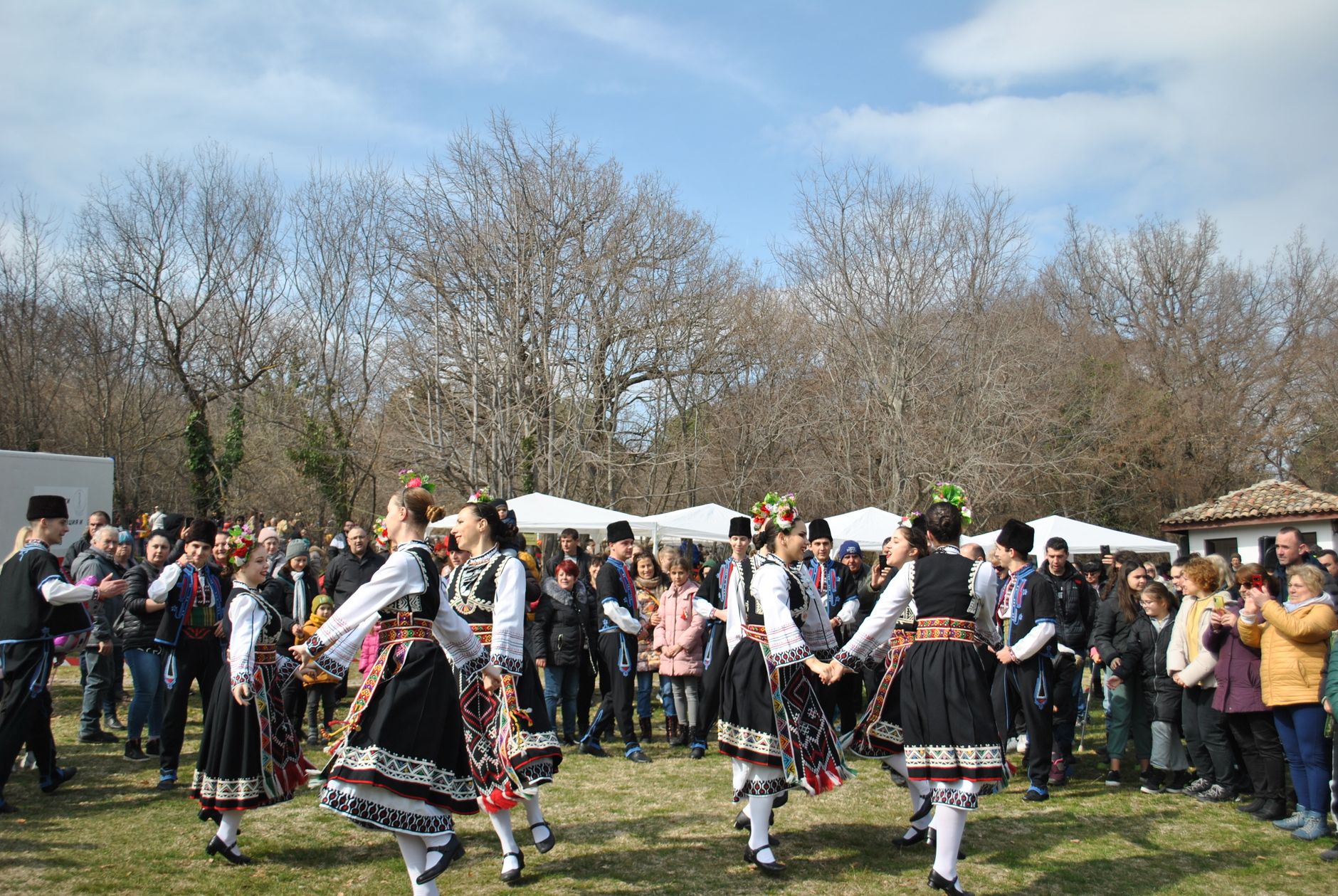
Spring is arguably the most festive season in Albania, and it kicks off with one of the country's most beloved and ancient holidays: Dita e Veres, or Summer Day, celebrated on March 14. Despite its name, this is actually a celebration of the end of winter and the arrival of spring. It is believed to have pre-Christian, possibly Illyrian origins, making it one of the oldest surviving traditions in the Balkans. On this day, you will see bonfires lit in public squares, children and adults jumping over flames for good luck, and families gathering to share a special walnut-filled pastry called 'ballokume.'
The city of Elbasan is the epicenter of Dita e Veres celebrations, and if you can get there on March 14, you are in for a truly unforgettable experience. The streets fill with music, dancing, and the smell of grilled food. Locals dress in traditional costumes and the festive atmosphere is electric from morning until late at night. The holiday is a public celebration in the truest sense — the entire city comes outdoors to mark the seasonal transition together.
Nowruz, the Persian New Year celebrated on the spring equinox around March 20-21, is also observed by Albania's Bektashi community. The Bektashi tekkes across the country hold open ceremonies that welcome visitors of all backgrounds. It is a beautiful opportunity to witness a spiritual tradition that blends Sufi Islamic mysticism with pre-Islamic Persian customs, all filtered through a distinctly Albanian lens.
- Dita e Veres is a national public holiday, so expect banks, government offices, and many shops to be closed.
- Elbasan hosts the largest Dita e Veres celebrations, but the holiday is observed across the entire country.
- Ballokume pastries are only made during this holiday and are sold by street vendors throughout Elbasan and beyond.
- Nowruz at Bektashi tekkes is free to attend and offers a rare window into one of Albania's most unique spiritual communities.
- Spring festivals are ideal for photographers — the combination of colorful costumes, bonfires, and outdoor gatherings makes for stunning imagery.
If you are visiting Elbasan for Dita e Veres, book your accommodation at least two weeks in advance. The city fills up quickly and guesthouses near the city center sell out fast around March 14.
The Gjirokaster National Folklore Festival

If there is one festival that every serious traveler to Albania should try to experience, it is the Gjirokaster National Folklore Festival. Held every five years in the stunning UNESCO World Heritage city of Gjirokaster, this event is a true spectacle of Albanian cultural identity. The festival takes place in the courtyard of the imposing Gjirokaster Castle, a dramatic medieval fortress that towers over the city's iconic 'city of a thousand windows.' The combination of the venue and the performances creates an atmosphere that is nothing short of magical.
The festival brings together folk ensembles, musicians, and dancers from every corner of Albania, as well as groups from the Albanian diaspora in Kosovo, North Macedonia, Montenegro, and beyond. You will witness an extraordinary variety of regional traditions all in one place — from the haunting polyphonic singing of the south, which is recognized by UNESCO as an Intangible Cultural Heritage of Humanity, to the energetic circle dances of the north. Traditional costumes vary dramatically by region, turning the festival grounds into a living museum of Albanian textile art.
The event typically runs for several days and includes not just performances but also craft markets, food stalls, and educational exhibitions about Albanian folklore and history. Even if you cannot time your visit to coincide with the main festival (the next edition depends on the five-year cycle), Gjirokaster itself is worth visiting year-round. But if the stars align and you can be there during the festival, clear your entire schedule and immerse yourself completely.
- The Gjirokaster Folklore Festival was first held in 1968 and has been a defining event in Albanian cultural life ever since.
- Polyphonic singing from southern Albania, featured prominently at the festival, is on UNESCO's Intangible Cultural Heritage list.
- The castle setting provides a breathtaking backdrop — arrive before sunset to experience the golden hour light over the city.
- Craft vendors sell handmade traditional items including embroidered textiles, wooden instruments, and local ceramics.
- Photography is welcomed and encouraged — performers are generally happy to pose for photos after their sets.
Stay in one of Gjirokaster's traditional guesthouses built into the hillside for the full experience. Many are housed in Ottoman-era stone buildings and offer rooftop terraces with panoramic views of the castle.
Summer Festivals: Music, Beach, and Beyond

Summer in Albania is festival season in the most exuberant sense. From late June through August, the country comes alive with an extraordinary range of events that cater to every taste. The Albanian Riviera, stretching from Vlora down to Saranda, transforms into a hub of outdoor concerts, cultural events, and beach parties. Towns like Himara, Palasa, and Dhermi host open-air music events that draw both locals and international visitors, all set against the backdrop of turquoise Ionian waters.
One of the most beloved summer events is the Kala Festival, an electronic music gathering held on a clifftop overlooking the sea near Palasa. While it leans toward a younger, internationally-minded crowd, it has become a symbol of Albania's growing profile as a cultural destination. Similarly, the Sunny Hill Festival, held in Pristina but drawing huge Albanian audiences from across the region, reflects the shared cultural energy of Albanian communities beyond the country's borders.
Beyond the music scene, summer is also when many towns hold their annual 'Dita e Qytetit' (City Day) celebrations. These hyperlocal events are often overlooked by tourists but are among the most authentic experiences you can have in Albania. Each city or town celebrates its founding or liberation with parades, outdoor concerts, sports competitions, and communal feasts. Berat, Korce, Shkoder, and Vlora all have their own City Day traditions, and stumbling into one of these celebrations as an outsider is a genuinely heartwarming experience.
- The Albanian Riviera hosts dozens of informal beach events throughout July and August — check local social media pages for announcements.
- City Day celebrations vary by town but typically include free outdoor concerts, food markets, and fireworks in the evening.
- Korce is known for its summer cultural programs, including outdoor theater, classical music concerts, and art exhibitions.
- Shkoder hosts a vibrant summer festival scene tied to its position as a cultural capital of northern Albania.
- Many summer events are spontaneous and announced only a week or two in advance, so staying flexible with your itinerary pays off.
Follow local Albanian tourism social media accounts and check municipal websites before your trip. Many of the best summer events are announced with only a few days' notice, and being plugged into local information channels makes all the difference.
Religious and Spiritual Celebrations
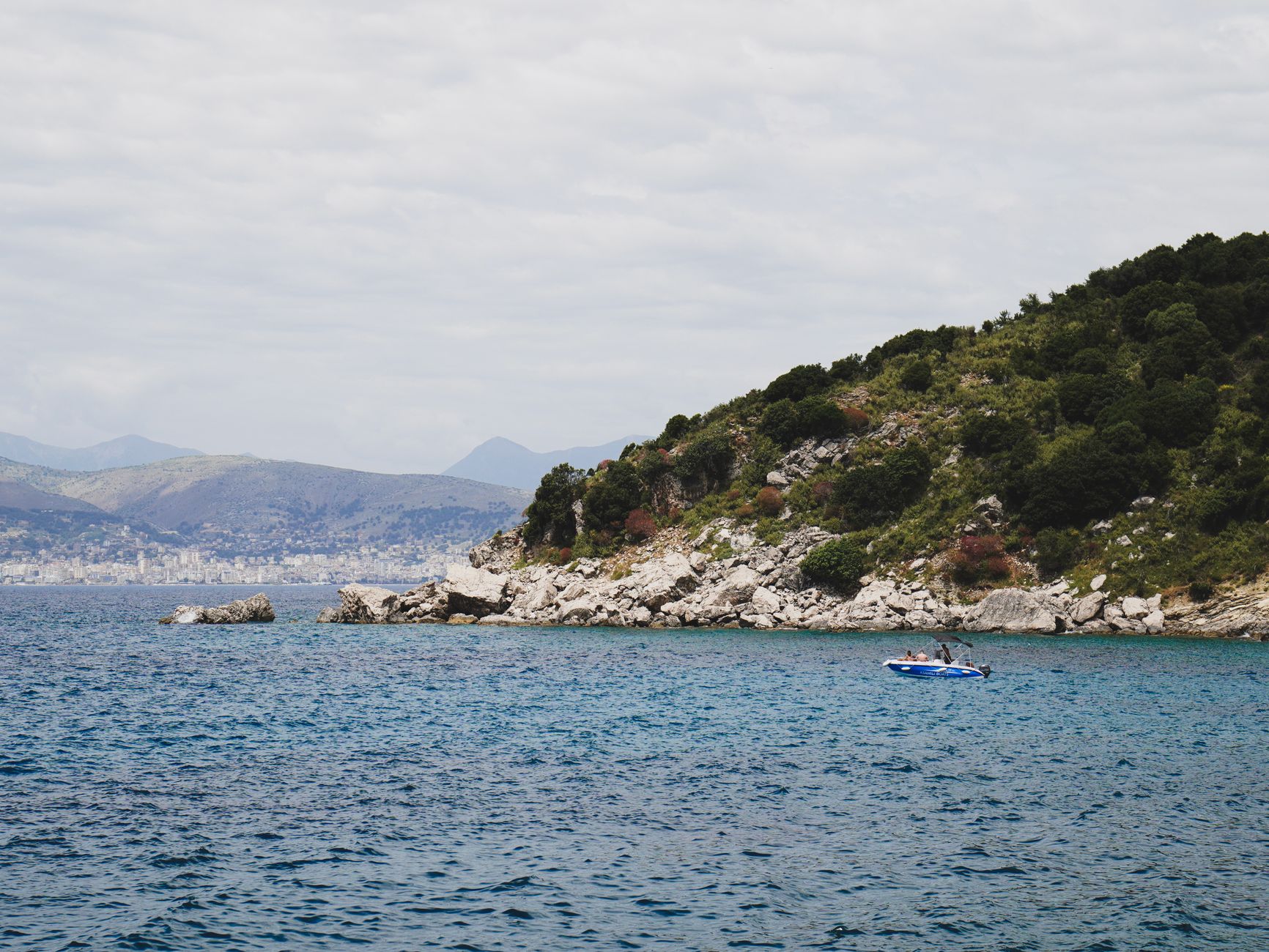
Albania's religious diversity is one of its most remarkable characteristics, and nowhere is this more visible than in its calendar of religious celebrations. The country observes holidays from four major faith traditions — Sunni Islam, Bektashi Islam, Eastern Orthodoxy, and Roman Catholicism — and the spirit of coexistence means that many Albanians participate in celebrations across religious lines. It is genuinely common to see Muslim families attending Catholic Christmas masses or Orthodox neighbors joining in Eid celebrations.
Easter is one of the most visually spectacular religious events in Albania, particularly in the Orthodox communities of the south. In cities like Berat, Gjirokaster, and Korce, you will witness candlelit midnight processions, the cracking of red-dyed eggs, and festive lamb roasts that bring entire neighborhoods together. The Orthodox Easter often falls on a different date than Western Easter, so check the calendar carefully when planning your visit.
Eid al-Fitr and Eid al-Adha are widely celebrated across Albania, with communal prayers held in mosques and public squares, followed by family gatherings and the sharing of sweets and food with neighbors. The Bektashi community's celebrations, particularly around Ashura and the anniversary of their founding figures, are quieter but deeply moving. The Bektashi World Headquarters is located in Tirana, and their ceremonies are open to respectful visitors. Catholic celebrations are most vibrant in the north, particularly in Shkoder, where Christmas and Easter processions draw large crowds.
- Albania officially recognizes both Islamic and Christian holidays as public holidays, reflecting its commitment to religious equality.
- Orthodox Easter celebrations in Berat are considered among the most beautiful in the entire Balkans region.
- The Bektashi tekke in Tirana welcomes visitors year-round, but spiritual ceremonies during key dates offer a rare and profound experience.
- Shkoder's Catholic community hosts some of the most elaborate Christmas and Easter processions in the country.
- Religious celebrations in Albania almost always involve communal food sharing — do not be surprised if you are handed a plate of sweets by a complete stranger.
When attending religious ceremonies in Albania, dress modestly and follow the lead of locals regarding when to stand, sit, or remain quiet. Albanians are incredibly welcoming to respectful visitors, and a small gesture of cultural sensitivity goes a long way.
Autumn and Winter Festivals: Harvest, Film, and New Year
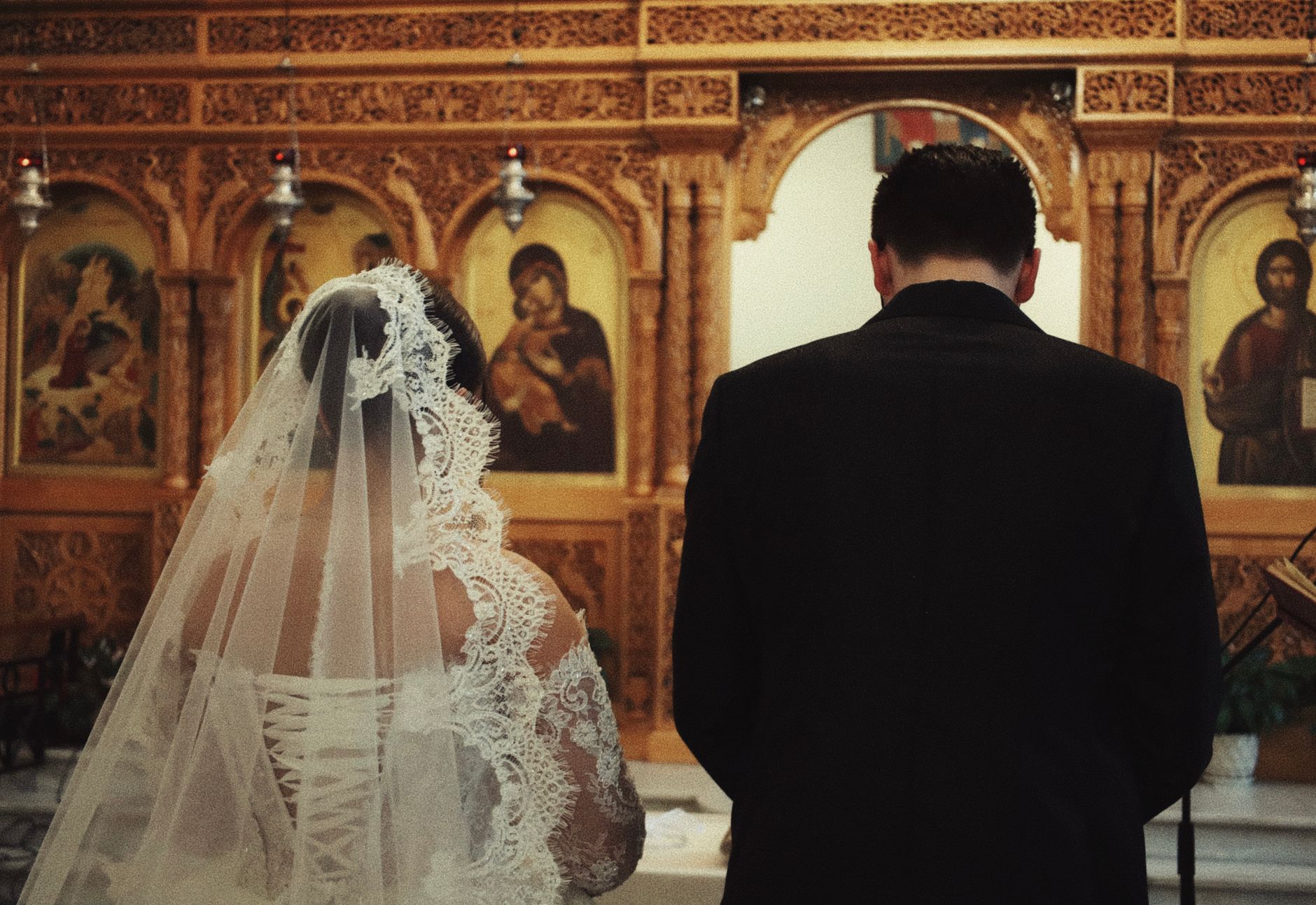
While spring and summer dominate Albania's festival calendar, autumn and winter offer their own compelling celebrations that are often overlooked by visitors. October brings the harvest season, and in agricultural regions like the Permet valley, the Korce highlands, and the vineyards around Berat, you will find informal harvest festivals where locals celebrate the grape and olive picking seasons with music, dancing, and copious amounts of homemade wine and raki.
Korce is particularly famous for its autumn cultural energy. The city hosts a Beer Festival in late summer that has grown into one of the most popular events in the country, drawing visitors from across Albania and the region. The Korce Old Town comes alive with open-air stages, craft stalls, and an atmosphere that perfectly captures the city's reputation as Albania's cultural capital. The cooler autumn temperatures make it a particularly pleasant time to explore this beautiful city.
As winter approaches, Albania's cities begin preparing for the holiday season. Tirana hosts an increasingly impressive Christmas market in Skanderbeg Square, with lights, decorations, and stalls selling traditional crafts and seasonal foods. New Year's Eve is celebrated with enormous enthusiasm across the country — Tirana's central square hosts a massive public countdown, and coastal towns like Saranda and Durres hold beachfront celebrations that attract thousands of revelers. January 7, Orthodox Christmas, brings another round of celebrations in communities across the south, effectively extending the festive season well into the new year.
- The Korce Beer Festival typically takes place in late August or early September and is one of the most attended events in Albania.
- Harvest festivals in the Permet and Berat regions are informal but deeply authentic — ask locals or your guesthouse host for exact dates.
- Tirana's Christmas market has grown significantly in recent years and now features dozens of vendors selling handmade Albanian crafts.
- New Year's Eve in Tirana's Skanderbeg Square is a massive public event with live concerts, fireworks, and a joyful crowd atmosphere.
- Orthodox Christmas on January 7 extends the festive season and is celebrated with church services, family meals, and community gatherings in southern Albania.
If you are visiting Tirana over New Year's Eve, book your accommodation at least a month in advance. The capital fills up quickly for the holiday period, and prices for centrally located hotels can spike significantly in the final weeks of December.
Practical Tips for Attending Albanian Festivals

Attending festivals in Albania is generally a straightforward and rewarding experience, but a little preparation goes a long way. First and foremost, always check the specific dates of any festival you are planning to attend before booking your travel. Many Albanian festivals, particularly folklore events and religious celebrations, do not fall on fixed calendar dates every year. Regional festivals may also be subject to changes based on local government decisions or funding, so verifying dates through official tourism sources or local contacts is essential.
Transportation to festival venues can be challenging, particularly for events held in smaller towns or rural areas. Albania's public bus network, known as furgons (shared minibuses), connects most towns but may not run on festival days due to road closures or increased traffic. Renting a car gives you the most flexibility and is strongly recommended if you plan to attend multiple regional festivals during a single trip. Parking near festival venues can be limited, so arriving early or using accommodation within walking distance is advisable.
Dress code considerations vary by event. For religious ceremonies, modest dress is always appropriate — cover your shoulders and knees and remove shoes when entering places of worship. For outdoor folk festivals and summer events, casual comfortable clothing is fine, though wearing a piece of traditional Albanian-inspired clothing or a simple embroidered accessory will earn you warm smiles and enthusiastic conversations with locals. Always carry cash, as many festival vendors and smaller events do not accept card payments.
- Book accommodation in festival host cities well in advance — popular events like the Gjirokaster Folklore Festival can book out months ahead.
- Carry a small amount of Albanian lek in cash for street food, craft purchases, and entry fees at smaller local events.
- Download an offline map of Albania before your trip, as mobile data coverage can be patchy in more remote festival locations.
- Consider hiring a local guide for major cultural festivals — they can provide context, translation, and access to behind-the-scenes experiences.
- Stay hydrated during summer festivals, especially outdoor events on the coast or in cities like Tirana where summer heat can be intense.
- Respect photography etiquette — always ask permission before photographing individuals in traditional costume or during religious ceremonies.
Connect with local Albanian tourism groups and community forums online before your trip. Albanians living in the areas you plan to visit are often incredibly generous with insider information about upcoming local events, hidden celebrations, and the best spots to experience authentic festival culture away from the tourist trail.
Major Albanian Festivals at a Glance
| Festival | When | Location | Type | Best For |
|---|---|---|---|---|
| Dita e Veres (Summer Day) | March 14 | Elbasan (nationwide) | National Holiday / Folk Tradition | Spring atmosphere, bonfires, traditional food |
| Gjirokaster Folklore Festival | Every 5 years, summer | Gjirokaster | National Folk Music and Dance | Deep cultural immersion, traditional costumes, polyphonic music |
| Korce Beer Festival | Late August / Early September | Korce | Food, Drink and Music | Lively atmosphere, local craft products, city exploration |
| Orthodox Easter Celebrations | April (date varies) | Berat, Gjirokaster, Korce | Religious / Community | Candlelit processions, egg traditions, festive lamb meals |
| Tirana New Year's Eve | December 31 | Tirana | Public Celebration | Fireworks, live concerts, vibrant crowd energy |
| Nowruz at Bektashi Tekkes | March 20-21 | Tirana and nationwide tekkes | Spiritual / Cultural | Unique spiritual experience, interfaith atmosphere |
Frequently Asked Questions
When is the best time to visit Albania for festivals?
The richest period for festivals is between March and September, with the peak being July and August when summer music events, City Day celebrations, and cultural gatherings are in full swing. Spring is excellent for traditional holidays like Dita e Veres, while autumn offers harvest festivals and events like the Korce Beer Festival. There is genuinely something worth celebrating in Albania in every season.
Are Albanian festivals free to attend?
The majority of Albanian festivals and local celebrations are free to attend. Public holidays, folk festivals, religious ceremonies, City Day events, and most outdoor cultural gatherings have no entry fee. Some larger music festivals and ticketed concerts do charge admission, but even these tend to be very affordable by European standards. Street food and craft vendors at festivals do charge for their goods, so bring some cash.
Is it safe to attend festivals in Albania as a foreign tourist?
Yes, Albania is generally a very safe country for tourists, and festival environments are particularly welcoming to foreigners. Albanians are known for their extraordinary hospitality and will often go out of their way to make visitors feel included and comfortable. As with any large public gathering anywhere in the world, standard common-sense precautions apply — keep an eye on your belongings, stay aware of your surroundings, and trust your instincts.
Do I need to speak Albanian to enjoy local festivals?
Not at all. While knowing a few basic Albanian phrases will certainly enrich your experience and delight locals, you do not need to speak the language to participate in and enjoy Albanian festivals. Music, dance, food, and the general atmosphere of celebration transcend language barriers completely. Many younger Albanians speak English, Italian, or Greek, and you will rarely find yourself without someone willing to help translate or explain what is happening around you.
What should I wear to Albanian festivals?
Dress code depends on the type of festival. For outdoor folk festivals and summer events, casual and comfortable clothing is perfectly appropriate. For religious ceremonies — whether at a mosque, church, or Bektashi tekke — dress modestly by covering your shoulders and knees. For major cultural events like the Gjirokaster Folklore Festival, smart casual attire is common among local attendees. Wearing something with a traditional Albanian embroidery detail, even something small, is always appreciated and often sparks wonderful conversations with locals.
How far in advance should I book accommodation for major festivals?
For the largest events — particularly the Gjirokaster National Folklore Festival, Tirana's New Year celebrations, and the Korce Beer Festival — booking at least one to two months in advance is strongly recommended. Accommodation options in smaller cities like Gjirokaster and Korce are more limited than in Tirana, and quality guesthouses near the festival venues sell out quickly. For smaller regional festivals and local City Day events, booking one to two weeks ahead is usually sufficient.
Plan your Albania adventure
Albania's festivals and local celebrations are one of the country's greatest and most underappreciated gifts to the traveler. From ancient spring rituals lit by bonfires in Elbasan to the spine-tingling polyphonic harmonies echoing off the walls of Gjirokaster Castle, from interfaith religious observances that showcase the country's extraordinary tolerance to spontaneous harvest parties in vine-draped valleys, every celebration in this country carries a depth of meaning and a warmth of welcome that is genuinely rare in modern travel. You do not just witness Albanian festivals — you become part of them.
So as you plan your Albanian adventure, do not just look at the beaches and the ancient ruins. Look at the calendar. Find the festivals that speak to you, book your accommodation early, pack your curiosity and your appetite, and get ready to celebrate. Albania has been waiting a long time to share its traditions with the world, and it will welcome you with open arms, a full glass of raki, and a smile that tells you this is exactly where you are supposed to be.