Durrës Beyond the Beach: Roman Ruins & Hidden Gems

Durrës has a reputation that precedes it: Albania's second-largest city, a summer magnet for sun-seekers, and the gateway port for travelers arriving by ferry from Italy. The beach promenade buzzes from June through August with gelato carts, beach bars, and the kind of cheerful chaos that coastal towns do so well. But if you pack up your towel and walk just a few blocks inland, you will find yourself standing in one of the most historically rich cities in the entire Balkans, one that has been continuously inhabited for nearly three thousand years.
Founded by Greek colonists around 627 BC under the name Epidamnos, and later renamed Dyrrachium by the Romans, this city has been a crossroads of empires, a prize fought over by Julius Caesar and Pompey, a Byzantine stronghold, an Angevin port, and an Ottoman administrative center. Every era left its mark, and those marks are still here, hiding in plain sight between apartment blocks, tucked behind market stalls, and embedded in the very ground beneath your feet. This guide is your invitation to look beyond the beach and experience Durrës the way curious, historically-minded travelers do.
Whether you have a single afternoon or a full two days to spare, the hidden gems of Durrës will reward every minute you invest in them. Lace up comfortable walking shoes, bring a bottle of water, and get ready to fall in love with a city that most tourists never truly see.
Key Takeaways
| Founded | Around 627 BC, making Durrës one of the oldest continuously inhabited cities in the Balkans |
|---|---|
| Must-See Ruin | The Roman Amphitheater, one of the largest in the Balkans, partially buried beneath the city |
| Hidden Highlight | Byzantine mosaics inside the amphitheater chapel, rarely crowded even in peak season |
| Best Time to Visit | April to June and September to October for mild weather and fewer beach crowds |
| Getting Around | The historic core is compact and easily walkable in half a day |
| Entry Fees | Most archaeological sites charge modest fees under 500 Albanian lek |
| Local Tip | The old bazaar area near the city center is best explored on weekday mornings |
The Roman Amphitheater: A Colosseum Beneath the City

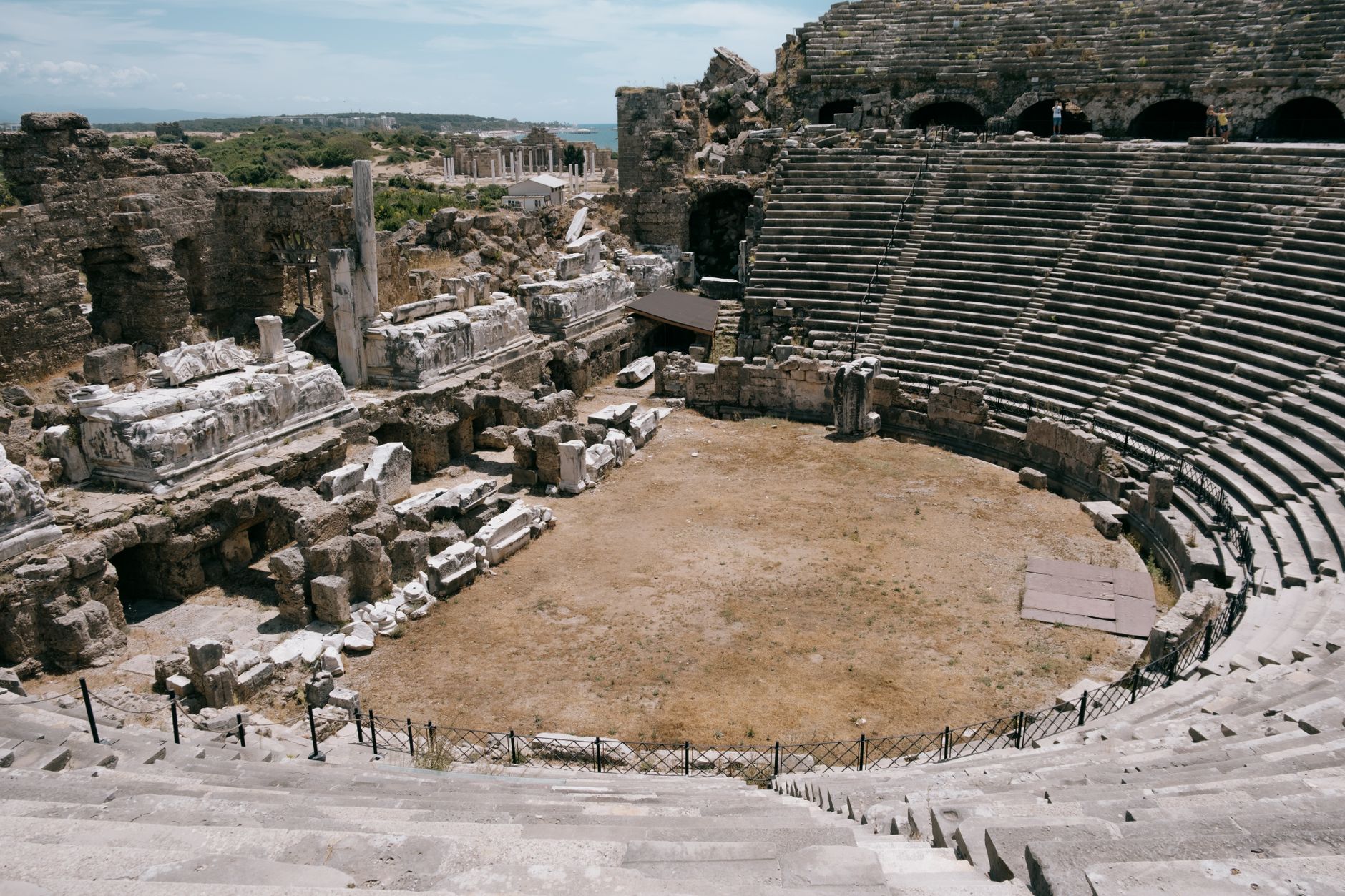
If you visit only one site in Durrës beyond the beach, make it the Roman Amphitheater. Built in the second century AD during the reign of Emperor Hadrian, this massive structure once seated between fifteen thousand and twenty thousand spectators, making it one of the largest amphitheaters in the entire Balkans. What makes it extraordinary today is not just its scale, but the fact that it was completely buried under centuries of urban development and only rediscovered in the 1960s when construction workers stumbled upon its outer walls.
Today you can descend into the excavated sections and walk through the vaulted corridors where gladiators once waited before entering the arena. The stone seating tiers are partially reconstructed, giving you a genuine sense of the amphitheater's original grandeur. Look closely at the walls and you will notice layers of different historical periods literally stacked on top of each other: Roman masonry at the base, medieval additions in the middle, and modern city infrastructure hovering overhead. It is a living cross-section of time.
One of the most unexpected treasures inside the amphitheater is a small early Christian chapel that was built into one of the internal chambers, likely in the fifth or sixth century AD. The chapel contains remarkably well-preserved Byzantine mosaics depicting saints and religious scenes in vivid blues, golds, and reds. These mosaics are among the finest in Albania and yet they receive only a fraction of the attention they deserve. You can stand just inches away from them, which would be unthinkable at more famous sites in Greece or Italy.
- Built in the 2nd century AD, capacity of up to 20,000 spectators
- Rediscovered in the 1960s during urban construction
- Features a rare early Christian chapel with intact Byzantine mosaics
- Open most days; check locally for current hours as they vary seasonally
- Located just a short walk from the main city square
Visit the amphitheater in the early morning before tour groups arrive. The low-angle light illuminates the mosaics beautifully and you will likely have the chapel entirely to yourself.
The Archaeological Museum: Albania's Richest Ancient Collection
A short walk from the amphitheater brings you to the Archaeological Museum of Durrës, which houses one of the most impressive collections of ancient artifacts in the country. The museum sits in a distinctive building that itself dates from the communist era, but do not let the utilitarian exterior put you off. Inside, you will find thousands of objects spanning from the Bronze Age through the Byzantine period, all excavated from Durrës and the surrounding region.
The ground floor is dedicated to Greek and Illyrian artifacts, including stunning ceramic vessels, jewelry, coins, and funerary objects that paint a vivid picture of daily life in ancient Epidamnos. The coin collection alone is worth the visit, featuring currencies from dozens of ancient city-states and empires that traded through this port, a tangible reminder that Durrës was once a major node in Mediterranean commerce.
Upstairs, the Roman collection takes center stage with marble sculptures, glass vessels, mosaics, and an extraordinary display of Roman-era sarcophagi decorated with mythological reliefs. The museum labels are in Albanian and sometimes English, so consider hiring a local guide for an hour to bring the objects to life with context and stories. Most guides can be arranged informally at the entrance or through your accommodation, and the investment transforms a pleasant browse into a genuinely moving experience.
- One of the largest archaeological collections in Albania
- Artifacts span from the Bronze Age to the Byzantine period
- Highlights include Greek ceramics, Roman sculptures, and ancient coins
- Modest entry fee; photography usually permitted without flash
- Allow at least 90 minutes for a thorough visit
Ask the museum staff about any temporary exhibitions. The museum occasionally displays newly excavated finds from ongoing digs around the city, giving you a genuine first look at history being uncovered in real time.
The Byzantine City Walls and Venetian Tower

Wrapping around the older parts of Durrës like a stone embrace, the ancient city walls represent one of the most underappreciated monuments in Albania. The fortifications you see today are primarily Byzantine in origin, built and rebuilt between the fifth and thirteenth centuries, though they incorporate even earlier Roman foundations in several sections. Walking along the surviving stretches of wall gives you a powerful sense of just how strategically important this city was to successive empires.
The most photogenic section of the walls runs near the city center and includes the Venetian Tower, a sturdy medieval structure that was reinforced during the brief period of Venetian control in the fifteenth century. The tower offers a modest climb to a viewpoint that looks out over the rooftops of the old city toward the Adriatic. On a clear day you can see the coastline stretching north and south, and it is easy to understand why every empire from Rome to the Ottomans considered Durrës worth fighting over.
Unlike the amphitheater, the city walls are largely unenclosed and free to explore at any time. You can follow a walking route that takes you past several surviving towers and gateways, each with its own layer of history. Local residents use the areas around the walls as everyday public space, and you will find old men playing chess, children kicking footballs, and vendors selling roasted corn, making your historical walk feel wonderfully embedded in the living city rather than sealed off in a museum.
- Primarily Byzantine construction with Roman foundations
- The Venetian Tower dates from the 15th century
- Free to explore and accessible at all hours
- Best photographed in the golden hour before sunset
- Look for inscriptions and carved details in the stonework
Download a simple map of the wall circuit before you go, as signage is inconsistent. The full walking route takes about 45 minutes at a leisurely pace and connects several other points of interest along the way.
The Old Bazaar Quarter and Ottoman Heritage

Durrës spent several centuries under Ottoman rule, and while the city's Greek and Roman layers tend to get the most historical attention, the Ottoman period shaped the urban fabric in ways that are still visible and wonderfully alive today. The old bazaar quarter, located in the heart of the city, is the best place to experience this heritage. The streets here are narrower, the buildings older, and the atmosphere distinctly different from the modern boulevards that dominate much of Durrës.
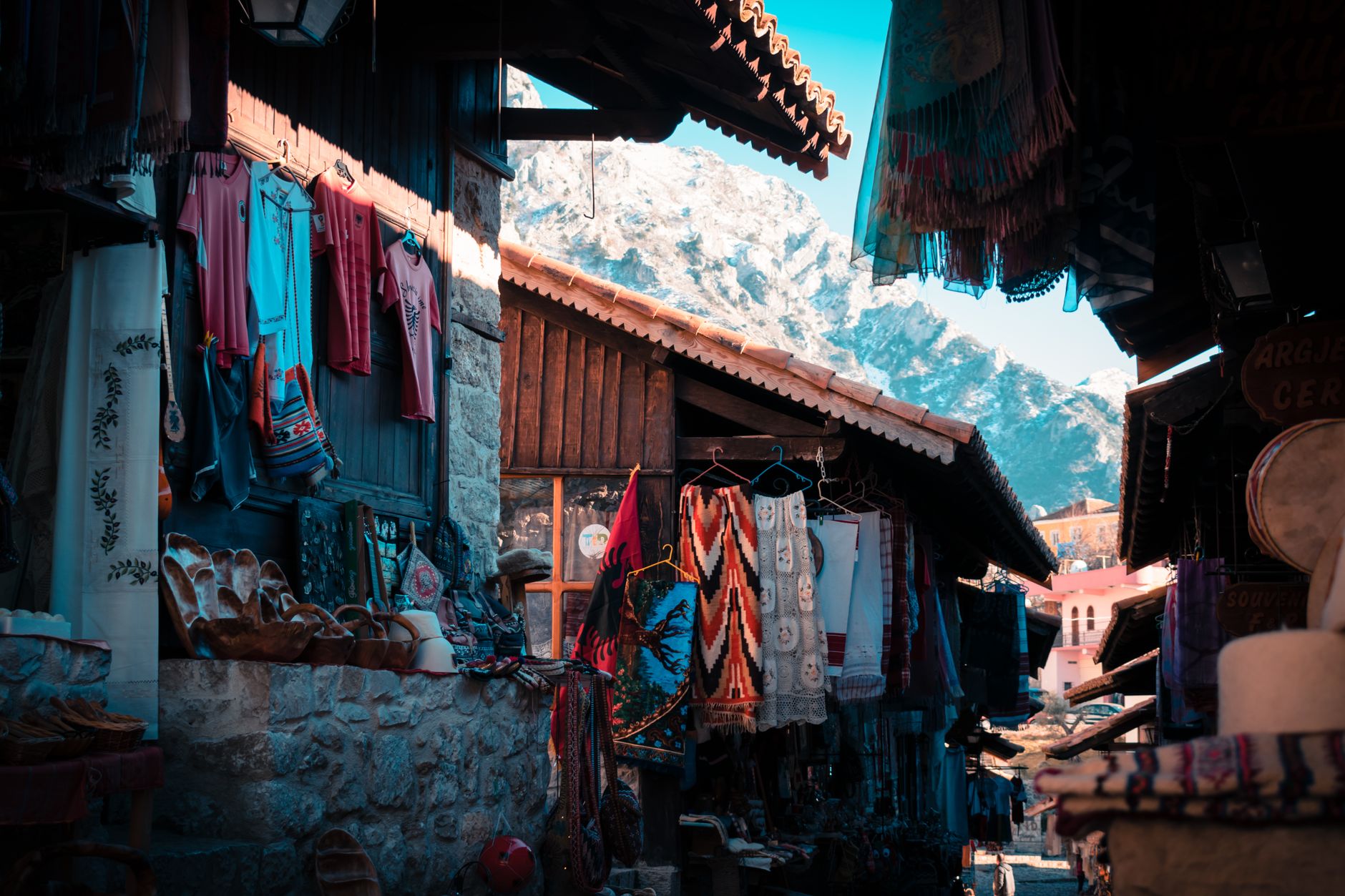
Wandering through the bazaar on a weekday morning, you will find small workshops where cobblers, tailors, and metalworkers still practice their trades in the same cramped spaces their predecessors occupied generations ago. The covered market section sells everything from fresh produce and local cheeses to handmade copper goods and embroidered textiles. Prices here are dramatically lower than in tourist-facing shops, and the experience of bargaining gently over a bag of dried figs or a bundle of sage feels like genuine participation in the city's daily life.
Keep your eyes open for the remains of Ottoman-era hans, the roadside inns that once served merchants traveling the trade routes of the Adriatic coast. Several partially surviving examples are scattered through the bazaar quarter, their arched doorways and courtyard layouts still recognizable even when repurposed as storage rooms or small workshops. A knowledgeable local guide can point out details you would almost certainly miss on your own, transforming an already interesting neighborhood walk into a genuinely revelatory experience.
- Ottoman-era bazaar streets with active traditional workshops
- Best visited on weekday mornings for the most authentic atmosphere
- Look for surviving han structures with arched Ottoman doorways
- Great place to buy local food products and handmade crafts
- Street food vendors sell byrek, roasted nuts, and seasonal fruits
Try the byrek from one of the small bakeries tucked into the bazaar side streets. Durrës-style byrek is often made with a slightly thicker, crispier pastry than you find elsewhere in Albania, and it makes for a perfect mid-morning snack during your exploration.
The Forum and Roman Street: Walking Ancient Dyrrachium
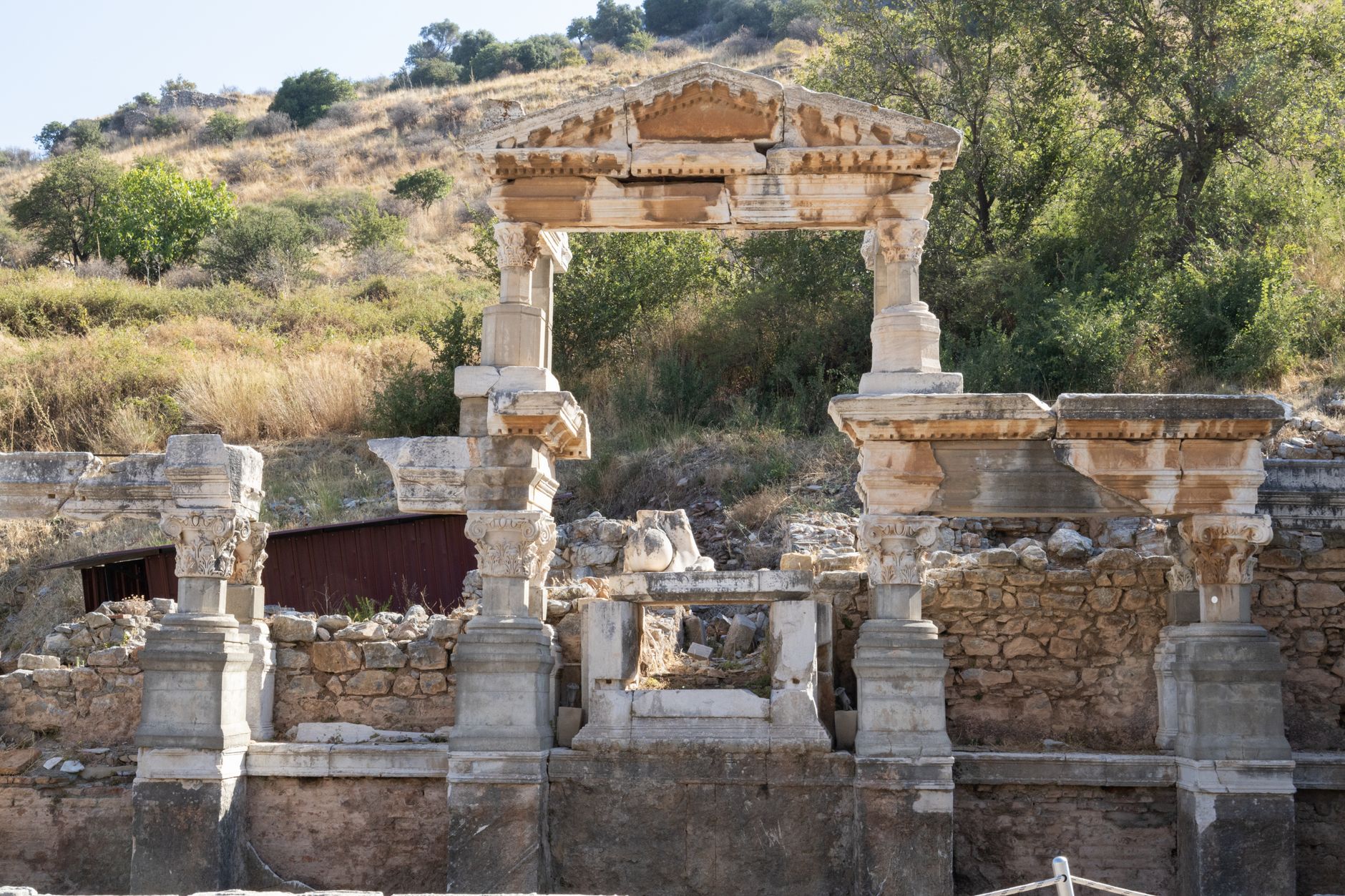
One of the most evocative and least-visited experiences in Durrës is walking the excavated sections of the ancient Roman street grid that have been uncovered in various parts of the city center. Over decades of construction and renovation work, archaeologists have revealed stretches of original Roman paving stones, column bases, and the foundations of public buildings that once formed the heart of ancient Dyrrachium. Several of these excavated areas are now preserved as open-air displays integrated into the modern streetscape.
The most significant of these is the area near the old forum, where you can stand on a viewing platform and look down at the exposed Roman paving stones just a meter or two below the current street level. The scale difference between the ancient street and the modern buildings surrounding it makes for a profoundly strange and wonderful visual experience, as if someone has cut a window through time and left it open for you to peer through.
Connecting these scattered archaeological windows into the ancient city requires a bit of navigation and curiosity, but that is precisely what makes it rewarding. Unlike a purpose-built archaeological park where everything is labeled and corralled, the Roman remains of Durrës exist in genuine dialogue with the living city. You might round a corner and find a glass floor panel in a cafe revealing ancient mosaics beneath your feet, or notice a Roman column base incorporated into a garden wall. The city is its own best museum.
- Excavated Roman paving stones visible in several city-center locations
- Forum area offers a viewing platform over ancient street level
- Some cafes and shops have glass floors revealing archaeological finds below
- Combine with the amphitheater visit for a full Roman Durrës experience
- Free to view from street level; some areas have small entry fees
Pick up the free city archaeological map available at the main museum entrance. It marks all known visible Roman remains around the city center and turns your walk into a genuinely structured archaeological trail.
Local Neighborhoods and Culinary Hidden Gems
No visit to Durrës is complete without eating well, and the best food in the city has nothing to do with the beach promenade restaurants that cater to summer tourists. Head instead to the residential neighborhoods just behind the main coastal strip, where family-run restaurants and tavernas serve the kind of honest, generous Albanian cooking that locals actually eat. Seafood is naturally a specialty here given the city's coastal location, but the cuisine of Durrës also reflects its position as a trading hub, with dishes that show Greek, Italian, and Ottoman influences.
Look for restaurants serving tave kosi, the classic Albanian baked lamb and yogurt dish, alongside fresh grilled fish caught that morning in the Adriatic. The local version of fergese, a baked pepper and cheese dish, is particularly good in Durrës and makes an excellent vegetarian option. Wash everything down with a glass of locally produced raki or a cold Albanian beer, and you have the makings of a meal you will remember long after your tan has faded.
The neighborhood of Plazhi i Ri, slightly north of the main tourist beach area, has a cluster of genuinely excellent local restaurants that serve dinner to families and friends rather than to package tourists. Tables spill out onto the pavement on warm evenings, children run between the chairs, and the noise level is cheerfully high. This is Durrës at its most relaxed and welcoming, and it costs a fraction of what you would pay at a beachfront establishment for food that is considerably better.
- Seek out family-run tavernas in residential neighborhoods behind the beach
- Must-try dishes: tave kosi, fergese, fresh grilled Adriatic fish
- Local raki and Albanian wine pair perfectly with the cuisine
- Lunch is often better value than dinner at local restaurants
- The morning fish market near the port is worth visiting even if you do not buy
Ask your accommodation host for their personal restaurant recommendation rather than relying on tourist-facing review platforms. Locals always know a place that does not appear on any list but serves the best food in the neighborhood.
Planning Your Durrës City Exploration: Practical Tips

The historical core of Durrës is compact enough to explore on foot, which is both the easiest and most rewarding way to discover its layers. A focused half-day walking tour can cover the amphitheater, the city walls, the museum, and the bazaar quarter without feeling rushed. If you have a full day, you can add the Roman street excavations and end with a long, leisurely lunch in a local neighborhood restaurant. Two days gives you the luxury of going slowly, revisiting your favorite spots, and following unexpected detours down interesting side streets.
The best seasons for city exploration are spring and early autumn. From April through June and again in September and October, the weather is warm but not oppressive, the tourist crowds are manageable, and the light is ideal for photography. July and August bring intense heat and the full weight of summer tourism to the beach areas, which can make the city center feel crowded and uncomfortable during midday hours. If you must visit in summer, plan your historical sightseeing for early morning and late afternoon.
Getting to Durrës is straightforward. The city is connected to Tirana by a fast highway that takes about 30 to 40 minutes by bus or shared furgon, making it an easy day trip from the capital. Ferry connections from Italy arrive at the port, which is walking distance from the city center. Within Durrës, everything worth seeing historically is within a comfortable 20-minute walk of the main square, so you genuinely do not need transportation beyond your own two feet.
- Best visited April to June or September to October
- Historical core is fully walkable; no car needed
- 30 to 40 minutes from Tirana by bus or furgon
- Carry cash as many small sites and restaurants do not accept cards
- Comfortable walking shoes are essential on cobblestone and uneven surfaces
- A sun hat and water bottle are non-negotiable in warmer months
Combine a Durrës city history day with an afternoon at the beach on the same trip. After a morning of ruins and museums, a swim in the Adriatic feels like the perfect reward, and you will appreciate the coastline even more after understanding the ancient city that grew up beside it.
Top Historical Sites in Durrës: Quick Comparison
| Site | Historical Period | Approximate Entry Fee | Time Needed | Crowd Level |
|---|---|---|---|---|
| Roman Amphitheater | 2nd century AD Roman | 300-500 lek | 60-90 minutes | Moderate in summer, low in shoulder season |
| Archaeological Museum | Multi-period, Bronze Age to Byzantine | 200-400 lek | 60-90 minutes | Low to moderate year-round |
| Byzantine City Walls and Venetian Tower | 5th to 15th century | Free | 30-45 minutes | Very low |
| Old Bazaar Quarter | Ottoman era, ongoing | Free | 45-60 minutes | Moderate on weekdays, busier on weekends |
| Roman Street Excavations and Forum Area | 1st to 3rd century AD | Free to view, small fee for some areas | 30-45 minutes | Very low |
| Morning Fish Market at the Port | Living tradition | Free to browse | 20-30 minutes | Busy early morning, quiet by midday |
Frequently Asked Questions
How much time should I spend exploring historical Durrës?
A focused half-day is enough to visit the main highlights including the amphitheater, city walls, and museum. A full day allows you to explore at a relaxed pace and include the bazaar quarter and a proper local lunch. If you are a history enthusiast, two days lets you go deep and revisit your favorite spots.
Is Durrës worth visiting outside of beach season?
Absolutely, and some would argue it is actually better outside of beach season. From April to June and September to October, the city is far less crowded, the weather is pleasant for walking, and the historical sites are peaceful. The local restaurants are also more attentive and the overall atmosphere more authentic when the summer tourist wave has passed.
Can I visit the Roman Amphitheater independently or do I need a guide?
You can visit independently and still have a rewarding experience, especially if you read up on the site beforehand. However, a local guide adds enormous value, particularly for the Byzantine chapel mosaics and the layered history of the structure. Guides can often be arranged informally at the entrance for a modest fee and typically spend 45 to 60 minutes with you.
Are the historical sites in Durrës accessible for visitors with mobility challenges?
Accessibility varies significantly. The Archaeological Museum is largely accessible on its ground floor. The amphitheater involves uneven stone surfaces and some steps, which can be challenging. The city walls and bazaar quarter involve cobblestones and inclines. It is worth contacting sites directly before your visit if accessibility is a concern, and going with a local guide who can suggest the most manageable routes.
How does Durrës compare to other historical cities in Albania like Berat or Gjirokastër?
Each city offers a distinct historical experience. Berat and Gjirokastër are UNESCO World Heritage Sites with better-preserved Ottoman architecture and castle complexes that are visually dramatic. Durrës offers something different: a deeper antiquity going back to ancient Greece and Rome, and the unique experience of archaeology embedded within a living modern city. Ideally you would visit all three, as they complement rather than duplicate each other.
What is the best way to get from Tirana to Durrës for a day trip?
The most convenient option is the regular bus or shared furgon service that runs from Tirana's main bus station throughout the day. The journey takes around 30 to 40 minutes depending on traffic and costs very little. Buses drop you near the city center, which puts you within walking distance of all the main historical sites. Returning to Tirana is equally straightforward, with services running until early evening.
Plan your Albania adventure
Durrës is a city that rewards the curious traveler who is willing to look past the obvious. Yes, the beaches are lovely and the Adriatic is as blue and welcoming as any sea in Europe. But the city that grew up beside those waters carries within it nearly three thousand years of human ambition, conflict, creativity, and daily life. From the gladiatorial corridors of a Roman amphitheater to the hand-hammered copper goods of an Ottoman bazaar, every corner of historical Durrës offers something that will stay with you long after your sunburn has healed. You owe it to yourself to explore it properly.
So next time you find yourself in Durrës, set your alarm a little earlier, lace up those walking shoes, and head inland before the beach umbrellas go up. Follow the ancient walls, descend into the amphitheater, stand over the Roman streets, and then sit down to a long lunch in a neighborhood restaurant where nobody is performing for tourists. That is when you will understand why travelers who discover the real Durrës always say the same thing: they had no idea the city was this extraordinary, and they cannot wait to come back.