How to Hike the Peaks of the Balkans Trail in Albania



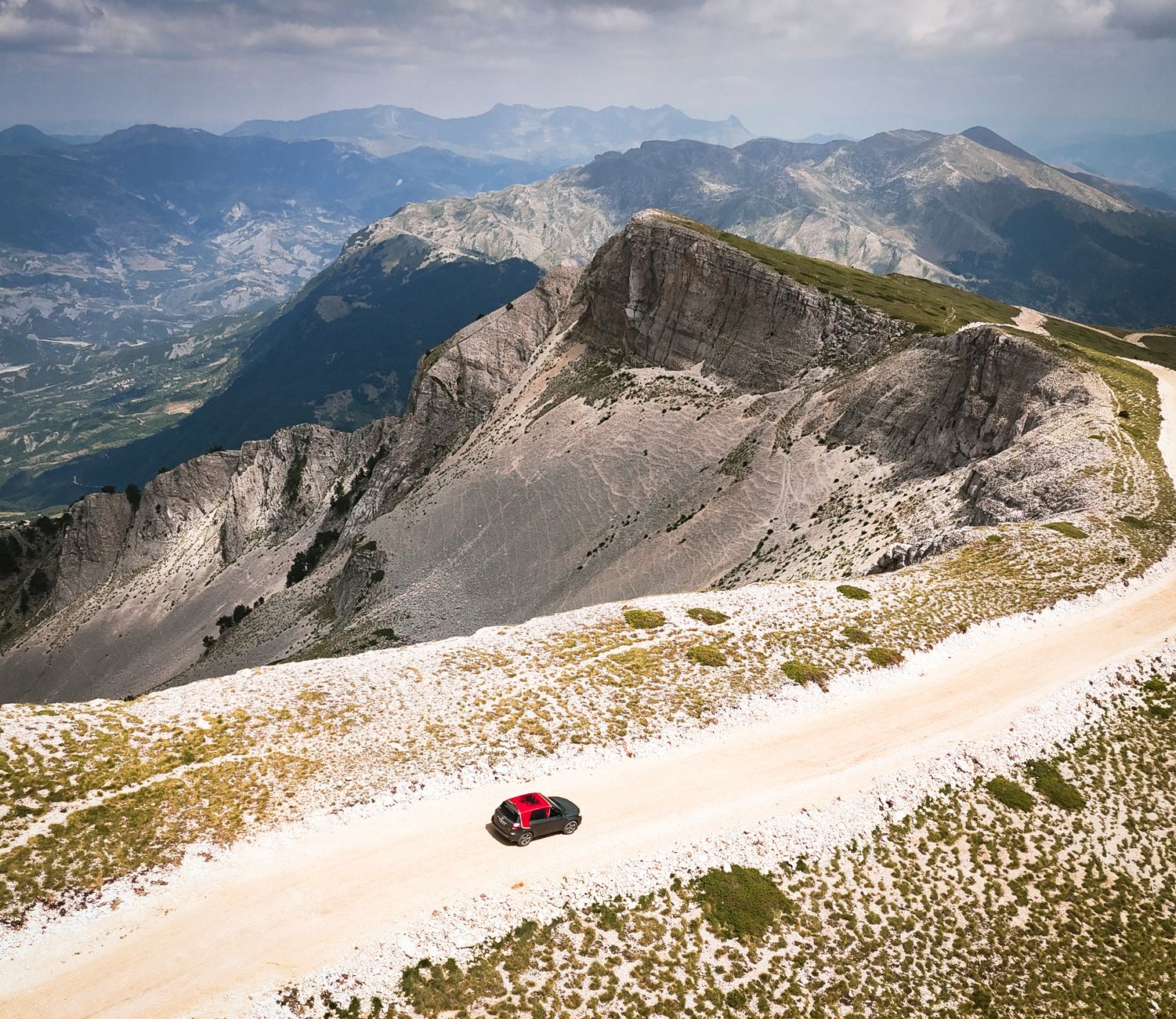
Imagine standing on a rocky ridge with Albania stretching endlessly below you, Kosovo to your left and Montenegro to your right, the air so clean it almost stings your lungs. No crowds. No ticket booths. Just you, a worn trail marker, and the raw, ancient beauty of the Accursed Mountains, known locally as the Bjeshket e Namuna. This is the Peaks of the Balkans Trail, and the Albanian section is widely regarded as the most dramatic and untamed stretch of the entire 192-kilometer loop.
The Peaks of the Balkans is a circular trail that passes through Albania, Kosovo, and Montenegro, but the Albanian leg, anchored by the mountain town of Valbona and the village of Theth, stands apart. Here, the landscape shifts from deep river canyons to high alpine passes, from dense beech forests to open meadows dotted with traditional stone guesthouses. It is a hike that challenges you physically, humbles you spiritually, and rewards you with memories that last a lifetime.
Whether you are a seasoned long-distance trekker or an adventurous traveler looking to push beyond the tourist trail, this guide will walk you through everything you need to know about hiking the Peaks of the Balkans on the Albanian side. From the best time to go and how to get there, to what to pack, where to sleep, and how to navigate the most iconic passes, consider this your complete Albanian alpine playbook.
Key Takeaways
| Total Albanian Section Distance | Approximately 60-70 km depending on your chosen route segments |
|---|---|
| Best Hiking Season | Mid-June through September, with July and August being peak conditions |
| Difficulty Level | Moderate to strenuous, with significant elevation gain on pass crossings |
| Main Entry Points | Valbona Valley and Theth Village are the two primary Albanian trailheads |
| Accommodation Style | Family-run guesthouses (bujtina) along the trail, mostly with meals included |
| Permits Required | No hiking permits needed, but Valbona National Park entry fee applies |
| Currency | Albanian Lek (ALL); carry cash as most guesthouses do not accept cards |
Understanding the Albanian Section of the Peaks of the Balkans

The Peaks of the Balkans Trail was officially established in 2012 as a transboundary hiking route designed to promote sustainable tourism across three Balkan nations. The Albanian portion covers the northern highlands of the country, specifically the districts of Tropoja and Shkodra, and passes through some of the most geographically isolated terrain in all of Europe. For centuries, these mountains were governed by the Kanun, a traditional Albanian code of law, and that fierce independence still echoes in the landscape and its people.
The Albanian section is not a single straight line but rather a series of interconnected day stages that form part of the larger loop. Most hikers tackling only the Albanian portion focus on the corridor between Valbona and Theth, a two-to-three-day journey that crosses the legendary Valbona Pass. However, the full Albanian segment also includes stages connecting to the border crossings at Cerem and Vermosh, which link to Montenegro, and the Qafa e Pejës pass, which connects to Kosovo.
What makes this section unique is the combination of dramatic scenery and genuine cultural immersion. Unlike more commercialized alpine trails in Western Europe, hiking in the Albanian Alps means you are walking through living communities where shepherds still move their flocks to high pastures in summer, where women in traditional dress serve you raki and cheese at wooden tables, and where the concept of besa, the sacred Albanian code of hospitality, means you will never feel unwelcome.
- The Albanian section connects to Montenegro via the Vermosh and Cerem border crossings
- The Kosovo border is accessible via the Qafa e Pejës high mountain pass
- Valbona to Theth is the most popular and well-marked Albanian segment
- Trail markers are red and white blazes, though signage can be inconsistent in remote areas
- The Accursed Mountains (Bjeshket e Namuna) are also called the Albanian Alps
Download offline maps on your phone before you start, as mobile signal is unreliable or nonexistent on most high passes. The Maps.me app and Wikiloc both have reliable Peaks of the Balkans GPS tracks for the Albanian section.
Best Time to Hike and What to Expect from the Weather

Timing your hike correctly is one of the most important decisions you will make. The Albanian Alps receive heavy snowfall in winter, and high mountain passes can remain blocked by snow well into June. The official hiking season runs from mid-June through September, but even within this window, conditions vary significantly. July and August offer the most reliable weather, with long daylight hours and stable temperatures at altitude, though these months also bring the most fellow hikers to the trail.
Early June can be magical if you are willing to accept some risk. The wildflowers are at their peak, the rivers run full with snowmelt, and the guesthouses are quiet. However, you may encounter lingering snow on the Valbona Pass and other high crossings, so crampons or microspikes are advisable if you plan to hike before mid-June. Always check conditions locally before attempting any high pass early in the season.
September is arguably the finest month for hiking the Albanian section. The summer crowds have thinned, the temperatures are cooler and more comfortable for uphill climbs, and the early autumn light gives the landscape a golden quality that photographers dream about. Rainfall increases toward the end of September, and guesthouses begin to close after the first week of October, so plan accordingly. Avoid hiking in late October through May unless you have serious mountaineering experience and equipment.
- Peak season: July and August, best weather but busiest on trail
- Shoulder season: mid-June and September, excellent balance of conditions and solitude
- Snow can persist on high passes until late June in heavy-snow years
- Afternoon thunderstorms are common in July and August, so start hiking early each day
- Average summer temperatures range from 10 to 25 degrees Celsius depending on elevation
- Most guesthouses operate from June 1 to October 1
Aim to be over any mountain pass by noon. Afternoon thunderstorms build quickly in the Albanian Alps and can turn a pleasant ridge walk into a dangerous situation. An early 6 or 7 AM start is standard practice among experienced hikers on this trail.
Getting to the Trailhead: Reaching Valbona and Theth

Getting to the Albanian Alps is part of the adventure. The two main entry points for the Albanian section of the Peaks of the Balkans are Valbona Valley and Theth Village, both of which require some effort to reach but are accessible by public transport if you plan ahead. Most international travelers arrive via Shkodra, which serves as the main transport hub for the northern highlands and is easily reached from Tirana by furgon or bus.
From Shkodra, reaching Theth involves taking a morning furgon that departs from the main bus station area. The journey winds through increasingly dramatic mountain scenery on a road that has been significantly improved in recent years, though sections remain unpaved. The drive takes approximately three to four hours depending on road conditions and the number of stops. Theth itself sits in a spectacular glacial valley at around 800 meters elevation and has a good range of guesthouses.
Reaching Valbona is a more memorable journey. From Shkodra, you take a furgon to Fierza, then board the iconic Lake Komani ferry, a two-hour boat ride through a flooded canyon of extraordinary beauty. From the ferry terminus at Fierza, another furgon continues up the Valbona Valley to the village. This entire journey takes a full day from Shkodra, so plan to spend the night before your hike in either Valbona or Theth rather than trying to arrive and depart the same day.
- Shkodra is the main hub for reaching both Valbona and Theth
- Furgons to Theth depart Shkodra early in the morning, usually around 7 AM
- The Lake Komani ferry runs daily in summer and is a highlight in itself
- Tirana to Shkodra takes approximately 2 to 2.5 hours by bus or furgon
- Private taxis or minibus transfers are available but significantly more expensive
- Book guesthouses in advance in July and August as they fill up quickly
If you want to hike from Valbona to Theth (the most popular direction), book a return transfer or onward transport from Theth before you start. Furgons from Theth back to Shkodra are limited and fill fast, especially on weekends in peak season.
The Key Stages and Passes on the Albanian Trail

The heart of the Albanian Peaks of the Balkans experience is the crossing of high mountain passes that connect the major valleys. Each pass offers a distinct challenge and a unique reward, and understanding what lies ahead on each stage will help you pace yourself and set realistic daily goals. The most iconic of these crossings is the Valbona Pass, known locally as Qafa e Valbonës, which sits at approximately 1,800 meters above sea level and forms the dramatic centerpiece of the Valbona-to-Theth traverse.
The Valbona to Theth stage covers roughly 17 to 19 kilometers and involves around 1,000 meters of elevation gain to reach the pass, followed by a long descent into the Theth valley. The ascent through pine and beech forest is steady and well-marked, opening onto spectacular alpine meadows before the final rocky push to the pass. From the top, on a clear day, you can see deep into both valleys simultaneously, a panoramic reward that justifies every step of the climb. The descent to Theth is longer and steeper than the ascent, so trekking poles are strongly recommended.
For those doing the full loop or extending into Kosovo and Montenegro, additional key stages include the crossing from Theth toward Vermosh and the remote stage connecting Cerem to Babino Polje on the Montenegrin side. The stage from Valbona toward the Kosovo border via Qafa e Pejës is less frequently hiked but offers extraordinary solitude and some of the wildest scenery on the entire trail. Whichever stages you choose, build in rest days and always confirm trail conditions with your guesthouse host the evening before each crossing.
The Valbona to Theth Classic Route in Detail
The Valbona to Theth crossing is the single most celebrated day hike in all of Albania and arguably one of the finest mountain day hikes in the entire Balkans. Starting from the upper end of Valbona Valley, the trail climbs steadily through fragrant pine forest for the first two hours before breaking out into open alpine terrain. The final approach to the pass is marked by dramatic limestone formations and sweeping views back down the valley. At the pass itself, a small stone shelter and a cluster of cairns mark the highest point.
The descent into Theth begins steeply before easing into a long traverse through meadows and forest. You will pass a few seasonal shepherd huts where you can sometimes buy fresh cheese or yogurt, a welcome mid-hike treat. The trail eventually joins the Theth river and follows it downstream into the village, where the distinctive stone Kulla tower and the old church mark your arrival. Plan for 7 to 9 hours total depending on your pace, and carry at least two liters of water as sources can be limited on the upper sections in dry summer months.
- Valbona Pass (Qafa e Valbonës): 1,800 m elevation, the most popular Albanian crossing
- Qafa e Pejës: connects Valbona to Kosovo, less traveled and more remote
- Qafa e Thorës: a high pass used on stages heading toward the Montenegro border
- Theth to Vermosh stage: a full-day crossing through remote highland terrain
- Each stage typically takes 6 to 9 hours of walking for an average hiker
- A rest day in Theth or Valbona mid-hike is highly recommended
Always ask your guesthouse host about current trail conditions before each stage. Local knowledge is invaluable and can alert you to washed-out paths, recent rockfall, or unexpected snow on passes that online sources may not reflect.
Where to Sleep and Eat: Guesthouses Along the Albanian Trail

One of the greatest pleasures of hiking the Albanian section of the Peaks of the Balkans is the accommodation. Unlike the hut systems found in the Alps or Carpathians, the Albanian trail is served by a network of family-run guesthouses called bujtina, where you sleep in simple but comfortable rooms and eat home-cooked meals prepared by the family. The experience is as much about cultural connection as it is about physical rest, and many hikers find the evenings at these guesthouses to be among the most memorable parts of the entire trip.
Meals at Albanian mountain guesthouses are typically half-board, meaning breakfast and dinner are included in the room price. Breakfasts are generous and feature fresh bread, local honey, homemade jam, eggs, and white cheese. Dinners are hearty mountain affairs: bean soup, cornbread, roasted lamb or goat, stuffed peppers, and always a salad of fresh tomatoes and cucumbers. Vegetarian options are usually available if you communicate your needs in advance. A small glass of raki, the local fruit brandy, often appears uninvited as a welcome gesture.
Prices along the Albanian trail are extremely reasonable by any European standard. Expect to pay the equivalent of 20 to 35 euros per person per night for a bed and two meals, though prices have been gradually rising with increased tourism. In peak season, guesthouses in Theth and Valbona fill up quickly, so booking ahead is essential. For stages in more remote areas, accommodation options are fewer and more basic, and it is worth confirming availability before you set out on any multi-day remote section.
- Bujtina (family guesthouses) are the primary accommodation along the Albanian trail
- Half-board (bed, breakfast, dinner) is the standard offering and best value
- Prices range from approximately 20 to 35 euros per person per night
- Theth and Valbona have the highest concentration of guesthouses
- Remote stages may have only one or two options; always book ahead
- Carry some cash in Albanian Lek as card payments are rarely accepted
- Inform hosts of dietary requirements when booking, not on arrival
Even if you are not hungry, always accept the raki. Refusing the welcome drink in a traditional Albanian home is considered impolite. You can take a small sip and set it down graciously, and your hosts will appreciate the gesture of acceptance.
Essential Gear and Safety Tips for the Albanian Alps

The Albanian Alps are beautiful but they are genuinely wild. Infrastructure on the trail is minimal compared to more established European hiking routes, and the remoteness means that help is not always close at hand. Packing the right gear and approaching the trail with appropriate respect for the mountain environment will make the difference between a transformative adventure and a dangerous situation. Do not underestimate the terrain simply because the trail is accessible to non-technical hikers.
Your footwear is the single most important piece of gear you will bring. The Albanian trail involves rocky paths, river crossings, muddy forest tracks, and loose scree on the high passes. A pair of sturdy, waterproof hiking boots with good ankle support is non-negotiable. Trail running shoes are popular among faster hikers but offer less protection on the rocky descents and in wet conditions. Break in your boots thoroughly before the trip to avoid blisters, which are the most common reason hikers cut their Albanian mountain adventures short.
Beyond footwear, your pack should include a reliable rain jacket, warm mid-layer, sun protection, a first-aid kit, water purification tablets or a filter, a headlamp with spare batteries, and enough snacks to sustain you through a long mountain day. Mobile signal is intermittent at best and nonexistent on most passes, so a downloaded offline map is essential. Let your guesthouse host know your planned route and expected arrival time each day, as they serve as an informal safety network along the trail.
- Waterproof hiking boots with ankle support are essential, not optional
- Trekking poles significantly reduce knee strain on long descents
- Carry a minimum of 2 liters of water capacity; refill at streams and springs
- A lightweight rain jacket is necessary even in peak summer
- Pack a headlamp in case your day runs longer than expected
- Travel insurance that covers mountain rescue is strongly recommended
- A basic first-aid kit including blister treatment is a must-have
- Microspikes or crampons are advisable for early-season hiking before mid-June
Register your hiking plans with your guesthouse host each evening. Tell them your destination, your route, and your expected arrival time. This simple habit creates a safety net and ensures that someone will raise the alarm if you do not arrive as expected.
Responsible Hiking and Supporting Local Communities

The Peaks of the Balkans Trail was developed with a specific mission: to bring sustainable economic benefits to some of the most isolated and economically marginalized communities in Europe. The Albanian highlands were heavily depopulated during the communist era and the economic turmoil that followed, and many villages lost the majority of their population to emigration. Tourism, and specifically hiking tourism, has become one of the most powerful tools for reversing this trend and giving young people a reason to stay in their ancestral villages.
Every time you book a night at a family guesthouse instead of camping, every time you hire a local guide for a remote stage, and every time you buy homemade cheese or honey from a shepherd on the trail, you are making a direct and meaningful contribution to a community that genuinely needs it. This is not abstract ethical consumption; it is a visible, immediate transfer of value from traveler to host. The families along this trail are not just service providers; they are the living culture that makes the Albanian Alps worth visiting in the first place.
From an environmental perspective, the Albanian Alps are a fragile ecosystem. Stay on marked trails to avoid erosion on alpine meadows, carry out all your rubbish including food scraps and packaging, and avoid picking wildflowers or disturbing wildlife. Campfires are generally discouraged and often prohibited in national park areas. If you need to use the bathroom in the backcountry, bury waste at least 70 meters from any water source. Leave the mountains as wild and as beautiful as you found them so that the next traveler can experience the same sense of discovery that you did.
- Always stay in local guesthouses rather than camping to support community income
- Hire local guides for remote or unfamiliar stages when available
- Buy local products directly from producers whenever you encounter them
- Pack out all rubbish, including organic waste like fruit peels
- Stay on marked trails to protect fragile alpine vegetation
- Respect local customs and dress modestly when passing through villages
- Ask permission before photographing local people, especially in traditional dress
Learn a few words of Albanian before you arrive. Even basic greetings like "Mirëdita" (good day) and "Faleminderit" (thank you) will be met with enormous warmth and will open doors to genuine human connection that goes far beyond what any guidebook can offer.
Albanian Peaks of the Balkans Trail Stages at a Glance
| Stage | Distance | Elevation Gain | Difficulty | Highlights |
|---|---|---|---|---|
| Valbona to Theth via Valbona Pass | 17-19 km | ~1,000 m up / ~1,200 m down | Moderate-Strenuous | Most iconic crossing, stunning pass views, Theth village |
| Theth to Vermosh | 22-25 km | ~1,100 m up / ~900 m down | Strenuous | Remote highland terrain, traditional villages, border area |
| Valbona to Qafa e Pejës (Kosovo border) | 18-20 km | ~1,200 m up / ~700 m down | Strenuous | Extreme solitude, wild alpine scenery, Kosovo connection |
| Cerem to Theth (via Qafa e Thorës) | 20-23 km | ~900 m up / ~1,100 m down | Moderate-Strenuous | Diverse forest and alpine zones, less-traveled route |
| Valbona Valley walk (non-pass exploration) | 8-12 km | ~200-400 m | Easy-Moderate | River scenery, local guesthouses, acclimatization hike |
Frequently Asked Questions
Do I need a guide to hike the Peaks of the Balkans on the Albanian side?
A guide is not legally required for the main stages such as Valbona to Theth, which is well-marked and frequently hiked. However, for more remote stages such as the crossing to Kosovo or the Theth to Vermosh route, hiring a local guide is strongly recommended. Trail markings can be inconsistent in remote areas, weather can change rapidly, and a local guide provides invaluable knowledge of conditions, culture, and emergency contacts. Your guesthouse host can usually arrange a reliable local guide for any stage.
Is it possible to do the Valbona to Theth hike as a day trip?
Technically yes, but it is not recommended for most hikers. The crossing takes 7 to 9 hours of walking, and doing it as a day trip from either end requires very early starts and logistical complexity. The far better approach is to spend at least one night in Valbona and one night in Theth, allowing you to enjoy the journey without rushing and to experience the remarkable hospitality of the mountain guesthouses on both sides.
What is the best direction to hike: Valbona to Theth or Theth to Valbona?
Most hikers do the crossing from Valbona to Theth, and this direction is slightly more popular because the ascent from the Valbona side is more gradual and the descent into Theth, while long, offers a dramatic reveal of the valley. However, the reverse direction (Theth to Valbona) is equally valid and has the advantage of a steeper, more dramatic ascent and a gentler descent. Choose based on your logistics and where you plan to spend more time.
How fit do I need to be to hike the Albanian section?
You need a reasonable base level of fitness. The main stages involve 6 to 9 hours of hiking with significant elevation gain and loss, often on rocky and uneven terrain. You do not need to be an athlete, but you should be comfortable walking uphill for several hours with a loaded pack. If you hike regularly and have some experience with multi-day trails, you will manage the Albanian section well. If you are new to hiking, start with shorter day hikes to build fitness and confidence before attempting the full crossing.
Are there ATMs or places to exchange money in the Albanian Alps?
No. There are no ATMs in Valbona, Theth, or along the trail. You must bring sufficient cash in Albanian Lek before you leave Shkodra or Tirana. Most guesthouses do not accept credit or debit cards. Estimate your costs based on accommodation, meals, any guide fees, and a buffer for incidental purchases, and bring that amount in cash. Euros are sometimes accepted in tourist areas but at unfavorable rates, so Lek is always preferable.
Can I hike the Peaks of the Balkans with children?
The high mountain passes are not suitable for young children or inexperienced family groups. The terrain is demanding, the distances are long, and the altitude can be challenging. However, the valley walks around Valbona and Theth are family-friendly and offer a wonderful introduction to the Albanian Alps for children who are comfortable with moderate hiking. Older teenagers with hiking experience can typically manage the pass crossings well with proper preparation and a flexible pace.
Plan your Albania adventure
The Albanian side of the Peaks of the Balkans Trail is not just a hike; it is a journey into one of the last truly wild corners of Europe, where the mountains are as ancient as the culture that inhabits them. Every step you take on these trails connects you to something rare and precious: a landscape that has barely changed in centuries, a people whose hospitality is written into their cultural DNA, and a silence so complete that you can hear your own heartbeat on the high passes. This is the kind of travel that reminds you why you started exploring in the first place.
So lace up your boots, pack your sense of adventure, and point yourself toward the Accursed Mountains. Whether you are crossing the Valbona Pass for the first time or returning for a deeper exploration of the remote border stages, the Albanian Alps will meet you exactly where you are and give you far more than you expect. The trail is waiting, the guesthouses are warm, and the raki is poured. Albania is ready for you.