Albanian Wine Country: Vineyards & Wineries to Visit in 2025

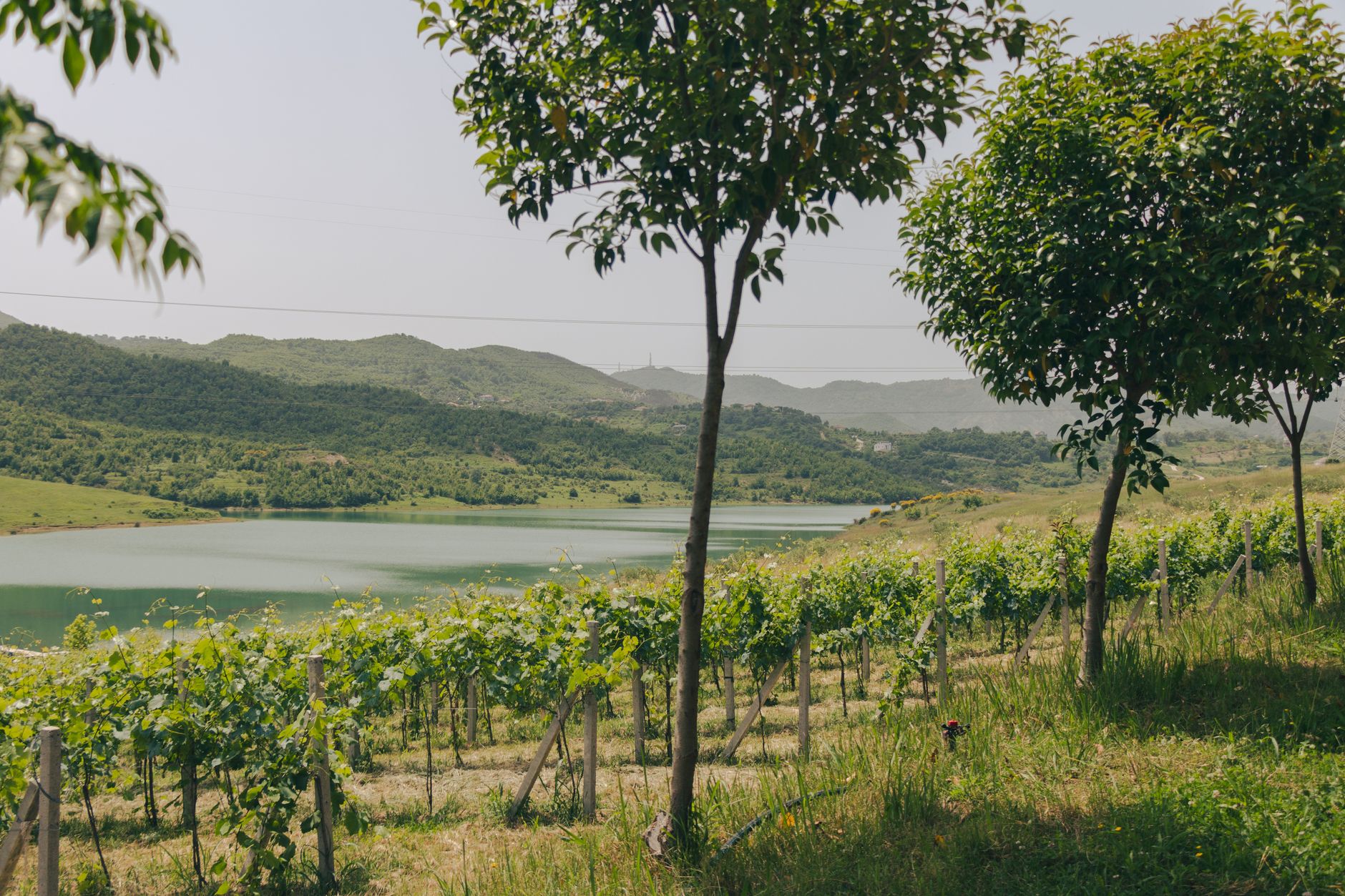
Imagine standing on a sun-drenched hillside, glass of deep ruby wine in hand, gazing out over terraced vines that have been cultivated for more than four thousand years. No, you haven't stumbled into Tuscany or Burgundy. You're in Albania, one of the most exciting and underrated wine destinations in all of Europe, and in 2025 the secret is finally starting to get out. Albanian winemakers are blending ancient indigenous grape varieties with modern techniques, producing bottles that are turning heads at international competitions and winning over adventurous travelers who dare to venture beyond the usual wine trail clichés.
Albania's wine heritage stretches back to the Illyrian era, long before the Roman Empire ever planted a vine in Western Europe. For decades, communist-era collectivization suppressed private winemaking, but since the 1990s a new generation of passionate vintners has been reclaiming their viticultural birthright. Today you'll find family-run estates tucked into river valleys, boutique wineries perched on castle-crowned hills, and cooperative cellars where locals still stomp grapes the old-fashioned way. Whether you're road-tripping through the Berat corridor, exploring the thermal springs region around Permet, or winding through the highlands near Shkoder, a world-class wine experience is never far away. This ultimate guide gives you everything you need to plan an unforgettable Albanian wine country adventure in 2025.
Key Takeaways
| Best Time to Visit | Late September to early November for harvest season; May to June for pleasant touring weather |
|---|---|
| Top Wine Regions | Berat, Permet, Elbasan, Lezhe, and the Korce highlands |
| Must-Try Grape Varieties | Shesh i Zi, Shesh i Bardhe, Kallmet, Debine e Zeze, and Vlosh |
| Average Tasting Fee | 500 to 1500 ALL (roughly 5 to 15 USD) per person at most estates |
| Getting Around | Renting a car is strongly recommended; public transport to vineyards is limited |
| Language Tip | Learning a few Albanian phrases goes a long way; many smaller estates have limited English-speaking staff |
Understanding Albania's Wine Regions: A Geographic Overview
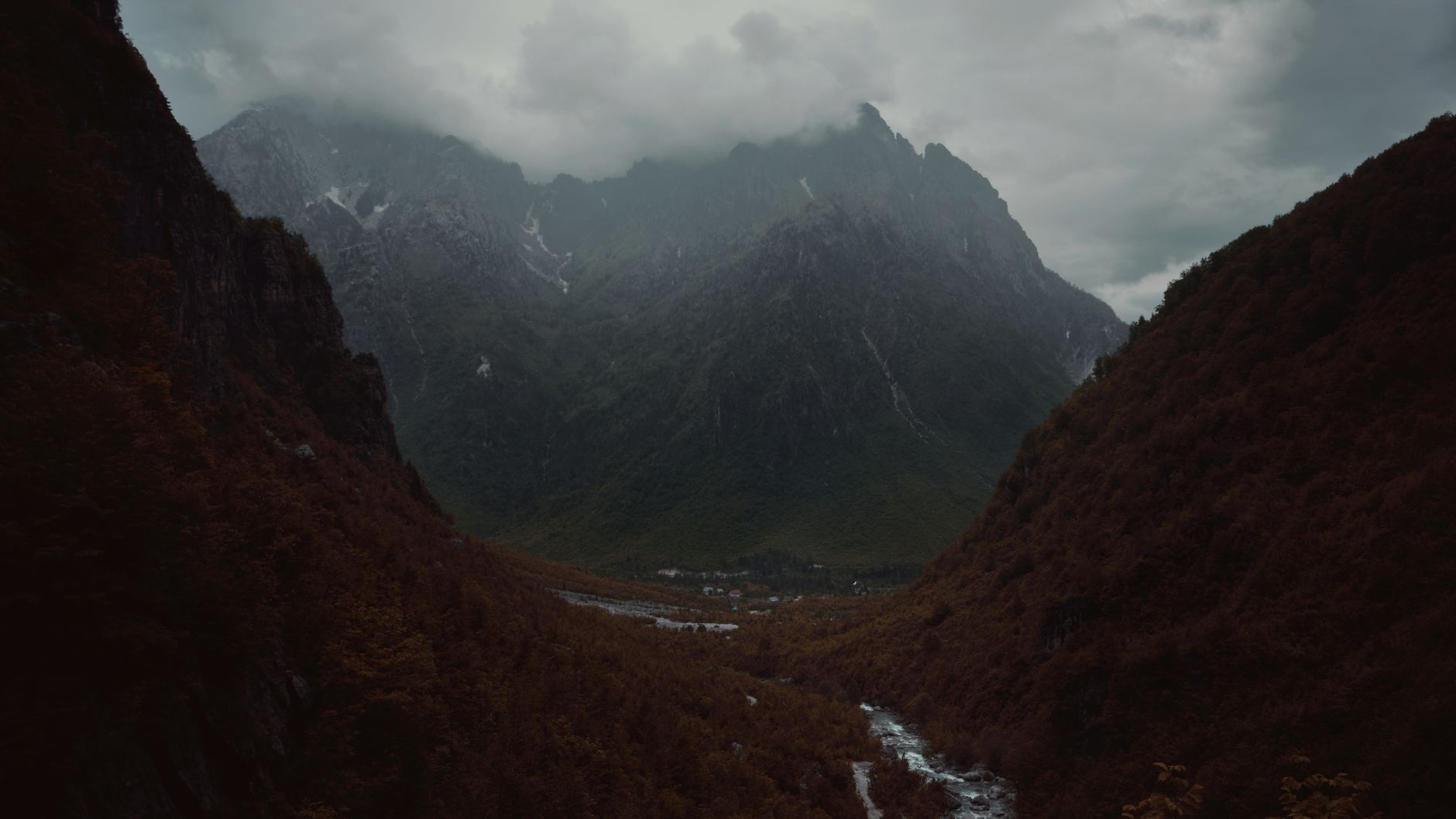
Before you start packing your corkscrew, it helps to understand just how geographically diverse Albanian wine country really is. The country is roughly the size of Maryland, yet it contains an astonishing range of microclimates, soil types, and altitudes that give each wine region its own distinct personality. Broadly speaking, Albanian viticulture divides into four main zones: the western lowlands along the Adriatic coast, the central river valleys cutting through the country's spine, the southeastern highlands bordering North Macedonia and Greece, and the northern foothills stretching toward Montenegro.
The central and southern regions produce the lion's share of Albania's wine, and for good reason. The Berat region, often called the heart of Albanian winemaking, benefits from a continental climate moderated by the Osum River valley, with hot summers and cool nights that help grapes retain their natural acidity. Further south, the Permet area sits in the dramatic Vjosa River valley, where mineral-rich soils and a slightly warmer microclimate produce bold, structured reds. The Elbasan corridor connecting these two zones is gaining a reputation for elegant whites and rosés that pair beautifully with the country's seafood-forward cuisine.
Up north, the Lezhe and Shkoder areas offer a completely different experience. Cooler temperatures and higher rainfall produce lighter-bodied wines with pronounced fruit character, particularly from the native Kallmet grape, which thrives here and almost nowhere else on earth. If you want to cover as much wine country as possible, consider basing yourself in Berat for three or four nights and then making a dedicated day trip north toward Lezhe or south toward Permet. The drives are scenic, the roads have improved dramatically in recent years, and the journey itself is half the pleasure.
- Berat region: continental climate, Osum River valley, best for Shesh i Zi and Shesh i Bardhe
- Permet region: Vjosa River valley, mineral-rich soils, bold reds and aromatic whites
- Elbasan corridor: transitional zone, growing reputation for crisp whites and rosés
- Lezhe and Shkoder: cooler north, lighter reds, home of the rare Kallmet grape
- Korce highlands: high altitude, long growing season, complex whites with great acidity
Download an offline map of Albania before you leave home. Many vineyard access roads are unpaved and poorly marked on standard navigation apps, so having a detailed offline map can save you hours of frustration.
Indigenous Grape Varieties You Absolutely Need to Try

One of the most compelling reasons to explore Albanian wine country is the chance to taste grape varieties that exist almost nowhere else in the world. Albania is home to over fifty documented indigenous cultivars, many of which predate written history. While international varieties like Merlot and Cabernet Sauvignon have made inroads since the 1990s, the most exciting bottles you'll encounter are made from grapes with names that may be completely new to you, and that's precisely what makes them so thrilling.
Shesh i Zi, which translates loosely as black shesh, is arguably Albania's most important red grape. It produces wines with deep garnet color, aromas of dark cherry, dried herbs, and a hint of leather, and a firm tannic structure that softens beautifully with two to three years of age. You'll find it grown throughout the central regions, and virtually every winery of note has at least one expression of it. Its white counterpart, Shesh i Bardhe, is equally fascinating, offering floral aromatics, crisp citrus notes, and a refreshing minerality that makes it the perfect companion for grilled fish along the Riviera.
Kallmet is the great red grape of northern Albania, producing wines that are lighter in body than Shesh i Zi but no less complex. Think of it as Albania's answer to Pinot Noir: delicate, perfumed, and capable of real elegance in the right hands. In the south, Debine e Zeze and Vlosh are the varieties to seek out, particularly around Permet, where they produce inky, spice-driven reds with a wild, almost untamed character that reflects the rugged landscape they come from. Asking your host to walk you through the differences between these varieties during a tasting is one of the great pleasures of visiting Albanian wineries.
- Shesh i Zi: flagship red, dark fruit, herbal notes, firm tannins, ages well
- Shesh i Bardhe: flagship white, floral, citrus-driven, excellent with seafood
- Kallmet: northern specialty, light-bodied, perfumed, similar in style to Pinot Noir
- Debine e Zeze: southern red, inky, spice-driven, pairs with grilled lamb
- Vlosh: rare southern white, honeyed texture, aromatic complexity, hard to find outside Albania
- Ceruje: emerging variety gaining attention for its vibrant acidity and food-friendly profile
When visiting a winery, always ask if they have any library or reserve wines available for tasting. Many Albanian producers hold back small quantities of older vintages that never make it onto the regular tasting menu, and these aged expressions can be truly revelatory.
The Berat Wine Route: Albania's Most Rewarding Vineyard Trail

If you visit only one wine region in Albania, make it Berat. This UNESCO World Heritage city, famous for its thousand-windowed Ottoman houses cascading down a hillside, sits at the center of the country's most developed and visitor-friendly wine corridor. The surrounding valleys are blanketed with vineyards, and the combination of world-class history, stunning architecture, and excellent wine makes Berat one of the most rewarding destinations in the entire Balkans.
The Berat wine route loosely follows the Osum River southward from the city, passing through a series of small villages where family estates open their gates to visitors, often with little more than a handwritten sign and a warm smile as advertisement. You don't need a reservation at most of these places, though calling ahead is always appreciated and ensures someone will be available to guide you properly. Expect generous pours, plates of local cheese and cured meats, and conversations that stretch long into the afternoon.
Beyond the family estates, Berat is also home to some of Albania's most ambitious boutique producers who have invested in modern cellar equipment while remaining deeply committed to indigenous varieties. These wineries typically offer more structured tasting experiences, sometimes including barrel-room tours and guided food pairings. The contrast between the rustic charm of a farmhouse tasting and the polished professionalism of a boutique cellar is itself a fascinating window into the state of Albanian wine in 2025, a country and an industry simultaneously honoring its past and racing toward its future.
What to Eat While Wine Tasting in Berat
Albanian wine culture is inseparable from food, and the Berat region offers some of the country's most satisfying culinary pairings. Tave kosi, a baked lamb and yogurt dish that is practically the national dish of Albania, pairs magnificently with an aged Shesh i Zi. Fresh white cheeses, particularly the local gjize variety, complement the crisp acidity of Shesh i Bardhe beautifully. Many estates will prepare a simple meze spread for tasting visitors, featuring olives, pickled vegetables, and house-cured salami alongside their wines. Don't be shy about asking for food recommendations at each stop; vintners are invariably proud of their local food culture and love sharing it.
- Combine wine tasting with a visit to Berat Castle for a full cultural day
- The Osum River Canyon nearby is a stunning natural attraction worth adding to your itinerary
- Local restaurants in Berat pair regional wines with byrek, tave kosi, and grilled meats
- Most estates along the route accept walk-in visitors between 10am and 6pm
- Look for the Berat wine festival held each October during harvest season
Stay at least two nights in Berat rather than treating it as a day trip from Tirana. The vineyard landscapes are most beautiful in the early morning and late afternoon light, and a leisurely overnight stay lets you experience the city after the tour groups have departed.
Permet and the South: Wild Wines from Albania's Most Dramatic Landscapes
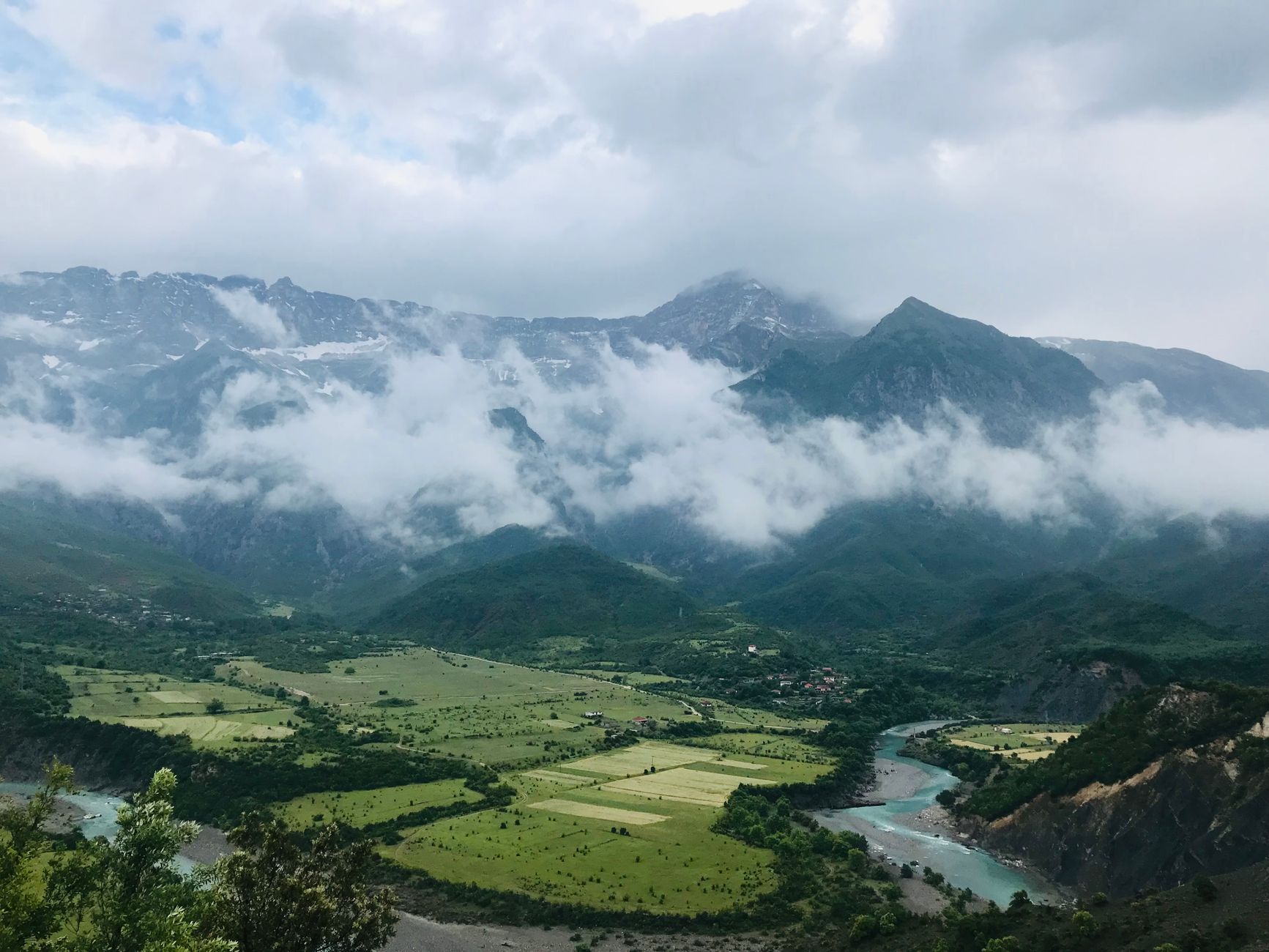
If Berat is the polished heart of Albanian wine, Permet is its wild, untamed soul. Nestled deep in the Gjirokastra region along the turquoise Vjosa River, Permet is a small town that punches far above its weight in terms of both natural beauty and viticultural character. The surrounding hills are covered with ancient vines, many of them ungrafted and decades old, their gnarled trunks a testament to the resilience of traditional farming in a region that has seen significant rural depopulation over the past thirty years.
The wines of Permet tend toward the bold and rustic end of the spectrum, with Debine e Zeze and Vlosh producing reds that are high in tannin, rich in dark fruit, and infused with the kind of earthy, mineral complexity that only comes from truly old vines grown in difficult soils. These are not wines designed for casual sipping; they demand food, conversation, and time. Sitting down to a long lunch of grilled lamb and local vegetables with a bottle of Permet red is one of the great simple pleasures available to the Albanian traveler.
Getting to Permet requires commitment, as the roads from Gjirokaster are winding and the town itself sits at the end of a long valley with limited onward connections. But that very remoteness is part of the appeal. Visitors who make the effort are rewarded with an authenticity that is becoming increasingly rare in European wine tourism. Local producers here are not yet accustomed to large volumes of wine tourists, which means your visit will feel genuinely personal and unhurried. Combine Permet with a side trip to the nearby Benje thermal pools and you have the ingredients for an utterly memorable two-day excursion.
- Permet is approximately two hours south of Gjirokaster by car
- The Vjosa River is one of Europe's last wild rivers and a protected natural area
- Look for small producers selling wine directly from their homes with no formal tasting room
- Permet is also famous for its unique rose-petal jam, which pairs surprisingly well with sweet dessert wines
- Combine with a visit to the nearby Ali Pasha castle ruins for a full historical experience
If you're visiting Permet during summer, plan your winery visits for the morning hours. Afternoon temperatures in the Vjosa valley can be intense, and tasting rooms without air conditioning are common. Early mornings are cooler, quieter, and the light on the vineyards is simply magical.
Planning Your Albanian Wine Country Trip: Practical Logistics for 2025
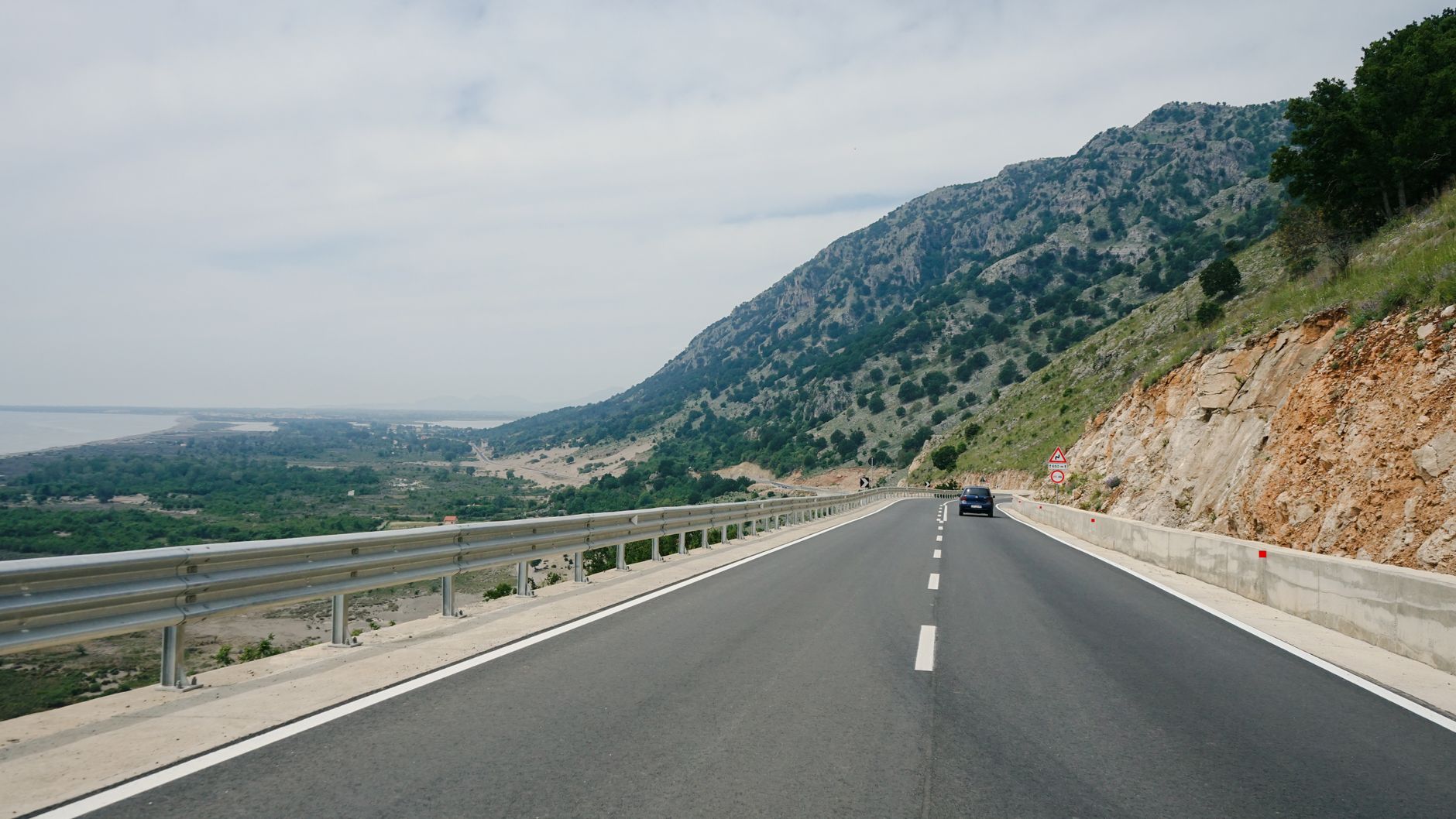
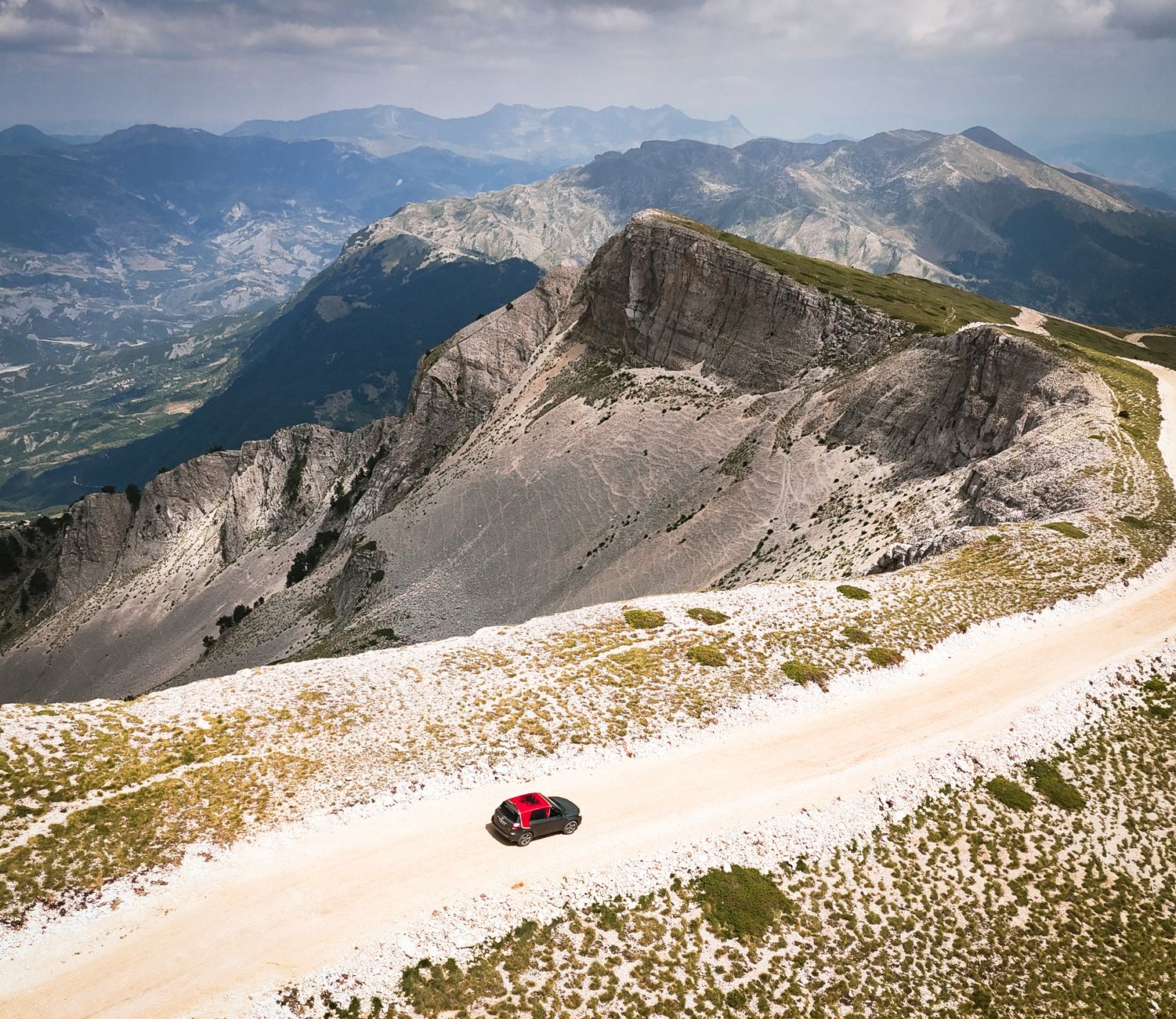
Albania's wine country is genuinely accessible in 2025, but it rewards travelers who plan ahead. The country's road infrastructure has improved significantly over the past decade, with the main arteries between Tirana, Berat, Gjirokaster, and Shkoder now well-paved and clearly signed. That said, the last few kilometers to many vineyard estates often involve gravel tracks or steep hillside roads that require a vehicle with decent ground clearance. Renting a small SUV or crossover rather than a standard sedan is a worthwhile investment for serious wine touring.
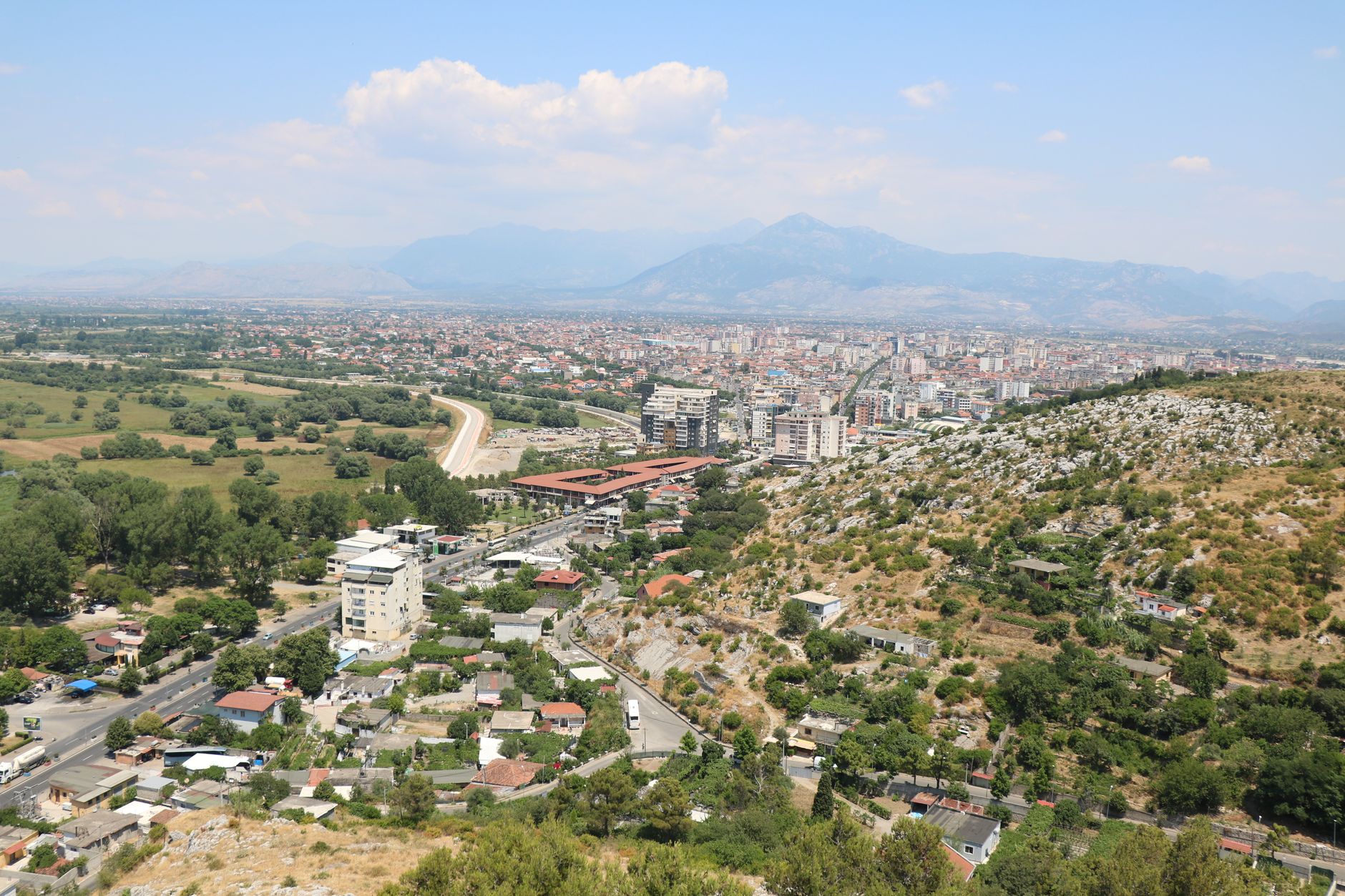
Tirana serves as the natural gateway for most visitors, with Tirana International Airport receiving direct flights from numerous European cities. From the capital, Berat is a comfortable ninety-minute drive south, making it feasible to arrive, check in, and still squeeze in an afternoon tasting on day one. If you want to cover both Berat and Permet, allocate at least five to six days for the wine-focused portion of your trip, allowing time for leisurely tastings rather than rushing between appointments.
Accommodation options in Albanian wine country have expanded considerably. Berat now has a solid selection of boutique guesthouses and small hotels, many of them housed in beautifully restored Ottoman buildings within the historic Mangalem quarter. Some vineyard estates have begun offering agriturismo-style accommodation, where you sleep among the vines and wake up to a breakfast featuring estate-produced wines alongside local cheeses and honey. These on-site stays tend to book up quickly during harvest season, so reserving two to three months in advance is advisable if you're targeting September or October.
Best Time of Year for Wine Tourism in Albania
The Albanian wine calendar offers something rewarding in almost every season, but two windows stand out as particularly special. Late September through early November is harvest season, when the vineyards are alive with activity, the air smells of fermenting juice, and many estates open their doors for harvest festivals and special events. If you want to get your hands dirty and actually help with the picking, this is your moment. The second ideal window is May through June, when the vines are lush and green, temperatures are comfortable, and the tourist crowds that descend in July and August have not yet arrived. Avoid the peak summer months of July and August for wine touring specifically, as heat can make long days of tasting uncomfortable and some smaller producers temporarily close during this period.
- Fly into Tirana; direct connections from London, Rome, Vienna, Istanbul, and many other European hubs
- Rent a car at the airport; international rental companies are well represented
- Book agriturismo vineyard stays at least two to three months ahead for harvest season
- Carry cash in Albanian lek; many small estates do not accept credit cards
- A basic travel insurance policy covering driving on unpaved roads is recommended
- Download the WhatsApp app; many Albanian winery owners prefer this for contact and reservations
Consider hiring a local guide for at least one full day of wine touring. A knowledgeable Albanian guide can open doors that would otherwise remain firmly shut to independent travelers, translate conversations with non-English-speaking producers, and share cultural context that transforms a pleasant tasting into a deeply meaningful experience.
Wine Tasting Etiquette and Cultural Tips for Visiting Albanian Wineries
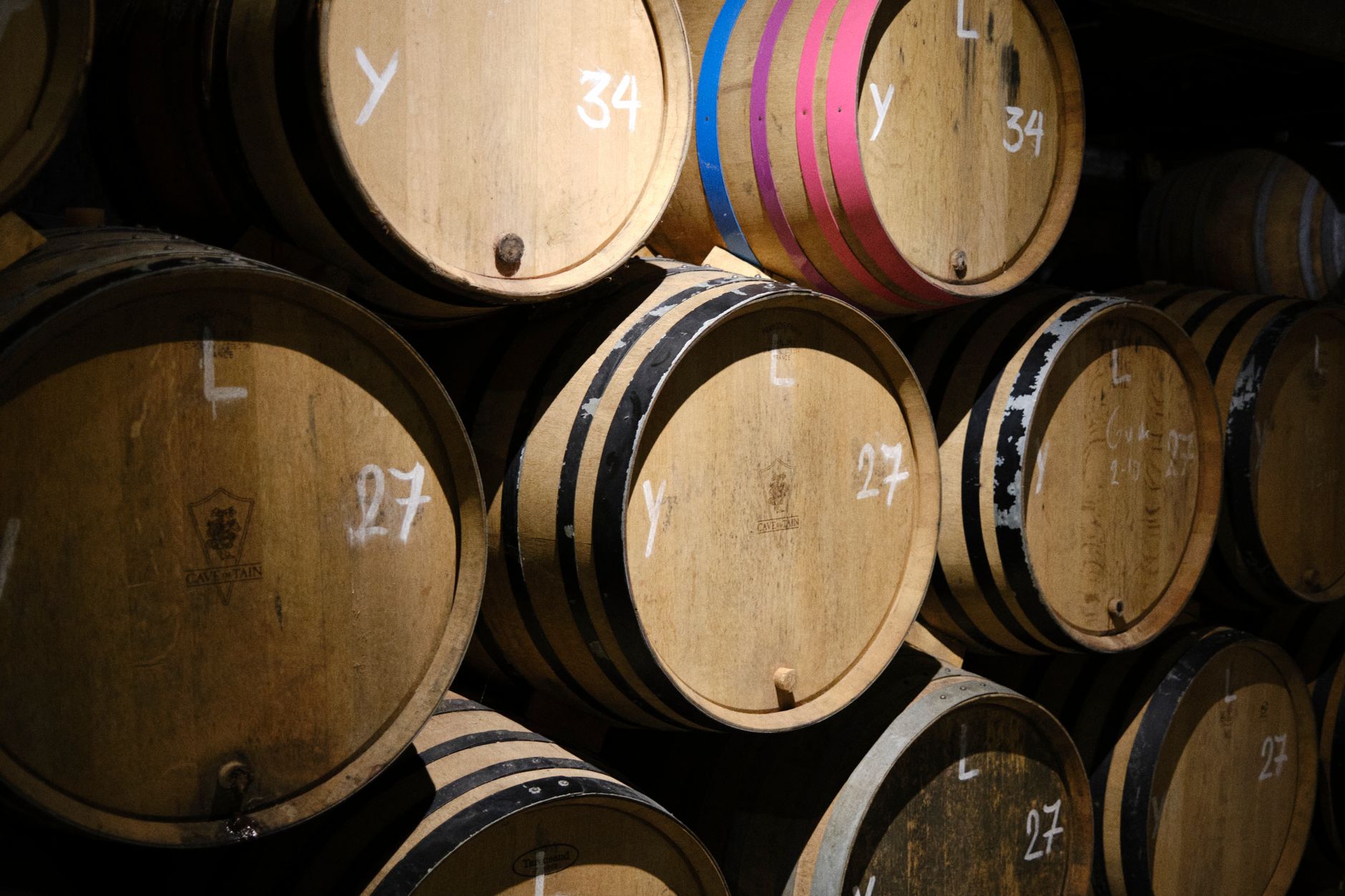
Visiting an Albanian winery is a deeply personal experience, often more akin to being welcomed into someone's home than a commercial transaction. Understanding a few cultural nuances will help you get the most out of every encounter and ensure that your visit leaves a positive impression on the hosts who are, in many cases, still building their reputation as wine tourism destinations.
Hospitality, known in Albanian as mikpritje, is one of the most deeply held values in the culture. When you arrive at a family estate, it is common to be offered coffee, raki, or even a small meal before the formal tasting begins. Accepting these offerings graciously is important; declining without explanation can inadvertently cause offense. Engage with genuine curiosity, ask questions about the family history and the land, and express your appreciation openly. Albanian vintners, particularly in smaller operations, are enormously proud of what they have built and respond warmly to visitors who take a genuine interest.
When it comes to purchasing, there is no obligation to buy after a tasting, but doing so is greatly appreciated and directly supports the producers you've visited. Many of the wines you taste in Albanian cellars are not exported and cannot be found anywhere else in the world, so buying a few bottles to take home is both a pleasure and a meaningful act of support. Check airline regulations around carrying wine in checked luggage before you travel, as Albanian wine bottles tend to be heavy and you'll want to pack them carefully. Many producers will also wrap bottles for you if you ask.
- Always greet your host with a handshake and make eye contact; this signals respect
- Accept offered food and coffee as part of the hospitality ritual
- Ask permission before taking photographs inside cellars or of private vineyard areas
- Tipping is not expected but is warmly received at family-run estates
- If you enjoy a wine, say so clearly; positive feedback means a great deal to small producers
- Spitting during tastings is acceptable at more commercial venues but may seem rude at intimate family estates
Learn to say 'Gëzuar!' (pronounced geh-ZOO-ar), the Albanian toast meaning cheers. Using it when your host raises a glass will earn you an immediate and genuine smile and set the tone for a wonderful visit.
Beyond the Glass: Pairing Albanian Wine with Local Food and Culture
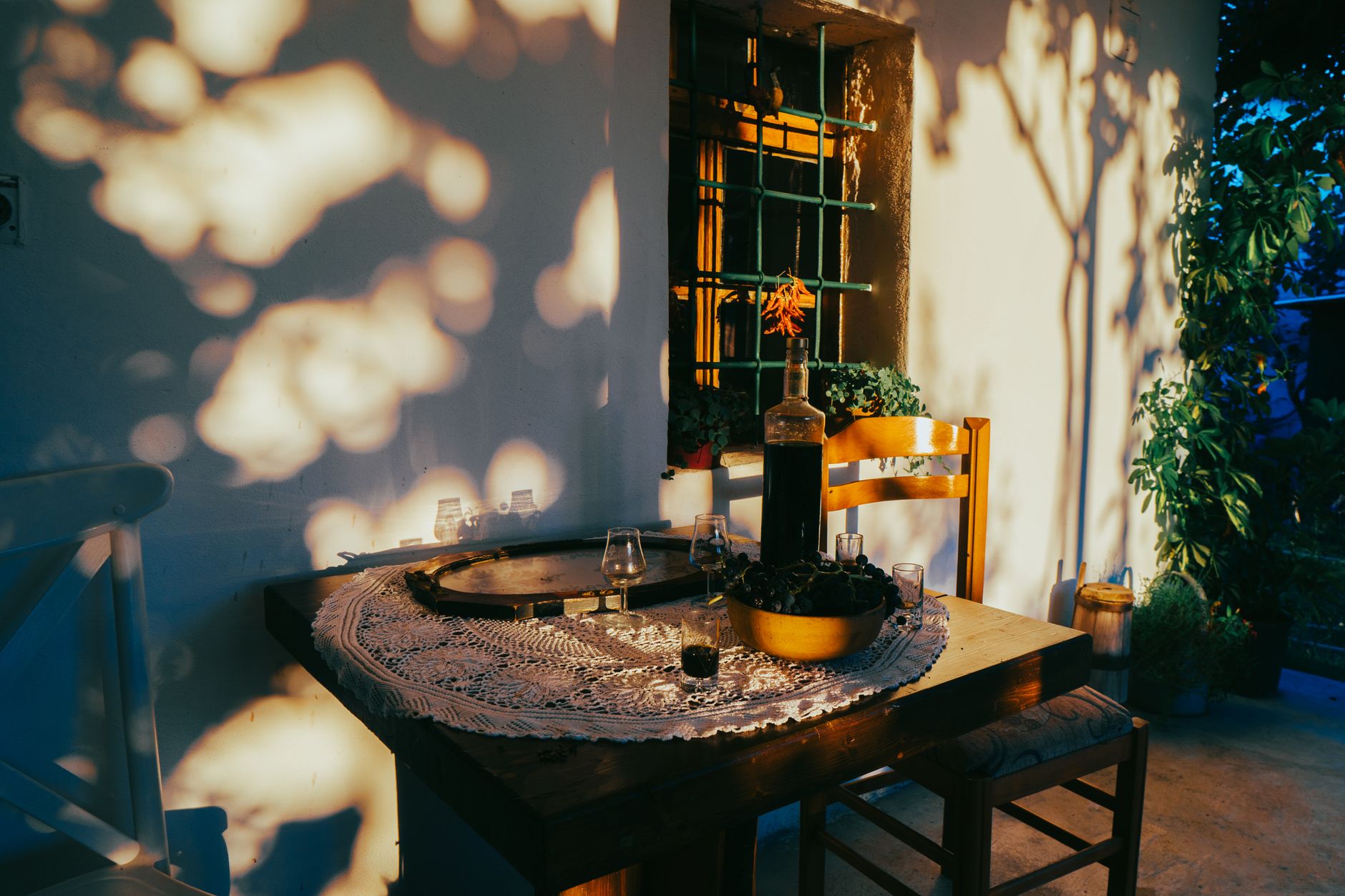
Albanian wine was never meant to be drunk in isolation. It evolved alongside one of the most underappreciated cuisines in Europe, a food culture shaped by Ottoman, Greek, Italian, and Balkan influences, built on exceptional raw ingredients and time-honored techniques. Understanding how Albanian wines pair with local food is not just a gastronomic exercise; it's a way of understanding the country itself.
The robust, tannic reds of the Berat and Permet regions were made to stand up to the hearty meat dishes that dominate Albanian tables. Tave elbasani, a rich baked veal dish from the Elbasan region, is a natural partner for an aged Shesh i Zi. Qofte, the ubiquitous grilled lamb meatballs seasoned with herbs and served with yogurt, sing alongside a young Debine e Zeze with its peppery, fruit-forward profile. For white wine lovers, the seafood-rich cuisine of the Albanian Riviera provides endless pairing opportunities, with grilled sea bass, octopus salad, and mussel dishes all finding their perfect match in a chilled glass of Shesh i Bardhe or Vlosh.
Many wineries in 2025 are beginning to offer formal food and wine pairing lunches, particularly during the summer and harvest seasons. These experiences, typically held outdoors among the vines, represent some of the best value in European wine tourism. For a fraction of what you'd pay in France or Italy, you can enjoy a multi-course meal prepared with local ingredients, paired with wines poured by the person who made them, in a setting of extraordinary natural beauty. If you can book one of these experiences during your visit, do not hesitate.
- Shesh i Zi pairs with: tave kosi, grilled lamb, aged local cheese
- Shesh i Bardhe pairs with: grilled fish, seafood meze, fresh white cheeses
- Kallmet pairs with: roasted chicken, mushroom dishes, light pasta
- Debine e Zeze pairs with: qofte, slow-cooked goat, hearty bean soups
- Vlosh pairs with: honey and walnut desserts, soft cheeses, dried fruit platters
If you're visiting a winery that offers a food pairing lunch, ask in advance whether they can accommodate dietary restrictions. Albanian cuisine is naturally rich in meat and dairy, but most hosts are happy to prepare vegetarian alternatives with advance notice.
Albanian Wine Regions at a Glance: Comparing the Top Areas for 2025
| Region | Key Grape Varieties | Wine Style | Best Time to Visit | Visitor Experience Level |
|---|---|---|---|---|
| Berat | Shesh i Zi, Shesh i Bardhe | Full-bodied reds, crisp whites | May-Jun, Sep-Nov | Beginner to Advanced |
| Permet | Debine e Zeze, Vlosh | Bold, rustic reds, aromatic whites | Apr-Jun, Sep-Oct | Intermediate to Advanced |
| Elbasan Corridor | Shesh i Bardhe, Merlot blends | Elegant whites, light rosés | May-Jun, Sep-Oct | Beginner Friendly |
| Lezhe and Shkoder | Kallmet, Shesh i Zi | Light-bodied reds, floral whites | May-Jun, Sep-Oct | Intermediate |
| Korce Highlands | Ceruje, Shesh i Bardhe | High-acid whites, complex reds | Jun, Sep-Oct | Advanced, Off the Beaten Path |
Frequently Asked Questions
Do I need to book winery visits in Albania in advance?
For larger boutique wineries and any estate offering a formal food pairing experience, booking at least a week in advance is strongly recommended, especially during harvest season from late September through October. Smaller family estates are generally more flexible and often welcome walk-in visitors, but calling or messaging ahead via WhatsApp is always a courteous gesture that ensures someone will be available to host you properly.
Can I buy Albanian wine and take it home in my luggage?
Yes, you can purchase wine directly from estates and transport it home in checked luggage. Most Albanian wine bottles are standard size, and you can typically pack six to twelve bottles in a checked bag using clothing as padding or a purpose-built wine travel bag. Check your airline's liquid restrictions and any customs allowances for your home country before purchasing. Many producers will also help you wrap bottles securely for travel if you ask.
Is Albanian wine available outside of Albania?
Export volumes are growing but remain relatively limited in 2025. You may find selected Albanian wines in specialty wine shops in Italy, Germany, the United Kingdom, and the United States, but availability is inconsistent and the selection is narrow compared to what you can taste on the ground in Albania itself. This is actually one of the best reasons to visit: many of the most interesting bottles simply cannot be found anywhere else in the world.
What is the typical cost of a wine tasting experience in Albania?
Tasting fees at Albanian wineries are remarkably affordable by European standards. Most family estates charge between 500 and 1000 ALL per person, roughly five to ten US dollars, for a tasting of three to five wines, often accompanied by a small food spread. More structured experiences at boutique wineries with guided cellar tours and food pairings typically range from 1500 to 3000 ALL per person, which is still exceptional value compared to equivalent experiences in France, Italy, or Spain.
Do I need to speak Albanian to enjoy wine tourism in Albania?
Not necessarily, though a few basic phrases will enrich your experience enormously. Staff at larger and more tourist-oriented wineries often speak English or Italian. At smaller family estates, you may encounter limited English, but the universal language of wine, enthusiasm, and genuine curiosity transcends most communication barriers. Hiring a local guide for at least part of your wine touring is a worthwhile investment if language is a concern.
Is Albanian wine country suitable for travelers who are not wine experts?
Absolutely. You do not need to be a wine connoisseur to have a deeply rewarding experience in Albanian wine country. The warmth of Albanian hospitality, the stunning landscapes, the delicious food, and the sheer novelty of tasting grape varieties you've never encountered before make these visits enjoyable for complete beginners and seasoned enthusiasts alike. Simply arrive with an open mind, genuine curiosity, and a willingness to be surprised.
Plan your Albania adventure
Albanian wine country in 2025 represents one of the most exciting and authentic travel experiences available anywhere in Europe. You'll taste grape varieties that exist nowhere else on earth, share meals with families who have been farming the same land for generations, and discover landscapes of breathtaking beauty that remain refreshingly free of the overtourism plaguing more famous wine regions. From the UNESCO-listed hills of Berat to the wild river valleys of Permet, every corner of Albanian wine country has a story to tell and a glass to raise in your honor.
The window to experience Albanian wine country in its current form, intimate, affordable, and genuinely off the beaten path, may not stay open forever. As word spreads and international interest grows, the region will inevitably become more developed and more crowded. But right now, in 2025, you have the rare opportunity to be among the early travelers who discover something truly special before the rest of the world catches on. Pack your bags, rent that car, learn to say Gëzuar, and go. Albania's vineyards are waiting for you, and they have been waiting, in one form or another, for four thousand years.