Inside Albanian Bektashi Tekkes: A Guide to Mystical Shrines

Tucked into a forested hillside above Tirana, or perched on a rocky outcrop in the Albanian Riviera hinterland, you will find buildings unlike anything else in the Balkans. Draped in green banners, adorned with calligraphy, deer antlers, and the symbolic twelve-pointed star of the Imams, these are the tekkes of the Bektashi Order — sacred lodges that have served as centers of mystical devotion, community gathering, and spiritual healing for centuries. Most travelers pass through Albania without ever stepping inside one, and that is a genuine shame, because these shrines offer one of the most intimate and moving cultural experiences the country has to offer.
The Bektashi Order is a Sufi Muslim tradition that blends Islamic mysticism with elements of Anatolian folk religion, Christian iconography, and ancient Balkan spirituality. Albania is uniquely significant in this story: since 1925, the world headquarters of the Bektashi Order has been based in Tirana, making this small Balkan nation the global spiritual capital of a faith followed by millions. Understanding the tekkes — what they are, how they function, who tends them, and how you as a visitor can engage with them respectfully — unlocks a dimension of Albanian culture that no guidebook has ever done full justice to. This guide changes that.
Key Takeaways
| What is a tekke? | A tekke is a Sufi lodge or shrine used for worship, meditation, and community gatherings by followers of the Bektashi Order. |
|---|---|
| Global headquarters | The world headquarters of the Bektashi Order has been located in Tirana, Albania since 1925. |
| Best known tekkes | Top sites include the Tekke of Frari in Tirana, Sari Salltik on Mount Kruje, and the Melcani Tekke near Permet. |
| Visitor etiquette | Dress modestly, remove shoes at the entrance, speak quietly, and ask permission before photographing sacred objects. |
| Entry fees | Most tekkes are free to enter, though small donations are warmly welcomed and support maintenance. |
| Best time to visit | Spring and early autumn offer the most comfortable conditions; the Nowruz festival in March is especially atmospheric. |
The Bektashi Order: Understanding the Faith Behind the Shrines
Before you walk through the gate of a tekke, it helps to understand the spiritual tradition you are entering. The Bektashi Order was founded in 13th-century Anatolia by Haji Bektash Veli, a mystic whose teachings blended Islamic theology with Sufi philosophy, Shia reverence for the Imam Ali, and a deeply humanistic ethic that emphasized love, tolerance, and the inner journey of the soul over rigid outward observance. The Order spread rapidly through the Ottoman Empire, finding particularly fertile ground in Albania, where it resonated with a population that had long balanced multiple religious identities.
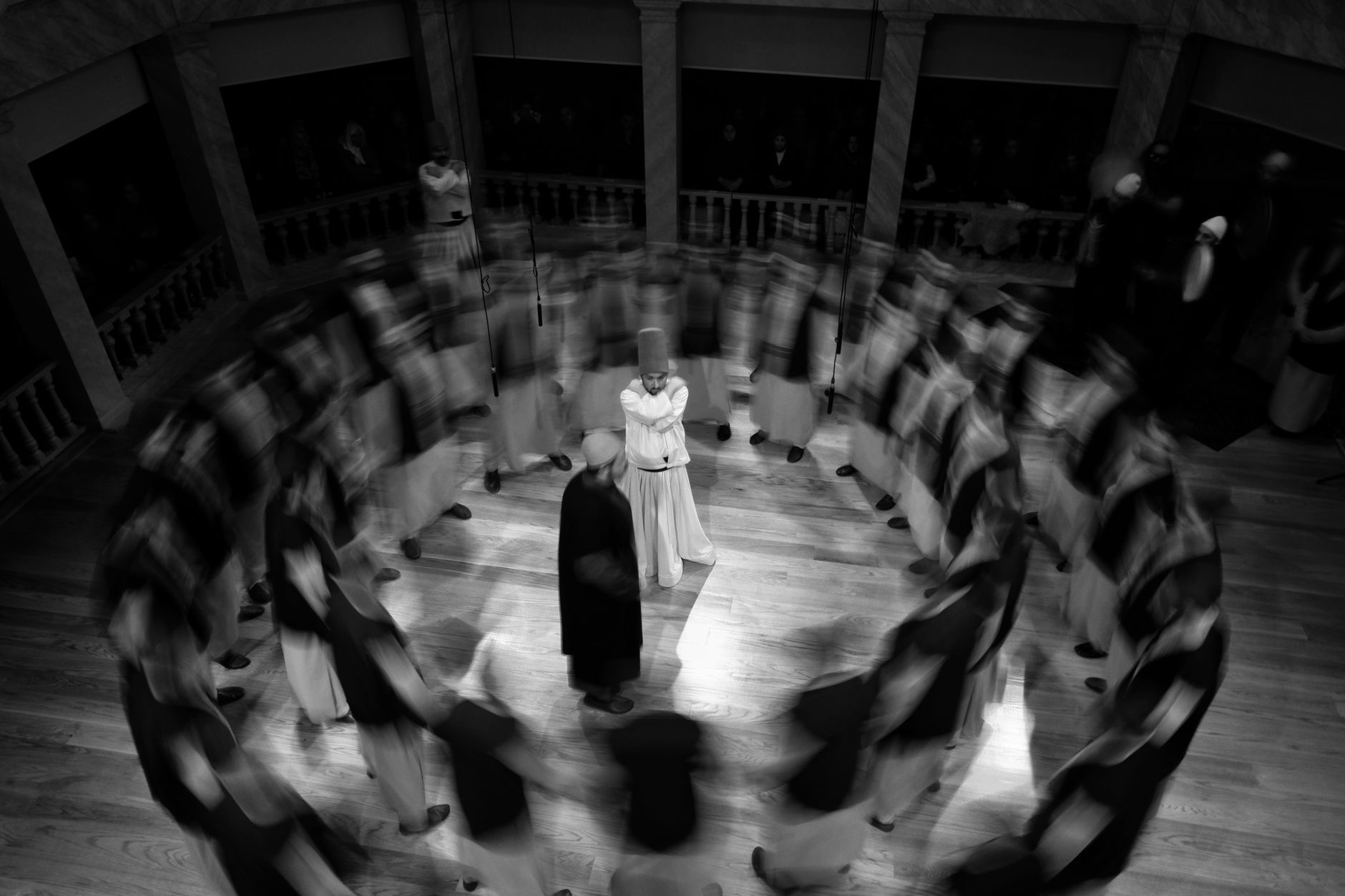
What makes Bektashism distinctive — and frankly fascinating for the curious traveler — is its syncretic character. Inside a tekke you will encounter the twelve-pointed star representing the twelve Imams of Shia Islam, alongside imagery that recalls Christian saints, ancient Anatolian symbols, and the universal Sufi metaphor of the rose and the nightingale. Bektashi worship does not follow the five-times-daily prayer schedule of Sunni Islam; instead, devotees gather for cem ceremonies, meditative rituals involving music, poetry, and communal spiritual reflection. Wine is not forbidden, and women participate equally alongside men.
In Albania, the Bektashi tradition became intertwined with national identity. Many of the great Albanian patriots and intellectuals of the 19th-century national awakening — the Rilindja period — were Bektashi. The Order's headquarters, known as the Kryegjyshata Botërore Bektashiane, sits in a beautiful compound in Tirana and welcomes visitors with remarkable openness. Understanding this context transforms a visit to a tekke from a sightseeing stop into a genuine encounter with living Albanian culture.
- Founded in 13th-century Anatolia by Haji Bektash Veli
- Blends Sufi mysticism, Shia reverence, and humanistic philosophy
- Syncretic tradition incorporating diverse religious symbols
- Women and men participate equally in Bektashi ceremonies
- Deeply connected to Albanian national identity and the Rilindja movement
- World headquarters established in Tirana in 1925
Before visiting, spend twenty minutes reading about Haji Bektash Veli and the concept of the Four Gates and Forty Levels — the Bektashi spiritual path. This framework will help you interpret the symbols you see inside the tekke and give you genuine talking points with the baba (spiritual leader) if he invites conversation.
Anatomy of a Tekke: What You Will See Inside
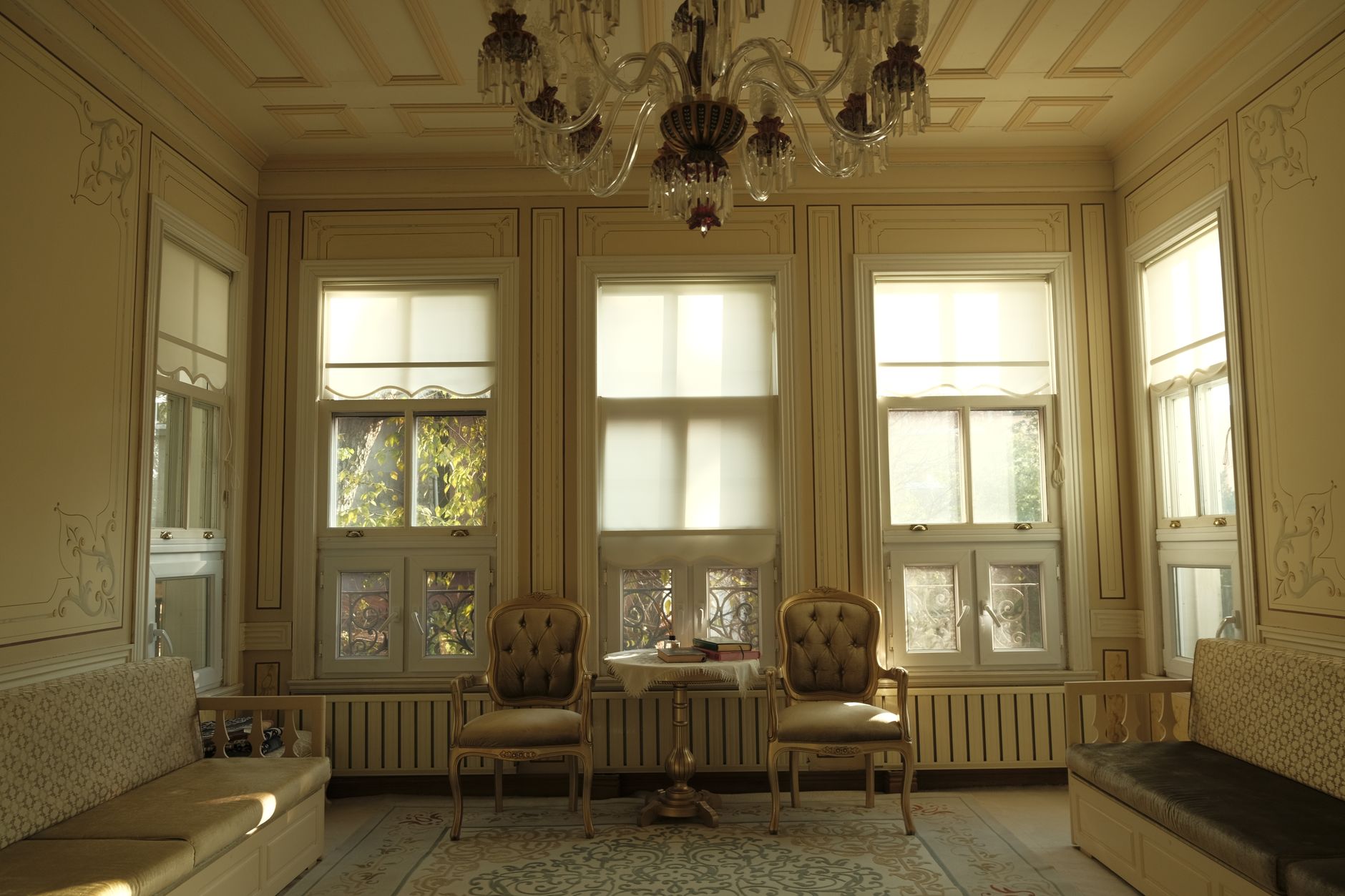
A tekke is not a mosque, and it does not look or feel like one. As you approach, you will typically notice a walled garden or courtyard shaded by ancient trees — often cypresses or mulberries — with a fountain or well at the center. The garden itself is considered sacred space, and the atmosphere of stillness that greets you the moment you step through the gate is immediate and unmistakable. Graves of revered dervishes and babas often line the pathways, their tombstones topped with the distinctive Bektashi turban-shaped caps carved in stone.
The main building of the tekke is called the meydan evi or ceremonial hall, and this is where the cem rituals take place. Inside, the walls are lined with framed calligraphy, portraits of Imam Ali, images of Haji Bektash Veli, and sometimes photographs of beloved past babas of that particular tekke. You will almost certainly see deer antlers mounted on the walls — a symbol unique to Bektashism, representing the stag of spiritual longing. Candles burn in niches, and the air carries the faint sweetness of incense.
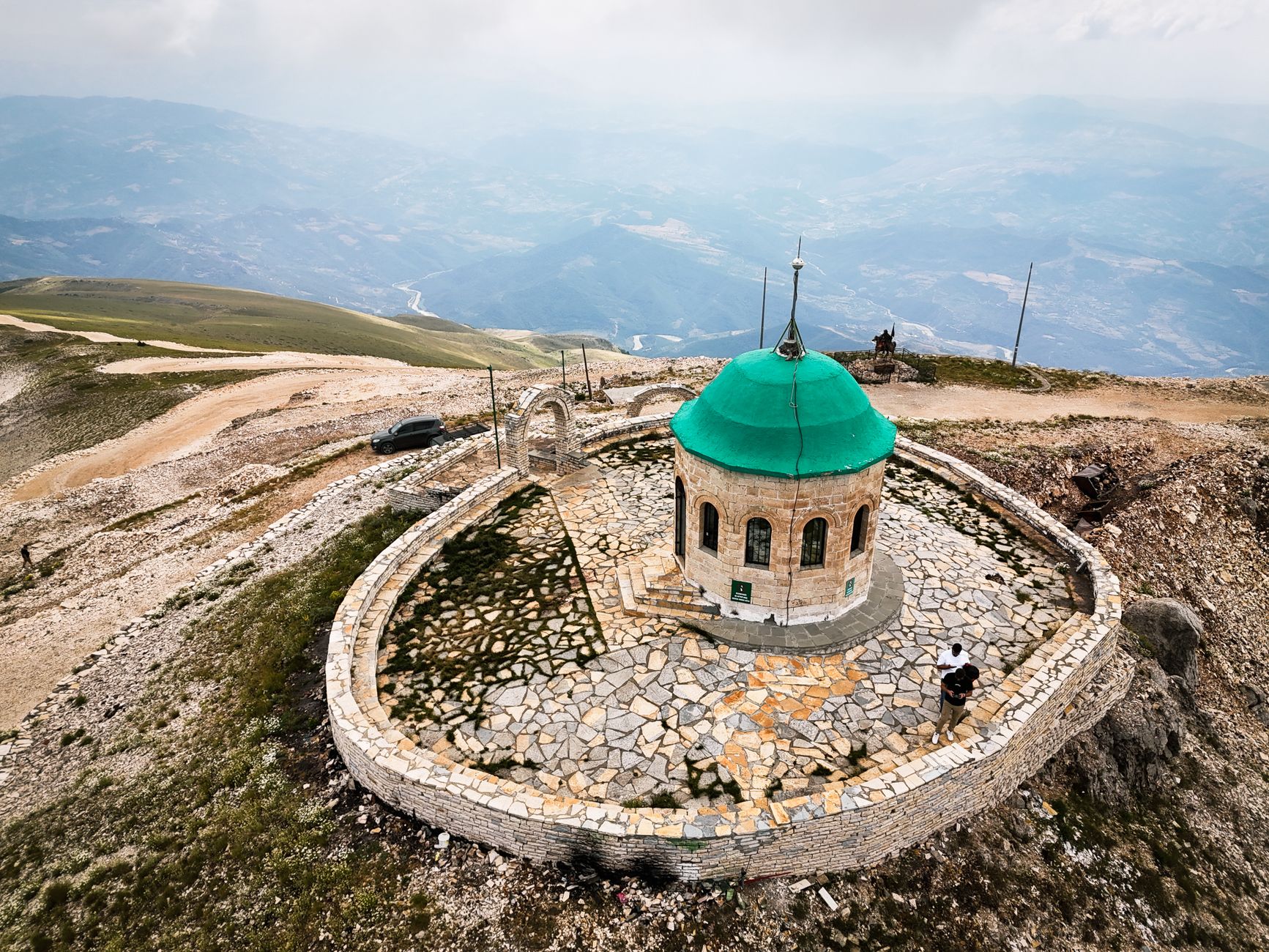
Many tekkes also contain a türbe — a domed tomb-shrine housing the remains of a revered saint or founding baba. The türbe is the most sacred space in the compound, and you should approach it with particular reverence: speak in a whisper, move slowly, and if you see other visitors pressing their foreheads to the tomb or murmuring prayers, understand that this is an act of seeking blessing and intercession. You are not required to participate, but watching with quiet respect is entirely appropriate.
- Walled garden or courtyard with sacred trees and a fountain
- Graves of dervishes and babas with distinctive carved tombstones
- Meydan evi: the ceremonial hall where cem rituals are held
- Deer antlers: a uniquely Bektashi symbol of spiritual longing
- Portraits of Imam Ali and Haji Bektash Veli displayed on walls
- Türbe: the domed tomb-shrine of a revered saint or founding baba
- Candles, incense, and calligraphy creating a meditative atmosphere
If the baba or a dervish offers you tea or coffee during your visit, accept graciously — this is a gesture of spiritual hospitality, not a sales pitch. Sitting quietly with a glass of tea and letting the baba speak about the tekke's history is often the most rewarding thirty minutes of an entire Albania trip.
The Must-Visit Tekkes Across Albania
Albania's tekkes range from grand urban compounds to remote hilltop sanctuaries that require a proper hike to reach. The diversity of settings is part of their appeal, and each tekke carries its own distinct personality shaped by its geography, its founding saint, and the community that has tended it across generations. Here are the most significant sites you should consider including in your itinerary.
In Tirana, the Bektashi World Headquarters compound on Rruga Gjin Bue Shpata is the obvious starting point. The complex includes a beautifully maintained tekke, the tomb of the Kryegjysh (World Head of the Order), and a small museum explaining Bektashi history and symbolism. The staff here are accustomed to international visitors and can often arrange an informal guided tour. This is the best place to orient yourself before visiting more remote sites.
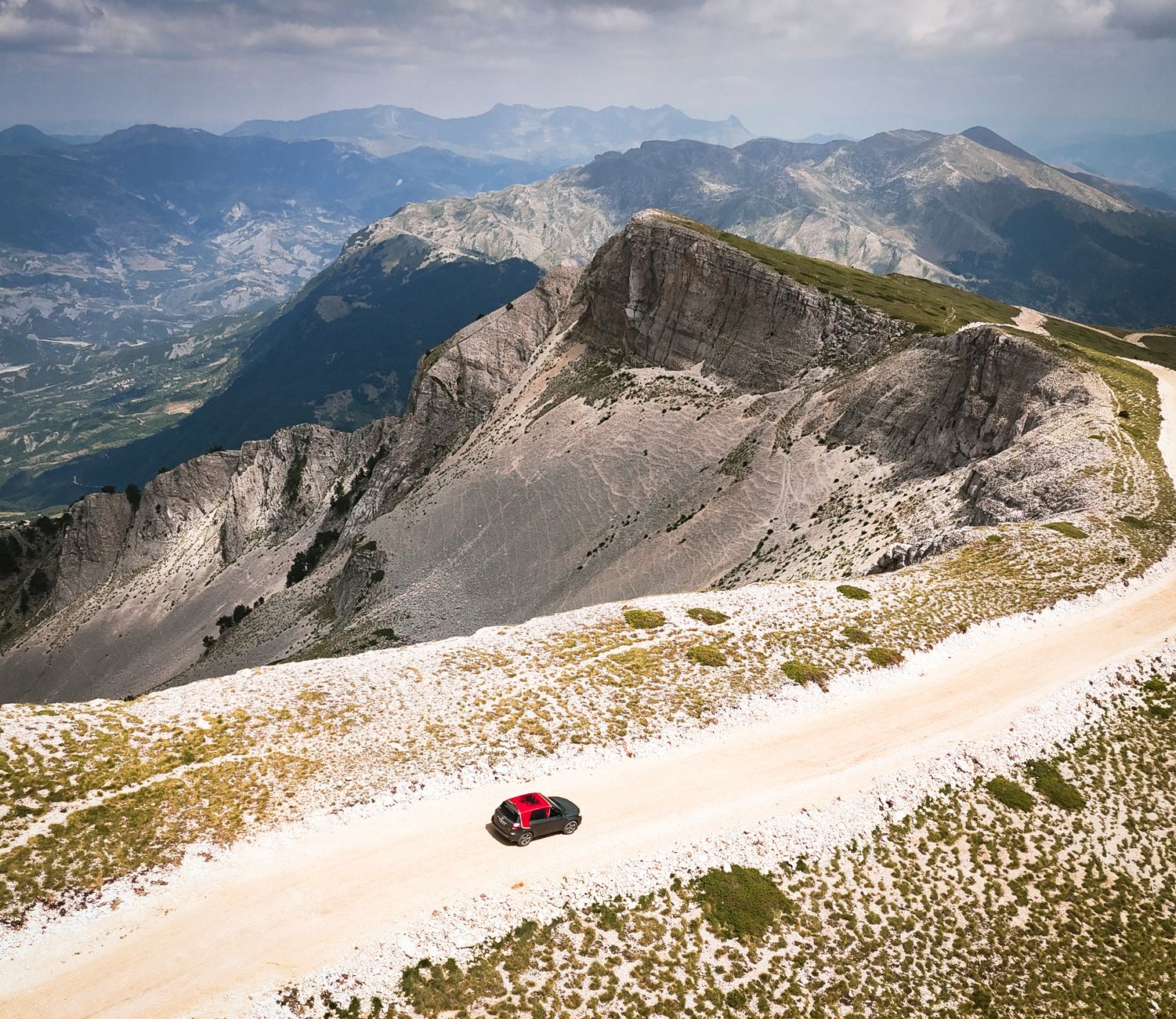
Outside the capital, the tekke at Sari Salltik on the slopes above Kruje is one of the most dramatically situated sacred sites in the entire Balkans. Sari Salltik was a 13th-century dervish missionary, and his cult spread across the entire region from the Adriatic to the Black Sea. The tekke here sits inside a cave sanctuary and draws pilgrims from Albania, Kosovo, North Macedonia, and beyond. The climb through pine forest to reach it is itself a kind of pilgrimage. Further south, the Melcani Tekke near Permet in the Gjirokastra region is a serene, less-visited gem set in a valley of walnut trees, while the Tekke of Frari in Tirana's Blloku neighborhood offers an intimate urban contrast.
Regional Tekkes Worth the Detour
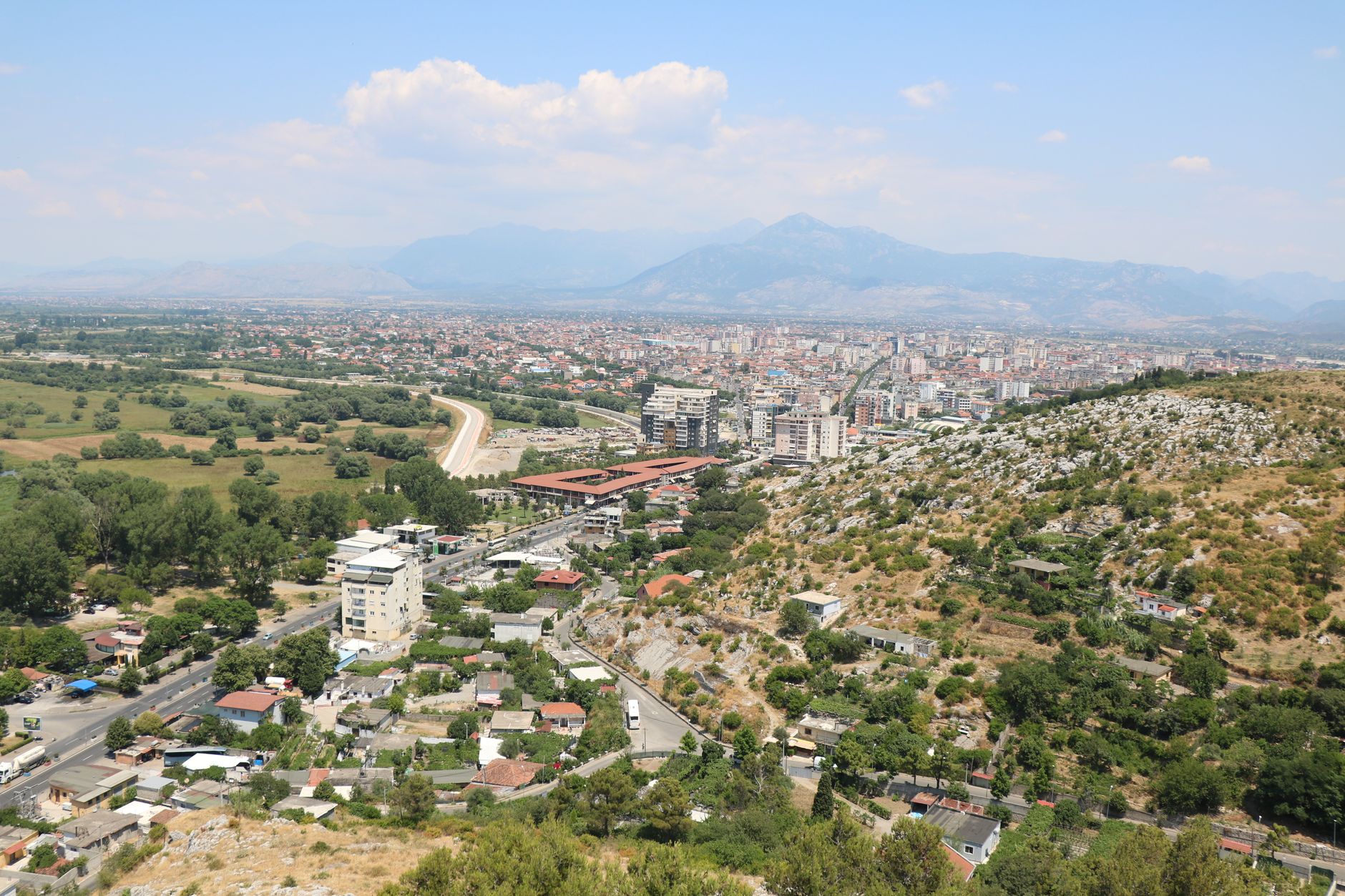
Beyond the headline sites, Albania rewards the traveler who ventures off the main circuit. The Bektashi presence is strong in the Permet and Gjirokastra corridor in the south, where several small village tekkes still operate under the care of local babas. The town of Permet itself has a long association with Bektashism, and the surrounding valley contains multiple shrines connected by walking paths that make for a genuinely spiritual day of hiking. In the north, while Bektashism is less dominant than in the south, you will find tekkes in Shkoder and the surrounding highlands that reflect the Order's presence even in regions where Sunni Islam and Catholicism are stronger.
- Bektashi World Headquarters, Tirana: best introduction for first-time visitors
- Sari Salltik Tekke, Kruje: dramatic cave shrine drawing regional pilgrims
- Melcani Tekke, Permet: peaceful valley setting, fewer tourists
- Tekke of Frari, Tirana: intimate urban shrine in the Blloku district
- Tekke of Turan, Elbasan: one of the oldest continuously active tekkes in Albania
- Asim Baba Tekke, Tirana: known for its beautiful garden and welcoming baba
For Sari Salltik, wear sturdy shoes and bring water — the path from the Kruje castle area takes around forty minutes each way. Visit on a weekday morning to experience the site in near-solitude; weekends and the Nowruz period in March bring significant crowds of pilgrims.
Visitor Etiquette: How to Enter a Tekke Respectfully
The Bektashi are famously welcoming to outsiders — their theology of universal love and tolerance is not merely rhetorical — but that openness comes with an implicit expectation of genuine respect. Getting the etiquette right is not difficult, and doing so will transform your reception from politely tolerated tourist to warmly welcomed guest.
Dress modestly before you arrive. For women, this means covering your shoulders and knees; a lightweight scarf to cover your hair is appreciated inside the türbe, though not always strictly required. For men, long trousers and a shirt with sleeves are appropriate. You will be asked to remove your shoes at the entrance to the main hall and the türbe — wear clean socks and make sure they are easy to slip off. Avoid wearing strong perfume, which can be intrusive in a meditative space.
Photography is a nuanced subject at tekkes. In the garden and exterior spaces, taking photos is generally fine. Inside the meydan evi and especially inside the türbe, always ask permission first. The baba or caretaker will usually say yes, but the act of asking signals respect and often opens a conversation. Never photograph a ritual in progress without explicit permission — cem ceremonies are deeply intimate, and intruding with a camera would be deeply inappropriate. If you are lucky enough to witness or be invited to observe a ceremony, put your phone away entirely and simply be present.
- Cover shoulders and knees; women may want a headscarf for the türbe
- Remove shoes before entering the main hall and tomb shrine
- Speak quietly throughout the compound, including the garden
- Ask permission before photographing inside any building
- Never photograph a cem ceremony without explicit consent
- Accept offered tea or food as a gesture of spiritual hospitality
- A small cash donation left at the türbe is customary and appreciated
Learning just three phrases in Albanian before your visit will open doors: 'Faleminderit' (thank you), 'Ju lutem' (please), and 'A mund te fotografoj?' (May I take a photo?). Bektashi babas are often multilingual — Italian, Greek, and Turkish are common — but the effort of speaking even a few words of Albanian is always met with genuine warmth.
Bektashi Festivals and the Best Times to Visit

Timing your visit to coincide with Bektashi religious observances can elevate your experience from interesting to genuinely transformative. The most important date in the Bektashi calendar is Nowruz, the Persian New Year, celebrated on or around March 21st. At tekkes across Albania, Nowruz marks a day of communal gathering, prayer, music, and feasting. The atmosphere is joyful and inclusive, and visitors are often invited to share in the communal meal. If you are in Albania in late March, making your way to a tekke for Nowruz is one of the most memorable things you can do.
Ashura, observed on the tenth day of Muharram in the Islamic lunar calendar, is the other major Bektashi observance. It commemorates the martyrdom of Imam Hussain at Karbala and is marked with solemnity, lamentation, and the sharing of ashure — a sweet pudding made from wheat, dried fruits, and nuts that is distributed to all who come. The contrast between the joyful energy of Nowruz and the reflective mourning of Ashura gives you a sense of the full emotional and spiritual range of Bektashi practice.
Outside of these festivals, spring (April to June) and early autumn (September to October) are the best general periods to visit. The weather is mild, the gardens of the tekkes are at their most beautiful, and the sites are not overwhelmed by summer tourist traffic. Summer visits are perfectly possible, but the heat in southern Albania in July and August can make the climb to hilltop tekkes like Sari Salltik genuinely exhausting.
- Nowruz (around March 21): the most joyful and visitor-friendly Bektashi celebration
- Ashura (10th of Muharram): solemn commemoration with communal ashure pudding
- Spring (April-June): ideal weather and beautiful tekke gardens in bloom
- Early autumn (September-October): comfortable temperatures and fewer tourists
- Avoid peak summer for hillside tekkes due to heat
- Check the Islamic lunar calendar for Ashura dates, which shift each year
If you plan to visit during Nowruz, contact the Bektashi World Headquarters in Tirana in advance — they sometimes organize guided visits to multiple tekkes across the country in the days around the festival, which is an extraordinary way to experience the tradition in full.
The Spiritual Landscape: Tekkes in Their Albanian Context
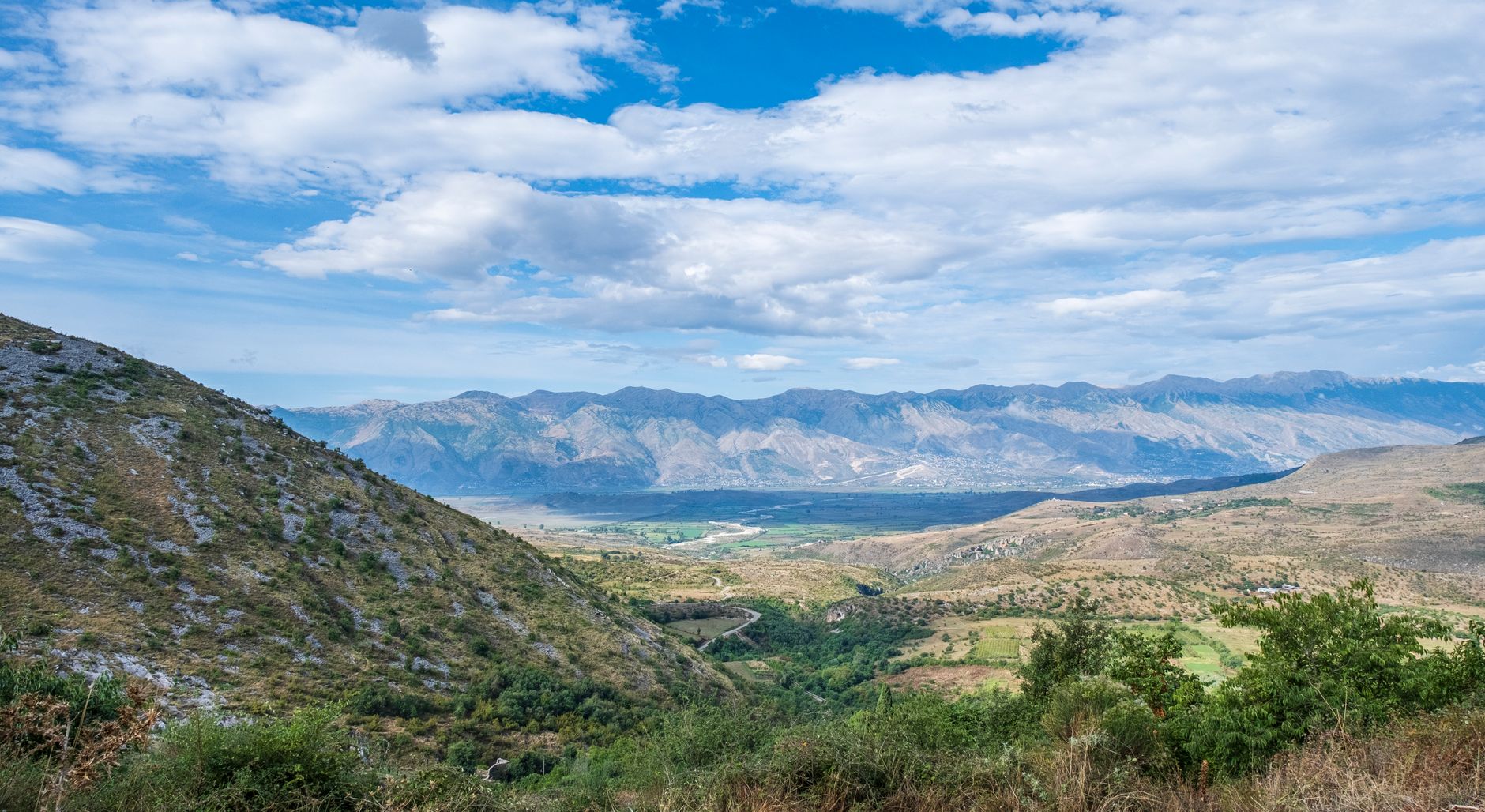
One of the things that makes Albanian Bektashi tekkes so compelling is that they do not exist in isolation. They are woven into a broader spiritual landscape that reflects Albania's extraordinary history of religious coexistence. In a country where roughly equal proportions of the population identify as Sunni Muslim, Bektashi, Orthodox Christian, and Catholic — with many Albanians holding a famously relaxed attitude toward formal religious identity — the tekke sits comfortably alongside the mosque, the Orthodox church, and the Catholic cathedral as part of a shared national heritage.
This coexistence is not merely theoretical. In many Albanian towns, you will find a tekke, a mosque, and a church within a few hundred meters of each other, and the communities associated with each have historically maintained respectful, even warm, relations. During the communist period under Enver Hoxha, when Albania became the world's first officially atheist state in 1967 and all religious institutions were banned, Bektashi tekkes were shuttered, converted to warehouses, or demolished. The survival of the tradition through that period — maintained in secret by devoted families and underground networks — speaks to the depth of its roots in Albanian life.
Today, the revival of the tekkes is part of a broader cultural renaissance in post-communist Albania. Many sites have been beautifully restored, and a new generation of babas is actively engaged in both spiritual leadership and cultural outreach. Visiting a tekke in this context means participating in something living and evolving, not merely observing a museum piece. The baba who greets you may have studied theology in Istanbul or Tehran, speak four languages, and maintain an active social media presence — and yet the ritual he performs in the meydan evi is essentially unchanged from what his predecessors practiced two centuries ago.
- Albania's religious landscape includes Sunni Muslims, Bektashi, Orthodox, and Catholics
- Religious coexistence is a genuine and celebrated feature of Albanian national identity
- Communist-era persecution (1967-1990) drove Bektashi practice underground
- Post-communist revival has seen many tekkes beautifully restored
- Contemporary babas blend traditional spiritual roles with modern cultural engagement
- Tekkes function as living community centers, not static museum exhibits
Ask the baba about the tekke's history during the communist period. Almost every site has a remarkable story of survival — hidden sacred objects, secret ceremonies, families who kept the tradition alive at personal risk. These stories are among the most powerful you will hear anywhere in Albania.
Practical Planning: How to Incorporate Tekkes Into Your Albania Trip

Incorporating Bektashi tekkes into your Albania itinerary is easier than you might expect, since the major sites cluster conveniently near Albania's most visited destinations. Tirana's tekkes can be visited on foot or by short taxi ride from the city center, making them ideal half-day additions to a capital city stay. Kruje, already on most itineraries for its castle and bazaar, becomes even more rewarding when you add the Sari Salltik cave shrine to your visit. The southern circuit through Gjirokastra, Permet, and Berat passes near several excellent tekkes that reward a short detour.
Most tekkes are open daily from morning until early evening, though hours can be irregular — the baba sets his own schedule, and if he is away or engaged in private devotions, you may find the gate closed. The best strategy is to arrive in the morning, be patient, and understand that the unhurried pace of tekke life is itself part of the experience. There is no ticket counter, no audio guide, and no gift shop. What there is, if you are fortunate, is a genuine human encounter with a spiritual tradition that has endured centuries of upheaval.
Transport to urban tekkes is straightforward by taxi or on foot. For more remote sites like Sari Salltik or the Melcani Tekke, renting a car gives you the most flexibility. Local guides based in Kruje or Permet can arrange visits and provide invaluable context — a good guide who has personal connections with the local Bektashi community can unlock experiences that no independent traveler would easily access on their own.
- Tirana tekkes: walkable or short taxi rides from the city center
- Kruje: combine the castle, bazaar, and Sari Salltik in a single day
- Southern circuit: Permet, Gjirokastra, and Berat all have nearby tekkes
- Arrive in the morning for the best chance of finding the tekke open
- Rent a car for remote tekkes; local guides add significant value
- No admission fees at most sites; donations support maintenance
- Budget two to three hours per tekke visit to allow for conversation and reflection
Do not try to visit more than two tekkes in a single day. The experience of sitting quietly in a tekke garden, drinking tea, and letting the atmosphere settle into you requires time and unhurried attention. Rushing between sites defeats the entire purpose and leaves you with photographs but no real understanding.
Key Albanian Bektashi Tekkes at a Glance
| Tekke | Location | Highlights | Accessibility | Best For |
|---|---|---|---|---|
| Bektashi World Headquarters | Tirana | Museum, main shrine, tomb of Kryegjysh, multilingual staff | Easy — central Tirana, walkable | First-time visitors, cultural overview |
| Sari Salltik Cave Shrine | Kruje area | Dramatic cave sanctuary, regional pilgrimage site, forested hillside | Moderate — 40-min uphill hike from Kruje | Adventurous travelers, pilgrimage atmosphere |
| Melcani Tekke | Permet valley | Serene walnut-tree valley, few tourists, traditional rural setting | Moderate — requires car or local taxi | Off-the-beaten-path explorers |
| Tekke of Frari | Tirana (Blloku) | Intimate urban shrine, beautiful garden, welcoming baba | Easy — central Tirana neighborhood | Urban visitors, quiet reflection |
| Tekke of Turan | Elbasan | One of oldest continuously active tekkes, rich historical layers | Easy — central Elbasan, accessible by bus | History enthusiasts, architecture lovers |
| Asim Baba Tekke | Tirana outskirts | Exceptional garden, peaceful atmosphere, community gatherings | Easy — short taxi from city center | Garden lovers, those seeking tranquility |
Frequently Asked Questions
Do I need to be Muslim or religious to visit a Bektashi tekke?
Not at all. The Bektashi tradition is explicitly welcoming to people of all faiths and none. Babas regularly receive curious travelers, researchers, and spiritual seekers from every background. What matters is that you approach the visit with genuine respect and an open mind, not any particular religious affiliation.
Can women visit Bektashi tekkes freely?
Yes. Unlike some other Islamic sacred spaces, Bektashi tekkes welcome women fully and equally. Women participate alongside men in Bektashi ceremonies, and there are no restricted areas based on gender. Modest dress is appreciated for all visitors regardless of gender.
Is there an entrance fee to visit tekkes in Albania?
The vast majority of Bektashi tekkes in Albania are free to enter. However, leaving a small voluntary donation — typically a few hundred Albanian lek — in the donation box near the türbe is customary and helps support the maintenance of these often-fragile historic buildings.
What is the difference between a tekke and a türbe?
A tekke is the entire sacred compound — the lodge, garden, ceremonial hall, and associated buildings where the Bektashi community gathers for worship and community life. A türbe is specifically the domed tomb-shrine within the tekke complex, housing the remains of a revered saint or baba. Not every tekke has a türbe, but those that do tend to be the most important pilgrimage destinations.
Can I attend a Bektashi cem ceremony as a visitor?
Cem ceremonies are intimate spiritual rituals, and attendance by outsiders is not automatic. However, if you build a genuine rapport with the baba during your visit and express sincere interest, you may be invited to observe — particularly during major festivals like Nowruz. Never attempt to attend a ceremony uninvited, and if you are invited, follow the baba's guidance on where to sit and how to behave.
How do Albanian Bektashi tekkes compare to those in other countries?
Albania's tekkes are distinctive for their syncretic visual style, blending Islamic, Christian, and local Balkan elements in ways you will not find in Turkish or Iranian Sufi spaces. They also tend to be more accessible to outsiders than tekkes in many other countries, reflecting the Albanian Bektashi tradition's particular emphasis on openness and interfaith dialogue. The fact that the world headquarters is in Tirana also gives Albanian tekkes a special authority within the global Bektashi community.
Plan your Albania adventure
Albania's Bektashi tekkes are among the most extraordinary and least-visited sacred spaces in all of Europe. They offer something genuinely rare in modern travel: a living spiritual tradition that has survived Ottoman conquest, communist persecution, and the disorienting rush of globalization, and that still welcomes the curious stranger with tea, conversation, and an invitation to sit quietly in a garden that feels set apart from the noise of the world. Whether you are drawn by the history, the architecture, the symbolism, the festivals, or simply the profound atmosphere of peace that settles over you the moment you step through the gate, visiting a tekke will leave a mark on your understanding of Albania that no castle or beach ever could.
So as you plan your Albanian adventure, make space in your itinerary for at least one tekke visit — ideally two or three, so you can begin to sense the differences between them and the common thread that runs through all. Go slowly, dress respectfully, accept the tea, ask the questions, and listen carefully to the answers. The babas who tend these shrines are the custodians of a tradition that has shaped Albanian identity for centuries, and they are ready to share it with you. All you have to do is show up with an open heart and the willingness to be surprised.