Hiking in Dajti National Park: Trails Right Outside Tirana


Imagine stepping off a cable car and finding yourself surrounded by ancient oak forests, cool mountain air, and panoramic views stretching all the way to the Adriatic Sea on a clear day. That is exactly what awaits you at Dajti National Park, one of Albania's most beloved natural escapes and, remarkably, one of the closest national parks to a capital city anywhere in Europe. Sitting at an elevation of around 1,613 meters at its highest point, Mount Dajti rises dramatically above Tirana's rooftops, offering a genuine wilderness experience without requiring you to travel far from your hotel.
For travelers who want to combine urban exploration with outdoor adventure, Dajti is a dream destination. The park covers roughly 3,000 hectares of protected land, sheltering wolves, deer, wild boar, and an extraordinary variety of bird species beneath its canopy. Trails range from gentle forest walks suitable for families to more demanding ridge hikes that will push experienced hikers. You do not need to be a mountaineering expert to enjoy this place, but you do need a decent pair of shoes, a spirit of curiosity, and this guide in your pocket. Let's explore everything you need to know before you lace up and head for the hills above Tirana.
Key Takeaways
| Distance from Tirana | Approximately 26 km from the city center, around 40 minutes by car or bus |
|---|---|
| Park Elevation | Summit reaches 1,613 meters above sea level |
| Best Season | April through October for hiking; winter offers snow scenery but icy trails |
| Cable Car Option | A gondola runs from the base station near Sauk village to the summit area |
| Difficulty Range | Easy forest walks to strenuous ridge hikes of 4 to 6 hours |
| Entry Fee | The national park itself is free; cable car has a separate ticket cost |
| What to Bring | Sturdy hiking boots, water, snacks, sun protection, and a light rain jacket |
Getting to Dajti National Park from Tirana
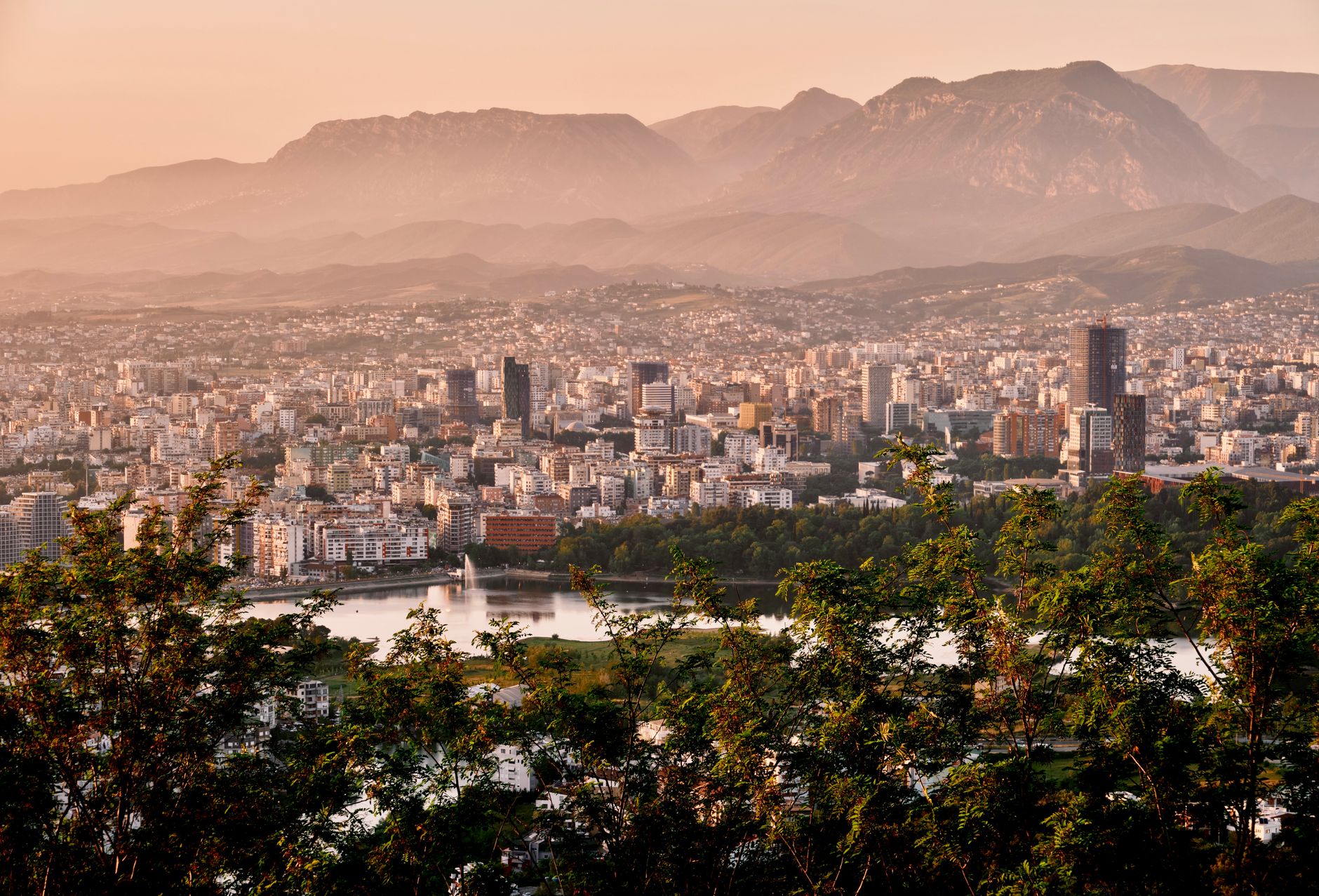
One of the greatest things about Dajti National Park is how effortlessly you can reach it from Tirana. The most popular and scenic way to arrive is by taking the Dajti Ekspres cable car, which departs from a station near the Sauk neighborhood on the eastern edge of the city. The gondola ride itself takes about 15 minutes and delivers you to an elevation of roughly 1,100 meters, already deep inside the forested heart of the park. The views from the cable car cabin alone are worth the trip, as you glide silently above the treetops with Tirana spreading out below you.
If you prefer to hike from the very bottom, you can take a city bus or taxi to the base of the mountain and begin your ascent on foot. Several trailheads are accessible from the villages of Sauk and Porcelani on the western slopes. Driving yourself is also straightforward, with a winding mountain road leading up to the summit plateau area where restaurants, picnic spots, and trailheads are clustered together. Parking is available near the upper cable car station.
For budget travelers, the most economical option is to combine a city bus to the Sauk area and then hike up using the marked forest trails. This approach adds significant elevation gain to your day but gives you a richer sense of the mountain's full character, from its lower oak woodlands to the beech forests higher up.
- Cable car runs daily from approximately 09:00 to 21:00 in peak season; check locally for updated hours
- City buses connect central Tirana to the Sauk area, making the trip affordable
- Driving takes roughly 40 minutes from the city center via the mountain road
- Taxis and ride-share apps are widely available in Tirana for a comfortable transfer
- The mountain road is paved but has sharp bends; drive carefully, especially after rain
Go on a weekday morning if possible. Weekends see Tirana locals flocking to the park in large numbers, especially in summer, and the cable car queues can stretch considerably.
The Best Hiking Trails in Dajti National Park
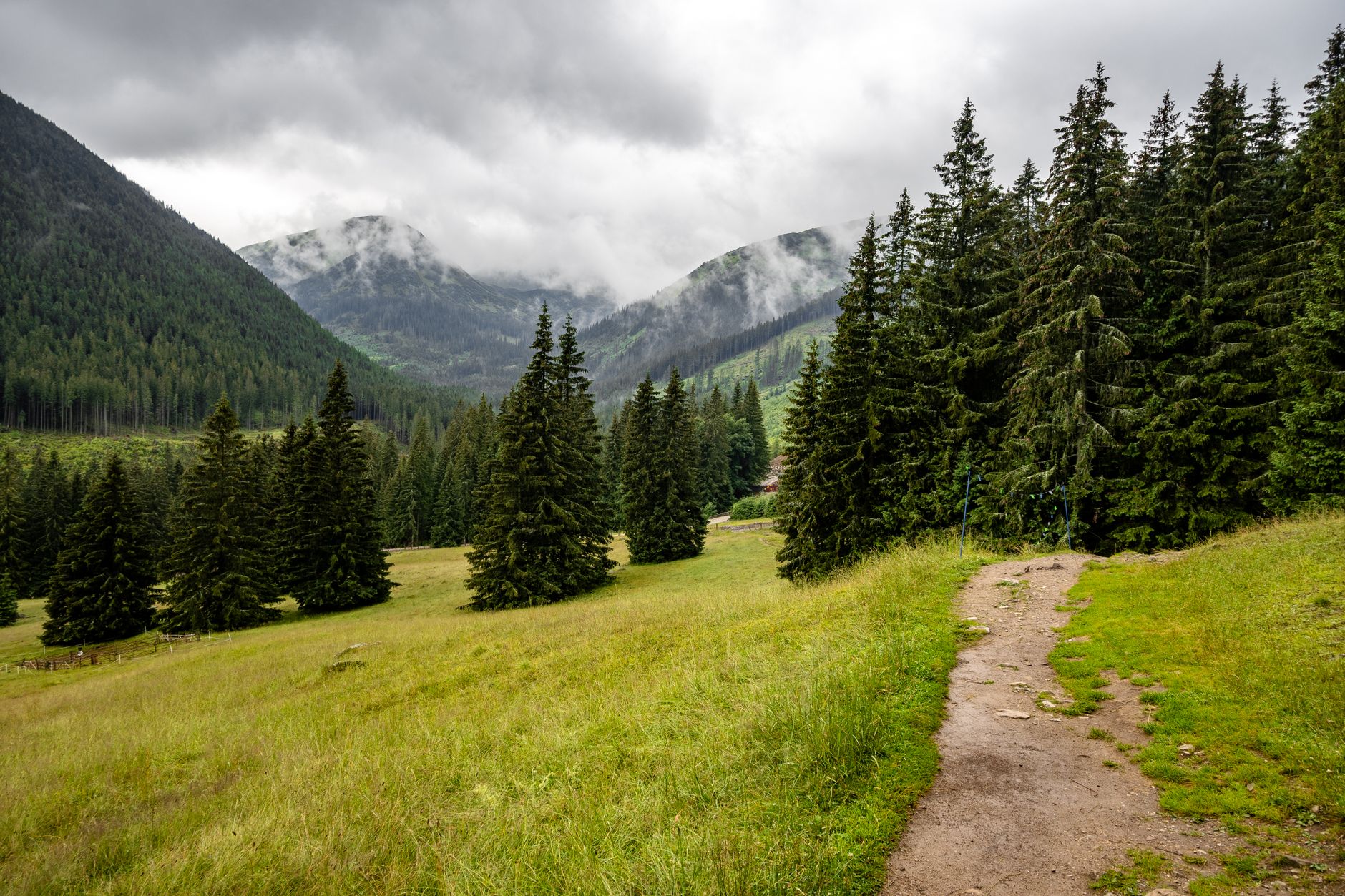
Dajti offers a surprisingly diverse network of trails, and while official signage has historically been inconsistent, ongoing improvements have made navigation easier in recent years. The trails range from gentle loop walks near the summit plateau to longer, more demanding routes that traverse the full ridge of the mountain. Knowing which trail suits your fitness level and available time will make your visit far more enjoyable.
The Summit Ridge Trail is the crown jewel of Dajti hiking. Starting from the upper cable car station, this route follows the main ridge northward toward the true summit at 1,613 meters. The trail winds through dense beech forests before breaking out onto open rocky ground near the top, where the views are genuinely breathtaking. On a clear day you can see the Adriatic coast to the west, the snow-capped peaks of the Albanian Alps to the north, and the sprawling mosaic of Tirana below. The round trip takes approximately four to five hours at a moderate pace.
For those seeking a shorter outing, the Forest Loop Trail near the summit area is a wonderful option. This circular route of about 5 kilometers takes you through some of the park's most atmospheric beech and oak woodland, passing small clearings where deer are occasionally spotted in the early morning. It is well-suited to families with older children and takes around two hours to complete comfortably.
Trail Conditions and Seasonal Considerations
Trail conditions on Dajti change significantly with the seasons. Spring, from April through June, is arguably the most beautiful time to hike here. The forests are vivid green, wildflowers carpet the clearings, and the waterfalls are running strong from snowmelt. Summer brings warm temperatures but also crowds on weekends; start early to beat both the heat and the people. Autumn transforms the mountain into a canvas of gold and rust, making October a particularly magical month for photography and hiking alike.
Winter hiking is possible but demands caution. Snow typically blankets the upper trails from December through February, and ice can make the rocky sections near the summit genuinely dangerous without microspikes or crampons. The cable car may also suspend operations during severe weather, so always check conditions before heading out in the colder months.
- Summit Ridge Trail: 4 to 5 hours round trip, moderate to strenuous, stunning panoramic views
- Forest Loop Trail: approximately 2 hours, easy to moderate, ideal for families
- Porcelani Valley Trail: descends into a quieter valley on the eastern slope, around 3 hours one way
- Old Mule Path: a historic route connecting lower villages to the summit, steep and atmospheric
- Waterfall Trail: a shorter walk leading to a seasonal waterfall active in spring and early summer
Download an offline map using a hiking app before you go. Mobile signal can be patchy on the upper trails, and while the main paths are fairly obvious, having a GPS track gives you real peace of mind.
Wildlife and Nature: What You Might Encounter
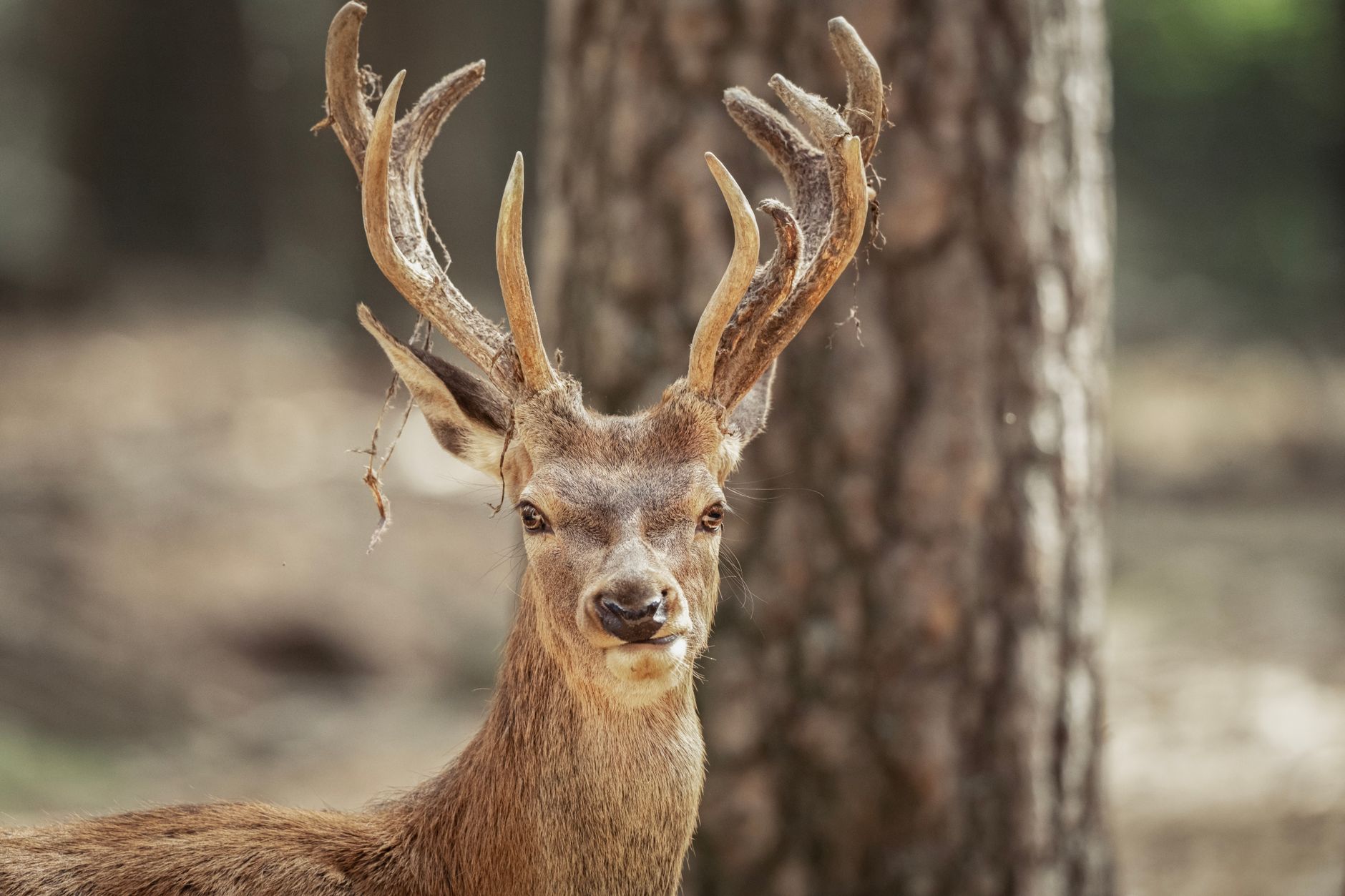
Dajti National Park is not just a place for sweeping views and physical exercise; it is a functioning ecosystem that shelters a remarkable array of wildlife surprisingly close to a major European capital. The park's forests are home to roe deer, wild boar, foxes, and the occasional wolf, though large predators are rarely seen by hikers. What you are far more likely to encounter are the park's extraordinary birds, which include various species of woodpeckers, raptors, and migratory songbirds that pass through in spring and autumn.
The plant life is equally impressive. The lower slopes are dominated by mixed oak and hornbeam woodland, which transitions to pure beech forest as you climb higher. In spring, the forest floor is carpeted with wildflowers including orchids, wood anemones, and various species of violet. The upper rocky areas near the summit support hardy alpine vegetation including juniper scrub and mountain grasses.
If you are a birdwatcher, bring binoculars. The forest edges and clearings around the summit plateau are particularly productive spots, especially in the early morning hours before the day-trippers arrive. Short-toed eagles, honey buzzards, and peregrine falcons have all been recorded in the park, making it a genuinely rewarding destination for anyone with an interest in birds.
- Roe deer are most visible at dawn and dusk near forest clearings
- Wild boar signs such as rooted earth are common on lower trails but actual sightings are rare
- Over 100 bird species have been recorded in the park
- Spring wildflowers peak between late April and early June
- Beech forests dominate above 900 meters and are spectacular in autumn color
Move quietly and slowly on the trails, especially in the early morning. Noise travels far in the forest, and the hikers who spot wildlife are almost always the ones who walk with patience and awareness.
What to Eat and Where to Rest on the Mountain

One of the great pleasures of hiking Dajti is that you do not need to carry a full day's worth of food in your backpack. The summit plateau area has a cluster of restaurants and cafes that serve traditional Albanian food, making a mid-hike meal a genuine highlight of the day. After working up an appetite on the trails, sitting down to a plate of grilled lamb, fresh salad, and crusty bread with a view over Tirana is an experience that is hard to beat.
The restaurants near the upper cable car station tend to be busy on weekends, so if you are visiting at peak times, aim to eat either before the main lunch rush or later in the afternoon. Prices are reasonable by European standards, and the quality of the food is generally very good. Many establishments specialize in roasted meats cooked over wood fires, which is a deeply traditional Albanian style of preparation.
For those who prefer to bring their own food, there are several lovely picnic spots scattered throughout the summit area and along the main trails. Wooden tables and benches have been installed at various points in the forest, and the clearings near the ridge offer spectacular open-air dining with unmatched views. Pack some local bread, cheese, olives, and fruit from Tirana's markets for a simple but satisfying mountain lunch.
- Restaurants near the summit serve grilled meats, salads, and traditional Albanian dishes
- Expect to pay roughly 800 to 1,500 Albanian lek per person for a full meal with drinks
- Picnic tables are available at designated spots along the main trails
- Fresh spring water sources exist on some trails but always carry your own supply to be safe
- Coffee and light snacks are available at the cable car upper station cafe
Try the qofte, traditional Albanian grilled meatballs, at one of the summit restaurants. They are a staple of Albanian mountain cuisine and taste particularly good after a long morning on the trails.
Safety, Gear, and Essential Hiking Tips

Dajti is a forgiving mountain by alpine standards, but it still demands respect and basic preparation. The most common mistake visitors make is underestimating how quickly the weather can change, particularly on the upper ridge. Even on a warm sunny morning in Tirana, the summit can be cool, windy, and misty, so always carry a light waterproof jacket regardless of the forecast. Temperatures at the top are typically five to eight degrees cooler than in the city.
Footwear is the single most important piece of gear you can invest in for a Dajti hike. The trails are rocky in places, can be muddy after rain, and the roots and stones on forested sections make ankle support essential. Proper hiking boots or trail running shoes with good grip will keep you comfortable and safe. Flip-flops and casual sneakers are genuinely unsuitable for anything beyond the immediate summit plateau area.
Hydration is another key consideration. Carry at least 1.5 liters of water per person for a half-day hike, and more for the longer ridge routes. While there are spring water sources marked on some trail maps, these cannot always be relied upon, especially in late summer when flow diminishes. Starting your hike early in the morning not only avoids the heat but also gives you a comfortable buffer of daylight for longer routes.
- Always carry a waterproof layer regardless of the morning weather in Tirana
- Wear proper hiking footwear; the trails are rocky and can be slippery when wet
- Bring at least 1.5 liters of water per person; more in summer
- Tell someone your planned route and expected return time before heading out
- Carry a small first aid kit including blister plasters and basic pain relief
- Mobile coverage is available near the summit but can drop on the eastern slopes
Start your hike no later than 09:00 in summer. This gives you the coolest part of the day for the climb, the best light for photography, and the best chance of spotting wildlife before the crowds arrive.
Combining Dajti with a Broader Tirana Itinerary

Dajti National Park pairs beautifully with a Tirana city break, and the two experiences complement each other perfectly. A classic approach is to spend your first day or two exploring Tirana's vibrant neighborhoods, museums, and cafe culture, then dedicate a full day to the mountain before returning to the city for a celebratory dinner. The contrast between the buzzing urban energy of Skanderbeg Square and the serene forest silence of Dajti is one of the most striking things about visiting Albania's capital.
If you are traveling with limited time, a half-day trip to Dajti is entirely feasible. Take the cable car up in the morning, walk the Forest Loop Trail, have lunch at a summit restaurant, and be back in Tirana by early afternoon. This leaves your evening free for the city's excellent bar and restaurant scene. For those with more flexibility, a full day on the mountain allows you to tackle the Summit Ridge Trail and still have time to explore the plateau area at a relaxed pace.
Dajti also works well as a transition point if you are moving on to other Albanian destinations. The mountain road on the eastern side of the park eventually connects to routes heading toward the Elbasan region, and the views from the ridge give you a wonderful geographical orientation of the country before you continue your journey south or north.
- Half-day option: cable car up, Forest Loop Trail, summit lunch, cable car down
- Full-day option: hike up from Sauk, Summit Ridge Trail, lunch, cable car down
- Combine with Tirana's Blloku neighborhood for evening dining after your hike
- The mountain road east connects to routes toward Elbasan for onward travel
- Sunrise hikes on the ridge offer extraordinary light and complete solitude
Book your Tirana accommodation close to the Sauk or Kodra e Diellit neighborhoods if you plan to hike. You will save significant time on transport and can easily walk to the cable car base station.
Dajti National Park Trail Comparison
| Trail Name | Distance | Duration | Difficulty | Best For |
|---|---|---|---|---|
| Summit Ridge Trail | 12 km round trip | 4 to 5 hours | Moderate to Strenuous | Panoramic views, experienced hikers |
| Forest Loop Trail | 5 km loop | 1.5 to 2 hours | Easy to Moderate | Families, casual walkers, birdwatching |
| Old Mule Path | 8 km one way | 3 to 4 hours | Moderate | History lovers, full ascent experience |
| Porcelani Valley Trail | 10 km one way | 3 to 4 hours | Moderate | Solitude seekers, nature photography |
| Waterfall Trail | 3 km round trip | 1 to 1.5 hours | Easy | Spring visitors, short outings, children |
Frequently Asked Questions
Do I need a guide to hike in Dajti National Park?
For the main trails near the summit plateau, a guide is not necessary as the paths are reasonably well-marked and well-traveled. However, if you plan to explore the more remote eastern slopes or attempt the full ridge traverse, hiring a local guide is a sensible idea, especially on your first visit. Local guides can also greatly enrich your experience by pointing out wildlife, edible plants, and historical features of the landscape.
Is the Dajti cable car safe and reliable?
Yes, the cable car is a well-maintained gondola system that has been operating for many years and is a popular attraction for both locals and tourists. It is inspected and maintained to standard safety requirements. Operations may be temporarily suspended during strong winds or severe weather, so it is worth checking locally before you travel if conditions look uncertain.
Can I hike in Dajti National Park in winter?
Winter hiking is possible but requires additional preparation. Snow typically covers the upper trails from December through February, and ice can form on rocky sections. You should carry microspikes or crampons for the upper ridge in snowy conditions. The cable car may also be closed during heavy snowfall. That said, a snow-covered Dajti is strikingly beautiful and the winter silence on the mountain is extraordinary for those prepared to handle the conditions.
Are there toilets and facilities on the mountain?
Basic toilet facilities are available near the upper cable car station and at the main restaurants on the summit plateau. Once you head out onto the trails themselves, facilities are non-existent, so plan accordingly before setting off. The restaurants near the summit are also happy to let you use their facilities if you are a customer.
Is Dajti National Park suitable for children?
Absolutely. The Forest Loop Trail and the area immediately around the summit plateau are very well suited to families with children of most ages. The cable car ride itself is a highlight for kids. For younger children or those not accustomed to walking, staying close to the summit area and taking the cable car both ways is a perfectly enjoyable way to experience the park without overexerting little legs.
What is the best time of year to visit Dajti National Park?
The best months for hiking are April through June and September through October. Spring offers wildflowers, waterfalls, and lush green forests, while autumn brings spectacular foliage colors and cooler temperatures ideal for longer hikes. Summer is popular but can be hot on the lower trails and crowded on weekends. Winter is beautiful but demands proper cold-weather gear and awareness of icy trail conditions.
Plan your Albania adventure
Dajti National Park is one of those rare places where nature and convenience align almost perfectly. Within an hour of leaving your Tirana hotel, you can be standing on a forested ridge breathing cool mountain air, watching eagles soar overhead, and looking out over a landscape that feels genuinely wild and untouched. Whether you spend two hours on the Forest Loop Trail or a full day conquering the Summit Ridge, you will return to the city with a deeper appreciation for Albania's extraordinary natural wealth and a very healthy appetite for dinner.
Albania consistently surprises travelers who arrive expecting little and leave having experienced something genuinely special. Dajti is one of the best expressions of that surprise. It is accessible without being crowded, beautiful without being manicured, and rewarding without demanding expert skill. Pack your boots, charge your camera, and head for the hills above Tirana. The mountain is waiting, and it never disappoints.