Spring in Albania: The Ultimate Wildflower Guide


Imagine walking through a mountain meadow where the air smells of wild thyme, the hillsides glow with violet orchids, and every step reveals another splash of color you never expected to find in the Balkans. That is exactly what awaits you in Albania each spring. Between late March and early June, this small but remarkably diverse country stages one of Southern Europe's most underrated wildflower spectacles, drawing botanists, hikers, and nature lovers who are only just beginning to discover what locals have always known.
Albania's extraordinary floral richness comes down to geography and history working together in your favor. The country sits at the crossroads of Mediterranean, Balkan, and continental climates, which means an astonishing variety of habitats packed into a compact area. Add to that decades of limited industrial agriculture, and you get landscapes where wildflower populations that have vanished elsewhere in Europe still thrive in abundance. Whether you are a seasoned botanist chasing endemic species or simply someone who loves a beautiful walk, spring in Albania will exceed every expectation you bring with you.
Key Takeaways
| Peak Bloom Season | Late March through late May, varying by altitude |
|---|---|
| Top Wildflower Region | Albanian Alps and Valbona Valley for mountain species |
| Coastal Blooms | Ionian Riviera poppies and sea squill peak in April |
| Orchid Hotspot | Theth and Razem meadows host over 20 orchid species |
| Best for Beginners | Llogara Pass offers roadside wildflowers with minimal hiking |
| Photography Tip | Golden-hour light on mountain meadows is best 6-9 AM |
| Guided Walks | Local eco-guides available in Theth, Berat, and Permet |
Why Albania Is Europe's Hidden Wildflower Paradise
When most travelers think of European wildflower destinations, they picture the Swiss Alps or the lavender fields of Provence. Albania rarely makes that mental shortlist, and that oversight is your gain. The country hosts more than 3,200 vascular plant species, roughly a third of Europe's entire flora, compressed into a territory smaller than the state of Maryland. That staggering density is what makes every spring walk here feel like opening a field guide and finding every page illustrated with living specimens.
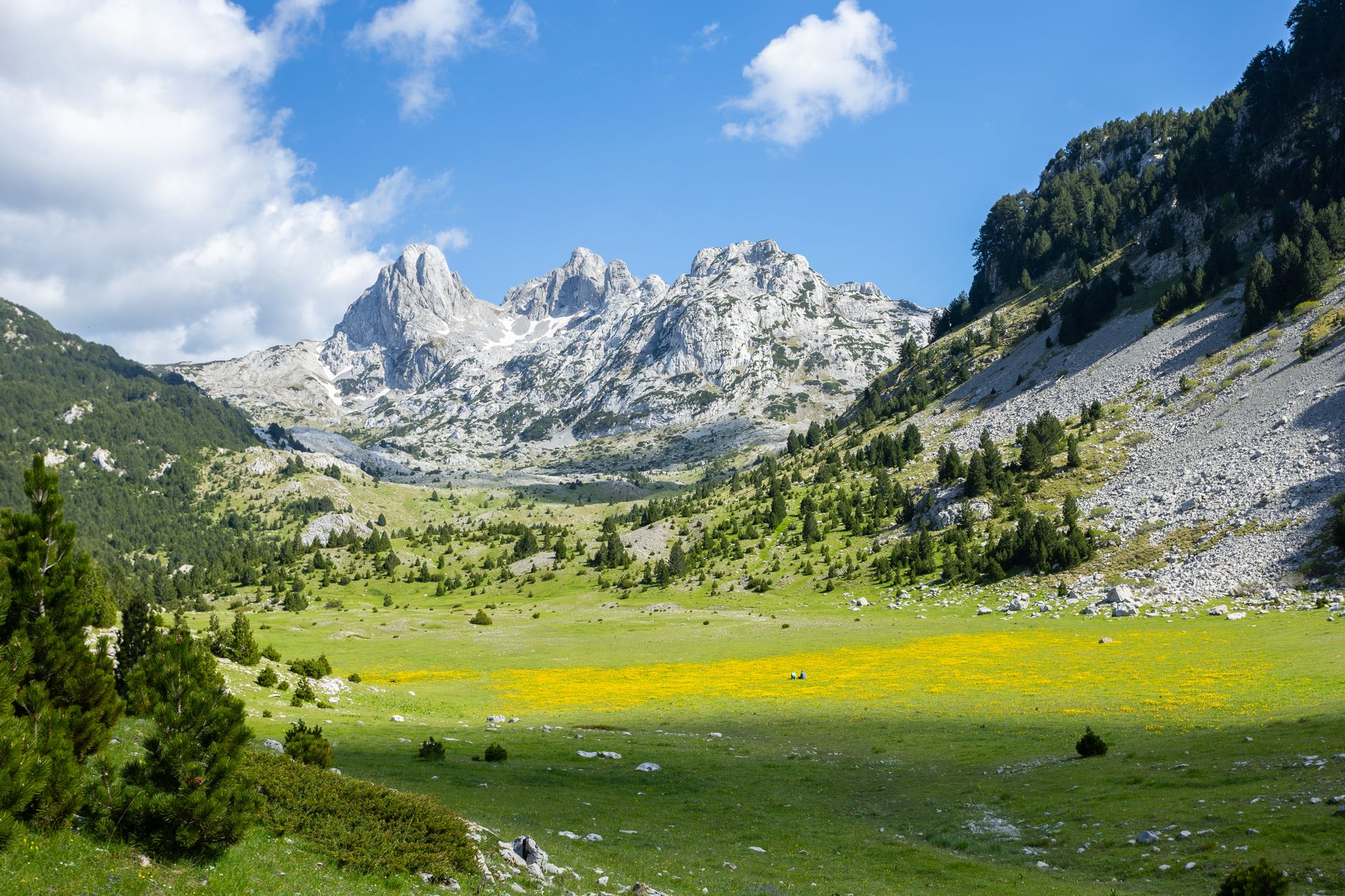
The secret behind this botanical abundance is Albania's mosaic of microclimates. Within a single day of driving, you can move from sea-level Mediterranean scrubland through oak and beech forest zones into alpine meadows above 1,800 meters. Each zone has its own cast of wildflower characters, and because the seasons shift with altitude, the blooming window stretches across nearly three months. You are essentially chasing an endless spring as you move upward through the landscape.
Equally important is what Albania lacks: intensive monoculture farming. Large swaths of the countryside were never subjected to the herbicide regimes that sterilized wildflower populations across Western Europe during the twentieth century. The result is roadside verges, olive groves, and abandoned terraces that erupt with color each spring in ways that feel almost anachronistic, like stepping back into a pre-industrial countryside that the rest of Europe has largely lost.
- Over 3,200 vascular plant species recorded, including 30-plus endemics found nowhere else on Earth
- Three distinct climate zones create overlapping bloom windows from March to June
- Low-intensity traditional farming has preserved wildflower-rich grasslands across the country
- Albania sits on the Balkan biodiversity hotspot, one of the richest in the entire Northern Hemisphere
- Spring rainfall is generous, producing lush displays even in years with dry summers
Download a plant identification app before you travel and set it to the Balkan flora database. You will use it constantly, and it makes every walk feel like a treasure hunt.
When to Visit: Timing Your Trip for Peak Blooms
Timing is everything with wildflowers, and Albania rewards travelers who plan with a little strategic thinking. The bloom season is not a single event but a rolling wave that moves from south to north and from low to high altitude across roughly twelve weeks. Understanding this progression lets you design a trip that catches multiple peak moments rather than arriving at any single location just before or after its prime.
The Ionian coast and the southern lowlands around Gjirokastra and Permet are your earliest bets. By late March, roadsides here blaze with wild anemones, grape hyacinths, and the first poppies. April is the golden month for the coast and foothills, when every olive grove seems carpeted in wildflowers and the hillside garrigue is thick with cistus, asphodels, and wild sage. If you can only visit once and want the most dramatic coastal and lowland display, aim for the first two weeks of April.
As April transitions into May, the action shifts upward. Mid-elevation forests and valleys between 600 and 1,200 meters hit their stride, with wild peonies, irises, and dozens of orchid species taking center stage. By late May and into early June, the high alpine meadows above Theth and Valbona explode with gentians, alpine roses, and endemic saxifrages. The highest blooms are also the most fleeting, so if alpine wildflowers are your priority, keep your schedule flexible enough to respond to that year's snowmelt timeline.
A Month-by-Month Quick Reference
March sees the first brave blooms in the south: wild tulips near Permet, grape hyacinths along the Ionian coast, and snowdrops lingering at higher elevations. April is arguably the most visually dramatic month overall, combining coastal poppies with foothill orchids and the first mountain irises. May is the month for serious botanists and hikers, as mid-mountain and sub-alpine species reach their peak and the diversity of species visible in a single day walk is simply unmatched anywhere else in the region. June, while technically summer, still offers spectacular high-alpine blooms above 1,500 meters, especially in the Albanian Alps where the growing season is compressed and intense.
- Late March to mid-April: coastal and southern lowland species, anemones, hyacinths, early poppies
- Mid-April to mid-May: foothills and valleys, orchids, wild peonies, irises, and cistus
- Late May to mid-June: alpine meadows, gentians, endemic saxifrages, alpine clovers
- Northern Albania (Shkoder region) blooms roughly two weeks later than the south
- Rainfall in April and May is common but brief, and it intensifies flower colors beautifully
Check Albanian meteorological service updates in the week before you travel. A late cold snap in the mountains can push peak alpine blooms a full two weeks later than average, which is actually wonderful news because it extends the season.
Top Wildflower Locations Across Albania
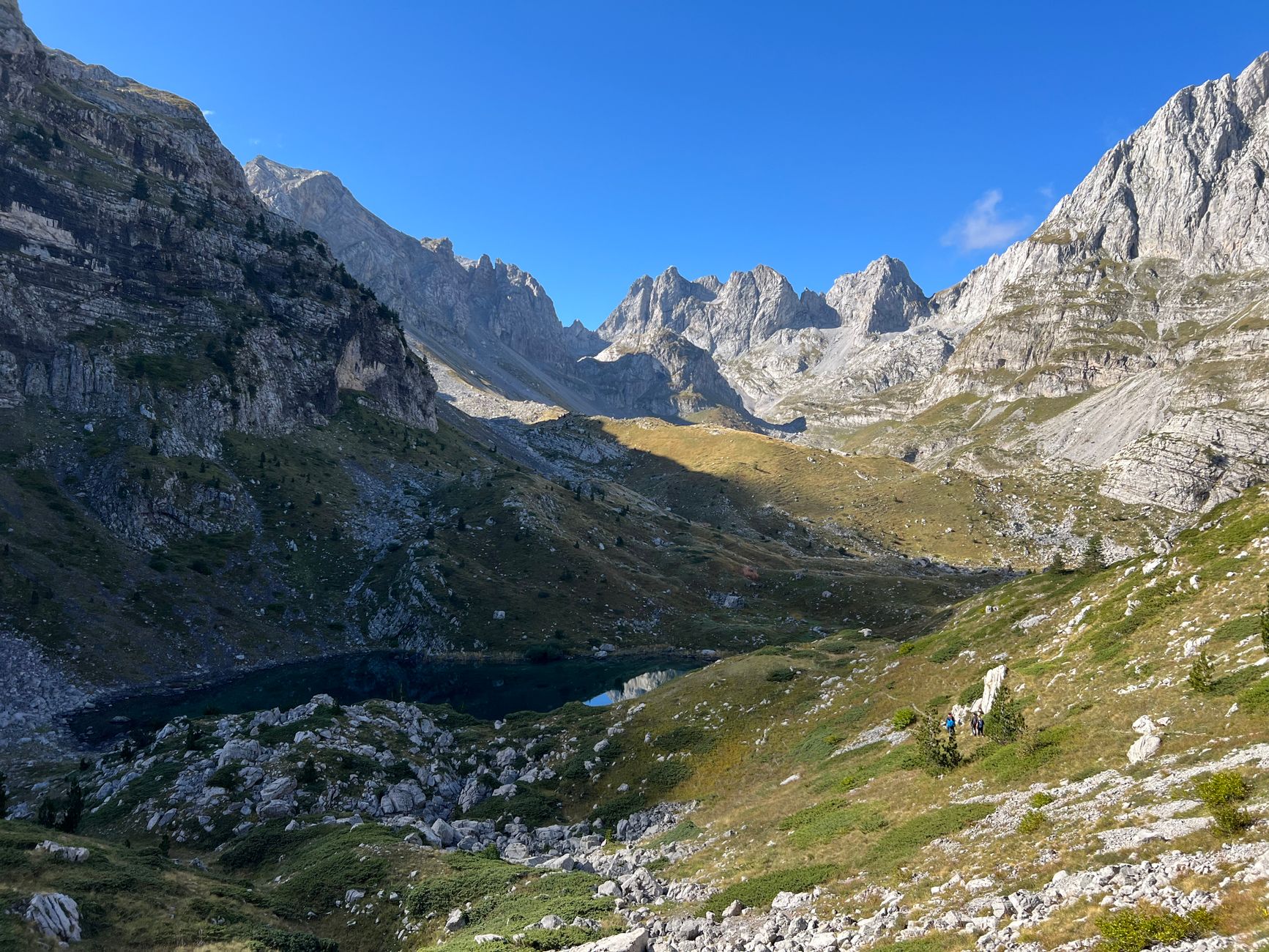
Albania's wildflower destinations range from easily accessible roadside pullouts to remote mountain meadows that reward a full day of hiking. The good news is that spectacular blooms are not reserved for the physically adventurous. Even if your mobility is limited, you can find extraordinary floral displays within steps of a paved road at places like Llogara Pass, where the transition between Mediterranean and mountain climates creates an almost theatrical burst of species diversity.
For those willing to lace up their boots, the rewards multiply dramatically. The Valbona Valley in the Albanian Alps is widely considered the crown jewel of the country's wildflower scene. The valley floor meadows, still grazed traditionally by local families, host a tapestry of species including multiple orchid varieties, wild garlic, yellow rattle, and the brilliant blue spikes of common bugle. The surrounding slopes add layers of sub-alpine shrubs and forest-edge species that change with every hundred meters of elevation gain.
Further south, the Permet region and the Bredhi i Hotoves National Park offer a completely different wildflower character. Here, ancient silver fir forests open into sun-drenched clearings carpeted with wild peonies in May, one of the most breathtaking sights in Albanian nature. The Osumi Canyon area nearby adds dramatic limestone gorge scenery to a botanical walk, with cliff-dwelling species including rare ferns, bellflowers, and the endemic Albanian tulip clinging to rock faces above the turquoise river below.
- Valbona Valley: premier destination for alpine and sub-alpine wildflowers, best in May and June
- Theth National Park: orchid-rich meadows, gentians, and easy access from the village center
- Llogara Pass: roadside Mediterranean and mountain species, accessible year-round by car
- Permet and Bredhi i Hotoves: wild peonies and silver fir forest clearings, peak in mid-May
- Osumi Canyon: limestone cliff specialists including endemic bellflowers and Albanian tulips
- Divjaka-Karavasta National Park: coastal wetland species including sea lavender and marsh orchids
- Dajti Mountain near Tirana: convenient day-trip option with beech forest wildflowers in April and May
The meadows around Theth village are grazed by cattle in summer, which paradoxically maintains the short-grass habitat that orchids need. Visit before mid-June to see them at their best before the grazing pressure increases.
The Star Species: Albania's Most Spectacular Wildflowers

Albania's wildflower cast is so rich that it can feel overwhelming at first. Knowing which species to prioritize helps you structure your time and ensures you do not walk past something extraordinary without realizing it. The country's orchid flora alone would justify a dedicated trip, with over 60 species recorded, from the common early purple orchid that dots April meadows to the rare lady orchid and the spectacular elder-flowered orchid of sub-alpine grasslands.
Wild peonies deserve special mention because they represent one of those genuinely jaw-dropping moments that stays with you long after you return home. Albania holds some of the largest remaining wild peony populations in Europe, and when a forest clearing near Permet or Korce is in full bloom in early to mid-May, the combination of enormous crimson flowers against dark fir trunks is almost surreal in its beauty. These are not garden varieties but the true wild Paeonia mascula, and they carry a fragrance that fills entire clearings.
Along the coast and in the southern lowlands, the Ionian poppy fields create the kind of image you expect to see on a travel poster. Scarlet corn poppies mix with the deeper crimson of the long-headed poppy and the delicate pink of the rough poppy, creating drifts of color across abandoned terraces and olive groves. Alongside them, you will find wild gladioli, star-of-Bethlehem, and the electric blue of borage, all competing for your attention in a display that peaks in the first two weeks of April.
Endemic and Rare Species Worth Seeking Out
Albania's status as a biodiversity hotspot means it shelters a number of plant species found nowhere else on Earth. The Albanian tulip is perhaps the most famous, a small wild tulip with creamy yellow petals and a distinctive dark center that grows on limestone scree slopes in the south. The Balkan endemic Ramonda nathaliae, a tiny violet-like rosette plant that grows on shaded limestone cliffs, is another remarkable find. Seeking these species out requires a bit of research and sometimes a local guide, but the satisfaction of finding a true endemic in its only home on the planet is an experience that no garden or botanical garden can replicate.
- Wild orchids: over 60 species, including lady orchid, elder-flowered orchid, and bee orchid
- Wild peony (Paeonia mascula): crimson forest-clearing blooms, peak mid-May in southern highlands
- Ionian poppies: three species mixing in coastal fields, spectacular in early April
- Albanian tulip (Tulipa albanica): endemic species on limestone outcrops in the south
- Gentians: electric blue alpine species above 1,500 meters, June in the Albanian Alps
- Wild iris: yellow and purple species in valley meadows, April through May
- Cistus (rock rose): white and pink Mediterranean shrub, fragrant and abundant on coastal hillsides
If orchids are your passion, bring a hand lens with at least 10x magnification. The labellum patterns on Albanian orchids are extraordinarily intricate and reveal details invisible to the naked eye that will completely change how you appreciate them.
How to Explore: Hiking Routes and Practical Tips

Albania's wildflower landscapes are best explored on foot, and the good news is that the country's hiking infrastructure has improved dramatically in recent years. Waymarked trails now connect many of the most botanically rich areas, particularly in the Albanian Alps and the national parks of the south. Trail signage is not always perfect, so carrying a downloaded offline map on your phone is strongly recommended regardless of your experience level.
For a dedicated wildflower hiking itinerary, consider structuring your trip around altitude rather than geography. Start your visit in the south near Permet or the Ionian coast for the early lowland blooms, then move north and upward as the season progresses. A two-week trip can comfortably take you from coastal poppy fields through foothill orchid meadows to alpine gentian zones, essentially following the bloom wave as it climbs the landscape. This approach maximizes the number of species you encounter and gives you a vivid sense of how Albania's ecosystems layer on top of each other.
Day hikes from village bases are the most practical approach for most visitors. Theth village in the Albanian Alps is an ideal hub for wildflower day walks, with routes ranging from flat valley meadow strolls to steep ascents toward the Valbona Pass. In the south, Permet and Gjirokastra both make excellent bases for exploring the peony forests and limestone gorge flora of the surrounding hills. Accommodation options in these villages have grown significantly, and several locally run guesthouses now offer guided nature walks as part of their services.
- Download offline maps before entering mountain areas where mobile data is unreliable
- Wear ankle-supporting footwear even on seemingly flat meadow walks, as terrain is often uneven
- Start hikes early to catch the best light for photography and to avoid afternoon thunderstorms in May
- Carry at least two liters of water per person on any mountain route
- Respect private farmland and stick to established paths through meadows to protect fragile soil crusts
- A local eco-guide adds enormous value, as they know exactly where rare species are blooming each week
The Peaks of the Balkans long-distance trail passes through some of Albania's richest wildflower zones. Even walking just the Albanian section between Theth and Valbona in late May puts you in the heart of the alpine bloom at its most spectacular.
Wildflower Photography in Albania: Getting the Best Shots
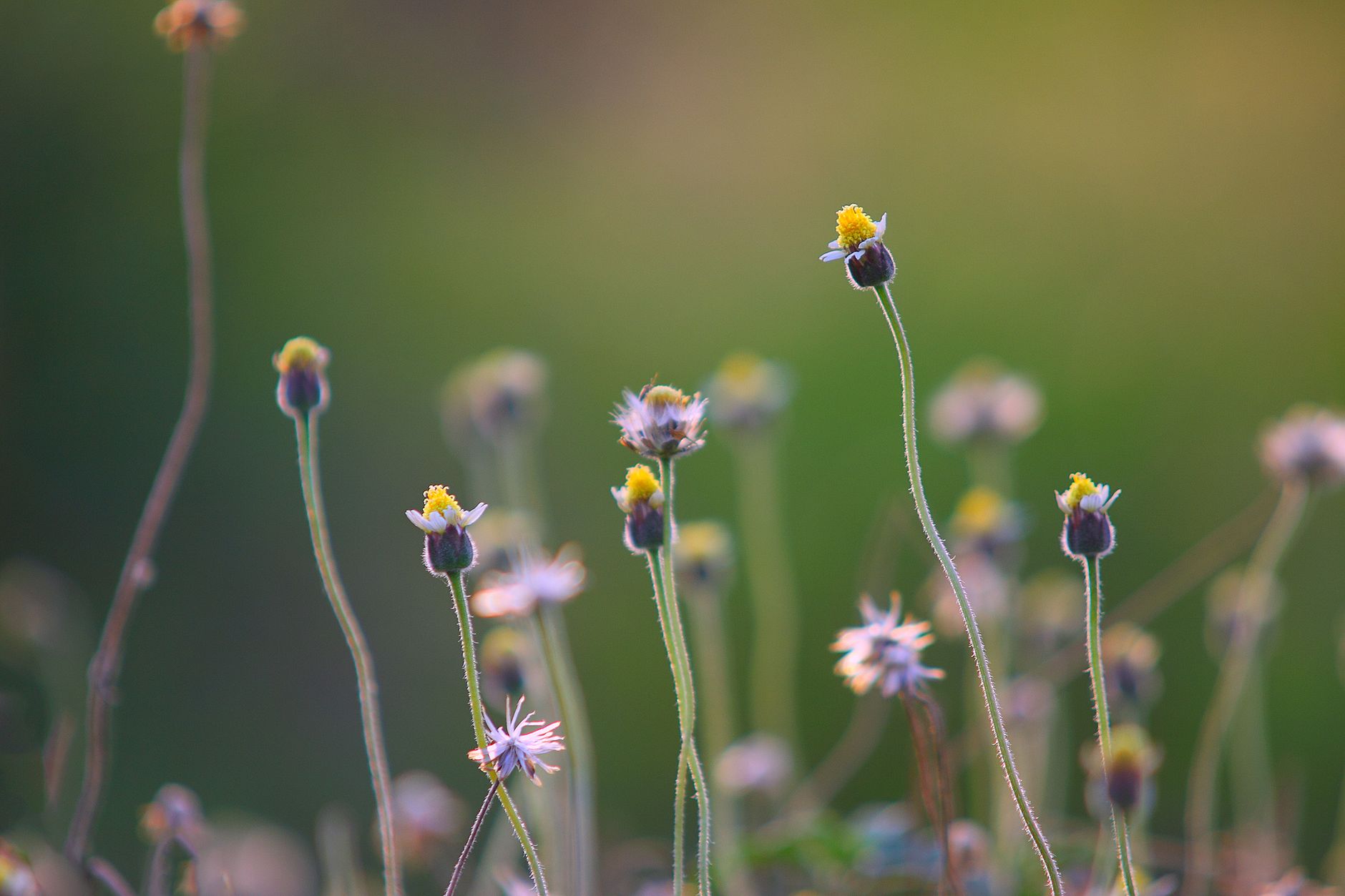
Albania's spring wildflowers are extraordinarily photogenic, and you do not need professional equipment to come home with images that make your friends question whether you hired a photographer. The key is understanding light, composition, and the behavior of flowers in the conditions you will actually encounter in the field. Albanian spring mornings are often calm and clear, which gives you a window of soft, directional light between sunrise and about nine in the morning that is simply magical for flower photography.
For landscape-scale shots of meadows and hillsides, position yourself with the light behind or to the side of you rather than shooting directly into the sun. The rolling terrain of Albanian valleys creates natural leading lines that draw the eye through a carpet of flowers toward a mountain backdrop, and finding a slight elevation above the meadow floor often reveals patterns and color masses invisible from ground level. A polarizing filter, if you shoot with a camera that accepts them, dramatically reduces glare from waxy petals and deepens the blue of the sky behind alpine blooms.
Close-up and macro photography of individual flowers rewards patience more than equipment. Spend time with a single orchid or peony rather than rushing between specimens, and you will discover details of color, texture, and form that make for far more compelling images than a quickly snapped overview shot. Morning dew on petals, the tiny insects that visit each flower, and the way light passes through translucent petals from behind are all details that elevate a flower photograph from a record shot to something genuinely beautiful.
- Golden hour (6-9 AM) provides the warmest, most flattering light for both macro and landscape flower shots
- A small reflector or white card helps fill shadows in close-up shots on overcast days
- Lie flat on the ground to shoot orchids at eye level for the most dramatic perspective
- Overcast days are actually ideal for macro work, providing even, diffused light without harsh shadows
- Include a human figure or familiar object in at least some shots to convey the scale of mass blooms
- Shoot in RAW format if your camera allows, as flower colors are notoriously difficult to reproduce accurately in JPEG
A small lightweight tripod or a beanbag is worth its weight for macro shots in the field. Even a slight breeze moves flowers enough to blur a close-up shot at the slow shutter speeds you need in low morning light.
Responsible Wildflower Tourism: How to Visit Without Leaving a Mark
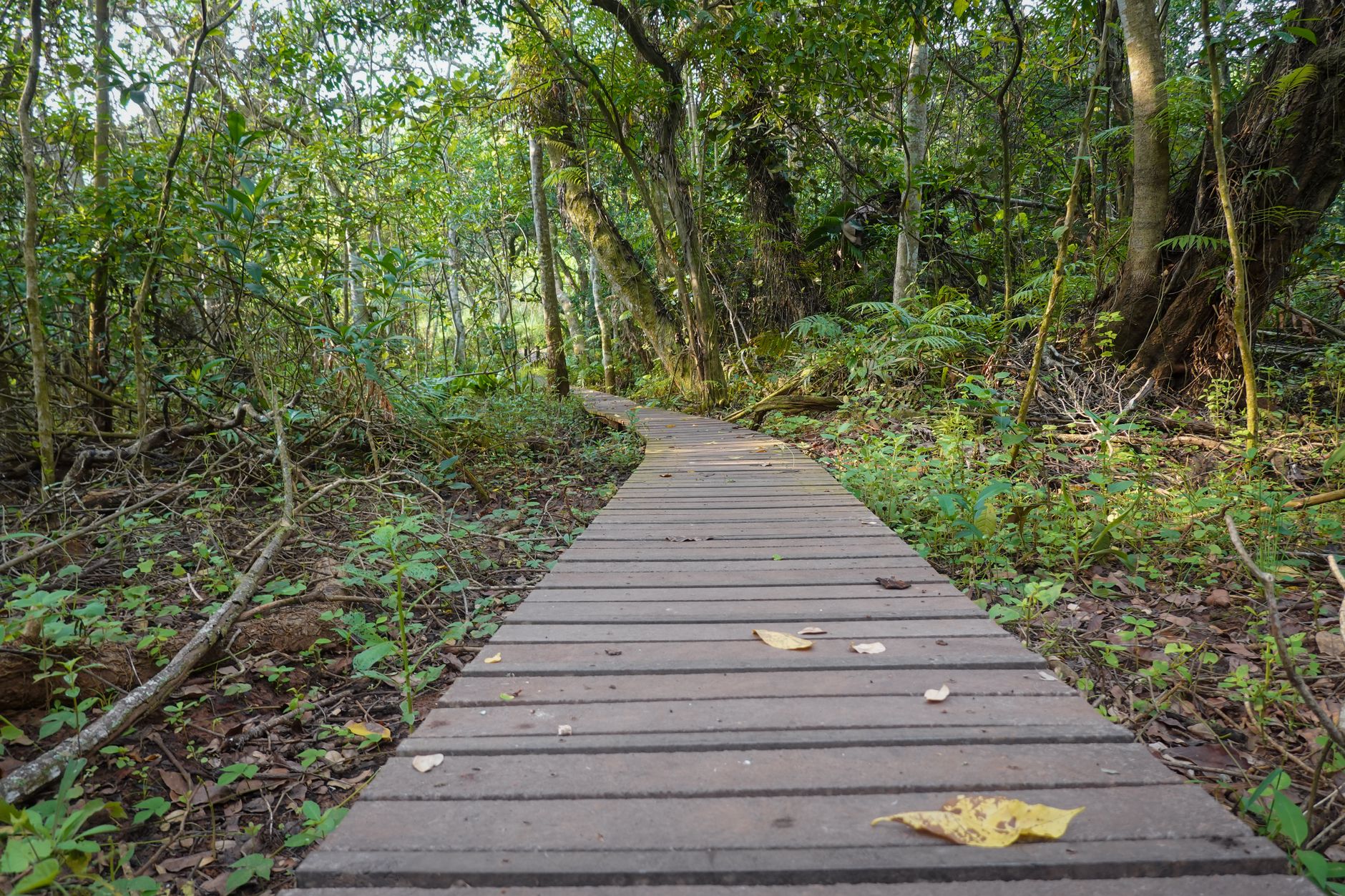
Albania's wildflower landscapes are precious partly because they have been protected by relative isolation. As visitor numbers grow, maintaining that ecological integrity requires conscious choices from every traveler who comes to enjoy the blooms. The good news is that responsible wildflower tourism is mostly a matter of awareness and small behavioral adjustments rather than significant sacrifice. You can have an extraordinary experience while actively contributing to the preservation of what makes Albania special.
The single most important rule is simple: never pick wild flowers, and never dig up bulbs or roots. This might seem obvious, but the temptation to take home a wild orchid or a beautiful tulip is real, and even well-intentioned collectors cause significant damage over time. Albanian law protects many native plant species, and border controls do check for plant material. More importantly, many of the most spectacular species reproduce slowly and are genuinely vulnerable to collection pressure. Photograph them, sketch them, press a fallen petal if you must, but leave the living plant exactly where you found it.
Staying on established trails is equally critical, particularly in orchid meadows where the soil crust and root systems of flowering plants extend well beyond what is visible above ground. A single shortcut across a meadow can compact soil and damage underground bulb networks that took decades to establish. When you stop to photograph a flower, crouch down carefully rather than kneeling on surrounding vegetation, and resist the urge to clear away competing plants to get a cleaner shot. The ecological community around each flower is part of what sustains it.
- Never pick, dig, or collect any wild plant material, regardless of how common it appears
- Stay on marked trails in sensitive meadow and alpine habitats
- Support locally owned guesthouses and eco-guides to ensure tourism revenue benefits conservation-minded communities
- Pack out all litter, including biodegradable food waste, which attracts animals that disturb nesting ground birds
- Keep dogs on leads in wildlife-rich areas during the spring breeding season
- Share your sightings with citizen science platforms to contribute to Albanian botanical knowledge
If you find a rare or unexpected plant species, note the GPS coordinates and share them with local botanical societies or national park authorities. Your observation could contribute meaningfully to conservation planning for that species.
Albania's Top Wildflower Destinations Compared
| Location | Best Month | Signature Species | Difficulty Level | Accessibility |
|---|---|---|---|---|
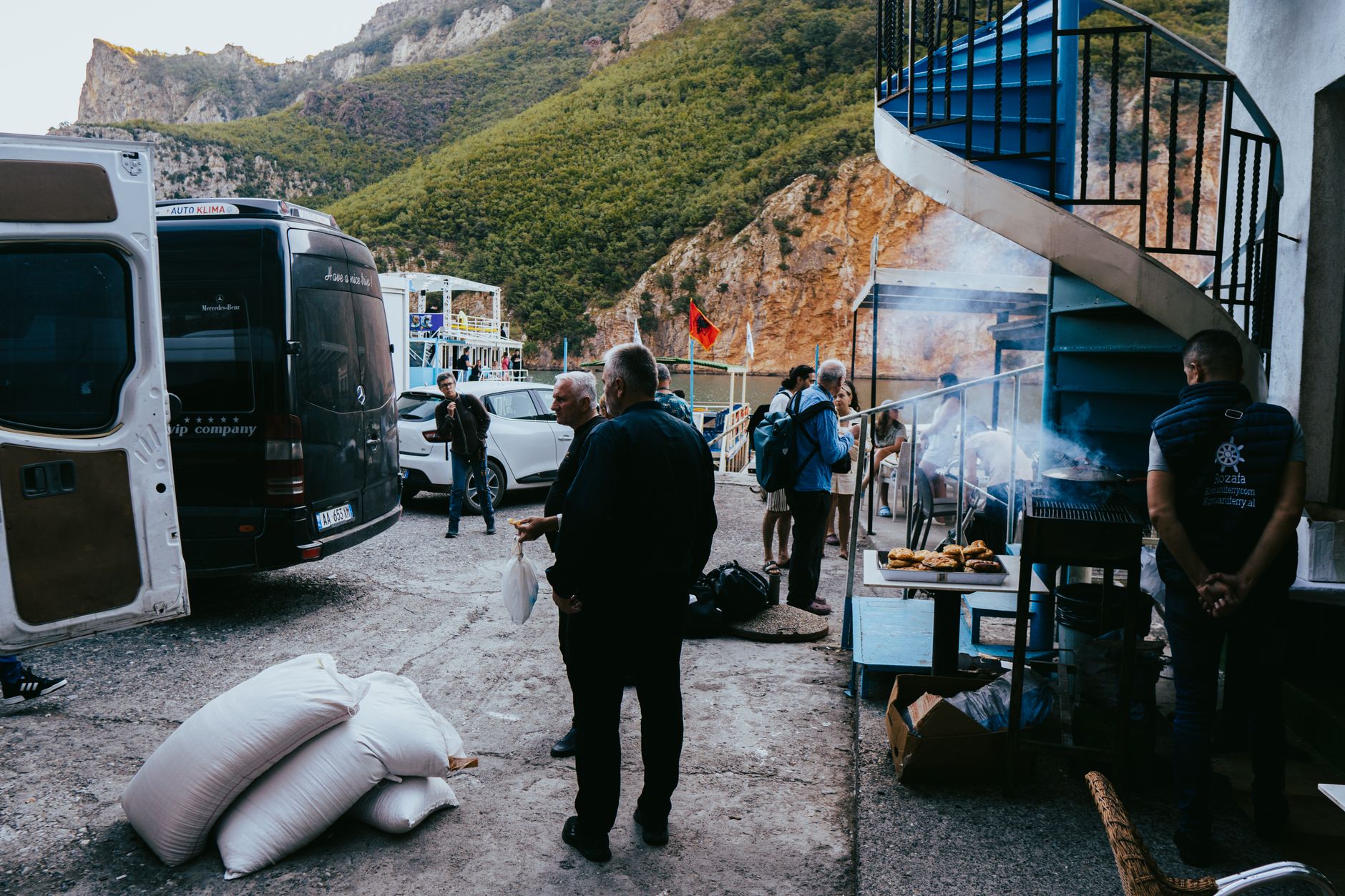
| Valbona Valley | May to June | Alpine orchids, gentians, saxifrages | Moderate to Hard | Requires ferry and mountain road transfer |
| Theth National Park | May | Meadow orchids, wild iris, alpine rose | Easy to Moderate | Accessible by mountain road from Shkoder |
| Permet and Bredhi i Hotoves | Mid-May | Wild peonies, forest clearings, irises | Easy to Moderate | Good road access from Gjirokaster |
| Llogara Pass | April to May | Cistus, asphodels, mountain wildflowers | Easy | Roadside access, no hiking required |
| Ionian Coast and Riviera | April | Poppies, wild gladioli, borage, anemones | Easy | Excellent road access, many villages nearby |
| Osumi Canyon | April to May | Albanian tulip, bellflowers, cliff ferns | Moderate | Guided canyon walks available from Skrapar |
Frequently Asked Questions
Do I need a guide to see wildflowers in Albania, or can I explore independently?
You can absolutely explore independently, especially at accessible locations like Llogara Pass, the Ionian coast, and the lower meadows around Theth village. However, a local botanical guide adds enormous value if you are interested in identifying specific species, finding rare endemics, or accessing less-visited sites. Local guides also know the precise timing of blooms in their area each year, which can make the difference between catching a peak display and arriving a week too late. For remote mountain routes in the Albanian Alps, a guide is also a safety asset.
Is it safe to hike in Albanian mountain areas during spring?
Yes, with appropriate preparation. Spring mountain hiking in Albania is generally safe, but conditions can change quickly. Snow can linger on high passes well into May, and afternoon thunderstorms are common from late April onward. Always check local weather forecasts before heading into the mountains, carry waterproof layers even on sunny mornings, and let someone know your planned route and expected return time. The trail network in the Albanian Alps has improved significantly, but some paths are still unmarked, so offline maps are essential.
What is the rarest wildflower I might realistically see in Albania in spring?
The Albanian tulip (Tulipa albanica) is one of the most sought-after endemic species and is realistically findable on limestone scree slopes in the southern highlands if you know where to look, ideally with a local guide. Among orchids, the lady orchid and the elder-flowered orchid are both genuinely rare and exciting finds. Ramonda nathaliae, a tiny cliff-dwelling endemic, requires a specific search on shaded limestone faces but is present in several canyon areas. Any of these would be a remarkable sighting to add to your nature travel list.
Can I see wildflowers in Albania without doing strenuous hikes?
Absolutely. Some of the most spectacular displays in Albania are accessible with minimal physical effort. Llogara Pass has extraordinary roadside wildflowers visible from a parked car or a gentle stroll. The Ionian coast poppy fields in April are visible along roadsides and in easily walked olive groves. The lower meadows of Theth village are flat and accessible from the village center. Even in the Permet area, the peony forests have accessible entry points with short walks from the road. You do not need to be a serious hiker to experience Albania's wildflower magic.
Are there any wildflower festivals or events in Albania during spring?
Albania does not yet have large-scale dedicated wildflower festivals in the way that some Western European countries do, but spring is celebrated enthusiastically across the country. The national spring holiday of Dita e Veres in mid-March marks the beginning of the season with outdoor gatherings and traditional foods. Many villages in the southern highlands hold local spring fairs in April and May that coincide with the bloom season, and these are wonderful opportunities to combine wildflower exploration with cultural experiences. Check with local guesthouses for any community events happening during your visit.
What should I pack specifically for a wildflower trip to Albania in spring?
Beyond standard hiking gear, a few items are particularly useful for a wildflower-focused trip. A field guide or plant identification app covering Balkan flora is invaluable. A hand lens or loupe (10x magnification) transforms your experience of orchids and small alpine flowers. A lightweight macro lens attachment for your smartphone dramatically improves close-up photography without adding weight. Waterproof hiking boots are essential for dewy morning meadow walks. Bring a small notebook for recording observations, and pack layers for the significant temperature swings between coastal and mountain elevations that you may experience in a single day.
Plan your Albania adventure
Spring in Albania is one of those travel experiences that quietly reorders your understanding of what European nature can still offer. In a continent where wildflower-rich landscapes have been steadily eroded for generations, Albania stands as a living reminder of what has been lost elsewhere and a genuine cause for optimism about what can be preserved. Every orchid-studded meadow you walk through, every hillside blazing with poppies, and every alpine clearing perfumed with wild peonies is both a profound sensory pleasure and a privilege that comes with responsibility. You are visiting something irreplaceable, and the way you travel here matters.
So start planning. Whether you are drawn by the rare endemic tulips of the limestone south, the cathedral-like peony forests of the highlands, or simply the joy of walking through meadows that feel untouched by modern agriculture, Albania in spring has something that will move you. Pack your boots, charge your camera, and come ready to be surprised at every turn. The wildflowers are waiting, and they bloom for a beautifully finite window each year. Make sure you are there to see them.