Secret Beaches Along the Albanian Riviera to Discover


Picture yourself standing on a crescent of white pebbles, the Ionian Sea glittering in forty shades of blue in front of you, and not another soul in sight. No beach umbrellas stacked shoulder to shoulder, no thumping speakers, no queue for an overpriced cocktail. Just you, the sound of waves, and the faint scent of wild thyme drifting down from the hillside above. This is not a fantasy. This is the Albanian Riviera on a Tuesday morning in July, if you know where to look.
Albania's coastline stretches for roughly 450 kilometers, and while towns like Saranda and Ksamil have earned their well-deserved reputations, the real magic hides in the spaces between. Narrow dirt tracks, unmarked footpaths, and the occasional local fisherman's tip will lead you to coves so pristine they look digitally enhanced. The Albanian Riviera remains one of the last frontiers of unspoiled Mediterranean coastline in Europe, and the window to experience it in its raw, unhurried state is still beautifully open.
In this guide you will find everything you need to seek out the hidden beaches that most travelers fly right past. From the dramatic sea caves near Dhermi to the wild, wind-sculpted sands south of Borsh, consider this your insider roadmap to the Albanian coast's best-kept secrets. Pack light, bring cash, and leave your expectations of crowds at the airport.
Key Takeaways
| Best Time to Visit | Late May to early July and September for warm water, fewer crowds, and lower prices. |
|---|---|
| Getting There | Rent a car in Saranda or Vlora for maximum flexibility on the winding coastal road. |
| Water Clarity | Many hidden coves rank among the clearest waters in the entire Mediterranean. |
| Budget | Albania is extremely affordable; most secret beaches are free to access with no entrance fees. |
| Safety | Wear sturdy shoes on cliff paths and always check sea conditions before swimming in exposed coves. |
| Local Tip | Ask guesthouse owners for their personal favorite spots — Albanians are proud of their coast and love to share it. |
Why the Albanian Riviera Still Has Secrets Worth Finding
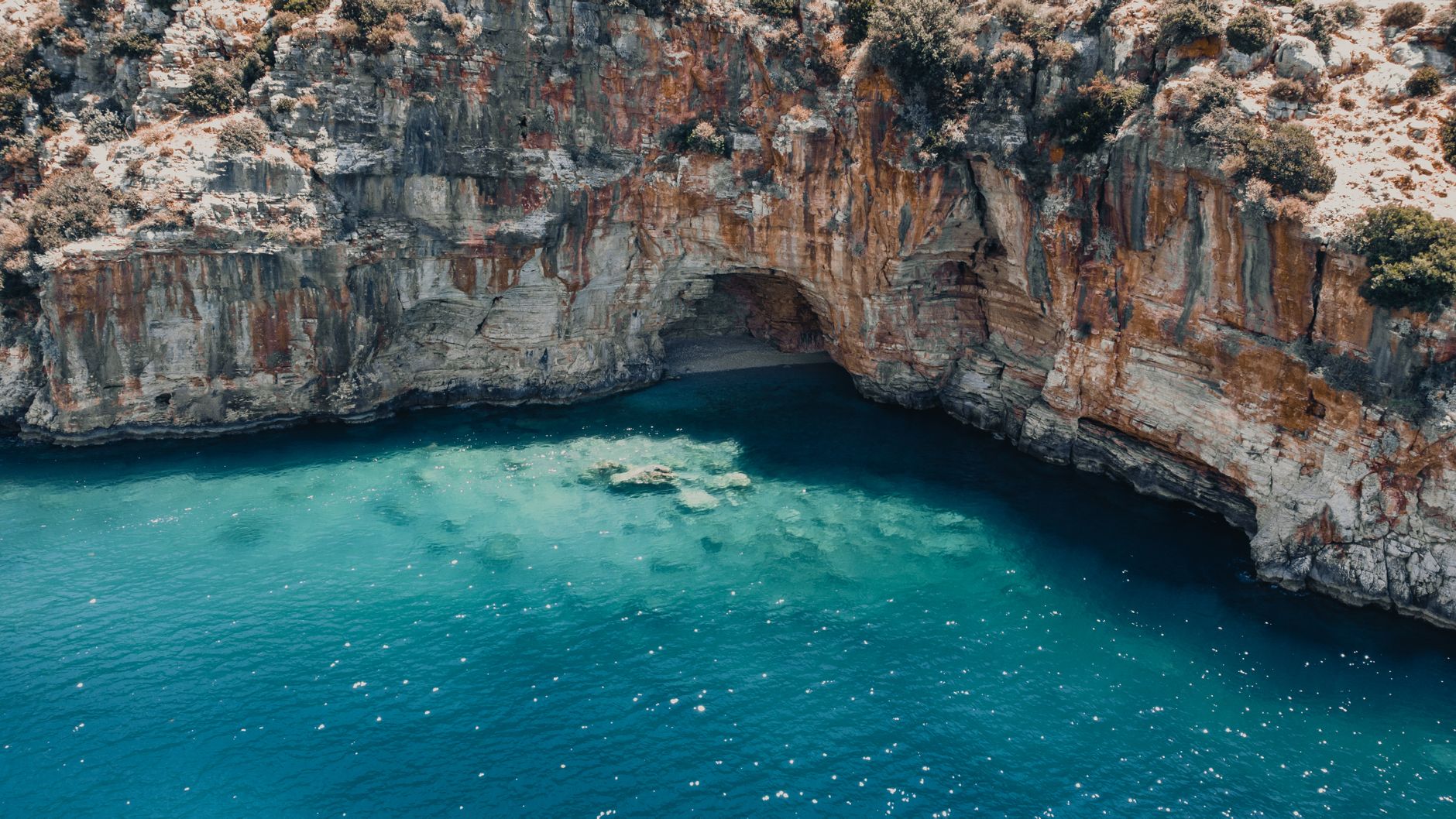
The Albanian Riviera stretches from the port city of Vlora in the north down to Saranda near the Greek border, hugging the Ceraunian Mountains as they tumble dramatically into the Ionian Sea. For decades, Albania's isolation under a strict communist regime meant this coastline developed almost none of the tourist infrastructure that transformed neighboring Greece and Croatia. When the country opened its borders in the early 1990s, the riviera was essentially a blank slate of wild beaches, crumbling bunkers, and fishing villages that had barely changed in generations.
Today, development is happening fast. Saranda has a gleaming promenade, Ksamil draws Instagram crowds every summer, and Dhermi has a thriving beach-bar scene. But the geography of the riviera works in your favor. The Ceraunian Mountains drop so steeply into the sea that building roads to every cove is simply impractical. Many of the most beautiful beaches are accessible only by boat, on foot, or via a white-knuckle drive down an unpaved track. That natural barrier has preserved them in a way that no conservation law could replicate.
Understanding this geography is the first step to unlocking the riviera's secrets. The coastline is not one long accessible beach; it is a series of dramatic headlands separated by hidden bays. Every time the road curves inland to climb over a promontory, there is almost certainly a cove below that most passing drivers never see. Your job, should you choose to accept it, is to stop the car, peer over the edge, and find the path down.
- The Albanian Riviera covers roughly 150 kilometers of dramatic Ionian coastline.
- Many coves are only reachable by boat or on foot, keeping them naturally crowd-free.
- Communist-era isolation paradoxically preserved the coast from over-development.
- Local fishermen often know unmarked paths to the best hidden spots.
- Early morning visits to any beach dramatically reduce the chance of sharing it with others.
Download an offline map before you leave your accommodation. Mobile signal disappears frequently along the coastal road, and the turnoffs to hidden beaches are rarely signposted.
Gjipe Beach: The Canyon Cove That Earns Every Step
If you ask seasoned Albania travelers to name their single favorite hidden beach on the riviera, a remarkable number will say Gjipe without hesitation. Tucked at the mouth of a narrow limestone canyon between Dhermi and Himara, Gjipe is the kind of place that makes you feel like an explorer even though a handful of other people are almost certainly already there when you arrive. The journey is part of the appeal: you park at a small pull-off on the main road and then hike roughly 40 minutes down through a gorge where fig trees grow from the cliff walls and the sound of the sea builds slowly as you descend.
The beach itself is a mix of grey and white pebbles framed by towering canyon walls on two sides and the open Ionian on the third. The water is a deep, luminous turquoise that transitions to cobalt blue within meters of the shore. There is a small seasonal camp offering basic food and cold drinks, but the vibe remains refreshingly low-key. Most visitors are hikers, divers, and travelers who made a deliberate effort to get here, which means the atmosphere is calm and respectful.
Swimming at Gjipe feels like swimming inside a painting. The canyon walls create a natural windbreak, so the water is often calmer here than at exposed beaches nearby. Snorkeling along the base of the cliffs reveals underwater rock formations and surprisingly rich marine life. If you visit in late afternoon, the canyon walls glow amber in the setting sun, and the light on the water becomes almost otherworldly. Gjipe is not a secret in the strictest sense anymore, but it is still a world away from the crowded beaches of the central riviera.
- Allow 40 minutes each way for the canyon hike; wear closed-toe shoes with grip.
- Bring all your own water and food as supplies at the beach are limited and seasonal.
- The cove faces west, making it exceptional for late-afternoon and sunset visits.
- Snorkeling gear is worth the extra weight in your bag here.
- Camping overnight is possible in the canyon and is a genuinely magical experience.
Start your hike no later than 9 a.m. in peak summer to claim a good spot on the pebbles and avoid the midday heat in the canyon.
Filikuri and the Forgotten Beaches South of Dhermi

The stretch of coast immediately south of Dhermi village is one of the most rewarding and least-explored sections of the entire Albanian Riviera. While Dhermi itself has become a popular destination, the series of small coves that dot the coastline between the village and the next headland remain largely overlooked by tourists who stick to the main beach strip. Filikuri is the most accessible of these, reachable via a steep but short path that branches off the road about two kilometers south of Dhermi center.
Filikuri is a long, narrow beach of fine white pebbles backed by low scrub and the occasional wild olive tree. The water here is exceptionally clear even by Albanian standards, with visibility that can exceed ten meters on calm days. The beach faces southwest and catches the afternoon sun beautifully, making it ideal for a post-lunch swim when the main Dhermi beach is at its most crowded. A small wooden platform near the water's edge serves as a diving spot for local teenagers, and watching them leap into the blue is one of those simple travel moments that stays with you.
Beyond Filikuri, a rough coastal path continues south to two even smaller and less visited coves that do not appear on most maps. Locals refer to them simply as the first and second coves, and reaching them requires scrambling over a rocky headland that most casual beachgoers are not willing to attempt. If you make the effort, you will almost certainly have at least one of them entirely to yourself. The water in these unnamed coves has a greenish tint from the shallow sandy bottom, creating a color palette that feels more Caribbean than Mediterranean.
- Filikuri is a 15-minute walk from the main Dhermi road on a clearly worn path.
- The unnamed coves beyond Filikuri require 20 additional minutes of rocky scrambling.
- Water shoes are strongly recommended for entry into all these coves.
- No facilities exist at Filikuri or the coves beyond it; self-sufficiency is essential.
- The coastline here is ideal for free diving due to the exceptional water clarity.
If you are staying in Dhermi, ask your accommodation host about the local name for the small coves south of Filikuri. Locals often have names for them and can give you precise directions that no map will show.
Borsh and the Wild Southern Beaches Near Himara

Borsh lays claim to being the longest beach on the Albanian Riviera, stretching for roughly seven kilometers of dark sand and fine gravel between two rocky headlands. Most travelers who stop here park near the northern end where a handful of seasonal restaurants operate, take a quick swim, and move on. What they miss is the southern two-thirds of the beach, which is accessible only by walking along the shoreline and is almost entirely deserted even in the height of summer.
The walk south along Borsh beach is one of the great underrated coastal walks in the Balkans. The beach gradually narrows as you head south, the mountains press closer to the water, and the human footprint fades to almost nothing. You will find driftwood sculptures left by previous wanderers, the occasional rusting communist-era bunker half-buried in the sand, and stretches of shoreline where the only tracks belong to seabirds. The water along the southern section of Borsh is noticeably calmer than the exposed northern end, and the sandy bottom makes for easier and more comfortable swimming.
The area around Himara, a few kilometers north of Borsh, also conceals several small boat-access beaches that are worth investigating if you can arrange a water taxi from the town harbor. Local fishermen will often take you to their favorite coves for a modest fee, and some of these spots are so sheltered and pristine that they feel genuinely undiscovered. The underwater landscape around the Himara headlands is also considered some of the best snorkeling territory on the entire Albanian coast, with sea grass meadows, octopus, and large schools of silvery fish visible just meters from the surface.
The Bunker Beaches: History Meets Hidden Coastline
Albania's communist dictator Enver Hoxha built over 170,000 concrete bunkers across the country between the 1960s and 1980s, and a surprising number of them ended up on beaches along the riviera. Rather than being eyesores, these dome-shaped relics have become an oddly charming part of the coastal landscape, half-buried in sand and slowly being reclaimed by the sea. The bunker beaches near Borsh and south of Himara are particularly atmospheric, offering a layer of historical texture that you simply will not find on any other Mediterranean coastline. Exploring them gives you a visceral sense of the paranoia and isolation that shaped modern Albania, and the contrast between that dark history and the stunning natural beauty surrounding it is genuinely moving.
- Walk at least two kilometers south from the Borsh parking area to escape the crowds entirely.
- The dark sand at Borsh retains heat well, making it comfortable for early morning and evening visits.
- Water taxis from Himara harbor can reach several boat-only coves for a negotiable fee.
- The snorkeling around Himara headlands is exceptional, especially in the morning when visibility peaks.
- Bring a picnic for the southern Borsh walk as there are no facilities beyond the northern restaurants.
Visit Borsh on a weekday if possible. Weekend crowds from Saranda and Vlora can fill the northern section of the beach, but the southern stretch remains quiet regardless of the day.
Palasa and the Cliffside Coves Above the Ionian
The village of Palasa sits on a hillside above the riviera road between Dhermi and Himara, and it is one of the most photogenic and least-visited spots on the entire coast. The village itself is worth exploring for its traditional stone architecture and sweeping views over the Ionian, but the real draw for beach seekers is the series of small coves that can be reached via steep paths descending from the village toward the water. These paths are not marked on any tourist map, and finding them requires either asking a local or simply following the goat trails that thread through the scrub oak and wild herbs toward the cliff edge.
The coves below Palasa are small, rocky, and absolutely spectacular. The water is deep and intensely blue right from the shore, and the cliffs that frame each cove create a sense of dramatic enclosure that makes swimming here feel like a private performance. The lack of a sandy or pebbly beach means these spots never attract the towel-and-umbrella crowd, which is precisely what makes them so appealing to adventurous swimmers and snorkelers. You will need to enter the water from the rocks, so water shoes and a degree of confidence in the water are both essential.
The light at Palasa in the early morning is extraordinary. The cliffs catch the first rays of sun while the coves below remain in cool shadow, and the contrast between the illuminated limestone and the dark water creates a visual drama that photographers will find irresistible. By mid-morning the sun reaches the water and the coves transform into pools of brilliant turquoise. If you time your visit to arrive at the cliff paths around 8 a.m., you will experience both moods of this remarkable stretch of coastline within a single visit.
- Ask villagers in Palasa to point you toward the cliff paths; they are universally friendly and helpful.
- Water shoes are non-negotiable for rock entry into the coves below Palasa.
- Early morning visits offer the best light and the lowest chance of sharing the coves.
- The paths are steep and loose in places; trekking poles are useful for the descent.
- Combine a Palasa cove visit with lunch at a village guesthouse for a perfect half-day itinerary.
The coves below Palasa are best on days with light or no wind. When the Meltemi blows from the north, the exposed sections of cliff path can be genuinely dangerous. Always check the weather before attempting the descent.
Ksamil's Hidden Side: Beyond the Famous Three Islands

Ksamil has a well-earned reputation as one of Albania's most beautiful coastal destinations, and the three small islands just offshore have become iconic images on every travel blog covering the country. But the crowds that now gather on the main Ksamil beaches from June through August have pushed many visitors to overlook the quieter stretches of coastline that exist within walking distance of the tourist center. If you are staying in or near Ksamil, you do not need to drive far to find significantly more solitude.
The northern coastline of the Ksamil peninsula, facing the channel that separates it from the Butrint lagoon, has a completely different character from the main beach. Here the water is shallower and slightly warmer, the bottom is sandy and gradual, and the crowds thin dramatically because there are no beach bars or facilities to anchor visitors in place. A dirt track runs along this northern shore and connects to a series of small access points where you can spread out a towel and swim in water that is genuinely pristine. The views across to the Butrint National Park wetlands from this side of the peninsula are also beautiful in a quieter, more contemplative way than the postcard views of the islands.
South of the main Ksamil village, a coastal path follows the shoreline past several rocky coves that are routinely overlooked by visitors focused on the famous island views. These southern coves have a wilder feel, with pine trees growing close to the water's edge and the open sea visible beyond the last headland. The snorkeling in the rocky sections of these coves is excellent, with sea urchins, colorful wrasse, and the occasional octopus visible in the clear water. Visit these spots in the late afternoon when the main beach crowd is at its peak and you will feel like you have the southern Albanian coast entirely to yourself.
- The northern Ksamil shore facing Butrint lagoon is consistently quieter than the main beach.
- A dirt track along the northern coast is passable by car but better explored on foot.
- Southern coves past the village offer excellent snorkeling with minimal visitor pressure.
- Combining a Ksamil beach day with a visit to Butrint National Park makes for a perfect full day.
- Arriving at any Ksamil beach before 9 a.m. gives you at least two hours of relative solitude.
Rent a kayak from one of the operators near the main Ksamil beach and paddle along the coastline to reach coves that are genuinely inaccessible on foot. A two-hour kayak tour will show you more hidden coastline than a full week of driving.
Practical Tips for Exploring Hidden Albanian Riviera Beaches
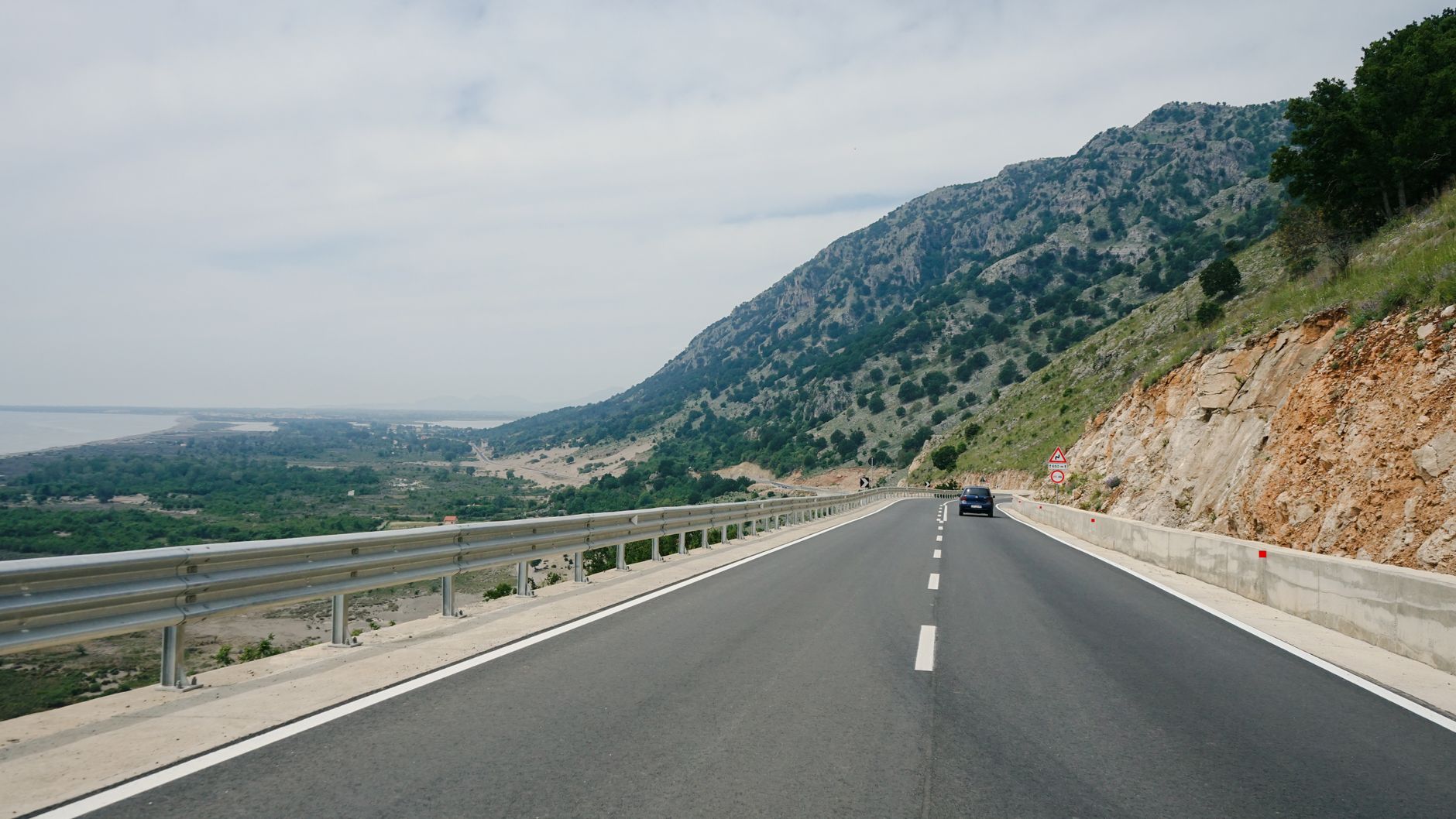
Exploring the secret beaches of the Albanian Riviera requires a different mindset from a standard beach holiday. You are not following a resort itinerary or a tour group schedule; you are improvising, exploring, and occasionally getting slightly lost in the best possible way. The rewards are extraordinary, but a little practical preparation will make the difference between a frustrating day of wrong turns and a genuinely magical coastal adventure.
Transportation is your single most important logistical decision. The Albanian Riviera road, known locally as the SH8, is a narrow, winding, and often potholed stretch of tarmac that climbs and dips dramatically between headlands. Driving it in a small rental car is manageable and actually quite enjoyable once you adjust to its rhythms, but a larger vehicle will cause you problems on the tightest sections. The road connects all the major villages from Vlora to Saranda, and almost every hidden beach has a pull-off or rough track leading toward it from this main artery. Without a car, you are dependent on infrequent local buses or expensive taxis, both of which will severely limit your ability to stop spontaneously.
Water and food deserve serious attention. Many of the hidden beaches described in this guide have no facilities whatsoever, and the nearest village shop might be a 30-minute drive away. Carry at least two liters of water per person for any beach excursion, bring snacks or a full picnic, and pack sun protection that you can reapply throughout the day. The Albanian sun is intense from June through August, and the combination of heat, physical exertion on cliff paths, and extended time on reflective white pebbles can lead to dehydration and sunburn faster than you might expect.
Best Time of Year for Hidden Beach Exploration
The optimal window for exploring the Albanian Riviera's secret beaches is late May through late June and then again in September. During these shoulder months the water is warm enough for comfortable swimming, the coastal road is not yet choked with summer traffic, accommodation prices are significantly lower, and the hidden coves are at their most accessible and least visited. July and August bring intense heat, higher prices, and noticeably more visitors, though the truly remote beaches remain quiet even at peak season. October is increasingly popular with European travelers seeking warm weather without crowds, and the sea retains enough summer warmth for swimming well into the month. Avoid the winter months not because the coast is unbeautiful but because many guesthouses and seasonal facilities close entirely, making logistics considerably harder.
- Rent the smallest car available; narrow coastal tracks demand compact vehicles.
- Carry a minimum of two liters of water per person for any beach day.
- Pack a basic first aid kit including blister plasters for cliff path hikes.
- Albanian currency (lek) is essential as most small vendors and water taxi operators do not accept cards.
- Respect the environment: pack out all your rubbish as there are no bins at remote beaches.
- Inform your accommodation of your plans for the day, especially if you are hiking to remote coves.
- A waterproof dry bag is invaluable for protecting your phone and valuables while swimming.
The best single investment for a riviera road trip is a detailed paper map of the coast. Mark every pull-off and rough track you spot while driving, then return to investigate them the following morning. Some of the best hidden beaches are found on second and third passes of the same stretch of road.
Albanian Riviera Hidden Beaches at a Glance
| Beach | Accessibility | Crowd Level | Water Type | Best For |
|---|---|---|---|---|
| Gjipe | 40-min canyon hike | Low to moderate | Pebble, deep turquoise | Hikers, snorkelers, campers |
| Filikuri | 15-min walk from road | Low | Pebble, crystal clear | Swimmers, free divers |
| Borsh South | 30-min walk along shore | Very low | Dark sand, calm | Walkers, history lovers |
| Palasa Coves | Steep cliff path, 20 min | Very low | Rocky, deep blue | Adventurous swimmers, photographers |
| Ksamil North Shore | Short walk or kayak | Low | Sandy, shallow, warm | Families, kayakers, snorkelers |
| Himara Boat Coves | Water taxi from harbor | Extremely low | Rocky, pristine | Snorkelers, divers, solitude seekers |
Frequently Asked Questions
Do I need a car to visit the hidden beaches of the Albanian Riviera?
A car gives you by far the most freedom and is strongly recommended. Many hidden beaches are accessible only via rough tracks or cliff paths that branch off the main coastal road, and without your own transport you will miss most of them. Local buses do run between the main riviera towns, but they are infrequent and will not stop at unmarked beach turnoffs. If you do not want to drive, consider hiring a local driver for a day or renting a kayak to explore the coastline from the water.
Is it safe to swim at the remote beaches along the Albanian Riviera?
Most of the hidden coves along the Albanian Riviera are safe for confident swimmers, but there are a few important considerations. Many remote beaches have no lifeguards, so you swim entirely at your own risk. Some exposed coves can develop strong currents and rough surf when the wind picks up, particularly the Meltemi wind from the north in summer. Always check sea conditions before entering the water, never swim alone at a remote beach, and be cautious around cliff entries where waves can surge unexpectedly.
Are the hidden beaches of the Albanian Riviera free to access?
The vast majority of Albania's hidden and semi-hidden beaches are completely free to access. Unlike many Mediterranean destinations, Albania has not yet introduced beach entrance fees or concession systems at most of its remote coves. The only costs you are likely to encounter are parking fees at popular beach access points, which are typically very modest, and the negotiated fare for water taxis to boat-access beaches. Even the most popular beaches on the riviera are significantly cheaper than equivalent spots in Croatia, Greece, or Montenegro.
What should I pack for a day exploring hidden Albanian beaches?
Pack at least two liters of water per person, sunscreen with high SPF, a hat, and enough food for the day since remote beaches have no facilities. Wear sturdy footwear for cliff paths and rocky coves; water shoes are invaluable for entering the sea over rocks. Bring a waterproof bag for your phone and valuables, a basic first aid kit, and cash in Albanian lek for any small vendors or water taxis you encounter. Snorkeling gear is worth the extra weight given the exceptional water clarity at most hidden coves.
Can I camp on the hidden beaches of the Albanian Riviera?
Wild camping is widely practiced and generally tolerated on the Albanian Riviera, particularly at more remote beaches like Gjipe canyon and the southern stretches of Borsh. There are no official campgrounds at most hidden beaches, but small seasonal camps with basic facilities sometimes operate at the most popular spots. If you plan to camp wild, follow the principles of leave-no-trace camping rigorously: pack out all rubbish, use a camping stove rather than open fires, and position your tent away from the waterline to avoid disturbing the natural environment.
How do I find hidden beaches that are not on any map?
The most reliable method is simply to talk to locals. Guesthouse owners, restaurant staff, and fishermen along the riviera are invariably proud of their coastline and genuinely happy to share their favorite spots with curious travelers. Ask specifically about beaches that require a walk or a boat to reach, as these are almost always the most rewarding. Driving slowly along the coastal road and stopping at every pull-off to look down toward the water is also surprisingly effective. Many of the best hidden coves are visible from the road if you know to look for them.
Plan your Albania adventure
The Albanian Riviera is one of those rare places where the gap between what most travelers experience and what is actually available remains gloriously wide. Every overcrowded beach bar in Ksamil or Dhermi is balanced by a dozen empty coves just a short hike or boat ride away, waiting patiently for the traveler willing to make a small extra effort. The secret beaches described in this guide are not secrets because they are difficult to reach or dangerous to visit; they are secrets simply because most people never think to look. You now have the knowledge, the map, and the motivation to look. All that remains is to go.
Albania rewards curiosity more generously than almost any other country in Europe. Its coastline is a place where you can still feel the genuine thrill of discovery, where a bend in a cliff path can reveal a view that takes your breath away, and where the water is so clear you can count the pebbles on the bottom from five meters up. Pack your bag, point the car south along the riviera road, and stop every time something catches your eye. The best beach you have ever swum at might be just around the next headland, and it might have your name on it.