How to Get a SIM Card and Stay Connected in Albania


Picture this: you have just landed in Tirana, your bags are spinning on the carousel, and you are already wondering how you are going to navigate the city, translate menus, and share those first golden-hour photos with friends back home. Staying connected while traveling is no longer a luxury — it is the backbone of a smooth, stress-free trip. The good news is that Albania makes it surprisingly simple and affordable to get online, whether you are a backpacker on a tight budget or a remote worker who needs rock-solid data all day long.
Albania has invested heavily in its telecommunications infrastructure over the past decade, and today you will find 4G LTE coverage blanketing most cities, towns, and even many stretches of the Albanian Riviera. Prepaid SIM cards are widely available, competitively priced, and require minimal paperwork. In this ultimate guide, you will learn exactly where to buy a SIM card, which operator suits your travel style, how much data costs, what to expect in terms of coverage across the country, and how to troubleshoot common issues. By the time you finish reading, you will feel completely confident about staying connected from the moment your plane touches down.
Key Takeaways
| Average SIM card cost | Around 500 to 800 Albanian lek (roughly 5 to 8 USD) |
|---|---|
| Best place to buy | Airport arrival hall, city-center operator stores, or supermarkets |
| ID required | Yes — your passport is needed for registration |
| Coverage | Excellent 4G in cities; 3G or patchy in remote mountains |
| eSIM availability | International eSIM providers work in Albania; local eSIMs are limited |
| Data costs | 1 to 5 GB packages from as little as 3 to 6 USD per week |
Where to Buy a SIM Card in Albania

The easiest place to pick up a prepaid SIM card in Albania is right at Tirana International Airport. As soon as you pass through arrivals, you will spot operator kiosks staffed by friendly agents who can set up your card, load a data package, and even help you test the connection before you leave the terminal. This is the most convenient option if you want to be online the moment you step outside.
If you prefer to sort things out after you settle into your accommodation, city-center stores in Tirana, Durrës, Shkodër, Vlorë, and Gjirokastër all carry SIM cards. Look for the branded storefronts of Albania's main mobile operators along the main pedestrian boulevards. Staff in these shops tend to speak English well enough to guide you through the process, and they can recommend the best package based on how long you are staying and how much data you typically use.
Beyond dedicated operator stores, you can also find SIM cards at larger supermarkets, petrol stations, and electronics shops. These outlets sell starter packs with a small amount of credit already loaded, and you can top up using scratch cards purchased at the same locations. Just be aware that staff at smaller shops may not speak English, so it helps to have your passport ready and to point to the package you want on the display rack.
- Airport kiosks are open for most international flight arrivals — ideal for immediate connectivity
- City-center operator branches offer the widest range of packages and English-speaking staff
- Supermarkets and petrol stations stock starter packs and top-up scratch cards
- Some hotels and hostels can advise you on the nearest store if you are unsure where to go
- Always buy from an official outlet to avoid counterfeit or already-used SIM cards
If your flight arrives late at night, the airport kiosk may be closed. Download an offline map of Tirana before you travel so you can navigate to your hotel without mobile data on arrival.
What You Need to Register a SIM Card
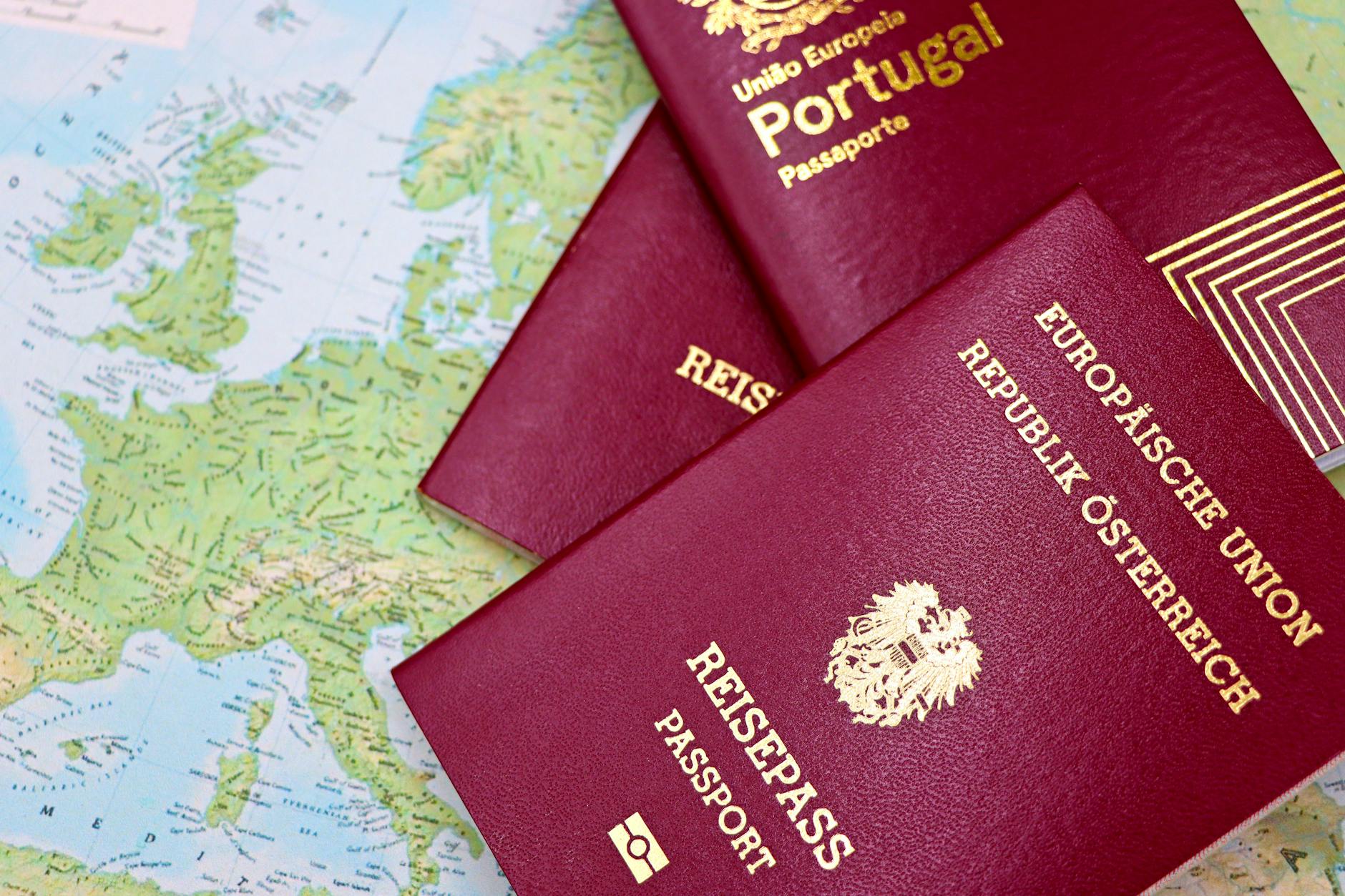
Albania, like most European countries, requires SIM card registration by law. This means you cannot simply pop a card into your phone and start browsing anonymously — you will need to present a valid form of identification before the card is activated. For tourists, your passport is the document of choice. Make sure it is with you whenever you go to buy a SIM card, because without it the sale simply cannot proceed.
The registration process itself is quick and painless. The shop assistant will scan or manually enter your passport details into the operator's system, assign the SIM to your name, and activate the card on the spot. The entire process rarely takes more than five to ten minutes. You will be given a receipt or confirmation slip showing your new Albanian number, which is handy to keep in case you need to contact customer support later.
Some travelers worry about privacy when handing over passport details, but this is a standard regulatory requirement across the European region and is nothing to be concerned about. The data is stored securely by the operator and used solely for legal compliance purposes. If you are traveling as a couple or group, each person who wants their own SIM will need to present their own passport — you cannot register multiple SIMs under a single identity.
- Your passport is the only accepted ID for tourist SIM registration in Albania
- Registration takes approximately five to ten minutes in-store
- You will receive a confirmation of your Albanian phone number upon activation
- Each SIM must be registered to a unique individual — one passport per SIM
- Keep your receipt in case you need to visit a store for support during your trip
Take a photo of your passport on your phone before you travel. If your passport is buried in your luggage, the photo can sometimes help staff begin the process while you retrieve the original document.
Understanding Albanian Mobile Operators and Plans
Albania has three main mobile network operators, each offering prepaid tourist-friendly packages. While this guide avoids naming specific brands, you will find that all three operate on 4G LTE networks and cover the majority of the country. The key differences lie in their rural coverage maps, customer service quality, and the value of their data bundles. It is worth spending a few minutes comparing packages at the airport or in a city store before committing.
Prepaid plans in Albania are structured around short-term bundles rather than monthly contracts. Typical tourist packages offer between 1 GB and 20 GB of data, valid for seven to thirty days, often bundled with a set number of local minutes and SMS messages. Data-only SIMs are also available if you plan to use internet calling apps for all your voice communication needs. Prices are very competitive by European standards, making Albania one of the more affordable countries in the region for mobile data.
Topping up your credit is straightforward. Scratch cards are sold at kiosks, supermarkets, and corner shops in denominations ranging from 200 to 1000 Albanian lek. Alternatively, most operators have mobile apps that allow you to recharge and manage your bundle digitally, which is particularly convenient if you are in a rural area without easy access to a physical store. International calling rates vary by operator, so if you plan to call home frequently, ask the agent to recommend the package with the best international rates.
- Three main operators compete for your business, all running 4G LTE networks
- Tourist bundles typically range from 1 GB to 20 GB, valid for 7 to 30 days
- Data-only SIMs are available if you rely on internet calling apps
- Top up with scratch cards from kiosks or via the operator's mobile app
- Ask about international calling rates if you need to phone home regularly
- Some operators offer roaming add-ons for neighboring countries like North Macedonia or Kosovo
Ask the store agent which operator has the strongest signal in the specific regions you plan to visit. Coverage in the Albanian Alps or remote river valleys can differ significantly between networks.
Mobile Coverage Across Albania: What to Expect
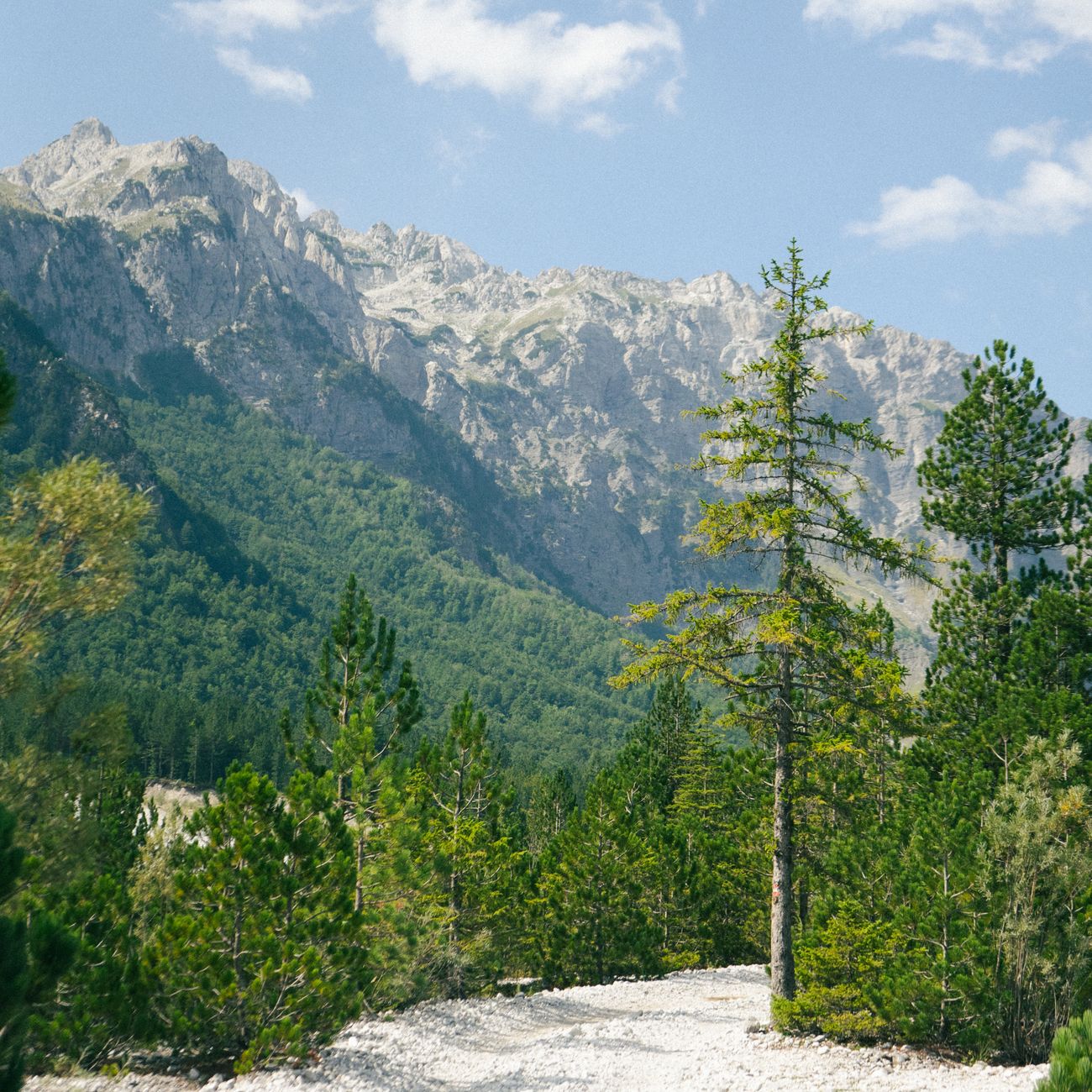
Coverage in Albania's urban areas is excellent. Tirana, Durrës, Shkodër, Vlorë, Berat, and Gjirokastër all enjoy strong 4G LTE signals, and you will rarely experience dropped calls or sluggish data speeds in city centers. The Albanian Riviera, which stretches south from Vlorë toward Sarandë and Ksamil, is also well covered thanks to the volume of tourists who visit each summer, prompting operators to invest in coastal infrastructure.
The picture changes once you head into the mountains. The Albanian Alps in the north, particularly around the Valbona Valley and Theth, have limited or intermittent coverage. You may find a 2G or 3G signal near the main villages, but deep in the valleys or on hiking trails, you should not rely on your phone for navigation or emergency communication. Downloading offline maps, trail data, and accommodation details before you leave a town with strong coverage is absolutely essential for any mountain adventure.
Along the main highways and national roads, coverage is generally reliable for voice calls and basic data. However, tunnels and mountain passes can cause temporary signal drops. Lake Ohrid's Albanian shoreline around Pogradec has decent coverage, and the border regions with Greece near Gjirokastër are reasonably well served. If you are planning an off-the-beaten-path itinerary, check the coverage map of your chosen operator online before departure to identify any dead zones along your route.
- Cities and the Albanian Riviera enjoy strong, consistent 4G LTE coverage
- The Albanian Alps have patchy coverage — download offline maps before heading into the mountains
- Main highways are generally well covered, with brief drops in tunnels
- Lake Ohrid's Albanian shore and border areas with Greece have acceptable coverage
- Always have a backup plan for navigation in remote areas — do not rely solely on mobile data
Apps like Maps.me or Google Maps offline mode allow you to download entire regions for use without any data connection. Download your Albanian regions before you leave your hotel each morning.
eSIMs and International Roaming in Albania

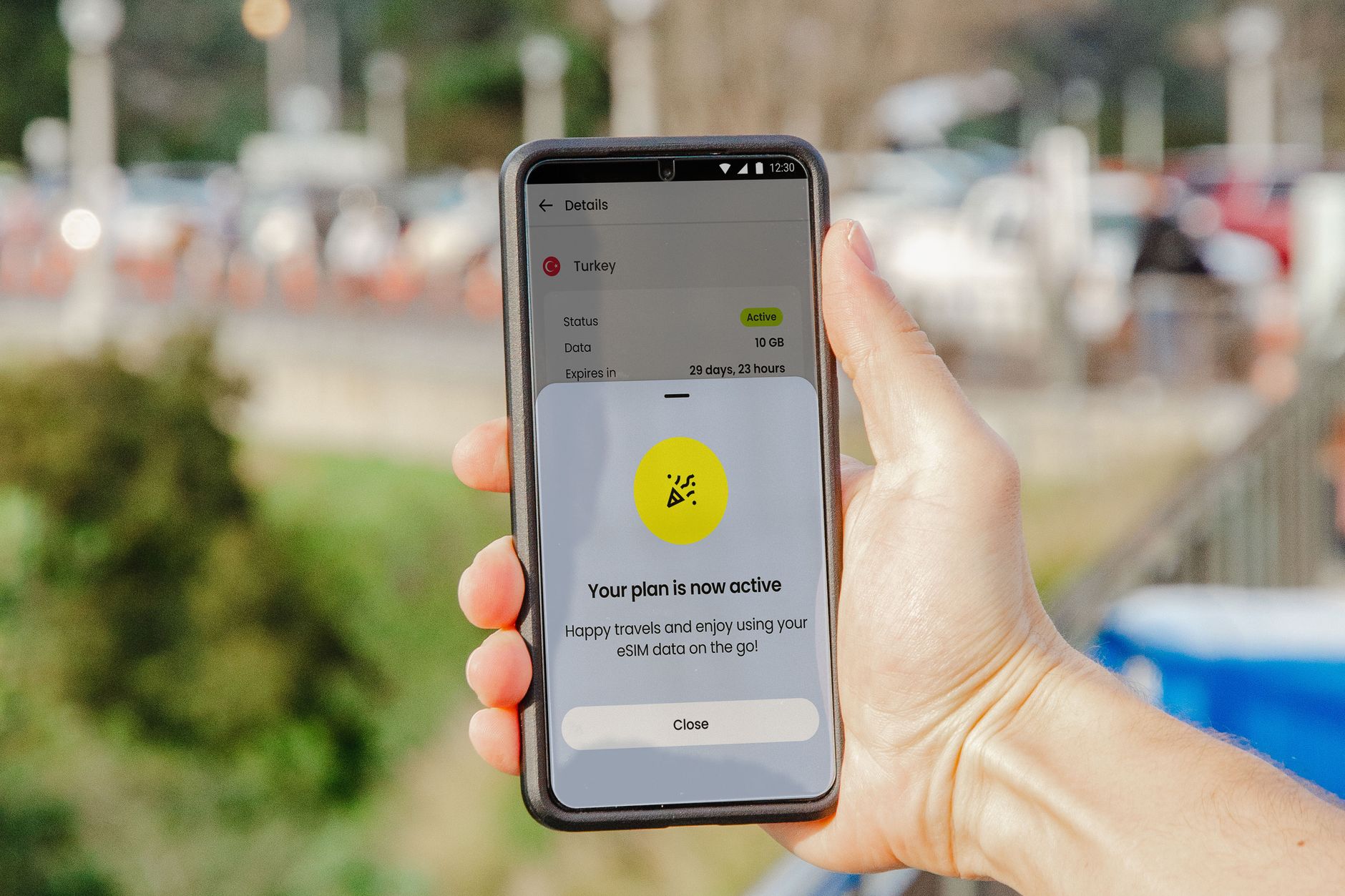
eSIM technology is becoming increasingly popular among frequent travelers, and the good news is that it works well in Albania. While local Albanian operators have been slow to roll out consumer-facing eSIM products in physical stores, a number of international eSIM providers offer Albania in their coverage plans. If your phone supports eSIM — which most flagship smartphones released after 2020 do — you can purchase and activate an Albanian or regional data plan entirely online before you even board your flight.
The main advantage of an international eSIM is convenience. You purchase a data package through an app, scan a QR code, and your phone is ready to connect the moment you land. There is no need to find a store, queue, or present your passport in person. The trade-off is cost: international eSIM plans for Albania tend to be slightly more expensive per gigabyte than buying a local physical SIM in-store. For short trips of two to four days, the convenience premium is often worth it. For longer stays, a local physical SIM will almost certainly save you money.
If you are traveling from a European Union country, be aware that EU roaming rules do not apply in Albania, as Albania is not an EU member state. This means your home country's unlimited roaming plan will not automatically extend to Albanian networks. Check with your home operator before you travel to understand what roaming charges apply, as they can be substantial. In most cases, buying a local Albanian SIM is far more economical than relying on international roaming.
- International eSIM providers cover Albania and can be activated before you fly
- eSIMs are convenient but typically cost more per gigabyte than local physical SIMs
- Most smartphones released after 2020 support eSIM — check your device settings to confirm
- EU roaming rules do not apply in Albania — always check your home plan's roaming charges
- For stays longer than four days, a local physical SIM is almost always the better value
If you use an eSIM for data, keep your home SIM active in the physical SIM slot for receiving important verification codes and two-factor authentication messages from your bank or other services.
Wi-Fi in Albania: A Reliable Backup Option
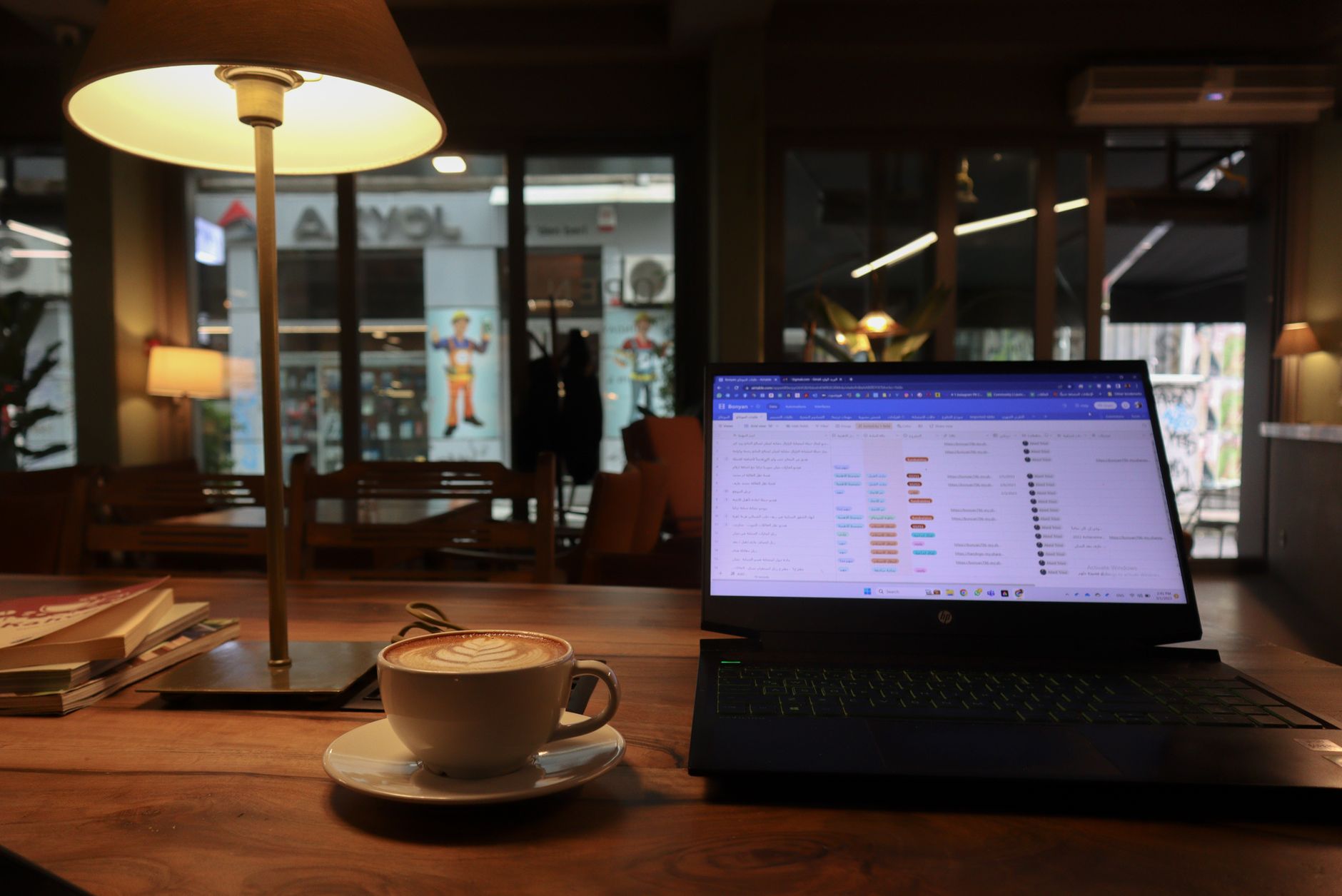
Even if you decide against buying a local SIM, you will find that free Wi-Fi is widely available in Albania's cities and tourist areas. Cafes, restaurants, hotels, hostels, and even some public squares in Tirana offer free wireless internet. The quality varies — a busy cafe during peak hours may feel sluggish — but for checking messages, browsing social media, or making a quick video call, it is usually more than adequate.
Most accommodation options in Albania, from budget guesthouses to boutique hotels, include Wi-Fi as a standard amenity. Speed and reliability depend on the property's location and investment in infrastructure. City-center hotels in Tirana tend to have fast, stable connections, while a remote guesthouse in the mountains might offer only a basic signal in the common area. It is always worth asking about Wi-Fi quality when you book, particularly if you are a digital nomad who needs a reliable connection for work.
Public Wi-Fi in Albania, as in any country, carries security risks. Avoid logging into banking apps or entering sensitive passwords on unsecured networks. Using a VPN is a sensible precaution if you regularly connect to public hotspots. That said, for general browsing and social media use, public Wi-Fi in Albanian establishments is perfectly functional and a great way to conserve your mobile data allowance for when you are out exploring.
- Free Wi-Fi is widely available in cafes, restaurants, and hotels across Albanian cities
- Accommodation nearly always includes Wi-Fi, though speed varies by location
- Remote mountain guesthouses may have limited or slow Wi-Fi — do not rely on it for work
- Use a VPN when connecting to public Wi-Fi for added security
- Combining a local SIM for outdoor use with hotel Wi-Fi is the most cost-effective strategy
Ask your hotel for the Wi-Fi password as soon as you check in, and use that connection to download maps, podcasts, and offline content for the next day's adventures before you head out.
Practical Tips for Staying Connected Throughout Your Trip

A few simple habits will help you make the most of your Albanian SIM card and avoid connectivity headaches. First, keep track of your data usage through your phone's built-in settings or the operator's app. Albanian prepaid bundles expire at the end of their validity period, so if you buy a seven-day package and use only half the data, the remainder disappears when the bundle expires. Buying a package that matches your actual usage is more economical than over-purchasing.
Second, always top up your credit before heading into a remote area. If you are planning a multi-day hike in the Valbona Valley or a road trip along the southern highlands, make sure your bundle has enough data to last the journey and then some. Running out of credit in a place with no shops is a frustrating experience that is entirely avoidable with a little forward planning.
Third, save important information offline before you rely on connectivity. Your accommodation addresses, emergency contact numbers, the local police and ambulance number (112 works across Albania), and your travel insurance details should all be saved somewhere accessible without an internet connection. A simple notes app or a printed sheet of paper tucked into your bag can be a genuine lifesaver in areas with poor signal.
- Monitor your data usage daily to avoid running out mid-trip
- Top up your bundle before entering remote mountain or rural areas
- Save accommodation addresses and emergency numbers offline
- The emergency number 112 works across Albania regardless of your operator or credit balance
- Consider a portable power bank to keep your phone charged during long days of exploring
- If your SIM stops working, visit an operator store in the nearest town — issues are usually resolved quickly
Screenshot your hotel confirmation, tour booking details, and any tickets before you leave your accommodation each day. You will thank yourself if you end up in a signal dead zone.
Albanian SIM Card Options at a Glance
| Option | Cost Estimate | Data Included | Setup Effort | Best For |
|---|---|---|---|---|
| Local prepaid SIM (airport) | 5 to 8 USD | 1 to 5 GB starter | Low — 10 min in-store | Travelers wanting instant connectivity on arrival |
| Local prepaid SIM (city store) | 3 to 6 USD | Up to 20 GB bundles available | Low — 10 to 15 min in-store | Travelers who want the best value and widest plan choice |
| International eSIM | 8 to 20 USD | 1 to 10 GB typical | Very low — activated via app before travel | Short-stay travelers who value convenience over cost |
| Home operator roaming | Varies — often high | Depends on home plan | None — automatic | Emergency fallback only — usually expensive in Albania |
| Hotel and cafe Wi-Fi only | Free | Unlimited at hotspots | None | Ultra-budget travelers staying in cities with minimal outdoor navigation needs |
Frequently Asked Questions
Do I need a passport to buy a SIM card in Albania?
Yes, Albanian law requires all SIM cards to be registered to a named individual. Your passport is the accepted form of identification for tourists. Without it, the store cannot legally sell you a SIM card, so always carry your passport when you plan to make the purchase.
Can I use my EU roaming plan in Albania?
No. EU roaming regulations, which allow travelers to use their home plan at no extra cost within the European Union, do not apply in Albania because Albania is not an EU member state. Using your home SIM in Albania may incur significant roaming charges. Always check with your home operator before traveling, and consider buying a local Albanian SIM for better value.
Is there mobile coverage in the Albanian Alps and Valbona Valley?
Coverage in the Albanian Alps is limited and inconsistent. You may find a 2G or weak 3G signal near the main villages of Theth and Valbona, but do not count on reliable data for navigation or communication on hiking trails. Download offline maps and save emergency contacts before leaving a well-covered area.
How do I top up my Albanian prepaid SIM?
You can top up your credit by purchasing scratch cards sold at supermarkets, kiosks, and petrol stations across Albania. Scratch off the panel to reveal a code, then dial the operator's top-up number or enter the code in the operator's mobile app. Most operators also allow online top-ups through their apps, which is the most convenient option when you are away from shops.
Does an eSIM work in Albania?
Yes, international eSIM providers that include Albania in their coverage area work well in the country. If your smartphone supports eSIM — most flagships from 2020 onward do — you can purchase and activate a data plan before you travel. Local Albanian operators have limited eSIM offerings in physical stores, so international eSIM providers are currently the main option for this technology.
What is the emergency number in Albania?
The universal emergency number in Albania is 112, which connects you to police, ambulance, and fire services. This number works from any mobile phone, including phones without an active SIM or with no remaining credit, as long as there is any network signal available. Save it in your phone before you arrive.
Plan your Albania adventure
Getting connected in Albania is one of the easiest logistical tasks of your entire trip. With affordable prepaid SIM cards available at the airport and in stores across every major city, competitive data bundles that cost a fraction of what you would pay in Western Europe, and increasingly reliable 4G coverage along the coast and in urban areas, there is no reason to arrive unprepared or to spend your holiday hunting for Wi-Fi. A little planning — knowing which operator suits your itinerary, topping up before heading into the mountains, and saving key information offline — is all it takes to stay seamlessly connected from day one.
Albania is a country that rewards the curious traveler, and reliable connectivity means you can share every breathtaking view, every plate of extraordinary food, and every spontaneous discovery the moment it happens. So grab that SIM card, load up your data bundle, and get ready to explore one of Europe's most exciting and underrated destinations with full confidence that the world is always just a signal away. Safe travels, and enjoy every connected moment of your Albanian adventure.