Exploring Gjirokastër: Albania's Ottoman Stone City


There are cities that welcome you with wide boulevards and neon signs, and then there are cities that pull you back in time the moment you set foot on their cobblestones. Gjirokastër is firmly in the second category. Draped across the slopes of the Gjerë mountains in southern Albania, this extraordinary UNESCO World Heritage Site is one of the best-preserved Ottoman towns in the entire Balkans, yet it remains refreshingly off the beaten path compared to better-known destinations in the region. Walking its steep, uneven lanes feels less like sightseeing and more like stepping into a living museum where every stone has a story to tell.
Known locally as the City of Stone, Gjirokastër earned that nickname honestly. Its iconic tower houses, some dating back to the seventeenth and eighteenth centuries, are constructed almost entirely from the grey limestone that blankets the surrounding mountains. The effect is dramatic and slightly otherworldly, especially at dusk when the fading light turns those silver walls gold. The city is also the birthplace of two of Albania's most significant twentieth-century figures: the controversial communist dictator Enver Hoxha and the celebrated novelist Ismail Kadare, whose prose immortalized these very streets. That tension between beauty and complicated history is part of what makes Gjirokastër so endlessly fascinating.
This guide covers everything you need to plan the perfect visit: the top attractions, the best neighborhoods to wander, where to eat and sleep, practical tips for getting around, and the hidden corners that most visitors walk straight past. Pack comfortable shoes, bring your curiosity, and get ready to fall in love with one of Albania's most remarkable cities.
Key Takeaways
| UNESCO Status | Gjirokastër has been a UNESCO World Heritage Site since 2005, recognized alongside Berat as one of Albania's two listed historic towns. |
|---|---|
| Best Time to Visit | Late spring (May to June) and early autumn (September to October) offer the most pleasant temperatures and fewer crowds. |
| Getting There | The city is roughly 230 km south of Tirana and is accessible by furgon (shared minibus) or private car. No direct train service exists. |
| Must-See Attraction | The Gjirokastër Castle dominates the skyline and houses a fascinating arms museum, a captured US Air Force plane, and sweeping panoramic views. |
| Local Currency | Albania uses the Albanian Lek (ALL). Card payments are accepted in some hotels and restaurants but cash is recommended for the bazaar. |
| Language Tip | Albanian is the official language. In tourist areas, English and Italian are widely understood, especially among younger locals. |
| Budget Level | Gjirokastër is very affordable by European standards. A comfortable mid-range daily budget is around 40 to 60 euros including accommodation, food, and entry fees. |
The Gjirokastër Castle: Fortress Above the Clouds
No visit to Gjirokastër is complete without climbing to its magnificent castle, which looms over the city like a stone crown. The fortress has roots stretching back to the twelfth century, though much of what you see today was expanded and reinforced during the Ottoman period. Reaching it requires a steep uphill walk from the old bazaar, but the effort is richly rewarded the moment you pass through the main gate and the panorama of the city, the Drinos Valley, and the distant mountains unfolds before you.
Inside the castle walls you will find the National Arms Museum, one of Albania's most comprehensive collections of weapons and military artifacts spanning centuries of conflict. The exhibits range from medieval swords and Ottoman-era cannons to World War Two rifles and communist-era military equipment. Perhaps the most unexpected exhibit is a captured American Lockheed T-33 jet aircraft from the Cold War era, sitting incongruously in an open courtyard. It is a surreal and strangely compelling sight that perfectly encapsulates Albania's turbulent twentieth-century history.
The castle also hosts the famous Gjirokastër National Folk Festival, a celebration of Albanian folk music and dance held every five years. If your visit coincides with this event, consider yourself extraordinarily lucky. Even outside festival times, the castle's towers and ramparts offer some of the finest viewpoints in all of Albania, particularly at sunrise when the mist hangs low over the valley below.
- Opening hours are typically 9am to 5pm daily, though hours can vary seasonally so confirm locally
- The entry fee is very affordable, usually around 200 to 300 Albanian Lek per person
- Wear sturdy footwear as the cobblestone approach and interior paths are uneven
- Bring water, as there are limited refreshment options inside the castle grounds
- The walk from the bazaar takes roughly 15 to 20 minutes at a moderate pace
Arrive at the castle early in the morning to beat tour groups and enjoy the views in peaceful golden-hour light. The castle is dramatically lit at night and visible from much of the city below.
The Old Bazaar and Tower Houses: Walking Through Ottoman Time
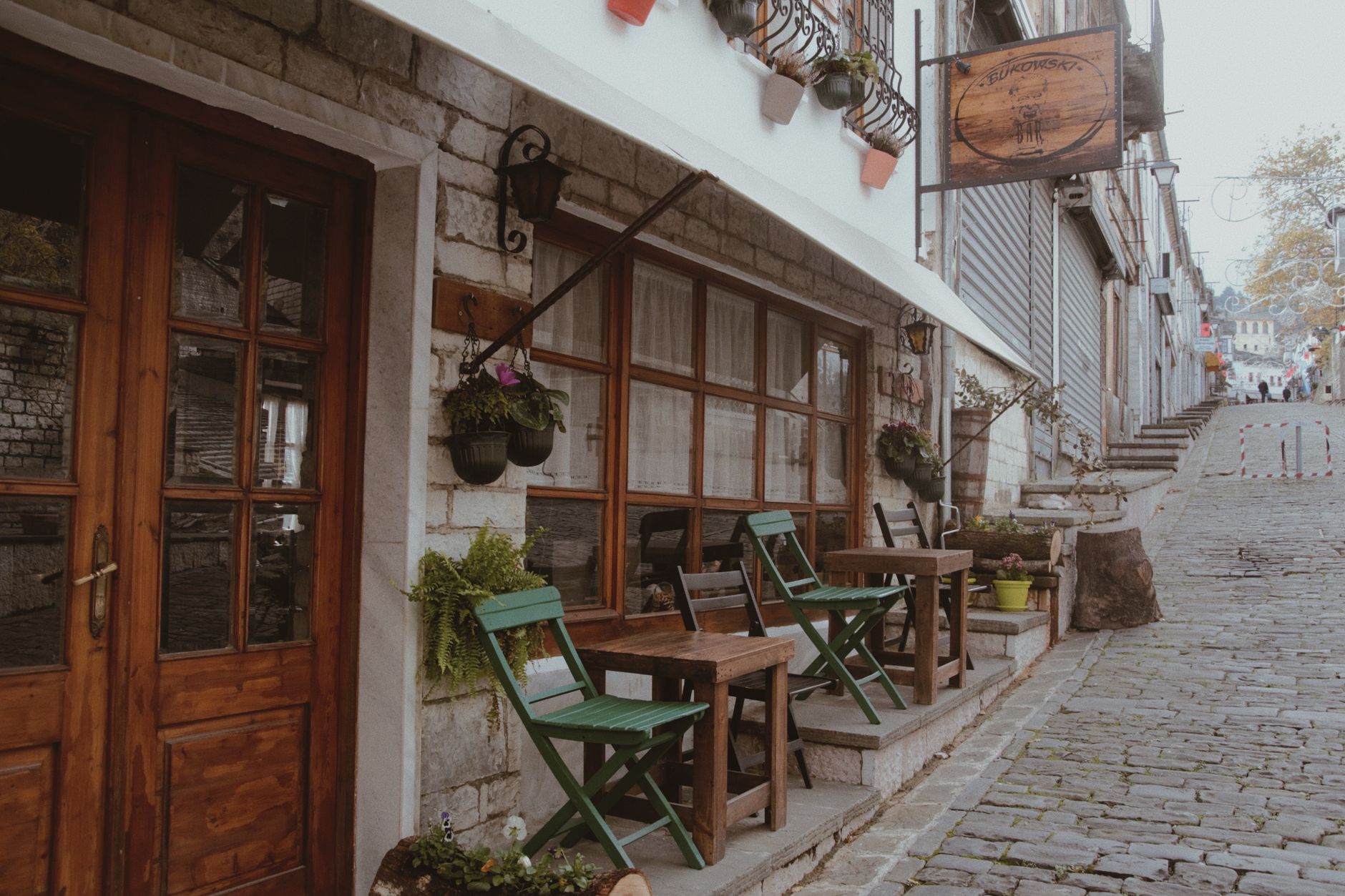
The historic bazaar of Gjirokastër, known as the Pazari i Vjetër, is the beating heart of the old city. Unlike many old bazaars in the Balkans that have been heavily commercialized, Gjirokastër's market district retains a wonderfully authentic character. Stone-arched workshops and small shops line the narrow lanes, selling everything from hand-carved wooden souvenirs to locally produced honey, raki, and olive oil. Sit down at one of the small cafes tucked into the arches and watch the world go by over a strong Albanian espresso.
Radiating out from the bazaar are the famous kulla, the multi-story stone tower houses that define Gjirokastër's skyline. These were the homes of wealthy Ottoman-era families, designed as much for defense as for comfort. Their thick stone walls, narrow windows on the lower floors, and overhanging upper stories with wide bay windows reflect a fascinating blend of functionality and architectural elegance. Several of these houses have been converted into museums or guesthouses, giving you the rare opportunity to sleep inside history itself.
The most famous of these is the Skënduli House, a beautifully restored eighteenth-century tower house that offers guided tours. Its interior rooms are furnished with original period pieces, intricate wooden ceilings, and colorful textiles that paint a vivid picture of aristocratic Ottoman-Albanian domestic life. The Zekate House is another unmissable example, perched dramatically near the castle with two towers and an interior that has remained largely unchanged for over two centuries.
The Ismail Kadare Connection
Gjirokastër is the birthplace of Ismail Kadare, Albania's most celebrated novelist and a perennial Nobel Prize contender. His novel Chronicle in Stone is set in this very city during World War Two and brings its streets, smells, and characters to vivid life. Reading the book before your visit transforms your experience completely, turning every alleyway and rooftop into a scene from the story. A small museum dedicated to Kadare is located in the old city and is well worth a visit for literature lovers.
- The Skënduli House and Zekate House are the two most accessible tower houses open to the public
- The bazaar is most lively in the mornings and on weekends when local vendors set up stalls
- Look for locally made gliko, a traditional Albanian sweet preserve, sold in the bazaar shops
- Many streets in the old city are pedestrian-only and inaccessible to vehicles
- The bazaar area is largely flat compared to the castle climb, making it suitable for most visitors
Hire a local guide for a walking tour of the tower houses. They know which private homes occasionally open their doors to visitors and can unlock stories about each building that no guidebook captures.
Ethnographic Museum and Cultural Heritage Sites

Beyond the castle and bazaar, Gjirokastër is home to a rich collection of cultural and historical sites that reward curious travelers who take the time to explore. The Ethnographic Museum, housed in the birthplace of Enver Hoxha, is one of the most visited institutions in the city. The irony of the communist dictator's childhood home being turned into a museum celebrating traditional Albanian folk culture is not lost on local guides, who often point it out with a wry smile.
The museum's collection spans multiple floors and includes traditional costumes from across southern Albania, household tools, agricultural implements, and beautifully crafted jewelry and textiles. The building itself is a fine example of a restored tower house, and the upper floors offer lovely views over the city's rooftops. Even if you have limited interest in folk artifacts, the architecture alone justifies the entrance fee.
The city also contains several significant religious sites that reflect its diverse Ottoman-era heritage. The Bazaar Mosque, built in the eighteenth century, is one of the oldest surviving mosques in Albania and features a distinctive minaret that has become one of the city's most photographed landmarks. Nearby, the Orthodox Church of the Holy Trinity offers a striking contrast, its frescoed interior a testament to the Christian communities that coexisted alongside Muslim neighbors throughout the Ottoman period.
- The Ethnographic Museum is open most days but confirm hours locally as they vary by season
- Photography is allowed in most rooms of the Ethnographic Museum but flash is discouraged
- The Bazaar Mosque is an active place of worship, so dress modestly and visit respectfully
- Look for the old Ottoman-era hammam ruins near the bazaar, a reminder of the city's bathing culture
- The city's main cultural sites can comfortably be covered in one full day of exploration
Combine your cultural site visits into a single morning loop starting from the bazaar. This way you minimize backtracking on the hilly streets and can end the morning with a well-earned lunch at one of the old town restaurants.
Where to Eat and Drink in Gjirokastër
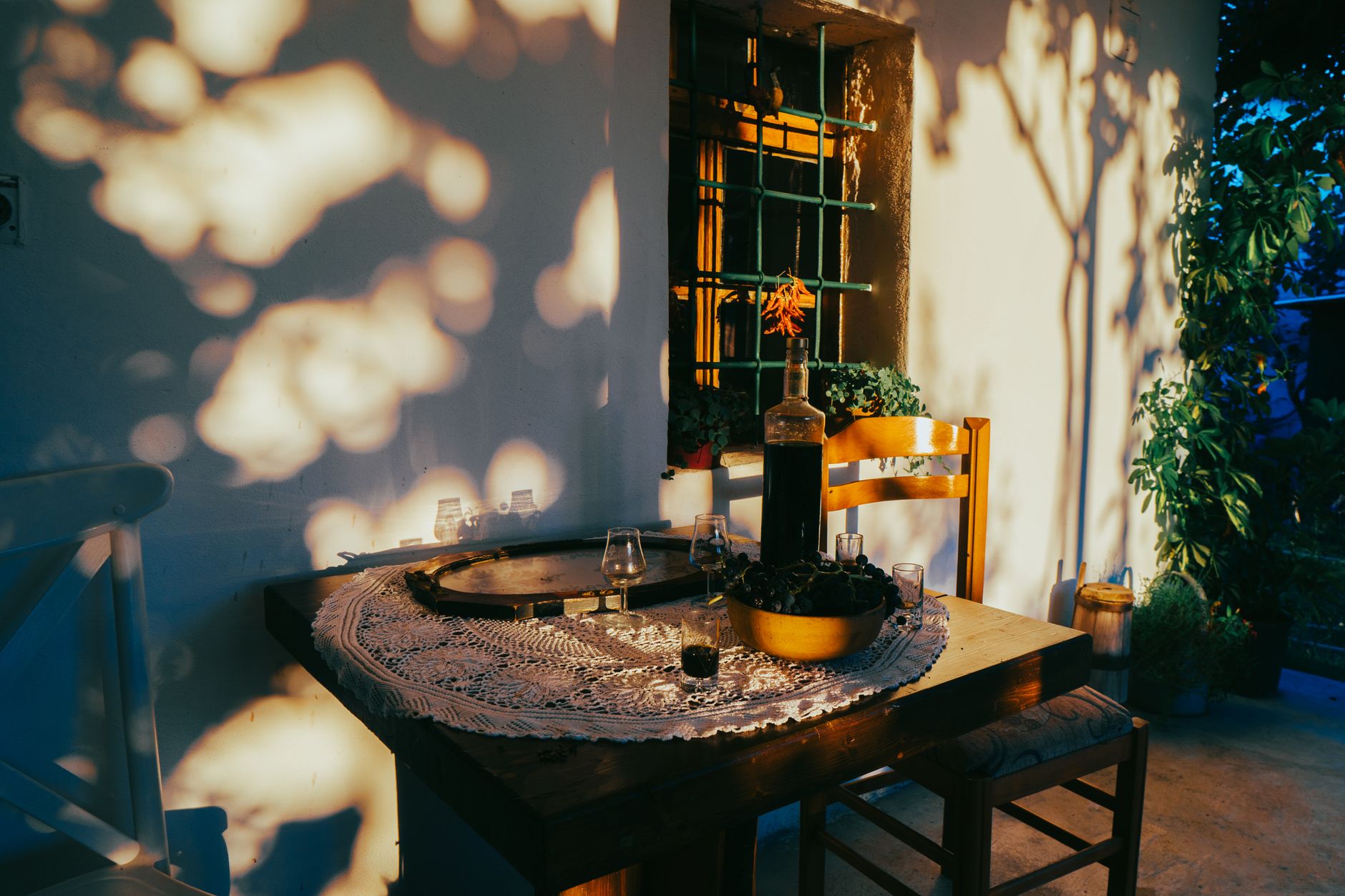
Albanian cuisine is hearty, generous, and deeply connected to the land, and Gjirokastër is an excellent place to experience the distinctive flavors of the south. The city's restaurants, known as restorantet, tend to cluster around the old bazaar and along the main road below the historic quarter. You will find everything from simple family-run taverns serving home-style cooking to slightly more polished establishments catering to the growing flow of visitors.
The local specialty you absolutely must try is qifqi, small fried rice balls flavored with fresh mint and egg, unique to Gjirokastër and virtually impossible to find anywhere else in Albania. They are typically served as an appetizer or side dish and have a delicate, herbaceous flavor that is utterly addictive. Alongside qifqi, look for tavë kosi, a baked lamb and yogurt dish that is one of Albania's national comfort foods, and byrek, the flaky savory pastry filled with cheese, spinach, or meat that appears on almost every menu.
For drinks, Albanian raki made from grapes or plums is the local spirit of choice and is often offered complimentary at the end of a meal as a gesture of hospitality. Local wine from the Berat and Permet regions is increasingly available and worth exploring. Coffee culture is strong in Albania, and the espresso served in Gjirokastër's small cafes rivals anything you would find in Italy.
- Qifqi rice balls are a Gjirokastër original and should be at the top of your food to-do list
- Restaurants in the bazaar area tend to be more atmospheric but slightly pricier than those on the main road
- A generous sit-down meal for two with drinks typically costs between 1500 and 2500 Albanian Lek
- Street food options are limited but byrek pastries from bakeries make excellent and cheap snacks
- Tipping is not mandatory but rounding up the bill or leaving small change is appreciated
Ask your guesthouse host for a restaurant recommendation rather than relying solely on online reviews. Locals know which places use fresh seasonal ingredients and which ones have recently changed ownership or quality.
Where to Stay: Sleeping Inside History
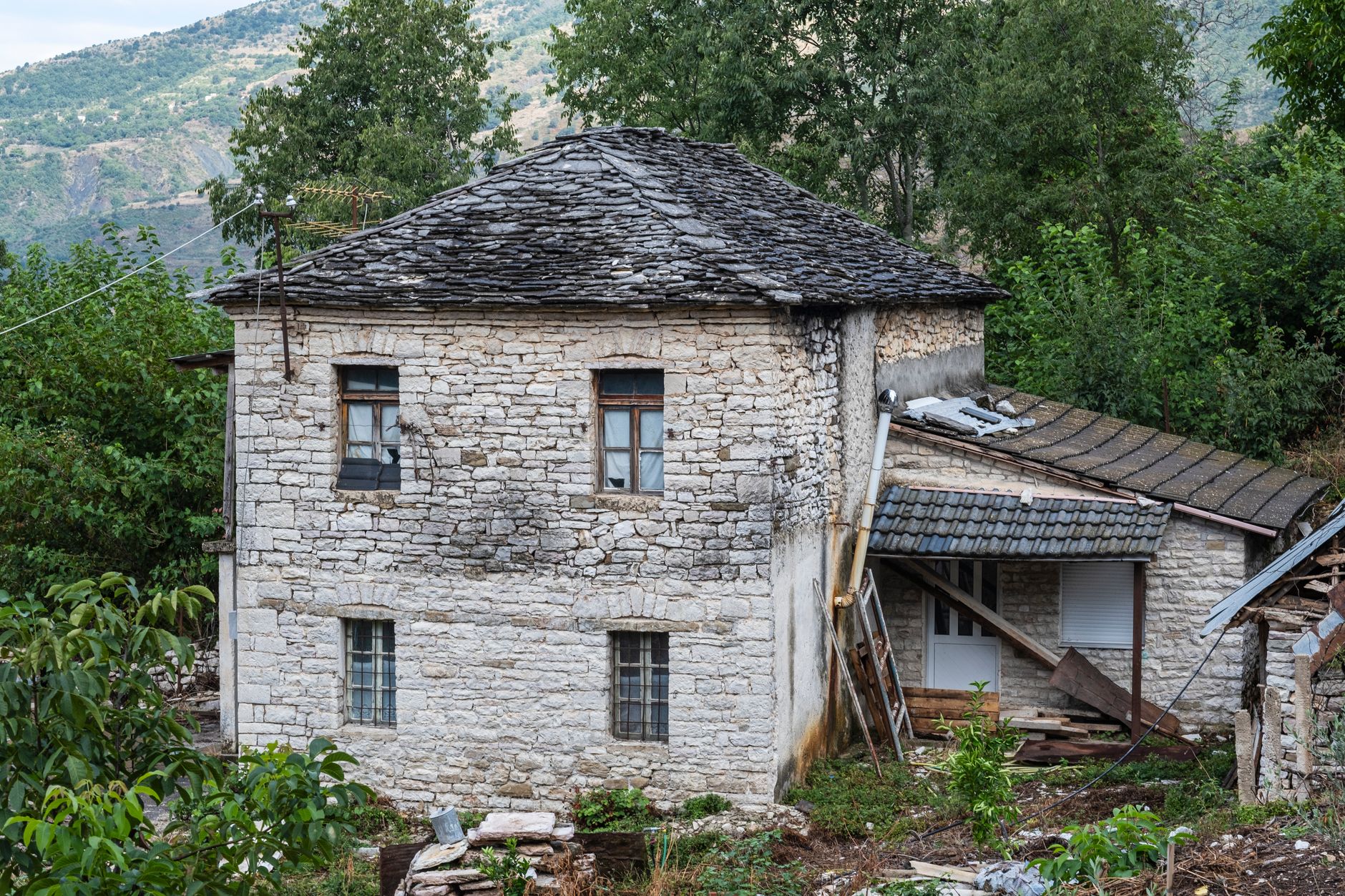
One of the most memorable aspects of visiting Gjirokastër is the opportunity to stay in a converted Ottoman tower house or stone mansion. Several of the city's historic buildings have been thoughtfully transformed into guesthouses and boutique hotels, offering an immersive experience that no modern hotel can replicate. Waking up inside a centuries-old stone building, looking out through wooden-shuttered windows at the castle rising above the rooftops, is the kind of travel moment you will talk about for years.
Accommodation in the old city tends to be small and family-run, which means the service is personal and the breakfasts are often homemade affairs featuring local cheese, olives, honey, and fresh bread. Rooms are generally comfortable rather than luxurious, with the character of the building more than compensating for any lack of modern amenities. Prices are very reasonable by European standards, with most guesthouses charging between 25 and 60 euros per night for a double room including breakfast.
If you prefer more standard accommodation, there are several modern hotels located on the main road below the historic quarter, offering amenities like air conditioning, private parking, and en-suite bathrooms at similar or slightly lower price points. These are a practical choice if you are traveling with young children or have mobility concerns, as navigating the steep cobbled streets to the old city guesthouses can be challenging with heavy luggage.
- Book old city guesthouses well in advance during summer months, as they have limited rooms and fill quickly
- Ask specifically for a room with a castle view when booking, as not all rooms face that direction
- Most guesthouses include breakfast in the room rate, which is excellent value
- Check whether your chosen accommodation has parking if you are arriving by car, as old city streets are not drivable
- Budget travelers will find basic but clean rooms for under 25 euros per night in the lower town
Staying at least two nights in Gjirokastër is strongly recommended. The city reveals itself slowly, and one night is simply not enough to absorb its atmosphere, especially if you want to experience it at both dusk and dawn.
Day Trips and Nearby Attractions

Gjirokastër's location in southern Albania makes it an ideal base for exploring some of the region's most spectacular natural and historical attractions. The most popular day trip from the city is to the Blue Eye, a breathtaking natural spring located about 25 kilometers to the southwest. The spring produces an almost supernatural shade of deep cobalt blue caused by the enormous depth of the water source, surrounded by lush forest and crystal-clear streams. It is one of Albania's most photogenic natural wonders and should not be missed if you have a free day.
The ancient ruins of Antigonea, an Hellenistic city founded in the third century BC by the Epirote king Pyrrhus, lie just a few kilometers outside Gjirokastër. The site is not as extensively excavated as some other ancient ruins in the region, but its hilltop position offers extraordinary views and the sense of standing in a genuinely remote and rarely visited corner of the ancient world is deeply compelling. History enthusiasts will find it a rewarding detour.
The town of Permet, roughly 60 kilometers to the northeast, is famous for its roses, its locally produced wine and raki, and the spectacular Benja thermal pools set in a dramatic river gorge. A day trip combining Permet with a stop at the Petran canyon or the Permet stone bridge makes for an unforgettable excursion into the Albanian interior. The road between Gjirokastër and Permet passes through scenery that rivals anything in the Balkans.
- The Blue Eye is easily reached by car or taxi in about 30 minutes from Gjirokastër
- Antigonea ruins are free to enter and best visited in the cooler morning hours
- Permet is approximately 90 minutes by car and best combined with an overnight stay
- The Greek border crossing at Kakavia is just 15 km south, making Gjirokastër a natural stop on a Greece-Albania itinerary
- Local taxi drivers in Gjirokastër offer affordable full-day excursion rates to most nearby attractions
Rent a car for your time in the Gjirokastër region if possible. Public transport connections to the Blue Eye and Antigonea are unreliable, and having your own wheels opens up a world of secondary roads and viewpoints that most visitors never see.
Practical Travel Tips for Visiting Gjirokastër
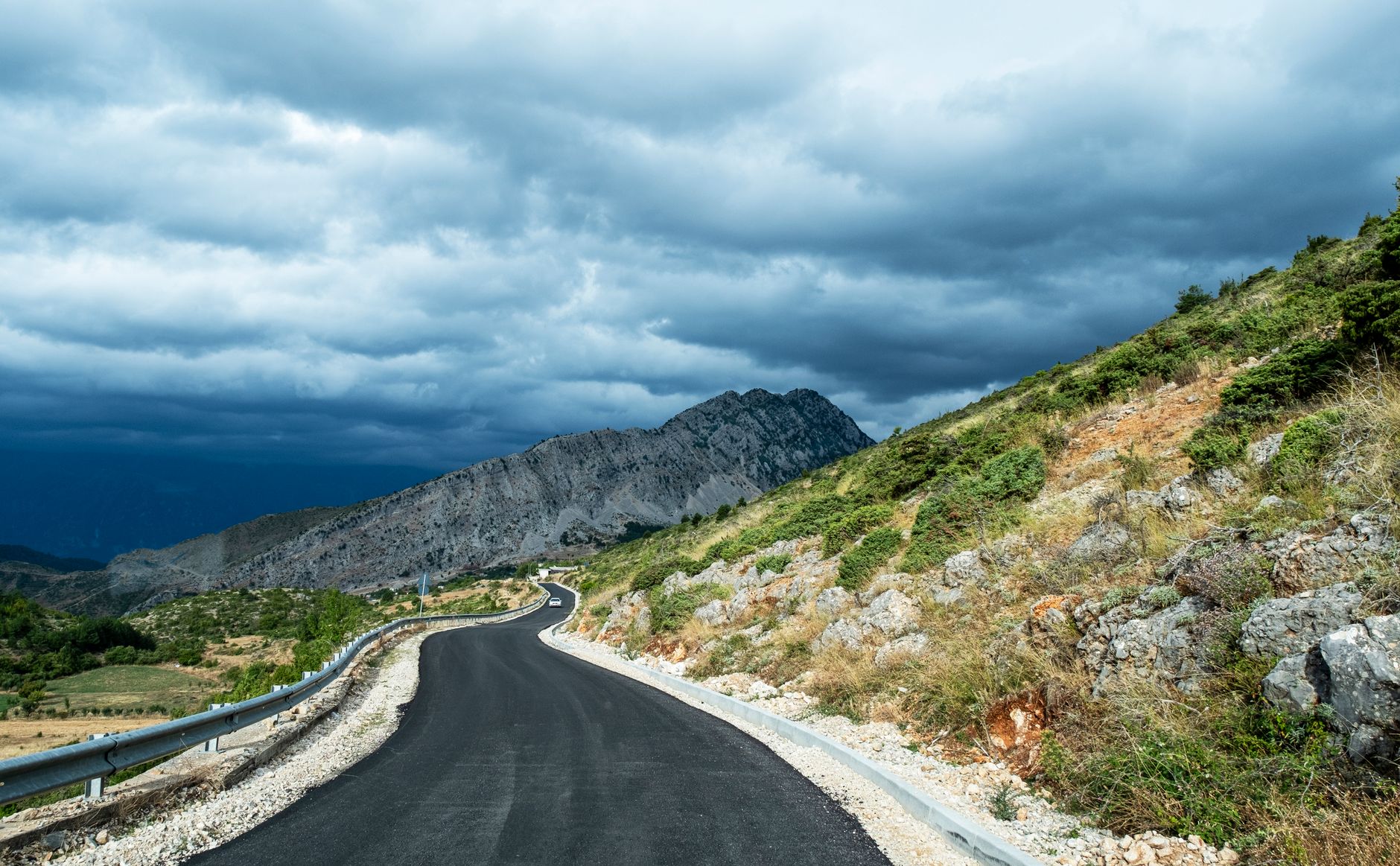
Getting to Gjirokastër from Tirana takes approximately three to four hours by road. The most common option for independent travelers is the furgon, Albania's network of shared minibuses that depart from Tirana's southern bus station when full. Furgons are cheap, frequent during daylight hours, and give you a genuine local travel experience, though they offer no fixed timetable. Alternatively, renting a car in Tirana gives you maximum flexibility and the freedom to stop at viewpoints and villages along the way.
The city itself is best navigated on foot, particularly within the UNESCO-listed historic quarter. The terrain is steep and the streets are narrow, so comfortable walking shoes with good grip are essential. Many of the most rewarding parts of Gjirokastër, including hidden courtyards, quiet residential lanes, and unexpected viewpoints, are only accessible on foot. Allow yourself time to get pleasantly lost rather than following a rigid itinerary.
Albania's climate means Gjirokastër can be very hot in July and August, with temperatures regularly exceeding 35 degrees Celsius. The stone city absorbs and radiates heat, making midday sightseeing in peak summer genuinely exhausting. Spring and early autumn are far more comfortable for walking, and the softer light of those seasons also makes for better photography. Winter visits are possible and the city is strikingly beautiful under occasional snow, but some guesthouses and restaurants close during the quieter months.
- Carry cash in Albanian Lek as many small shops and guesthouses in the old city do not accept cards
- A good offline map app downloaded before arrival is invaluable given patchy mobile data in parts of the old city
- The city's steep streets mean that even short distances can feel tiring, so pace yourself and rest often
- Modest dress is appreciated when visiting mosques and churches, so carry a scarf or light layer
- Albanian electrical sockets are European standard Type C and F, with 220V supply
Download an offline translation app before your trip. While many younger Albanians speak English, menus, museum signs, and street names are often only in Albanian, and having a quick translation tool makes navigating much smoother.
Gjirokastër vs Other Albanian UNESCO Cities: A Quick Comparison
| Feature | Gjirokastër | Berat | Butrint |
|---|---|---|---|
| UNESCO Status | World Heritage Site since 2005 | World Heritage Site since 2005 | World Heritage Site since 1992 |
| Main Attraction | Ottoman castle and stone tower houses | Castle and Mangalem quarter | Ancient Greek and Roman ruins |
| Atmosphere | Dramatic, mountainous, slightly austere | Softer, more colorful, riverside setting | Remote, archaeological, nature-surrounded |
| Crowds | Moderate, growing but still manageable | Busier, more tourist infrastructure | Seasonal, very quiet off-season |
| Food Scene | Authentic local cuisine, limited variety | Broader restaurant choice, more tourists | Very limited, mainly day-trip destination |
| Best For | History lovers, architecture enthusiasts | First-time Albania visitors, couples | Archaeology fans, nature walkers |
Frequently Asked Questions
How many days do you need in Gjirokastër?
Two full days is the ideal minimum for Gjirokastër. The first day covers the castle, bazaar, and a tower house visit, while the second day allows you to explore the Ethnographic Museum, wander residential streets at your own pace, and perhaps take a half-day trip to the Blue Eye spring. Three days gives you time for a full day excursion to Permet or Antigonea without feeling rushed.
Is Gjirokastër safe for tourists?
Yes, Gjirokastër is considered very safe for tourists. Albania in general has a low rate of violent crime against visitors, and the local population in Gjirokastër is welcoming and hospitable. Standard travel precautions apply: keep an eye on your belongings in crowded areas, avoid poorly lit streets late at night, and be cautious on the steep cobblestone paths after rain, as they can become slippery.
What is the best time of year to visit Gjirokastër?
The best times to visit are May to June and September to October. These shoulder seasons offer warm but comfortable temperatures, manageable crowds, and excellent light for photography. July and August are the hottest months and can be overwhelming for walking the steep city streets. Winter visits are possible and atmospheric, especially if snow falls on the stone buildings, but some accommodation and restaurants may be closed.
Can you visit Gjirokastër as a day trip from Tirana?
Technically yes, but it is not recommended. The drive from Tirana takes three to four hours each way, leaving very little time to actually explore the city properly. Gjirokastër is much better experienced with at least one overnight stay. If you are short on time, consider combining it with a stop in Berat on a multi-day southern Albania road trip, which is a far more rewarding way to see both cities.
What language do people speak in Gjirokastër?
The official language is Albanian. In the historic center and at tourist-facing businesses, you will find that many people, particularly younger locals working in hospitality, speak reasonable English. Italian is also widely understood in southern Albania due to historical and cultural ties. Learning a few basic Albanian phrases such as faleminderit (thank you) and mirëmëngjes (good morning) will be warmly appreciated by locals.
Is Gjirokastër suitable for travelers with mobility issues?
The historic old city of Gjirokastër presents significant challenges for travelers with mobility issues. The streets are steep, cobbled, and uneven, and many of the main attractions including the castle require substantial uphill walking. However, the lower town around the main boulevard is relatively flat and accessible. Travelers with limited mobility can still enjoy the city's atmosphere from cafes and viewpoints in the lower sections, and the castle views from below are impressive in their own right.
Plan your Albania adventure
Gjirokastër is the kind of destination that gets under your skin in the best possible way. It does not dazzle you with beaches or nightlife or glossy tourist infrastructure. Instead, it offers something rarer and more lasting: the profound experience of walking through a city that has survived centuries of empire, war, and political upheaval with its soul remarkably intact. Every stone house, every cobbled lane, every minaret silhouetted against the mountain sky tells a story that is uniquely Albanian and universally human. You will leave feeling like you have uncovered a genuine secret, even as that secret slowly, deservedly, finds its way onto more travelers' radar.
Albania is having its moment, and Gjirokastër is one of its crown jewels. Now is the time to visit, before the crowds arrive and before the rough edges that give the city its authentic character get smoothed away. Pack your bags, lace up your best walking shoes, and point yourself toward the mountains of southern Albania. The stone city is waiting for you, and it has been waiting, patiently and magnificently, for a very long time.