Driving the Llogara Pass: What to Expect and Pack


Imagine cresting a mountain pass at over 1,000 meters above sea level, with the Ionian Sea glittering far below you and pine forests pressing in on either side of the road. That is exactly what awaits you on the Llogara Pass, one of the most spectacular and talked-about drives in all of the Balkans. Connecting the Vlora region to the Albanian Riviera, this winding stretch of the SH8 road is not just a route from A to B — it is an experience that will stay with you long after you have reached the coast.
But let's be honest: the Llogara Pass demands respect. The road is narrow, the hairpin bends are tight, and the drop-offs on the seaward side are not for the faint of heart. Fog can roll in without warning, and in winter months the pass can become genuinely treacherous. The good news is that with the right preparation, the right mindset, and the right gear packed in your car, driving the Llogara Pass is an achievable and deeply rewarding adventure for almost any traveler. This ultimate guide will walk you through everything you need to know before you turn that ignition key.
Key Takeaways
| Elevation | Llogara Pass peaks at approximately 1,027 meters above sea level |
|---|---|
| Road Type | Narrow two-lane mountain highway with sharp hairpin bends |
| Best Season | Late April through October offers the safest and most scenic conditions |
| Drive Duration | Allow 45 to 90 minutes depending on traffic, stops, and confidence level |
| Fuel Up | Fill your tank in Vlora before starting the ascent — no fuel stations on the pass |
| Must-Pack Item | A physical road map or downloaded offline GPS map in case of signal loss |
Understanding the Llogara Pass: Geography and Road Conditions

The Llogara Pass sits within Llogara National Park, a protected area of dense black pine forest that drapes the Ceraunian Mountains along Albania's southwestern coastline. The road climbs from near sea level around Palasa and Dhermi on the southern side, or from the flatlands near Vlora on the northern side, twisting upward through dozens of tight switchbacks before reaching the saddle of the pass. From the top, on a clear day, you can see the entire sweep of the Albanian Riviera and, on exceptionally clear days, the faint outline of Corfu across the water.
The road surface itself is paved but varies considerably in quality. Some sections are smooth and recently resurfaced, while others feature potholes, crumbling edges, and patches of loose gravel — particularly on the tighter inside curves. The road is genuinely narrow in places, and meeting a large truck or bus on a hairpin requires patience and careful maneuvering. Guardrails exist along many of the more exposed sections, but they are not universal, and the drop on the seaward side can be dramatic. Drive with both hands on the wheel and your full attention on the road.
One thing that surprises many first-time drivers is the presence of livestock on the road. Sheep, goats, and the occasional cow wander freely across the pass, especially in the early morning and late afternoon hours. Slow down whenever you see animals ahead, and never assume they will move out of your way quickly. This is part of the authentic Albanian mountain experience, but it does require extra vigilance.
- Peak elevation: approximately 1,027 meters above sea level
- Road designation: SH8, part of the Albanian Riviera coastal highway
- Total pass section: roughly 20 kilometers of technical mountain driving
- Road width: often just wide enough for two vehicles to pass with care
- Livestock crossings are common — especially in morning and evening hours
- Guardrails present on most exposed sections but not all
If you are driving a larger vehicle such as a campervan or SUV, take the ascent from the Vlora side first, as it gives you the uphill advantage on the wider inside lane of the hairpins.
Best Time to Drive the Llogara Pass

Timing your drive over the Llogara Pass can make the difference between a magical memory and a genuinely stressful ordeal. The pass is technically open year-round, but conditions vary enormously by season. Summer — from late June through August — is the most popular time, and for good reason: the weather is reliably warm and clear, the views are at their most dramatic, and the road is well-trafficked enough that you will never feel isolated if something goes wrong. However, summer also brings the heaviest tourist traffic, and the pass can become congested, particularly on weekends and Albanian public holidays.
Spring and early autumn are arguably the sweet spots for driving the Llogara Pass. From late April through June and again from September through October, you get mild temperatures, far fewer vehicles on the road, and the added bonus of lush green vegetation or golden autumn colors in the pine forests. Morning light in these shoulder seasons is extraordinary for photography, and the cooler air makes the drive more comfortable.
Winter driving on the Llogara Pass is a different matter entirely. Snow and ice can accumulate quickly at altitude, and the road can close without much advance warning. Fog is also a serious concern from November through March, sometimes reducing visibility to just a few meters. If you must cross the pass in winter, check local road conditions before setting out, carry snow chains, and let someone know your planned route and estimated arrival time. Traveling in daylight hours only is non-negotiable in the colder months.
- Peak season (July to August): clear skies but heavy traffic and heat
- Shoulder season (April to June, September to October): ideal balance of weather and quiet roads
- Winter (November to March): risk of snow, ice, and fog — proceed with extreme caution
- Morning drives offer the best light and fewest vehicles on the road
- Avoid driving after dark if you are unfamiliar with the route
- Check Albanian weather forecasts the evening before your planned crossing
Set your alarm and aim to reach the top of the pass by 8 or 9 in the morning. The light is spectacular, the road is quiet, and the mountain air is cool and fresh — it is the best possible version of this drive.
Driving Techniques and Safety on the Pass
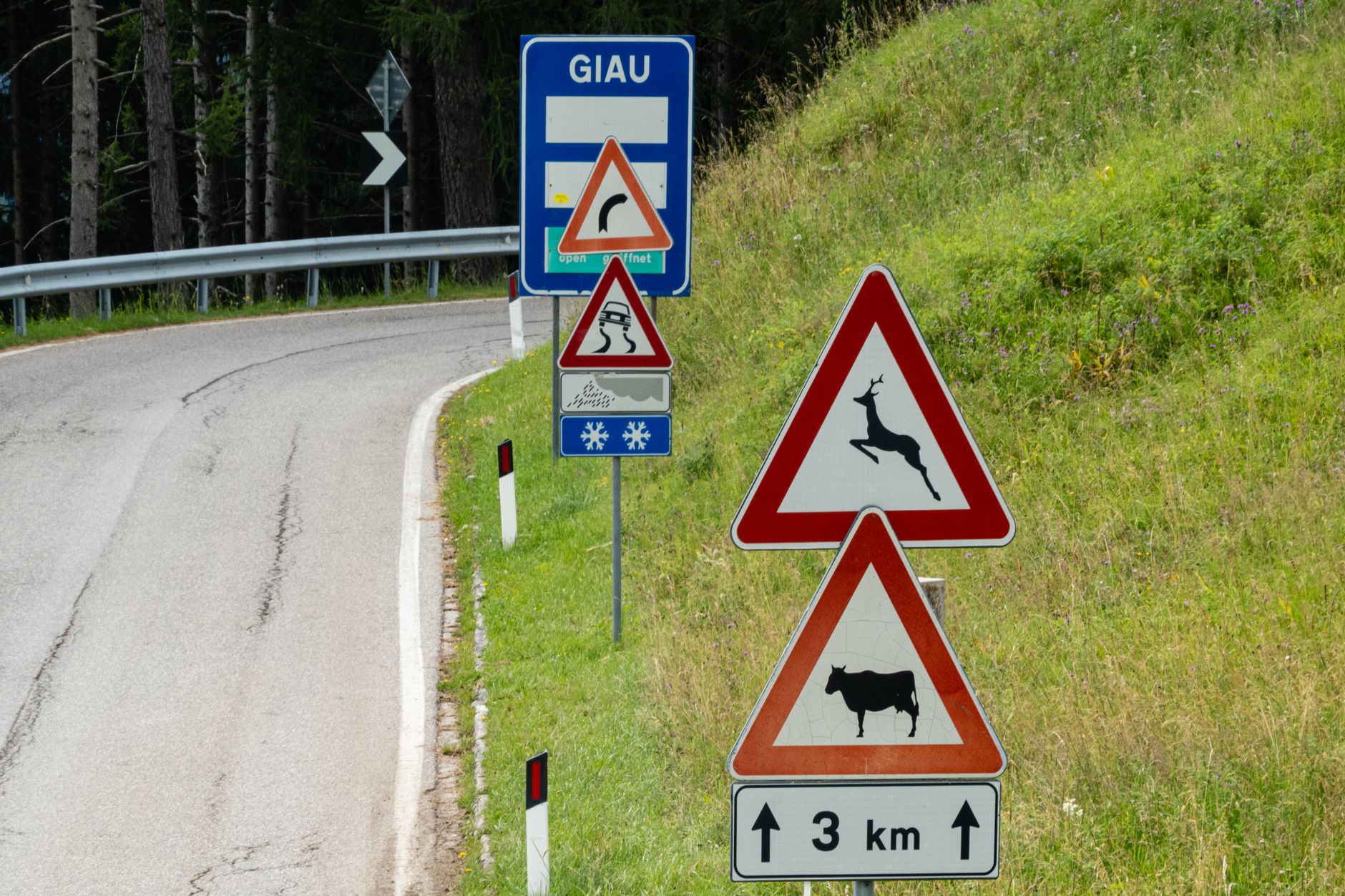
Even experienced drivers can find the Llogara Pass humbling. The combination of tight hairpins, variable road surfaces, steep drops, and unpredictable hazards means that your usual driving habits need to adapt. The most important rule is to drive at a pace that feels genuinely comfortable, not just technically safe. If the car behind you wants to go faster, pull over at one of the many small lay-bys and let them pass. There is no shame in taking your time, and the views from the stopping points are worth the pause.
Use low gear on both the ascent and descent. On the way up, this prevents your engine from straining. On the way down — which many drivers find more stressful — it uses engine braking to control your speed without over-relying on your brakes, which can overheat on a long descent. If you are driving an automatic, use the manual mode or the L or 2 setting to achieve the same effect. Never ride your brakes continuously on the downhill sections.
Horn use is actually practical and expected on the tighter blind bends of the Llogara Pass. A short, polite beep as you approach a blind corner warns oncoming drivers of your presence and is standard local practice. Do not be startled when other drivers do the same — it is a courtesy, not aggression. Keep your headlights on throughout the drive, even in daylight, to improve your visibility to oncoming traffic.
- Use low gear (or manual mode on automatics) for both ascent and descent
- Sound your horn briefly before blind hairpin bends
- Keep headlights on throughout the entire drive
- Pull over at lay-bys to let faster traffic pass safely
- Never park on the road itself — use designated stopping areas
- Keep a safe following distance from the vehicle ahead at all times
- Do not use your phone while driving — pull over completely if you need to check navigation
If your brakes feel hot or you smell burning after a long descent, pull over completely and let them cool for at least 10 to 15 minutes before continuing. Brake fade at altitude is a real risk and should never be ignored.
What to Pack for the Llogara Pass Drive
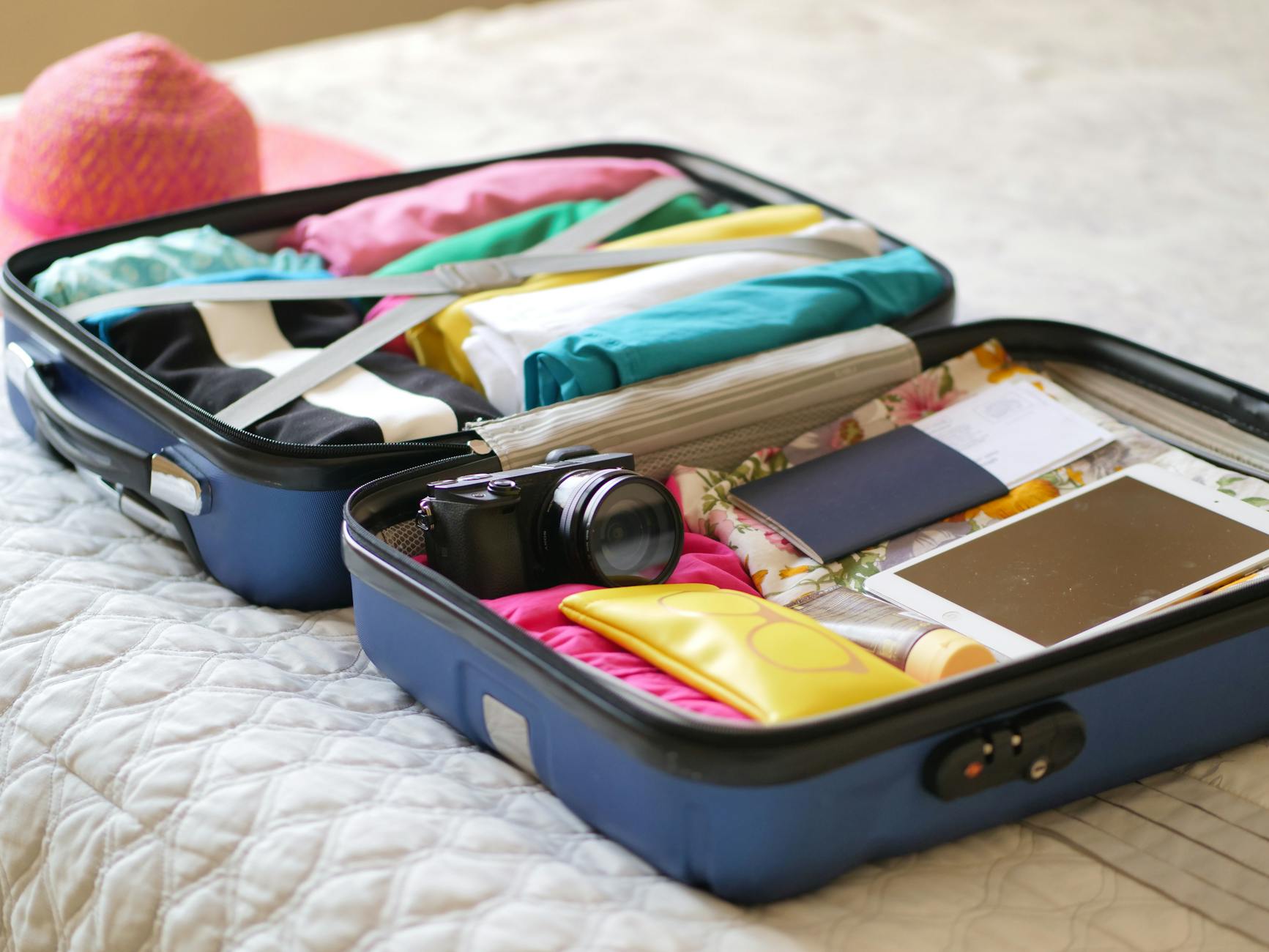
Packing smart for the Llogara Pass is about balancing preparedness with practicality. You are not heading into the wilderness for days on end, but you are entering a remote mountain environment where help can be slow to arrive and mobile signal is unreliable. The items you pack in your car before setting off can transform a minor inconvenience into a manageable situation — or prevent a problem from occurring at all.
Start with your vehicle essentials. A spare tire in good condition is absolutely non-negotiable — the road surface can be rough, and punctures do happen. Make sure your jack and wheel brace are accessible and that you actually know how to use them. A basic toolkit, jumper cables, a reflective warning triangle, and a high-visibility vest are all items that Albanian law actually requires you to carry in your vehicle, so you should have them regardless. A fire extinguisher, while not always legally mandated for private vehicles, is a sensible addition given the remote nature of the drive.
Personal comfort and safety items matter just as much. Pack more water than you think you need — at least two liters per person — along with snacks that provide sustained energy. A first aid kit with blister plasters, antiseptic, and basic pain relief is wise. Bring a light jacket or fleece regardless of the season, because the temperature at the top of the pass can be significantly cooler than at sea level, and the wind can be biting even in summer. Sunscreen and sunglasses are essential for the exposed sections and the panoramic viewpoints.
Winter-Specific Packing Additions
If you are crossing the Llogara Pass between November and March, your packing list needs to expand significantly. Snow chains are essential and should be fitted or at least practiced before you reach the pass. Pack thermal layers, waterproof outer clothing, and warm gloves. A small folding shovel can help if you get stuck in a snow drift. Carry extra food and water in case you are delayed, and always tell someone your planned route and expected arrival time before setting off.
- Spare tire, jack, and wheel brace in working condition
- Jumper cables and a basic vehicle toolkit
- Reflective warning triangle and high-visibility vest (legally required in Albania)
- At least 2 liters of water per person
- Snacks with sustained energy: nuts, dried fruit, energy bars
- First aid kit with antiseptic, bandages, and pain relief
- Light jacket or fleece — the pass is noticeably cooler than the coast
- Sunscreen and sunglasses for exposed viewpoints
- Offline GPS map or downloaded navigation — mobile signal is unreliable
- Phone charger or power bank
- Cash in Albanian lek for roadside food stalls near the summit
- Camera or ensure your phone has ample storage — the views demand it
Download your offline map the night before in your accommodation where you have strong WiFi. Do not rely on downloading it at the last minute in a village with slow signal — you may find yourself navigating blind at the most critical moments.
Fuel, Food, and Facilities Along the Route

One of the most common mistakes travelers make before tackling the Llogara Pass is underestimating how limited services are along the route itself. There are no petrol stations on the pass, and the nearest reliable fuel stops are in Vlora to the north or in the villages of the Albanian Riviera to the south. Fill your tank completely before beginning the ascent, regardless of how much fuel you think you have. Running out of petrol on a remote mountain road with no mobile signal is an experience you absolutely want to avoid.
Food and drink options near the summit are surprisingly charming, however. A cluster of traditional Albanian restaurants and roadside stalls operates near the top of the pass, particularly during the warmer months. These family-run spots serve grilled meats, fresh bread, local cheeses, and cold drinks at very reasonable prices. Stopping for a meal or a coffee at the summit is a genuine highlight of the drive and gives you the chance to step out of the car, breathe the mountain air, and take in the panoramic views in both directions.
Toilet facilities are limited to the restaurants near the summit — there are no public restrooms along the pass itself. If you are traveling with children or anyone who may need frequent stops, plan accordingly and make use of the facilities in Vlora or at your last stop before the ascent. The restaurants at the top are generally welcoming and do not require you to purchase something to use their facilities, though buying a coffee or a snack is a kind gesture and supports local families who depend on passing travelers.
- Fuel up completely in Vlora before starting the northern ascent
- No petrol stations exist on the pass itself
- Traditional restaurants cluster near the summit — open mainly April through October
- Expect to pay in Albanian lek — card payment is rarely available at roadside stops
- Toilet facilities only available at summit restaurants
- Fresh spring water points exist in a few spots — locals drink from them freely
Stop at the summit restaurants even if you are not hungry. Order a small coffee or a piece of byrek (Albanian pastry) and spend 20 minutes simply sitting and absorbing the view. The Ionian Sea stretching out below the pine-covered mountains is one of the most beautiful sights in Europe.
Viewpoints, Stops, and What to See Along the Way
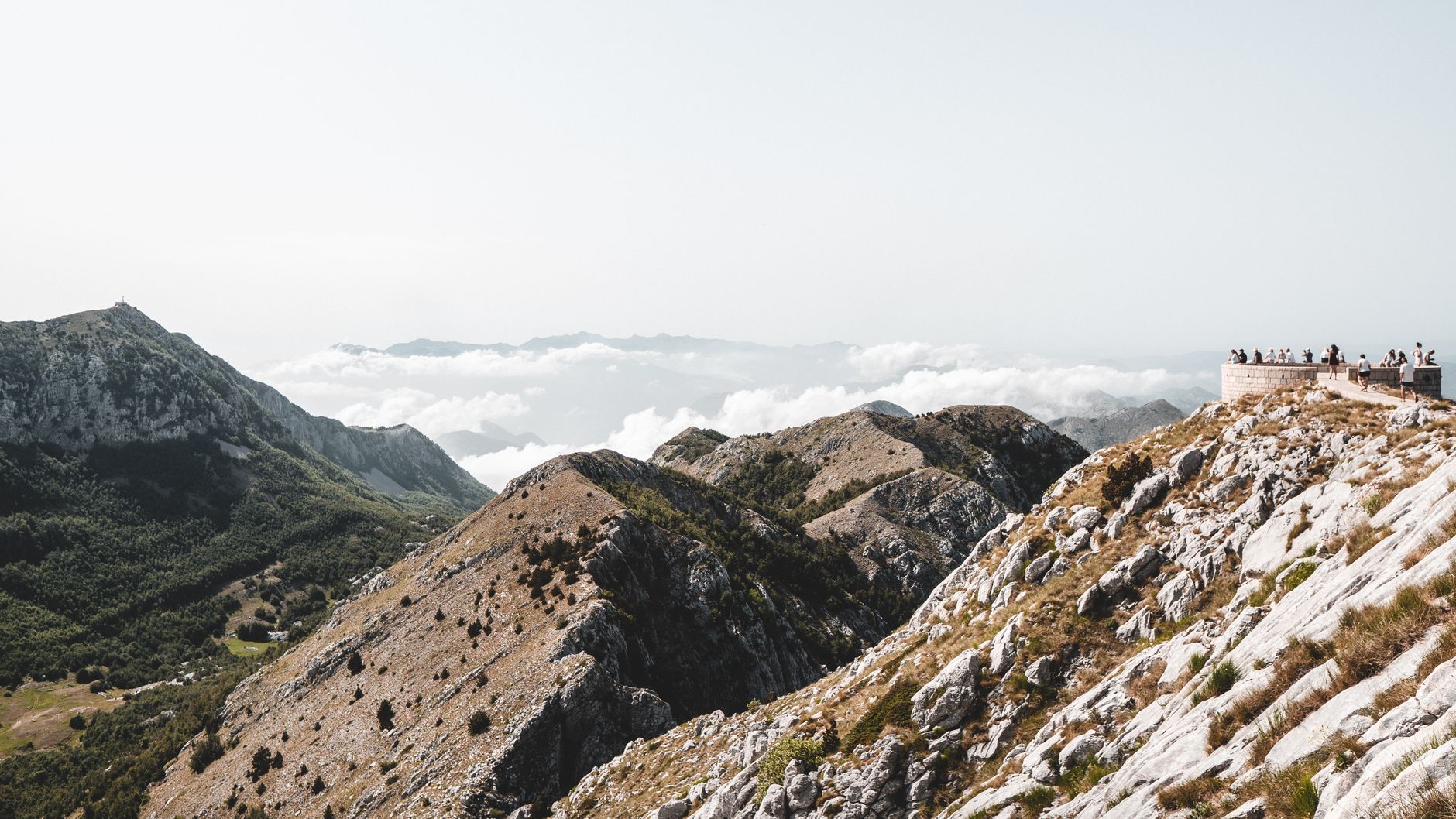
The Llogara Pass is not just a road to endure — it is a destination in its own right, dotted with stops that reward those who take their time. As you climb from the Vlora side, the vegetation transitions from scrubby Mediterranean hillside to dense, fragrant pine forest. The air changes noticeably, becoming cooler and richer with the scent of resin. Pull over at any of the small lay-bys on the way up and simply listen: the silence broken only by wind through the pines and the occasional bell of a distant goat is profoundly peaceful.
Near the summit, the viewpoints looking south toward the Albanian Riviera are genuinely jaw-dropping. On a clear day you can trace the entire coastline from Palasa down toward Himara and beyond, with the deep blue of the Ionian Sea contrasting against the steep green cliffs. Photographers should note that the best light for the southward view is in the morning, while late afternoon light is more flattering for looking back north toward Vlora. Both directions offer extraordinary compositions.
Inside Llogara National Park, there are also several hiking trails that branch off from the road, ranging from short walks to multi-hour treks through the pine forest. If you have a flexible itinerary, consider parking near the summit and spending an hour or two on foot. The trails are generally well-marked and the forest is beautiful in all seasons. Birdwatchers will find the park particularly rewarding during spring and autumn migration periods, when a wide variety of raptors and passerines pass through.
- Summit viewpoint: panoramic views south over the Albanian Riviera and north toward Vlora
- Pine forest lay-bys: peaceful stops for stretching legs and enjoying mountain air
- Llogara National Park hiking trails: accessible from the road near the summit
- Birdwatching: excellent during spring and autumn migration
- Photography: morning light best for southward Riviera views, afternoon for northward Vlora views
- Eagle statue monument near the summit — a popular photo stop
Bring binoculars if you have them. The views from the summit are so expansive that you can spot boats on the Ionian Sea, identify villages along the Riviera, and on very clear days make out the mountains of Corfu. It transforms the panorama from impressive to truly extraordinary.
Vehicle Requirements and Practical Preparations
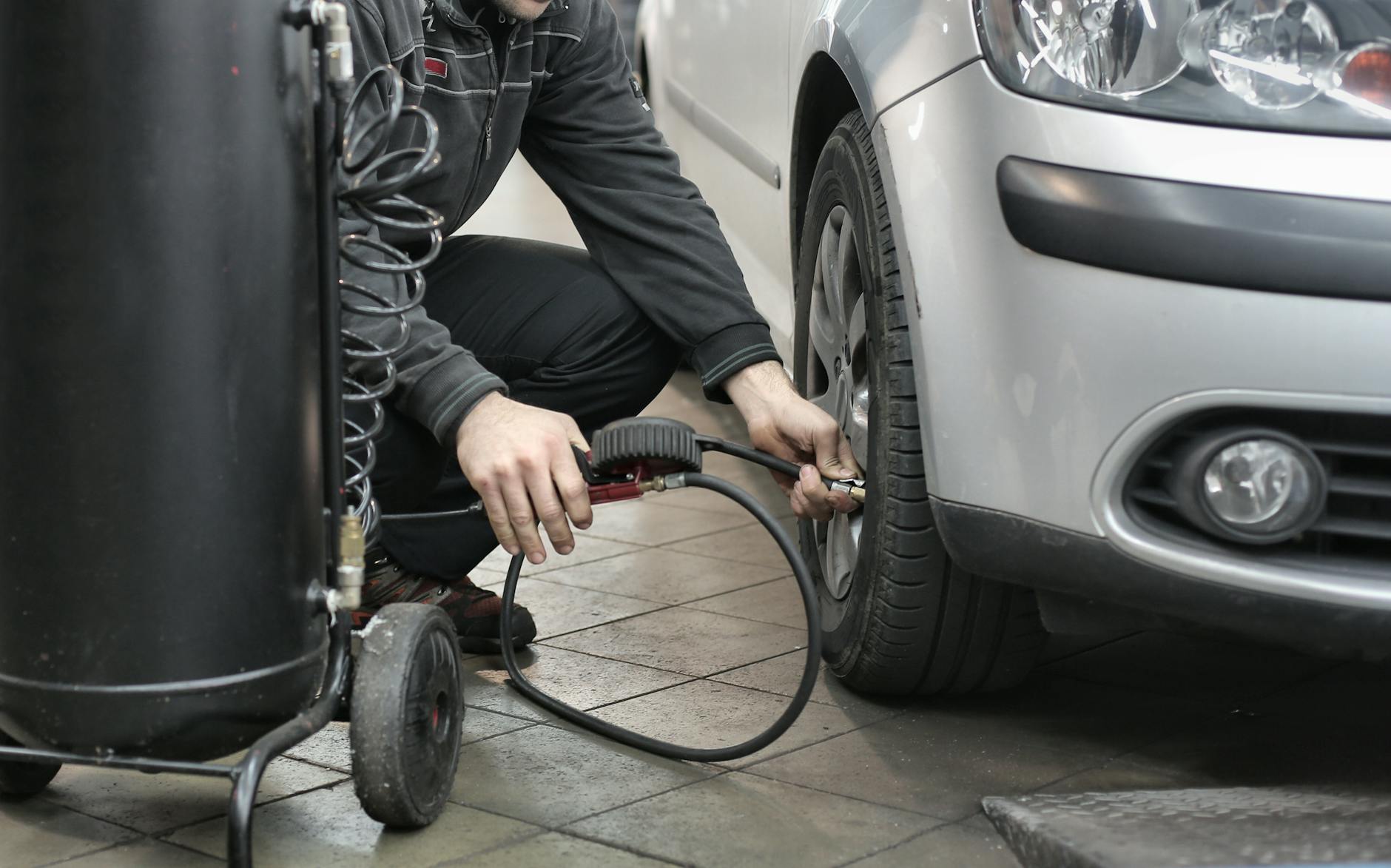
Not every vehicle is equally suited to the Llogara Pass, and taking a few minutes to assess your car before setting off can save you significant trouble on the road. The most important factor is not whether you have a four-wheel-drive vehicle — most of the pass is perfectly manageable in a standard two-wheel-drive car during dry conditions — but rather whether your vehicle is in good mechanical health. Brakes, tires, and cooling system are the three areas that take the most stress on a mountain pass drive.
Check your brake pads before the journey. If they are worn below a safe level, replace them before attempting the descent. Inspect your tires for adequate tread depth and correct inflation — underinflated tires handle poorly on tight bends and are more vulnerable to punctures on rough surfaces. Make sure your coolant level is correct and that your radiator is functioning properly, as engines work harder on long climbs and can overheat in hot summer conditions.
Rental car drivers should be aware that many standard rental agreements in Albania technically exclude mountain roads or off-road driving. Read your agreement carefully, and if you are uncertain, ask the rental company directly about the Llogara Pass. In practice, countless rental cars complete this drive every day without incident, but it is important to understand your insurance position before you set off. Carrying the rental company's emergency contact number in your phone is always a sensible precaution.
- Check brake pad thickness before the drive — worn brakes are dangerous on descents
- Inspect tire tread and inflation — carry a portable tire inflator if possible
- Verify coolant and oil levels before starting the climb
- Ensure your spare tire is inflated and your jack is accessible
- Rental car drivers: check your agreement for mountain road exclusions
- A four-wheel-drive is not required in dry conditions but adds confidence in wet weather
- Automatic transmission drivers: use manual mode or low gear setting on descents
If you are renting a car specifically to drive the Llogara Pass and the Albanian Riviera, request a vehicle with good ground clearance. Some of the side roads leading to beaches and villages off the main pass road can be rough, and a slightly higher vehicle gives you more options for exploration.
Llogara Pass Driving Conditions by Season
| Season | Road Conditions | Weather | Traffic Level | Recommended? |
|---|---|---|---|---|
| Spring (Apr-Jun) | Good, occasional wet patches | Mild, some rain possible | Low to moderate | Highly recommended |
| Summer (Jul-Aug) | Good to excellent | Hot and clear | High — peak tourist season | Good, but go early morning |
| Autumn (Sep-Oct) | Good, leaves may be slippery | Mild and clear | Low to moderate | Highly recommended |
| Early Winter (Nov-Dec) | Variable — risk of ice and fog | Cold, fog frequent | Very low | Caution advised — check forecasts |
| Deep Winter (Jan-Feb) | Poor — snow and ice likely | Cold, snow possible | Minimal | Not recommended without snow chains |
| Late Winter (Mar) | Improving but unpredictable | Cool, fog still possible | Low | Proceed with caution |
Frequently Asked Questions
Is the Llogara Pass safe to drive?
Yes, the Llogara Pass is safe to drive for most travelers who take appropriate precautions. The road is paved, and thousands of vehicles complete the journey every day during the tourist season. The key factors are driving at a sensible speed, using low gear on the descent, keeping your vehicle in good mechanical condition, and avoiding the pass in poor weather conditions such as heavy fog or ice. If you are a nervous driver, consider making the crossing in the morning when traffic is lightest and visibility is best.
Do I need a four-wheel-drive vehicle to drive the Llogara Pass?
No, a standard two-wheel-drive car is perfectly adequate for the Llogara Pass in dry conditions during spring, summer, and autumn. The road is paved throughout and does not require off-road capability. However, in wet or icy conditions, a vehicle with four-wheel drive or all-wheel drive will give you significantly more confidence and traction. If you are traveling in winter, snow chains may be required regardless of your drivetrain.
How long does it take to drive the Llogara Pass?
The technical pass section is roughly 20 kilometers long, but you should budget between 45 minutes and 90 minutes for the crossing depending on your pace, traffic, and how many stops you make. Adding time for the summit viewpoint, a meal at one of the mountain restaurants, and a short walk in the national park, a relaxed crossing with sightseeing could easily take two to three hours. There is no reason to rush — the journey itself is the attraction.
Is there mobile phone signal on the Llogara Pass?
Mobile signal on the Llogara Pass is unreliable and often absent entirely, particularly in the forested sections near the summit. You should not depend on real-time GPS navigation or the ability to make calls during the drive. Download your navigation maps offline before setting out, save any important phone numbers you might need, and let someone know your planned route. At the summit restaurants, signal sometimes improves, but do not count on it.
Can I drive the Llogara Pass at night?
Driving the Llogara Pass after dark is strongly discouraged, especially if you are unfamiliar with the route. The road has limited lighting, the hairpin bends are harder to judge in the dark, and the risk of encountering livestock on the road is higher in the evening hours. If you find yourself approaching the pass after sunset, it is far safer to stop in Vlora or one of the Riviera villages and complete the crossing the following morning.
Are there places to eat and drink on the Llogara Pass?
Yes, there are several traditional Albanian restaurants and small food stalls clustered near the summit of the pass, typically operating from April through October. These serve grilled meats, local cheeses, fresh bread, coffee, and cold drinks at very reasonable prices. They are family-run operations and a wonderful part of the experience. Outside of the summer season, some may be closed, so carry your own food and water as backup, particularly in the shoulder and winter months.
Plan your Albania adventure
Driving the Llogara Pass is one of those travel experiences that genuinely lives up to its reputation. The combination of dramatic mountain scenery, the sudden revelation of the Ionian Sea below, the fragrant pine forests, and the warm hospitality of the summit restaurants creates something that is far more than just a road crossing. It is a moment that reminds you why you travel in the first place — to be surprised, humbled, and delighted by a world that is bigger and more beautiful than your everyday life. With the right preparation, the right pace, and the right mindset, the Llogara Pass will be one of the highlights of your entire Albanian adventure.
So check your brakes, fill your tank in Vlora, pack your water and your warm layer, download that offline map, and set your alarm for an early start. The mountains are waiting for you, and the view from the top is absolutely worth every careful hairpin turn it takes to get there. Albania has a way of rewarding those who show up prepared and open-hearted, and the Llogara Pass is perhaps the most perfect expression of that truth. Drive it, savor it, and come back to tell us about it.