Butrint National Park: Ancient Ruins Worth the Day Trip

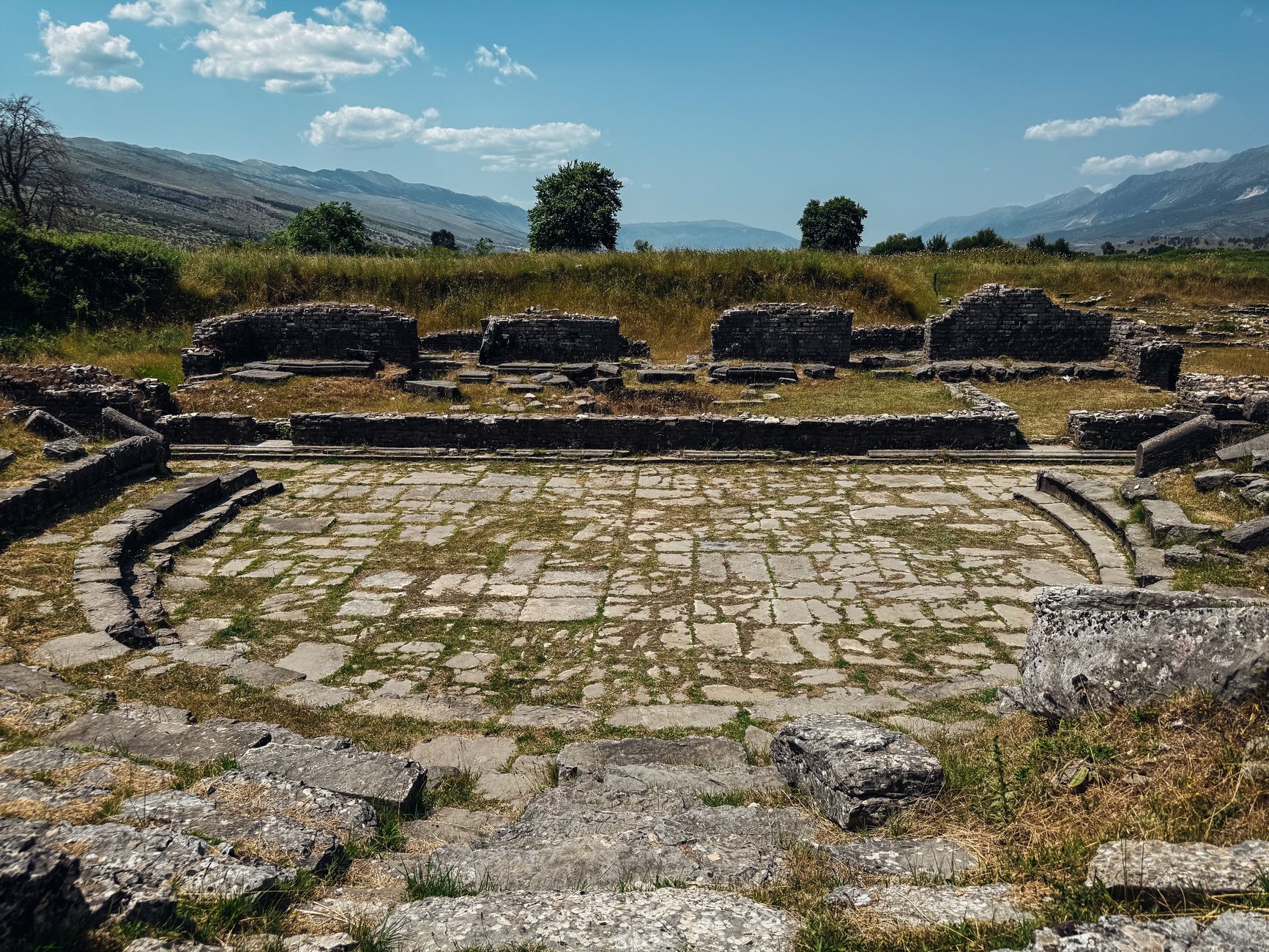
Imagine stepping off a small ferry onto a peninsula where the air smells of wild herbs and the trees press close around crumbling stone walls that have stood for more than two millennia. That is the feeling that greets you the moment you arrive at Butrint National Park, tucked into the southernmost corner of Albania just a short drive from the Greek island of Corfu. This is not a reconstructed theme-park version of antiquity. It is the real thing: a living archaeological landscape where every mosaic, every carved column, and every weathered gateway tells a story that stretches from ancient Greek colonists to Byzantine monks to Venetian merchants.
Butrint has been continuously inhabited since at least the seventh century BC, and the sheer density of civilisations layered on top of one another is what makes it genuinely unlike anywhere else in the Balkans. In 1992 UNESCO inscribed it as a World Heritage Site, recognising its outstanding universal value. Yet despite that global recognition, Butrint remains refreshingly uncrowded compared to similar sites in Greece or Italy. You can stand in a Roman theatre and have it almost entirely to yourself. You can wander mosaic floors without roping or crowds. If you are travelling through southern Albania and you skip Butrint, you will regret it for a very long time.
Key Takeaways
| Location | Butrint National Park, Saranda District, southern Albania |
|---|---|
| UNESCO Status | World Heritage Site since 1992 |
| Best Base | Saranda city, approximately 18 km north of the park |
| Recommended Visit Duration | 4 to 6 hours for a thorough exploration |
| Best Time to Visit | April to June and September to October for mild weather and fewer crowds |
| Entry Fee | Affordable national park ticket payable at the gate |
| Getting There | Furgon (minibus), taxi, or rental car from Saranda; short ferry crossing on site |
The History Behind the Ruins: Three Thousand Years in One Place

To truly appreciate Butrint, it helps to understand just how many different hands shaped it over the centuries. The site sits on a wooded hill surrounded on three sides by Lake Butrint and the Vivari Channel, a naturally defensible position that made it attractive to settlers from the very beginning. Ancient Greek sources suggest that the city of Buthrotum, as it was then known, was founded by Trojan refugees, though archaeologists date the earliest confirmed occupation to around the seventh century BC when it functioned as a sanctuary dedicated to Asclepius, the god of medicine.
By the third century BC Butrint had grown into a prosperous Hellenistic city with its own theatre, defensive walls, and civic buildings. The Romans absorbed it into their empire in the second century BC and Julius Caesar himself recognised its strategic importance, establishing a Roman colony here. The city flourished under Roman rule, and it is from this period that some of the most impressive structures you see today date, including the large theatre and the baptistery with its extraordinary mosaic floor. After the fall of Rome, Butrint passed through Byzantine hands, was briefly held by the Normans, then came under the control of various Angevin, Serbian, and finally Venetian rulers before the Ottomans took it in the fifteenth century.
What makes Butrint so compelling for the modern visitor is precisely this layering. You do not see one civilisation here; you see them all stacked on top of each other, each leaving its mark on the stone and soil. Archaeologists from multiple countries have been excavating here since the early twentieth century, and new discoveries continue to emerge.
- Founded as a Greek sanctuary dedicated to Asclepius, god of medicine
- Became a Roman colony under Julius Caesar in the first century BC
- Byzantine, Norman, Angevin, Serbian, and Venetian rulers all left their mark
- Inscribed as a UNESCO World Heritage Site in 1992
- Ongoing international archaeological excavations continue to reveal new findings
Pick up the illustrated site map at the entrance gate before you start walking. The park is larger than it looks and the map helps you prioritise the highlights if your time is limited.
What to See Inside the Park: The Unmissable Highlights
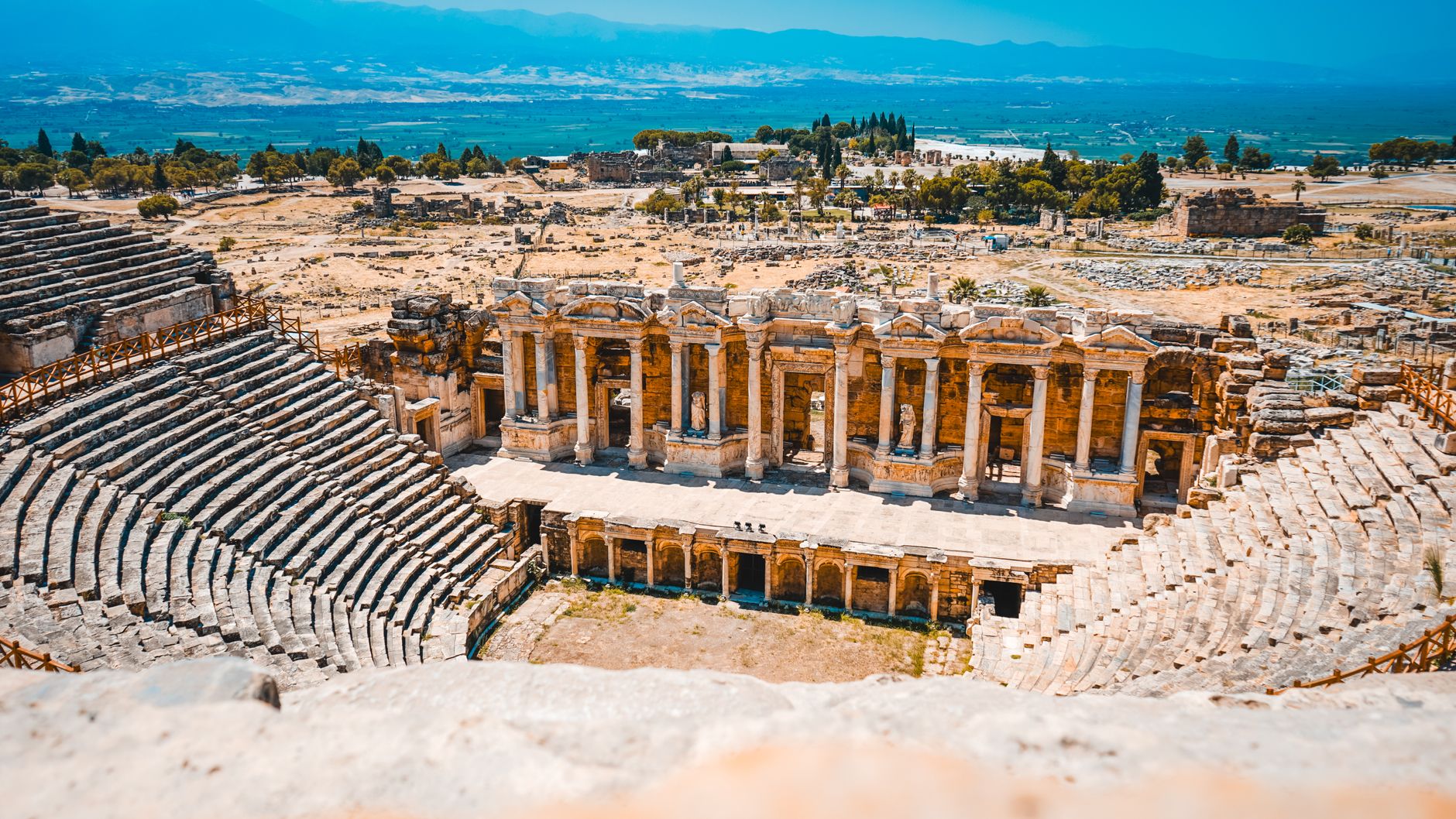
Butrint is dense with remarkable structures, and even a full day barely scratches the surface of what the site contains. That said, there are several landmarks that you absolutely must not miss on your visit. The Greek Theatre is the emotional centrepiece of the park. Carved into the hillside in the third century BC and later modified by the Romans, it is one of the best-preserved ancient theatres in the entire region. Its stone seating tiers curve elegantly around a circular orchestra, and the acoustics are still remarkable. Standing on the stage and looking up at the empty seats, it is easy to imagine the crowds who once gathered here for performances and civic assemblies.
Just a short walk from the theatre, the Baptistery of Butrint is a structure that will stop you in your tracks. Dating from the sixth century AD, this early Christian building contains one of the largest and most complex mosaic floors in the entire Mediterranean world. The mosaic is covered with protective sand for much of the year to preserve it, but even when partially visible it is breathtaking in its intricacy, featuring animals, fish, and geometric patterns in rich earthy tones. Nearby, the Lion Gate is one of the most photographed spots in the park, a Hellenistic gateway flanked by a carved relief of a lion devouring a bull, symbolising power and dominance.
The Venetian Tower and the Triangular Fortress offer elevated viewpoints over the lagoon and surrounding wetlands, giving you a sense of the strategic geography that made this site so valuable to every culture that controlled it. The on-site museum, housed in a restored Venetian castle, displays sculptures, coins, ceramics, and inscriptions that bring the site's long history into sharp focus.
The Ferry Crossing: A Moment of Magic
To reach the main archaeological zone from the park entrance, you cross the Vivari Channel on a small flat-bottomed ferry. The crossing takes only a few minutes, but it is genuinely one of those travel moments that stays with you. The water is calm and dark green, herons stand motionless in the reeds, and the forested hill of the ancient city rises ahead of you. It is a transition that feels almost ceremonial, as if the short crossing marks your passage from the modern world into something much older and quieter. The ferry runs continuously during park hours and is included in your entry ticket.
- Greek Theatre: third century BC, beautifully preserved seating and stage
- Baptistery: sixth century AD mosaic floor, one of the largest in the Mediterranean
- Lion Gate: Hellenistic carved relief, iconic photo opportunity
- Venetian Tower and Triangular Fortress: panoramic views over the lagoon
- On-site museum in a restored Venetian castle with sculptures and artefacts
- Roman Forum and Nymphaeum: civic centre of the ancient city
- Byzantine basilica remains scattered throughout the forested hillside
Visit the museum first before exploring the outdoor ruins. Understanding the chronology and seeing key artefacts up close will make the outdoor experience far richer and more meaningful.
Getting to Butrint: Your Transport Options from Saranda
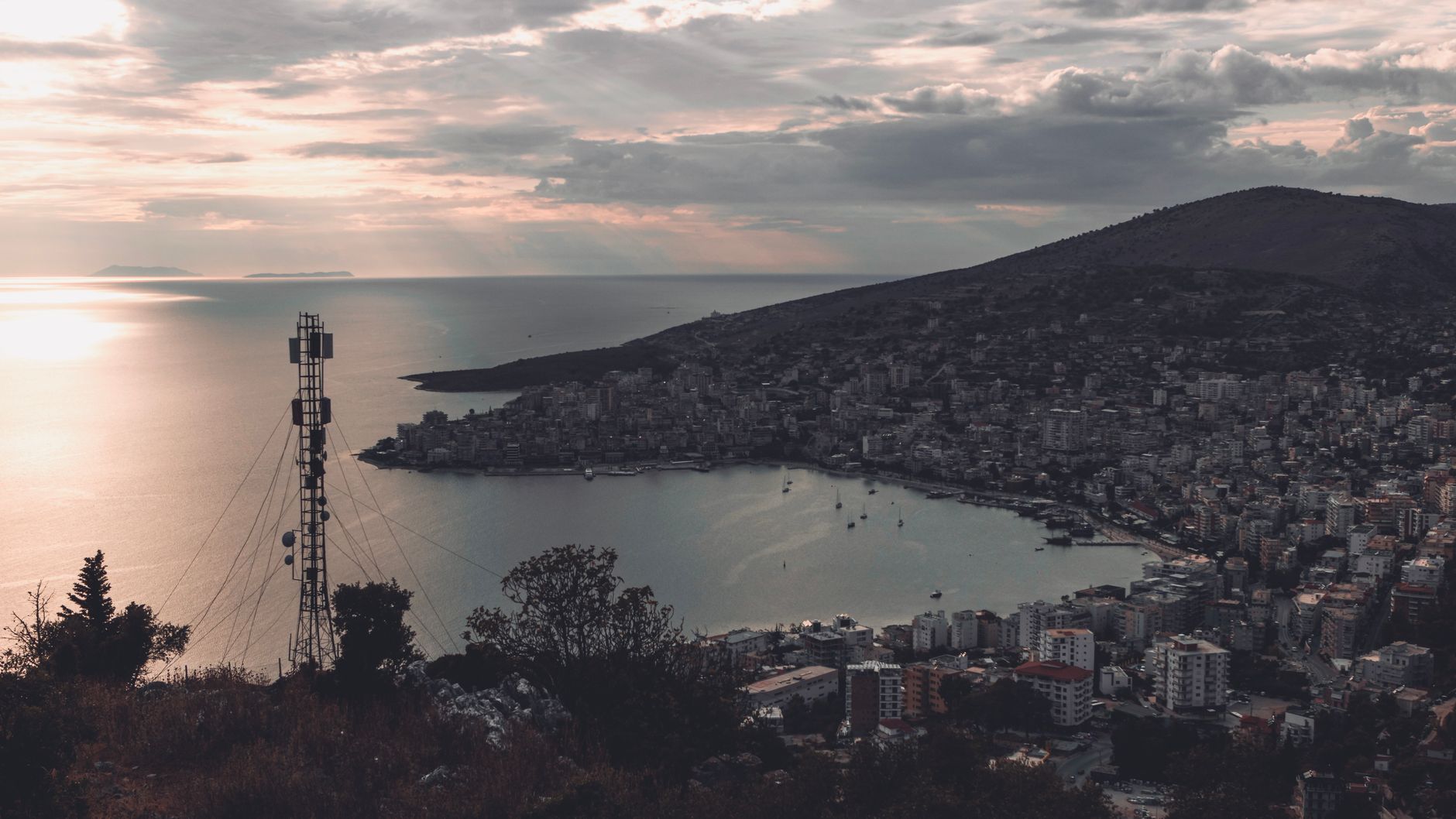
Saranda is your natural base for visiting Butrint, and the two destinations complement each other perfectly. The city sits on a crescent-shaped bay about 18 kilometres north of the national park, and transport links between them are straightforward and affordable. The most budget-friendly option is the furgon, the shared minibus that is the backbone of local transport across Albania. Furgons to Butrint depart from the main bus station area in Saranda throughout the morning, and the journey takes around 30 to 40 minutes depending on the route and stops. You will need to arrange your return journey in advance or negotiate with the driver, as afternoon departures can be less frequent.
Taking a taxi from Saranda gives you more flexibility, particularly if you want to set your own schedule or combine the Butrint visit with a stop at Ksamil beach on the way back. Negotiate the price before you get in and agree on whether the driver will wait for you or return at a specific time. Many drivers who do this route regularly are happy to wait for a few hours while you explore, making it a comfortable and efficient option for families or small groups.
If you have rented a car, the drive from Saranda to Butrint is simple and scenic, passing through rolling hills and olive groves before descending to the lagoon. Parking is available near the park entrance. Cycling is also possible for the adventurous traveller, as the road is relatively flat for much of the route, though summer heat can make this challenging. Some visitors also combine Butrint with a boat trip from Ksamil, arriving by water for a particularly atmospheric approach.
- Furgon (shared minibus) from Saranda: cheapest option, runs in the morning
- Taxi from Saranda: flexible, negotiate a round trip or waiting fee
- Rental car: most independent option, scenic drive through olive groves
- Boat trip from Ksamil: atmospheric alternative, check seasonal availability
- Cycling: possible but demanding in summer heat, approximately 18 km each way
Aim to arrive at Butrint when the gates open in the morning. The park is at its most magical in the early light, the heat is manageable, and you will have the ruins largely to yourself before any tour groups arrive.
When to Visit Butrint: Seasons, Weather, and Crowds
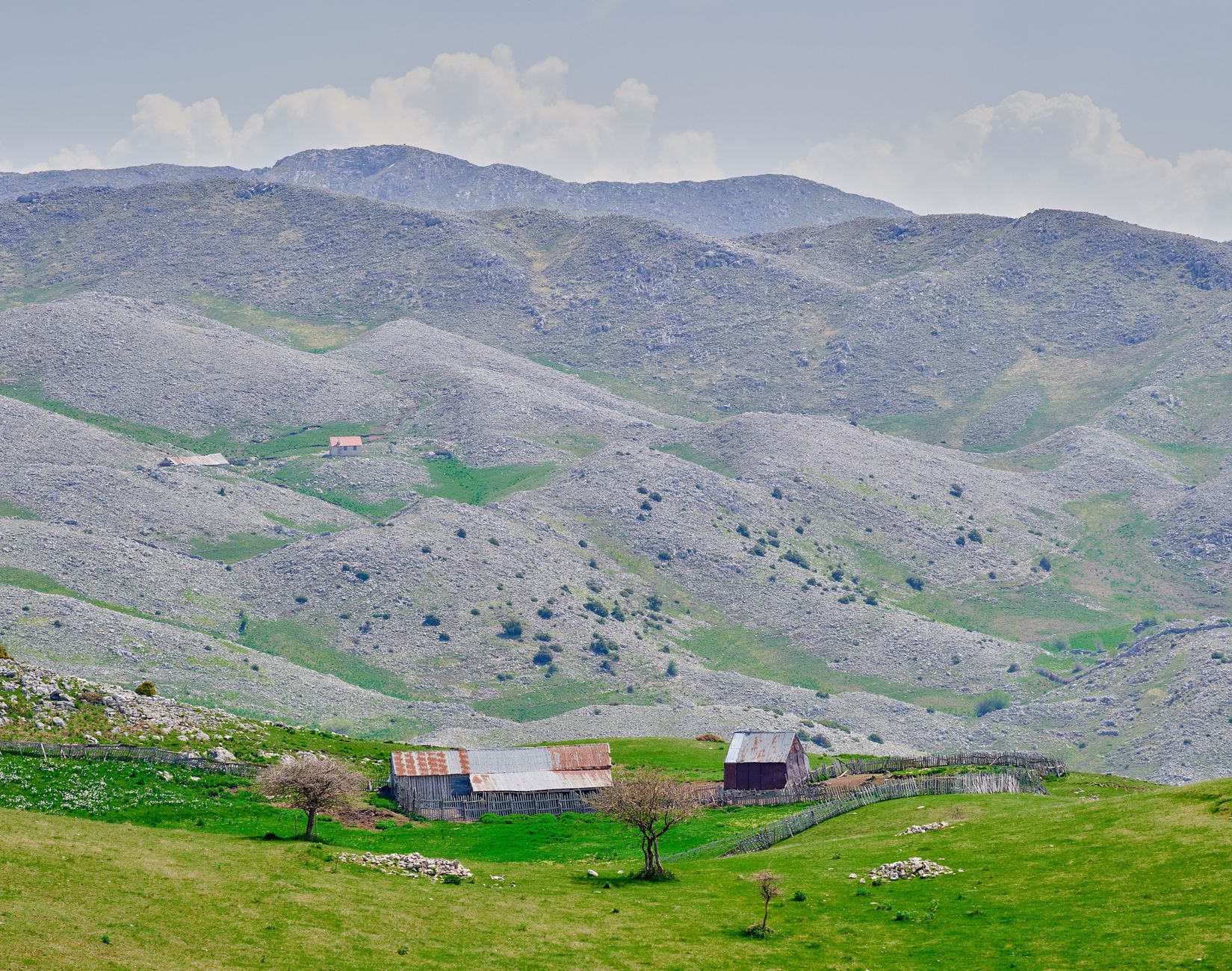
Butrint is open year-round, but the experience varies significantly depending on when you visit. The sweet spot for most travellers is the shoulder season: April through June and September through October. During these months the weather is warm but not oppressive, the vegetation is lush and green, and the crowds are manageable. Spring is particularly beautiful because wildflowers bloom throughout the park and the surrounding wetlands are alive with migratory birds. If you have any interest in birdwatching, spring at Butrint is an extraordinary experience, with the lagoon system hosting pelicans, cormorants, herons, and numerous other species.
July and August are the peak summer months when the Albanian Riviera fills with tourists from across Europe. Butrint does get busier during this period, though it never reaches the crushing crowds you might encounter at comparable sites in Italy or Greece. The main challenge in midsummer is the heat. Temperatures regularly exceed 35 degrees Celsius, and the park offers limited shade outside the forested hillside. If you visit in summer, start as early as possible, carry plenty of water, wear a hat, and plan to finish your exploration before noon.
Winter visits are possible and have their own quiet charm. The park is almost deserted between November and February, and the low-angle light can be beautiful for photography. However, some facilities may have reduced hours, the ferry crossing can be suspended in very bad weather, and the on-site museum may keep shorter opening times. Always check current conditions before making a winter trip. Autumn, particularly October, is arguably the finest month of all: the summer heat has broken, the crowds have thinned, and the trees around the ruins begin to turn golden.
- Best months: April, May, June, September, October
- Spring: wildflowers, excellent birdwatching, lush green landscape
- Summer: busier and very hot, arrive early and carry water
- Autumn: golden light, fewer crowds, comfortable temperatures
- Winter: atmospheric and quiet, but check facility hours in advance
Pack insect repellent regardless of when you visit. The lagoon and wetland environment means mosquitoes can be active, especially in the early morning and evening hours.
Practical Tips: Making the Most of Your Day at Butrint
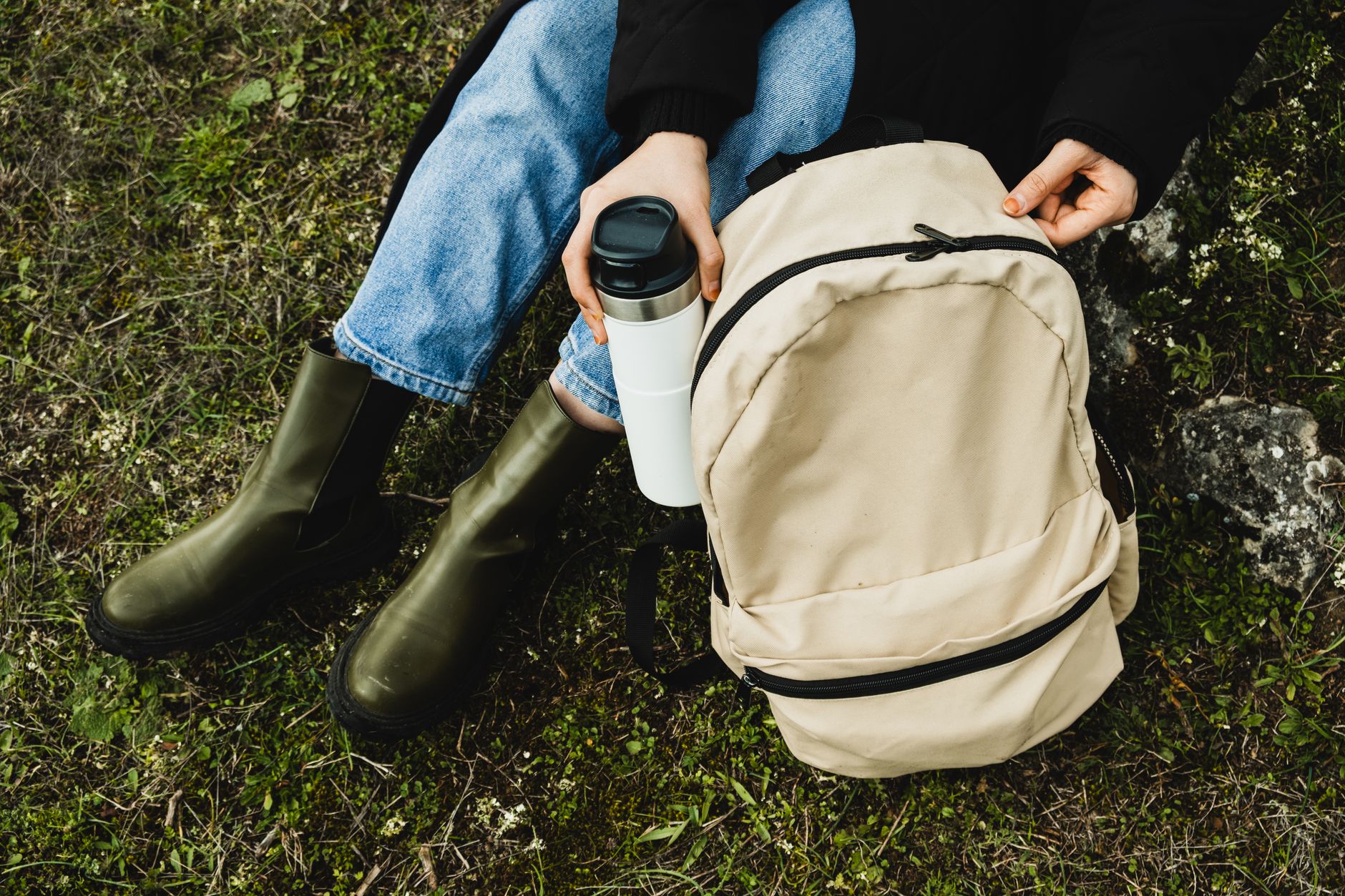
A little preparation goes a long way at Butrint, and the travellers who enjoy it most are those who arrive ready for a half-day of outdoor exploration. Wear comfortable walking shoes or light hiking sandals with good grip, as the paths through the park range from smooth stone to uneven rubble and tree roots. The terrain is generally manageable for most fitness levels, but the hillside sections do involve some gentle climbing. Lightweight, breathable clothing is ideal in warm months, and a light layer is useful in spring and autumn when morning temperatures can be cool.
Food and drink options inside the park are limited, so it is wise to bring your own snacks and a substantial supply of water, especially in summer. There is a small cafe near the entrance area, but do not rely on it for a full meal. Many visitors pack a picnic and find a shaded spot among the ruins for a memorable lunch. Saranda has plenty of bakeries and small shops where you can stock up before you leave in the morning.
Photography enthusiasts will want to bring a wide-angle lens to capture the theatre and the sweeping views from the fortifications, as well as a macro lens or close-up capability for the mosaic details. The dappled light filtering through the trees onto ancient stonework creates beautiful natural compositions throughout the day. Respectful behaviour around the ruins is essential: do not climb on walls, do not touch mosaics, and stay on marked paths. These structures have survived for thousands of years and deserve to survive thousands more.
Accessibility at Butrint
Butrint is primarily an outdoor archaeological site with natural terrain, which means accessibility for visitors with mobility challenges is limited in certain areas. The main pathways near the entrance and museum are relatively flat and manageable, but the hillside sections with the upper fortifications involve steps and uneven ground that may be difficult for wheelchair users or those with limited mobility. If you have specific accessibility needs, it is worth contacting the park administration in advance to understand which sections are most accessible and to plan your visit accordingly.
- Wear comfortable walking shoes with good grip for uneven terrain
- Bring your own water and snacks, especially in summer
- Allow 4 to 6 hours for a thorough visit including the museum
- Bring sun protection: hat, sunscreen, and sunglasses
- Photography is permitted throughout the park
- Stay on marked paths and do not touch or climb the ancient structures
- Check the park's current opening hours before your visit as they vary by season
Combine your Butrint visit with a stop at Ksamil beach on the return journey to Saranda. The turquoise water and small sandy coves make a perfect contrast to a morning spent among ancient stones, and the two experiences together make for one of the finest days you can have anywhere in Albania.
Combining Butrint with the Surrounding Region

One of the great pleasures of visiting Butrint is that it sits in one of the most beautiful corners of Albania, surrounded by other destinations that are equally worth your time. Ksamil, the small resort village about 12 kilometres north of the park, is famous for its string of tiny islands just offshore and its crystalline turquoise water. A morning at Butrint followed by an afternoon swimming at Ksamil is a combination that perfectly encapsulates what makes the Albanian Riviera so special: history and natural beauty in extraordinary proximity.
Saranda itself deserves more than just a night. The city has a lively promenade, good seafood restaurants, and its own archaeological site in the form of a large early Christian synagogue mosaic discovered in the city centre. The ruins of the ancient city of Phoenice are about 30 kilometres inland and offer another layer of Hellenistic history for those who cannot get enough of the ancient world. The Blue Eye spring, a mesmerising natural phenomenon where water bubbles up from the earth in an impossibly vivid shade of blue, is about 25 kilometres from Saranda and makes an excellent half-day excursion.
For those travelling along the Albanian Riviera, Butrint works beautifully as a southernmost anchor point. You can drive or take transport down from Himara or Gjirokastra, spend a day at Butrint and Ksamil, and then continue your journey northward along the coast. The proximity to Corfu also makes Butrint interesting for visitors coming from Greece, as the ferry crossing from Corfu to Saranda takes less than an hour and a half, opening up the possibility of a multi-day Albanian excursion from a Greek island base.
- Ksamil beach: 12 km north, perfect for swimming after a morning at the ruins
- Saranda city: lively promenade, seafood, ancient synagogue mosaic
- Phoenice ruins: 30 km inland, significant Hellenistic city worth visiting
- Blue Eye spring: 25 km from Saranda, stunning natural phenomenon
- Gjirokastra: UNESCO-listed Ottoman city, about 70 km from Butrint
- Corfu ferry connection: easy access from Greece for international visitors
If you are staying in the region for more than one night, consider spending two days: one focused on Butrint and Ksamil, and a second day exploring the Blue Eye spring and driving up through the mountain villages of the Albanian Riviera. The combination gives you a complete picture of what this extraordinary corner of Europe has to offer.
Butrint vs Other Major Albanian Historical Sites: A Quick Comparison
| Site | Location | Historical Period | UNESCO Status | Best For | Crowd Level |
|---|---|---|---|---|---|
| Butrint National Park | Saranda District, south Albania | Greek, Roman, Byzantine, Venetian | Yes, since 1992 | Ancient ruins, nature, archaeology | Low to moderate |
| Gjirokastra Old City | Gjirokastra, southeast Albania | Ottoman, 17th to 19th century | Yes, since 2005 | Ottoman architecture, castle, bazaar | Moderate |
| Berat Old City | Berat, central Albania | Byzantine, Ottoman, 13th to 19th century | Yes, since 2005 | Living heritage, castle, churches | Moderate |
| Apollonia Archaeological Park | Fier District, western Albania | Greek and Roman, 6th century BC onward | No | Greek ruins, museum, peaceful setting | Low |
| Durres Amphitheatre | Durres, western coast | Roman, 2nd century AD | No | Urban archaeology, city break add-on | Low to moderate |
Frequently Asked Questions
How much does it cost to enter Butrint National Park?
Entry fees are affordable by any standard and are payable at the park gate. Prices are set by the Albanian national parks authority and may be updated periodically, so it is worth checking current rates before you visit. As a rough guide, the fee has historically been in the range of a few hundred Albanian lek for adults, with reduced rates for children and students. The ferry crossing within the park is included in the entry ticket.
How long should I plan to spend at Butrint?
Most visitors find that four to six hours is the ideal amount of time to explore Butrint thoroughly. This allows you to visit the on-site museum, walk the main archaeological trail, see the theatre, baptistery, Lion Gate, and Venetian fortifications, and still have time to sit quietly and absorb the atmosphere. If you are a serious history enthusiast or photographer, you could easily spend a full day. If you are pressed for time, the absolute highlights can be seen in around two to three hours.
Is Butrint suitable for children?
Yes, Butrint is a great destination for families with children. The park feels like an adventure, with forested paths, a ferry crossing, and impressive stone structures to explore. Children who enjoy outdoor exploration will find plenty to engage with. The terrain is manageable for older children, though parents should supervise young children carefully around uneven ground and near the water. Bringing snacks and water is especially important when visiting with kids.
Can I visit Butrint as a day trip from Corfu?
Absolutely, and this is a popular option for visitors based on Corfu. The ferry from Corfu to Saranda takes approximately one hour and twenty minutes on the fast ferry, and services run multiple times daily during the tourist season. From Saranda you can take a taxi or furgon to Butrint. With an early ferry departure you can comfortably spend four to five hours at the park and return to Corfu the same evening. It is one of the most rewarding day trips available from the Greek island.
Is there anywhere to eat inside Butrint National Park?
There is a small cafe near the park entrance that serves drinks and basic snacks, but food options inside the park are very limited. It is strongly recommended that you bring your own food and water, particularly if you plan to spend a full day exploring. Saranda has numerous bakeries, supermarkets, and cafes where you can stock up before your visit. Some visitors bring a picnic and enjoy it in the shade of the ancient trees, which is a genuinely lovely way to spend a midday break.
Do I need a guide to visit Butrint, or can I explore independently?
You can absolutely explore Butrint independently and have a wonderful experience. The site map available at the entrance is helpful, and information panels are placed at key points throughout the park. However, hiring a local guide significantly enriches the experience, particularly if you have a strong interest in archaeology or history. Guides can point out details you would otherwise miss and bring the stories of each structure to life. Guides can be arranged through accommodation in Saranda or at the park entrance.
Plan your Albania adventure
Butrint National Park is the kind of place that stays with you long after you have left. It is not just a collection of old stones, though the stones themselves are extraordinary. It is a place where you can feel the full weight of human history pressing close around you, where every mosaic tile and carved lintel represents someone's life, ambition, and faith. In a world where ancient sites are increasingly fenced off, crowded, and commercialised, Butrint remains refreshingly genuine and accessible. You can still touch the texture of a Roman wall, still stand alone in a Greek theatre, still watch a heron fish in the same lagoon that Byzantine monks once looked out upon from their monastery windows.
Do not let the relative obscurity of Albania deter you. The country is safe, welcoming, and genuinely exciting for the curious traveller, and Butrint is its crown jewel. Whether you are planning a dedicated Albanian itinerary or simply adding a day trip from Corfu, make Butrint a non-negotiable part of your journey. Pack your walking shoes, fill your water bottle, and give yourself the gift of an unhurried morning among ruins that have outlasted every empire that ever claimed them. You will not regret a single step.