Best Places to Visit in Albania: Ultimate Guide


Imagine a country where the beaches rival those of Greece, the mountain scenery competes with the Swiss Alps, and the ancient history stretches back thousands of years — yet the crowds are nowhere to be found. That country is Albania, and it is quietly becoming one of the most exciting travel destinations in all of Europe. Tucked along the Adriatic and Ionian coasts in the heart of the Balkans, Albania offers an authenticity that feels increasingly rare in a world of over-touristed hotspots.
From the cobblestone streets of Berat and Gjirokaster to the electric energy of Tirana and the crystalline waters of Ksamil, Albania rewards curious travelers with experiences that are genuinely off the beaten path. The country has invested heavily in tourism infrastructure over the past decade, making it easier than ever to explore — without sacrificing that raw, unpolished charm that makes it so special. Whether you have five days or five weeks, you will leave Albania with memories that last a lifetime.
This ultimate guide walks you through the very best places to visit in Albania, giving you insider tips, practical advice, and honest descriptions of what each destination truly offers. Get ready to fall in love with a country that most travelers have barely even heard of.
Key Takeaways
| Top City | Tirana — vibrant capital with world-class food, art, and nightlife |
|---|---|
| Best Beach | Ksamil — turquoise waters and white sand near the Greek border |
| UNESCO Sites | Berat and Gjirokaster are both UNESCO World Heritage Cities |
| Best for Hiking | Valbona and Theth in the Albanian Alps offer stunning trekking routes |
| Hidden Gem | Himara — a quieter coastal town with dramatic clifftop views |
| Best Time to Visit | May to September for coast; June to August for mountains |
| Currency | Albanian Lek (ALL) — cash is still king in many areas |
Tirana: The Colorful Capital That Surprises Everyone

Most travelers treat Tirana as a quick stopover, but those who linger are richly rewarded. Albania's capital is a city of contrasts — communist-era bunkers sit beside contemporary art galleries, and crumbling Soviet-style apartment blocks are painted in vivid murals that explode with color. The city has undergone a remarkable transformation over the past two decades, and today it pulses with a creative energy that feels entirely its own.
Skanderbeg Square is the beating heart of the city and the perfect place to begin your exploration. Surrounded by the National History Museum, the Et'hem Bey Mosque, and the elegant Clock Tower, the square gives you an immediate sense of Albania's layered history. Spend a morning wandering the Blloku neighborhood, once an exclusive enclave reserved for communist party elites and now the city's trendiest district, filled with cafes, boutiques, and buzzing street life.
Tirana also punches well above its weight when it comes to food. The local culinary scene has blossomed in recent years, with restaurants serving everything from traditional Albanian dishes like tavë kosi (baked lamb with yogurt) to inventive modern cuisine. Do not leave without visiting the New Bazaar, a beautifully renovated market where you can sample local cheeses, olives, honey, and fresh produce while chatting with friendly vendors.
- Visit the National History Museum for a deep dive into Albanian history from Illyrian times to the present
- Climb the Pyramid of Tirana — a former Enver Hoxha memorial now repurposed as a cultural space
- Explore the Bunk'Art museums, housed in massive Cold War-era bunkers beneath the city
- Stroll Blloku in the evening when the outdoor cafe culture truly comes alive
- Take a day trip to Mount Dajti by cable car for panoramic views over the capital
Visit Tirana on a Sunday morning when Skanderbeg Square fills with locals enjoying their weekly stroll — it is one of the most authentic slices of Albanian daily life you will ever witness.
Berat: The City of a Thousand Windows

If you visit only one UNESCO World Heritage Site in Albania, make it Berat. Known as the City of a Thousand Windows for its distinctive Ottoman-era houses stacked dramatically up a hillside, Berat is one of the most visually arresting towns in the entire Balkans. The whitewashed buildings with their wide, arched windows seem to gaze down at the Osum River below, creating a scene that feels almost too picturesque to be real.
The town is divided into three distinct neighborhoods: Mangalem on the western bank, Gorica on the eastern bank, and the ancient Berat Castle crowning the hill above. The castle is not merely a ruin — it is a living neighborhood where families still reside among Byzantine churches, medieval towers, and archaeological remains. Walking through its gates feels like stepping back several centuries, and the views from the ramparts over the valley below are absolutely breathtaking.
Berat is also an excellent base for exploring the surrounding region. The nearby Osum Canyon offers dramatic gorge walks, while the village of Gorica across the old stone bridge provides a quieter, more residential perspective on local life. The town's wine culture is worth exploring too — the Berat region produces some of Albania's finest wines, particularly from the indigenous Shesh i Zi grape variety.
- Walk the steep lanes of Mangalem neighborhood and admire the iconic layered Ottoman architecture
- Visit the Onufri Museum inside the castle — home to remarkable 16th-century Byzantine icons
- Cross the historic stone bridge to Gorica for the best photographic views of Mangalem
- Take a guided tour of the castle district to uncover its hidden churches and ancient walls
- Try local byrek (savory pastry) and raki at one of the family-run restaurants in the old town
Arrive in Berat early in the morning or stay overnight to experience the town without the day-tripper crowds. The golden light at sunrise over the thousand windows is an unforgettable sight.
The Albanian Riviera: Sun, Sea, and Seclusion

Stretching along Albania's southern Ionian coastline from Vlora to Saranda, the Albanian Riviera is the country's crown jewel for beach lovers. This dramatic stretch of coastline features some of the clearest, most brilliantly colored water in the entire Mediterranean, backed by rugged mountains that plunge dramatically into the sea. Unlike the crowded shores of neighboring Greece or Croatia, many beaches here still feel wonderfully uncrowded, especially if you visit outside the peak summer months.
Ksamil is the undisputed star of the Albanian Riviera. Located just a few kilometers north of the Greek border and overlooking the Butrint lagoon, this small resort town boasts a cluster of tiny islands just offshore that you can easily swim or kayak to. The water here is an almost unbelievable shade of turquoise, and the sandy beaches are among the finest in the region. It gets busy in July and August, but even then it retains a relaxed, low-key atmosphere that the big Mediterranean resorts have long since lost.
Further north along the coast, the town of Himara offers a more authentic experience. Perched between the mountains and the sea, Himara has a strong Greek-Albanian cultural heritage and a beautiful old village above the modern town. The beaches around Himara — including Livadhi and Potami — are excellent, and the dramatic scenery of the surrounding mountains makes for a spectacular backdrop. The coastal road connecting all these towns, known as the Blue Eye Road, is itself one of the most scenic drives in Europe.
Saranda: Gateway to the Southern Coast
Saranda is the largest resort town on the Albanian Riviera and serves as the perfect base for exploring the southern coast. The town itself has a lively promenade lined with restaurants and cafes, and the harbor area buzzes with energy throughout the summer months. Day trips to Ksamil, Butrint, and the Blue Eye natural spring are all easily organized from here, making Saranda an ideal hub for a few days of coastal exploration.
- Swim at Ksamil Beach and take a boat or kayak to the small offshore islands
- Visit the ancient ruins of Butrint National Park — a UNESCO site just outside Ksamil
- Drive the scenic coastal road from Vlora to Saranda for jaw-dropping sea and mountain views
- Discover the Blue Eye (Syri i Kaltër) — a stunning natural spring near Saranda with impossibly blue water
- Explore the old village of Himara for authentic local life away from the beach crowds
If you visit in June or September rather than July and August, you will find the same gorgeous beaches with far fewer crowds and significantly lower accommodation prices.
Gjirokaster: The Stone City of the South

Gjirokaster is Albania's other UNESCO World Heritage City, and it could not be more different from Berat in character. Where Berat is gentle and romantic, Gjirokaster is stern and imposing — a fortress city built almost entirely of grey stone that clings to the slopes of the Drinos valley like something from a medieval epic. The massive castle that dominates the skyline houses a military museum, a collection of captured weapons, and even a US Air Force plane from the Cold War era, which gives you some sense of the city's dramatic history.
The old bazaar district below the castle is one of the best-preserved Ottoman bazaars in the Balkans. Walking its steep, cobblestone lanes past traditional stone houses with distinctive slate roofs feels genuinely timeless. Many of these houses are now open as museums, including the birthplace of Albania's most celebrated literary figure, Ismail Kadare, and the house where communist dictator Enver Hoxha was born — a juxtaposition that tells you everything about this complex city.
Gjirokaster is also a wonderful base for exploring the surrounding Dropull valley, home to a significant Greek minority community with its own distinct culture and traditions. The nearby village of Antigonea contains the ruins of an ancient Hellenistic city, while the village of Lazarat and the Gjirokastra region's farmland produce some of Albania's finest olive oil and citrus fruits.
- Explore the massive Gjirokaster Castle and its fascinating military museum
- Walk the old bazaar district and browse traditional crafts, copperware, and local textiles
- Visit the Skenduli House — one of the finest preserved Ottoman mansions in Albania
- Take a short drive to the Dropull valley to experience the region's Greek-Albanian cultural heritage
- Attend the Gjirokaster National Folklore Festival if your visit coincides with this celebrated event
Gjirokaster's stone streets are extremely steep and can be slippery — wear sturdy shoes with good grip, especially if there has been recent rain. The effort of climbing to the castle is absolutely worth it for the panoramic valley views.
The Albanian Alps: Valbona and Theth for Adventure Seekers
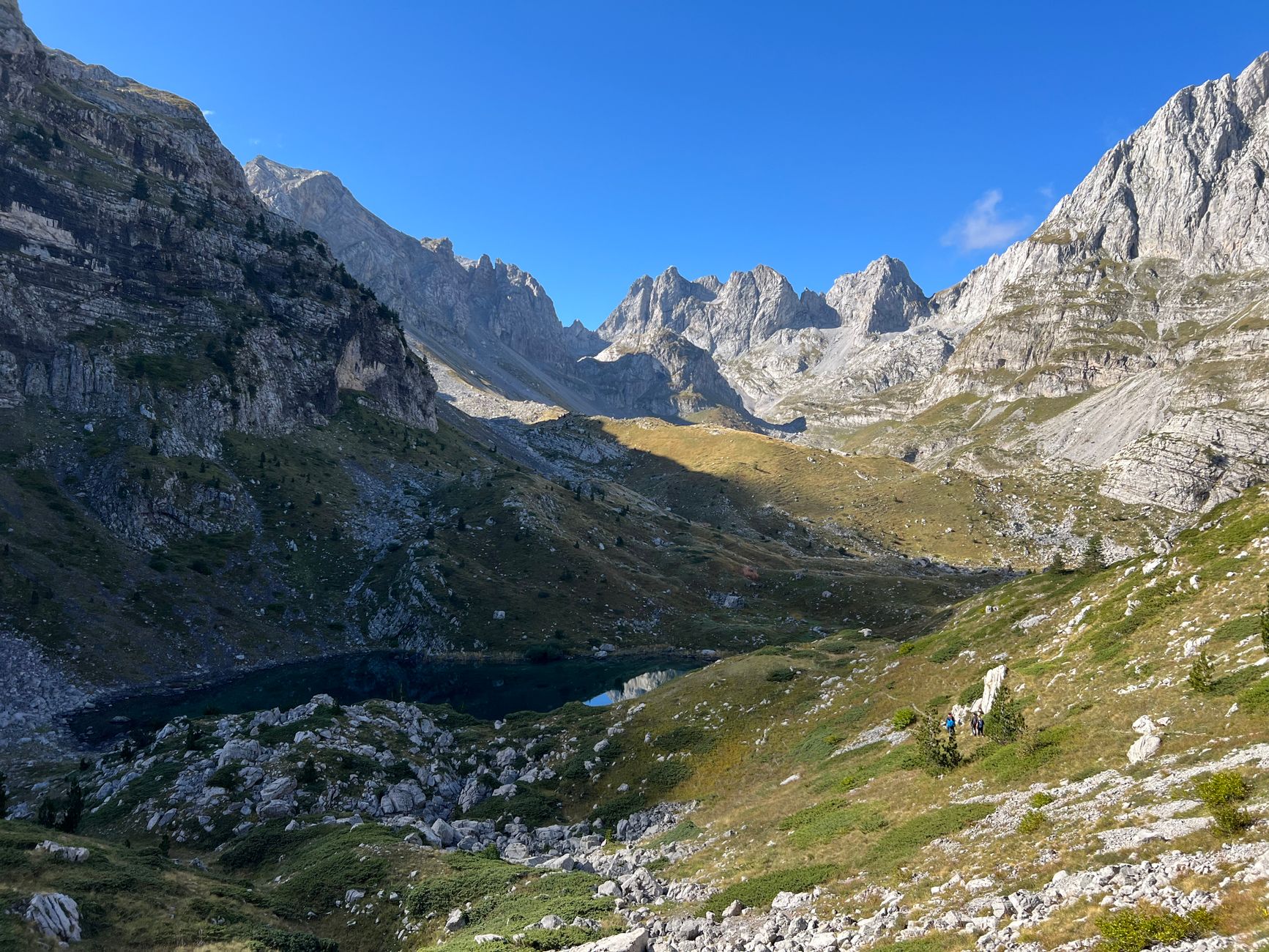
For travelers who crave dramatic mountain scenery and outdoor adventure, the Albanian Alps in the far north of the country are nothing short of extraordinary. This remote and rugged region, known locally as the Accursed Mountains or Bjeshkët e Namuna, contains some of the most spectacular alpine landscapes in Europe — and it remains remarkably undiscovered compared to the mountain ranges of Switzerland, Austria, or even Montenegro next door.
The two main gateway villages are Valbona and Theth, connected by one of Albania's most famous and rewarding hiking routes. The Valbona to Theth trek takes you through high mountain passes, past glacial lakes, and across rushing mountain streams, with views that will genuinely take your breath away. The hike typically takes six to eight hours and is considered moderate to challenging, but the sense of achievement at the end — combined with the hospitality of the guesthouse owners who await you — makes it one of the most memorable experiences in the Balkans.
Theth itself is a beautifully preserved traditional village surrounded by towering peaks. The village church, the historic Lock-In Tower (a refuge used in blood-feud disputes under the ancient Kanun law code), and the nearby Grunas waterfall are all worth exploring. The local guesthouses offer warm Albanian hospitality, home-cooked meals, and a window into a way of life that has changed very little over the centuries.
- Hike the iconic Valbona to Theth trail — one of the best day hikes in the entire Balkans
- Visit the Grunas Waterfall near Theth for a refreshing swim in crystal-clear mountain water
- Explore the Theth Lock-In Tower to learn about the fascinating and complex Kanun customary law
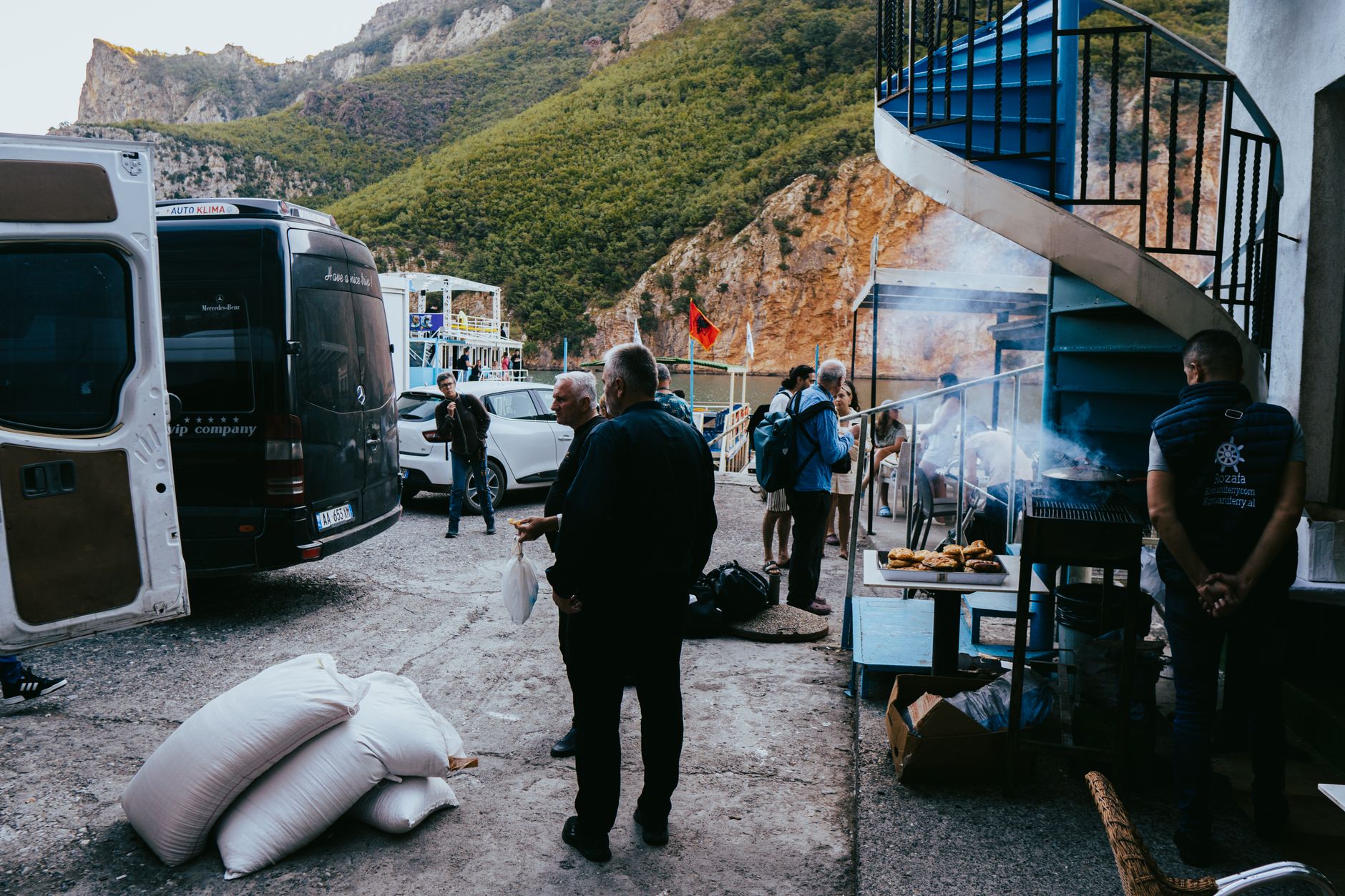
- Take a boat across Lake Koman — a stunning fjord-like reservoir that is one of Albania's most scenic journeys
- Stay in a traditional guesthouse in either Valbona or Theth for an authentic mountain hospitality experience
The best time to hike between Valbona and Theth is from June to September. Outside these months, snow can make the mountain passes dangerous. Book your guesthouse accommodation well in advance during July and August as rooms fill up fast.
Vlora and the Bay of Vlora: History Meets the Sea

Vlora holds a special place in Albanian hearts as the city where independence was declared in 1912, making it one of the most historically significant places in the country. Today it is a bustling port city and popular summer resort, sitting at the point where the Adriatic and Ionian Seas meet — a geographical distinction that gives the waters around Vlora an almost jewel-like quality of color and clarity.
The city's Independence Monument and the historic Muradiye Mosque are worth visiting for their historical significance, but most travelers come to Vlora for its beaches and its position as the northern gateway to the Albanian Riviera. The Lungomare promenade is a pleasant place to stroll in the evening, and the seafood restaurants along the waterfront serve some of the freshest fish you will find anywhere in Albania.
A short drive south of Vlora brings you to the Llogara Pass, one of the most dramatic mountain road experiences in Europe. The road climbs steeply through pine forests before cresting the pass at around 1,000 meters, where you are suddenly confronted with a sweeping panoramic view of the entire Albanian Riviera stretching out below you. From here, the road winds down through hairpin bends to the coast, passing the Llogara National Park — a wonderful area for hiking, picnicking, and wildlife spotting.
- Visit the Independence Museum to understand Vlora's pivotal role in Albanian national history
- Drive or take a taxi over the dramatic Llogara Pass for the most spectacular coastal views in Albania
- Explore Llogara National Park for hiking trails through ancient pine and fir forests
- Swim at Radhima Beach just north of Vlora — a long, sandy beach popular with locals
- Enjoy fresh seafood at one of the family-run restaurants along the Vlora waterfront
If you are driving the coastal road from Vlora southward, plan to stop at the Llogara Pass viewpoint in the late afternoon when the light is golden and the views over the Riviera are at their most dramatic.
Lake Ohrid and the Northeast: Albania's Quieter Side

While most travelers focus on the coast and the south, Albania's northeastern region offers a completely different and equally rewarding experience. The Albanian shore of Lake Ohrid — shared with North Macedonia — is one of the most serene and undervisited corners of the country. The lake itself is one of the oldest and deepest in Europe, with extraordinary biodiversity and crystal-clear waters that have earned it UNESCO recognition.
The town of Pogradec sits on the Albanian shore of Lake Ohrid and serves as the main base for exploring the area. It is a relaxed, unpretentious town with a pleasant lakeside promenade, good local restaurants specializing in fresh lake trout, and a friendly atmosphere that is entirely free of tourist hustle. The surrounding hills offer excellent walking opportunities, and the nearby village of Lin contains an important early Christian mosaic that is considered one of the finest in the Balkans.
Further north, the city of Korça is one of Albania's most cultured and historically significant towns. Known as the City of Serenades for its strong musical tradition, Korça has a beautiful old bazaar, an impressive Orthodox cathedral, and a lively cultural scene. The surrounding Korça region is also the heartland of Albanian wine production, and a visit to one of the local wineries offers a fascinating insight into a winemaking tradition that dates back thousands of years.
- Stroll the lakeside promenade in Pogradec and try fresh grilled trout at a local restaurant
- Visit the ancient mosaic in the village of Lin — a hidden gem of early Christian art
- Explore the old bazaar and Orthodox Cathedral in the culturally rich city of Korça
- Take a boat trip on Lake Ohrid to appreciate its extraordinary size and clarity
- Visit a local winery in the Korça region to sample indigenous Albanian grape varieties
Korça is particularly magical in winter when the city hosts one of Albania's best Christmas markets — a surprisingly festive and atmospheric event that draws visitors from across the country.
Best Places to Visit in Albania: Quick Comparison
| Destination | Best For | Ideal Duration | Best Season | Difficulty to Reach |
|---|---|---|---|---|
| Tirana | Culture, food, nightlife, history | 2-3 days | Year-round | Easy — international airport |
| Berat | UNESCO architecture, history, wine | 1-2 days | April to October | Easy — 2 hrs from Tirana |
| Ksamil and Riviera | Beaches, swimming, relaxation | 3-5 days | June to September | Moderate — scenic coastal road |
| Gjirokaster | History, Ottoman architecture, culture | 1-2 days | April to October | Moderate — 3 hrs from Tirana |
| Valbona and Theth | Hiking, mountains, adventure | 3-4 days | June to September | Challenging — remote mountain roads |
| Pogradec and Korça | Lake scenery, culture, wine | 2-3 days | May to October | Moderate — good road from Tirana |
Frequently Asked Questions
What is the best time of year to visit Albania?
The best time to visit Albania depends on what you want to do. For the Albanian Riviera and coastal destinations, June to September offers warm, sunny weather and calm seas, with July and August being the busiest months. For hiking in the Albanian Alps around Valbona and Theth, June to September is also ideal as mountain passes can be snow-covered outside these months. Tirana, Berat, and Gjirokaster can be visited comfortably from April through October, while Korça is charming even in winter.
Is Albania safe for tourists?
Albania is generally a very safe country for tourists. The Albanian people are renowned for their hospitality — the concept of besa, a sacred code of honor and guest protection, is deeply embedded in the culture. Petty crime exists as in any country, so standard precautions like keeping an eye on your belongings in crowded areas apply. The main safety consideration is road conditions, as some mountain roads can be narrow and poorly maintained. Always drive carefully and avoid mountain roads at night.
Do I need a visa to visit Albania?
Citizens of most European countries, the United States, Canada, Australia, and many other nations can enter Albania visa-free for stays of up to 90 days. Albania operates a seasonal open-borders policy during summer months that allows entry from neighboring countries without additional formalities for many nationalities. However, visa requirements can change, so always check the latest entry requirements with your country's official government travel advisory before your trip.
What currency is used in Albania and can I use cards?
Albania uses the Albanian Lek (ALL). While card payments are becoming more common in Tirana and larger tourist areas, cash is still essential in smaller towns, rural areas, mountain villages, and local markets. It is strongly recommended to carry a reasonable amount of cash, especially when heading to places like Theth, Valbona, or smaller villages along the Riviera. ATMs are widely available in cities and larger towns but can be scarce in remote areas.
How do I get around Albania?
Getting around Albania is easiest with a rental car, which gives you the freedom to explore at your own pace and reach more remote destinations like the Albanian Alps or hidden Riviera beaches. Furgons — shared minivans — connect most towns and villages and are cheap but can be infrequent. Buses serve the main routes between cities. Taxis and ride-sharing apps are widely available in Tirana. For the Lake Koman ferry and the Valbona to Theth hike, organized transportation is easily arranged through local guesthouses.
What Albanian food should I try?
Albanian cuisine is a wonderful blend of Mediterranean and Balkan flavors. Must-try dishes include tavë kosi (baked lamb with rice and yogurt), fërgesë (a rich dish of peppers, tomatoes, and cottage cheese), byrek (flaky savory pastry filled with cheese, spinach, or meat), and tave dheu (clay pot baked meat). Fresh seafood is excellent along the coast, and the local raki (fruit brandy) is a ubiquitous hospitality offering. Albanian honey, olive oil, and cheeses are also outstanding and make great edible souvenirs.
Plan your Albania adventure
Albania is one of those rare destinations that consistently exceeds expectations. From the electric streets of Tirana to the timeless stone lanes of Gjirokaster, from the crystalline waters of Ksamil to the soaring peaks of the Albanian Alps, this small Balkan nation packs an extraordinary diversity of experiences into a compact and easily navigable package. The warmth of the Albanian people, the richness of the history, the drama of the landscapes, and the sheer value for money all combine to make Albania one of the most rewarding travel destinations in Europe today. Every place on this list deserves your time, and the good news is that even a two-week trip can cover many of them.
The window to experience Albania before it fully enters the mainstream travel circuit is still open — but it will not stay open forever. Tourism is growing rapidly, and the secret is getting out. Now is the perfect moment to book your trip, pack your bags, and discover for yourself why travelers who visit Albania almost universally say the same thing: they wish they had come sooner. Your Albanian adventure is waiting — and it is going to be even better than you imagined.