Albania's UNESCO Sites: A Culture Lover's Itinerary

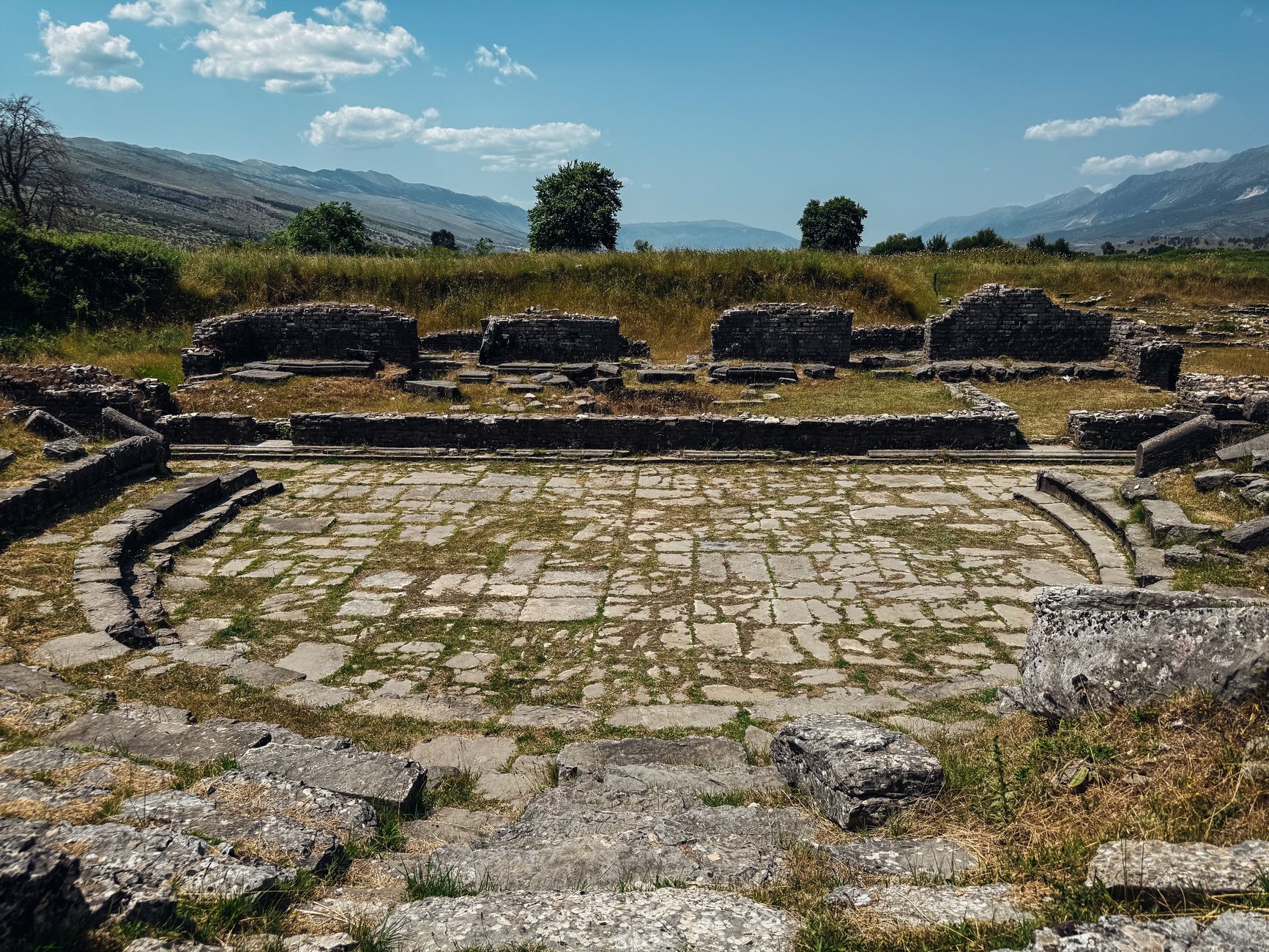
Albania is one of Europe's best-kept secrets, and nowhere is that more evident than in its extraordinary collection of UNESCO World Heritage Sites. While the rest of the continent crowds into the same well-worn tourist corridors, you can wander the cobblestone alleys of a 2,500-year-old city in near solitude, stand inside a perfectly preserved Ottoman tower house, or gaze across Greek and Roman ruins without another tour group in sight. Albania rewards the curious traveler in ways that few destinations still can.
This itinerary is designed specifically for culture lovers who want more than a quick photo stop. You will move through Albania's UNESCO-listed treasures at a pace that lets you absorb the layers of civilization stacked one on top of another across this small but historically dense country. From the Illyrian, Greek, Roman, Byzantine, and Ottoman empires to the mid-20th-century communist era, every site tells a story that is both uniquely Albanian and universally human. Whether you have five days or two weeks, this guide gives you the framework to plan an unforgettable cultural journey through one of Europe's most underrated destinations.
Key Takeaways
| Number of UNESCO Sites | Albania has 4 UNESCO World Heritage Sites, with several more on the tentative list |
|---|---|
| Best Time to Visit | April to June and September to October for mild weather and smaller crowds |
| Recommended Duration | 7 to 10 days to comfortably cover all major UNESCO sites |
| Base Cities | Berat, Gjirokaster, and Saranda make ideal overnight bases |
| Getting Around | Renting a car gives you the most flexibility between sites |
| Entry Fees | Most sites charge modest entry fees, usually between 200 and 700 Albanian lek |
Berat: The City of a Thousand Windows

Your cultural journey begins in Berat, a city so visually stunning that it earned UNESCO World Heritage status in 2008 alongside Gjirokaster. Berat is often called the City of a Thousand Windows for its distinctive Ottoman-era houses that cascade down the hillside, their large symmetrical windows staring out like watchful eyes over the Osum River below. Walking through the Mangalem quarter on the west bank, you feel as though time has slowed to a gentle, centuries-old rhythm.
The crown jewel of Berat is its castle, known locally as Kalaja, which sits dramatically on a rocky outcrop above the city. Unlike many medieval fortresses that stand empty, Berat's castle is a living neighborhood. Families still reside within its walls, and you can wander freely through its Byzantine churches, including the Church of the Holy Trinity and the Church of Saint Mary of Blachernae, which now houses the Onufri National Museum. Onufri was a celebrated 16th-century Albanian iconographer whose vibrant, richly colored religious paintings are considered masterpieces of Byzantine art.
Do not leave Berat without crossing the old stone bridge to explore the Gorica quarter, a quieter residential neighborhood that offers some of the best views of Mangalem's famous white facades. The city is compact enough to explore on foot, and every turn reveals a new courtyard, a crumbling minaret, or a vine-draped terrace where locals sip coffee in the afternoon sun.
How Long to Spend in Berat
Two full days in Berat is the sweet spot for most culture lovers. Day one covers the castle and Onufri Museum at a leisurely pace, while day two is ideal for exploring Mangalem and Gorica on foot, visiting the Ethnographic Museum, and taking a short drive to the nearby Gorica Bridge viewpoint. If you have more time, the surrounding Osum Canyon and the village of Bogova make excellent half-day excursions.
- Visit Onufri National Museum inside Berat Castle for world-class Byzantine iconography
- Stroll the Mangalem quarter early in the morning before day-trippers arrive
- Cross the old stone bridge to Gorica for the most iconic views of the city
- Explore the Church of Saint Mary of Blachernae, one of the oldest in the castle complex
- Check out the Ethnographic Museum housed in a beautifully restored 18th-century Ottoman home
Arrive in Berat at least one day before you plan to explore the castle. The late afternoon light on the white Ottoman houses is extraordinary and perfect for photography, and the castle at sunset is genuinely magical.
Gjirokaster: The Stone City of the South

From Berat, head south to Gjirokaster, a city that feels like it was carved directly from the mountain it sits on. Jointly inscribed with Berat on the UNESCO World Heritage List, Gjirokaster is a remarkable example of a well-preserved Ottoman town and is famous for its distinctive kule houses, multi-story stone tower homes built by wealthy Albanian beys during the 18th and 19th centuries. The entire old town is a living museum of vernacular architecture, and simply walking its steep slate-paved streets is an education in itself.
The imposing Gjirokaster Castle dominates the skyline and houses a surprisingly eclectic collection that includes a captured American military aircraft from the Cold War era, an armory, and sweeping panoramic views over the Drinos Valley. The castle is one of the largest in the Balkans and has roots stretching back to the 12th century, though much of what you see today dates from the Ottoman period. Every few years, the castle grounds host the National Folklore Festival, a spectacular celebration of Albanian music, dance, and costume that draws performers from across the country.
Gjirokaster is also the birthplace of two of Albania's most famous figures: the communist dictator Enver Hoxha and the Nobel Prize-nominated novelist Ismail Kadare. The Ethnographic Museum, housed in a beautifully preserved kule, offers an intimate look at how wealthy Albanian families lived in the 18th and 19th centuries, with original furnishings, textiles, and household items still in place.
Day Trips from Gjirokaster
Gjirokaster makes an excellent base for exploring the surrounding region. The ancient site of Antigonea, an Illyrian and later Hellenistic city just 20 kilometers away, is well worth a half-day visit. The Blue Eye spring, one of Albania's most mesmerizing natural phenomena, is also easily reachable from Gjirokaster and pairs perfectly with a cultural day focused on the nearby UNESCO-listed sites.
- Explore Gjirokaster Castle and its unusual Cold War aircraft exhibit
- Tour the Ethnographic Museum in a fully preserved kule tower house
- Walk the Palorto neighborhood for the finest concentration of stone mansions
- Visit the old bazaar area for local crafts, antiques, and traditional food
- Look for the Skenduli House, one of the best-preserved private kule homes open to visitors
Wear sturdy, flat-soled shoes in Gjirokaster. The old town's cobblestones are beautiful but notoriously slippery, especially after rain. Comfortable footwear will make your exploration much more enjoyable.
Butrint: Ancient Ruins in a Stunning Natural Setting
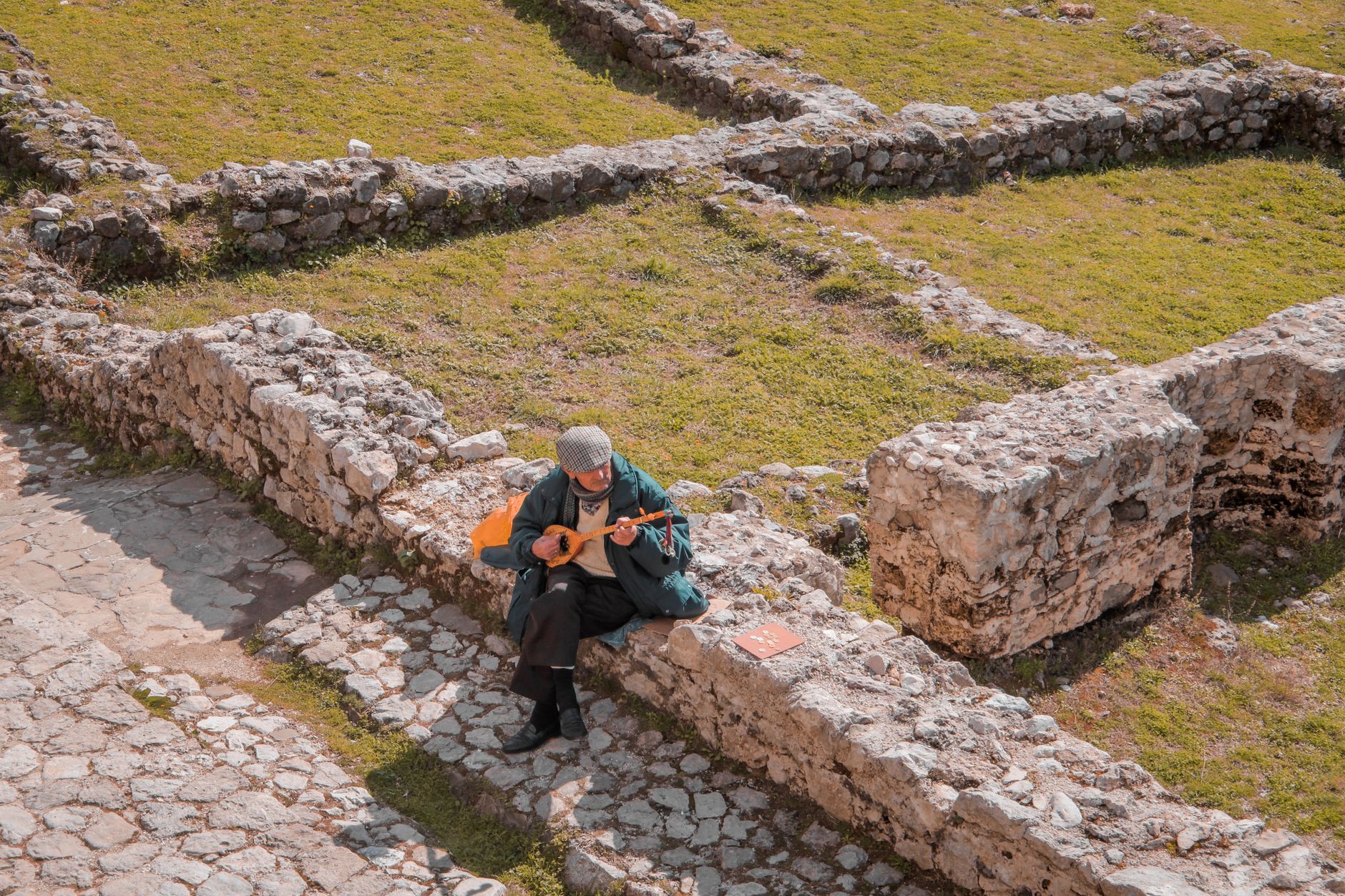
No culture lover's Albanian itinerary is complete without Butrint, one of the most important archaeological sites in the entire Mediterranean region. Located on a wooded peninsula in the Butrint National Park near the southern city of Saranda, this UNESCO World Heritage Site has been continuously inhabited for over 2,500 years. Greeks, Romans, Byzantines, Venetians, and Ottomans all left their mark here, and the result is an extraordinarily layered archaeological landscape that rewards slow, attentive exploration.
As you walk the well-maintained paths through Butrint, you move through time in a literal sense. The Greek theater, dating to the 4th century BC, is remarkably well-preserved and still evokes the drama and civic life of the ancient polis. Just steps away, you encounter a Roman baptistery adorned with one of the finest mosaic floors in the Balkans, its intricate geometric and animal motifs still vivid after 1,500 years. The Venetian tower that rises above the site offers a commanding view over the entire peninsula and the shimmering waters of Butrint Lake beyond.
The setting itself is part of Butrint's magic. The site is surrounded by lush subtropical vegetation, and the sounds of birdsong and rustling leaves accompany you as you wander among the ruins. Butrint National Park is also an important wetland ecosystem, home to rare birds, sea turtles, and otters. The combination of cultural heritage and natural beauty makes this one of the most atmospheric sites in all of Albania.
Staying Near Butrint
Saranda, just 18 kilometers from Butrint, is the most convenient base for visiting the site. The city has a wide range of accommodation options and a lively waterfront promenade. Alternatively, the village of Ksamil, even closer to Butrint, offers a quieter atmosphere and easy access to some of Albania's most beautiful beaches, making it ideal if you want to balance culture with relaxation.
- Explore the well-preserved Greek theater dating to the 4th century BC
- Admire the stunning mosaic floor inside the early Christian baptistery
- Climb the Venetian tower for panoramic views over the ruins and Butrint Lake
- Walk the full circuit of the site to see the Roman forum, baths, and city walls
- Combine your visit with a boat trip across the Vivari Channel for a different perspective
Arrive at Butrint when the gates open in the morning. The site is large, the paths are shaded, and early visitors often have entire sections completely to themselves. By midday, cruise-ship day-trippers from Corfu can make the site noticeably busier.
The Historic Centers: Understanding What UNESCO Protects

It is worth pausing to understand exactly what UNESCO has recognized in Albania and why these sites earned their prestigious designation. The Historic Centers of Berat and Gjirokaster were inscribed together because they represent outstanding examples of an architectural typology that developed in the Ottoman Balkans between the 17th and 19th centuries. Both cities demonstrate how different religious communities, including Muslims and Christians, coexisted within a shared urban framework, creating a multicultural urban heritage that is increasingly rare in the world.
Butrint was inscribed separately and for different reasons: it is considered an exceptional example of a site that illustrates the successive cultural and political changes of the Ionian and Adriatic regions across more than two millennia. The site's value lies not just in any single period but in the extraordinary continuity of human settlement and the legibility of that continuity in the physical remains.
Albania also has several sites on UNESCO's Tentative List, meaning they are under consideration for future inscription. These include the ancient city of Apollonia, the Ardenica Monastery complex, the Valbona-Thethi cultural landscape in the Albanian Alps, and the prehistoric cave paintings at Lepenica. Visiting these tentative sites alongside the confirmed UNESCO properties gives you a richer, more complete picture of Albania's extraordinary cultural depth and the ongoing work of preservation happening across the country.
- Berat and Gjirokaster are inscribed as a single UNESCO property recognizing Ottoman-era urban heritage
- Butrint is inscribed for its exceptional demonstration of 2,500 years of continuous civilization
- Albania's Tentative List includes Apollonia, Ardenica Monastery, and the Valbona-Thethi landscape
- UNESCO inscription brings international attention and funding for conservation efforts
- Local communities benefit from heritage tourism generated by UNESCO recognition
Download the UNESCO World Heritage app before your trip. It provides detailed information on each site, including maps and historical context that you can access offline, which is helpful in areas with limited mobile data coverage.
Beyond the List: Apollonia and Albania's Archaeological Riches
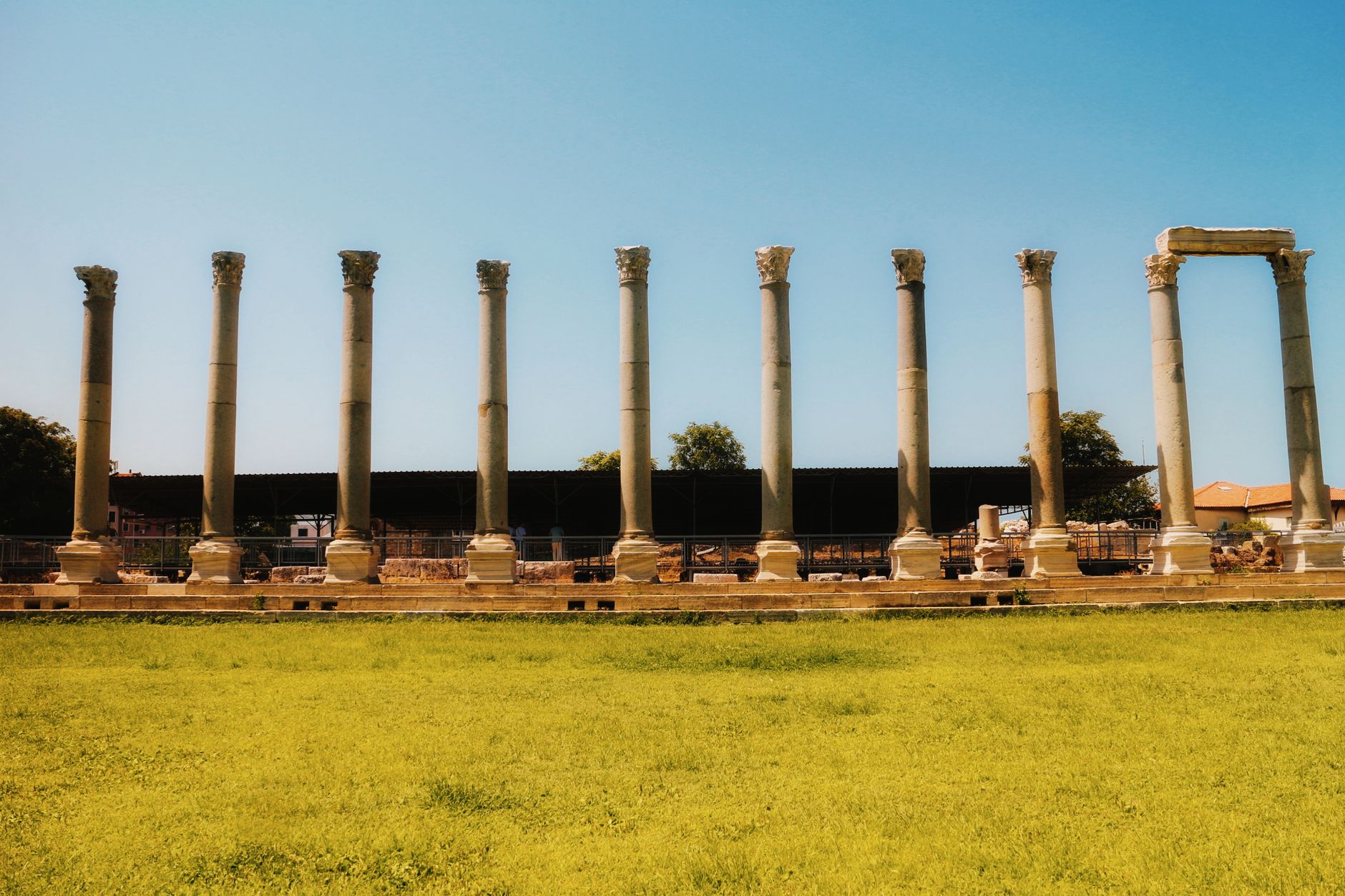
While not yet officially inscribed, the ancient city of Apollonia is arguably Albania's most impressive archaeological site and an essential stop on any serious cultural itinerary. Founded by Greek colonists in the 7th century BC, Apollonia grew into one of the most important cities in the ancient world, renowned as a center of learning and commerce. Julius Caesar praised it, and the future emperor Augustus studied rhetoric there. Today, the site spreads across a gentle hill near the modern town of Fier, and a visit feels like stepping into a world that most travelers never know exists.
The archaeological park at Apollonia is beautifully maintained and surprisingly uncrowded. You can walk among the remains of the bouleuterion, the city's council chamber, and examine the elegant portico that still stands with remarkable grace. The on-site museum houses an exceptional collection of sculptures, coins, and artifacts recovered from the site, and the setting, surrounded by olive groves and wildflowers in spring, is genuinely enchanting.
Pairing Apollonia with a visit to the nearby Ardenica Monastery, a stunning 13th-century Byzantine foundation perched on a hilltop above the Seman River valley, creates a deeply satisfying day that spans from ancient Greece through the medieval Byzantine world. These two sites together illustrate the kind of layered historical experience that makes Albania so rewarding for culture lovers willing to venture slightly off the beaten path.
Getting to Apollonia
Apollonia is located about 12 kilometers from the city of Fier in central Albania. A rental car is the most convenient way to reach the site, as public transport options are limited. From Berat, the drive takes approximately 45 minutes, making it a very manageable addition to your itinerary without requiring significant backtracking.
- Walk among the remarkably preserved ruins of the ancient Greek city of Apollonia
- Visit the on-site museum for an outstanding collection of Hellenistic and Roman artifacts
- Combine Apollonia with a visit to Ardenica Monastery for a full day of cultural exploration
- Look for the intact bouleuterion, one of the best-preserved ancient council chambers in the region
- Visit in spring when the surrounding olive groves and wildflowers are at their most beautiful
Apollonia is best visited as a half-day trip from Berat or as a stop on the drive between Tirana and Berat. The site can be covered thoroughly in about two to three hours, leaving time for the monastery and a leisurely lunch in a nearby village.
Practical Tips for Your UNESCO Albania Itinerary
Planning a multi-site cultural itinerary in Albania is genuinely rewarding, but a little logistical preparation goes a long way. The country's road network has improved significantly in recent years, and driving between the major UNESCO sites is straightforward on the main arteries. The route from Tirana south through Berat, then on to Gjirokaster, and finally to Saranda and Butrint follows a natural geographic arc that makes excellent travel sense. This south-to-north or north-to-south circuit can be completed comfortably in seven to ten days, giving you enough time at each site without feeling rushed.
Accommodation options have expanded considerably in recent years, particularly in Berat and Gjirokaster, where beautifully restored guesthouses in historic buildings offer an immersive experience that perfectly complements your cultural sightseeing. Staying inside the old town areas of these cities, rather than in modern hotels on the outskirts, adds enormously to the sense of living history that makes Albania so special. Many of these guesthouses are family-run and offer home-cooked Albanian meals that are a cultural experience in their own right.
Language is rarely a significant barrier for travelers in Albania's main tourist areas. English is widely spoken by younger Albanians, and you will find English-language signage at most UNESCO sites. That said, learning a few words of Albanian, such as faleminderit for thank you and mirupafshim for goodbye, is always appreciated by locals and opens doors to warmer interactions throughout your journey.
Best Time of Year to Visit
April through June and September through October are the ideal months for a UNESCO cultural tour of Albania. The weather is warm but not oppressive, the light is beautiful for photography, and the crowds are manageable. July and August bring intense heat, especially in the south near Butrint and Gjirokaster, which can make extended outdoor archaeological exploration uncomfortable. Winter visits are possible and offer a wonderfully atmospheric, crowd-free experience in the stone cities, though some smaller sites may have reduced hours.
- Rent a car for maximum flexibility between sites; roads are generally good on main routes
- Book guesthouses in historic old town areas for the most immersive cultural experience
- Carry cash in Albanian lek as many smaller sites and guesthouses do not accept cards
- Visit sites on weekday mornings to avoid weekend crowds and tour groups
- Purchase a combined ticket where available to save money at multi-venue sites
- Allow buffer days in your itinerary for unexpected discoveries and spontaneous detours
Download offline maps of Albania before you arrive. Mobile data can be unreliable in some rural areas between sites, and having offline navigation saves significant stress when you are driving mountain roads between Gjirokaster and Saranda.
Albania's UNESCO and Key Cultural Sites at a Glance
| Site | UNESCO Status | Best For | Recommended Time | Nearest Base |
|---|---|---|---|---|
| Berat Historic Center | Inscribed 2008 | Ottoman architecture, Byzantine art, castle exploration | 2 full days | Berat city center |
| Gjirokaster Historic Center | Inscribed 2008 | Stone tower houses, castle, folklore history | 2 full days | Gjirokaster old town |
| Butrint Archaeological Site | Inscribed 1992 | Ancient Greek, Roman, and Byzantine ruins | 1 full day | Saranda or Ksamil |
| Apollonia | Tentative List | Hellenistic ruins, ancient Greek history, museum | Half to full day | Fier or Berat |
| Ardenica Monastery | Tentative List | Byzantine architecture, hilltop views, religious art | 2 to 3 hours | Fier or Lushnje |
| Valbona-Thethi Landscape | Tentative List | Cultural landscape, traditional villages, mountain scenery | 2 to 3 days | Shkoder or Bajram Curri |
Frequently Asked Questions
How many UNESCO World Heritage Sites does Albania have?
Albania currently has four UNESCO World Heritage Sites: the Historic Centers of Berat and Gjirokaster, which are inscribed together as a single property, and the ancient city of Butrint. Albania also has several sites on UNESCO's Tentative List, including Apollonia, Ardenica Monastery, and the Valbona-Thethi cultural landscape, which are under consideration for future inscription.
Is it possible to visit all of Albania's UNESCO sites in one trip?
Absolutely. Because Albania is a relatively small country, you can visit all three UNESCO-inscribed properties, Berat, Gjirokaster, and Butrint, in a single trip of seven to ten days. Adding the key tentative-list sites like Apollonia and Ardenica extends the trip slightly but is very manageable. A rental car makes connecting these sites much easier and more efficient.
Do I need a guide to visit Albania's UNESCO sites?
You do not strictly need a guide, as all major sites have English-language signage and informational panels. However, hiring a local guide, especially at Butrint and Berat Castle, significantly enriches the experience. Local guides provide historical context, personal stories, and insider knowledge that you simply cannot get from a sign. Many guesthouses in Berat and Gjirokaster can arrange reputable local guides at reasonable rates.
Are Albania's UNESCO sites accessible for visitors with mobility limitations?
Accessibility varies considerably between sites. Butrint has relatively flat, well-maintained paths that are reasonably accessible. Berat and Gjirokaster, however, involve steep cobblestone streets and uneven terrain that can be challenging for visitors with mobility limitations. Berat Castle in particular requires a significant uphill walk. It is advisable to contact individual sites in advance if you have specific accessibility needs.
What is the entry fee for Albania's UNESCO sites?
Entry fees at Albanian UNESCO sites are very affordable by European standards. Berat Castle and its museums typically charge between 200 and 500 lek per person. Gjirokaster Castle charges a similar amount. Butrint National Park has a slightly higher entry fee, usually around 700 lek for foreign visitors, which includes access to the archaeological site and museum. Fees are subject to change, so it is worth checking current prices locally upon arrival.
Can I visit Albania's UNESCO sites as a solo traveler?
Albania is an excellent destination for solo travelers, and its UNESCO sites are very welcoming to independent visitors. The country has a strong tradition of hospitality, and solo travelers consistently report feeling safe and warmly received. The old town guesthouses in Berat and Gjirokaster are particularly well-suited to solo travel, offering a social atmosphere and owners who are happy to share local knowledge and recommendations.
Plan your Albania adventure
Albania's UNESCO World Heritage Sites offer something genuinely rare in modern travel: the chance to stand inside living history without the barriers, the crowds, or the commercialization that often diminish the experience elsewhere in Europe. Whether you are gazing up at Berat's cascade of white Ottoman houses, running your fingers along the ancient stones of Butrint's theater, or listening to the wind move through Gjirokaster's narrow alleys, you will feel a connection to the human past that is both humbling and exhilarating. This is what travel at its best can be, and Albania delivers it with a generosity and authenticity that will stay with you long after you return home.
So start planning, book your flights, and give yourself the gift of Albania's extraordinary cultural heritage. Whether you are a seasoned history enthusiast or simply someone who loves beautiful, meaningful places, this country will exceed every expectation. The stone cities are waiting, the ancient ruins are standing, and the story of one of Europe's oldest civilizations is ready to be discovered by you.