10 Albanian Dishes Every First-Time Visitor Must Try

When most travelers think of European food destinations, Albania rarely tops the list. That is a mistake you will not make twice. The moment you sit down at a family-run restaurant in Berat, tear into a piece of freshly baked byrek, or sip a bowl of tave kosi straight from a clay pot, you understand that Albanian cuisine is something genuinely extraordinary. It is rustic yet refined, deeply rooted in centuries of Ottoman, Mediterranean, and Illyrian influence, and almost entirely free of the tourist-trap blandness you find elsewhere.
Albania's food culture is inseparable from its legendary concept of hospitality, known locally as besa. Hosts will insist you eat more, try this, and taste that, and you will happily oblige. The ingredients are hyper-local, the recipes are handed down through generations, and the flavors are bold without being aggressive. Whether you are wandering the cobblestone alleys of Gjirokaster, relaxing on the Albanian Riviera, or exploring the buzzing capital Tirana, extraordinary food is always within arm's reach.
This guide is your definitive starting point. We have narrowed down the vast and wonderful world of Albanian cooking to the 10 dishes every first-time visitor absolutely must try. We will tell you what each dish is, why it matters, where you are most likely to find the best version of it, and what to expect when it arrives at your table. Get ready to eat your way through one of Europe's most underrated culinary landscapes.
Key Takeaways
| Cuisine Style | Mediterranean-Balkan fusion with Ottoman influences |
|---|---|
| Must-Try Dish | Tave Kosi, Albania's beloved national baked lamb dish |
| Best Food Region | Southern Albania, especially Gjirokaster and Berat |
| Dietary Note | Many dishes are naturally gluten-free or vegetarian-friendly |
| Meal Culture | Long, social meals with multiple shared dishes are the norm |
| Budget | Eating well in Albania is very affordable compared to Western Europe |
Tave Kosi: The Dish That Defines Albania
If you only eat one Albanian dish during your entire visit, make it tave kosi. This is the undisputed national dish, and for good reason. At its core, tave kosi is a baked casserole of tender lamb and rice smothered in a rich, tangy yogurt and egg sauce that caramelizes beautifully in the oven. The result is a dish that is simultaneously creamy, savory, and faintly sour, with a golden crust on top that you will want to scrape clean.
The dish originates from the city of Elbasan in central Albania, where it has been prepared for centuries. You will find it on menus across the entire country, but locals will tell you that the version in Elbasan is the one you need to benchmark everything else against. It is typically served piping hot in the same clay or ceramic dish it was baked in, which keeps it warm throughout your meal.
Tave kosi is the perfect introduction to Albanian cooking philosophy: simple, high-quality ingredients treated with patience and care. The yogurt used is thick and full-fat, the lamb is slow-cooked until it falls apart, and the rice absorbs every drop of those combined juices. Order it for lunch, when restaurants are most likely to have a freshly baked batch straight from the oven.
- Made with lamb, rice, eggs, and thick Albanian yogurt
- Baked in clay pots for authentic flavor and presentation
- Best sampled in Elbasan, its city of origin
- Often served as a main course with crusty bread on the side
- Vegetarian versions with just yogurt and egg exist but are less common
Ask your server if the tave kosi is freshly baked that day. A dish that has been reheated loses much of its magic. Arrive for lunch between noon and 1 PM for the best chance of getting it fresh out of the oven.
Byrek: Albania's Beloved Flaky Pastry

Walk through any Albanian town in the morning and you will smell byrek before you see it. This savory pastry is made from thin, hand-stretched phyllo dough layered with fillings and baked until golden and shatteringly crisp. It is breakfast, it is a snack, it is street food, and it is comfort food all rolled into one flaky package. No visit to Albania is complete without stopping at a byrek shop, known as a byrektore, and ordering a slice with a glass of cold ayran.
The most traditional filling is a mixture of spinach and white cheese, but you will also find versions stuffed with minced meat, leeks, tomatoes, or plain cheese. Each region of Albania has its own preferred style. In the south, the layers tend to be thinner and the pastry more delicate. In the north, it is often heartier and more generously filled. Some shops roll the byrek into a spiral, while others bake it flat in large rectangular trays.
What makes Albanian byrek stand out from similar pastries across the Balkans is the quality of the local ingredients. The gjize, a fresh white cheese similar to ricotta but tangier, is made locally and adds a brightness that lifts the whole dish. The spinach is often freshly wilted, not frozen, and the dough is stretched by hand each morning. Eating byrek in Albania is not just eating a pastry. It is participating in a daily ritual that has remained virtually unchanged for generations.
- Available at dedicated byrektore shops throughout the country
- Most popular fillings are spinach-cheese, meat, and leek
- Best eaten fresh and hot, straight from the oven
- Pairs perfectly with ayran, a cold salted yogurt drink
- Very affordable, usually costing less than one euro per slice
Head to a byrektore before 9 AM for the freshest pastry. Most shops sell out of their best fillings by mid-morning, and nothing beats a slice that has been out of the oven for less than ten minutes.
Fergese: Tirana's Signature Pepper and Cheese Stew
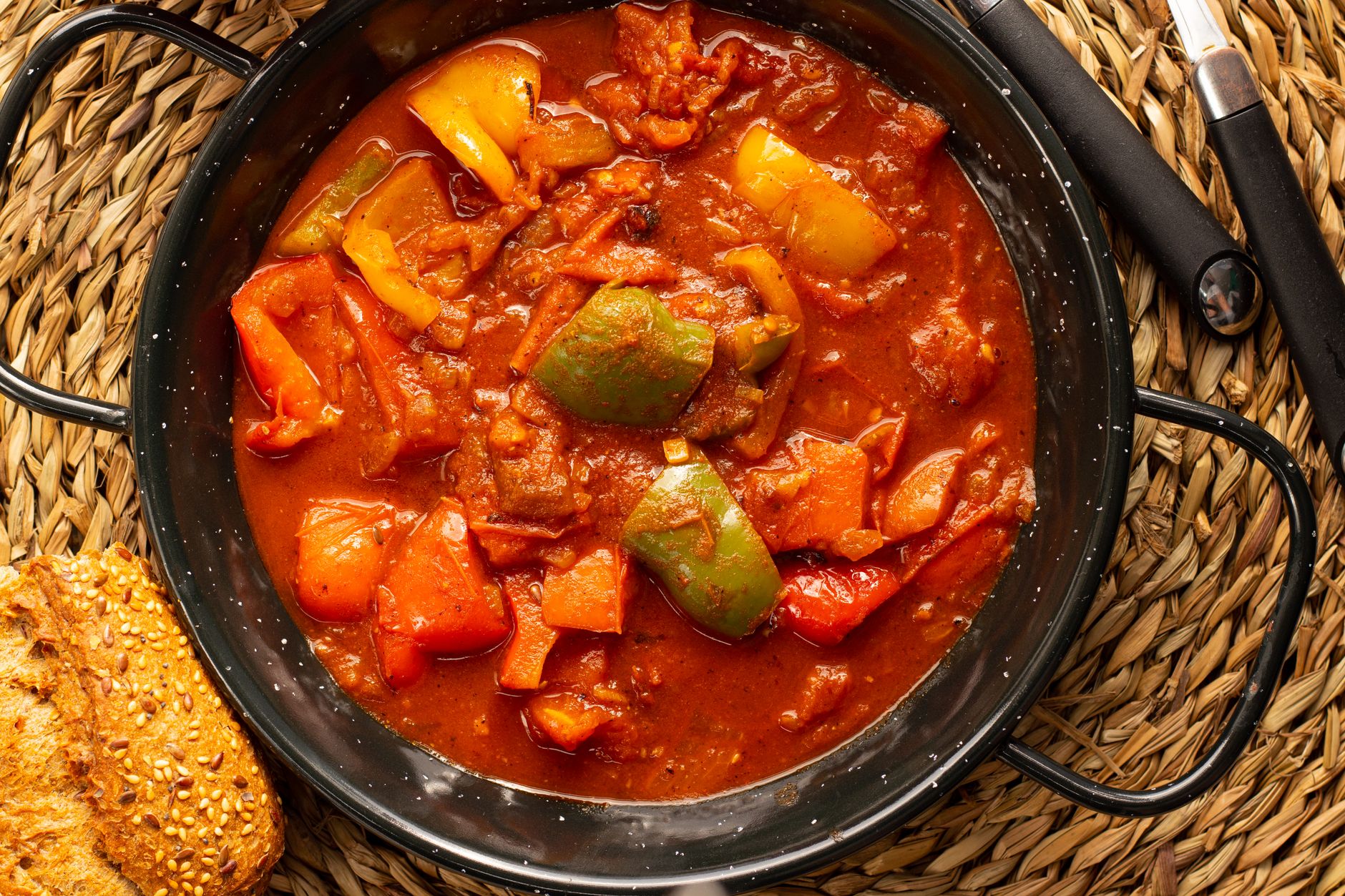
Fergese is Tirana's gift to Albanian cuisine, and once you try it, you will understand why the capital is so proud of it. This thick, bubbling stew is made from roasted red peppers, tomatoes, and gjize cheese, all cooked down together in a clay pot with olive oil until the flavors meld into something deeply savory and slightly smoky. It is traditionally served as an appetizer or side dish with bread for dipping, but it is so satisfying that you could easily make a meal of it.
The key to a great fergese is patience. The peppers need to be properly roasted and peeled so their smoky sweetness can fully develop. The cheese should melt into the sauce rather than sit on top of it, creating a creamy, unified texture throughout. Many restaurants add a small amount of offal, typically liver or tripe, to the classic recipe, which gives the dish extra depth and a slightly richer flavor. If you prefer to keep it vegetarian, simply ask for the version without meat.
You will find fergese on almost every traditional Albanian restaurant menu in Tirana, but it also appears throughout the country under slightly different names and preparations. In some regions, it is made with green peppers instead of red, giving it a sharper, more bitter edge. In coastal areas, you might encounter versions that incorporate local seafood. Regardless of the variation, the spirit of the dish remains the same: simple vegetables and cheese transformed by slow cooking into something greater than the sum of their parts.
- A Tirana specialty made with roasted peppers, tomatoes, and white cheese
- Served in a clay pot, still bubbling, with fresh bread
- Can be made with or without offal depending on preference
- Excellent as a starter or shared side dish for the table
- The smoky flavor comes from properly charred and peeled peppers
Order fergese as a starter to share while you wait for your main course. It arrives quickly, stays hot in its clay pot, and sets the tone beautifully for the rest of the meal.
Qofte and Grilled Meats: The Heart of Albanian BBQ Culture
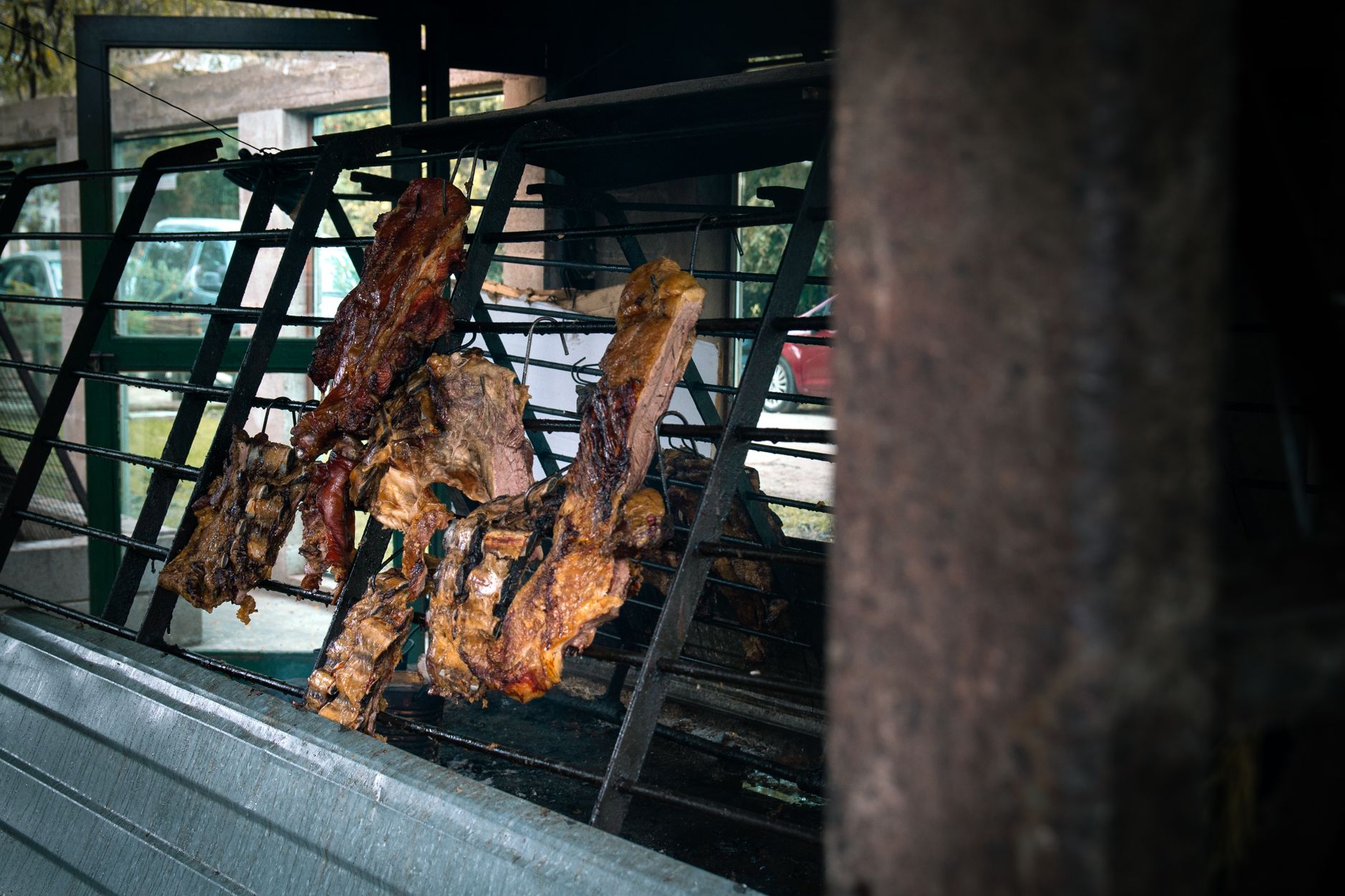
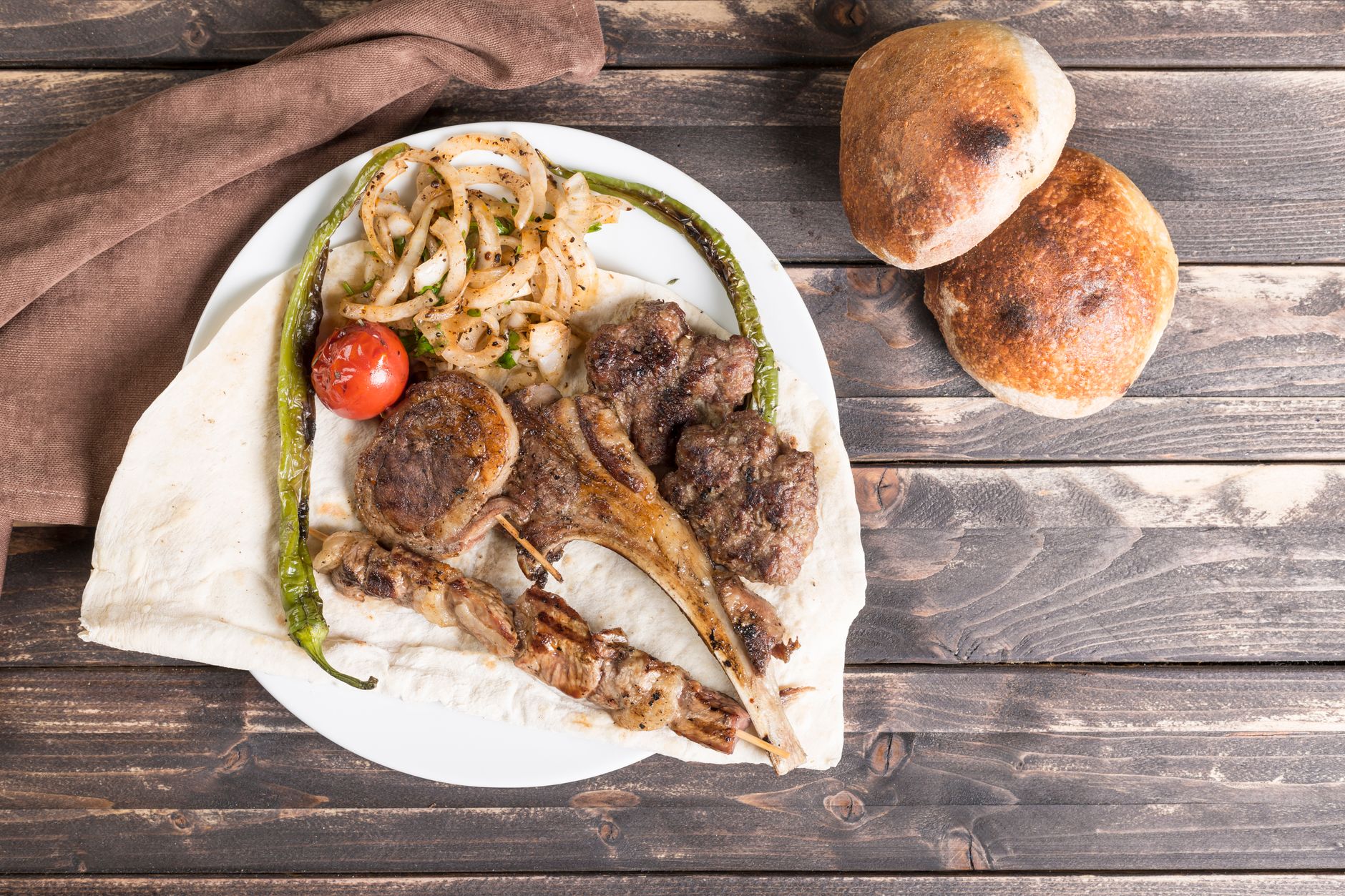
Albanians take their grilled meat seriously, and qofte are the crown jewel of the local BBQ tradition. These are elongated meatballs, typically made from a mixture of minced lamb and beef seasoned with onion, garlic, fresh herbs, and sometimes a touch of dried chili. They are shaped by hand, pressed onto skewers or formed into cylinders, and cooked over wood or charcoal until they develop a beautiful char on the outside while remaining juicy and aromatic inside.
You will encounter qofte at roadside grills, at family restaurants, at village festivals, and at elaborate wedding feasts. They are democratic food in the best possible sense. A plate of qofte usually arrives with a generous side of raw onion rings, fresh tomato slices, a squeeze of lemon, and a stack of soft flatbread. You assemble each bite yourself, and the combination of smoky meat, sharp onion, and bright acid is deeply satisfying.
Beyond qofte, the broader culture of Albanian grilled meat is worth exploring. Shish qebap, skewers of marinated lamb or chicken, are another staple. Whole roasted lamb on a spit, known as qengji ne hell, is the centerpiece of every major celebration and is sometimes available at larger restaurants on weekends. If you are visiting during a local festival or national holiday, seek out the communal grills where families cook together. The experience of eating freshly grilled meat outdoors with strangers who quickly become friends is one of the defining pleasures of traveling in Albania.
- Qofte are seasoned minced meat cylinders cooked over charcoal
- Typically served with raw onion, tomato, lemon, and flatbread
- Lamb and beef mixtures are most common; pure lamb is considered premium
- Roadside grills often produce the most authentic and affordable versions
- Whole spit-roasted lamb is a weekend and festival specialty worth seeking out
Look for restaurants with a visible charcoal grill near the entrance. The smell of real wood smoke is your best indicator that the qofte will be exceptional. Gas-grilled versions exist but simply do not compare.
Flia, Petulla, and Traditional Breads: Dough-Based Delights

Albania has a rich tradition of dough-based dishes that go far beyond byrek, and two of the most distinctive are flia and petulla. Flia is a layered crepe-like dish from the northern highlands, made by cooking thin rounds of batter one layer at a time over an open fire using a special domed lid called a sac. The result is a thick, slightly chewy stack of crepes that is served with sour cream, honey, or fresh cheese. It takes hours to make properly, which is why it is considered a dish of celebration and hospitality.
Petulla, on the other hand, is much more accessible and equally delicious. These are simple fried dough fritters, crispy on the outside and pillowy inside, served warm with powdered sugar, honey, or salty white cheese. They are the Albanian equivalent of a doughnut, but less sweet and more versatile. You will find petulla at breakfast tables, at village markets, and at street food stalls throughout the country. Children love them, adults love them, and you will love them too.
Traditional Albanian bread, baked in wood-fired ovens or under the sac, is also worth seeking out. In rural areas, you may be offered homemade corn bread or wheat bread that has a density and flavor you simply cannot replicate in a modern oven. These breads are not just accompaniments. They are dishes in their own right, meant to be eaten with olive oil, fresh cheese, or a smear of homemade ajvar, the roasted red pepper spread that appears on tables across the Balkans.
- Flia is a layered crepe dish cooked slowly over fire, a northern Albanian specialty
- Petulla are fried dough fritters served sweet or savory
- Traditional wood-fired bread has a depth of flavor impossible to replicate commercially
- All three are best experienced in rural guesthouses or village homes
- Flia is often made for guests as a sign of deep respect and hospitality
If you are staying in a rural guesthouse or agritourism property, ask your host if they can prepare flia for you. Many hosts are delighted by the request and will prepare it the traditional way over an open fire, turning breakfast into an unforgettable cultural experience.
Seafood and Coastal Specialties: Flavors of the Albanian Riviera

Albania's coastline stretches along both the Adriatic and Ionian seas, and the seafood traditions that have developed along these shores are outstanding. The Albanian Riviera in the south, with towns like Himara, Dhermi, and Saranda, offers some of the freshest and most simply prepared seafood you will find anywhere in the Mediterranean. The philosophy here is the same as it is across the country: let the ingredients speak for themselves.
Grilled sea bass and sea bream, known locally as levrek and cipura, are the undisputed stars of the coastal menu. They are typically cleaned, seasoned with nothing more than olive oil, lemon, garlic, and fresh herbs, and cooked whole over charcoal. The flesh is sweet, firm, and utterly delicious. Alongside these, you will find grilled octopus, fried calamari, mussels steamed in white wine, and shrimp cooked in garlic butter. Every coastal restaurant worth its salt has a daily catch, and you should always ask what came in that morning.
One dish that deserves special mention is tavë deti, a baked seafood casserole similar in concept to tave kosi but made with mixed fish and shellfish instead of lamb. It is less common than its meat-based cousin but deeply rewarding when you find it. The combination of fresh seafood, olive oil, tomatoes, and herbs baked slowly together creates a sauce of remarkable complexity. Pair any of these coastal dishes with a glass of local white wine from the Berat or Permet region and you have the makings of a perfect Albanian evening.
- Whole grilled sea bass and sea bream are the flagship coastal dishes
- Octopus, calamari, and mussels are widely available along the Riviera
- Tave deti is a baked mixed seafood casserole worth seeking out
- Always ask for the daily catch to ensure maximum freshness
- Local Albanian white wines pair beautifully with all seafood dishes
Avoid ordering seafood at restaurants more than a few kilometers inland unless you are confident in their supply chain. Along the coast, even the most modest-looking taverna will serve fish that was swimming in the sea that same morning.
Sweets, Desserts, and the Perfect Albanian Coffee

No exploration of Albanian food is complete without indulging in the country's sweets and coffee culture. Albanian desserts show clear Ottoman influence, with baklava, trilece, and sheqerpare all featuring prominently on menus and in pastry shop windows. Baklava here is made with layers of thin pastry, crushed walnuts or pistachios, and a fragrant sugar syrup infused with lemon and sometimes rose water. It is intensely sweet, deeply satisfying, and best eaten in small portions with a strong coffee alongside.
Trilece, a three-milk cake soaked in a mixture of whole milk, condensed milk, and cream, has become enormously popular in Albania in recent years. It is light, creamy, and not overly sweet, making it an excellent choice if you find traditional baklava too rich. Sheqerpare are soft semolina cookies soaked in syrup, similar in concept to Greek loukoumades, and they are a wonderful afternoon snack with tea.
Albanian coffee culture deserves its own paragraph. The country runs on espresso, and the quality of coffee you will find even in the smallest mountain town is genuinely impressive. Albanian cafes, known as kafene, are social institutions where hours pass pleasantly over tiny cups of strong, perfectly pulled espresso. Macchiato is the most popular order among locals, and you should follow their lead. If you prefer something longer, ask for a cafe me qumesht, which is a simple espresso with hot milk. Turkish coffee is also widely available and is the traditional choice in many rural areas and older establishments.
- Baklava with walnuts and lemon syrup is the classic Albanian sweet
- Trilece is a lighter, modern favorite made with three types of milk
- Sheqerpare are syrup-soaked semolina cookies perfect with afternoon tea
- Albanian espresso is outstanding even in remote villages
- Macchiato is the most popular coffee order among locals
Pair your afternoon sweet with a macchiato at a street-side cafe and take your time watching Albanian daily life unfold around you. This is not just eating. It is the single best way to feel like a local, even on your very first day in the country.
Quick Guide to the 10 Must-Try Albanian Dishes
| Dish | Main Ingredients | Best Region to Try | Meal Type | Vegetarian Option |
|---|---|---|---|---|
| Tave Kosi | Lamb, yogurt, rice, eggs | Elbasan | Lunch or dinner main | No |
| Byrek | Phyllo dough, spinach, white cheese | Nationwide | Breakfast or snack | Yes |
| Fergese | Roasted peppers, tomatoes, gjize cheese | Tirana | Starter or side dish | Yes (without offal) |
| Qofte | Minced lamb and beef, herbs, onion | Nationwide | Lunch or dinner main | No |
| Flia | Layered crepe batter, sour cream, honey | Northern Albania | Breakfast or celebration dish | Yes |
| Petulla | Fried dough, sugar or cheese | Nationwide | Breakfast or snack | Yes |
| Grilled Sea Bass | Whole fish, olive oil, lemon, herbs | Albanian Riviera | Lunch or dinner main | No |
| Tave Deti | Mixed seafood, tomatoes, olive oil, herbs | Coastal towns | Lunch or dinner main | No |
| Baklava | Phyllo pastry, walnuts, sugar syrup | Nationwide | Dessert or afternoon snack | Yes |
| Trilece | Eggs, flour, three types of milk | Tirana and cities | Dessert | Yes |
Frequently Asked Questions
Is Albanian food spicy?
Albanian food is generally not spicy in the way that chili-heavy cuisines are. The flavors are bold and aromatic, relying on fresh herbs, garlic, olive oil, and yogurt rather than heat. You may encounter mild dried chili in some meat dishes, but nothing that would challenge someone with a low spice tolerance. If you enjoy subtle, layered flavors built from quality ingredients, Albanian cuisine will suit you perfectly.
Are there good vegetarian options in Albanian cuisine?
Yes, more than many visitors expect. Byrek with spinach and cheese, fergese without offal, petulla, flia, various vegetable stews, and an abundance of fresh salads mean that vegetarians eat very well in Albania. The country has a strong tradition of fasting dishes rooted in Orthodox Christian practice, which has produced a wide range of naturally meat-free recipes. In larger cities like Tirana, dedicated vegetarian and vegan restaurants are also becoming more common.
Where is the best place in Albania to eat traditional food?
Southern Albania, particularly the cities of Berat and Gjirokaster, is widely considered the heartland of traditional Albanian cuisine. Both are UNESCO World Heritage cities with well-preserved old towns full of family-run restaurants serving recipes that have changed little in centuries. That said, every region has its own specialties worth seeking out. The coast excels in seafood, the north in hearty mountain dishes like flia and roasted lamb, and Tirana offers the broadest range of options in a single city.
How much does it cost to eat well in Albania?
Albania is one of the most affordable countries in Europe for food. A full traditional meal with a starter, main course, dessert, and drinks at a good restaurant will typically cost between 10 and 20 euros per person. Street food like byrek and petulla costs less than one euro per portion. Even at upscale restaurants in Tirana or along the Riviera, you are unlikely to spend more than 30 euros per person for an exceptional meal with wine.
What should I drink with Albanian food?
Albanian wine is genuinely excellent and criminally underrated. The indigenous grape varieties, particularly Shesh i Zi for reds and Shesh i Bardhe for whites, produce wines with a distinctive character that pairs beautifully with local food. Local beer is light and refreshing, perfect with grilled meats. Rakia, a fruit brandy usually made from grapes or plums, is the traditional spirit and is offered as a welcome drink at many restaurants and guesthouses. For non-alcoholic options, ayran (cold salted yogurt drink) and boza (a fermented grain drink) are both worth trying.
Can I find Albanian food outside of restaurants, such as at markets?
Absolutely. Albanian markets, known as tregu, are wonderful places to sample local food culture. You will find vendors selling freshly made byrek, roasted corn, seasonal fruits, local cheeses, olives marinated in herbs, and homemade preserves. The Pazari i Ri market in Tirana is a particularly good starting point, combining a traditional covered market with modern food stalls and cafes. In smaller towns, the weekly market day is a social event and a fantastic opportunity to taste hyperlocal specialties you will not find in any restaurant.
Plan your Albania adventure
Albanian cuisine is one of the great undiscovered pleasures of European travel, and you now have everything you need to dive in with confidence. From the creamy warmth of tave kosi to the crispy layers of a fresh byrek, from the smoky perfection of charcoal-grilled qofte to the delicate sweetness of a perfectly made baklava, every dish on this list represents a chapter in Albania's rich and generous food story. Do not just tick these dishes off a list. Linger over them, ask your server about the recipe, let the flavors surprise you, and say yes when your host insists you have one more portion.
The best meals you will have in Albania will probably not be in a famous restaurant or a trendy city bistro. They will be at a wooden table in someone's courtyard, or at a plastic chair beside a roadside grill, or at a marble cafe counter with an espresso you did not want to finish because it was too good to rush. That is the real gift of Albanian food culture: it reminds you that eating is not just sustenance, it is connection. Pack your appetite, bring your curiosity, and let Albania feed you well.