Albania in Winter: The Ultimate Skiing Guide

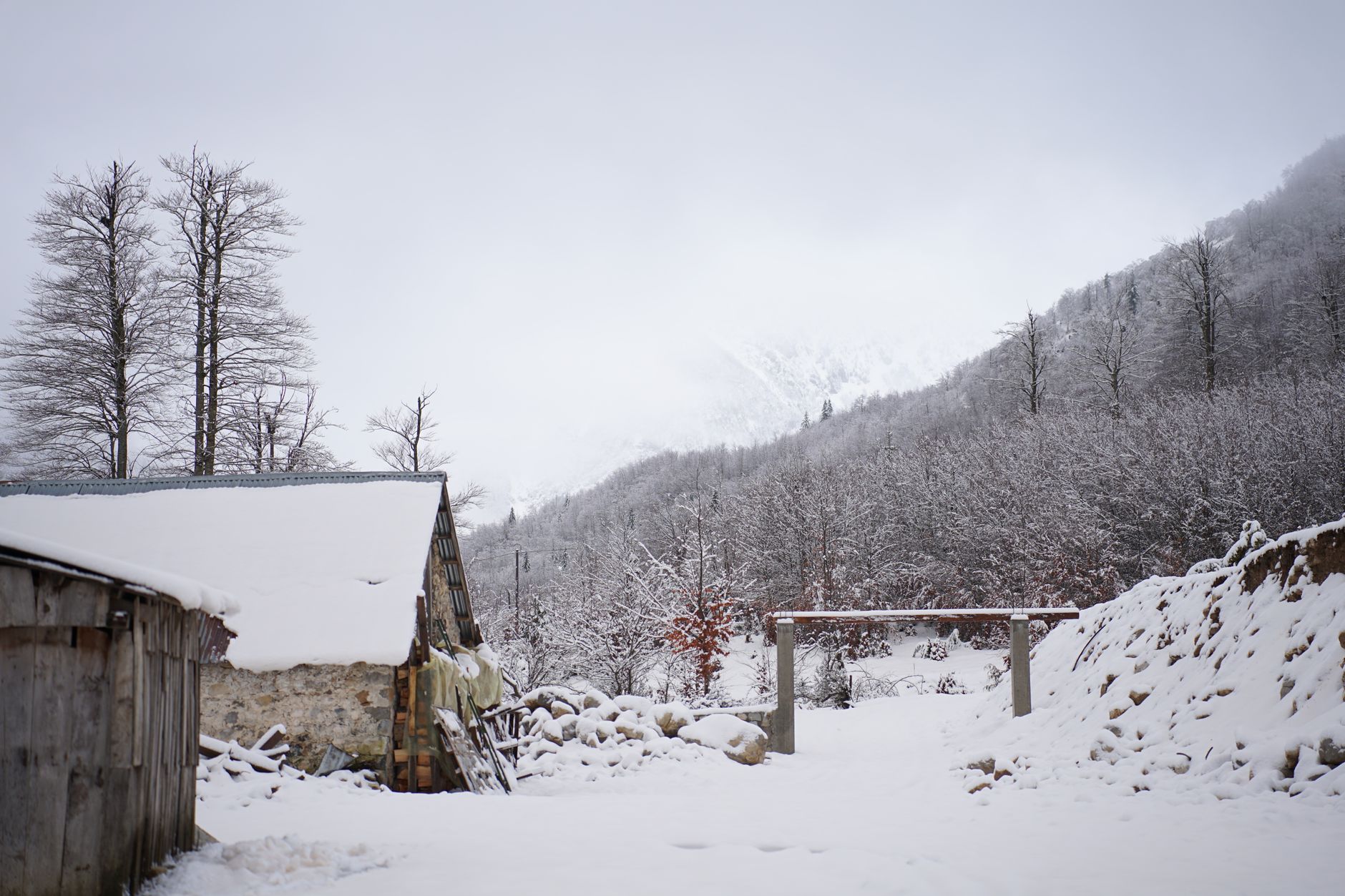
When most people think of European skiing, their minds jump straight to the Alps of Switzerland, Austria, or France. But tucked away in the southwestern corner of the Balkans, Albania has been quietly building a reputation as one of the most exciting and affordable winter destinations on the continent. The country's rugged mountain ranges, including the Albanian Alps in the north and the peaks of the Korça region in the southeast, receive generous snowfall each winter and offer conditions that rival far more famous destinations at a fraction of the price.
Skiing in Albania is not just about the slopes. It is about waking up in a stone guesthouse with frost on the windows, sipping strong mountain coffee before a day on the piste, and sharing a table with locals who are genuinely delighted you made the journey. The infrastructure has improved dramatically over the past decade, yet the resorts have retained a raw, authentic character that mass-market ski destinations lost long ago. If you are looking for an adventure that combines adrenaline, culture, and outstanding value for money, Albania in winter deserves a serious spot on your radar.
Key Takeaways
| Best Ski Resorts | Valbona, Dardha, Voskopoja, and Shelcan are the top destinations for skiing in Albania |
|---|---|
| Peak Season | December through March offers the most reliable snow cover across Albanian mountain resorts |
| Average Lift Pass Cost | Lift passes in Albania typically cost between 10 and 20 euros per day, far below Western European rates |
| Skill Level | Albania caters to beginners and intermediate skiers, with some off-piste terrain for advanced riders |
| Getting There | Tirana is the main entry point; resorts are reachable by car or shared furgon minibus from the capital |
| Currency | Albanian Lek (ALL); most mountain guesthouses and ski hire shops prefer cash |
Why Albania Should Be Your Next Ski Destination
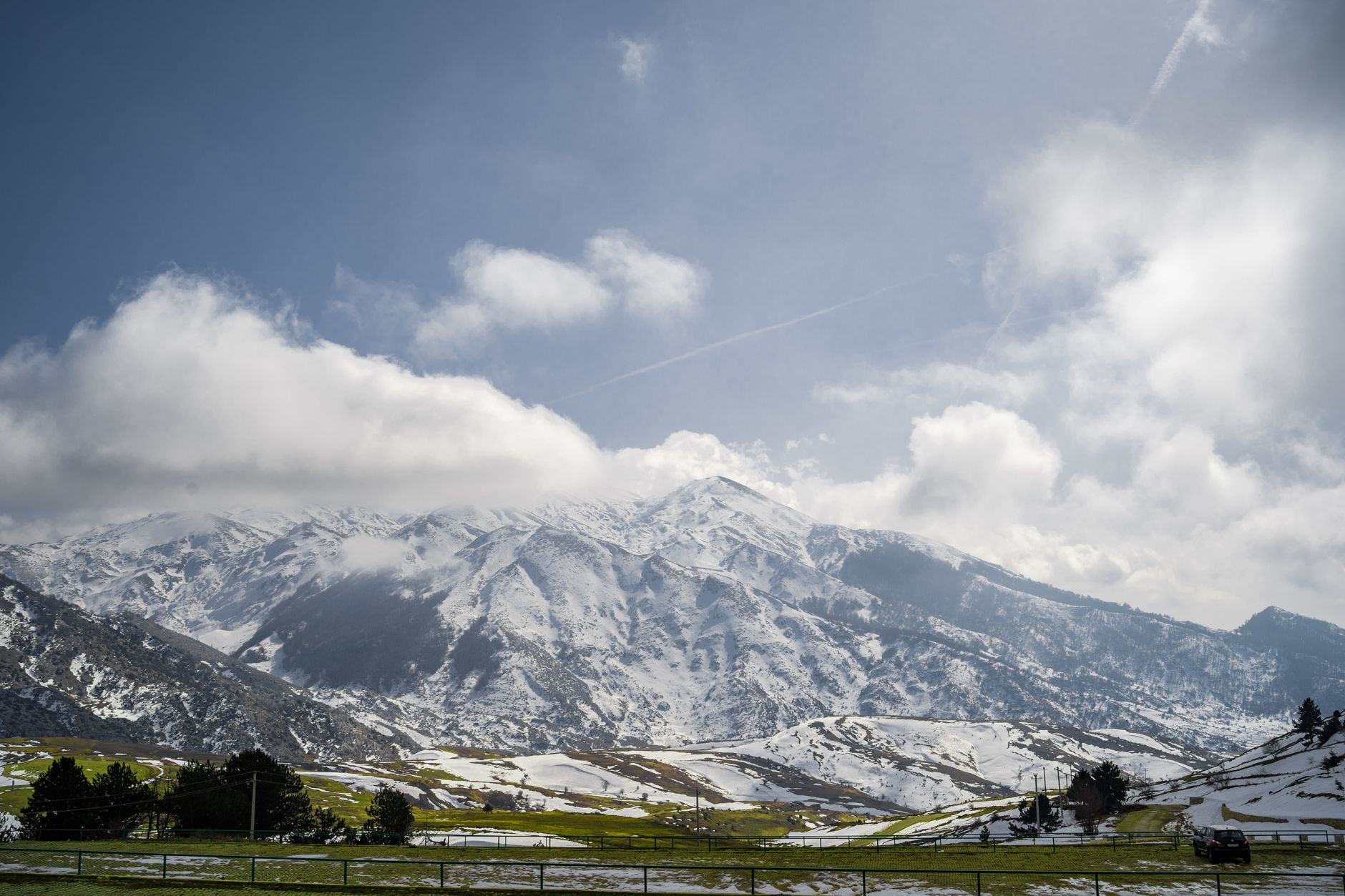
Albania's mountains are among the most dramatic in the Balkans, with peaks regularly exceeding 2,500 metres above sea level. The Accursed Mountains, known locally as the Bjeshkët e Namuna, form a spine of jagged ridges along the northern border that transforms into a winter wonderland from late November onwards. Further south, the highlands around Korça and Voskopoja offer a gentler, more rolling landscape that is perfect for families and beginners who want to ease into the sport.
What truly sets Albania apart from its European competitors is the combination of value and authenticity. A full day of skiing, including lift pass, equipment hire, and a hearty lunch of roasted lamb and fresh bread, can cost you less than 30 euros. That is not a typo. While ski towns in the Alps charge premium prices for everything from parking to a cup of hot chocolate, Albania's resorts operate on a community scale where guesthouse owners double as ski instructors and the après-ski scene means gathering around a wood-burning stove with new friends.
Albania is also genuinely uncrowded. Even on the busiest weekends in January, you will rarely find yourself queuing for a lift. The slopes feel personal, almost private, and that sense of space is something money simply cannot buy at Verbier or Chamonix. For the adventurous traveller who values experience over Instagram aesthetics, Albania delivers in every possible way.
- Lift passes cost 10 to 20 euros per day on average
- Ski hire is widely available at all major resorts for under 15 euros per day
- No long lift queues even during peak season
- Authentic local food and accommodation at mountain guesthouses
- Stunning scenery with minimal commercial development
- Accessible from Tirana in two to four hours by road
Visit in January or February for the deepest snow and the most reliable conditions. December can be hit or miss, especially at lower elevations.
The Top Ski Resorts in Albania
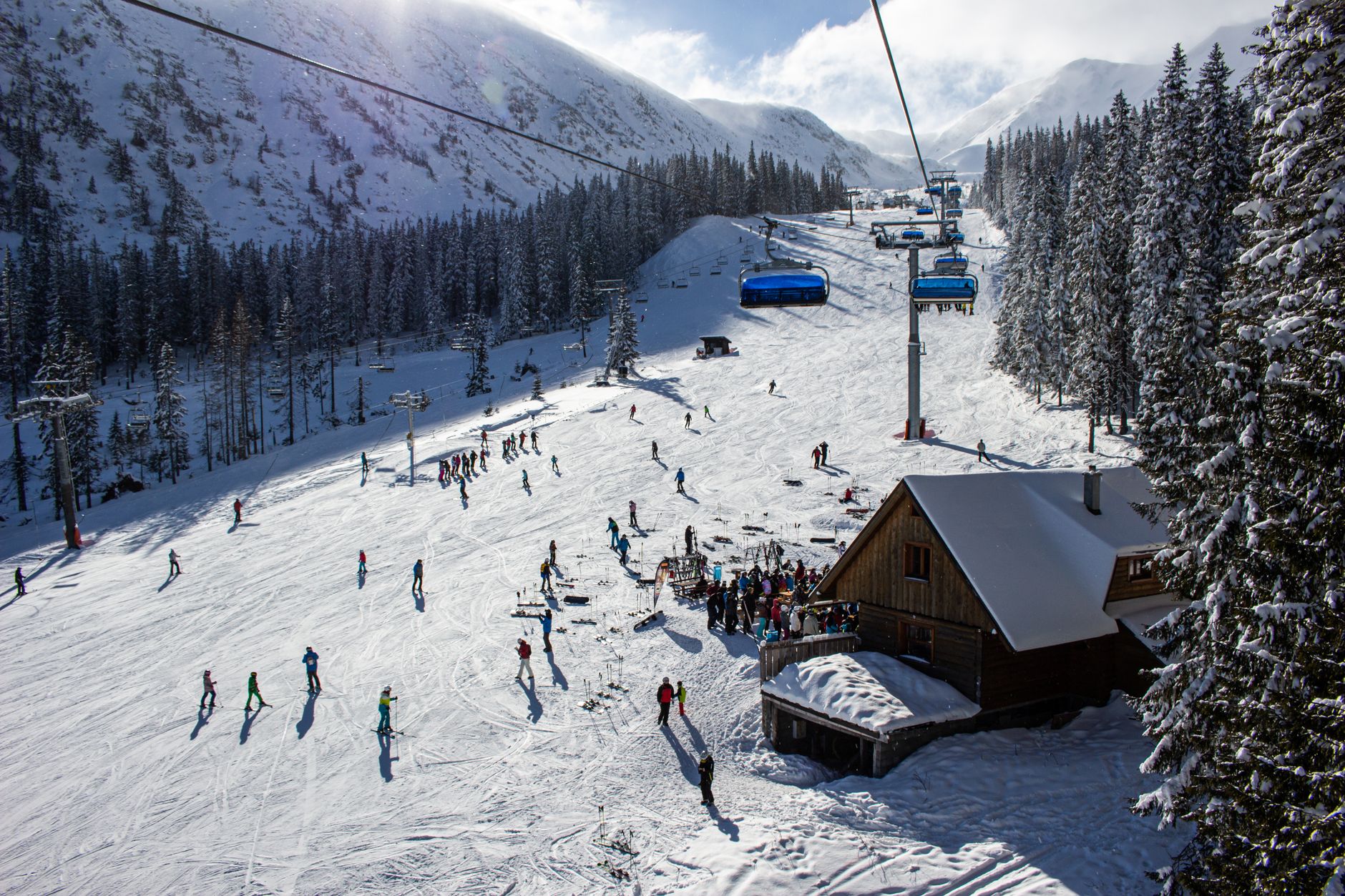
Albania has several ski destinations spread across its mountain regions, each with its own character and appeal. Understanding what each resort offers will help you choose the right base for your winter trip.
Dardha, located in the Korça region in southeastern Albania, is arguably the most developed and accessible ski resort in the country. Sitting at around 1,500 metres above sea level, it offers a handful of well-maintained pistes suitable for beginners and intermediate skiers. The village itself is charming, with traditional stone houses and family-run guesthouses that serve home-cooked meals. Dardha is an excellent choice for first-time visitors to Albanian skiing who want a comfortable introduction without sacrificing authenticity.
Voskopoja, also in the Korça region, sits higher than Dardha and receives heavier snowfall. It is a historically significant village with medieval churches and a quiet, almost contemplative atmosphere. The skiing here is more informal, with fewer marked runs, making it better suited to confident beginners and those who enjoy a more exploratory style of skiing. The surrounding plateau offers wonderful cross-country skiing opportunities that are almost entirely undiscovered by foreign visitors.
In the north, the Valbona Valley offers a completely different experience. While it is less developed as a ski resort in the traditional sense, the deep snow, towering peaks, and dramatic gorge scenery make it a paradise for backcountry enthusiasts and ski tourers. Guided tours into the surrounding wilderness are available through local operators, and the valley's guesthouses are among the most welcoming in the entire country. Shelcan, near Librazhd in central Albania, rounds out the major options with gentle slopes that are particularly popular with families from Tirana seeking a weekend escape.
- Dardha: Best for beginners and families, well-maintained pistes, easy access from Korça
- Voskopoja: Higher altitude, more snowfall, excellent for cross-country skiing
- Valbona Valley: Backcountry and ski touring paradise in the Albanian Alps
- Shelcan: Family-friendly weekend resort popular with Tirana locals
- Peshkopia region: Emerging destination with growing infrastructure for winter sports
If you are travelling as a family or with beginners in your group, base yourself in Dardha. If you are an experienced skier craving adventure and untouched powder, head north to Valbona.
Getting to Albanian Ski Resorts

Getting to Albania is easier than many travellers expect. Tirana's international airport receives direct flights from numerous European cities including London, Rome, Vienna, Istanbul, and Zurich. Budget airlines operate regularly during winter, and return flights can often be found for very reasonable prices, particularly if you book a few weeks in advance.
From Tirana, reaching the ski resorts requires either a rental car or the use of Albania's furgon network. Furgons are shared minibuses that operate between towns and villages across the country. They are cheap, reliable in the sense that they run when enough passengers show up, and an authentic way to travel. The journey from Tirana to Korça, the gateway city for Dardha and Voskopoja, takes approximately three hours by road and furgons depart from Tirana's southern bus station throughout the morning.
Renting a car gives you significantly more flexibility, especially if you plan to visit multiple resorts or explore the surrounding countryside. Albanian roads have improved considerably in recent years, though mountain roads can become icy and narrow in winter conditions. A four-wheel-drive vehicle is strongly recommended if you are driving directly to resort villages, particularly for Valbona and higher-elevation destinations. Always carry snow chains and check road conditions before setting out.
For the Valbona Valley in the north, the journey from Tirana takes around four hours under good conditions. Many travellers choose to break the journey with a night in Shkodra, the vibrant northern city that serves as the gateway to the Albanian Alps. This also gives you the chance to explore Shkodra's castle and lakeside scenery before heading into the mountains.
- Fly into Tirana's international airport from major European hubs
- Furgon minibuses connect Tirana to Korça in approximately three hours
- Rent a 4WD vehicle for maximum flexibility on mountain roads
- Carry snow chains when driving to high-altitude resorts
- Break the northern journey with a night in Shkodra
- Book accommodation in advance during January and February peak weeks
Download an offline map of Albania before you travel. Mobile data signals can be patchy in mountain areas, and having offline navigation could save you significant stress on icy mountain roads.
What to Expect on the Slopes

Albanian ski resorts operate differently from the polished mega-resorts of Western Europe, and embracing that difference is key to having a great time. Piste grooming is done regularly at the main resorts like Dardha, but the runs are shorter and the vertical drop is more modest than you might find in the Alps. This makes Albanian skiing ideal for beginners learning the basics and for intermediate skiers who want to build confidence without feeling overwhelmed by long, steep descents.
Lift systems vary from resort to resort. Dardha has a functioning chairlift and a couple of drag lifts that serve its main runs. Voskopoja relies more on drag lifts and snowmobile-assisted access to higher terrain. In Valbona, the skiing is almost entirely backcountry, meaning you will hike or skin up before skiing down through virgin powder. Whichever resort you choose, the snow quality during peak season is generally excellent, with cold temperatures preserving dry powder for days after a snowfall.
Ski and snowboard hire is available at all the main resorts and is very affordable. Equipment is not always the latest model, but it is functional and well-maintained. If you are particular about your gear, bringing your own boots is always a good idea, as boot fitting is the one area where rental shops can sometimes fall short. Helmets are available for hire and are strongly recommended regardless of your skill level.
Ski lessons are available at Dardha and Shelcan through local instructors, many of whom speak enough English to communicate effectively with foreign visitors. Rates are very reasonable, often around 20 to 30 euros for a two-hour group lesson. Private lessons can be arranged with a little advance notice through your guesthouse.
- Runs are best suited to beginner and intermediate skill levels
- Dardha has the most developed lift infrastructure
- Valbona offers backcountry and ski touring for experienced skiers
- Equipment hire costs under 15 euros per day at most resorts
- Group ski lessons available from around 20 euros per session
- Snow quality is typically excellent from January through late February
Bring your own ski boots if possible. Rental boots at smaller Albanian resorts may not offer the precision fit that experienced skiers prefer, and a poorly fitting boot will ruin your day faster than any icy patch.
Where to Stay and What to Eat
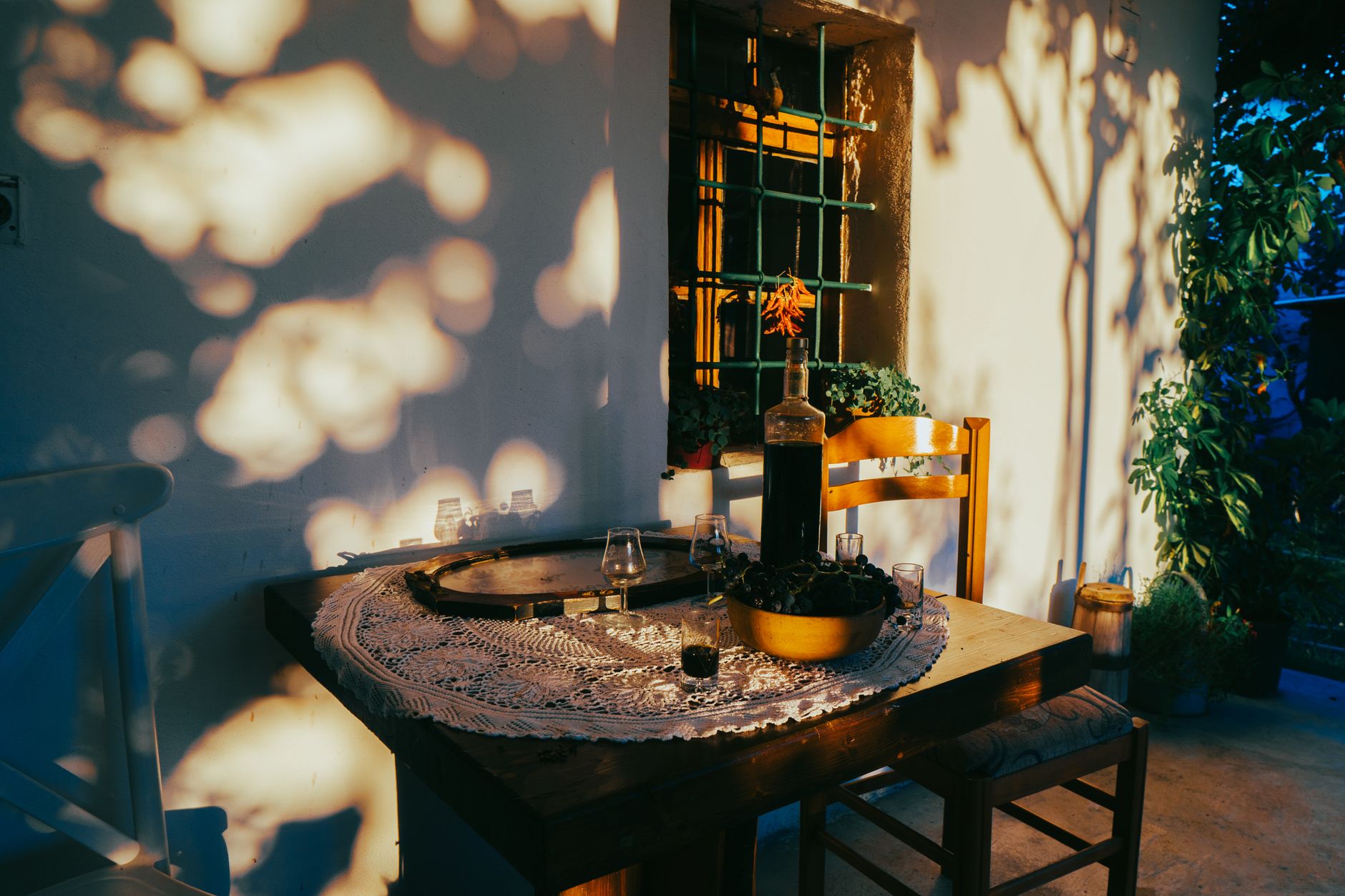
Accommodation in Albanian ski areas is dominated by family-run guesthouses and small hotels, and this is absolutely one of the highlights of the experience. These places are warm, personal, and deeply hospitable in the way that only family-run lodgings can be. You will be welcomed like a guest in someone's home, because in many cases you essentially are. Rooms are clean and comfortable, heated by wood stoves or central heating, and rates are strikingly affordable by any European standard. Expect to pay between 25 and 50 euros per night for a double room with breakfast included.
The food served at mountain guesthouses is some of the best you will eat anywhere in Albania. Breakfasts typically feature fresh bread, local cheese, eggs, honey, and strong coffee. Evening meals are hearty and generous, often centred around slow-roasted lamb or beef, bean soups, roasted peppers, and homemade rakia, the potent fruit brandy that Albanians consider both a welcome drink and a medicinal remedy for cold mountain evenings.
In the Korça region around Dardha and Voskopoja, you are also within easy reach of Korça city itself, which is one of Albania's most culturally rich urban centres. Known for its beer culture, Ottoman-era architecture, and vibrant café scene, Korça makes an excellent base for rest days when the weather turns or your legs need a break from the slopes. The city's national museum of medieval art is world-class and well worth a few hours of your time.
For those heading to Valbona in the north, guesthouses in the valley are legendary among Balkan travellers for their warmth and character. Many are run by families who have hosted hikers and adventurers for generations, and the transition to winter guests has been natural and enthusiastic. Meals are served family-style, portions are enormous, and the sense of community around the dinner table on a cold winter night is genuinely special.
- Guesthouse double rooms with breakfast typically cost 25 to 50 euros per night
- Meals are hearty, locally sourced, and very affordable
- Korça city offers cultural attractions and cafés for rest days
- Valbona guesthouses are legendary for hospitality and atmosphere
- Book accommodation directly where possible to support local families
- Most guesthouses include dinner in their rates or offer it for a small additional charge
Always confirm whether dinner is included in your guesthouse rate when booking. In remote mountain villages, there are often no restaurants nearby, so arriving hungry without a meal arranged can be a cold and frustrating experience.
Essential Tips for Skiing in Albania
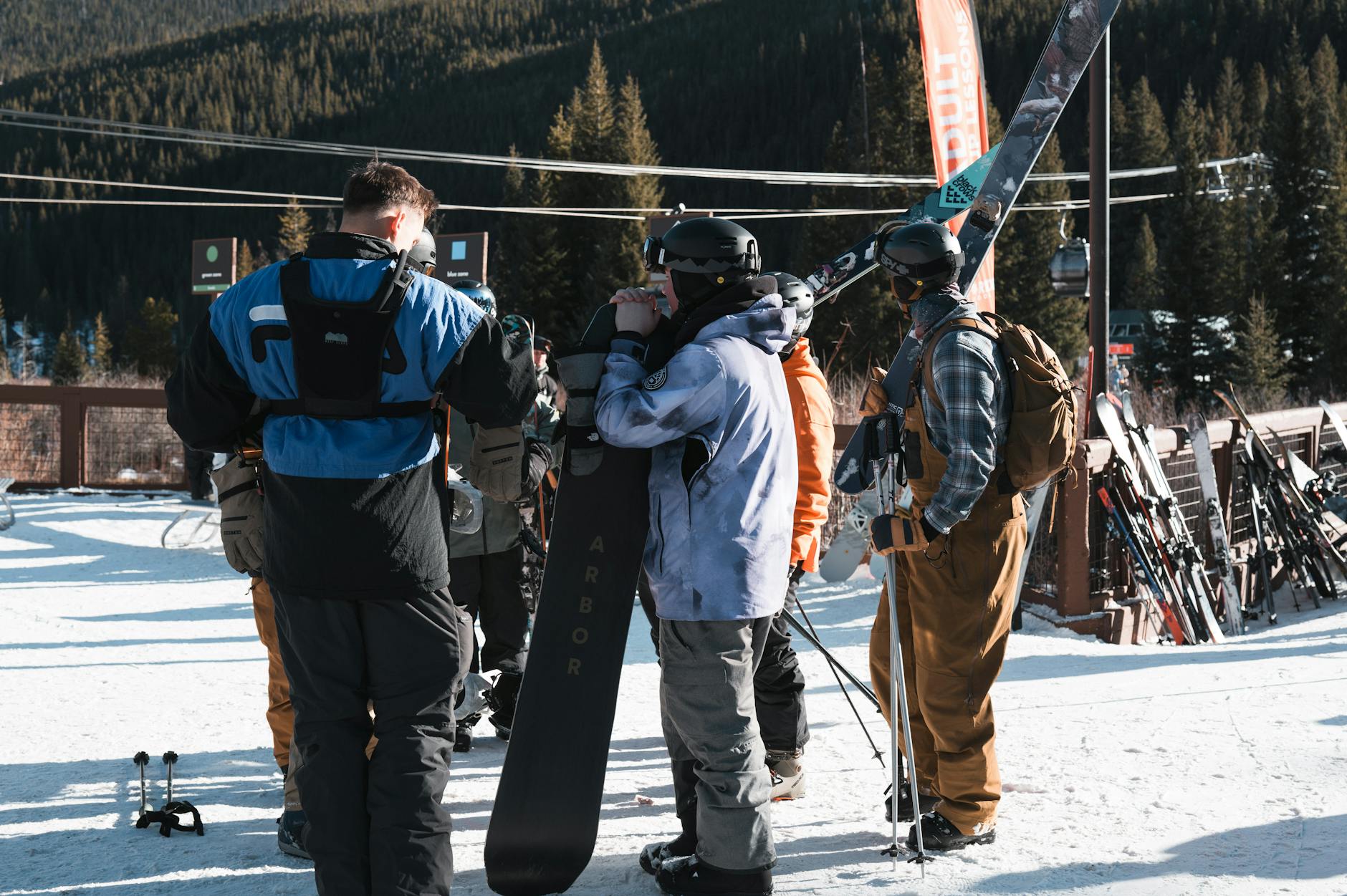
Preparing well for a ski trip to Albania will make the difference between a smooth adventure and a stressful one. Because the resorts are less developed than their Western European counterparts, a little extra planning goes a long way. Start by packing layers rather than relying on a single heavy jacket. Mountain temperatures can drop sharply after sunset, and the combination of wind and altitude means that what feels mild at noon can feel bitterly cold by three in the afternoon.
Cash is essential. While Tirana and larger cities have good ATM coverage, mountain villages often operate entirely on cash. Bring enough Albanian Lek to cover accommodation, food, lift passes, and equipment hire for your entire stay, plus a buffer for unexpected expenses. Credit cards are rarely accepted outside of urban hotels and larger restaurants.
Travel insurance is non-negotiable for a ski trip anywhere in the world, and Albania is no exception. Make sure your policy specifically covers skiing and, if you plan to venture off-piste in Valbona, backcountry ski touring. Medical facilities in mountain areas are limited, and evacuation costs can be significant without proper coverage.
Respect the mountain environment and local customs. Albanian mountain communities have a deep connection to their land and a strong tradition of hospitality. Greet people warmly, learn a few words of Albanian such as faleminderit for thank you, and be patient if things do not run to a precise schedule. The relaxed pace is part of the charm, and the mountains will reward those who approach them with humility and curiosity.
- Pack moisture-wicking base layers, insulating mid-layers, and a waterproof outer shell
- Bring sufficient cash in Albanian Lek for your entire mountain stay
- Ensure your travel insurance covers skiing and potential mountain rescue
- Download offline maps before leaving areas with reliable mobile coverage
- Learn a few basic Albanian phrases to connect with locals
- Start early on the slopes to make the most of morning snow conditions
- Check weather forecasts daily, as mountain conditions can change rapidly
Pack a small day bag with water, snacks, sunscreen, and a basic first aid kit every time you head to the slopes. Mountain rescue response times in Albania can be longer than in more developed resorts, so self-sufficiency is a genuine advantage.
Beyond the Slopes: Winter Activities in Albania
Skiing is the headline act of an Albanian winter trip, but the supporting programme is equally impressive. The country's mountain regions offer a wealth of activities for those who want to explore beyond the piste, and many of these experiences are virtually unknown to the wider world of winter tourism.
Snowshoeing is one of the most rewarding ways to experience the Albanian highlands in winter. Strapping on a pair of snowshoes and heading into the forest above Voskopoja or along the frozen riverbanks of the Valbona Valley gives you access to landscapes that are completely unreachable by any other means. Local guides can be arranged through guesthouses and bring invaluable knowledge of the terrain, wildlife tracks, and safe routes.
Ice fishing is a traditional winter activity in the lakes of the Korça plateau, and watching or participating in this age-old practice is a wonderfully immersive cultural experience. The Great Prespa Lake and smaller highland lakes freeze partially in cold winters, and local fishermen use techniques passed down through generations. It is unhurried, meditative, and utterly unlike anything you will find in a typical ski resort.
For those interested in history and culture, winter is actually an excellent time to visit Albania's heritage sites. The UNESCO-listed city of Berat, with its white Ottoman houses stacked on a hillside, is magical under a light dusting of snow and far less crowded than in summer. Gjirokastra, another UNESCO World Heritage city in the south, offers a similarly atmospheric winter visit with its imposing castle and cobbled bazaar.
Dog sledding and horse-drawn sleigh rides are available in some northern villages during periods of heavy snow, offering a fairytale perspective on the Albanian Alps that even experienced travellers find genuinely moving. Ask your guesthouse host about local arrangements, as these activities are organised informally and are best accessed through personal connections rather than online booking platforms.
- Snowshoeing through highland forests and frozen valleys
- Ice fishing on the lakes of the Korça plateau
- Winter visits to UNESCO heritage cities Berat and Gjirokastra
- Horse-drawn sleigh rides in northern mountain villages
- Cross-country skiing on the Voskopoja plateau
- Photography tours of snow-covered Ottoman architecture
Combine your ski trip with a two-night stay in Korça city to experience the famous Korça beer culture, visit the Byzantine art museum, and explore the colourful bazaar. It makes for a perfect rest-day itinerary between skiing sessions.
Albanian Ski Resorts at a Glance
| Resort | Best For | Altitude (m) | Daily Lift Pass (EUR) | Nearest City |
|---|---|---|---|---|
| Dardha | Beginners and families | 1,500 | 10-15 | Korça (30 km) |
| Voskopoja | Intermediate and cross-country | 1,700 | 8-12 | Korça (20 km) |
| Valbona Valley | Backcountry and ski touring | 800-2,694 | N/A (guided tours) | Shkodra (90 km) |
| Shelcan | Families and weekend trips | 900 | 10-15 | Librazhd (15 km) |
| Peshkopia Region | Emerging destination, adventurous skiers | 1,200 | 10-15 | Peshkopia (5 km) |
Frequently Asked Questions
When is the best time to ski in Albania?
The best time to ski in Albania is from late December through late February. January and early February typically offer the most reliable snow cover and the best powder conditions, particularly at higher-altitude resorts like Voskopoja and in the Valbona Valley. March can still offer good skiing but snow cover becomes less predictable, especially at lower elevations like Shelcan.
Do I need to speak Albanian to ski in Albania?
You do not need to speak Albanian to enjoy skiing in Albania, though knowing a few basic phrases will enrich your experience enormously. At the main resorts, particularly Dardha, you will find guesthouse owners and ski instructors who speak sufficient English to communicate effectively. In more remote areas like Valbona, English is less common but locals are incredibly warm and patient, and gesture-based communication works surprisingly well.
Is Albania safe for winter travel?
Albania is a safe destination for winter travellers. The country has made significant improvements in safety and infrastructure over the past two decades, and tourists are generally treated with great warmth and respect. The main risks associated with winter travel are weather-related, including icy roads and rapidly changing mountain conditions. Always check forecasts before heading into the mountains, carry appropriate gear, and let someone know your plans if you are venturing into backcountry terrain.
Can I rent ski equipment in Albania?
Yes, ski equipment hire is available at all the main resorts including Dardha, Voskopoja, and Shelcan. You can hire skis, poles, boots, and helmets for between 10 and 15 euros per day. The equipment is functional and regularly maintained, though it may not be the latest model. If you are particular about boot fit or prefer specific ski types, bringing your own equipment is a good option. Snowboard hire is also available at the larger resorts.
How do I get from Tirana to the ski resorts?
From Tirana, you can reach the Korça-area resorts of Dardha and Voskopoja by furgon minibus to Korça city, followed by a local taxi or second furgon to the resort village. The total journey takes three to four hours. For Valbona in the north, the journey takes approximately four hours by car. Renting a four-wheel-drive vehicle gives you the most flexibility and is recommended for driving directly to resort villages in winter conditions.
Is Albania good for beginner skiers?
Albania is an excellent destination for beginner skiers. Resorts like Dardha and Shelcan offer gentle, well-maintained pistes that are perfectly suited to learning the basics. Group and private ski lessons are available at affordable rates, and the uncrowded slopes mean beginners can practice without feeling pressured by faster skiers. The relaxed atmosphere and affordable costs also reduce the financial pressure that can make learning to ski stressful at more commercial resorts.
Plan your Albania adventure
Albania in winter is one of those rare travel experiences that exceeds expectations at every turn. From the affordable lift passes and empty slopes of Dardha to the wild backcountry terrain of the Valbona Valley, the country offers a skiing adventure that is as much about discovery and human connection as it is about the sport itself. You will return home not just with tired legs and a healthy tan line from the mountain sun, but with stories of warm guesthouse dinners, unexpected friendships, and landscapes that most of the skiing world has yet to discover.
The time to visit Albania before the rest of the world catches on is right now. The resorts are improving, the infrastructure is growing, and the word is slowly spreading among adventurous travellers who value authenticity over polish. Pack your layers, bring your cash, and point yourself toward the Albanian mountains this winter. The snow is waiting, the slopes are yours, and the welcome you will receive from the people of these extraordinary highlands will stay with you long after the season ends.