Albania on $30 a Day: Budget Travel Guide for 2025


Imagine waking up in a centuries-old guesthouse, eating a hearty breakfast for under two dollars, spending the day exploring UNESCO-listed stone cities, and finishing the evening with fresh grilled fish and a cold local beer — all without spending more than thirty dollars. In Albania, this is not a fantasy. It is a perfectly achievable Tuesday. While the rest of Europe has become increasingly expensive for budget travelers, Albania has quietly remained one of the most affordable destinations on the continent, offering extraordinary value without sacrificing beauty, culture, or authentic experience.
Albania in 2025 is having a genuine moment. Infrastructure has improved dramatically over the past few years, tourism is growing, and yet prices have stayed refreshingly low compared to neighboring Greece, Montenegro, or Croatia. The Albanian lek stretches surprisingly far, and the legendary Albanian hospitality — known locally as besa — means you will often find yourself treated to a complimentary raki or an extra helping of byrek simply because you showed up. Whether you are a backpacker on a shoestring or a traveler who just wants to make your savings last longer, this guide gives you the complete roadmap to experiencing Albania on thirty dollars a day in 2025.
Key Takeaways
| Daily Budget Target | $30 USD per day, covering accommodation, food, transport, and entry fees |
|---|---|
| Cheapest Accommodation | Hostel dorms from $8-$12/night; guesthouses from $15-$20/night |
| Average Meal Cost | $2-$5 for local restaurants; $6-$10 for a sit-down dinner with drinks |
| Best Budget Regions | Shkoder, Berat, Gjirokaster, and the southern Riviera villages |
| Currency | Albanian Lek (ALL); $1 USD = approx. 95-100 ALL in 2025 |
| Best Travel Season | May-June and September-October for low prices and great weather |
Understanding Your $30 Daily Budget Breakdown
Before you land in Tirana, it helps to understand exactly how thirty dollars gets divided across a typical day in Albania. The good news is that the math works in your favor almost everywhere you go. Accommodation will be your biggest single expense, but even that is remarkably manageable. A dorm bed in a well-rated Tirana hostel runs between eight and twelve dollars per night, while a private room in a family-run guesthouse outside the capital costs fifteen to twenty dollars. If you are willing to travel in pairs, splitting a private room brings your nightly cost down to ten dollars or less per person.
Food is where Albania truly shines for budget travelers. A full breakfast of fresh bread, feta cheese, olives, and eggs at a local bakery or cafe costs around one to two dollars. Lunch at a traditional bufe — a simple Albanian cafeteria-style eatery — runs two to four dollars for a plate of tavë kosi (baked lamb with yogurt) or fasule (bean soup) with bread. Dinner at a mid-range local restaurant with a main dish and a local beer comes in at five to eight dollars. That leaves you with eight to twelve dollars for transport, entrance fees, and small treats like a strong Albanian espresso or a scoop of gelato.
The key to staying on budget is eating where locals eat, using public minibuses called furgons instead of taxis, and choosing guesthouses over tourist-facing hotels. Albania rewards travelers who lean into local life rather than seeking out international-style comforts.
- Accommodation: $8-$15 per person per night
- Breakfast: $1-$2 at a bakery or cafe
- Lunch: $2-$4 at a bufe or street food stall
- Dinner: $5-$8 at a local restaurant with a drink
- Daily transport: $1-$4 by furgon or city bus
- Entrance fees: $0-$3 for most historical sites
- Total realistic daily spend: $22-$30
Withdraw cash in larger towns like Tirana or Shkoder before heading to rural areas or the Riviera, as ATMs are scarce in small villages and card acceptance is still limited outside the capital.
Budget Accommodation: Where to Sleep Without Overspending
Albania's accommodation scene has expanded rapidly, and budget travelers now have more options than ever before. Tirana offers a solid range of hostels clustered around the Blloku neighborhood and the city center, where a dorm bed typically costs eight to twelve dollars and often includes a basic breakfast. These hostels tend to be social, well-located, and staffed by young Albanians who are genuinely happy to share tips about traveling the country cheaply.
Outside Tirana, the best budget accommodation comes in the form of family-run guesthouses, known locally as bujtina. These are especially common in Berat, Gjirokaster, Shkoder, and the villages of the Albanian Alps. A private room in a bujtina typically costs fifteen to twenty-five dollars and frequently includes a home-cooked breakfast of local cheese, honey, eggs, and fresh bread. The quality of hospitality in these places is extraordinary — hosts will often invite you to share dinner with the family, show you hidden local trails, or drive you to a nearby waterfall simply out of genuine warmth.
Along the Albanian Riviera, camping is a legitimate and popular option from May through September. Basic campsites near Ksamil, Himara, and Dhermi charge three to seven dollars per tent per night, and some beach bars allow free camping in exchange for buying a drink or two. If you time your Riviera visit for May or early June, before peak season crowds arrive, you can often negotiate excellent rates on private rooms directly with guesthouse owners.
- Tirana hostel dorms: $8-$12/night including breakfast
- Family guesthouses in Berat or Gjirokaster: $15-$25/night
- Albanian Alps village homestays: $20-$30/night with dinner and breakfast
- Riviera camping: $3-$7/night per tent
- Off-season discounts of 30-50% available in October and April
- Booking directly with guesthouses often saves 10-15% vs. booking platforms
In the Albanian Alps around Valbona and Theth, the trail between the two villages passes through family homestays that offer bed and board for around twenty to twenty-five dollars. It is one of the best value overnight experiences in all of Europe.
Eating Well on a Shoestring: Albanian Food and Drink on a Budget
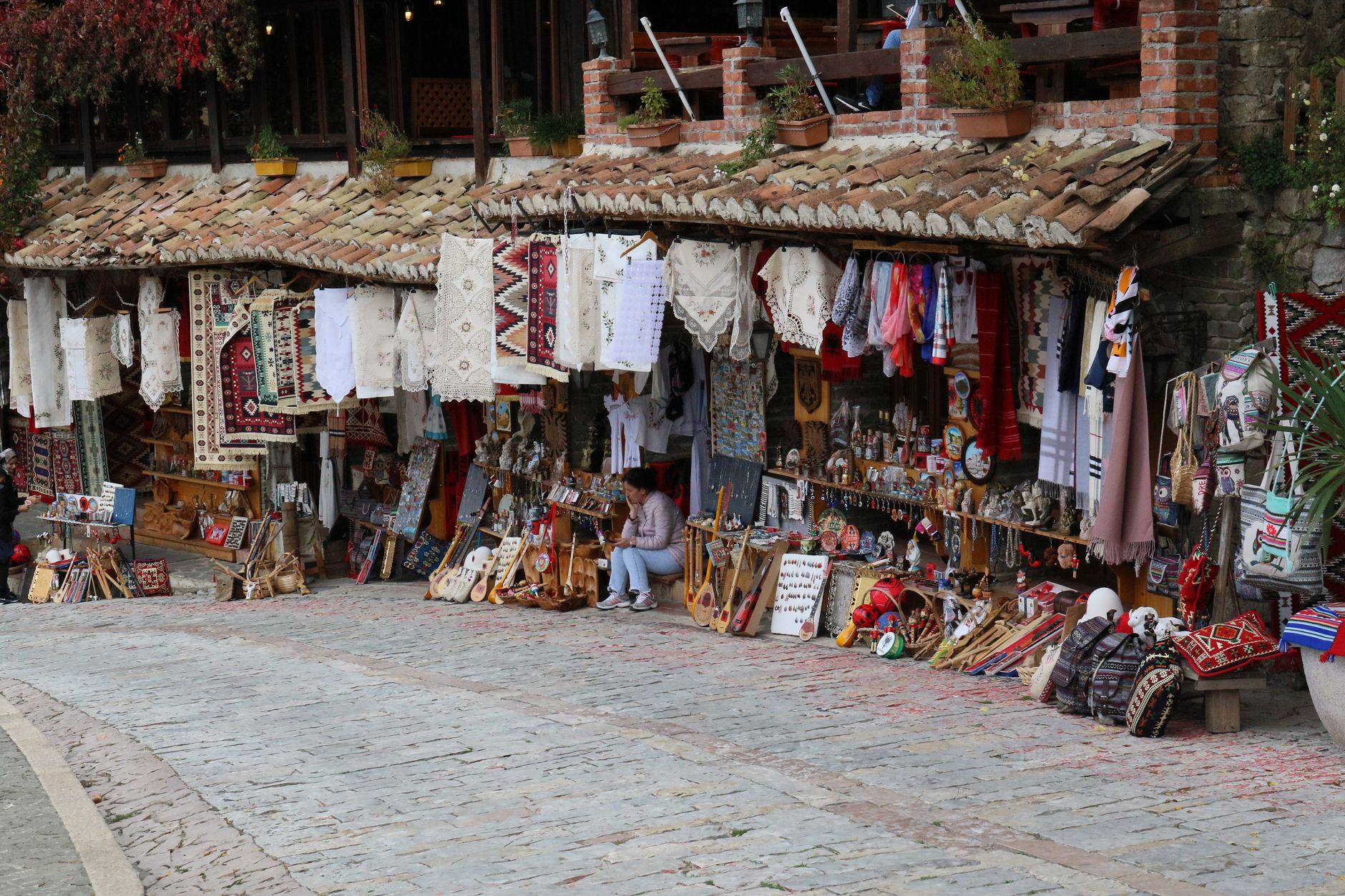
Albanian cuisine is hearty, fresh, and extraordinarily affordable. The country's food culture is built around simple, high-quality ingredients — local olive oil, fresh vegetables, sheep and goat cheese, grilled meats, and legumes — and the cooking is done with real care even in the humblest roadside eatery. As a budget traveler, you are in luck because the cheapest places to eat are also often the most delicious.
Start your mornings at a furra — a traditional Albanian bakery. For less than a dollar you can buy a warm piece of byrek, a flaky pastry filled with spinach and cheese or minced meat, that will fuel you through a morning of sightseeing. Pair it with a small, intensely strong espresso for another fifty cents and you have the perfect Albanian breakfast. At lunchtime, seek out a bufe or a qebaptore, where grilled qofte (minced meat rolls) or a plate of rice and stewed vegetables costs two to three dollars.
Dinner is where you can splurge a little and still stay well within budget. A full meal of fresh grilled fish or tavë kosi with a side salad and a half-liter of local Korça beer costs six to nine dollars at a typical Albanian restaurant. The local wine is also excellent and cheap — a bottle of decent Albanian red or white from the Berat or Permet regions costs three to five dollars at a supermarket. Street food culture is growing in Tirana, where you can find everything from grilled corn to fresh juice for under a dollar.
- Byrek from a bakery: $0.50-$1
- Albanian espresso (kafe): $0.50-$0.80
- Bufe lunch plate with bread: $2-$3
- Qofte (grilled meat rolls) portion: $1.50-$2.50
- Full restaurant dinner with beer: $6-$9
- Local wine bottle from supermarket: $3-$5
- Fresh produce from market stalls: extremely cheap, great for self-catering
Look for restaurants that display their menu only in Albanian with no English translation — these are almost always cheaper and more authentic than tourist-facing establishments. Use a translation app on your phone and you will eat like a local for a fraction of the tourist price.
Getting Around Albania Without Spending a Fortune

Transport is one area where many first-time visitors to Albania overspend unnecessarily. The country has a functional and very affordable public transport network built around furgons — shared minibuses that connect virtually every town and village in the country. These are not luxury vehicles, but they are cheap, frequent on popular routes, and a genuinely authentic way to travel. A furgon from Tirana to Shkoder, for example, costs around two to three dollars and takes about two hours. From Tirana to Berat, expect to pay around two dollars for a ninety-minute ride.
Within cities, local buses and minibuses cost twenty to thirty cents per ride, making urban transport essentially free by any Western standard. Tirana also has a growing network of shared electric scooters and bicycles that are useful for short hops around the city. Taxis exist in all major cities and are reasonably priced by European standards, but they are still several times more expensive than furgons and should be reserved for situations where public transport is not practical — like arriving at Tirana airport late at night.
For exploring the Albanian Riviera, renting a bicycle or scooter is a popular and affordable option. Scooter rental along the coast typically costs ten to fifteen dollars per day, which is excellent value for covering the winding coastal road between Saranda and Himara. Hitchhiking is also culturally accepted and commonly practiced in Albania, particularly in rural areas where furgon frequency drops. Albanians are generally very willing to offer rides to travelers, though always use your judgment about safety.
- Furgon intercity: $1.50-$4 depending on distance
- City bus or minibus: $0.20-$0.30 per ride
- Tirana to Saranda furgon: $5-$7
- Taxi within city: $2-$5 for most journeys
- Scooter rental on the Riviera: $10-$15/day
- Bicycle rental: $5-$8/day in tourist areas
- Ferry from Saranda to Corfu (if crossing to Greece): $20-$25 one way
Furgons depart when full rather than on a fixed schedule, so arrive at the station early in the morning for the most frequent departures. On busy routes like Tirana-Shkoder, you rarely wait more than thirty minutes.
Top Free and Cheap Experiences Across Albania

One of the greatest gifts Albania gives budget travelers is that many of its most spectacular attractions cost little or nothing to enjoy. The country's dramatic landscapes — from the snow-capped peaks of the Accursed Mountains to the impossibly blue waters of Lake Ohrid and the Ionian coast — are free to experience. Hiking trails through the Albanian Alps, including the famous Peaks of the Balkans route, require no entrance fees and pass through some of the most breathtaking scenery in Europe.
Albania's UNESCO World Heritage Sites are remarkably affordable to visit. Entrance to Berat Castle, which towers over the city of a thousand windows, costs just two to three dollars. Gjirokaster's imposing Ottoman fortress charges a similar fee and rewards you with panoramic views over the stone city below. The ancient ruins of Butrint, one of the most impressive archaeological sites in the Balkans, cost around six to eight dollars — still exceptional value for what you get. Many of Albania's beaches, including the stunning Ksamil islands near Saranda, are free to access outside peak summer months.
Tirana itself is a surprisingly entertaining and almost entirely free city to explore. The National History Museum on Skanderbeg Square charges a small entry fee of around two dollars, but the square itself, the colorful Blloku neighborhood, the Grand Park, and the vibrant street art scene cost nothing. The city's cafe culture is lively and cheap, and simply sitting at an outdoor table with a coffee and watching Tirana go about its day is one of the great pleasures of Albanian travel.
The Albanian Alps: Best Free Hiking in the Balkans
The Valbona Valley and Theth National Park in northern Albania offer world-class hiking at essentially zero cost. The iconic Valbona Pass trail takes five to seven hours and delivers jaw-dropping alpine scenery rivaling anything in Switzerland or Austria. There are no trail fees, no permits required, and the route is well-marked. The only costs are your accommodation in the valley villages and the furgon to get there from Shkoder. For a budget traveler who loves the outdoors, the Albanian Alps represent one of the best-value adventure experiences anywhere in Europe.
- Hiking the Valbona to Theth trail: free (just pay for accommodation along the way)
- Skanderbeg Square and Tirana street art: free
- Berat Castle entrance: $2-$3
- Gjirokaster Fortress: $2-$3
- Butrint Archaeological Site: $6-$8
- Ksamil beaches (outside July-August): free
- Blue Eye natural spring near Saranda: $1-$2 entry fee
- Rozafa Castle in Shkoder: $2-$3
The Albanian Riviera is significantly cheaper and far less crowded in May and early June before European summer holidays begin. Visit Ksamil and Himara in these months and you will have near-perfect beaches almost to yourself for a fraction of peak-season prices.
Money-Saving Tips and Common Budget Mistakes to Avoid

Traveling Albania on thirty dollars a day is absolutely achievable, but a few common mistakes can quickly push you over budget if you are not careful. The biggest pitfall for first-time visitors is paying tourist prices in the wrong places. In Tirana's Blloku district, for example, some cafes and restaurants charge prices comparable to Western Europe. These establishments are fine for an occasional treat, but making them your daily dining spot will blow your budget fast. The solution is simple: walk two or three streets away from the main tourist drag and prices drop dramatically.
Another common mistake is relying on taxis instead of furgons. Taxi drivers at Tirana's international airport and in tourist-heavy areas sometimes quote prices that are three to five times higher than what a local would pay. Always agree on a price before getting in, or better yet, use the public airport bus into the city center, which costs less than two dollars. Currency exchange is another area to watch — airport exchange booths offer poor rates, so exchange only a small amount on arrival and withdraw lek from ATMs in the city, which give much better rates.
Self-catering even partially can save you significant money over a longer trip. Albanian supermarkets and fresh produce markets are stocked with excellent local cheese, olives, bread, fruit, and vegetables at very low prices. Buying breakfast and lunch supplies from a market and eating dinner at a local restaurant is a great way to balance budget with the pleasure of experiencing Albanian food culture.
- Avoid tourist-facing restaurants in Blloku and near major sights — walk a few streets away for local prices
- Use furgons instead of taxis for all intercity travel
- Take the public airport bus rather than a taxi from Tirana airport
- Exchange currency at city ATMs or banks, not airport booths
- Self-cater breakfast and lunch from local markets to save $5-$8 per day
- Visit the Riviera in May-June or September rather than July-August
- Book guesthouses directly rather than through third-party platforms
- Carry small denomination lek — many small vendors cannot break large notes
Download an offline map of Albania before you arrive. Having offline navigation saves you from expensive tourist maps and helps you find local eateries, markets, and transport stops that do not appear on mainstream tourist apps.
Sample $30 Daily Itinerary for Key Albanian Destinations

Putting the theory into practice, here is what a real thirty-dollar day looks like in three of Albania's most popular destinations. In Tirana, start with a byrek and espresso at a neighborhood bakery for one dollar fifty. Spend the morning exploring Skanderbeg Square, the National Museum, and the colorful streets of Blloku for free or near-free. Lunch at a bufe near the Grand Bazaar area costs two to three dollars. In the afternoon, visit the Bunk'Art bunker museum for two dollars, then enjoy the Grand Park for free. Dinner at a local restaurant in the old market area with a beer comes to seven dollars. Total: around fourteen to sixteen dollars, leaving you budget to spare.
In Berat, wake up in a guesthouse in the Mangalem quarter for fifteen dollars including breakfast. Spend the morning exploring Berat Castle and the Onufri Museum for three dollars combined. Lunch at a small local restaurant in the lower town costs three dollars. The afternoon is free — wander the Ottoman streets, cross the old stone bridge, and sit by the Osum River. Dinner with local wine at a traditional restaurant runs eight dollars. Total: around twenty-nine dollars, right on target.
On the Riviera near Ksamil, pitch a tent at a campsite for five dollars. Breakfast from a village bakery costs one dollar. Spend the day on the beach for free, rent a kayak to the nearby islands for three dollars an hour, and buy fresh grilled fish from a beachside grill for six dollars at lunch. Evening meal at a local taverna with Albanian salad and a beer costs eight dollars. Total: around twenty-three to twenty-seven dollars, with money to spare for a sunset cocktail.
- Tirana day total: $14-$18 including accommodation, meals, and two paid attractions
- Berat day total: $27-$30 including guesthouse with breakfast, meals, and sightseeing
- Ksamil Riviera day total: $23-$28 including camping, meals, and beach activities
- Shkoder day total: $20-$25 with hostel, free lakeside walks, and cheap local food
- Gjirokaster day total: $25-$30 with guesthouse, fortress entry, and local dining
- Valbona Alps day total: $25-$30 with homestay dinner-and-bed and free hiking
Build in one or two rest days in cheaper villages between major destinations. Spending a day in a small Albanian village where you cook your own food and hike for free can bring your average daily spend down significantly, giving you more flexibility to splurge on a nicer dinner or a boat trip on a more active day.
Albania Budget Breakdown by Destination: Daily Cost Comparison
| Destination | Accommodation (per person) | Daily Food Cost | Transport to/from Tirana | Overall Daily Budget |
|---|---|---|---|---|
| Tirana | $8-$12 (hostel dorm) | $8-$12 | N/A (base city) | $20-$28 |
| Berat | $15-$20 (guesthouse with breakfast) | $10-$14 | $2 by furgon | $27-$36 |
| Gjirokaster | $15-$22 (guesthouse) | $10-$14 | $4-$5 by furgon | $28-$38 |
| Shkoder | $10-$15 (hostel or guesthouse) | $8-$12 | $2-$3 by furgon | $22-$30 |
| Ksamil / Riviera | $5-$12 (camping or budget room) | $10-$15 | $5-$7 by furgon to Saranda | $22-$34 |
| Valbona / Theth (Alps) | $20-$28 (homestay with meals) | $0-$5 extra (meals often included) | $4-$6 by furgon to Shkoder then ferry | $25-$35 |
Frequently Asked Questions
Is $30 a day really enough to travel comfortably in Albania in 2025?
Yes, absolutely. Thirty dollars a day is a realistic and comfortable budget for Albania in 2025. You can afford a private room in a family guesthouse, three meals a day at local restaurants, daily transport by furgon, and entrance fees to major attractions. If you stay in hostel dorms and self-cater some meals, you can travel on even less — some backpackers manage on twenty to twenty-two dollars a day. The main exception is if you visit the Riviera in peak July-August season, when accommodation prices can rise significantly.
What currency should I use in Albania and where is the best place to exchange money?
Albania uses the Albanian lek (ALL). While some tourist businesses in Tirana and along the Riviera accept euros, you will always get a better deal paying in lek. The best place to get lek is from ATMs in major cities like Tirana, Shkoder, Berat, or Saranda, which offer near-market exchange rates. Avoid exchanging money at the airport, where rates are significantly worse. Carry enough cash when heading to rural areas, as ATMs are rare in small villages and the Albanian Alps.
When is the cheapest time to visit Albania?
The shoulder seasons — May to early June and September to October — offer the best combination of good weather and low prices. Accommodation costs drop by thirty to fifty percent compared to July and August, beaches are quieter, and the weather is still warm and sunny. If you are visiting primarily for hiking in the Albanian Alps, July and August are actually ideal weather-wise, and accommodation prices in mountain villages remain reasonable year-round since they attract fewer tourists than the coast.
Is Albania safe for budget travelers, including solo travelers?
Albania is generally very safe for travelers, including solo travelers and solo female travelers. Violent crime against tourists is rare, and Albanians are known for their hospitality and helpfulness toward visitors. As with any destination, use common sense — keep an eye on your belongings in crowded areas, do not leave valuables visible in a rental car, and be cautious on poorly lit roads at night. The concept of besa — a deeply held Albanian code of honor and hospitality — means that guests are treated with great respect throughout the country.
Do I need to speak Albanian to travel on a budget in Albania?
You do not need to speak Albanian, though learning a few basic phrases like faleminderit (thank you) and mirupafshim (goodbye) will earn you warm smiles and genuine appreciation. In Tirana and major tourist destinations, English is widely spoken among younger Albanians and hospitality workers. In rural areas and small villages, Italian is often more useful than English as a second language, reflecting Albania's historical ties with Italy. A translation app on your phone handles most situations where language becomes a barrier.
What are the biggest hidden costs that can push you over a $30 daily budget in Albania?
The most common budget-busters in Albania are taxis (especially at airports and in tourist areas), eating at tourist-facing restaurants in Blloku or beachfront locations, peak-season Riviera accommodation, and day tours or boat trips that can cost fifteen to twenty-five dollars each. To stay on budget, use furgons instead of taxis, eat where locals eat, visit the coast in shoulder season, and opt for self-guided hikes rather than organized tours. SIM card data costs are low in Albania, so buying a local SIM on arrival for a few dollars is a worthwhile budget investment that saves you from expensive roaming charges.
Plan your Albania adventure
Albania in 2025 is one of those rare travel destinations where your money genuinely feels like it multiplies. For thirty dollars a day you are not scraping by — you are eating well, sleeping comfortably, exploring ancient castles, swimming in crystalline Ionian waters, and hiking through alpine landscapes that would cost three or four times as much to experience in neighboring countries. The combination of low prices, extraordinary natural beauty, rich history, and some of the warmest hospitality in Europe makes Albania an almost unfair bargain for the budget-conscious traveler.
The window to experience Albania at these prices may not stay open forever. Tourism is growing, infrastructure is improving, and the word is getting out. But right now, in 2025, Albania remains one of the last places in Europe where a modest travel budget unlocks a truly extraordinary adventure. Pack your bag, load up your translation app, and get ready to discover why savvy travelers are calling Albania the best-kept secret on the continent. Your thirty dollars a day will take you further here than almost anywhere else on earth.