7-Day Albanian Road Trip: Tirana to Blue Eye Spring

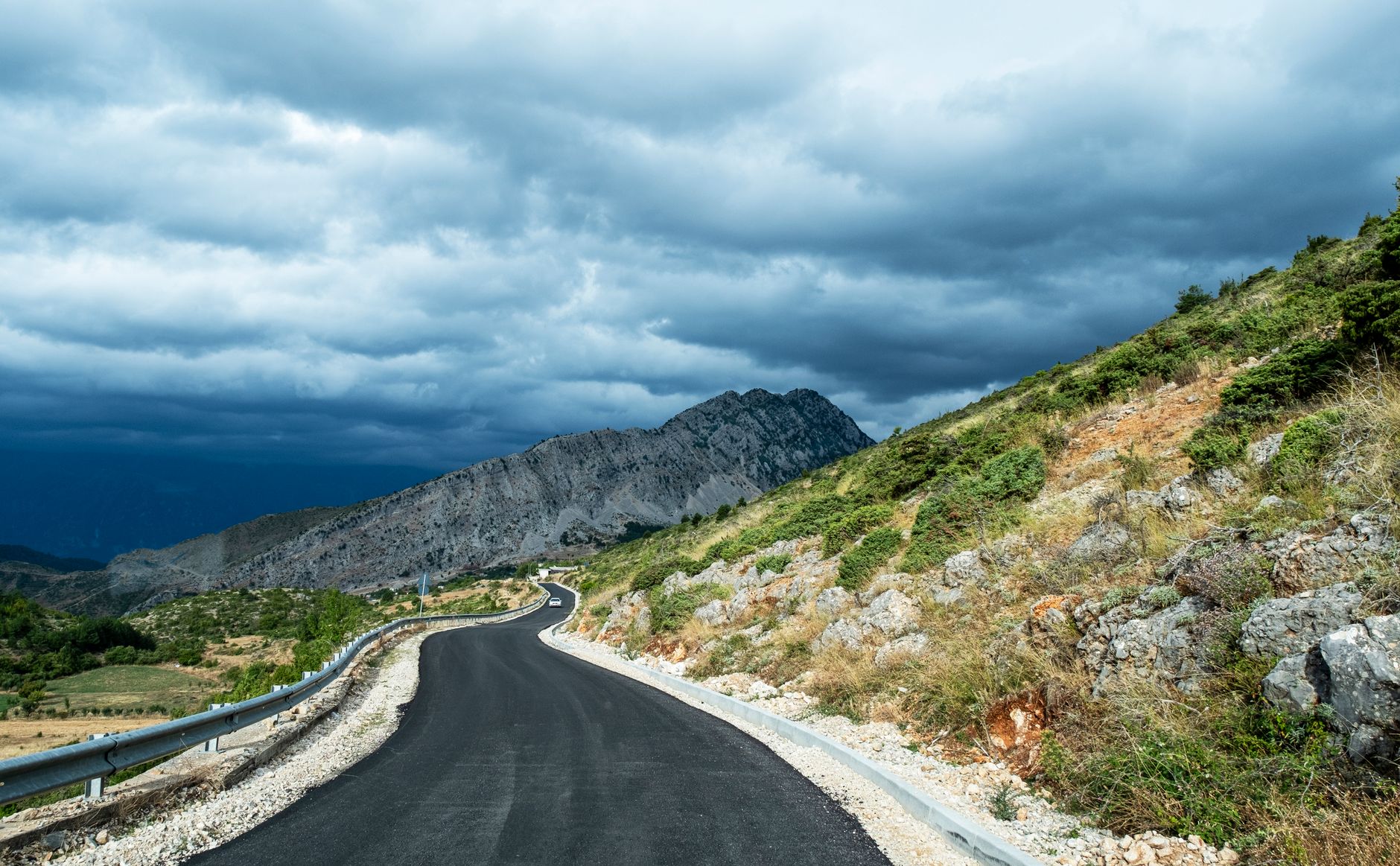
Imagine waking up in a vibrant capital city, coffee in hand, with a week stretching ahead of you and some of the most dramatic scenery in Europe waiting just beyond the city limits. That is exactly what a road trip from Tirana to the Blue Eye Spring promises. Albania remains one of the last genuinely undiscovered corners of the Mediterranean world, where you can drive for hours and feel like the only traveler on earth, only to round a bend and find a UNESCO-listed city, a hidden beach, or a mountain village frozen in time.
This seven-day itinerary threads together the very best of Albania: the colorful chaos of Tirana, the Ottoman grandeur of Berat, the sun-drenched Albanian Riviera, the ancient city of Gjirokastra, and finally the mesmerizing Blue Eye Spring near Saranda. The total driving distance is roughly 450 kilometers, but the real magic lies in the detours, the slow lunches, and the spontaneous conversations with locals who will almost certainly invite you in for raki before you reach your destination. Rent a car, download an offline map, and prepare to fall completely in love with Albania.
Key Takeaways
| Total Distance | Approximately 450 km from Tirana to Blue Eye Spring |
|---|---|
| Best Time to Travel | May to October for ideal road and weather conditions |
| Trip Duration | 7 days with comfortable daily driving stages |
| Road Conditions | Mix of modern highways and winding mountain roads; 4x4 not required |
| Currency | Albanian Lek (ALL); carry cash for rural areas and toll roads |
| Must-Have Item | Offline maps and a physical road atlas for remote stretches |
| Highlight Stop | Blue Eye Spring near Saranda — the unmissable grand finale |
Day 1: Tirana — Dive Into the Colorful Capital

Your road trip begins in Tirana, and even though you will be eager to hit the road, give yourself a full first day to absorb the energy of one of Europe's most underrated capital cities. Tirana has transformed dramatically over the past two decades, shedding its grey communist shell in favor of pastel-painted facades, buzzing pedestrian boulevards, and a cafe culture that rivals any Mediterranean city.
Start your morning at Skanderbeg Square, the vast central plaza dominated by the National History Museum and the equestrian statue of Albania's national hero. From there, wander south through the Blloku district, once an exclusive enclave reserved for communist party elites and now the heartbeat of Tirana's nightlife and dining scene. Grab a byrek — a flaky savory pastry stuffed with cheese or spinach — from a street vendor and eat it while watching the city wake up around you.
In the afternoon, climb or take the cable car up Dajti Mountain on the eastern edge of the city for panoramic views that stretch all the way to the Adriatic on clear days. In the evening, return to Blloku for dinner. Albanian cuisine is deeply satisfying: grilled lamb, slow-cooked tavë kosi (baked lamb and yogurt), and fresh salads dressed simply with olive oil. Use tonight to check your vehicle, stock up on snacks, and plot tomorrow's early departure.
- Visit the National History Museum for a crash course in Albanian history before you explore the country
- Walk the Grand Boulevard from Skanderbeg Square south toward the university for street art and architecture
- Try tavë kosi, Albania's beloved national dish, at any traditional restaurant in the Blloku area
- Fill your tank tonight — petrol stations thin out significantly once you leave the capital corridor
Book your rental car in advance and inspect it thoroughly before leaving the lot, photographing any existing scratches. Albanian mountain roads can be rough on tyres, so confirm you have a functioning spare.
Day 2: Berat — The City of a Thousand Windows

Rise early on Day 2 and point the car south toward Berat, roughly 120 kilometers from Tirana and about two hours of relaxed driving on the SH4 highway. Berat is one of Albania's two UNESCO World Heritage cities, and the moment you see its white Ottoman houses cascading down the hillside above the Osum River, you will understand why it earned that designation. The city's nickname — the City of a Thousand Windows — comes from the rows of large, symmetrical windows that stare out from its historic neighborhoods like watchful eyes.
Park near the old bridge and walk up into the Mangalem quarter, where narrow cobblestone lanes wind between centuries-old homes, small Orthodox churches, and local women selling hand-embroidered textiles. Continue uphill to the Berat Castle, a living fortress where families still reside among Byzantine churches and Ottoman mosques. The views from the castle walls over the Osum valley are among the finest in all of Albania.
Dedicate the afternoon to the Onufri Museum inside the castle, which houses a remarkable collection of 16th-century religious icons painted by the master iconographer Onufri, famous for his unique shade of vivid red. By late afternoon, descend into the Gorica quarter on the opposite bank of the river, connected to Mangalem by the iconic seven-arch Ottoman bridge. Spend the night in Berat — the town has a growing selection of guesthouses, many of them converted Ottoman mansions with stunning courtyard gardens.
- Arrive before 10am to beat tour groups at the castle and enjoy the morning light on the white houses
- The Onufri Museum is small but extraordinary — budget at least 45 minutes inside
- Walk across the old stone bridge at sunset for the classic Berat reflection photograph
- Try fergesë Beratase, a local dish of peppers, tomatoes, and cottage cheese baked in a clay pot
Stay overnight in Berat rather than doing it as a day trip from Tirana. The town transforms beautifully at night when the day-trippers leave, and you will have the castle and old quarters almost entirely to yourself.
Days 3 and 4: The Albanian Riviera — Sun, Sea, and Hidden Coves

Leaving Berat on Day 3, head southwest toward Fier and then pick up the coastal road that winds along the Albanian Riviera. This stretch of coastline between Vlora and Saranda is one of the Mediterranean's best-kept secrets: crystalline turquoise water, dramatic cliffs, pine-scented hillsides, and beaches that in peak summer still feel far less crowded than their Greek or Croatian counterparts. The drive itself is an attraction, with hairpin bends revealing new bays at every turn.
Your first major stop is Vlora, a lively port city and Albania's second-largest coastal settlement. Vlora holds deep historical significance as the city where Albanian independence was declared in 1912. Visit the Independence Museum, then grab lunch at one of the seafront restaurants before continuing south. The road climbs steeply out of Vlora into the Llogara Pass, a mountain crossing at over 1,000 meters elevation that offers one of the most dramatic driving experiences in the Balkans. Pull over at the viewpoint — the panorama of the Ionian Sea below is simply staggering.
Descend through fragrant pine forests into the riviera proper and make your base at Himara or Dhermi for two nights. Both towns have excellent beaches and a relaxed atmosphere. On Day 4, explore the hidden coves accessible only by foot or boat: Gjipe Beach, tucked between two canyon walls, is a particular highlight. In the evening, the riviera towns come alive with outdoor restaurants serving fresh fish grilled over wood fires, accompanied by cold local beer and the sound of waves.
Llogara Pass: The Most Dramatic Drive in Albania
The Llogara Pass deserves its own moment of attention. As you climb from Vlora toward the pass summit, the road narrows and serpentines through dense pine forests while the Adriatic glitters far below. At the top, the Llogara National Park offers hiking trails, picnic spots, and a handful of mountain lodges where you can stop for strong coffee and homemade cheese. This is also the point where the climate shifts noticeably — cooler, greener, and more alpine on the mountain side, then suddenly Mediterranean again as you descend toward the Ionian coast.
- Drive the Llogara Pass in daylight — the views are the whole point and mountain fog can roll in by late afternoon
- Gjipe Beach requires a 30-minute hike down a canyon trail; wear proper shoes and bring water
- Dhermi village above the beach has traditional stone houses and far fewer tourists than the beach below
- Book accommodation in advance for July and August — the riviera fills up fast during peak season
- Try grilled octopus and fresh sea bass at any beachside taverna; the fish is caught daily
If you have a flexible schedule, consider adding a half-day boat trip from Himara to access sea caves and remote beaches that are completely unreachable by road. Local fishermen offer informal tours for very reasonable prices.
Day 5: Gjirokastra — An Ottoman City Carved in Stone
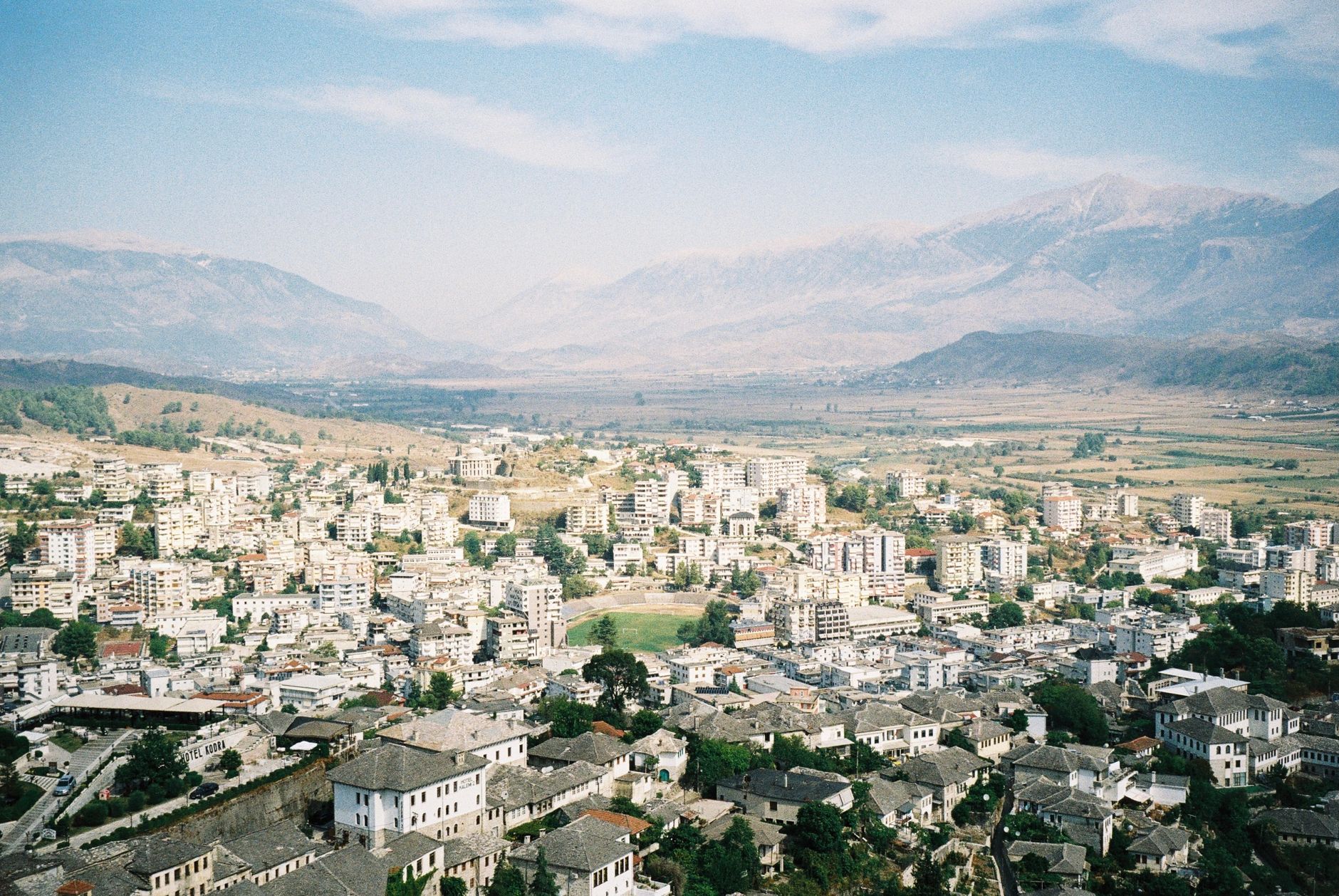
On Day 5, leave the coast behind and drive inland toward Gjirokastra, roughly 60 kilometers east of Saranda through a broad river valley. Like Berat, Gjirokastra is a UNESCO World Heritage Site, but its character is entirely different: darker, more austere, and built almost entirely from the grey limestone that defines the surrounding mountains. The city rises steeply from the valley floor, its slate-roofed tower houses stacked like a geological formation rather than a human settlement.
The Gjirokastra Castle dominates the skyline and houses a surprisingly eclectic collection including a captured American military aircraft from the Cold War era — a reminder of the strange, isolated decades Albania spent under Enver Hoxha's communist regime. Wander the old bazaar district below the castle, where craftsmen still work in stone-vaulted workshops and small cafes serve thick Turkish-style coffee in copper pots. The city was the birthplace of both Enver Hoxha and Nobel-nominated author Ismail Kadare, two figures who could not be more different in legacy.
Gjirokastra rewards slow exploration. Climb to the highest residential streets for views over the entire valley, and look for the traditional kulla tower houses, some of which have been converted into guesthouses where you can stay inside a living piece of Albanian architectural history. Dinner here should include slow-roasted lamb with wild herbs, a dish that the mountain villages of this region have perfected over centuries.
- The castle is large — wear comfortable walking shoes and allow at least two hours to explore properly
- The Cold War-era aircraft inside the castle is a genuinely surreal exhibit worth seeing
- Visit the Skenduli House, a beautifully preserved Ottoman mansion open to the public as a museum
- The old bazaar is best explored in the morning when craftsmen are actively working
- Stay overnight to experience the city at night, when the stone streets glow under warm lamplight
Ask your guesthouse host about the Gjirokastra National Folklore Festival if your trip falls in late summer — it is one of Albania's most spectacular cultural events and transforms the castle into an open-air stage.
Day 6: Saranda and the Surroundings — Gateway to the South
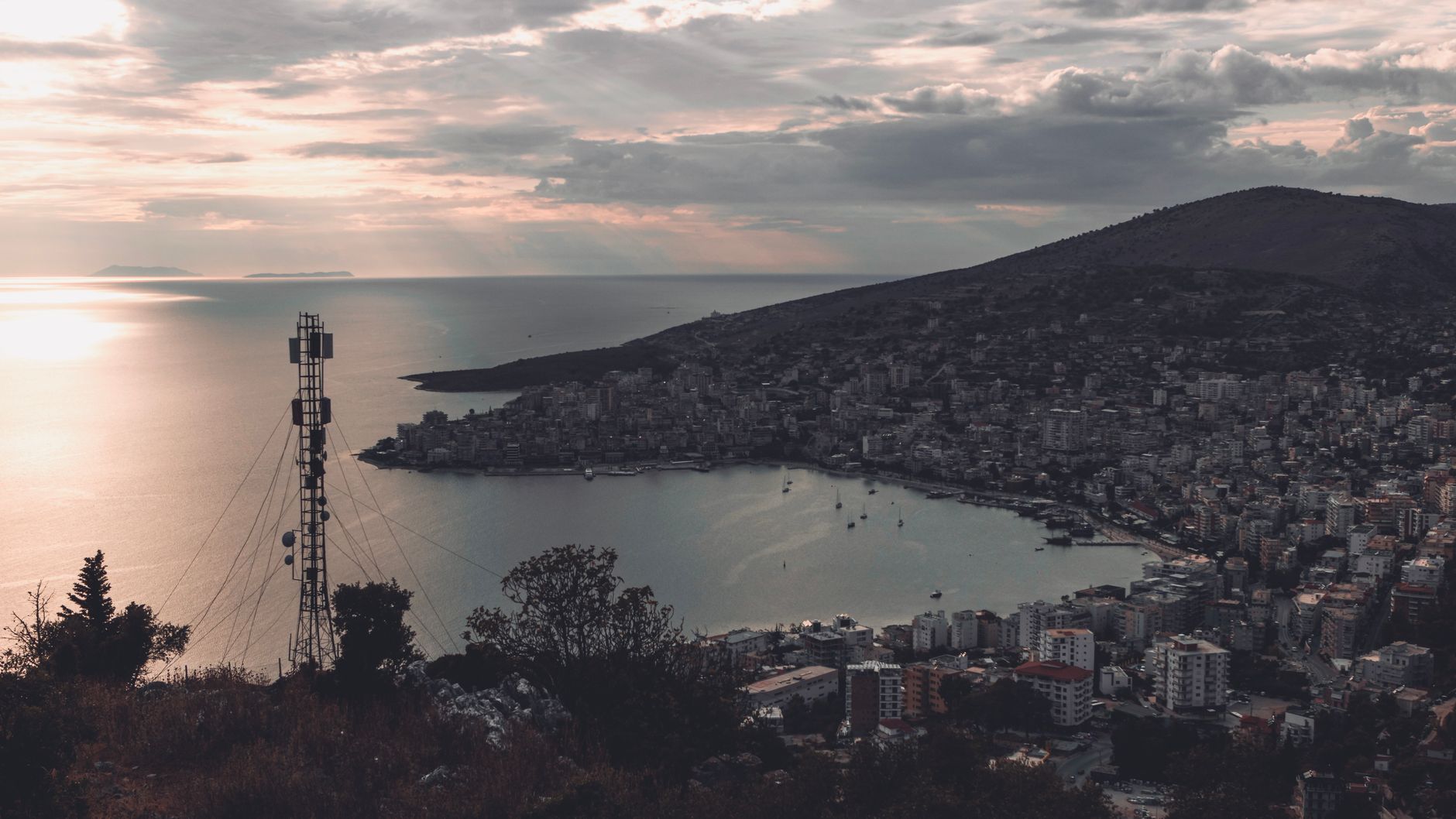
Day 6 brings you to Saranda, the lively resort town that serves as the southern hub of Albanian tourism. Positioned on a horseshoe bay with the Greek island of Corfu visible just 20 kilometers offshore, Saranda has a distinctly cosmopolitan energy compared to the quieter towns you have passed through. The waterfront promenade is lined with cafes, restaurants, and the kind of easy seaside bustle that invites you to slow down and linger.
Use the morning to visit Butrint National Park, just 18 kilometers south of Saranda. Butrint is one of the most important archaeological sites in the entire Mediterranean, a layered ancient city where Greek, Roman, Byzantine, Venetian, and Ottoman civilizations each left their mark. Walking through the site feels like flipping through a physical history book, with a Greek theater, Roman baths, a paleo-Christian baptistery, and Venetian towers all visible within a short walking circuit through lush lakeside forest.
Return to Saranda for a long seafront lunch, then spend the afternoon at Ksamil, a small beach village just south of Butrint with some of the most photogenic white-sand beaches in the country. The water at Ksamil is the kind of tropical turquoise that makes you question whether you are still in Europe. Small islands just offshore are reachable by a short swim or a pedal boat. Tonight, treat yourself to a proper seafood dinner on Saranda's waterfront — you are celebrating your penultimate night on an extraordinary journey.
Butrint: Albania's Greatest Archaeological Treasure
Butrint National Park deserves more than a rushed hour. The site sits on a wooded peninsula between a lake and a channel, creating an atmosphere of extraordinary beauty and tranquility. The Greek theater, dating to the 4th century BC, is remarkably well preserved, and the mosaic floors of the baptistery are among the finest early Christian artworks in the Balkans. Allow at least two to three hours to walk the full circuit and absorb the layers of history beneath your feet.
- Arrive at Butrint when it opens to beat the heat and the crowds — mornings are magical here
- Bring insect repellent to Butrint; the lakeside forest setting means mosquitoes in summer
- Ksamil has four small islands you can swim to — the closest is about 200 meters from shore
- The Saranda waterfront promenade is perfect for an evening stroll as the sun sets over Corfu
- Book a seafood restaurant table in advance during July and August
If you want to make a quick international detour, ferries run from Saranda to Corfu in under 30 minutes. Even a half-day on the Greek island adds an interesting contrast to your Albanian experience, though your rental car will need to stay behind.
Day 7: The Blue Eye Spring — A Mythical Grand Finale

You have saved the best for last. On Day 7, drive approximately 25 kilometers northeast of Saranda into the hills above the Muzina Pass to reach Syri i Kaltër — the Blue Eye Spring. This natural phenomenon is one of the most visually stunning freshwater springs in the world, and nothing you read or see in photographs fully prepares you for the experience of standing at its edge and looking down into the water.
The spring erupts from an underground karst source of unknown depth — divers have descended beyond 50 meters and still not found the bottom — and the water that rises to the surface is an almost impossibly vivid shade of electric blue, surrounded by rings of lighter turquoise and white, creating the unmistakable iris-and-pupil pattern that gives the spring its name. The water temperature stays at a constant 10 degrees Celsius year-round, fed by the Bistrica River system filtering through limestone mountains.
The surrounding parkland is beautiful in its own right: a canopy of ancient plane trees shades the path from the car park to the spring, and the Bistrica River runs clear and cold alongside the trail. Swimming is technically permitted in the outer edges of the spring, though the central vortex is extremely powerful and dangerous. Most visitors are content to simply sit on the wooden viewing platform, stare into the hypnotic blue depths, and feel the cool mist rising from the water. It is a genuinely transcendent end to seven days of Albanian discovery.
After your time at the Blue Eye, drive back to Saranda for a final lunch and then begin the long return journey north, or catch a ferry to Corfu for an onward adventure. Either way, you will leave Albania with the kind of deep, quiet satisfaction that only comes from a journey that exceeded every expectation.
- Arrive at the Blue Eye before 9am to have the spring almost entirely to yourself
- The walk from the car park to the spring takes about 10 minutes through beautiful plane tree forest
- Do not attempt to swim into the central vortex — the upward current is dangerously powerful
- Bring a light jacket even in summer; the constant 10-degree water creates a noticeable chill in the air
- The spring is most dramatic on sunny days when the light penetrates the water and intensifies the blue color
- Combine the visit with a stop at the Bistrica River downstream for a refreshing paddle in shallower water
The Blue Eye is located inside a protected natural park. There is a small entrance fee payable at the gate. The path is well-maintained and suitable for all fitness levels, but the wooden viewing platform can get slippery when wet, so tread carefully.
7-Day Road Trip at a Glance: Key Stats for Each Stop
| Day | Destination | Drive from Previous Stop | Top Attraction | Best Meal to Try |
|---|---|---|---|---|
| Day 1 | Tirana | Starting point | Skanderbeg Square and Blloku district | Tavë kosi (baked lamb and yogurt) |
| Day 2 | Berat | 120 km / approx. 2 hours | Berat Castle and Onufri Museum | Fergesë Beratase (peppers and cottage cheese) |
| Days 3-4 | Albanian Riviera (Himara/Dhermi) | 150 km / approx. 3 hours via Llogara Pass | Llogara Pass viewpoint and Gjipe Beach | Grilled fresh fish and octopus |
| Day 5 | Gjirokastra | 100 km / approx. 2 hours from riviera | Gjirokastra Castle and old bazaar | Slow-roasted mountain lamb with herbs |
| Day 6 | Saranda and Ksamil | 60 km / approx. 1.5 hours | Butrint National Park and Ksamil beaches | Seafood platter on the waterfront |
| Day 7 | Blue Eye Spring | 25 km / approx. 30 minutes from Saranda | Syri i Kaltër natural spring | Final lunch back in Saranda |
Frequently Asked Questions
Do I need an international driving permit to drive in Albania?
Citizens of most European countries can drive in Albania with their standard national driving license. Visitors from outside Europe, including those from the USA, Canada, and Australia, are strongly advised to carry an International Driving Permit alongside their national license. Requirements can change, so check the latest regulations with your country's motoring authority before you travel.
What is the best time of year to do this road trip?
The ideal window is May through early July or September through October. During these shoulder months, the weather is warm and sunny, the roads are manageable, and the popular sites are far less crowded than in peak August. July and August are perfectly viable but expect higher temperatures, busier beaches, and the need to book accommodation well in advance, especially along the riviera and in Saranda.
Are the roads in Albania safe for driving?
Road conditions in Albania have improved significantly in recent years, and the main highway connecting Tirana to the south is generally in good condition. However, mountain roads — particularly around the Llogara Pass and the approach to Gjirokastra — can be narrow, winding, and occasionally potholed. Drive cautiously, avoid mountain roads after dark if possible, and always keep your speed well within posted limits. A standard sedan is sufficient for this itinerary; a 4x4 is not required.
How much should I budget per day for this road trip?
Albania is one of the most affordable travel destinations in Europe. On a comfortable mid-range budget, expect to spend roughly 50 to 80 euros per person per day, covering accommodation in a decent guesthouse or small hotel, three meals, entrance fees, and fuel. Luxury options exist in Tirana and Saranda that will push costs higher, while budget travelers staying in hostels and eating at local restaurants can get by on 30 to 40 euros per day.
Can I visit the Blue Eye Spring without a car?
The Blue Eye Spring is located outside any major town and is not served by public transport. The most practical way to reach it is by rental car or taxi from Saranda. Taxis from Saranda to the Blue Eye and back are available and reasonably priced — negotiate the fare before you depart. Some organized day tours from Saranda also include the Blue Eye as part of a wider southern Albania circuit.
Is Albania safe for solo travelers and families?
Albania is widely considered safe for both solo travelers and families. Violent crime against tourists is extremely rare, and Albanians are famously hospitable toward visitors. As with any destination, standard precautions apply: keep valuables secure, be aware of your surroundings in busy tourist areas, and avoid driving mountain roads at night. Solo female travelers generally report feeling safe throughout the country, though traveling with a companion is always advisable in very remote areas.
Plan your Albania adventure
A seven-day road trip from Tirana to the Blue Eye Spring is not just a holiday — it is a revelation. Albania has all the ingredients of a classic European adventure: ancient history, dramatic landscapes, extraordinary food, and a warmth of welcome that you simply cannot manufacture. From the painted buildings of Tirana to the stone towers of Gjirokastra, from the wild cliffs of the Llogara Pass to the impossible blue of Syri i Kaltër, every single day of this journey delivers something that will stay with you long after you return home. You will find yourself telling friends about Albania with the evangelical enthusiasm of someone who has discovered a secret they cannot keep.
The best time to do this trip is always now — before the secret spreads too widely and the roads fill up. Albania is changing fast, and while that change is bringing welcome improvements in infrastructure and tourism facilities, it is also slowly eroding the raw, unfiltered authenticity that makes the country so special today. Go while the guesthouses are still family-run, while the beaches still have space to breathe, and while the Blue Eye still feels like something you stumbled upon rather than something you queued for. Pack light, drive slow, say yes to every offer of coffee and raki, and let Albania do what it does best: surprise you completely.