What to Pack for Albania: A Season-by-Season Checklist
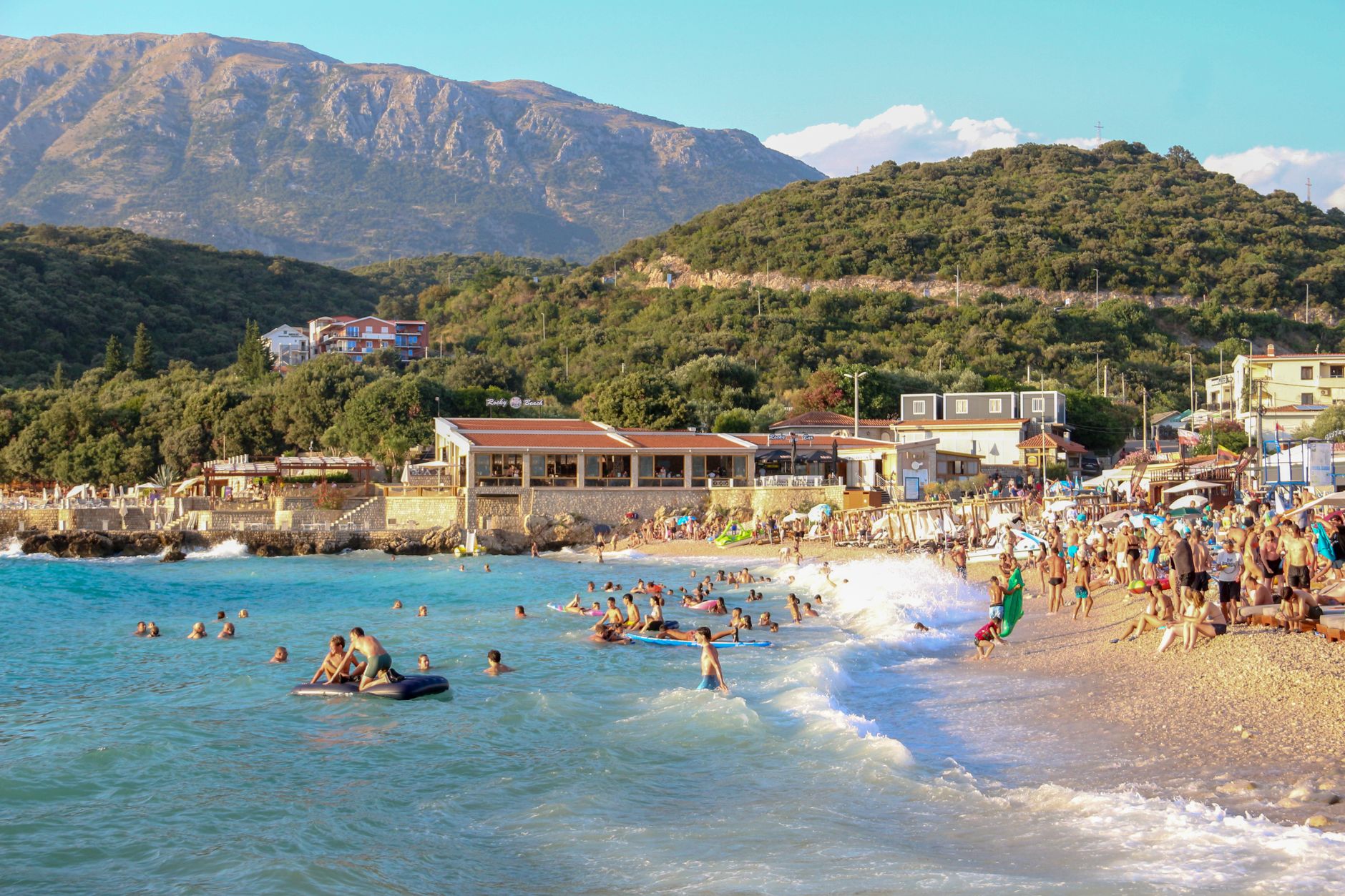
Albania is a country of quick costume changes. Within a single day you might swim off the turquoise coves of the Albanian Riviera, wind through cool mountain passes in the Accursed Mountains, and stroll cobblestone streets in a city that still holds onto its Ottoman-era charm. That diversity is exactly why packing for Albania trips up so many travelers who assume one bag fits all seasons.
Whether you're chasing sunshine in Saranda, hiking the Valbona to Theth trail, or exploring Tirana's museums in the drizzle of November, what you bring can make or break your comfort level. Fabrics that work beautifully in July will leave you shivering in a January mountain village, and a suitcase packed for winter will feel absurdly heavy on a Ksamil beach afternoon.
This guide breaks down exactly what to pack for Albania season by season, plus the year-round essentials every visitor should tuck into their bag no matter when they arrive. Read on and you'll leave home prepared, not overpacked.
Key Takeaways
| Best Overall Strategy | Pack in layers, since Albania's coast, cities, and mountains can each demand different clothing on the same day. |
|---|---|
| Summer Essentials | Lightweight breathable fabrics, strong sun protection, and a reusable water bottle for scorching coastal heat. |
| Winter Essentials | Waterproof outerwear, insulated layers, and sturdy boots for rain in the lowlands and snow in the highlands. |
| Year-Round Must-Have | Comfortable walking shoes, since cobblestones and hiking trails dominate most Albanian itineraries. |
| Often Overlooked Item | A universal power adapter and portable charger, especially useful in rural guesthouses with limited outlets. |
Understanding Albania's Climate Before You Pack
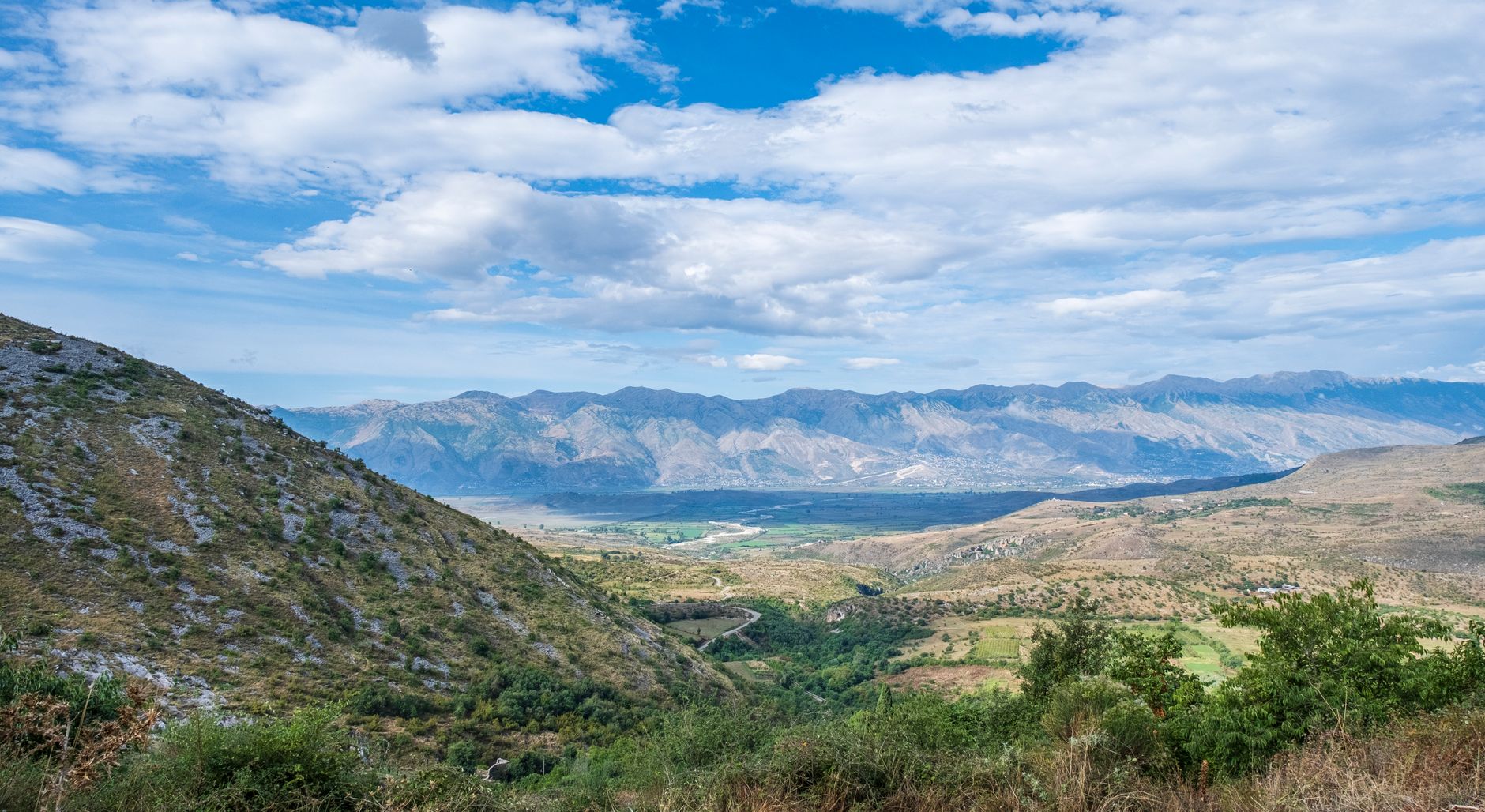
Before diving into checklists, it helps to understand why Albania demands such varied packing. The country hugs the Adriatic and Ionian Seas along its western edge, giving coastal towns like Vlora, Saranda, and Durres a classic Mediterranean climate with hot, dry summers and mild, wet winters. Meanwhile, the interior and north, including Tirana, Korca, and the Albanian Alps, experience a more continental climate with colder winters, occasional snow, and cooler summer evenings.
This means the same suitcase that works perfectly for a July beach holiday in Ksamil would leave you underdressed in the Theth valley, where temperatures drop noticeably once the sun sets behind the peaks. Elevation matters just as much as season here. A mountain village at 1000 meters can feel like a different country entirely compared to the coast just two hours away.
Because many travelers combine a coastal stay with a mountain excursion or a city visit to Tirana or Shkodra, the smartest packing strategy is built around flexible layering rather than committing fully to either warm-weather or cold-weather gear. Keep this climate diversity in mind as you read through each seasonal section below.
- Coastal Albania: Mediterranean climate with hot, dry summers and mild, rainy winters
- Central and northern interior: continental climate with colder winters and warm but breezier summers
- Mountain regions like Theth and Valbona: cool nights year-round, snow common from November to April
- Tirana sits in a transitional zone, warmer than the mountains but cooler than the deep coast
Check the specific town's elevation before you pack, not just the season. A 500-meter difference in altitude can mean a 5 to 8 degree Celsius swing in temperature.
Spring in Albania: March to May
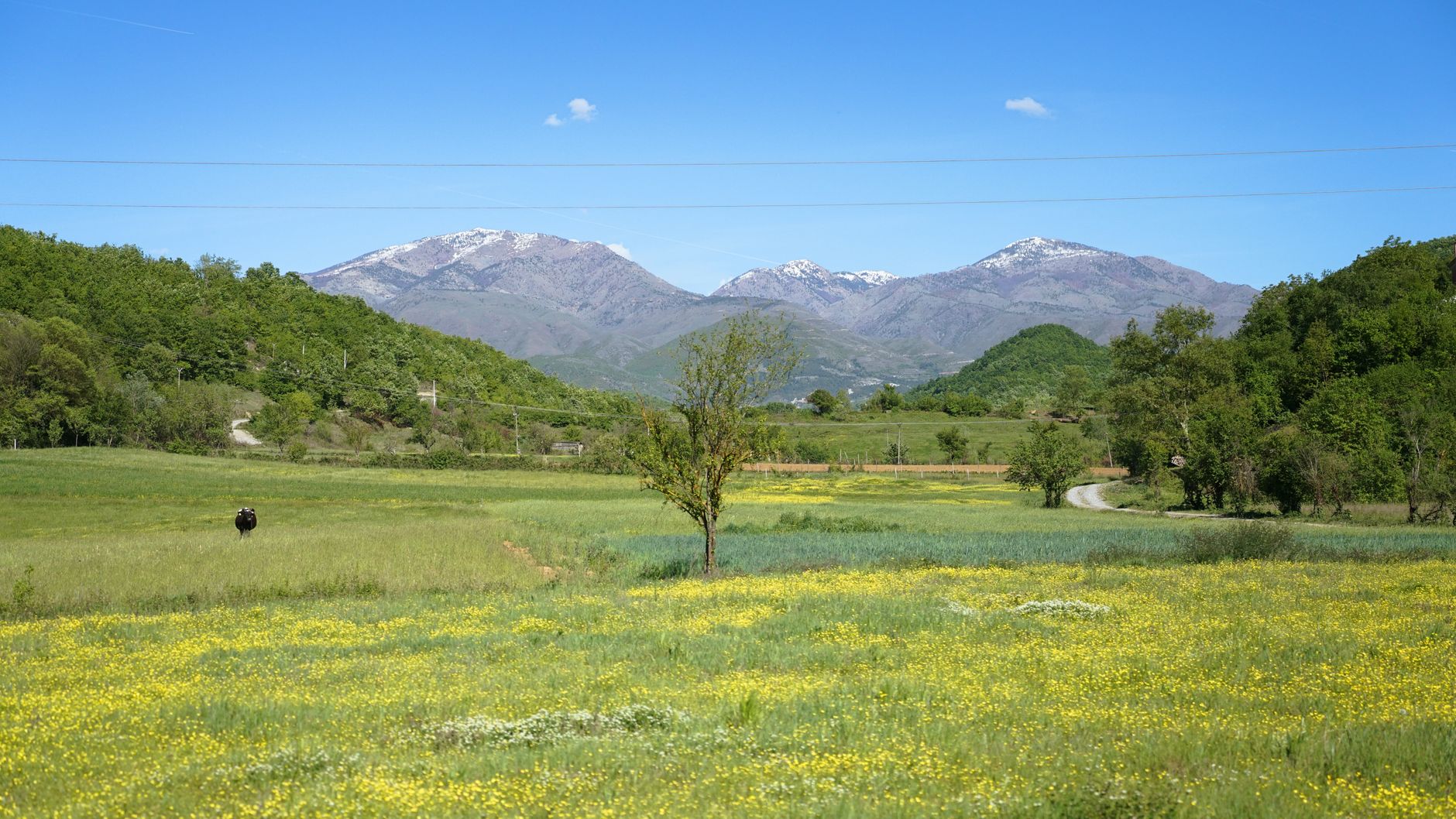
Spring is one of the most rewarding times to visit Albania, with wildflowers blooming across the countryside and far fewer crowds than the summer rush. But it's also a season of unpredictable weather, where a sunny morning can turn into an afternoon downpour, especially in March and early April. Packing smartly for spring means preparing for both warmth and sudden rain.
Daytime temperatures along the coast typically range from 15 to 22 degrees Celsius, while inland and mountain areas stay noticeably cooler, particularly in the mornings and evenings. By May, the coast starts warming toward beach weather, though the sea itself is often still too cool for a comfortable swim.
This is a fantastic season for hiking, so if you're planning to explore the Albanian Alps or the Llogara Pass, be ready for trails that may still be muddy or partially snow-covered at higher elevations well into April.
- Waterproof, packable rain jacket for sudden spring showers
- Layered clothing including a light sweater, long-sleeve shirts, and a t-shirt combo
- Sturdy walking shoes or light hiking boots with good grip for muddy trails
- A light scarf or buff for cooler mountain mornings
- Sunglasses and sunscreen, since UV exposure rises quickly even before it feels hot
- A compact umbrella that fits easily in a daypack
Pack a fleece or lightweight puffer jacket even if the forecast looks mild. Spring evenings in Berat, Gjirokaster, and mountain towns cool down fast after sunset.
Summer in Albania: June to August
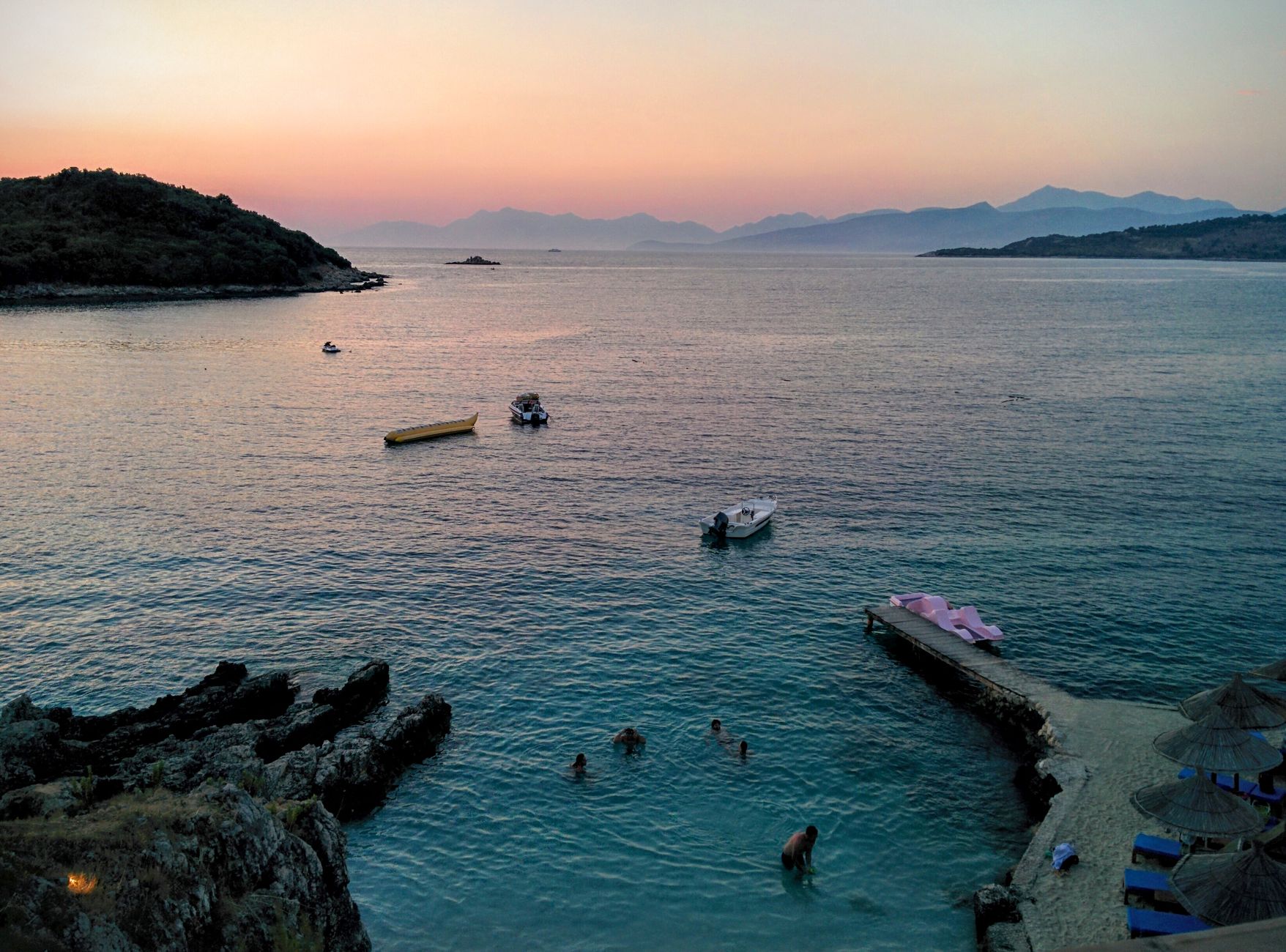
Summer is peak season along the Albanian Riviera, and for good reason. Coastal towns like Saranda, Ksamil, and Dhermi bask in temperatures that regularly climb to 30 to 35 degrees Celsius, with intense sun and very little rain. This is beach season through and through, so your packing list should prioritize staying cool, protected, and comfortable in the heat.
Inland cities like Tirana and Elbasan can feel even hotter due to less coastal breeze, while the mountains offer a welcome escape with cooler air, making a Theth or Valbona detour appealing if the coastal heat becomes overwhelming. If your itinerary includes both, pack a small warm layer for mountain evenings even during peak summer.
Modesty matters in certain settings too. While beachwear is completely normal on the Riviera, you'll want a cover-up or light layer for visiting mosques, churches, or more conservative inland villages.
- Lightweight, breathable clothing in natural fabrics like cotton and linen
- A wide-brimmed hat and quality sunglasses for intense coastal sun
- Reef-safe sunscreen with high SPF, reapplied often near the water
- A reusable water bottle, since summer heat demands constant hydration
- Comfortable sandals for the beach plus one pair of closed shoes for old town cobblestones
- A quick-dry towel and swimwear for impromptu dips in hidden coves
- A light cover-up or shawl for visiting religious sites or rural villages
Freeze a bottle of water before heading to the beach. It stays cold for hours and doubles as a refreshing splash when the midday heat peaks.
Autumn in Albania: September to November

Autumn is often considered the sweet spot for visiting Albania, and packing for it reflects that balance. September still feels like summer along the coast, with warm days perfect for swimming, while October brings cooler, crisper air ideal for exploring cities and hiking trails without the crowds or intensity of July heat.
By November, temperatures drop noticeably, rain becomes more frequent, and mountain regions may see their first snowfall. This makes autumn a season of transition, where your suitcase needs to handle both a warm September afternoon in Berat and a chilly November evening in Korca.
Harvest season also brings wine and raki tastings across inland regions, along with cultural festivals worth dressing smartly for, so it's worth including at least one slightly nicer outfit beyond your hiking gear.
- Layerable pieces such as a light jacket, cardigan, and long-sleeve shirts
- A packable rain jacket, since October and November bring more frequent showers
- Comfortable walking shoes with decent tread for wet cobblestones
- A warm scarf and light gloves for late autumn mountain visits
- Swimwear if traveling in September, when the sea remains warm and inviting
- A midweight sweater for cooling evenings in Tirana and Shkodra
Book your trip for late September to mid-October if you want the best mix of warm days, mild nights, and thinner crowds at major sites.
Winter in Albania: December to February
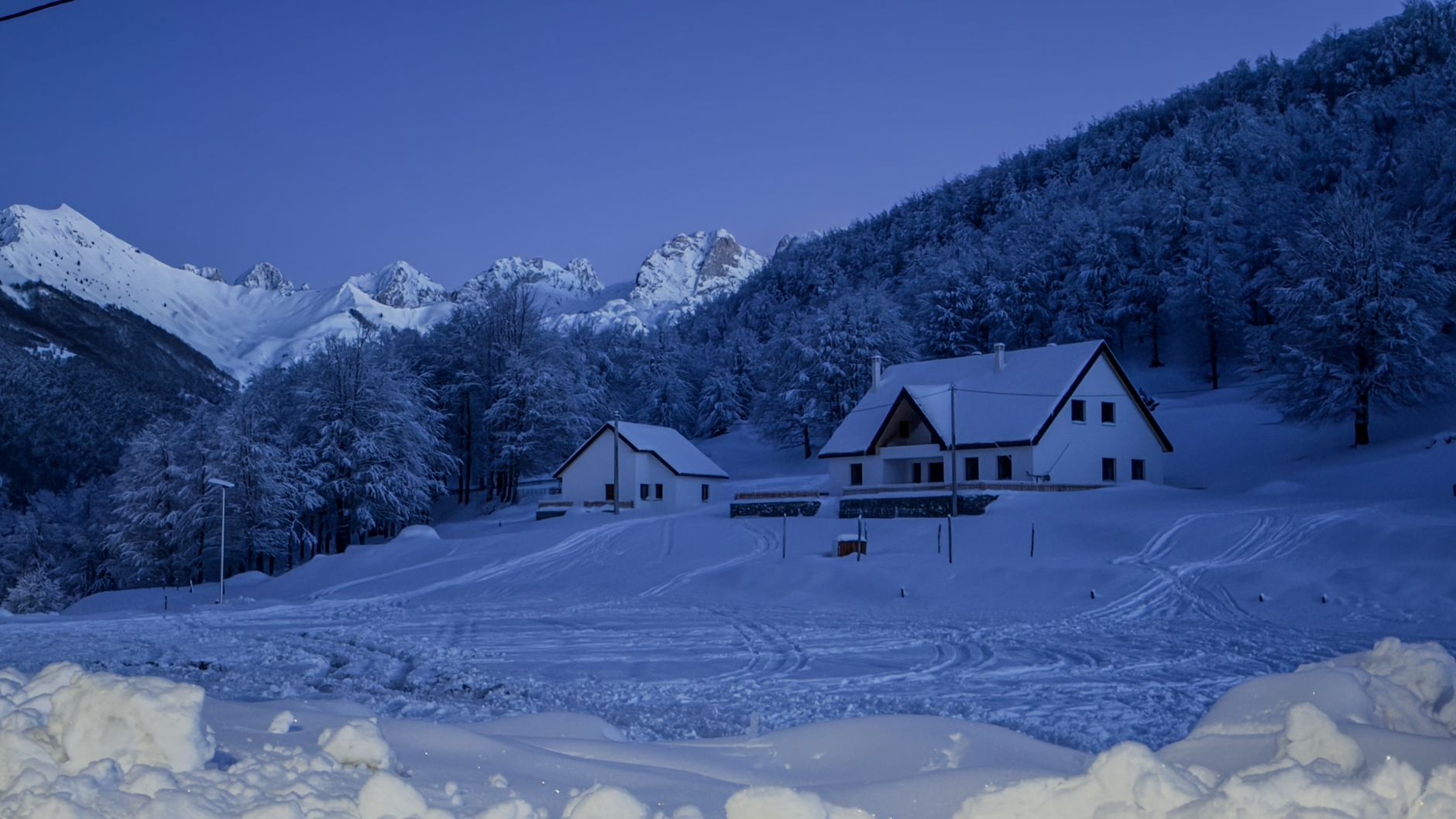
Winter in Albania surprises many travelers who imagine only Mediterranean sunshine. While the coast stays relatively mild with average daytime temperatures around 10 to 14 degrees Celsius, it's also the rainiest season, with frequent overcast skies and downpours. Meanwhile, the northern mountains, including Theth, Valbona, and the roads around Korca, regularly see snow and sub-zero temperatures.
Tirana sits somewhere in between, cold and often damp but rarely snowbound for long. If your winter itinerary includes any mountain travel, be prepared for genuinely cold conditions, and check road conditions carefully since some mountain passes close entirely during heavy snow.
Indoor heating varies significantly across accommodations too, especially in older guesthouses in smaller towns, so packing warm sleepwear and layers you can wear indoors is a smart backup plan.
- A waterproof, insulated winter coat for both coastal rain and mountain cold
- Thermal base layers for anyone heading into the northern highlands
- Waterproof boots with solid grip for icy or muddy terrain
- Warm hat, gloves, and a scarf, especially for mountain excursions
- An umbrella or waterproof jacket hood for the region's rainy coastal winters
- Warm socks and slippers for guesthouses with limited indoor heating
If you're visiting Theth or Valbona in winter, confirm transport availability in advance, as snow can close roads for days at a time.
Year-Round Essentials for Every Albania Trip
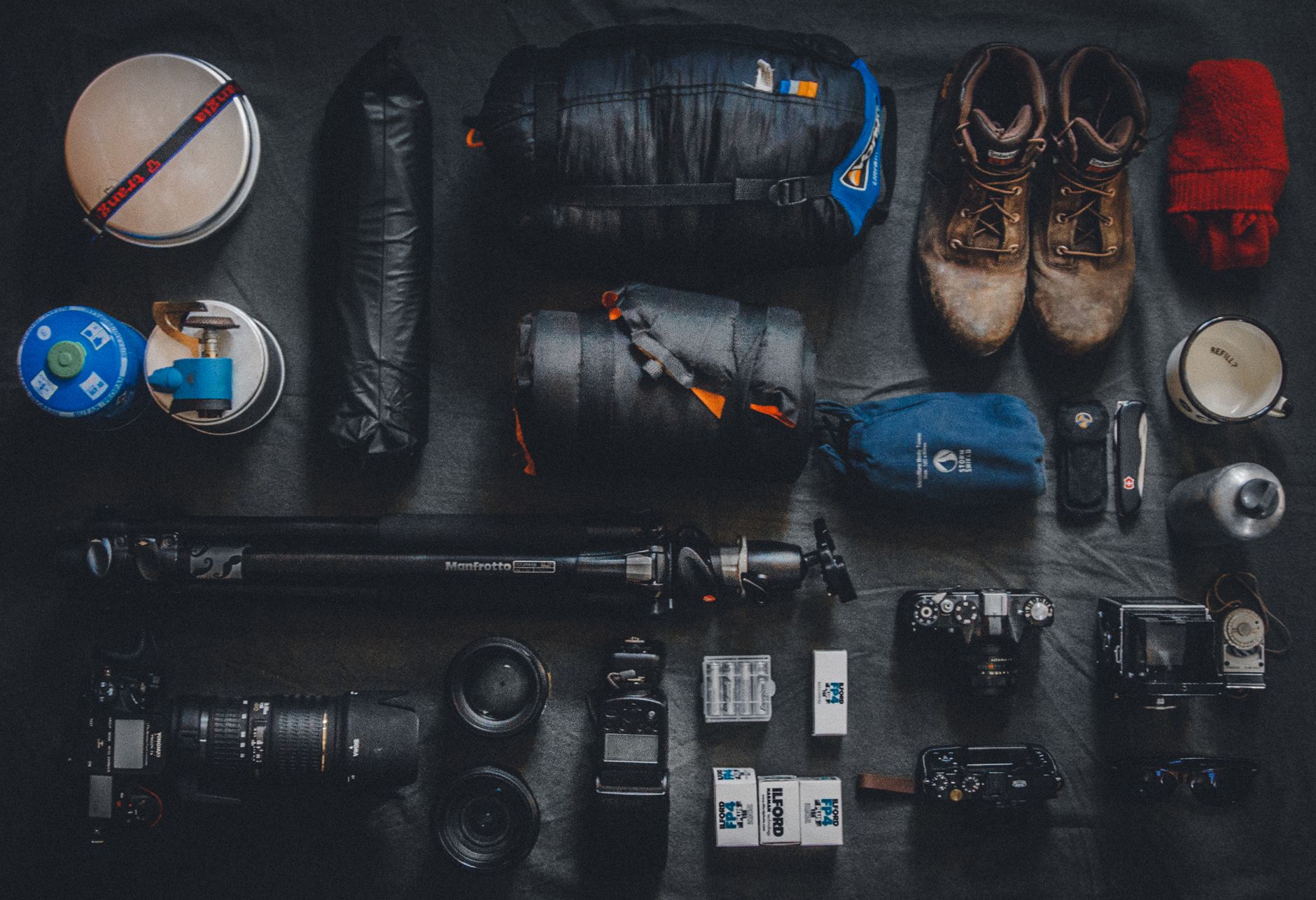
Beyond seasonal clothing, certain items belong in your bag no matter when you visit Albania. These essentials address the practical realities of traveling through a country with varied terrain, occasional infrastructure gaps in rural areas, and a currency and payment system that still favors cash in many smaller towns.
Comfortable footwear deserves special mention here. Albania's old towns are paved with uneven cobblestones, and even short city walks can turn into unexpectedly long treks if you're exploring hilltop castles or coastal promenades. Pack shoes you've already broken in, not brand new ones.
Documentation and money matters are equally important. While cards are increasingly accepted in cities, many rural guesthouses, small restaurants, and local markets still operate primarily in cash, so having Albanian lek on hand smooths daily transactions considerably.
- A universal power adapter, since Albania uses the European two-pin plug standard
- A portable charger or power bank for long travel days and rural areas with fewer outlets
- Comfortable, broken-in walking shoes for cobblestones, trails, and long city days
- A reusable water bottle to reduce plastic waste and save money on bottled water
- A small first-aid kit with basics like pain relievers, blister plasters, and motion sickness tablets
- Photocopies or digital scans of your passport and travel insurance documents
- A daypack for hikes, beach days, and everyday sightseeing
- Cash in Albanian lek for small towns, markets, and rural guesthouses
Withdraw cash from ATMs in larger cities before heading to rural areas or the mountains, where ATMs can be scarce or occasionally out of service.
Albania Packing Quick Reference by Season
| Season | Coastal Temps | Mountain Temps | Key Clothing Items | Watch Out For |
|---|---|---|---|---|
| Spring (Mar-May) | 15-22°C | 5-15°C | Rain jacket, layers, light hiking boots | Sudden showers and muddy trails |
| Summer (Jun-Aug) | 28-35°C | 18-25°C | Breathable fabrics, sun hat, sandals | Intense sun and dehydration |
| Autumn (Sep-Nov) | 18-27°C | 8-16°C | Cardigans, light jacket, rain gear | Increasing rain toward November |
| Winter (Dec-Feb) | 8-14°C | -2 to 8°C | Waterproof coat, thermals, warm boots | Snow-closed mountain roads |
Frequently Asked Questions
Do I need to pack differently for the Albanian Riviera versus the mountains?
Yes, significantly. The Riviera stays warm and dry for much of the year, favoring light, breathable clothing, while the northern mountains around Theth and Valbona require warm layers and waterproof gear even in late spring and early autumn.
Is it necessary to bring formal clothing to Albania?
Formal clothing isn't required for most trips, but packing one slightly smarter outfit is useful for nicer restaurants, wine tastings, or cultural events, particularly in cities like Tirana and Korca.
What should I pack for hiking in Albania?
Bring broken-in hiking boots, moisture-wicking layers, a waterproof shell jacket, a refillable water bottle, sun protection, and a basic first-aid kit, since trail facilities in the Albanian Alps can be limited.
Do I need special adapters for Albania?
Albania uses the standard European two-pin plug with 230V electricity, so travelers from the UK, US, and Australia will need a compatible adapter, and those from the US may also need a voltage converter for certain devices.
Is it common to need cash in Albania, or can I rely on cards?
Cards are widely accepted in cities and larger hotels, but many small guesthouses, rural restaurants, and local markets still prefer or require cash in Albanian lek, so it's wise to carry some at all times.
What's the biggest packing mistake travelers make when visiting Albania?
The most common mistake is packing for only one region, either all beachwear or all mountain gear, when many itineraries combine coastal relaxation with mountain or city exploration, requiring flexible layers instead.
Plan your Albania adventure
Packing for Albania isn't about guessing a single forecast, it's about preparing for a country that offers Mediterranean beaches, alpine peaks, and historic city streets often within the same week-long trip. By thinking in layers and paying close attention to the season and elevation of each stop on your itinerary, you'll stay comfortable whether you're swimming in Ksamil, hiking near Theth, or wandering Gjirokaster's stone streets.
Use this season-by-season checklist as your starting point, then adjust based on your specific route and pace of travel. With the right gear tucked into your bag, you'll spend less time worrying about the weather and more time soaking up everything that makes Albania one of Europe's most rewarding and refreshingly uncrowded destinations.