What to Know Before Visiting Albania's Orthodox Monasteries


Tucked into limestone cliffs, forested valleys, and lakeside shores, Albania's Orthodox monasteries are some of the country's most overlooked treasures. While most travelers flock to the Riviera or Berat's Ottoman houses, few realize that Albania also holds a rich Byzantine and post-Byzantine religious heritage dating back over a thousand years. These monasteries survived Ottoman rule, decades of state-enforced atheism under communism, and centuries of isolation, yet many still stand today with their frescoes, iconostases, and quiet courtyards intact.
Visiting these sites is not like touring a museum. They are living, breathing spaces of worship, often maintained by a handful of monks or nuns, or cared for by devoted local caretakers. That means there's a different rhythm and etiquette to follow, one rooted in respect rather than tourism convenience.
This guide walks you through what to expect, how to prepare, and how to visit Albania's Orthodox monasteries in a way that honors their history and the communities who still hold them sacred.
Key Takeaways
| Best Regions | Berat, Korce, Voskopoje, Lake Ohrid area, and southern Albania |
|---|---|
| Dress Code | Modest clothing covering shoulders and knees; headscarves for women at some sites |
| Photography | Often restricted inside churches; always ask before photographing icons or frescoes |
| Best Season | Spring and early autumn for mild weather and open access roads |
| Access | Many monasteries require a car or hired driver; some have irregular opening hours |
Understanding Albania's Orthodox Heritage

Orthodox Christianity has deep roots in southern and central Albania, tracing back to the early Byzantine era. Over centuries, monasteries became centers of learning, art, and community life, particularly in regions like Korce, Gjirokaster, and around Lake Ohrid. Many of these structures date from the 13th to 18th centuries and contain some of the best-preserved post-Byzantine fresco cycles in the Balkans.
During the communist period under Enver Hoxha, Albania was declared the world's first atheist state in 1967. Churches and monasteries were closed, repurposed as warehouses, or destroyed outright. Many monks and priests were imprisoned or killed. What remains today is often the result of careful restoration since the 1990s, sometimes with support from religious communities abroad and Albania's own Orthodox Autocephalous Church.
Understanding this layered history helps you appreciate why some sites feel quietly triumphant, worn but resilient, rather than polished tourist attractions.
- Many frescoes date back to renowned Balkan iconographers like Onufri, a 16th-century master painter
- Some monasteries were abandoned for decades and are only partially restored
- Local guides can offer historical context not found on posted signage
Ask locally about the story behind a monastery before you visit. Many have oral histories more vivid than what's written on any placard.
Top Orthodox Monasteries Worth Visiting
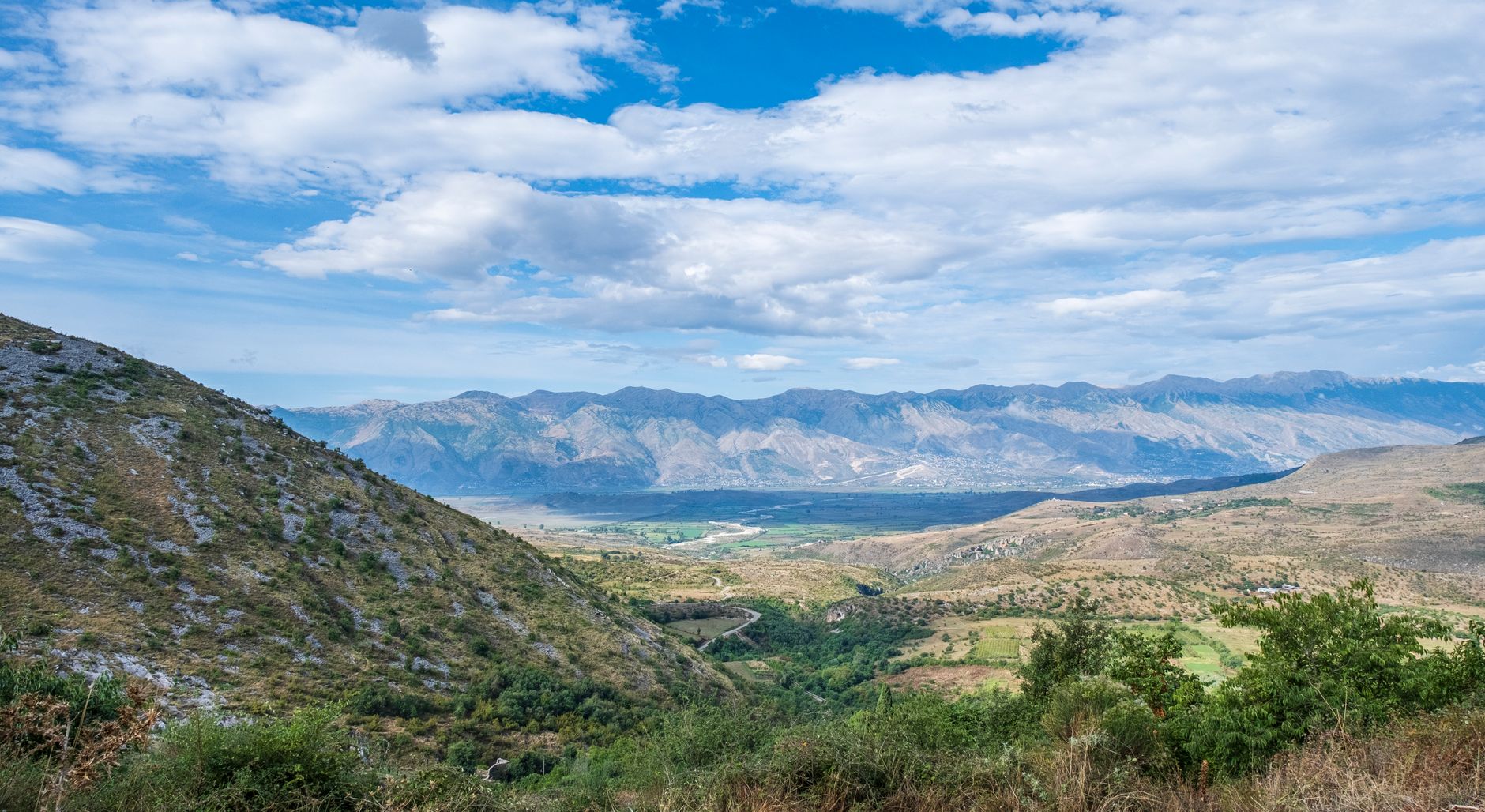
Albania's Orthodox sites are scattered across the south and southeast, often in areas that reward the extra travel time with dramatic scenery. A few stand out as must-visits for history lovers and those seeking tranquil, less-crowded spaces.
The Ardenica Monastery, between Fier and Lushnje, is one of the most visited, known for its 13th-century church and connection to Skanderbeg's wedding. Near Berat, the Church of the Holy Trinity sits above the citadel with sweeping valley views. In the Korce region, the ghost village of Voskopoje once hosted dozens of churches and monasteries when it was a thriving cultural hub in the 18th century, and several of its frescoed churches remain open to visitors.
Near the shores of Lake Ohrid and Prespa, smaller hermitic sites offer serene lakeside settings rarely mentioned in guidebooks.
- Ardenica Monastery – historic wedding site with courtyard gardens
- Voskopoje's churches – remnants of a once-great cultural center
- Saint Mary's Monastery near Apollonia – set among ancient ruins
- Zervat and other lakeside chapels near Prespa National Park
Combine a monastery visit with nearby archaeological sites, like Apollonia, since many are within a short drive of each other.
Dress Code and Etiquette

Orthodox monasteries in Albania maintain traditional standards of modesty, even at sites that see relatively few tourists. Dressing appropriately isn't just polite, it's often required for entry, and caretakers may turn away visitors who arrive in shorts or sleeveless tops.
Beyond clothing, general behavior matters. These are places of active prayer and reflection, not backdrops for casual sightseeing. Speaking softly, silencing your phone, and moving slowly through the space shows respect for both the site and any worshippers present.
If you happen to visit during a service, it's best to observe quietly from the back rather than walking through the nave or approaching the altar area, which is typically reserved for clergy.
- Cover shoulders, chest, and knees; long skirts or trousers are ideal
- Women may be asked to cover their hair with a scarf at some monasteries
- Remove hats before entering the church interior
- Avoid loud conversations or phone calls inside the grounds
- Do not touch icons, frescoes, or religious artifacts
Carry a lightweight scarf or shawl in your daypack year-round. It doubles as a head covering, shoulder cover, or sun protection between sites.
Photography and Practical Rules

Photography policies vary widely between Orthodox sites in Albania. Some monasteries welcome photos of exteriors and courtyards but strictly forbid flash photography near frescoes, which can accelerate pigment deterioration. Others ask that no photography take place at all inside the church.
It's always best to ask a caretaker or monk for permission before raising your camera. A simple gesture toward your camera with a questioning look usually gets a clear yes or no, even without a shared language.
Keep in mind that many of these monasteries operate without a formal ticket booth or gift shop. A small donation left in the offering box is appropriate and appreciated, even if entry is technically free.
- Never use flash near old frescoes or icons
- Some sites charge a small entrance fee, others rely solely on donations
- Drones are generally not permitted near active religious sites
- Opening hours can be inconsistent; mornings tend to be more reliable
Carry small denomination Lek notes for donation boxes, since many rural monasteries have no card payment option.
Getting There: Roads, Timing, and Logistics

Many of Albania's Orthodox monasteries sit off the main highway routes, tucked into hillsides or accessible only by narrow, winding roads. While a handful, like Ardenica, are reachable by regular car with well-marked signage, others require a sturdier vehicle or a local driver who knows the terrain.
Public transportation rarely reaches these sites directly. Furgon minibuses can get you to nearby towns, but the final stretch often requires a taxi, private transfer, or your own rental car. If you're short on time, consider hiring a driver for a day trip that links two or three monasteries in the same region.
Timing your visit matters too. Winter snow can close mountain access roads, especially near Voskopoje, while midsummer heat makes early morning visits far more comfortable, both for you and for respecting quiet prayer hours.
Best Time of Day to Visit
Late morning after any daily services have concluded tends to be the sweet spot, offering good light for photography of exteriors and a calmer atmosphere for exploring the grounds without disrupting worship.
- Rent a car for flexibility, especially in the Korce and Berat regions
- Hire a local driver for remote sites like Voskopoje's older churches
- Avoid visiting during major religious holidays unless you want to witness a service
- Check road conditions in winter before heading into mountain areas
Fill your car's fuel tank before heading into rural monastery regions, as gas stations can be sparse once you leave the main towns.
Respecting Living Communities
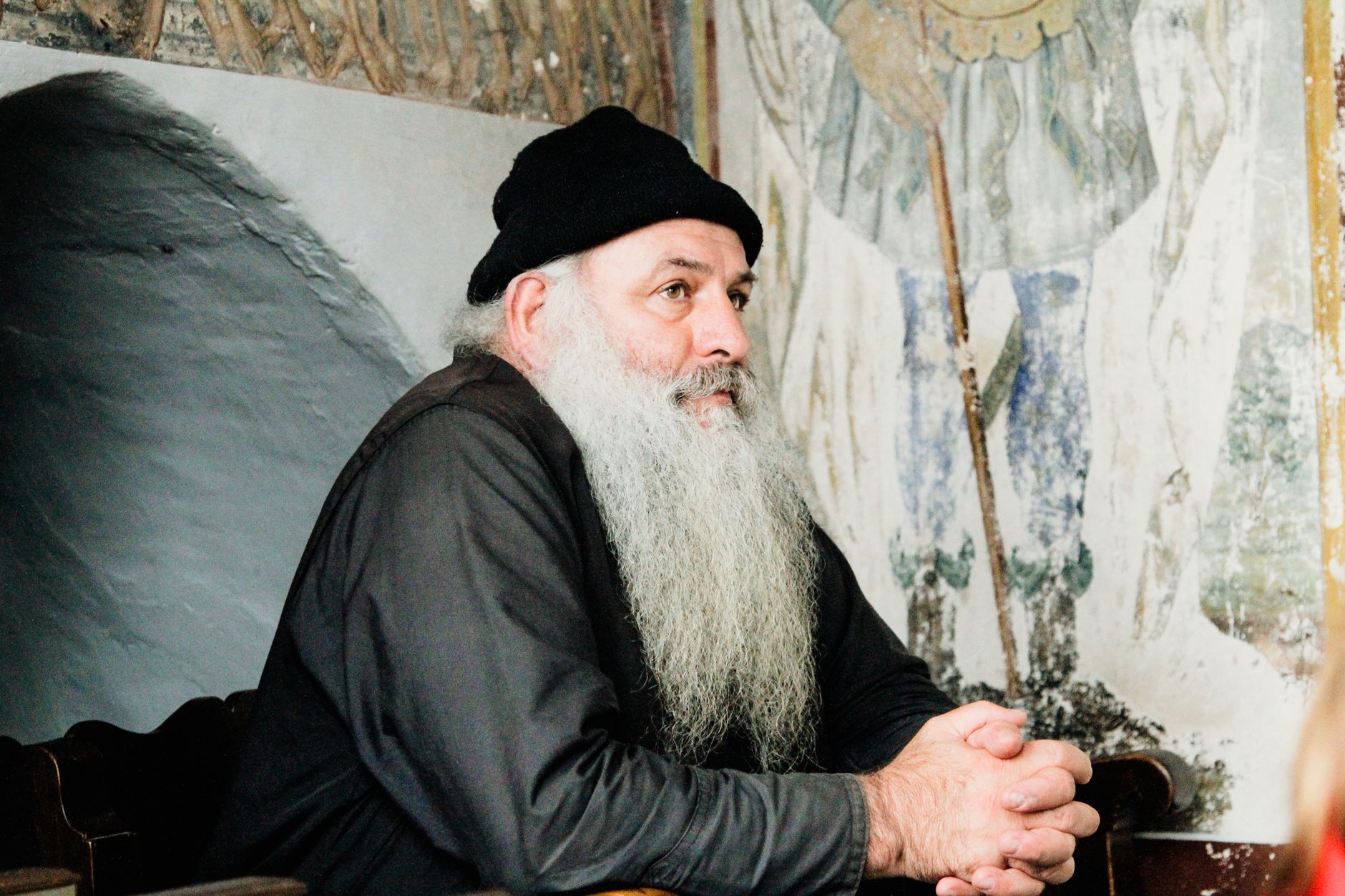
Unlike many historic sites that function purely as museums, several of Albania's monasteries are still home to small communities of monks or nuns who maintain daily prayer routines, tend gardens, and care for the buildings. Your visit is, in a real sense, a guest's visit into someone else's home and place of worship.
If you're offered tea, raki, or a small snack by a caretaker, it's a genuine gesture of hospitality rooted in Albanian and Orthodox tradition. Accepting graciously, even briefly, is far more appreciated than a polite refusal. Conversations, even through basic gestures or a translation app, are often welcomed and can deepen your understanding of the site's history far beyond what a guidebook offers.
Remember that these communities often operate on limited resources. A donation, a purchase of a hand-made candle or icon reproduction, or simply a respectful and unhurried visit all contribute to preserving these places for future travelers.
- Accept hospitality graciously if offered, even a small cup of tea
- Avoid interrupting monks or nuns during work or prayer times
- Support the site through small purchases or donations when possible
- Ask before recording video, even in courtyards
Learning a simple greeting in Albanian, like "Mirëdita" (good day), goes a long way in building warmth with caretakers.
Comparing Albania's Key Orthodox Monasteries
| Monastery | Region | Best For | Access Difficulty |
|---|---|---|---|
| Ardenica Monastery | Fier / Lushnje | History buffs and easy day trips | Easy, paved roads |
| Voskopoje Churches | Korce | Fresco lovers and ghost-town atmosphere | Moderate, rural roads |
| Holy Trinity Church | Berat | Panoramic views and citadel combo visits | Easy, walkable from town |
| Saint Mary's Monastery | Near Apollonia | Combining ruins with religious heritage | Easy, short drive |
| Prespa Lakeside Chapels | Prespa National Park | Solitude and natural scenery | Moderate, requires local guide |
Frequently Asked Questions
Do I need to be Orthodox Christian to visit these monasteries?
Not at all. Visitors of any faith or none are generally welcome, as long as you observe the dress code and behave respectfully. Most caretakers are happy to share their site's history with curious travelers.
Are Albania's Orthodox monasteries free to visit?
Many are free, relying instead on voluntary donations. A few well-known sites, like Ardenica, may charge a small entrance fee. Always carry small cash denominations just in case.
Can I visit during a religious service?
Yes, but you should observe quietly from the back rather than walking through the space. Attending a service can be a meaningful cultural experience if you're respectful of the ritual taking place.
What should I wear to an Orthodox monastery in Albania?
Modest clothing is essential: covered shoulders, knees, and often a headscarf for women. Avoid shorts, sleeveless tops, and overly casual beachwear, even if you're visiting between coastal stops.
Is it safe to drive to remote monasteries like those near Voskopoje?
Generally yes, though roads can be narrow and winding, and winter snow can complicate access. A reliable car, good tires, and daylight travel are recommended for mountain routes.
Can I take photos inside the churches?
Policies vary by site. Always ask a caretaker or monk before photographing interiors, especially near old frescoes and icons, since flash photography can damage delicate pigments.
Plan your Albania adventure
Albania's Orthodox monasteries offer something increasingly rare in European travel: places of genuine quiet, layered history, and living tradition that haven't been reshaped for mass tourism. Whether you're standing beneath centuries-old frescoes in Voskopoje or sharing a quiet cup of tea with a caretaker at a lakeside chapel near Prespa, these visits reward patience, humility, and curiosity.
Approach each monastery not as a checklist item but as an invitation into a story still being written, one of survival, restoration, and faith. Pack a scarf, learn a greeting, drive slowly on the mountain roads, and let these sacred spaces reveal themselves at their own pace. Albania's Orthodox heritage is waiting quietly in its hills, ready for travelers willing to seek it out with respect.