Traditional Albanian Guesthouses: The Ultimate Guide

There is a moment that happens in almost every Albanian guesthouse: you arrive tired and unsure, and within minutes someone presses a small glass of raki into your hand and insists you sit down before you've even taken off your shoes. This is the heart of Albanian hospitality, and it is exactly why traditional guesthouses, known locally as "shtëpi mikpritëse" or simply family-run bujtina, have become one of the most memorable ways to experience the country.
Unlike polished hotels, these guesthouses are often centuries-old stone homes passed down through generations, tucked into mountain villages, olive groves, or quiet coastal towns. Staying in one means waking up to the smell of fresh bread, sharing meals with your hosts, and hearing stories about the region that no guidebook could ever capture.
This guide walks you through what to expect, how to book with confidence, and how to make the most of your stay, whether you are trekking through the Accursed Mountains or relaxing along the Albanian Riviera.
Key Takeaways
| What They Are | Family-run homes offering rooms, home-cooked meals, and genuine local hospitality |
|---|---|
| Best Regions | Theth, Valbona, Berat, Gjirokastra, and the Albanian Riviera |
| Typical Price | Roughly 20-45 euros per person per night, often including breakfast or dinner |
| Booking Tips | Book directly by phone or message during peak season; cash is often preferred |
| What to Expect | Simple, clean rooms, shared bathrooms sometimes, and home-cooked multi-course meals |
What Exactly Is a Traditional Albanian Guesthouse?
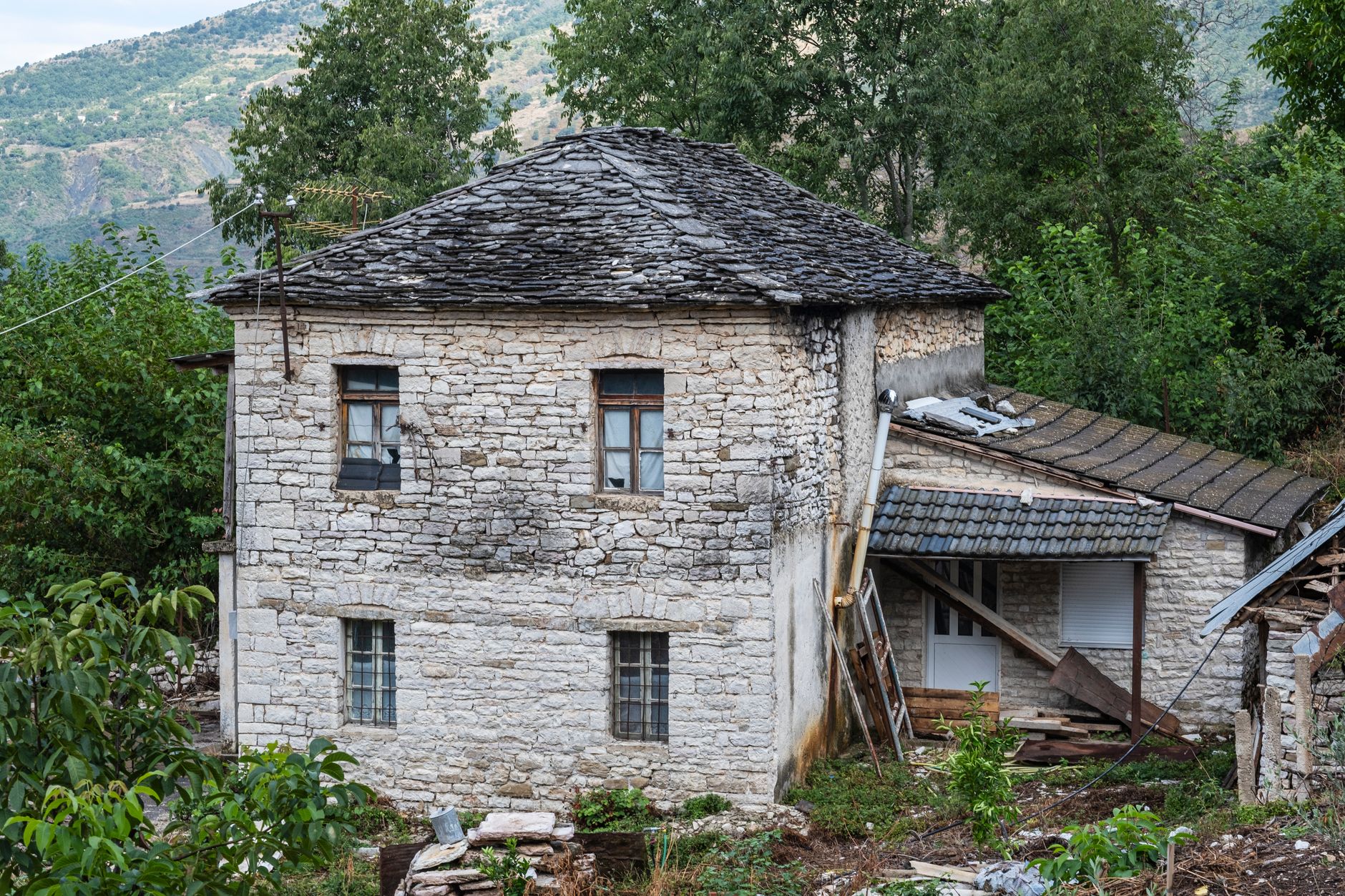
A traditional Albanian guesthouse is typically a family home that has opened its doors to travelers, offering a handful of guest rooms alongside home-cooked meals and, often, a deep well of local knowledge. These homes range from restored Ottoman-era stone houses in Gjirokastra and Berat to rustic timber lodges in the northern Alps and simple whitewashed rooms near the coast.
What sets these stays apart from hotels is the relationship you build with your hosts. You are not just a guest; you are welcomed almost as an extended family member for the duration of your visit. Many hosts speak some English, Italian, or German, and conversations over dinner often turn into informal history lessons about communism-era Albania, rural traditions, or the best hiking routes nearby.
Guesthouses vary widely in size, from a single spare room in a family's home to larger properties with six or eight rooms and a dedicated dining hall. Despite this variety, the underlying spirit remains the same: warmth, simplicity, and an emphasis on shared meals.
- Often family-owned and operated for multiple generations
- Found in both remote mountain villages and coastal towns
- Meals are usually included or available for a small extra fee
- Rooms are simple but clean, with an emphasis on comfort over luxury
- Many hosts grow their own vegetables and make their own cheese, wine, or raki
Ask your host what time dinner is served as soon as you arrive; many rural guesthouses cook one large meal for all guests at a set hour.
What to Expect During Your Stay

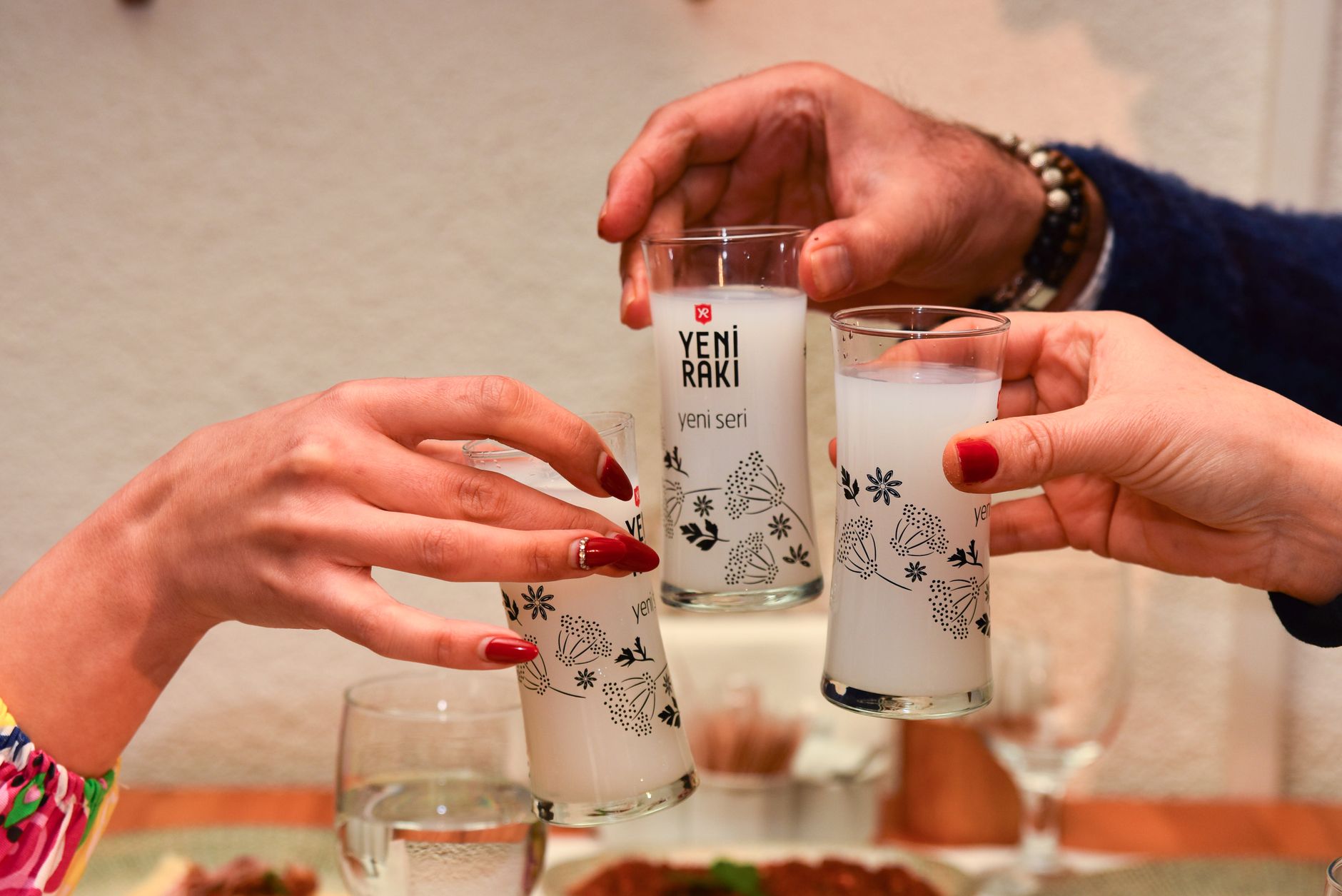
Arriving at a traditional guesthouse often feels more like visiting a relative than checking into accommodation. You may be greeted with a shot of homemade raki or a small plate of dried fruit and nuts, a customary welcome gesture that should be accepted graciously, even if you only take a small sip.
Rooms tend to be modest but spotless, often furnished with handmade wooden furniture, thick wool blankets, and sometimes a wood-burning stove in colder mountain regions. Bathrooms may be private or shared, particularly in smaller homes, so it's worth asking about this when you book if it matters to you.
Meals are the centerpiece of the experience. Breakfast typically includes fresh bread, local cheese, honey, eggs, and byrek, a flaky savory pastry. Dinner is often a multi-course affair featuring seasonal vegetables, grilled meats, homemade pasta or pies, and always something sweet to finish. Portions are generous, and second helpings are practically mandatory.
- Expect a warm welcome, often including a drink or small snack
- Rooms are simple, clean, and heated with wood stoves in mountain areas
- Bathrooms may be shared in smaller family homes
- Meals are hearty, homemade, and often eaten together with other guests
- Wifi may be limited or unavailable in remote mountain locations
Pack a small gift from your home country, such as chocolate or a postcard; hosts genuinely appreciate the gesture and it opens up wonderful conversations.
Best Regions for Guesthouse Stays

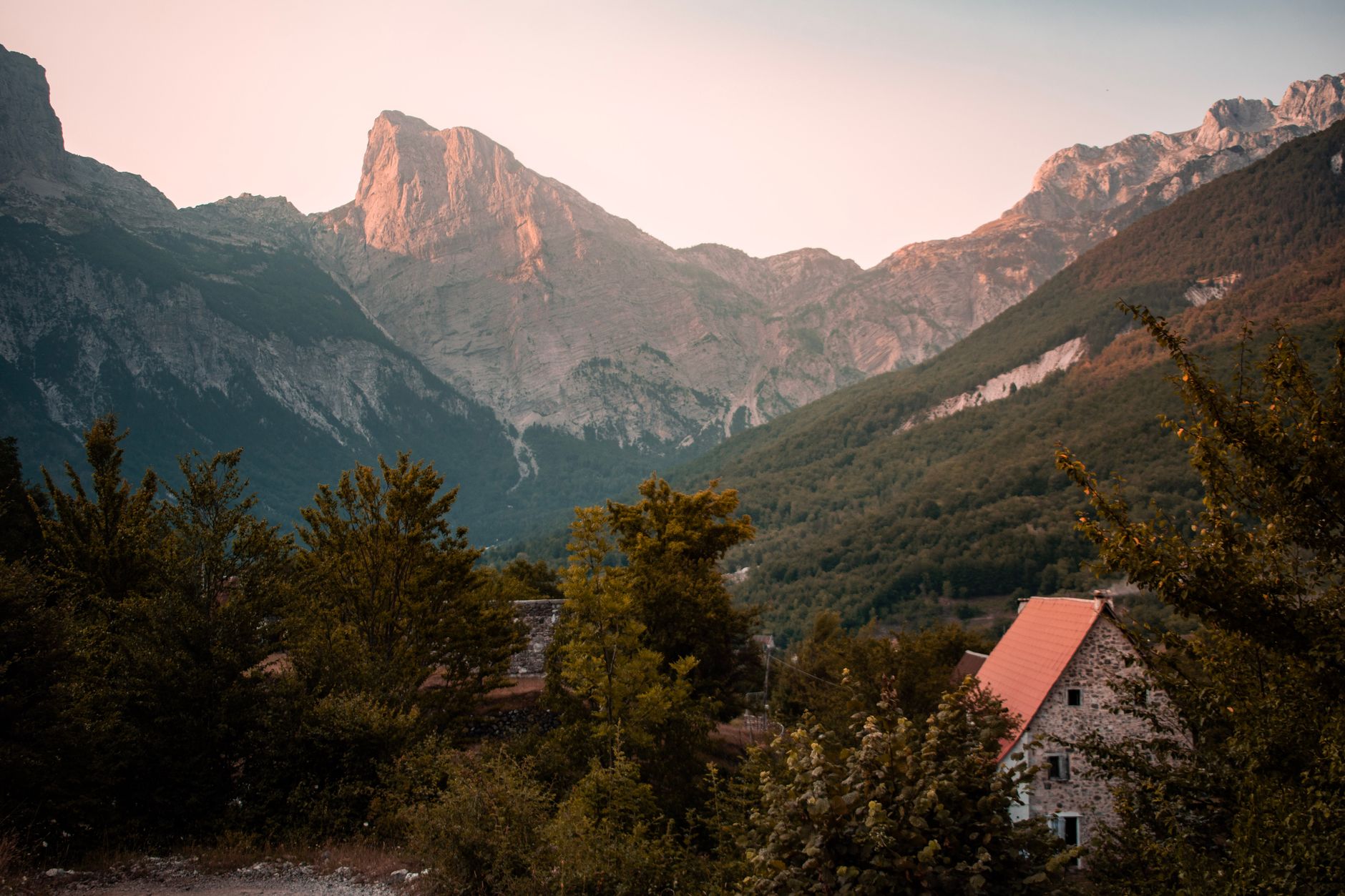
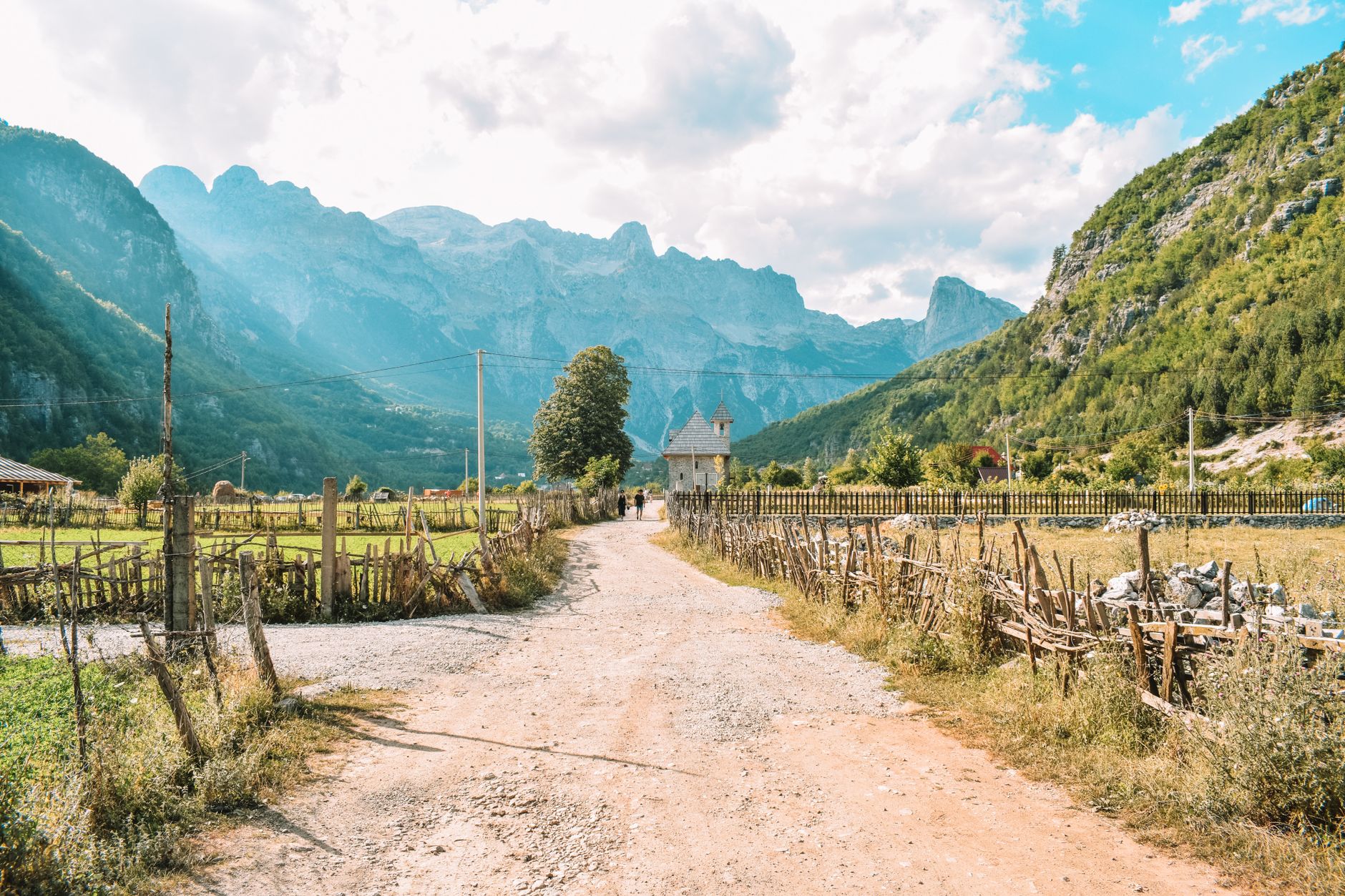
Albania's guesthouse culture thrives most strongly in areas where tourism infrastructure is still developing, which means the most memorable stays are often in the country's wilder corners. The northern mountain villages of Theth and Valbona are perhaps the most iconic, with guesthouses built into dramatic valleys surrounded by jagged peaks, perfect for hikers tackling the famous Valbona to Theth trail.
Further south, the historic towns of Berat and Gjirokastra offer a different flavor of guesthouse experience, with Ottoman-era stone homes converted into charming lodgings within UNESCO-listed old towns. Here, the focus shifts from mountain scenery to architecture, cobblestone streets, and centuries of layered history.
Along the Albanian Riviera, particularly in villages like Dhermi, Himara, and Qeparo, family-run guesthouses provide an appealing alternative to beachfront resorts, often just a short walk from turquoise water at a fraction of the price.
- Theth and Valbona: mountain lodges ideal for trekkers
- Berat and Gjirokastra: historic stone houses in UNESCO towns
- Albanian Riviera villages: coastal guesthouses near quiet beaches
- Lake Koman area: peaceful lakeside stays connected by ferry
- Southeastern lake towns like Pogradec offer lesser-known charm
If hiking the Valbona to Theth trail, book your Theth guesthouse in advance during July and August, as rooms fill quickly with trekkers.
How to Book a Traditional Guesthouse
Booking a traditional guesthouse is a little different from booking a hotel. While some larger or more established guesthouses appear on popular booking platforms, many smaller family-run homes are best reached by phone or messaging apps, especially in remote areas with limited internet infrastructure.
It's wise to book at least a few days ahead in popular hiking regions like Theth and Valbona during peak summer months, while in quieter areas you can often arrange a stay just a day or two in advance, or even upon arrival in the low season. That said, spontaneity works better outside of July and August.
Cash is still the preferred payment method in most rural guesthouses, so carry Albanian lek in small denominations. Confirm whether meals are included in the nightly rate or charged separately, and clarify the total cost before settling in to avoid any confusion later.
- Book directly by phone or messaging app when possible for the best rates
- Reserve several days ahead in Theth and Valbona during summer
- Carry cash in Albanian lek, as cards are rarely accepted
- Confirm whether breakfast and dinner are included in the price
- Ask about transportation options, as many guesthouses can arrange pickup
If you don't speak Albanian, ask your accommodation platform host or a local tour operator to help translate a booking message; a warm, personal introduction often secures a room even during busy periods.
Etiquette and Cultural Norms to Know
Albanian hospitality runs deep, rooted in a centuries-old code of honor called "besa," which places enormous importance on welcoming guests. Understanding a few cultural norms will help you show respect and deepen your connection with your hosts.
It is customary to remove your shoes when entering a guesthouse, so pack a pair of comfortable socks or slippers. When offered food or drink, it is polite to accept at least a small amount, even if you're not particularly hungry, as declining can be seen as impolite. Meals are often communal, so expect to share tables with other travelers and engage in conversation.
Tipping is not mandatory but is appreciated, particularly for exceptional service or memorable meals. A modest tip left discreetly, or simply a heartfelt thank you paired with a positive review, goes a long way in a country where tourism income directly supports rural families.
- Remove your shoes before entering the home
- Accept offered food or drink graciously, even in small amounts
- Expect communal dining with other guests
- Tipping is appreciated but not required
- Learn a few Albanian phrases like faleminderit (thank you) to show respect
A simple gesture, such as helping clear the table after dinner, is often warmly received and reflects Albanian values of shared effort and community.
Packing and Practical Tips for Guesthouse Stays

Because many guesthouses are located in remote or mountainous areas, a little preparation goes a long way. Electricity can occasionally be unreliable in rural regions, so packing a small flashlight or power bank is a smart move. Hot water may also be limited, particularly in smaller mountain lodges, so quick showers are appreciated.
Layered clothing is essential, especially in the northern Alps where temperatures can shift dramatically between day and night, even in summer. If you're staying in a guesthouse without heating during colder months, extra socks and a warm layer for sleeping will make a noticeable difference.
Finally, keep in mind that many rural guesthouses do not accept card payments and may have limited or no wifi. Downloading offline maps beforehand and carrying enough cash to cover your stay, plus a buffer for unexpected costs, will save you from unnecessary stress.
- Pack a flashlight or power bank for areas with unreliable electricity
- Bring layered clothing for temperature swings in mountain regions
- Carry enough Albanian lek in cash to cover your entire stay
- Download offline maps in advance for remote areas
- Pack a basic first-aid kit if hiking between guesthouses
Bring a reusable water bottle; many guesthouses offer natural spring water on tap, which is refreshing, free, and reduces plastic waste in areas without recycling infrastructure.
Guesthouse Types Compared
| Type | Location | Typical Price (per person) | Best For |
|---|---|---|---|
| Mountain lodge | Theth, Valbona | 25-40 euros with meals | Hikers and nature lovers |
| Historic stone house | Berat, Gjirokastra | 20-35 euros with breakfast | Culture and architecture fans |
| Coastal family home | Dhermi, Himara, Qeparo | 20-40 euros room only | Budget beach travelers |
| Lakeside guesthouse | Lake Koman, Pogradec | 20-30 euros with meals | Peaceful, off-the-beaten-path stays |
| Village farmstay | Rural interior villages | 20-35 euros full board | Immersive rural experiences |
Frequently Asked Questions
Do traditional Albanian guesthouses accept credit cards?
Most rural guesthouses prefer cash, especially in mountain areas like Theth and Valbona. It's best to carry Albanian lek in small denominations to cover your stay and meals.
Are meals always included in the price?
Not always, but many guesthouses include breakfast, and some offer dinner for a small additional fee. Always confirm what's included when booking to avoid surprises.
Is it safe to stay in remote guesthouses as a solo traveler?
Yes, Albania is known for its safety and strong hospitality traditions. Solo travelers, including women, generally report very positive experiences staying with local families.
Do I need to speak Albanian to book or stay at a guesthouse?
Not necessarily. Many hosts speak basic English, Italian, or German, especially in popular tourist areas. Learning a few simple Albanian phrases is appreciated but not essential.
How far in advance should I book during peak season?
For popular hiking regions like Theth and Valbona, book at least a week ahead in July and August. Coastal and historic town guesthouses can often be booked just a few days in advance.
What should I pack that I might not think of?
Bring slippers or warm socks for indoor wear, a power bank for areas with unreliable electricity, and layered clothing for cooler mountain evenings, even in summer.
Plan your Albania adventure
Staying in a traditional Albanian guesthouse is about far more than finding a place to sleep. It is an invitation into a way of life built on generosity, connection, and pride in one's homeland. Every shared meal, every glass of raki, and every conversation over coffee becomes part of the story you'll carry home with you long after your trip ends.
As you plan your journey through Albania, consider trading a night or two in a standard hotel for the warmth of a family-run guesthouse. Whether nestled in the mountains of Theth, the cobblestone streets of Gjirokastra, or a quiet village along the Riviera, these stays offer something increasingly rare in modern travel: genuine, unfiltered hospitality that will change the way you see this remarkable country.