Tirana Street Art Scene: The Ultimate Self-Guided Walking Tour


Tirana does not hide its history behind glass cases or velvet ropes. Instead, it splashes it across concrete walls, crumbling facades, and communist-era apartment blocks in bursts of color that tell the story of a nation reinventing itself. Once a city painted in the gray uniformity of dictatorship, Tirana has become one of the Balkans' most surprising open-air galleries, where every alley might reveal a political statement, a whimsical cartoon, or a haunting portrait of resilience.
Unlike cities where street art feels curated for tourists, Tirana's murals grew organically from decades of transformation. What began in the 1990s and 2000s as a mayor's radical experiment in painting buildings has evolved into a genuine grassroots movement, with local and international artists using walls as canvases for commentary on identity, freedom, and everyday Albanian life.
This self-guided walking tour will take you through Tirana's most compelling street art neighborhoods, explaining the meaning behind iconic pieces, the best times to visit, and practical tips so you can wander at your own pace, camera ready, coffee in hand.
Key Takeaways
| Tour Length | 3-4 hours, roughly 5-6 km on foot |
|---|---|
| Best Starting Point | Skanderbeg Square |
| Best Time to Go | Early morning or late afternoon for light and fewer crowds |
| Cost | Free, self-guided with no tickets required |
| Must-See Area | Blloku district and the former Artificial Lake pump station murals |
Why Tirana Became a Street Art Capital
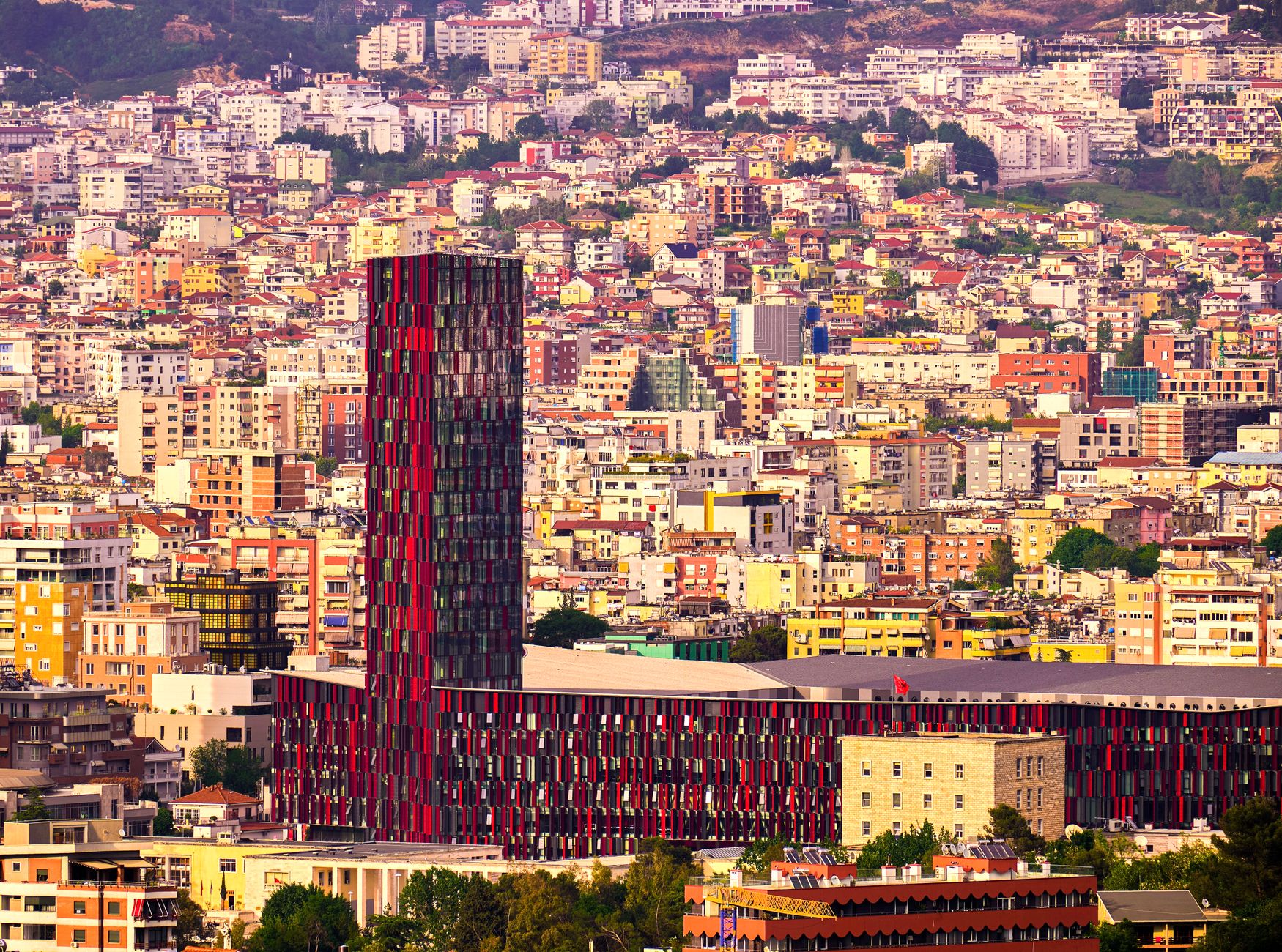
To understand Tirana's murals, you need a little history. After the fall of communism in 1991, Albania emerged from decades of isolation with crumbling infrastructure and a population hungry for color and self-expression. In the early 2000s, then-mayor Edi Rama, himself a painter, launched a controversial initiative to paint the drab Soviet-style apartment blocks in bright geometric patterns. Critics called it superficial, but the project sparked a cultural shift, turning Tirana into a living canvas and inspiring a generation of local artists.
Since then, the movement has grown far beyond government-sponsored facades. International street art festivals, university art programs, and independent collectives have added layers of meaning to the city's walls, addressing themes like emigration, corruption, gender equality, and Albania's complicated relationship with its past. Walking through Tirana today means walking through an evolving public dialogue.
What makes this scene special for travelers is its accessibility. There are no entrance fees, no scheduled tours required, and no barriers between you and the art. You simply need comfortable shoes, curiosity, and a willingness to look up, down, and around every corner.
- Street art in Tirana reflects both government initiatives and grassroots activism
- The movement began as a way to reclaim identity after communism
- Themes range from political satire to purely decorative color explosions
- New murals appear regularly, so the scene is always evolving
Ask locals in cafes about recent murals, since new pieces often appear faster than online guides can track them.
Starting Point: Skanderbeg Square and the National History Museum Mosaic
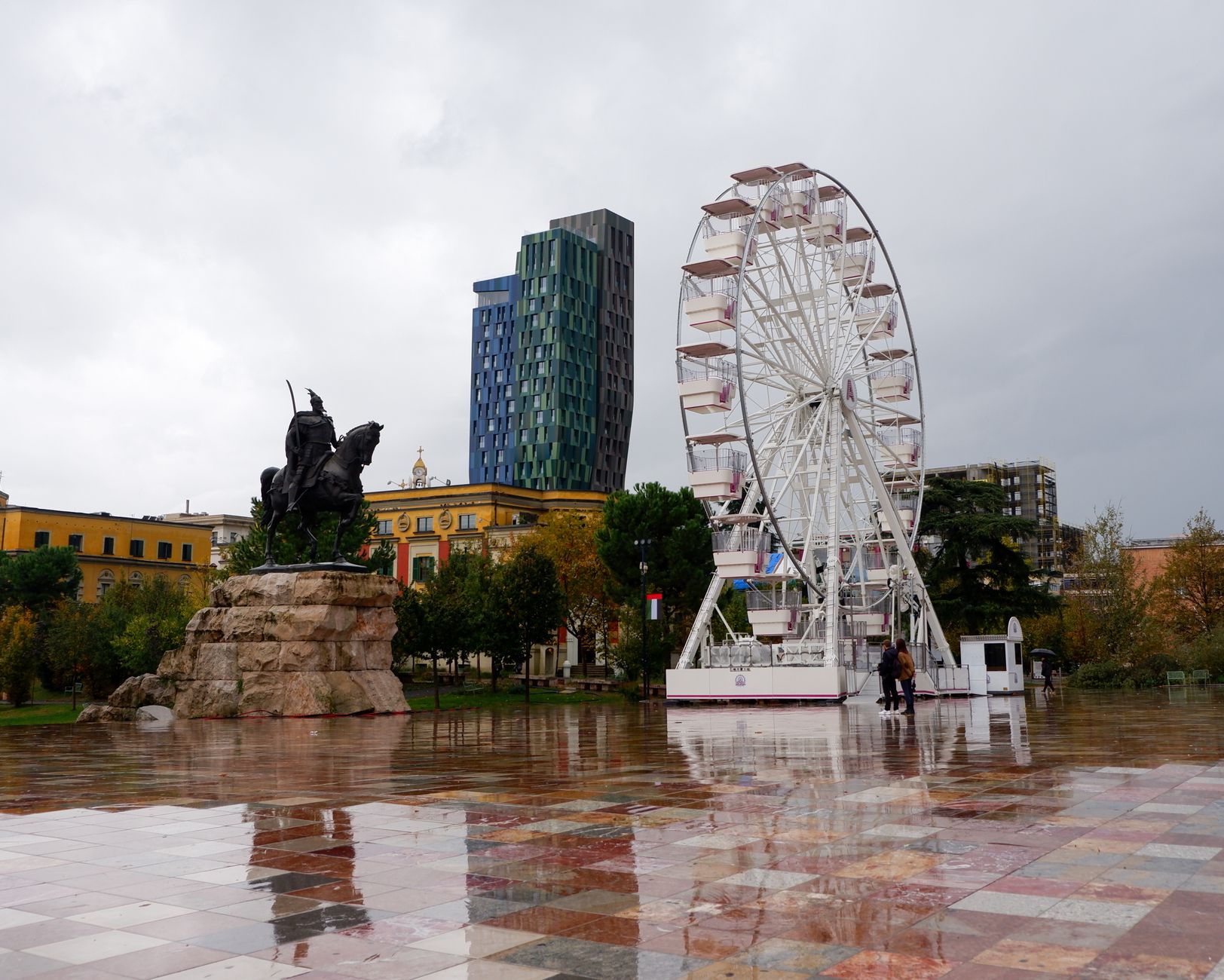
Begin your walking tour at Skanderbeg Square, the vast pedestrian heart of Tirana. While the square itself is more monumental than street-art focused, it sets the stage by featuring the enormous socialist-realist mosaic on the facade of the National History Museum, titled Albania. This mural, dating back to the communist era, depicts triumphant workers, soldiers, and partisans marching toward a bright future, a striking contrast to the playful contemporary art you will discover just a few streets away.
Take a few minutes here to appreciate how this Cold War-era propaganda piece has been preserved rather than removed, standing as a reminder of the country's layered history. It also offers a useful visual baseline, helping you notice just how dramatically Tirana's artistic language has shifted from state-mandated heroism to individual creative freedom.
From the square, head south toward Rruga Murat Toptani, a pedestrian street lined with cafes, boutique shops, and increasingly, small-scale murals tucked into side passages and stairwells.
- The National History Museum mosaic is one of the largest surviving communist-era murals in the Balkans
- Skanderbeg Square is free to access and open 24 hours
- Nearby cafes make a good spot for a coffee before starting your walk
- Look for smaller contemporary murals appearing along Rruga Murat Toptani
The Blloku District: Murals Amid Nightlife and Boutique Streets

Once an exclusive zone reserved for communist party elites and off-limits to ordinary citizens, Blloku is now Tirana's trendiest neighborhood, packed with cafes, bars, and boutique shops. It is also home to some of the city's most photographed street art, blending seamlessly into a district that already feels like a stylish outdoor lounge.
As you wander Blloku's narrow streets, keep an eye out for murals that play with themes of freedom and transformation, an intentional artistic response to the neighborhood's restrictive past. Many pieces here are commissioned as part of building renovation projects, meaning the art often changes as new businesses move in, so no two visits are ever quite the same.
Blloku is also an ideal midpoint for a break. Grab a macchiato at a sidewalk cafe, since Albanian coffee culture is essential to the walking-tour experience, and use the pause to study the details of a mural you might otherwise walk past.
- Blloku was once forbidden to regular citizens until the early 1990s
- Murals here often reflect themes of liberation and modern identity
- The district has Tirana's highest concentration of cafes for rest stops
- Street art changes frequently due to ongoing building renovations
Visit Blloku in late afternoon when golden light hits the building facades, ideal for photography.
Hidden Alleys Near the Artificial Lake and Pump Station Murals
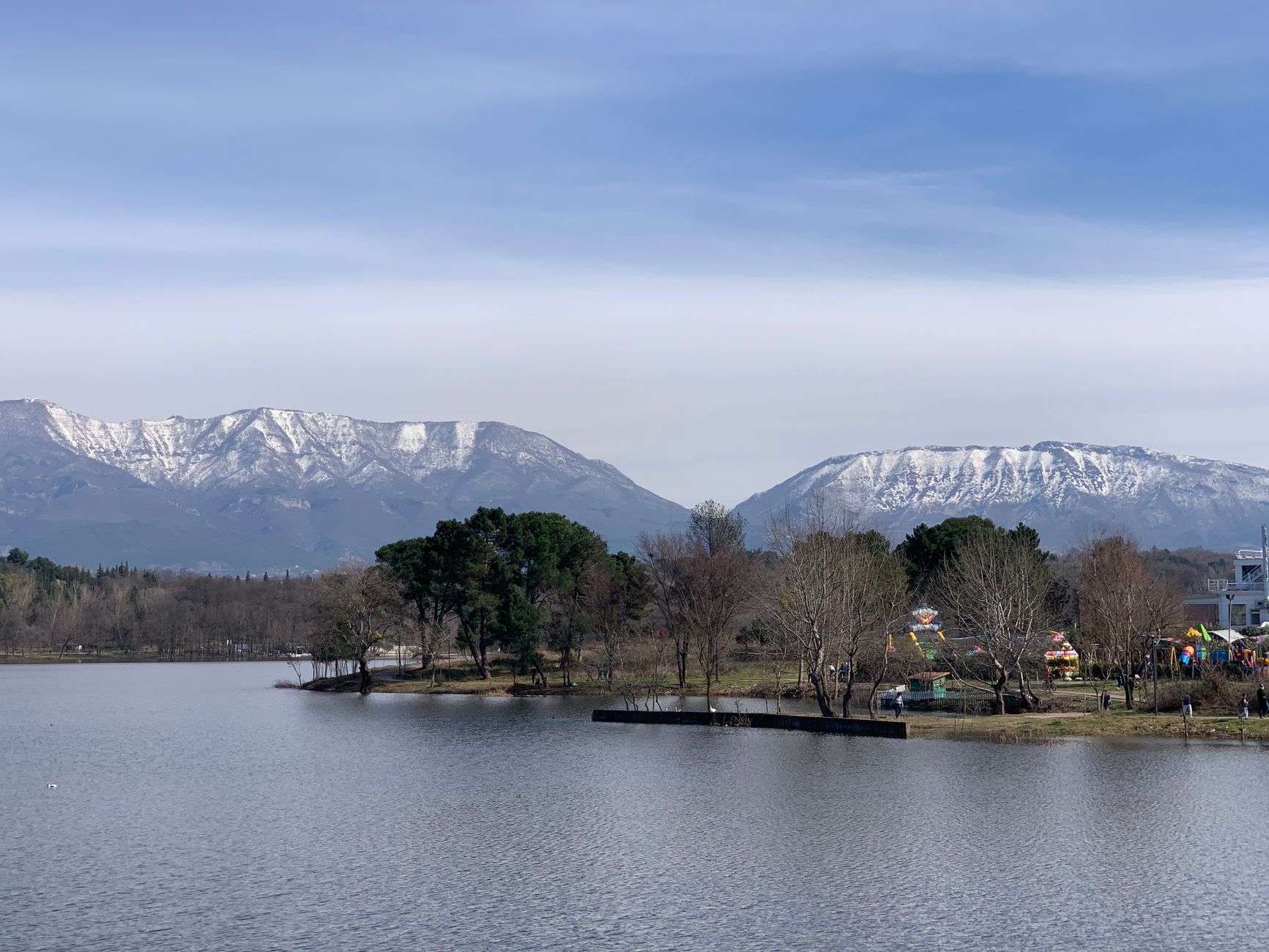
For a quieter, more reflective leg of your walk, head toward Tirana's Artificial Lake (Liqeni Artificial), a favorite spot among locals for jogging, picnicking, and lakeside strolls. Along the paths and utility buildings surrounding the lake, you will find some of the city's most artistically ambitious murals, often created during organized street art festivals that invite both Albanian and international artists to collaborate.
These pieces tend to be larger in scale and more abstract in style, using the broad surfaces of pump stations and maintenance buildings as their canvas. Because this area is less trafficked by tourists, you can often enjoy the murals without competing for the perfect photo angle.
This stretch of the tour also offers a welcome change of pace from the urban bustle, surrounded by greenery, water views, and the low hum of everyday Tirana life rather than traffic and construction.
- The Artificial Lake area is popular with joggers and families, especially on weekends
- Murals here are often the result of international street art festivals
- The park setting offers a relaxing contrast to the busier city center
- Fewer tourists mean better photo opportunities without crowds
The New Bazaar (Pazari i Ri) and Colorful Market Backstreets

No street art tour of Tirana is complete without a visit to Pazari i Ri, the New Bazaar, a lively market area filled with fruit stands, spice shops, and traditional Albanian food stalls. Beyond the market's colorful produce displays, the surrounding backstreets host a growing collection of murals that celebrate Albanian folklore, rural life, and cultural symbols alongside more experimental contemporary designs.
This area beautifully illustrates how street art in Tirana often exists in dialogue with everyday commerce and community life, rather than being isolated in a gallery-like district. You might find a mural of an Albanian eagle beside a butcher shop, or a whimsical geometric pattern above a bakery window.
Take time to wander slowly here, since some of the best pieces are tucked into narrow passageways easy to miss if you are moving too quickly. This is also a great spot to sample Albanian street food as a midway reward on your tour.
- Pazari i Ri combines fresh produce shopping with street art discovery
- Murals often reflect Albanian cultural and folk themes
- Great spot to try byrek, a traditional savory pastry, while exploring
- Best visited in the morning when the market is most active
Bring small cash for market snacks, since many vendors do not accept cards.
Practical Tips for Your Self-Guided Walking Tour

Planning your route thoughtfully will make the difference between a rushed photo dash and a genuinely enriching cultural walk. Tirana is a compact, walkable city, but summer heat and uneven pavements mean a little preparation goes a long way.
Consider breaking the tour into two shorter sessions if you are visiting in peak summer months, exploring Skanderbeg Square and Blloku in the morning, then the lake and bazaar areas later in the day. This also gives you flexibility to duck into cafes or museums if you need a break from the sun.
Finally, remember that street art is dynamic. Murals get painted over, buildings get renovated, and new works appear constantly. Treat any map or guide, including this one, as a starting framework rather than a fixed itinerary, and stay open to unexpected discoveries around every corner.
- Wear comfortable walking shoes since routes involve uneven pavements
- Carry water, especially during Tirana's hot summer months
- Download an offline map before you go in case of limited data connectivity
- Respect private property and avoid entering closed courtyards without permission
- Consider a local guided tour if you want deeper historical context beyond this self-guided route
Comparing Tirana's Key Street Art Zones
| Area | Best For | Atmosphere | Time Needed |
|---|---|---|---|
| Skanderbeg Square | Historical mosaics and orientation | Open, monumental | 30-45 minutes |
| Blloku District | Trendy murals and cafe breaks | Lively, stylish | 45-60 minutes |
| Artificial Lake | Large-scale festival murals | Relaxed, green | 45 minutes |
| Pazari i Ri | Cultural murals and street food | Bustling, local | 45-60 minutes |
| Backstreets citywide | Hidden gems and surprises | Quiet, exploratory | Variable |
Frequently Asked Questions
Do I need a guide to explore Tirana's street art?
No, Tirana's street art scene is very walkable and accessible without a guide. This self-guided tour covers the main areas, though a local guide can add historical depth if you want more context.
Is the street art tour suitable for families with children?
Yes, the route is flat, mostly pedestrian-friendly, and includes parks and market stops that make it enjoyable for children, though supervision is recommended near busy market streets.
How much time should I set aside for the full tour?
Plan for about three to four hours if you want to explore at a relaxed pace, including coffee breaks and time to browse the New Bazaar.
Is street art in Tirana legal or is it considered vandalism?
Much of Tirana's prominent street art is either commissioned by the city, created during official festivals, or produced with building owner permission, making it a recognized and celebrated part of the urban landscape.
What is the best season to see Tirana's murals?
Spring and autumn offer the most comfortable walking temperatures, though the murals themselves are visible and vibrant year-round.
Are there any costs involved in this walking tour?
The tour itself is completely free, since you are simply walking through public streets and parks. Budget only for optional food, coffee, or souvenirs along the way.
Plan your Albania adventure
Tirana's street art scene is more than decoration, it is a living archive of a city's transformation from isolation to expression, from gray uniformity to unapologetic color. Walking these streets at your own pace allows you to absorb not just the visual impact of each mural, but the layered stories of resilience, humor, and hope woven into Albania's recent history.
So lace up your walking shoes, grab a map or simply your sense of curiosity, and let Tirana's walls guide you through neighborhoods where history and creativity collide at every corner. Whether you are a dedicated art lover or simply looking for an authentic way to experience the city, this self-guided tour promises a Tirana you will not find in any museum.