Pogradec & Lake Ohrid: Albania's Eastern Escape



Picture a lake so ancient it predates the last Ice Age, its waters so clear you can see the bottom from a wooden rowing boat, its shores lined with weeping willows and old men fishing in silence. Now picture yourself sitting at a lakeside table, fork in hand, about to eat the freshest grilled koran trout you have ever tasted, while the sun dips behind the mountains of North Macedonia across the water. That is Pogradec on an ordinary Tuesday afternoon, and it is absolutely extraordinary.
Albania's southern riviera and its UNESCO-listed cities tend to steal all the headlines, and understandably so. But the country's eastern edge, where the Albanian shore of Lake Ohrid curves gently between forested hills and small fishing villages, offers something that those more famous destinations increasingly struggle to provide: genuine tranquility, affordable prices, and the warm hospitality of a community that hasn't yet been reshaped by mass tourism. Whether you are a nature lover, a history buff, a foodie, or simply someone who wants to sit by one of Europe's most beautiful lakes and do absolutely nothing, Pogradec delivers in ways that will surprise you.
Key Takeaways
| Best Time to Visit | May to September for warm weather and open lakeside restaurants; July and August are busiest but still far quieter than the coast. |
|---|---|
| Getting There | Roughly 3 hours by bus or car from Tirana via the SH3 road; furgons (minibuses) run regularly from Tirana's Kombinat terminal. |
| Currency | Albanian Lek (ALL); budget around 3,000-5,000 ALL per day for accommodation, food, and activities. |
| Language | Albanian is the official language; English is spoken in most hotels and restaurants, especially by younger locals. |
| Must-Try Food | Koran trout, the endemic species of Lake Ohrid, grilled simply with lemon and olive oil at any lakeside restaurant. |
| Cross-Border Option | The Tushemisht-Sveti Naum border crossing into North Macedonia is just 15 km south of Pogradec and open to tourists. |
Why Pogradec Deserves a Place on Your Albania Itinerary

There is a particular kind of travel magic that happens when you arrive somewhere and realize, almost immediately, that you have made an excellent decision that most people haven't thought to make. Pogradec produces that feeling reliably. Sitting at an elevation of roughly 695 meters above sea level on the southeastern shore of Lake Ohrid, the town is framed by the Mokra Mountains to the east and the lake's impossibly blue expanse to the west. It is, by any reasonable measure, one of the most scenic towns in Albania.
What makes Pogradec especially compelling right now is its position on the cusp of discovery. The infrastructure has improved significantly in recent years, with a well-maintained lakeside promenade, a growing number of comfortable guesthouses, and restaurants that take their local ingredients seriously. Yet the town has not tipped over into the kind of over-tourism that can hollow out a destination's soul. You will share the promenade with local families on evening strolls, not tour groups following a flag.
The lake itself is the star of the show. Lake Ohrid is one of the oldest and deepest lakes in Europe, estimated to be between three and five million years old. It supports more than 200 endemic species, including the famous koran trout, and its waters are so oligotrophic (nutrient-poor in the best possible way) that visibility can reach up to 22 meters. Swimming in it feels like swimming in liquid glass.
- Lake Ohrid is a UNESCO World Heritage Site on the North Macedonian side, with the Albanian shore under consideration for the same status.
- The town is significantly less crowded than Albania's Adriatic and Ionian coastal resorts.
- Prices for accommodation and food are among the most reasonable in the country.
- The surrounding region offers excellent hiking, cycling, and birdwatching opportunities.
- Pogradec serves as a perfect base for day trips into the surrounding villages and across the border.
Arrive on a weekday if possible. Albanians from Tirana and Elbasan flock here on summer weekends, which makes the promenade lively but also means restaurants fill up quickly by 8 PM.
Top Things to See and Do Around Pogradec

The lakeside promenade, known locally as the Bulevardi, is the beating heart of Pogradec's social life and the obvious starting point for any visit. Stretching for several kilometers along the shore, it is lined with cafes, restaurants, weeping willows, and benches that seem purpose-built for sitting and staring at the water. An early morning walk here, when the mist is still rising off the lake and the fishermen are heading out, is one of the great free pleasures of Albanian travel.
Just south of the town center, the village of Tushemisht is well worth a half-day excursion. This small, traditional village sits right on the lakeshore and retains a genuinely rural character that contrasts nicely with Pogradec's more developed promenade. The springs at Tushemisht, where cold freshwater bubbles up through the lakebed, are a local swimming spot beloved by Albanians and largely unknown to foreign visitors. The water is shockingly cold even in August, which makes it all the more refreshing.
For history lovers, the archaeological site of Lin, located on a small peninsula about 20 kilometers north of Pogradec, contains the remains of a 6th-century Byzantine church with remarkable mosaic floors. The mosaics, which depict animals, birds, and geometric patterns, are among the finest early Christian artworks in the region. The setting, on a quiet peninsula jutting into the lake, is breathtakingly beautiful and almost always peaceful.
Drilon National Park: A Hidden Oasis
About 5 kilometers north of Pogradec, Drilon National Park is a small but enchanting protected area built around a series of cold-water springs that feed directly into Lake Ohrid. The park is laced with walking paths that wind through weeping willows, plane trees, and flowering shrubs, all reflected in the mirror-still pools formed by the springs. It is the kind of place that feels almost artificially beautiful, like a landscape architect's dream, except that it is entirely natural. Families come here for picnics, couples come for the romance of it, and solo travelers come to sit by the water and think. All of them leave feeling better than when they arrived.
- Walk or cycle the full length of the lakeside promenade at sunset for the best light and atmosphere.
- Visit the Drilon National Park springs, a short drive north, where crystal-clear water flows through a lush, park-like setting.
- Take a boat trip on the lake; local fishermen often offer informal tours for a negotiated fee.
- Explore the Lin Peninsula and its Byzantine mosaics, one of Albania's most underrated archaeological sites.
- Swim at the Tushemisht springs for a uniquely Albanian experience away from any tourist infrastructure.
- Rent a bicycle in town and follow the lakeshore road south toward the border for stunning views.
The Lin mosaics are protected under a shelter, but the site has limited signage. Hiring a local guide in Pogradec for the day will dramatically enrich your understanding of the history and save you time finding the access road.
Where to Eat: The Glorious Food Scene of Pogradec

If there is one reason above all others to visit Pogradec, it might be the food. Specifically, it might be the koran trout. This endemic species of Lake Ohrid has a delicate, sweet flesh that is unlike any other freshwater fish you are likely to encounter, and in Pogradec it is served in the simplest, most perfect way: grilled over charcoal, drizzled with olive oil, finished with lemon, and accompanied by a salad of tomatoes and cucumbers from a nearby garden. It is the kind of dish that makes you understand why people build whole trips around a single ingredient.
The restaurants along the promenade compete fiercely for the freshest catch, and most of them display their fish on ice at the entrance so you can choose your meal before it is cooked. Beyond koran, you will find carp, eel, and various other lake fish, all prepared with the same Albanian philosophy of letting quality ingredients speak for themselves. Vegetarians are well catered for with byrek (flaky pastry filled with cheese or spinach), fresh salads, and grilled vegetables.
Away from the waterfront, the town's small market area is worth exploring in the morning for local produce. You will find honey from the surrounding mountains, wild herbs, seasonal fruits, and homemade raki that local producers bring in from the villages. Picking up a jar of mountain honey and a bunch of fresh herbs to take home is one of those small travel rituals that connects you to a place long after you have left it.
- Order koran trout at any lakeside restaurant; it is the dish that defines Pogradec.
- Try tave kosi (baked lamb with yogurt) if you want a hearty Albanian classic beyond the fish.
- Fresh byrek from a local bakery makes an excellent and very cheap breakfast before a day of exploring.
- Local white wine pairs beautifully with the lake fish; ask your waiter what is produced in the region.
- The morning market near the town center is the best place to buy local honey, cheese, and seasonal produce.
Avoid the restaurants closest to the main bus stop, which tend to cater to passing trade and may not offer the freshest fish. Walk 10 minutes south along the promenade to find the spots where locals actually eat.
Crossing the Border: A Day Trip to North Macedonia

One of the most compelling aspects of Pogradec's location is how easily it allows you to extend your journey into North Macedonia. The Tushemisht-Sveti Naum border crossing, located approximately 15 kilometers south of Pogradec, is one of the most scenic border crossings in the Balkans. On the Macedonian side, the road hugs the lakeshore and leads almost immediately to the Monastery of Saint Naum, a stunning 10th-century Orthodox monastery perched on a cliff above the lake with peacocks wandering its courtyard and springs bubbling up from the lake below.
From Saint Naum, it is a straightforward 30-kilometer drive north along the lake to Ohrid, the UNESCO-listed city that gives the lake its name. Ohrid is everything Pogradec is not: heavily touristed, architecturally spectacular, and packed with historical monuments ranging from a Roman amphitheater to dozens of medieval churches. A day trip from Pogradec allows you to experience the best of both sides of the lake without committing to a full change of base.
Practical note: EU, UK, US, Canadian, and Australian passport holders can cross this border without a visa. Check the current requirements for your nationality before planning the trip. You will need your passport, as Albanian identity cards are not always accepted at this crossing. The crossing is generally quick and straightforward outside of peak summer weekends.
- The Sveti Naum Monastery is one of the most beautiful religious sites in the entire Balkans and well worth the short drive.
- Ohrid Old Town is a UNESCO World Heritage Site with remarkable medieval architecture and a vibrant cafe culture.
- The drive along the Macedonian lakeshore between the border and Ohrid is among the most scenic roads in the region.
- Most car rental agreements in Albania do not cover cross-border travel; check your agreement or arrange a local taxi for the day.
- The border crossing is typically open 24 hours but is busiest between 9 AM and 2 PM in summer.
Hire a local driver in Pogradec for the day trip to North Macedonia. They will know the best stopping points, can help negotiate parking at Sveti Naum, and the cost split between two or three travelers is very reasonable.
Where to Stay: Accommodation Options for Every Budget

Pogradec's accommodation scene has grown considerably in recent years, and you now have a genuine range of options from simple but comfortable guesthouses to mid-range hotels with lake views. The town is compact enough that almost anywhere you stay puts you within walking distance of the promenade and the main restaurants, so location is less of a concern here than in larger Albanian cities.
For budget travelers, family-run guesthouses offer some of the best value in the country. These small properties typically include a home-cooked breakfast, a warm welcome, and insider knowledge about local restaurants and excursions that no hotel concierge could match. Rates in shoulder season (May, June, September) are particularly attractive, often falling well below what you would pay for equivalent quality on the Albanian coast.
Mid-range hotels along or near the promenade offer private bathrooms, air conditioning, and often a restaurant or cafe on the ground floor. If you are visiting in July or August, book at least two weeks in advance, as the better properties fill up with Albanian vacationers from Tirana and Elbasan. Camping is also possible in the surrounding area, particularly near Drilon National Park, for travelers who want to be as close to nature as possible.
- Book lakeside rooms in advance for July and August; they sell out quickly among domestic Albanian tourists.
- Family guesthouses in the quieter streets behind the promenade offer excellent value and a more personal experience.
- Ask your accommodation host about parking if you are driving; the promenade area has limited spaces in summer.
- Self-catering apartments are increasingly available and make sense for stays of three or more nights.
- The villages south of town, including Tushemisht, have a handful of guesthouses for travelers who want a rural base.
When booking a guesthouse, message the host directly to ask about breakfast and whether they can arrange a boat trip or guide for the day. Albanian hospitality means most hosts will go well out of their way to help you have a good experience.
Getting There and Getting Around Pogradec

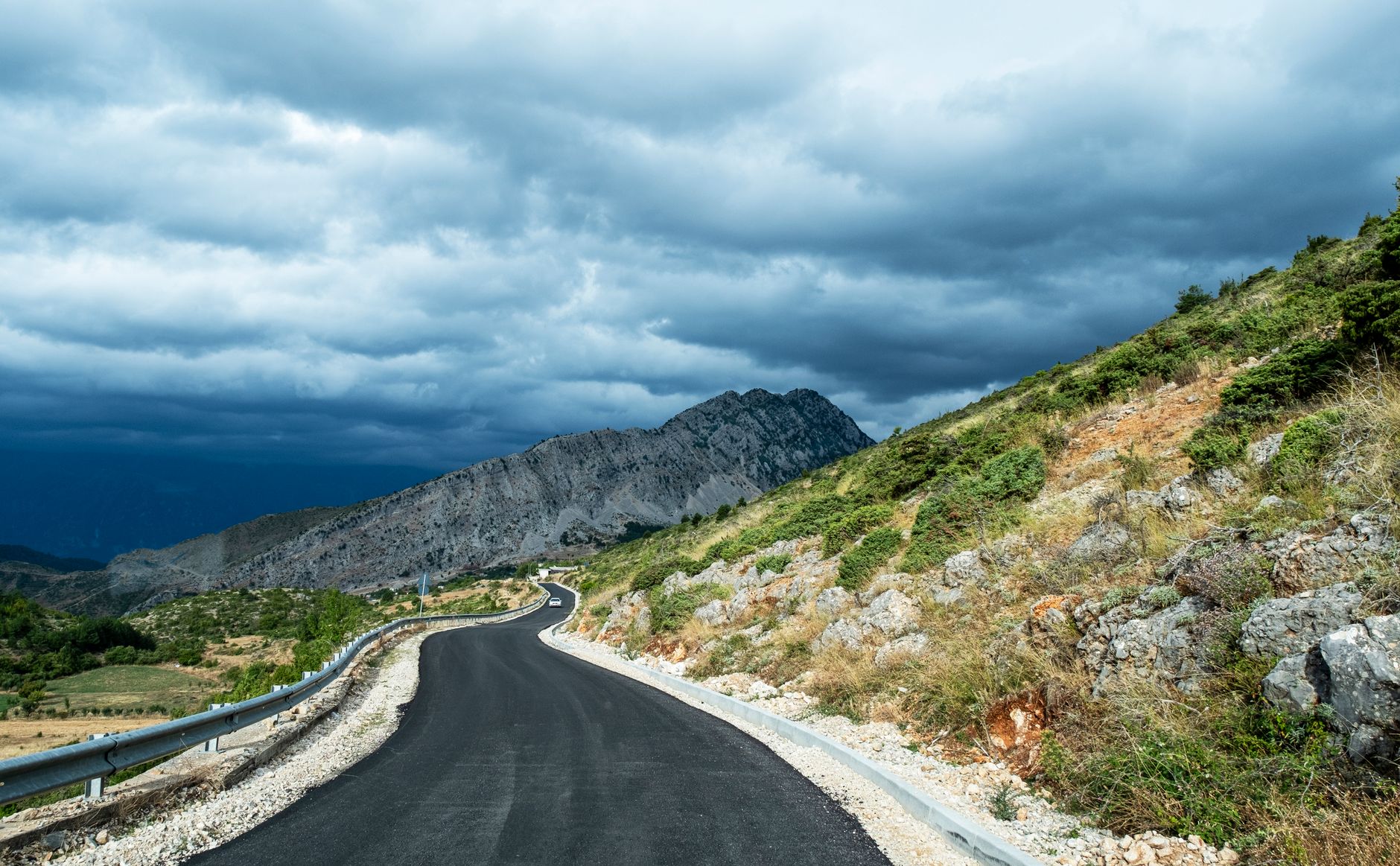
Reaching Pogradec from Tirana is straightforward and takes roughly three hours by road. The most scenic route follows the SH3 highway southeast through the Elbasan valley and then climbs into the mountains before descending to the lake. The landscape on this drive is spectacular, particularly the section where the road winds through forested hills before Lake Ohrid suddenly appears below you like a blue mirror dropped between the mountains. If you are traveling by public transport, furgons (shared minibuses) depart regularly from Tirana's southern terminal throughout the day and cost a fraction of what a private taxi would charge.
Once you are in Pogradec, the town itself is very walkable. The promenade, the market, the main restaurants, and most accommodation options are all within comfortable walking distance of each other. For exploring the surrounding area, including Drilon, Tushemisht, and the Lin Peninsula, you will benefit from having a vehicle or being willing to negotiate with local taxi drivers for half-day or full-day trips.
Bicycle rental is available in the town center and is an excellent option for the flat lakeshore road heading south toward the border. The road is well-surfaced, relatively quiet outside of peak weekends, and offers some of the best views of the lake available from land. A leisurely two-hour cycle to Tushemisht and back, with a swim at the springs, is one of the most enjoyable half-days you can spend in this part of Albania.
- Furgons from Tirana's Kombinat terminal to Pogradec run throughout the day and cost approximately 400-500 ALL.
- The drive from Tirana takes about 3 hours; from Elbasan, it is closer to 1.5 hours.
- Taxis within the town are inexpensive; agree on a price before getting in for trips outside the center.
- Bicycle rental is available near the promenade and is ideal for the flat lakeshore road.
- There is no train service to Pogradec; road travel is the only practical option.
If you are driving from Tirana, consider taking the older mountain road through Librazhd rather than the faster highway. It adds about 30 minutes but passes through some genuinely beautiful mountain scenery and a few villages where you can stop for coffee.
Best Time to Visit and Practical Travel Tips

The best time to visit Pogradec is between May and September, when the weather is warm enough for swimming and all the lakeside restaurants are in full operation. June and September are arguably the sweet spot: the water is warm from the summer sun, the crowds are lighter than in July and August, and the surrounding mountains are still green rather than the dry brown of midsummer. The light in September in particular is extraordinary, golden and soft in a way that makes every photograph look like it was taken by a professional.
July and August bring the highest temperatures, the most visitors, and the most vibrant atmosphere along the promenade. If you enjoy the energy of a busy summer resort while still being in a place that feels genuinely local, this is a fine time to visit. Just book accommodation well in advance and expect restaurants to be busy in the evenings. The lake water reaches its warmest temperatures in August, making swimming particularly inviting.
Winter visits are possible but require a different mindset. Most lakeside restaurants close or operate reduced hours, and the promenade can feel melancholy in the cold and rain. However, the mountains around the lake take on a dramatic beauty in winter, the town returns entirely to its local rhythms, and accommodation prices drop to almost nothing. For travelers who enjoy the off-season experience of a place, Pogradec in November or February has a quiet, contemplative charm that is entirely its own.
- Pack layers even in summer; evenings by the lake can be cool, especially in June and September.
- Sunscreen and a hat are essential in July and August when the sun reflects off the lake's surface.
- The lake is safe for swimming throughout summer; the water clarity is exceptional and there are no strong currents.
- Bring cash; while larger hotels accept cards, many restaurants and guesthouses prefer Albanian Lek.
- A basic phrasebook or translation app is helpful; while English is widely spoken in hospitality, older locals may only speak Albanian.
- Mosquitoes can be present near the lakeshore in summer evenings; bring repellent for outdoor dining.
If you are combining Pogradec with a broader Albania itinerary, it works beautifully as a three-night stop between Tirana and the southern cities of Berat or Gjirokaster. The drive south from Pogradec through Korce to Gjirokaster is one of the most scenic road trips in the country.
Pogradec vs Other Albanian Destinations: A Quick Comparison
| Destination | Crowd Level | Average Daily Cost | Best For | Unique Feature |
|---|---|---|---|---|
| Pogradec | Low to Medium | 25-45 EUR | Nature, food, relaxation | Europe's oldest lake, endemic koran trout |
| Saranda / Ksamil | Very High (summer) | 50-90 EUR | Beach, nightlife, island hopping | Ionian Sea beaches, proximity to Butrint |
| Berat | Medium | 35-60 EUR | History, architecture, culture | UNESCO-listed Ottoman old town |
| Gjirokaster | Medium | 30-55 EUR | History, mountain scenery | UNESCO stone city, Ali Pasha heritage |
| Shkoder | Low to Medium | 25-45 EUR | Cycling, lake, northern gateway | Lake Shkoder, access to Albanian Alps |
| Valbona / Theth | Medium (trekkers) | 30-50 EUR | Hiking, mountain scenery | Albanian Alps, the Peaks of the Balkans trail |
Frequently Asked Questions
Is Pogradec safe for tourists?
Yes, Pogradec is considered one of the safest destinations in Albania. The town has a relaxed, family-friendly atmosphere and petty crime targeting tourists is rare. As with any travel destination, standard precautions like keeping valuables secure and being aware of your surroundings at night are sensible, but most visitors report feeling entirely comfortable throughout their stay.
Can you swim in Lake Ohrid from the Albanian side?
Absolutely, and it is one of the highlights of visiting Pogradec. The lake water is exceptionally clean and clear, with visibility sometimes exceeding 20 meters. There are public swimming areas along the promenade and in the surrounding villages, including the famous cold-water springs at Tushemisht. The water is warmest in August but pleasant for swimming from late June through September.
Do I need a visa to visit Albania and cross into North Macedonia?
Citizens of EU countries, the UK, USA, Canada, Australia, and many other nations can enter Albania without a visa for stays of up to 90 days. The same applies to North Macedonia for most of these nationalities. However, visa requirements change, so always check the current rules for your specific passport with the relevant embassies before traveling.
How do I get from Tirana to Pogradec without a car?
The most common option is a furgon, or shared minibus, which departs from Tirana's southern (Kombinat) terminal throughout the day. The journey takes approximately three hours and costs a few hundred Albanian Lek, making it one of the most affordable long-distance travel options in the country. Regular buses also cover this route. Taxis and private transfers are available for those who prefer more comfort and flexibility.
What is the koran trout and why is it special?
Koran is an endemic species of trout found only in Lake Ohrid. Because the lake is one of the oldest in the world and has been isolated for millions of years, it has developed its own unique ecosystem with species found nowhere else on Earth. Koran trout has a distinctly delicate, sweet flavor that differs from other freshwater trout, and it is the signature dish of Pogradec. Eating it freshly grilled by the lake is considered a rite of passage for visitors to the region.
Is Pogradec suitable for families with children?
Pogradec is an excellent family destination. The lakeside promenade is safe and flat, ideal for children to walk or cycle. The lake swimming is calm and clear with no dangerous currents. The food is varied and approachable, and the pace of life is relaxed. Albanian culture is very family-oriented, and children are warmly welcomed in restaurants and guesthouses. The Drilon National Park springs are a particular hit with kids who enjoy exploring natural water features.
Plan your Albania adventure
Pogradec is the kind of place that travel writers love to call a hidden gem, and the description fits perfectly, even if it has become a cliche. There is something genuinely rare about a destination that combines world-class natural beauty, exceptional local food, meaningful historical sites, and easy access to another country, all without the crowds, the inflated prices, and the faint sense of performance that can creep into more famous destinations. When you sit by Lake Ohrid in the early evening, watching the light change on the water while a plate of koran arrives at your table, you will understand exactly why the Albanians who know this place guard it so fondly.
Albania's eastern shore is waiting for you, and it will not wait forever. The secret is slowly getting out, infrastructure is improving, and the travelers who discover Pogradec now will be the ones who tell their friends about it for years to come. Pack your bags, point your compass east, and let one of Europe's most ancient and beautiful lakes remind you why you fell in love with travel in the first place.