Gjipe Canyon Hike: Albania's Best Coastal Trail Guide

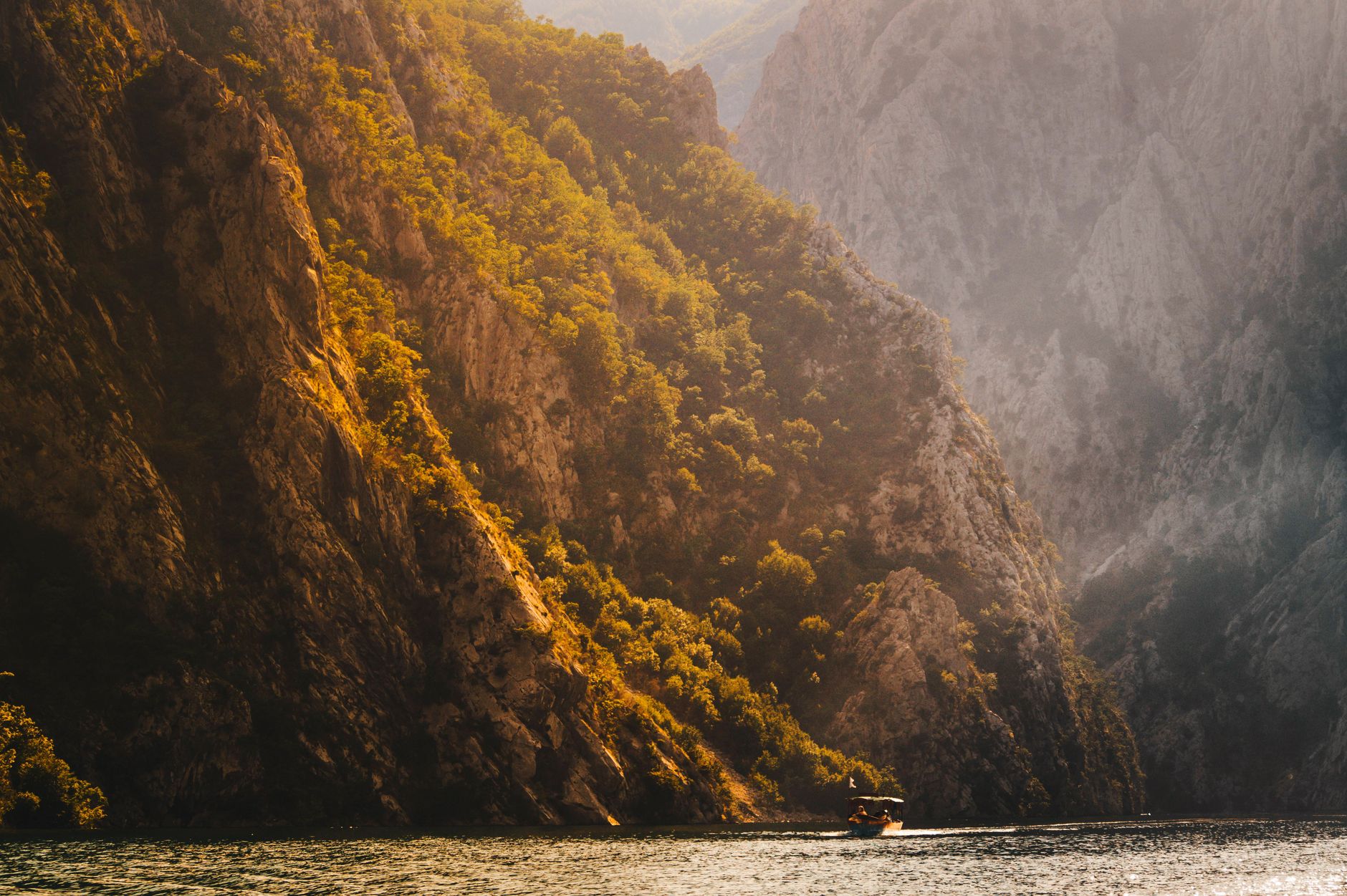
Somewhere between the sun-soaked beach towns of Dhermi and Jale, a narrow slit in the mountains opens onto one of the most jaw-dropping landscapes on the Albanian Riviera. This is Gjipe Canyon, a limestone gorge carved over millennia by a seasonal river, ending in a pebbled cove where turquoise water meets sheer rock walls. If you've scrolled through Albania travel photos and wondered where that impossibly dramatic beach-in-a-canyon shot was taken, chances are it was here.
Unlike the crowded beach clubs further along the coast, Gjipe still feels like a discovery. You won't drive to it. You'll hike, scramble, and sweat a little to earn the view, and that's exactly what makes it Albania's best coastal trail. Whether you're after a half-day adventure with a swim at the end or a full night camping beneath the stars at the canyon's mouth, this guide covers everything you need.
We'll walk you through the trailheads, what the hike actually feels like underfoot, how to prepare, where to sleep if you stay over, and the safety details that matter most on a route with real exposure and little shade. Let's get you ready for Gjipe.
Key Takeaways
| Location | Between Dhermi and Jale, Albanian Riviera, southern Albania |
|---|---|
| Difficulty | Moderate, with some scrambling and exposed sections |
| Hike Duration | 1.5 to 2.5 hours one way, depending on route |
| Best Season | May to early October, avoid heavy rain periods |
| Camping | Basic beach camping available at the canyon mouth in summer |
| Footwear | Sturdy hiking shoes or trail sandals with grip, essential |
Why Gjipe Canyon Is Albania's Signature Coastal Hike

Gjipe earns its reputation through sheer contrast. You spend the hike surrounded by dry, rocky terrain and scrubby Mediterranean vegetation, with the Ionian Sea flashing blue in the distance, and then suddenly the canyon walls part and reveal a hidden beach wedged between two towering rock faces. Few hikes in Albania deliver such a dramatic payoff for a relatively short amount of effort.
The canyon itself was formed by centuries of water erosion cutting through soft limestone, leaving behind smooth, sculpted walls that rise up to 30 meters in places near the gorge entrance. In spring, when snowmelt and rain feed the seasonal river, you might even find small waterfalls and pools inside the canyon itself, though by midsummer the riverbed is usually bone dry.
What makes this hike special isn't just the scenery, though. It's the sense of remoteness. There's no road to the beach, no beach bars blasting music, and no rows of sunbeds. Everything you find at Gjipe, you either carry in or find growing wild. That rawness is increasingly rare on the Albanian coast, and it's precisely why hikers and backpackers consider this a bucket-list trail.
- Dramatic limestone canyon walls rising directly from the beach
- A secluded pebble cove reachable only by foot or by boat
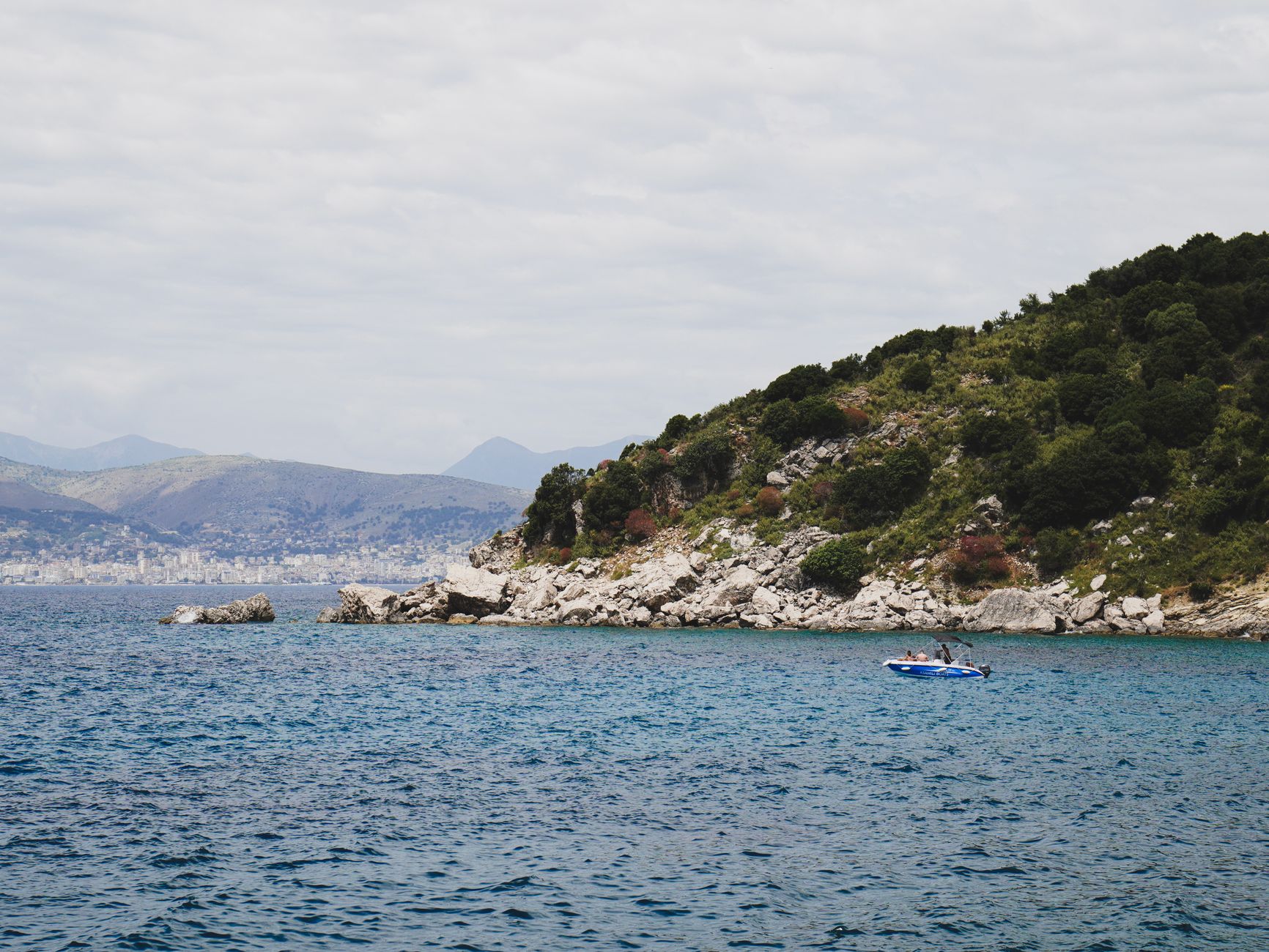
- Panoramic Ionian Sea views for most of the trail
- A genuine sense of wilderness rare elsewhere on the Riviera
- Optional canyon exploration upstream from the beach
Visit early morning or late afternoon for the best light on the canyon walls and to avoid the harshest midday heat on the exposed sections.
Getting to the Gjipe Canyon Trailheads

There are two main starting points for the hike, and choosing between them shapes your whole experience. The most popular trailhead sits near Dhermi, along the main coastal road, where a dirt track branches off toward the sea. The second, shorter route starts from the Jale side, closer to the canyon itself but with less parking and fewer facilities.
If you don't have your own car, both Dhermi and Jale are reachable by the coastal furgon (shared minibus) network that runs along the Albanian Riviera in summer. From either village, it's a walk of twenty to forty minutes just to reach the actual trailhead, so factor that into your day.
Renting a car or scooter gives you the most flexibility, since you can park close to the trailhead and leave whenever you like rather than waiting for a return furgon. Just be aware that the dirt access roads get rough and dusty, especially after rain, so a vehicle with decent clearance is worth considering in low season.
From Dhermi
The Dhermi approach is longer but better marked, following an old dirt road before dropping onto the coastal footpath. This route offers more consistent sea views and is the one most guided tours and blogs reference.
From Jale
The Jale approach is shorter and steeper in parts, cutting more directly toward the canyon rim. It's a good option if you're short on time, though the path is less shaded and slightly harder to follow without a GPS track.
- Dhermi trailhead: longer approach, better signage, more parking
- Jale trailhead: shorter distance, steeper terrain, less shade
- Furgons run along the SH8 coastal road in high season
- A rental car or scooter offers the most flexible access
- Download an offline map or GPX track before you go, signal is patchy
What to Expect on the Trail
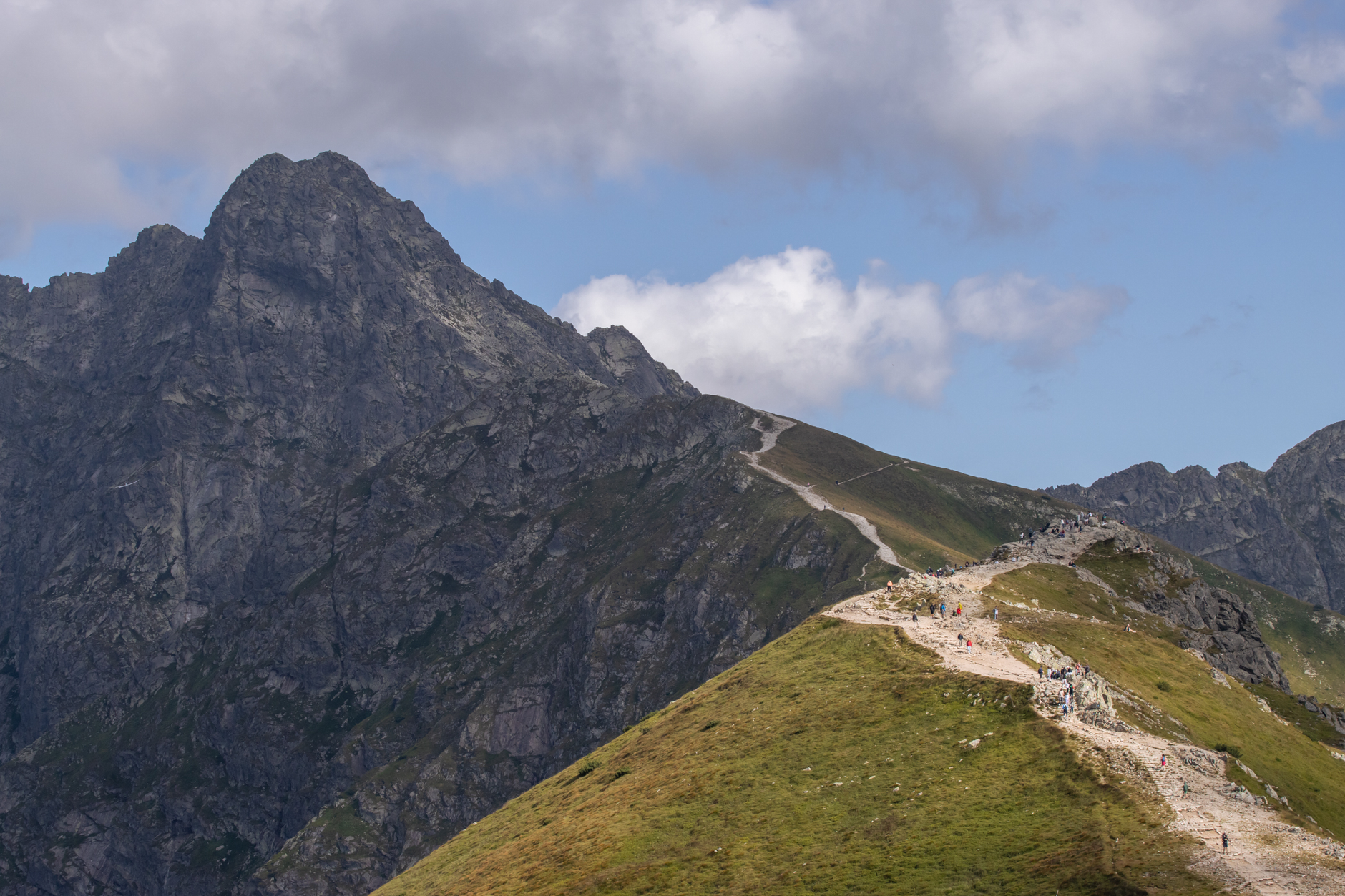
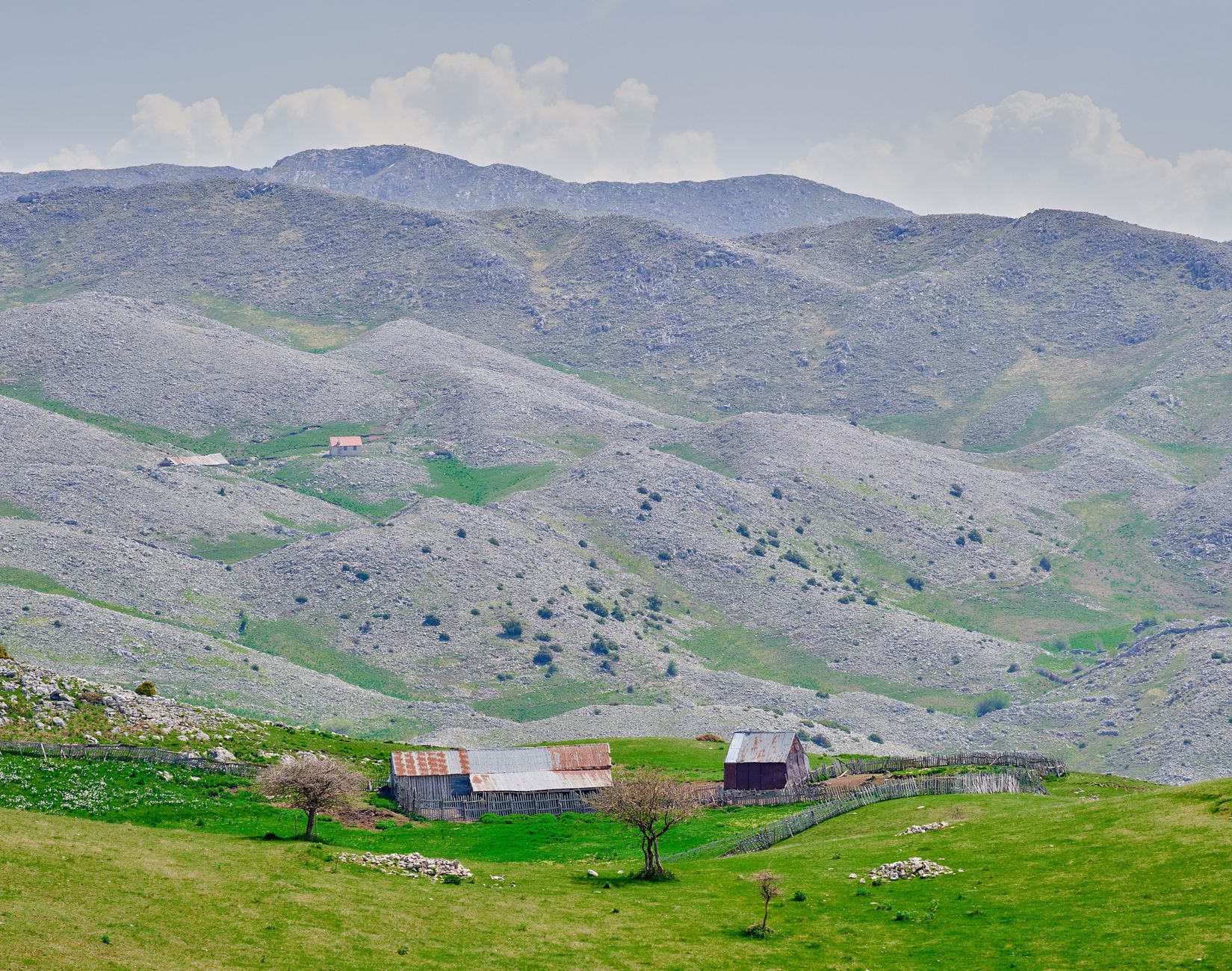
Once you leave the road behind, the trail unfolds through dry hillside scattered with olive trees, wild herbs, and low stone walls left by generations of shepherds. The path is mostly dirt and loose rock, undulating along the hillside with the sea always somewhere in view. This section is exposed to full sun for almost its entire length, so timing your hike matters more than almost anything else.
As you approach the canyon, the terrain shifts. The trail narrows, drops in elevation, and requires some careful footwork over rocky ledges and a few short scrambles. None of this demands technical climbing skills, but sturdy footwear and a reasonable comfort level with uneven ground make a real difference. The final descent into the canyon is the steepest part of the whole hike, with loose gravel underfoot, so take it slowly.
The reward arrives all at once. The canyon walls close in around you, the temperature drops noticeably in the shade, and then the path spills onto the beach where the gorge meets the sea. Many hikers spend an hour or more here swimming, exploring the lower canyon on foot, or simply resting before the return climb.
- Mostly dirt and rocky terrain with minimal shade for most of the route
- A few short scrambles near the canyon entrance
- Steep, loose final descent onto the beach itself
- Optional detour upstream into the canyon when water levels are low
- Round trip typically takes 3 to 5 hours including rest and swim time
Wear shoes with real grip rather than flip-flops or smooth-soled sandals. The final descent is loose gravel over rock, and a slip here is the most common hiking injury on this trail.
Camping and Staying Overnight at Gjipe Beach
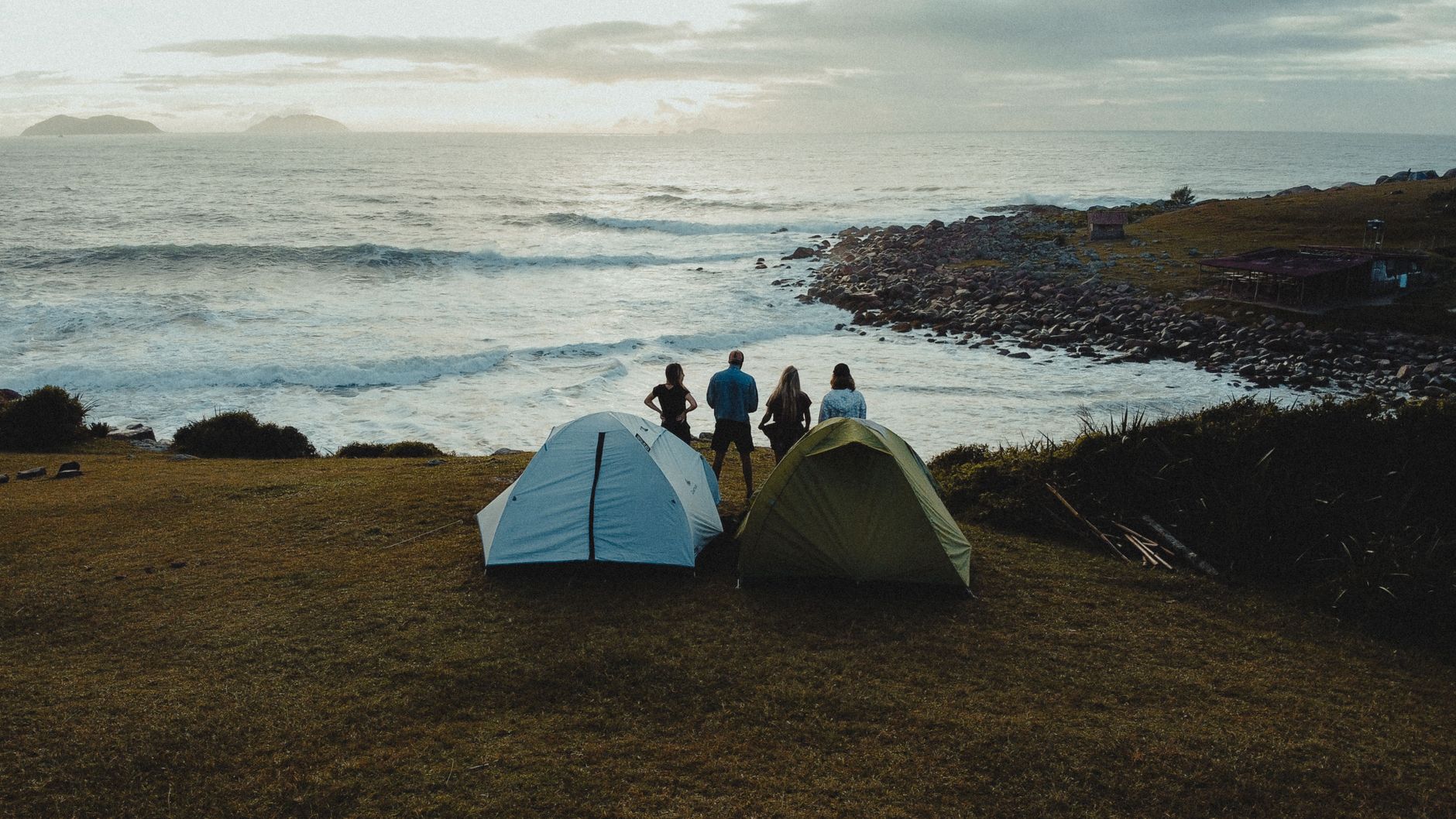
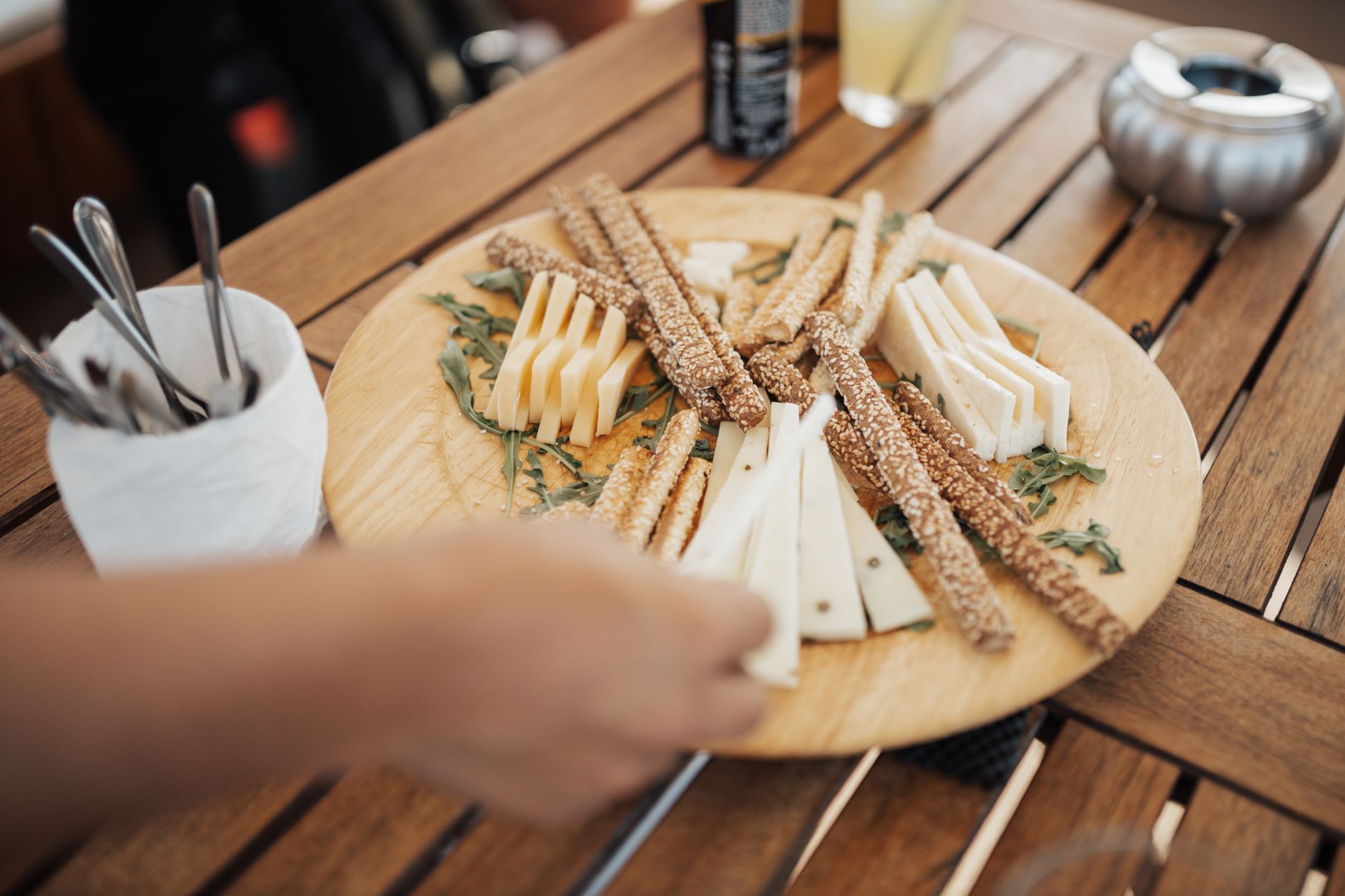
One of the best reasons to hike to Gjipe is the option to stay the night. In the peak summer months, a small seasonal camp operates at the canyon mouth, offering basic tent pitches, simple bunk shelters, and a small kitchen serving grilled food and cold drinks. It's rustic by design, running on generator power with limited fresh water, so come with realistic expectations.
Sleeping at Gjipe transforms the experience. You get the beach to yourself in the early morning and late evening, when the day-trip crowds from Dhermi and Jale have gone home. Watching the sunset light up the canyon walls, then waking up to swim before breakfast, is genuinely one of the most memorable overnight experiences on the Albanian coast.
If you'd rather not carry a full camping setup, some travelers bring only a sleeping bag and rent a tent or mat on arrival, when available. Either way, pack more water than you think you'll need, since supplies at the beach are limited and priced accordingly for their remote location.
- Seasonal beach camp typically operates June through September
- Basic tent pitches and simple food and drink available on-site
- No reliable running water, pack more than you think you need
- Bring cash, as card payment is unlikely to be available
- Sunrise and sunset at the canyon mouth are worth the overnight stay alone
Best Time to Hike Gjipe Canyon

Timing shapes everything about this hike, from comfort to crowd levels. Late spring, particularly May and early June, offers the sweet spot of warm but not scorching temperatures, wildflowers along the trail, and a beach that hasn't yet filled with summer crowds. The seasonal river inside the canyon is also more likely to be flowing, adding waterfalls and pools to the upstream exploration.
July and August bring the warmest sea temperatures and the liveliest beach camp, but also the harshest midday sun and the most hikers on the trail. If you're visiting in peak summer, plan your hike for early morning, aiming to reach the beach before ten, or wait until late afternoon when the heat softens.
September into early October is another excellent window, combining warm water with thinner crowds as the Riviera's summer rush winds down. Avoid the trail entirely during or immediately after heavy rain, when the dirt paths become slippery and the canyon floor can flash flood without warning.
- May to June: pleasant temperatures, wildflowers, flowing seasonal river
- July to August: warmest sea, liveliest camp, most crowded and hottest
- September to early October: warm water, thinner crowds, great light
- Avoid hiking during or right after heavy rainfall
- Winter access is possible but the beach camp and facilities are closed
If you can only visit in high summer, aim for a weekday hike rather than a weekend, when day-trippers from nearby resorts flood the beach in the late morning.
Safety, Packing, and Practical Trail Advice

Gjipe is not a technical hike, but it does demand respect. The trail offers almost no shade, temperatures on the exposed hillside sections can climb well above what feels manageable in midsummer, and there is no reliable water source until you reach the beach camp. Dehydration and heat exhaustion are the most common issues hikers run into here, and both are entirely preventable with basic preparation.
Phone signal is unreliable once you leave the main road, so download offline maps or a GPX track in advance rather than relying on a live connection. Let someone know your planned route and rough return time, especially if you're hiking solo or heading out later in the day.
Pack light but smart. A liter or two of water per person at minimum, a hat, reef-safe sunscreen, and snacks will cover most needs. If you're staying overnight, add a headlamp, since the descent and camp area have no artificial lighting beyond whatever the small camp kitchen provides.
- Carry at least 1.5 to 2 liters of water per person for the round trip
- Wear closed, grippy shoes rather than sandals or flip-flops
- Download offline maps before losing signal near the trailhead
- Pack sunscreen, a hat, and sun-protective clothing for exposed sections
- Bring a headlamp if hiking near dusk or staying overnight
- Check weather before you go, and avoid the canyon floor after heavy rain
If you plan to swim at the beach, bring water shoes as well. The shoreline is pebbled, not sandy, and can be uncomfortable underfoot.
Gjipe Canyon Route Options Compared
| Route | Distance (one way) | Difficulty | Best For |
|---|---|---|---|
| From Dhermi | Approx 5 km | Moderate, well-marked | First-time hikers, better signage |
| From Jale | Approx 3 km | Moderate to hard, steeper | Shorter time, more direct descent |
| Boat from Dhermi Beach | 10-15 min by water | Easy, no hiking required | Travelers wanting the beach without the trek |
| Overnight camp stay | Same as hiking route | Moderate, plus overnight logistics | Sunset, sunrise, and quieter beach time |
Frequently Asked Questions
How long does the Gjipe Canyon hike take?
Most hikers complete the round trip, including time to rest and swim, in about 3 to 5 hours. The one-way hike itself typically takes 1.5 to 2.5 hours depending on your starting point and pace.
Is the Gjipe Canyon hike suitable for beginners?
The trail is rated moderate rather than easy. It involves uneven terrain, some scrambling near the canyon entrance, and a steep, loose final descent, but no technical climbing skills are needed. Reasonably fit beginners can manage it with proper footwear and enough water.
Can I drive to Gjipe Canyon beach?
No, there is no road directly to the beach itself. You can drive or ride to one of the two trailheads near Dhermi or Jale, then hike the remaining distance on foot, or take a short boat ride from Dhermi beach in summer.
Is it safe to camp overnight at Gjipe Beach?
Yes, camping is generally safe during the operating season when the small seasonal camp is running, offering some facilities and other travelers nearby. Outside of peak summer months, facilities close and the beach becomes much more isolated, so plan accordingly.
What should I pack for the Gjipe Canyon hike?
Bring sturdy grippy shoes, at least 1.5 to 2 liters of water per person, sun protection, snacks, swimwear, and a small dry bag for valuables. If staying overnight, add a headlamp, a light sleeping layer, and cash for the camp kitchen.
When is the best time of year to hike Gjipe Canyon?
Late May through early October offers the best combination of warm weather and open facilities. May, June, and September are ideal for fewer crowds and comfortable hiking temperatures, while July and August are hottest and busiest.
Plan your Albania adventure
Gjipe Canyon rewards exactly the kind of traveler who's willing to trade a little sweat and effort for a view that most people never see. It's not a hike you stumble into by accident, and that's precisely the point. Every step along that dusty, sun-baked trail is building toward the moment the canyon walls part and reveal one of the most striking beaches on the entire Albanian coast.
Whether you tackle it as a sweaty half-day mission from Dhermi, a quick scramble from Jale, or an unforgettable overnight camp beneath the stars, Gjipe delivers an experience that sums up everything special about hiking in Albania: wild, uncrowded, and genuinely spectacular. Pack your water, lace up your shoes, and go earn that view for yourself.