Bunker Tourism in Albania: Visiting Hoxha's Concrete Shelters

Drive through almost any corner of Albania and you will eventually spot one: a low, domed concrete pillbox poking out of a hillside, a beach, or even someone's front garden. These are bunkers, and they are as much a part of the Albanian landscape as its mountains and coastline. Between the 1960s and 1980s, dictator Enver Hoxha ordered the construction of hundreds of thousands of these structures, convinced that invasion from foreign powers was imminent.
Today, the paranoia that built them has long faded, but the bunkers remain, an unmissable and oddly captivating reminder of Albania's isolated communist past. Rather than bulldozing them all, Albania has embraced its concrete legacy, turning several bunkers into museums, art installations, and even guesthouses. This is bunker tourism, a niche but growing corner of Albanian travel that offers something no beach or ruin can: a direct, tangible connection to one of Europe's most secretive twentieth-century regimes.
In this guide, we will walk you through the history behind the bunkers, the best ones to visit, practical tips for exploring them, and why this strange chapter of Albanian architecture deserves a place on your itinerary.
Key Takeaways
| Total Bunkers Built | Estimated 173,000+ across the country |
|---|---|
| Best Starting Point | Bunk'Art 1 and Bunk'Art 2 in Tirana |
| Construction Era | 1960s to late 1980s under Enver Hoxha |
| Typical Visit Length | 1 to 3 hours per major bunker site |
| Entry Cost | Generally affordable, often under 10 euros |
| Best Season | Spring and autumn for comfortable walking and touring |
Why Albania Is Covered in Bunkers
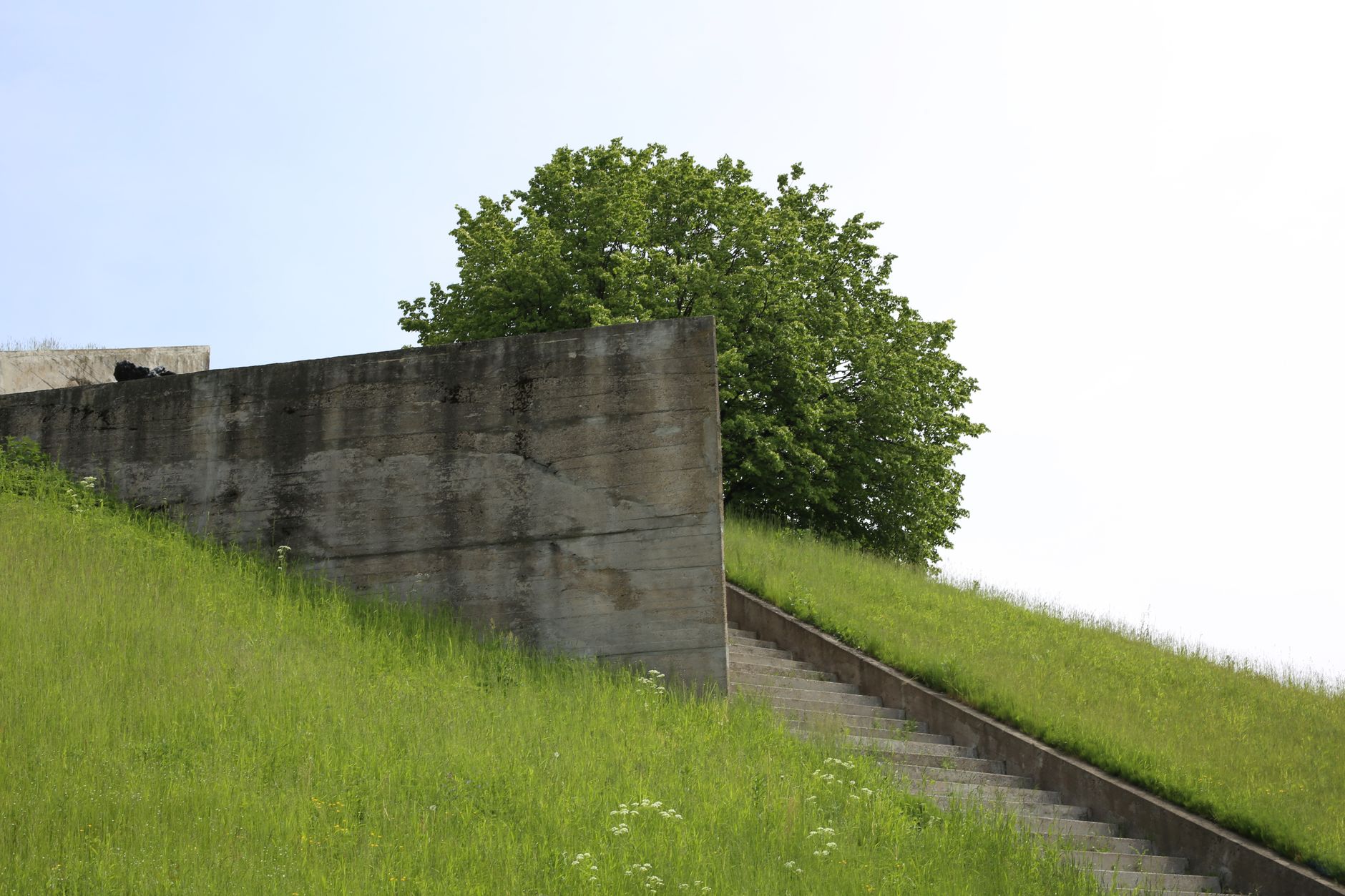
To understand why bunkers dominate the Albanian landscape, you need to understand Enver Hoxha, the communist leader who ruled Albania with an iron grip from 1944 until his death in 1985. Hoxha broke ties with Yugoslavia, then the Soviet Union, and eventually even China, leaving Albania almost entirely isolated from the rest of the world. Convinced that NATO or the Warsaw Pact might invade at any moment, he launched a nationwide bunkerization program that would come to define the country's built environment for generations.
The numbers are staggering. Estimates suggest between 173,000 and 750,000 bunkers were constructed, meaning there was roughly one bunker for every four Albanian citizens at the height of the program. Every village, hillside, farm field, and beach was assigned a quota. Engineers designed dozens of bunker types, from tiny one-man pillboxes to massive underground complexes capable of housing government officials and military command centers.
Construction consumed vast national resources, materials and labor that many argue could have been better spent on housing, infrastructure, or economic development. Yet the invasion never came. When communism collapsed in 1991, Albania was left with an entire nation's worth of concrete, much of it useless for anything except storage, rubble, or, decades later, tourism.
- Between 173,000 and an estimated 750,000 bunkers were built nationwide
- Construction spanned roughly three decades, from the 1960s to the late 1980s
- Bunkers range from tiny pillboxes to sprawling underground command centers
- The program was driven by fear of invasion that never materialized
Look for the distinctive mushroom-shaped dome design, it is the most common bunker type and the easiest to spot from the road.
Bunk'Art 1: Tirana's Underground Cold War Museum
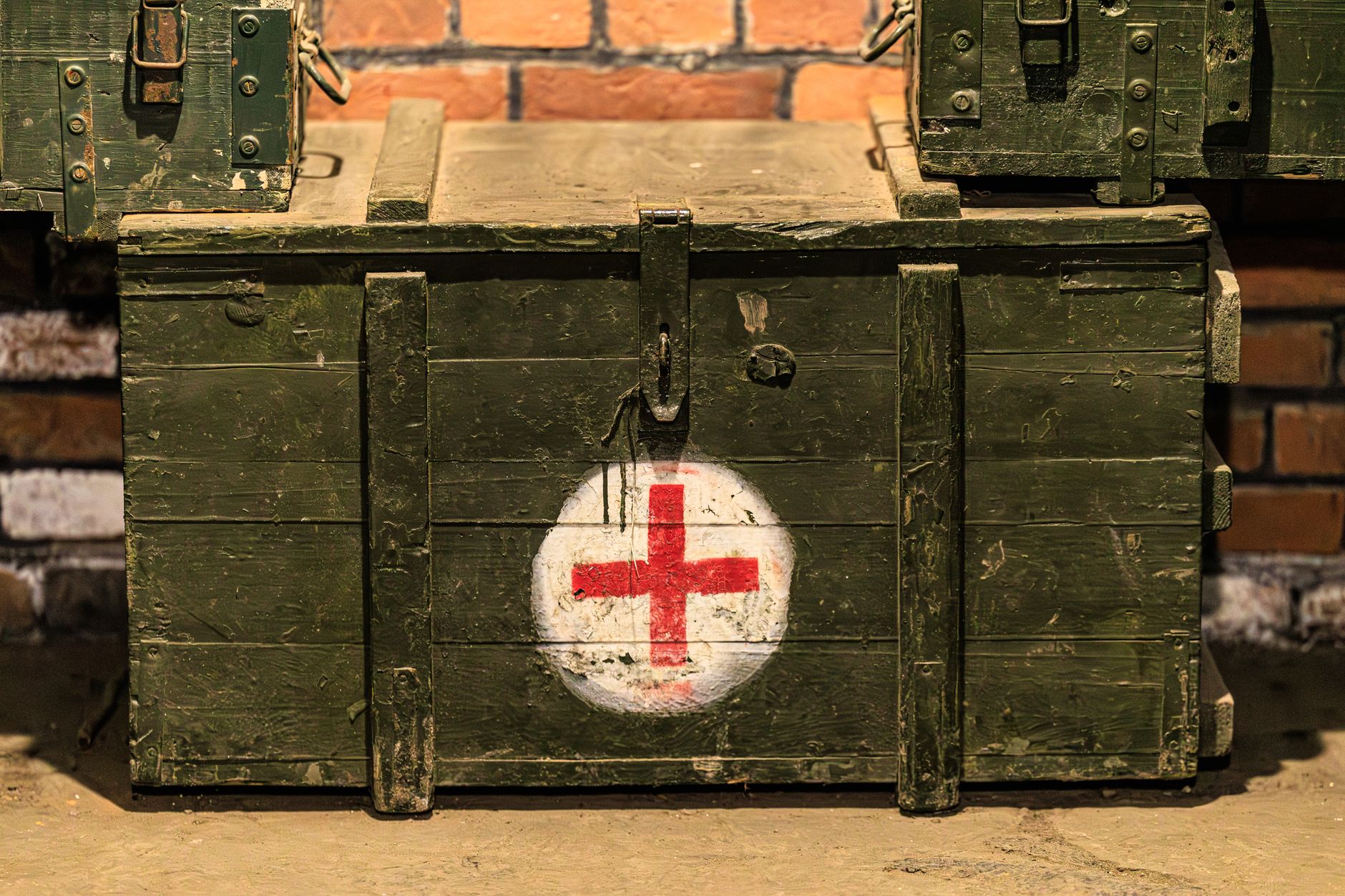
If you visit only one bunker in Albania, make it Bunk'Art 1, located on the outskirts of Tirana in the foothills near Mount Dajti. This massive five-story underground complex was originally built as a bombproof shelter for Hoxha and top government and military officials in the event of nuclear attack. It remained a closely guarded secret for decades, unknown even to most Albanians, until it was converted into a museum in 2014.
Walking through Bunk'Art 1 feels like stepping into a time capsule. Long concrete corridors lead to rooms preserved with period furniture, gas masks, propaganda posters, and audiovisual displays chronicling Albania's communist history. Some rooms recreate government meeting spaces, others display art installations reflecting on surveillance, repression, and the psychological toll of Hoxha's regime. The scale of the place is genuinely humbling, over 100 rooms spread across thousands of square meters of reinforced concrete.
Give yourself at least two hours here, the museum is dense with information and the corridors alone stretch for a considerable distance. It is a short taxi or bus ride from central Tirana, making it an easy half-day addition to any city visit.
- Located a short drive from central Tirana near Mount Dajti
- Originally built as a nuclear-proof shelter for Hoxha and top officials
- Features over 100 rooms across five underground levels
- Combines historical artifacts with modern art installations
Wear a light jacket even in summer, the underground temperature stays noticeably cooler than outside.
Bunk'Art 2: A Darker Chapter in the City Center
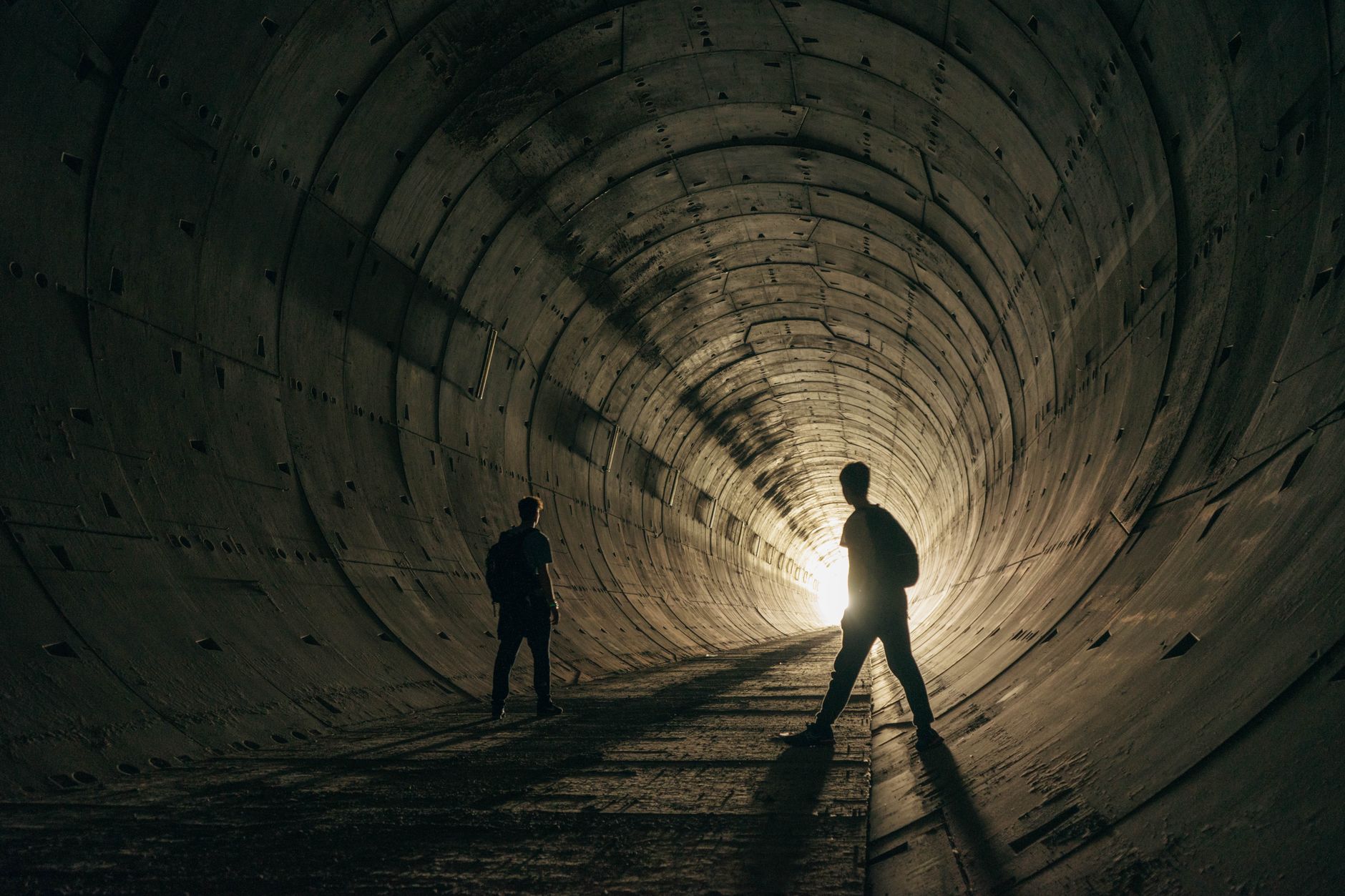
While Bunk'Art 1 focuses on the broader sweep of communist history, Bunk'Art 2 zeroes in on something more chilling: the Ministry of Internal Affairs and the machinery of surveillance and political persecution that defined Hoxha's Albania. Located right in central Tirana, just steps from Skanderbeg Square, this bunker was built to shelter the interior ministry in case of attack, but its exhibits focus heavily on the secret police, the Sigurimi, and how ordinary Albanians were monitored, interrogated, and imprisoned.
The exhibits here are more intimate and unsettling than Bunk'Art 1. You will see reconstructed interrogation rooms, personal testimonies from former political prisoners, and detailed timelines of the purges that swept through Albanian society. It is a sobering counterpart to the more sprawling, historical focus of its sister site, and together the two museums provide a remarkably complete picture of life under one of Europe's most repressive regimes.
Because of its central location, Bunk'Art 2 is easy to combine with a walk through Skanderbeg Square, the National History Museum, and other Tirana landmarks in a single day.
- Sits in central Tirana, within walking distance of Skanderbeg Square
- Focuses on the Sigurimi secret police and political persecution
- Includes personal testimonies and reconstructed interrogation spaces
- Pairs naturally with other central Tirana sightseeing in one day
Visit Bunk'Art 2 before Bunk'Art 1 if you want the emotional narrative to build chronologically from surveillance to the broader Cold War context.
Beyond Tirana: Bunkers Across the Country
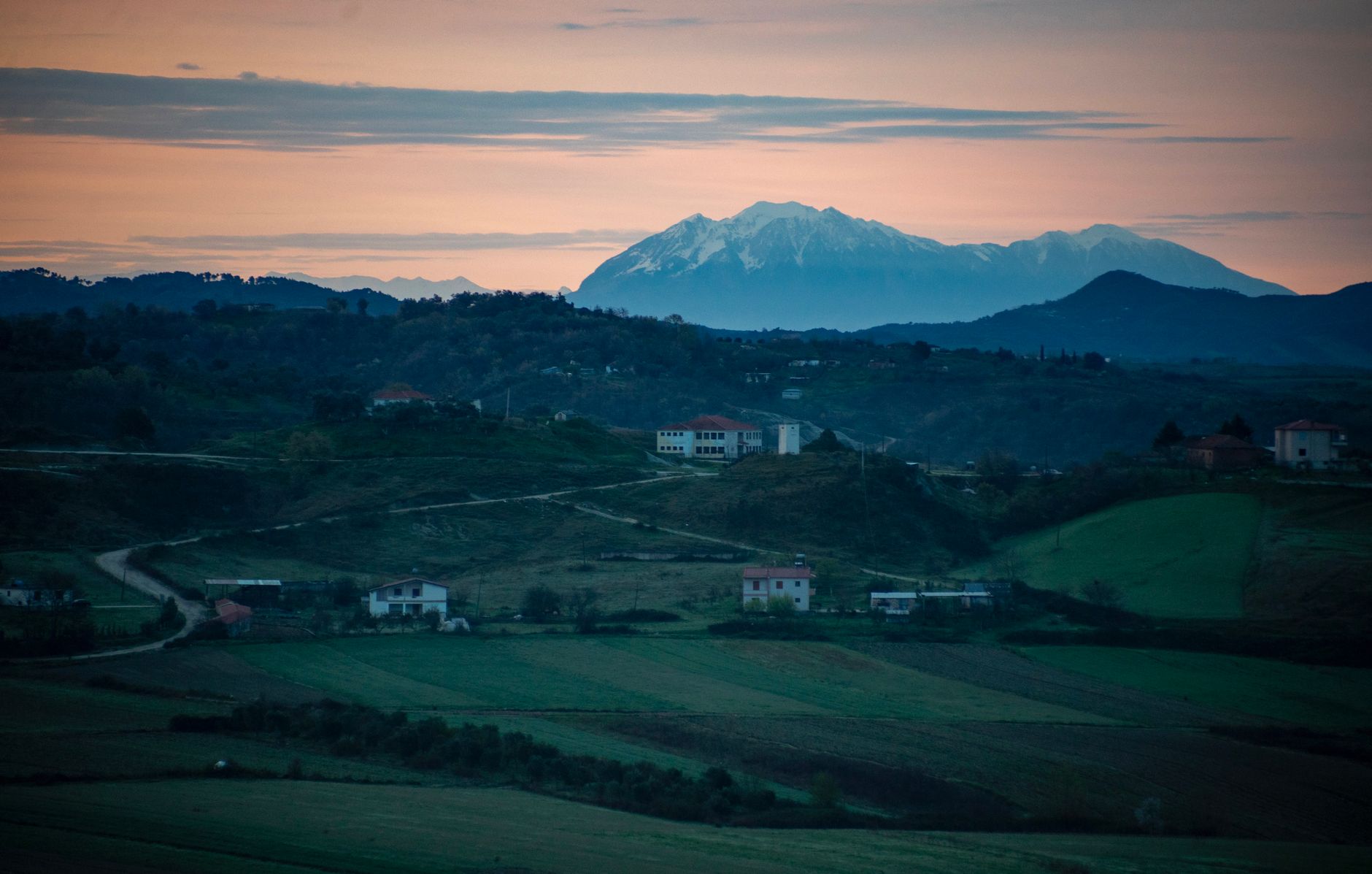
While Tirana's Bunk'Art sites are the most polished bunker experiences, some of the most memorable encounters happen unexpectedly, on a hiking trail, along a beach, or in a remote village. Gjirokastra, a UNESCO-listed stone city in the south, has its own Cold War Tunnel, an underground shelter built for local communist officials that has been opened to visitors, complete with narrow tunnels and preserved rooms.
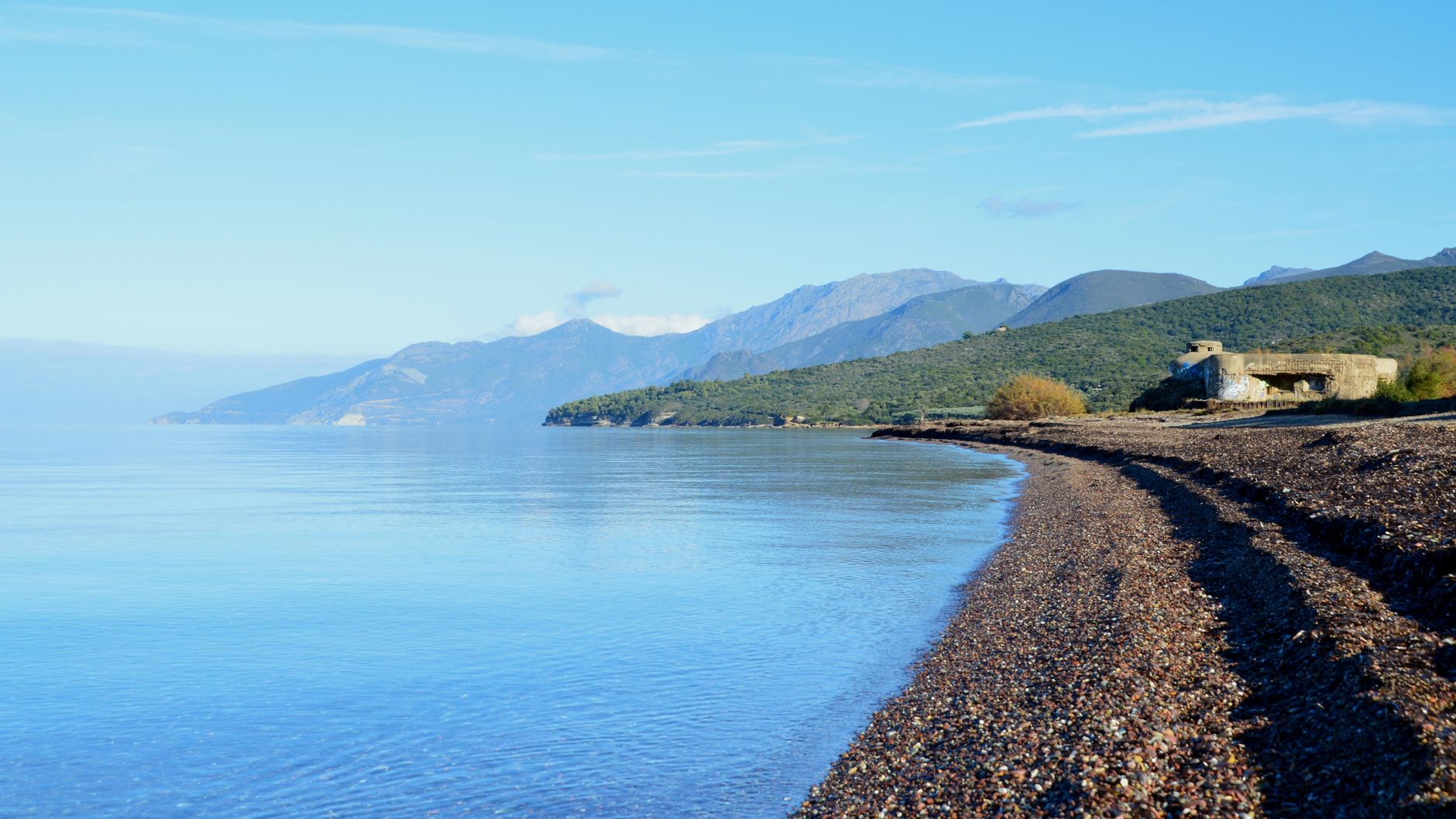
Along the Albanian Riviera and around Vlora, you will spot bunkers dotting the coastline, some half-buried in sand, others perched on cliffs with sweeping sea views. These coastal bunkers were meant to repel amphibious invasion and offer a strange juxtaposition today, crumbling concrete against turquoise water. In the northern highlands and around Krujë, hillside bunkers still stand guard over valleys, some slowly being reclaimed by moss and wildflowers.
Several entrepreneurial Albanians have even converted old bunkers into small guesthouses, cafes, or novelty accommodations, letting travelers sleep inside a genuine piece of Cold War history. These conversions are most common near Fushe-Kruje and in rural areas where bunkers were abandoned decades ago and left to locals to repurpose.
- Gjirokastra's Cold War Tunnel offers an underground shelter tour outside the capital
- Coastal bunkers dot the Albanian Riviera near Vlora and Dhermi
- Rural bunkers near Krujë have been reclaimed by nature over the decades
- Some bunkers have been converted into guesthouses and quirky cafes
Ask locals in smaller towns about nearby bunkers, many have informal, unsigned sites known only to residents that make for a fun off-the-beaten-path detour.
Planning Your Bunker Tourism Itinerary

Bunker tourism pairs naturally with a broader exploration of Albania's communist history, so it is worth building a dedicated day or two into your trip. Base yourself in Tirana for the first two days to cover both Bunk'Art sites along with the National History Museum and the Pyramid of Tirana, another controversial communist-era structure now transformed into a creative hub.
From there, consider a day trip or overnight stay in Gjirokastra to see the Cold War Tunnel and explore the city's Ottoman-era stone houses, a striking contrast to the brutalist concrete you have just toured. If your itinerary includes the coast, keep an eye out for beach bunkers as you travel between Vlora, Dhermi, and Himara, they make for excellent, slightly surreal photo stops along the Riviera road.
Most bunker sites are easily reached by car, taxi, or local bus, and Albania's compact size means you can realistically combine bunker tourism with beach time, mountain hiking, and historic old towns all within a single one or two week trip.
- Spend two days in Tirana to cover both Bunk'Art museums and central sights
- Add a Gjirokastra stop for the Cold War Tunnel and Ottoman old town
- Watch for roadside and beach bunkers while driving the Albanian Riviera
- Combine with hiking, coastal towns, or Berat for a well-rounded trip
Rent a car for at least part of your trip, many of the most interesting rural bunkers are only accessible by road and are not served by public transport.
Respectful and Practical Bunker Visiting Tips
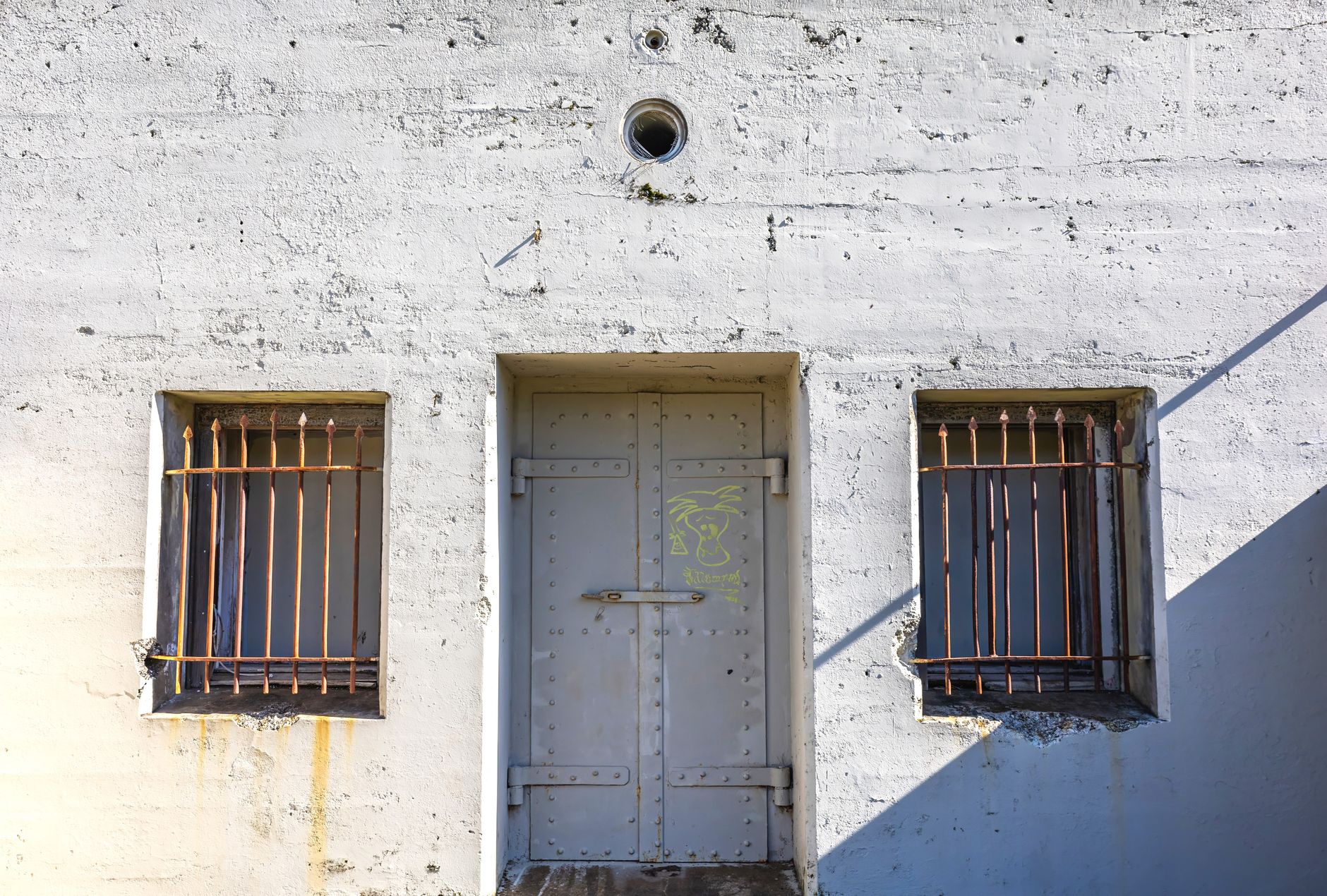
While bunkers make for fascinating and even quirky photo opportunities, remember that they represent decades of genuine fear, repression, and hardship for Albanians. Approach museum sites like Bunk'Art with curiosity and respect, particularly in exhibits dealing with political imprisonment and the Sigurimi secret police. Many older Albanians have personal memories of this era, so it is worth being thoughtful in conversations about the subject.
Practically speaking, some rural and coastal bunkers are structurally unstable after decades of neglect, so avoid climbing on top of crumbling structures or entering unmarked bunkers that look unsafe. Bring a flashlight if you plan to explore any unlit tunnels or shelters outside the official museums, as interiors can be pitch dark even during the day.
Comfortable, closed-toe shoes are essential, especially at sites like Bunk'Art 1 and the Gjirokastra tunnel where you will walk considerable distances on uneven concrete floors. Photography is generally allowed at most sites, though always check for posted rules, especially in exhibits containing sensitive historical material or personal testimonies.
- Treat exhibits on political imprisonment with sensitivity and respect
- Avoid entering unmarked or structurally unstable bunkers
- Bring a flashlight for exploring unlit tunnels outside official museums
- Wear sturdy, closed-toe shoes for uneven concrete flooring
Hiring a local guide for at least one bunker site adds enormous depth, many guides share family stories and context you simply will not find on museum placards.
Comparing Albania's Top Bunker Sites
| Site | Location | Focus | Typical Visit Time | Best For |
|---|---|---|---|---|
| Bunk'Art 1 | Near Tirana, Mount Dajti foothills | Cold War history and military command | 2 to 3 hours | History enthusiasts and photographers |
| Bunk'Art 2 | Central Tirana | Secret police and political persecution | 1 to 2 hours | Deep historical context in a short visit |
| Gjirokastra Cold War Tunnel | Gjirokastra old town | Local official shelter and tunnels | 45 to 90 minutes | Combining with Ottoman old town sightseeing |
| Riviera Coastal Bunkers | Vlora to Himara coastline | Amphibious defense structures | 15 to 30 minutes each | Scenic photo stops on a road trip |
| Rural Hillside Bunkers | Krujë and countryside villages | Small-scale defensive outposts | 10 to 20 minutes | Off-the-beaten-path explorers |
Frequently Asked Questions
Why did Albania build so many bunkers?
Dictator Enver Hoxha believed Albania was under constant threat of invasion after breaking ties with Yugoslavia, the Soviet Union, and China. Fearing attack from all sides, he ordered a nationwide bunkerization program that produced an estimated 173,000 or more concrete bunkers between the 1960s and 1980s.
Are the bunkers safe to visit?
Official museum sites like Bunk'Art 1 and Bunk'Art 2 are fully renovated and safe for visitors. Rural and coastal bunkers vary in condition, some are structurally sound while others have deteriorated, so avoid climbing on unstable structures or entering unmarked bunkers that look unsafe.
How much time should I set aside for bunker tourism in Albania?
A dedicated day in Tirana covers both Bunk'Art museums comfortably. If you want to include Gjirokastra's Cold War Tunnel and coastal bunker sightseeing, plan for an additional one to two days as part of a broader Albania itinerary.
Can I sleep inside a bunker in Albania?
Yes, several converted bunkers now operate as small guesthouses or novelty accommodations, particularly in rural areas near Fushe-Kruje. These offer a unique, if unconventional, way to experience Albania's Cold War architecture firsthand.
Is bunker tourism suitable for children?
Bunk'Art 1 is generally family-friendly with its broader historical displays, though some content around persecution and imprisonment may be intense for younger children. Bunk'Art 2, with its focus on the secret police, is better suited to older children and adults.
Do I need a guide to visit Albania's bunkers?
Guides are not required, as museum sites have English-language information and displays, but hiring a local guide for at least one visit can add valuable personal context and stories that are not included on standard exhibit placards.
Plan your Albania adventure
Bunker tourism in Albania offers something rare in modern travel: an unfiltered, physical connection to a very recent and very real history. Standing inside a damp concrete corridor built to shelter a paranoid dictator from an invasion that never came is a humbling, thought-provoking experience, one that lingers long after you have left the country. Whether you explore the polished exhibits of Bunk'Art in Tirana or stumble upon a crumbling pillbox on a quiet beach, these structures tell a story that no guidebook chapter alone could capture.
As you plan your Albania trip, make room for this strange and important chapter alongside the beaches, mountains, and Ottoman old towns the country is famous for. Few destinations in Europe offer such a tangible, walkable window into Cold War paranoia, and fewer still have embraced that history with such creativity and openness. Pack your curiosity, a good pair of walking shoes, and set off to discover Albania's concrete legacy for yourself.