Best Places to Visit in Albania: The Ultimate Guide



Imagine a country where ancient castles crown hilltops above turquoise bays, where mountain villages have barely changed in centuries, and where you can have a pristine beach almost entirely to yourself. That country is Albania, and it is waiting for you right now. Tucked along the western edge of the Balkans, this small but endlessly fascinating nation is rapidly earning its place on every serious traveler's bucket list, and for very good reason.
For decades, Albania remained largely off the beaten path, which means it has been spared the over-tourism that has diluted the charm of so many other European destinations. What you find here instead is raw, authentic, and genuinely exciting. From the UNESCO-listed old towns of Berat and Gjirokaster to the wild peaks of the Albanian Alps and the crystal-clear waters of the Riviera, every corner of this country delivers something memorable. Read on to discover the best places to visit in Albania and start planning the adventure you have been dreaming about.
Key Takeaways
| Best Time to Visit | June to September for beaches; April to May for mountains |
|---|---|
| Top Region for History | Berat and Gjirokaster in the south |
| Top Region for Nature | Albanian Alps in the north |
| Best Beach Area | Albanian Riviera between Vlore and Saranda |
| Capital City | Tirana, a vibrant cultural hub |
| Currency | Albanian Lek (ALL) |
| Language | Albanian; English widely spoken in tourist areas |
Tirana: The Colorful and Energetic Capital

Your Albanian adventure almost certainly begins in Tirana, and you will quickly discover that the capital is far more than just a transit point. This is a city that has reinvented itself with remarkable energy and color, literally painting over its communist-era grey with vibrant murals, lively cafe culture, and a buzzing arts scene. Skanderbeg Square sits at the heart of it all, a vast open plaza framed by the Et'hem Bey Mosque, the National History Museum, and the elegant National Opera House.
Tirana rewards slow exploration. Spend a morning wandering the Blloku neighborhood, once an exclusive enclave reserved for communist party elites and now the trendiest district in the city, filled with coffee shops, boutiques, and restaurants. The Pyramid of Tirana, a controversial relic of the communist era, has been transformed into a creative space and is one of the most photographed structures in the country. For a deeper understanding of Albania's complex history, the National History Museum is an absolute must-visit.
Beyond the city center, the hills surrounding Tirana offer rewarding hikes with panoramic views. Mount Dajti, accessible by cable car, gives you a breathtaking perspective over the capital and the plains stretching toward the Adriatic. Tirana is also your best base for day trips to the ancient city of Kruje, just 32 kilometers north, where a magnificent castle and a charming old bazaar await you.
- Visit Skanderbeg Square at sunset for the best atmosphere and light
- Explore the Blloku district for the best food and nightlife scene
- Take the cable car up Mount Dajti for panoramic views over the city
- Spend at least half a day at the National History Museum
- Day trip to Kruje Castle and its traditional bazaar
Pro tip: Visit the Bunk'Art museums, housed inside massive communist-era nuclear bunkers, for a genuinely unique and thought-provoking experience you will not find anywhere else in Europe.
Berat and Gjirokaster: Albania's UNESCO-Listed Jewels

If you have time for only two historic towns in Albania, make them Berat and Gjirokaster. Both carry UNESCO World Heritage status and both will leave you genuinely speechless. Berat, often called the City of a Thousand Windows, is one of the most visually striking towns in the entire Balkans. Its whitewashed Ottoman houses cascade down a hillside above the Osum River, their rows of large windows reflecting the light in a way that feels almost magical at golden hour.
The Berat Castle complex sits above the town and is not merely a ruin but a living neighborhood where families still reside within ancient walls. Inside you will find Byzantine churches, the Onufri National Museum with its extraordinary collection of icons, and sweeping views across the valley. Walking through the Mangalem and Gorica quarters below, you feel as though time has slowed to a graceful stop.
Gjirokaster, set in a deep valley in southern Albania, has an entirely different but equally powerful character. Known as the City of Stone, it is built from grey limestone and feels almost fortress-like in its rugged grandeur. The massive Gjirokaster Castle dominates the skyline and houses a remarkable arms museum. The old bazaar and the traditional tower houses, some of which are now open as museums, give you an intimate window into centuries of Albanian life. Gjirokaster is also the birthplace of writer Ismail Kadare, and literary fans will feel a special connection to its atmospheric streets.
Getting Between Berat and Gjirokaster
Berat and Gjirokaster are roughly 120 kilometers apart, making them ideal stops on a southern Albania road trip. The drive takes around two hours and passes through scenic countryside. If you are traveling by public transport, furgons (shared minibuses) connect both cities to Tirana and to each other, though schedules can be irregular. Renting a car gives you the most flexibility and allows you to stop at the Blue Eye natural spring near Saranda along the way.
- Climb to Berat Castle in the late afternoon to catch the golden-hour light over the valley
- Visit the Onufri Museum inside Berat Castle for extraordinary Byzantine iconography
- Explore the stone-paved streets of Gjirokaster's old bazaar
- Tour a traditional Ottoman tower house in Gjirokaster
- Combine both cities into a southern Albania road trip for maximum impact
Pro tip: Stay overnight in Berat rather than visiting as a day trip. The town transforms beautifully after the day visitors leave, and the evening atmosphere in the riverside restaurants is unforgettable.
The Albanian Riviera: Sun, Sea, and Seclusion

The Albanian Riviera is the country's crown jewel for beach lovers, and it genuinely rivals the more famous coastlines of Greece and Croatia at a fraction of the price and the crowd. Stretching from Vlore in the north down to Saranda near the Greek border, this dramatic coastline is defined by steep mountains plunging into impossibly blue water, hidden coves accessible only by boat or on foot, and charming fishing villages that have only recently begun welcoming visitors.
Himara is one of the most popular bases along the Riviera, a small town with a relaxed vibe, excellent seafood, and easy access to several stunning beaches. Livadhi Beach just below the town is beautiful, but venture a little further to find quieter spots like Potami Beach or the dramatic Gjipe Canyon, where a river meets the sea between towering cliffs. The drive along the Riviera road itself is one of the most scenic routes in Europe, with hairpin bends offering jaw-dropping views at every turn.
Further south, Dhermi is beloved for its crystal-clear water and vibrant summer atmosphere, while Palasa offers a more secluded alternative. Ksamil, near Saranda, is famous for its shallow turquoise lagoons and tiny offshore islands you can wade or swim to. The ancient ruins of Butrint, a UNESCO World Heritage Site just south of Saranda, add a remarkable historical dimension to your Riviera experience, allowing you to combine beach days with genuine archaeological wonder.
- Base yourself in Himara for the best balance of beaches, food, and accessibility
- Hike down to Gjipe Canyon for one of the most dramatic beach experiences on the Riviera
- Visit Ksamil for shallow, warm, lagoon-style swimming and island-hopping
- Combine a beach day in Saranda with a visit to the ruins of Butrint
- Drive the full Riviera road at least once, ideally northbound for the best views
- Go in June or early September to enjoy warm water with far fewer crowds
Pro tip: Book accommodation on the Riviera well in advance if you are traveling in July or August. The best guesthouses and apartments fill up quickly, and prices spike significantly during peak summer weeks.
The Albanian Alps: Europe's Wild Northern Frontier
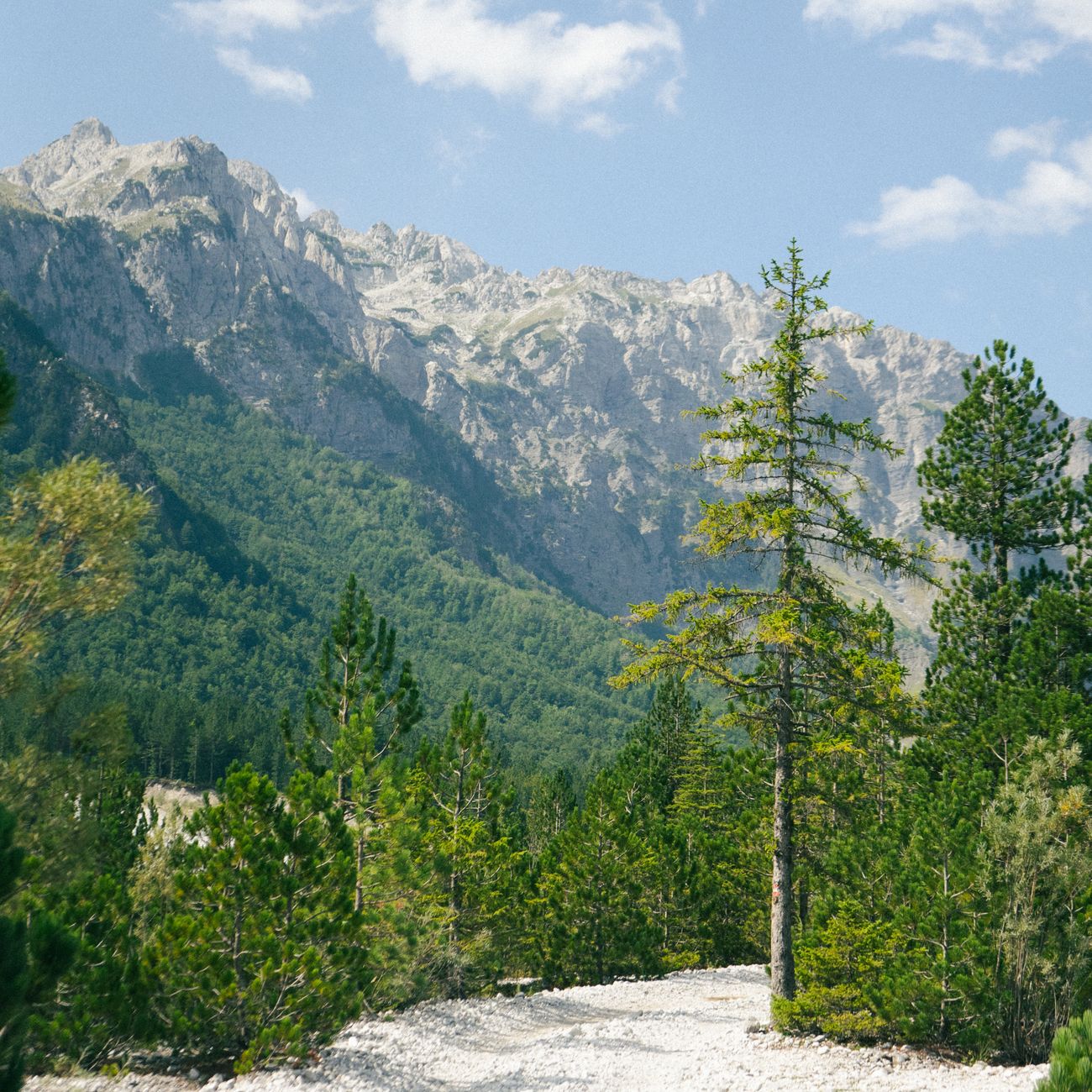
If dramatic mountain scenery is what calls to you, the Albanian Alps in the far north of the country will exceed every expectation you bring. Known locally as the Bjeshket e Namuna, or Accursed Mountains, these peaks are anything but cursed to the modern traveler. They are raw, majestic, and largely untouched, offering some of the finest hiking and trekking in all of Europe without the crowds you would encounter in the Alps or Dolomites.
The village of Theth is the undisputed jewel of the Albanian Alps and the starting point for some of the most rewarding hikes in the region. Set in a deep glacial valley surrounded by peaks that top 2,500 meters, Theth feels like a place that exists outside of normal time. The stone-built kulla (lock-in tower), the small wooden church, and the thundering Grunas waterfall nearby are highlights of the valley itself. The hike from Theth over the Valbona Pass to the Valbona Valley is considered one of the great day hikes in the Balkans, a challenging but deeply rewarding crossing through alpine meadows and past dramatic ridgelines.
Valbona itself is another spectacular valley, quieter and more remote than Theth, with traditional guesthouses run by local families offering some of the most authentic hospitality you will find anywhere in Albania. The Valbona River runs a brilliant turquoise through the valley floor, and the surrounding peaks invite exploration in every direction. Together, Theth and Valbona form the heart of the Peaks of the Balkans trail, a multi-day hiking route that crosses into Kosovo and Montenegro.
Shkoder: Your Gateway to the Alps
Before heading into the mountains, spend at least a day in Shkoder, the historic city at the southern edge of the Albanian Alps. Rozafa Castle, perched dramatically above the confluence of three rivers and Lake Shkoder, is one of the finest castle sites in the country. The city itself has a relaxed, cosmopolitan feel and a strong cycling culture. It serves as the main transport hub for reaching Theth and Valbona, and its guesthouses make an excellent overnight stop before your mountain adventure begins.
- Hike the Theth to Valbona trail, one of the best day hikes in the Balkans
- Stay in a traditional family guesthouse in Valbona for genuine Albanian mountain hospitality
- Visit the Grunas waterfall near Theth, especially impressive in spring
- Explore the historic kulla tower in Theth village
- Consider the multi-day Peaks of the Balkans trail if you have more time
- Visit in late June to early September when the mountain passes are clear
Pro tip: The road into Theth from Shkoder is unpaved and can be rough. A 4WD vehicle is strongly recommended, or take the daily furgon from Shkoder which handles the terrain confidently.
Butrint and the Ancient Sites of Southern Albania
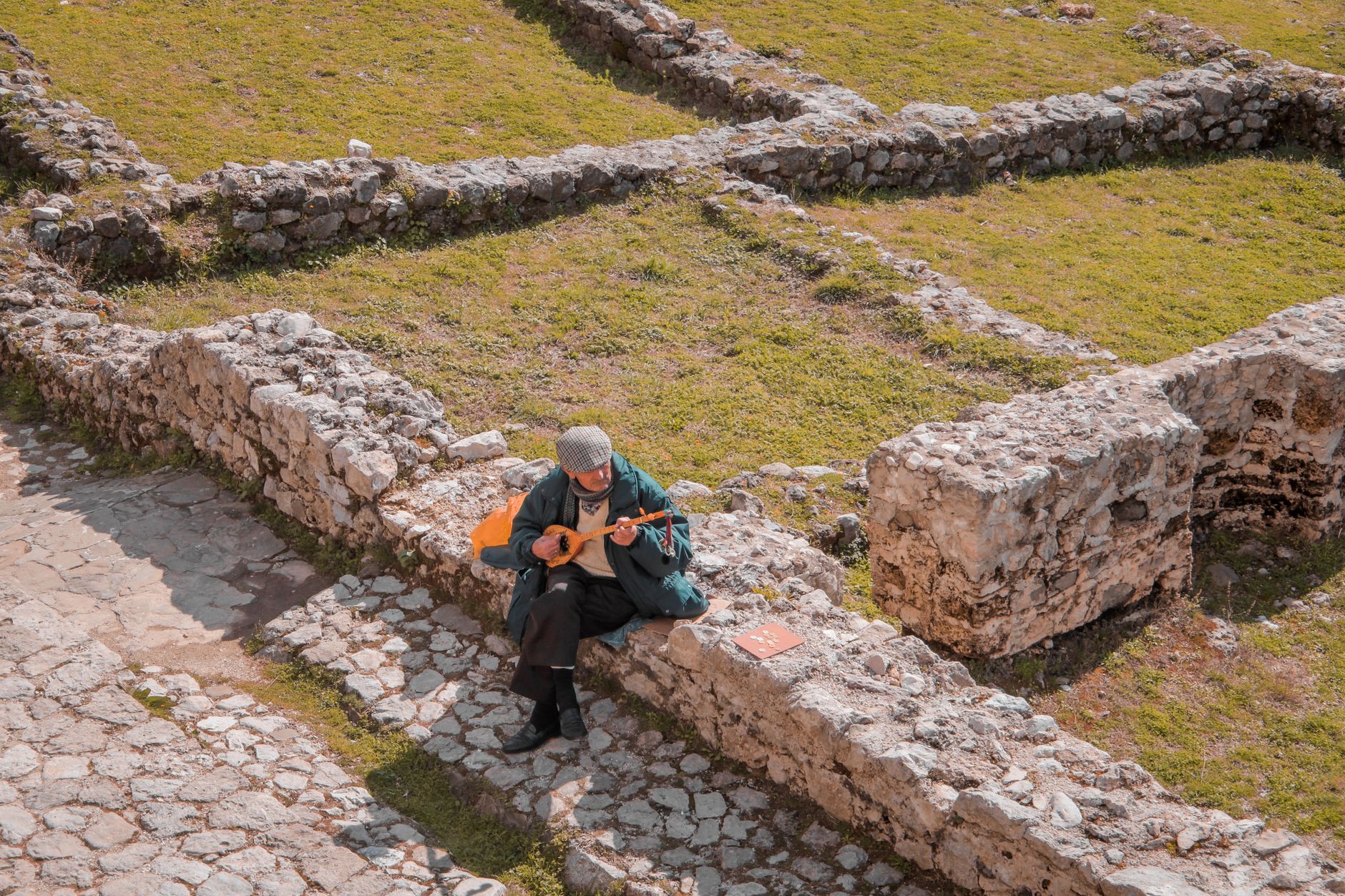
Albania's ancient history runs remarkably deep, and nowhere is this more evident than at Butrint, a UNESCO World Heritage Site near Saranda that contains layer upon layer of civilizations stretching back over 2,500 years. Walking through Butrint is like reading a physical history book. Greek, Roman, Byzantine, Venetian, and Ottoman remains are stacked on top of one another in a dense archaeological landscape set within a beautiful nature reserve on the edge of a lagoon.
The site includes a well-preserved Greek theater, Roman baths, a remarkable baptistery with an intricate floor mosaic, Venetian towers, and a Byzantine basilica. The setting itself is extraordinary, with ancient stones emerging from thick subtropical vegetation beside the shimmering waters of Lake Butrint. You can easily spend three to four hours here and still feel like you have only scratched the surface.
Beyond Butrint, southern Albania is rich with ancient sites. The Apollonia Archaeological Park near Fier contains the impressive ruins of one of the most important Greek colonies in the Adriatic, including a well-preserved portico, a bouleuterion, and a monastery built within the ancient walls. Byllis, an ancient Illyrian and later Roman city perched above the Vjosa River valley, rewards those willing to make the effort to reach it with sweeping views and an almost total absence of other visitors. These sites collectively remind you that Albania was a crossroads of civilizations long before modern borders were drawn.
- Allow at least three to four hours for a thorough visit to Butrint
- Arrive at Butrint early in the morning to enjoy the site before tour groups arrive
- Combine Butrint with a day in Saranda and a swim at Ksamil beach
- Visit Apollonia near Fier for a less-visited but equally impressive ancient site
- Look for the extraordinary floor mosaic in the Butrint baptistery
Pro tip: Bring insect repellent to Butrint, especially in the warmer months. The lagoon setting is beautiful but can attract mosquitoes, particularly in the early morning and late afternoon.
Ohrid Lake Region and the Eastern Highlands

Eastern Albania is the country's most overlooked region, and that is precisely what makes it so rewarding for travelers who venture beyond the well-worn western routes. The Albanian shore of Lake Ohrid, one of the oldest and deepest lakes in Europe, offers a serene and strikingly beautiful alternative to the busier Riviera coast. The town of Pogradec sits on the southern shore of the lake and serves as the main Albanian gateway to this extraordinary body of water, whose depths are home to endemic species found nowhere else on Earth.
The drive along the lake shore from Pogradec northward is one of the most scenic in eastern Albania, with the deep blue water on one side and forested hills on the other. Lin, a small peninsula jutting into the lake, contains the ruins of an early Christian basilica with a stunning mosaic floor and offers some of the most peaceful swimming spots in the entire country. The area has a quieter, more contemplative atmosphere than the southern coast, attracting visitors who want beauty without the summer buzz.
Further into the eastern highlands, the Prespa Lakes region near the Greek and North Macedonian borders is a hidden gem for nature lovers and birdwatchers. This remote area of wetlands and traditional villages sees very few foreign tourists and offers a glimpse of a way of life that has changed little over generations. The combination of natural beauty, historical depth, and genuine off-the-beaten-path authenticity makes eastern Albania a compelling addition to any itinerary for the curious traveler.
- Swim in the crystal-clear waters of Lake Ohrid from the beaches near Pogradec
- Visit the peninsula of Lin for its early Christian mosaic and peaceful atmosphere
- Explore the Prespa Lakes region for exceptional birdwatching and wetland scenery
- Drive the scenic lakeside road from Pogradec toward the North Macedonian border
- Combine eastern Albania with a visit to Korce, a cultured city known for its museums and architecture
Pro tip: Korce, the largest city in eastern Albania, is known as the City of Serenades and has a charming old bazaar, a fine arts museum, and a relaxed intellectual atmosphere that feels quite different from the rest of the country. It makes an excellent overnight stop in the east.
Best Places to Visit in Albania at a Glance
| Destination | Best For | Best Season | Difficulty to Reach | Ideal Stay |
|---|---|---|---|---|
| Tirana | Culture, history, nightlife | Year-round | Easy | 2-3 days |
| Berat and Gjirokaster | UNESCO heritage, Ottoman history | Apr-Oct | Easy to moderate | 1-2 days each |
| Albanian Riviera | Beaches, scenery, seafood | Jun-Sep | Easy | 4-7 days |
| Albanian Alps (Theth and Valbona) | Hiking, nature, adventure | Jun-Sep | Moderate to challenging | 3-5 days |
| Butrint and Ancient Sites | Archaeology, ancient history | Apr-Oct | Easy | Half to full day |
| Lake Ohrid and Eastern Highlands | Nature, tranquility, off-the-beaten-path | May-Sep | Moderate | 2-3 days |
Frequently Asked Questions
What is the best time of year to visit Albania?
The best time to visit Albania depends on what you want to do. For beaches along the Albanian Riviera, June through September offers warm temperatures and calm seas, with July and August being the busiest and hottest months. For hiking in the Albanian Alps, late June through early September is ideal when mountain passes are clear of snow. Spring, particularly April and May, is wonderful for exploring historic cities like Berat and Gjirokaster when the weather is mild and the landscapes are lush and green.
Is Albania safe to visit as a tourist?
Albania is generally a very safe destination for tourists. Violent crime against visitors is rare, and Albanians are famously hospitable toward guests. As with any destination, you should take standard precautions such as watching your belongings in crowded areas and being aware of your surroundings at night. The traditional Albanian code of hospitality, known as besa, means that guests are treated with great respect, and most travelers return home with stories of extraordinary kindness from locals.
Do I need a visa to visit Albania?
Citizens of most European Union countries, the United States, Canada, Australia, and the United Kingdom can enter Albania without a visa for stays of up to 90 days. Albania has a relatively open visa policy compared to many of its neighbors. It is always advisable to check the latest entry requirements for your specific nationality before you travel, as policies can change. Albania is not a member of the Schengen Area, so your days in Albania do not count against your Schengen allowance.
How do you get around Albania as a tourist?
Getting around Albania is easiest by renting a car, which gives you the freedom to explore at your own pace and reach more remote destinations like the Albanian Alps or the quieter beaches of the Riviera. Public transport consists mainly of furgons, which are shared minibuses running between cities and towns. They are cheap and reasonably frequent on major routes but less reliable for remote areas. Tirana has a growing bus network and taxis are affordable. For the northern mountains, a 4WD vehicle is strongly recommended on unpaved roads.
What is the currency in Albania and can you pay by card?
The currency in Albania is the Albanian Lek, abbreviated as ALL. While card payment is increasingly accepted in hotels, larger restaurants, and shops in Tirana and tourist areas, cash is still essential in smaller towns, rural guesthouses, local markets, and mountain villages. ATMs are widely available in cities and larger towns but can be scarce in remote areas. It is wise to carry sufficient cash when venturing into the Albanian Alps or more rural parts of the country.
How many days do you need to see the best of Albania?
To see the highlights of Albania comfortably, you should plan for at least ten to fourteen days. This gives you enough time to explore Tirana, visit the UNESCO towns of Berat and Gjirokaster, spend several days on the Albanian Riviera including Butrint, and venture into the Albanian Alps for at least a few nights. If you have only a week, prioritize either the south, combining Tirana with the Riviera and the historic towns, or the north, combining Tirana with Shkoder and the mountain valleys of Theth and Valbona.
Plan your Albania adventure
Albania is one of those rare travel destinations that still has the power to genuinely surprise you, to exceed expectations you did not even know you had set. From the sun-drenched coves of the Albanian Riviera to the soaring peaks of the Accursed Mountains, from the UNESCO-listed streets of Berat and Gjirokaster to the layered ancient wonders of Butrint, this small country packs an extraordinary range of experiences into a compact and easily navigable space. The warmth of Albanian hospitality, the freshness of the food, and the sheer beauty of the landscapes combine to create a travel experience that stays with you long after you have returned home.
The best time to visit Albania is simply as soon as you can. This is a country in the process of discovery, and there is something deeply special about experiencing it now, while the beaches are still quiet, the mountain trails still uncrowded, and the welcome still genuinely heartfelt. Whether this is your first trip to the Balkans or you are a seasoned explorer looking for your next great adventure, Albania will not disappoint. Pack your bags, open your mind, and get ready to fall in love with one of Europe's most captivating and underrated destinations.