Best Mountain Villages to Stay Overnight in Albania



Imagine waking up to the sound of a rushing glacial river, stepping outside a centuries-old stone guesthouse, and watching the morning mist slowly peel away from jagged limestone peaks. This is not a fantasy — this is what an overnight stay in an Albanian mountain village actually feels like. While Albania's beaches and cities have been stealing the spotlight in recent years, the country's highland communities remain one of Europe's best-kept travel secrets, offering raw beauty, legendary hospitality, and a pace of life that feels like a different century.
Albania's mountains cover more than two-thirds of the country's territory, and scattered across those ridges and valleys are villages that have survived invasions, communism, and isolation with their character entirely intact. Staying overnight in these places is not just about finding a bed — it is about sitting around a wood-burning stove with a local family, eating slow-cooked lamb and homemade cheese, and hearing stories that no guidebook has ever captured. Whether you are a serious hiker chasing the Peaks of the Balkans trail or a curious traveler who simply wants to slow down, Albania's mountain villages will exceed every expectation you bring with you.
Key Takeaways
| Best Overall Village | Theth in the Albanian Alps for dramatic scenery and excellent guesthouses |
|---|---|
| Best for Culture | Voskopoja near Korça for its Orthodox frescoes and quiet highland atmosphere |
| Best Hidden Gem | Lëpushë for solitude, meadows, and access to untouched alpine terrain |
| Best for Families | Valbona Valley with its wide trails, calm river, and welcoming guesthouses |
| Best Season to Visit | June through September for open mountain roads and ideal hiking weather |
| Accommodation Style | Family-run guesthouses (bujtina) are the norm and the highlight |
Theth: The Crown Jewel of the Albanian Alps

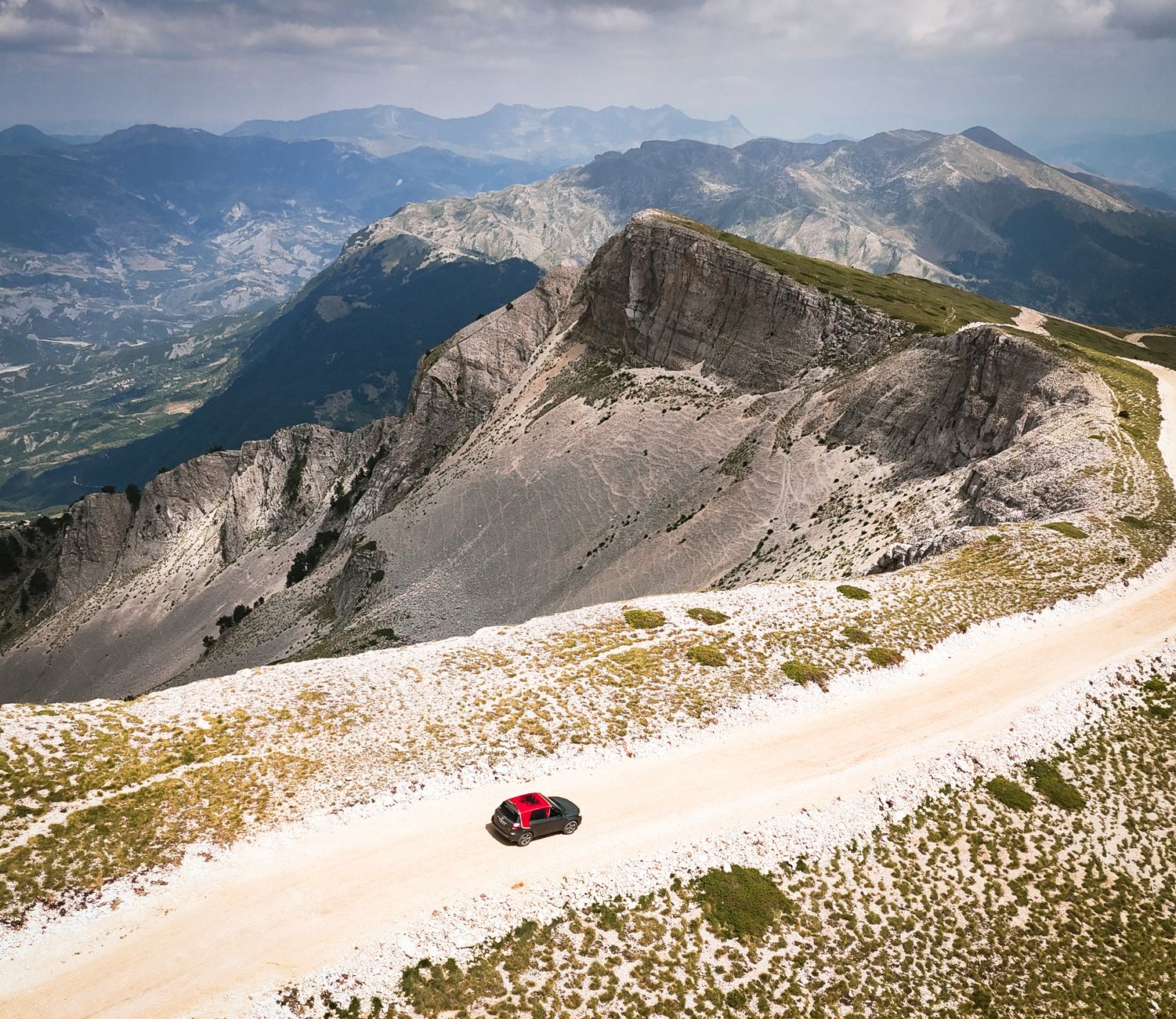
If you only visit one mountain village in Albania, make it Theth. Tucked deep inside the Accursed Mountains in the country's far north, Theth sits at around 900 meters above sea level and is surrounded by some of the most dramatic scenery you will find anywhere in Europe. The village is accessible via a winding mountain road from Shkodra, and that journey alone — through hairpin bends and pine forests — sets the tone for everything that follows.
Theth is famous for its iconic stone lock-in tower, known as the Kulla, which was historically used by men seeking refuge during blood feuds under the ancient Kanun law. Today it stands as a fascinating cultural landmark that you can visit freely. The village also sits at the starting point of the legendary Theth-to-Valbona hike, one of the finest day treks in the entire Balkans. Even if you are not a hiker, the waterfall at Grunas and the natural pool at Syri i Kaltër (Blue Eye of Theth) are worth the trip on their own.
Accommodation in Theth is almost exclusively through family-run guesthouses, and this is a feature, not a limitation. Your hosts will cook three-course meals using vegetables from their own gardens, serve you raki distilled on the premises, and treat you like a member of the family by nightfall. Rooms are simple, clean, and often have stunning mountain views from the window.
- Stay at least two nights to fully explore the valley and surrounding trails
- The road to Theth is usually open from late May to October — check conditions before driving
- Book your guesthouse in advance during July and August as beds fill up fast
- Bring cash — there are no ATMs in Theth
- The hike to Grunas Waterfall takes about 45 minutes each way and is suitable for most fitness levels
Arrive in Theth on a weekday if possible. Weekends in summer bring day-trippers from Shkodra, and the village feels noticeably quieter and more authentic Monday through Thursday.
Valbona Valley: Serenity Along a Turquoise River

Running parallel to Theth but with a completely different personality, Valbona Valley is the other essential destination in the Albanian Alps. The valley stretches along the brilliant turquoise Valbona River, flanked by towering peaks on both sides, and the overall effect is one of almost surreal natural beauty. Most travelers reach Valbona by taking the famous ferry across Lake Koman — a two-hour boat journey through flooded canyon scenery that ranks among the most spectacular rides in Europe.
Unlike Theth, which has a single concentrated village center, Valbona is more spread out, with guesthouses dotted along several kilometers of the valley floor. This gives the area a wonderfully unhurried feel. You can spend an entire day simply walking the riverside path, stopping to dip your feet in the cold water, watching eagles circle overhead, and chatting with shepherds who bring their flocks down from the high pastures in the evening.
Valbona is also the endpoint of the famous cross-mountain hike from Theth, which means the village has a well-developed network of guesthouses that cater to trekkers arriving tired and hungry after a full day on the trail. The food here is exceptional — expect dishes like fergese (a rich pepper and cheese stew), roasted lamb, and fresh trout pulled from the river that morning.
- Take the Lake Koman ferry for the most scenic and memorable approach to Valbona
- The Theth-to-Valbona hike takes 6 to 8 hours and requires a local guide in poor visibility
- Guesthouses along the valley road offer the best views — ask for a room facing the peaks
- Trout fishing is a popular activity and some guesthouses can arrange it for you
- Pack layers even in summer — temperatures drop sharply after sunset in the valley
Spend two nights in Valbona and use the second day for a shorter hike up toward the Valbona Pass for panoramic views without committing to the full Theth crossing.
Lëpushë: Albania's Best-Kept Alpine Secret
If Theth and Valbona have made it onto the radar of international travelers, Lëpushë remains gloriously under the radar. Located in the Malësi e Madhe region near the border with Montenegro, this small highland village sits in an open alpine meadow at around 1,100 meters and offers a level of peace and solitude that is increasingly hard to find in Europe's mountain destinations.
Lëpushë is the gateway to some of the most rewarding hiking in northern Albania, including trails that connect to the Peaks of the Balkans route and lead up to the Çafa e Bordolecit pass with views across three countries. The landscape around the village is a patchwork of wildflower meadows, beech forests, and rocky ridgelines, and in June the entire area is carpeted in color. Wildlife is abundant here — you have a genuine chance of spotting chamois, golden eagles, and brown bears if you are quiet and patient on the trails.
The guesthouses in Lëpushë are fewer in number than in Theth or Valbona, which is precisely why staying here feels so special. You will likely be one of only a handful of guests, which means your hosts can give you their full attention and the meals feel genuinely personal rather than catered. This is the kind of place where you plan to stay one night and end up staying three.
- Lëpushë is best reached by car from Shkodra via the town of Koplik — the road is rough but manageable
- The village connects to the official Peaks of the Balkans trail, making it ideal for multi-day trekkers
- June and early July offer the best wildflower displays in the surrounding meadows
- Accommodation options are limited so book well in advance for summer visits
- Bring a detailed trail map or GPS device — signage on some trails is minimal
Ask your guesthouse host to arrange a packed lunch before any full-day hike from Lëpushë. The trails have no cafes or food stops, and the local provisions — cheese, bread, dried fruit — are far better than anything you could bring from a city supermarket.
Voskopoja: History, Frescoes, and Highland Calm
Shift your gaze to southern Albania and you will find a completely different kind of mountain village experience. Voskopoja, located in the highlands near the city of Korça at an elevation of around 1,160 meters, was once one of the most important cultural and commercial centers in the entire Ottoman Balkans. At its peak in the 18th century, it was home to tens of thousands of inhabitants, multiple printing presses, and a network of elaborately frescoed churches that rivaled anything being built in Western Europe at the time.
Today Voskopoja is a quiet, almost sleepy village of a few hundred residents, but the legacy of that golden age is visible everywhere you look. The surviving churches — particularly the Church of Saint Nicholas and the Church of the Dormition — contain Byzantine frescoes of extraordinary quality, painted by master artists from across the Orthodox world. Walking through these spaces on a quiet afternoon, with sunlight filtering through ancient windows onto centuries-old painted saints, is one of the most moving cultural experiences Albania has to offer.
Staying overnight in Voskopoja means you get the village entirely to yourself once the day visitors from Korça have gone home. The surrounding beech forests are ideal for gentle walks, the air is crisp and clean year-round, and the local cuisine reflects the area's Aromanian heritage with dishes and flavors you will not find anywhere else in the country.
- Visit as many of the surviving churches as possible — each one has unique frescoes
- Voskopoja is only 20 kilometers from Korça, making it easy to combine both destinations
- The surrounding forests are excellent for mushroom foraging in autumn
- Accommodation options are small and family-run — expect home-cooked meals and genuine warmth
- The village is accessible year-round, though the road can be icy in winter
Visit Voskopoja in late September or October when the beech forests turn gold and amber. The combination of autumn color, empty churches, and crisp mountain air makes it one of the most photogenic places in all of Albania.
Dardhë: A Stone Village Above Korça
Just a short drive from Voskopoja but distinctly different in character, Dardhë is a beautifully preserved stone village perched above the Korça plateau at around 1,340 meters. The village is known for its traditional architecture — rows of slate-roofed stone houses clinging to a steep hillside, narrow cobbled lanes, and wooden balconies overflowing with flowers in summer. It is the kind of place that makes you feel like you have stepped into a painting.
Dardhë has a long tradition as a summer retreat for Albanian families from the lowland cities, which means it has a slightly more developed tourist infrastructure than some of the wilder northern villages. You will find a handful of comfortable guesthouses, a few small restaurants serving grilled meats and local cheese, and a genuinely festive atmosphere on summer weekends when the village fills with visitors. Despite this, it never feels overcrowded or commercialized — the stone architecture and mountain setting keep everything grounded.
The hiking around Dardhë is excellent, with trails leading up through pine and beech forests to open ridgelines with sweeping views across the Korça basin and toward the distant peaks of North Macedonia. The village is also a popular base for skiing in winter, with a small ski area nearby that attracts Albanian families looking for a low-key alternative to larger European resorts.
- Dardhë is one of the best-preserved examples of traditional Albanian mountain architecture
- The village is 18 kilometers from Korça and easily reachable by car
- Summer weekends are lively — visit midweek for a quieter experience
- Winter visits are possible and rewarding, with snow-covered rooftops creating a magical atmosphere
- Look out for local honey and cheese sold by village residents — both are outstanding
Combine Dardhë and Voskopoja into a two-night itinerary based out of the Korça region. Stay one night in each village and use Korça as a transit hub for the journey between them.
Practical Tips for Staying Overnight in Albanian Mountain Villages

Staying overnight in Albanian mountain villages is a deeply rewarding experience, but it does require a different kind of preparation than booking a hotel in Tirana or a resort on the Riviera. Understanding how these communities work will help you get far more out of your visit and ensure that your stay is comfortable, respectful, and genuinely memorable.
The backbone of mountain accommodation in Albania is the bujtina, or family guesthouse. These are private homes where the family lives alongside their guests, and the experience is fundamentally different from staying in a commercial hotel. Meals are usually included in the room price or available for a small additional charge, and they are almost always cooked from scratch using local ingredients. Breakfast might be fresh bread, honey, butter, and eggs from the family's chickens. Dinner could be a slow-cooked lamb stew that has been on the fire since morning. Say yes to everything — you will not regret it.
Getting around the mountains requires some planning. Many of the best villages are connected by unpaved roads that require a vehicle with decent ground clearance, and some routes are impassable in early spring or after heavy rain. Renting a car in Tirana or Shkodra gives you the most flexibility, but furgon minibuses (shared minivans) serve many of the main villages on a daily basis during summer. Always confirm your guesthouse booking before you arrive, and always carry cash — mountain villages rarely have card payment facilities.
What to Pack for a Mountain Village Stay
Beyond standard hiking gear, a few specific items will dramatically improve your mountain village experience in Albania. A headlamp is essential — village power can be unreliable, and outdoor paths between buildings are rarely lit at night. A reusable water bottle with a filter is useful for longer hikes, though most guesthouses provide safe drinking water. A small gift for your hosts — coffee, chocolate, or something from your home country — is always warmly received and reflects well on you as a guest. Finally, a printed or downloaded offline map of the area gives you confidence on trails where phone signal disappears entirely.
- Book guesthouses at least two weeks in advance during July and August
- Carry enough cash for your entire mountain stay before leaving the nearest town
- A 4x4 or high-clearance vehicle is strongly recommended for northern mountain roads
- Pack warm layers regardless of the season — mountain temperatures drop fast after dark
- Learn a few words of Albanian — shqip phrases will earn you enormous goodwill from hosts
- Respect local customs around mealtimes and household routines — you are a guest in someone's home
- Download offline maps before entering mountain areas where mobile data is unreliable
If you are visiting in summer and plan to hike, tell your guesthouse host your planned route the evening before. They will often know current trail conditions, can advise on timing, and may even know a local guide who can accompany you for a modest fee.
Albanian Mountain Villages at a Glance
| Village | Region | Best For | Difficulty to Reach | Best Season |
|---|---|---|---|---|
| Theth | Albanian Alps (North) | Hiking, culture, waterfalls | Moderate (mountain road) | June to September |
| Valbona | Albanian Alps (North) | Scenery, river walks, trekking | Easy via Lake Koman ferry | June to September |
| Lëpushë | Malësi e Madhe (North) | Solitude, wildflowers, Peaks of Balkans trail | Moderate (rough road) | June to August |
| Voskopoja | Korça region (South) | History, Byzantine frescoes, forest walks | Easy (paved road) | April to October |
| Dardhë | Korça region (South) | Architecture, family atmosphere, winter skiing | Easy (paved road) | Year-round |
Frequently Asked Questions
Do I need a car to visit mountain villages in Albania?
A car is highly recommended for northern villages like Theth and Lëpushë, where roads are unpaved and infrequent furgon minibuses are the only public option. For southern villages like Voskopoja and Dardhë near Korça, the roads are paved and more accessible, and you can reach them by taxi or shared transport from Korça. If you rent a car, choose a vehicle with good ground clearance for northern routes.
Is it safe to hike alone in Albanian mountain villages?
Hiking in Albania's mountain regions is generally safe, and the local communities are extraordinarily welcoming to visitors. However, some trails in the northern Alps are remote and poorly marked, and weather can change rapidly. It is always wise to tell your guesthouse host your planned route, carry a charged phone with offline maps, and consider hiring a local guide for longer or more technical hikes. Never set out on a full-day mountain hike without informing someone of your plans.
What is the food like in Albanian mountain village guesthouses?
The food in Albanian mountain guesthouses is one of the great highlights of any visit. Expect hearty, home-cooked meals made almost entirely from local ingredients — slow-cooked lamb or goat, fresh vegetables from the garden, homemade cheese and yogurt, cornbread, and wild herbs. Raki, a potent fruit brandy distilled by the family, is typically offered as a welcome drink. Meals are generous and deeply satisfying after a day of hiking. Vegetarians can usually be accommodated with advance notice, though options may be limited.
When is the best time of year to visit Albanian mountain villages?
The ideal window is June through September, when mountain roads are open, weather is warm and stable, and the natural scenery is at its most spectacular. June and early July offer lush green landscapes and wildflowers. August is peak season with the most visitors and liveliest atmosphere. September is arguably the best month — trails are quieter, temperatures are comfortable, and the first hints of autumn color begin to appear. Voskopoja and Dardhë near Korça can be visited year-round, including in winter when snow transforms the landscape.
How much does it cost to stay overnight in an Albanian mountain village?
Albanian mountain guesthouses offer outstanding value compared to equivalent experiences elsewhere in Europe. A bed in a family guesthouse typically costs between 15 and 30 euros per person per night, often including breakfast and dinner. Some guesthouses charge separately for meals, in which case a full dinner rarely exceeds 10 euros. Always confirm what is included when you book, and remember that cash is the only payment method accepted in most mountain villages.
Can I visit Albanian mountain villages without hiking experience?
Absolutely. While many visitors come specifically for the hiking, the villages themselves are wonderful destinations even if you prefer gentle walks over serious trekking. Valbona and Theth both have easy riverside and valley walks suitable for all fitness levels. Voskopoja and Dardhë are ideal for travelers who want cultural immersion, beautiful scenery, and relaxed forest strolls without any demanding elevation gain. The guesthouse experience, the food, and the landscape are rewarding regardless of how far you walk.
Plan your Albania adventure
Albania's mountain villages are not just places to sleep — they are places to be transformed. In a world where travel has become increasingly homogenized, these highland communities offer something genuinely rare: authentic human connection, landscapes that take your breath away, and a hospitality so generous it will stay with you long after you have returned home. Whether you choose the dramatic peaks of Theth, the turquoise serenity of Valbona, the hidden meadows of Lëpushë, or the frescoed churches of Voskopoja, you are choosing to experience Albania at its most honest and most beautiful.
The mountains of Albania are waiting for you, and they are more accessible than you might think. Pack your bags, charge your camera, withdraw some cash, and head north or south into the highlands. Talk to your hosts, say yes to the raki, ask about the history of the valley, and wake up early enough to see the mist lift from the peaks. You will come back from the mountains a different traveler — and you will almost certainly start planning your return before you have even reached the lowlands again.