Albanian Riviera Camping Guide: Sleep Under the Stars

Imagine waking up to the sound of gentle Ionian waves just meters from your tent, the smell of wild herbs drifting down from the mountains above, and a sky so clear you can trace the Milky Way with your finger. This is not a fantasy reserved for far-flung destinations. This is a Tuesday morning on the Albanian Riviera, and it is waiting for you. Stretching from the port city of Vlora in the north down to the Greek border near Saranda, this dramatic coastline offers some of the most rewarding camping experiences anywhere in the Mediterranean.
Albania has only recently appeared on the radar of international travelers, and that is precisely what makes it so special right now. Compared to the overcrowded beaches of Croatia or the sky-high prices of the Amalfi Coast, the Albanian Riviera still feels genuinely raw and accessible. Camping here is not just a budget option, it is a lifestyle choice that puts you closer to the landscape, the local culture, and the kind of slow travel that most people only dream about. In this guide, you will find the best spots to pitch your tent, practical tips for planning your trip, and everything you need to know to camp safely and responsibly along this breathtaking stretch of the Adriatic and Ionian coast.
Key Takeaways
| Best Season to Camp | Late May through September, with June and September offering the best balance of warm weather and fewer crowds |
|---|---|
| Top Camping Regions | Dhermi, Himara, Gjipe Canyon, Ksamil, and Palasa are the most beloved spots for campers |
| Wild Camping Status | Technically possible in many areas but always ask locals for permission and leave no trace |
| Average Budget | Expect to spend between 5 and 15 euros per night at organized campsites, with wild camping costing nothing |
| Must-Have Gear | A quality tent with UV protection, insect repellent, a portable water filter, and a headlamp are essential |
| Road Access | The SH8 coastal road connects most camping areas, but a 4WD or high-clearance vehicle helps for remote spots |
Why the Albanian Riviera Is a Camper's Paradise
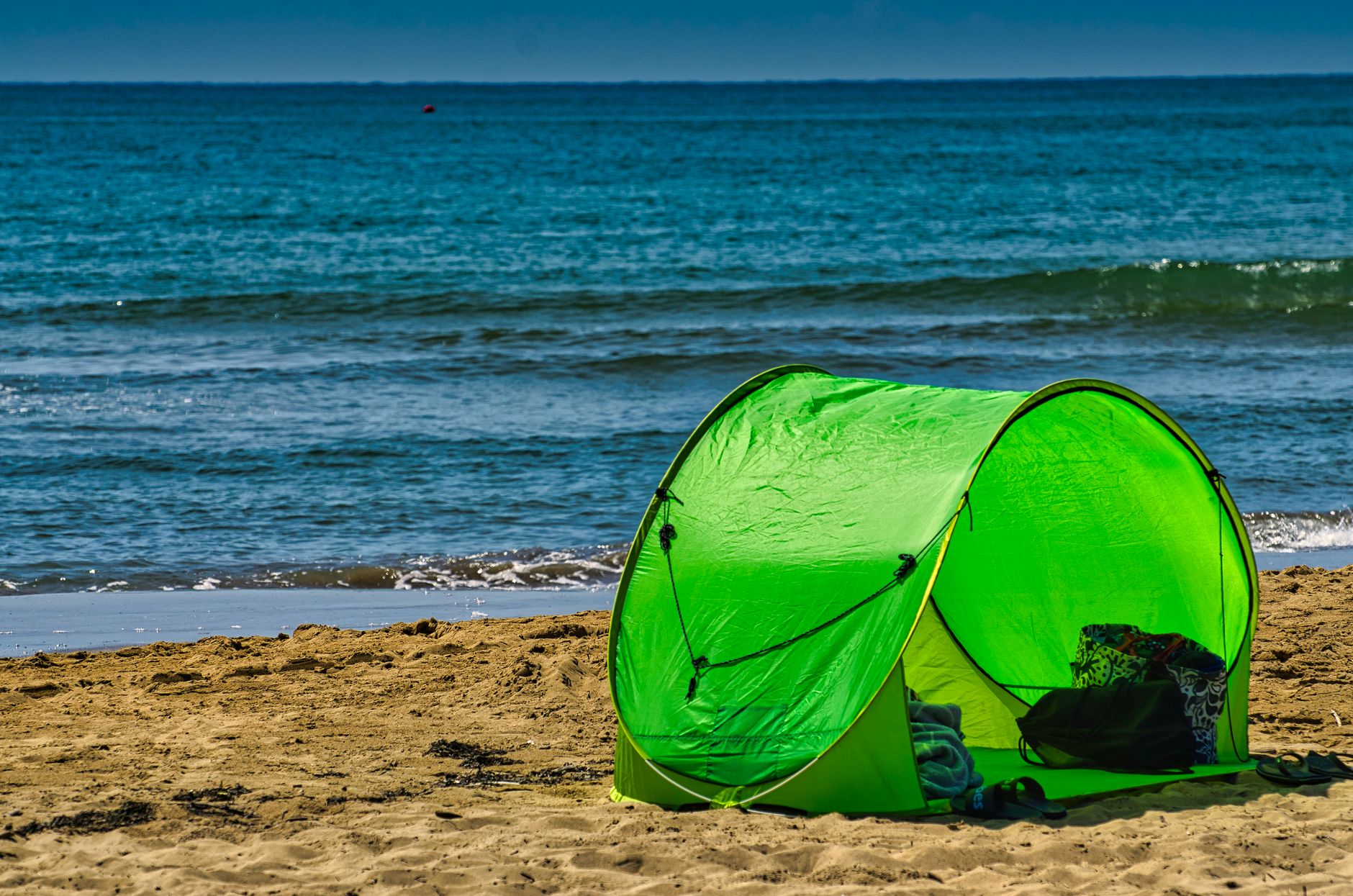
The Albanian Riviera is not just beautiful. It is beautifully uncrowded, and that distinction matters enormously when you are looking for a place to sleep under the stars. While most of the Mediterranean has been carved up into private resorts and municipal beach clubs, Albania still has long stretches of coastline where you can pitch a tent without another soul in sight. The combination of dramatic limestone cliffs, crystal-clear Ionian water, and a backdrop of mountains that tumble almost directly into the sea creates a setting that feels cinematic at every turn.
What truly sets this region apart for campers is the sheer variety of experiences available within a relatively short distance. In a single week, you could camp on a sandy beach surrounded by olive trees in Palasa, spend a night in a canyon carved by a river meeting the sea at Gjipe, and then fall asleep to the sounds of a small harbor village in Himara. The landscape shifts constantly, and so does the atmosphere. This is a coast that rewards slow exploration, and camping is the perfect way to move through it at exactly the right pace.
Albania is also refreshingly affordable. Your camping budget stretches further here than almost anywhere else in Europe, meaning you can afford to stay longer, eat better, and experience more. Local markets overflow with fresh produce, grilled fish is sold straight off the boat, and a cold local beer costs less than a euro in most villages. When your accommodation costs next to nothing, the rest of your travel budget becomes an invitation to live well.
- Ionian water visibility often exceeds 20 meters, making it ideal for snorkeling directly from your campsite
- The SH8 road, also known as the Road of the Riviera, connects nearly all major camping areas
- Albania uses the euro informally in tourist areas, but the Albanian lek is accepted everywhere
- Most campsites are small, family-run operations with a personal and welcoming atmosphere
- Night skies away from urban centers are remarkably dark, perfect for stargazing
Arrive at your chosen campsite or beach by early afternoon during July and August. The most scenic spots fill up quickly, especially on weekends when Albanian families from Tirana head to the coast.
Top Camping Spots on the Albanian Riviera

Choosing where to camp on the Albanian Riviera is one of the most enjoyable planning challenges you will face. Each location has its own personality, and the best spot for you depends entirely on what kind of experience you are chasing. Here is a breakdown of the most beloved camping destinations along the coast, from north to south.
Palasa sits at the northern end of the Riviera and is often the first stop for campers coming from Vlora. The village itself is tiny and traditional, perched on a hillside above a long pebble beach. The beach is backed by a strip of pine and olive trees that provide natural shade and a perfect canopy for hammock camping. The water here is calm and clear, and the sunsets paint the limestone cliffs in shades of orange and pink that you will be talking about for years.
Dhermi is perhaps the most famous beach on the Riviera, and for good reason. The beach is wide, the water is spectacular, and the surrounding landscape is dominated by towering mountains. While Dhermi has become more developed in recent years, you can still find quieter camping options by walking north or south along the coastline away from the main beach. The village above the beach is a beautifully preserved Ottoman-era settlement worth exploring on foot.
Wild Camping vs. Organized Campsites
The Albanian Riviera offers both wild camping and a growing number of organized campsites. Wild camping, which means pitching your tent on public or semi-public land without formal facilities, is widely practiced here and generally tolerated as long as you are respectful of the environment and local landowners. Always ask permission if you are camping near private property, and never leave any trace of your stay behind.
Organized campsites, while still modest by Western European standards, offer real advantages including access to toilets, cold showers, and sometimes a small cafe or kitchen area. They are also a great way to meet other travelers and get local tips from the people running the site. Prices are low, typically between 5 and 15 euros per person per night, and the informal nature of most sites means you can usually negotiate a longer-stay discount.
- Gjipe Canyon: A hidden gem accessible only by a 30-minute hike or short boat ride, where a river canyon meets the sea in a narrow gorge
- Himara: A lively small town with several informal camping areas along its long beach, plus easy access to restaurants and shops
- Borsh: Home to one of the longest beaches on the Riviera, with a medieval castle ruin above and gentle waves below
- Lukova: A quieter alternative near the southern end of the coast, popular with travelers seeking solitude
- Ksamil: Near the UNESCO-listed Butrint archaeological park, with island-dotted waters and a festive summer atmosphere
Gjipe Canyon is one of the most magical camping experiences on the entire Riviera. Hike in with a lightweight tent and spend at least two nights. The canyon walls glow golden at sunrise and the swimming is extraordinary.
Essential Gear for Camping on the Albanian Riviera

Packing the right gear can make the difference between a magical adventure and a miserable week. The Albanian Riviera presents a specific set of conditions that you need to prepare for, including intense summer heat, rocky terrain, limited access to supplies in remote areas, and the occasional bura wind that can appear suddenly and test the structural integrity of even well-staked tents.
Your tent is the single most important piece of equipment. Choose one that offers good ventilation for hot nights but can also withstand a bit of wind. A freestanding tent with a full rainfly is ideal. If you are camping in July or August, a tent with a UV-resistant outer layer will keep the interior significantly cooler during the afternoon hours. A small footprint tarp or groundsheet is also worth carrying, as many beach camping spots have stony ground that can wear through tent floors over time.
Water is a critical consideration. While most organized campsites have access to drinking water, wild camping spots often do not. Carrying a portable water filter or purification tablets gives you the freedom to camp anywhere without worrying about hydration. Albania has numerous natural springs in the mountains, and filtered spring water is perfectly safe to drink. A collapsible water container that holds at least four liters per person is a smart addition to your kit.
- Tent: Freestanding, well-ventilated, UV-resistant, and capable of handling moderate wind
- Sleeping pad: Insulated foam or inflatable, as temperatures can drop surprisingly at night even in summer
- Headlamp: Essential for navigating rocky paths and finding your tent after an evening swim
- Insect repellent: Mosquitoes are active near freshwater sources and in the evenings, especially in canyon areas
- Dry bags: Protect electronics, documents, and sleeping bags from sea spray and unexpected rain
- Portable stove: A small gas canister stove opens up a world of cooking options when markets are far away
- First aid kit: Include blister treatment, antiseptic, and any prescription medications you need
Pack a lightweight packable windbreaker even in summer. The bura wind that funnels through the mountain passes can be surprisingly cold after sunset, and it can arrive with very little warning.
Getting There and Getting Around
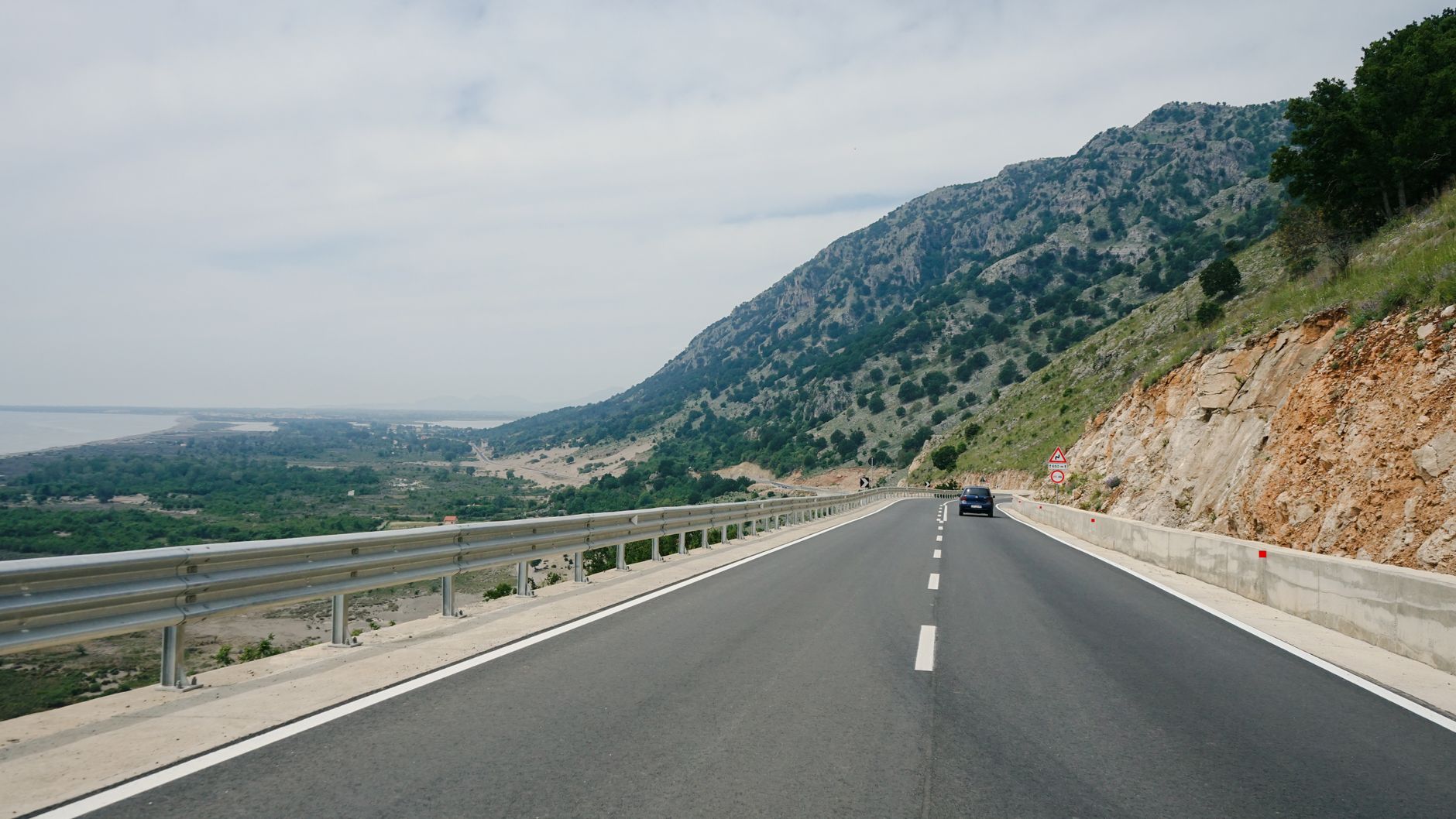
Reaching the Albanian Riviera is easier than many first-time visitors expect, and getting around once you are there is part of the adventure. The most common entry points are the international airports at Tirana and Corfu in Greece. From Tirana, the drive south to the Riviera takes approximately three to four hours depending on your destination, passing through the city of Vlora and then climbing onto the spectacular SH8 coastal road.
The SH8, often called the Riviera Road, is one of the most dramatic drives in the Balkans. It winds along cliff edges, dips into hidden valleys, and offers viewpoints that will have you stopping every few kilometers to take photographs. The road has been significantly improved in recent years, but some sections remain narrow and require careful driving, especially when passing large vehicles. If you are renting a car, a standard sedan handles most of the route comfortably, though a vehicle with higher clearance is helpful for accessing more remote camping spots via unpaved tracks.
If you are not driving, public transport is a surprisingly viable option. Furgons, the shared minibuses that form the backbone of Albanian public transport, run regularly between Vlora, Himara, and Saranda throughout the summer season. They are cheap, frequent, and a wonderful way to meet local people. From the main road, you may need to walk or hitchhike a short distance to reach specific beaches, but hitchhiking is widely practiced and generally safe in Albania.
- Tirana to Himara by car: approximately 3.5 hours via the SH8 coastal road
- Saranda to Ksamil: a short 15-minute drive or a pleasant 45-minute walk along the coast
- Furgons depart from Vlora's main bus station and run to Himara and Saranda throughout the day
- Ferry connections from Corfu to Saranda take approximately 30 minutes and run multiple times daily in summer
- Renting a scooter in Himara or Saranda is a popular and affordable way to explore the coast independently
If you are arriving by furgon with a large backpack and camping gear, let the driver know your destination clearly before departure. Drivers often know the best spots to drop you closest to your intended campsite.
Responsible Camping and Environmental Ethics

The Albanian Riviera's beauty is its greatest asset, and it is also its most vulnerable one. As camping tourism grows along this coast, the pressure on fragile ecosystems is increasing. Careless camping practices, including leaving litter, lighting open fires in dry areas, and damaging coastal vegetation, are already visible in some of the most popular spots. As a visitor, you have the power and the responsibility to ensure that your presence makes things better, not worse.
The leave no trace principle is not just a slogan here, it is a genuine necessity. Pack out everything you pack in, including food waste, packaging, and any other rubbish. Many camping areas have no formal waste collection, so you will need to carry your rubbish to the nearest village or town for disposal. Bringing a few sturdy reusable bags for this purpose is a small effort that makes a significant difference.
Open fires on beaches and in dry scrubland are a serious fire risk during the summer months. Albania's coastal mountains are covered in dry vegetation that can ignite quickly, and fires have caused significant damage to the landscape in recent years. Use a portable camp stove for all cooking, and if you want the atmosphere of a fire, check local conditions carefully and never leave a fire unattended. Swim fins and snorkels are fine, but avoid touching or standing on coral and seagrass beds while in the water.
- Always carry a rubbish bag and pack out all waste, including biodegradable food scraps in sensitive areas
- Use biodegradable soap and wash at least 50 meters from any water source to protect aquatic ecosystems
- Avoid camping directly on sand dunes or in areas with visible coastal vegetation recovery efforts
- Do not collect shells, rocks, or marine life as souvenirs, as this disrupts local ecosystems
- Support local businesses by buying food and supplies from village markets rather than bringing everything from the city
Consider doing a small beach clean-up during your stay. Even spending 20 minutes picking up litter before you leave a spot makes a meaningful contribution and sets a positive example for other campers.
Food, Water, and Staying Comfortable in the Heat

One of the great joys of camping on the Albanian Riviera is eating well without spending much money. The local food culture is built around fresh, seasonal ingredients, and as a camper you are perfectly positioned to take advantage of it. Village markets along the coast sell tomatoes, cucumbers, peppers, olives, local cheeses, and fresh bread at prices that feel almost impossibly low by Western European standards. Combine these with a small camp stove and a little creativity, and you can eat like royalty every night.
Fresh seafood is abundant and affordable throughout the summer. Local fishermen often sell their catch directly from small boats or at informal roadside stands in the early morning. Grilled octopus, sea bream, and mussels are all common and delicious. If you are camping near a village with a small restaurant or taverna, treating yourself to a sit-down meal every few days is both a culinary pleasure and a meaningful way to support the local economy.
Staying comfortable in the heat requires a few strategic adjustments to your camping routine. The hottest part of the day, typically between noon and four in the afternoon, is best spent in the shade or in the water. Use this time to rest, read, or snorkel. Set up camp in the morning before the heat peaks, and save cooking and hiking for the cooler hours of early morning and evening. Staying hydrated is essential, so drink water consistently throughout the day even when you do not feel thirsty.
- Fresh bread is available early morning in most villages and makes an excellent camping breakfast base
- Local byrek, a savory pastry filled with cheese or spinach, is a cheap and filling snack available at most bakeries
- Raki, the local grape spirit, is often offered free by hospitable locals and is a wonderful way to connect over a campfire
- Coconut water and electrolyte tablets help replace minerals lost through sweating during hot days
- A portable solar charger keeps your phone and headlamp batteries topped up without needing access to electricity
Set up your tent with the door facing the sea breeze. Even on the hottest nights, a consistent coastal breeze can make sleeping in a tent perfectly comfortable without any need for a fan.
Safety Tips and What to Watch Out For

The Albanian Riviera is a generally safe destination for campers, but like any outdoor adventure, it comes with specific risks that you should understand before you go. Being informed and prepared means you can enjoy your trip with confidence rather than anxiety. Most of the potential hazards here are environmental rather than human, and a little common sense goes a long way.
The sea itself deserves respect. While the Ionian is calm and inviting most of the time, sudden changes in wind conditions can create strong currents and choppy water, particularly in exposed bays. Always check local conditions before swimming in unfamiliar spots, and never swim alone in remote areas. Jellyfish, including the mildly stinging Pelagia noctiluca, appear in some areas during late summer, so wearing a rash guard while snorkeling is a sensible precaution.
Snakes are present in the rocky hillsides and scrubland above the coast. Most species are harmless, but the nose-horned viper is venomous and occasionally encountered. Always watch where you step when hiking off-trail, wear closed shoes in rocky areas, and shake out your shoes before putting them on in the morning. Scorpions are also present in some areas, so shaking out clothing and checking inside your tent before sleeping is a good habit to develop.
In terms of personal security, petty theft is the most common concern in busy tourist areas during peak season. Keep valuables locked in your vehicle or hidden in your tent rather than left unattended on the beach. Camping in established spots where other travelers are present adds an extra layer of security and community.
- Always tell someone your planned camping location if you are heading to a remote spot without phone signal
- Download offline maps before you leave mobile coverage, as signal can be patchy along the coast
- Carry a basic first aid kit including antiseptic, bandages, and any personal medications
- Respect local customs, especially in traditional villages where conservative dress is appreciated away from the beach
- Emergency services in Albania can be reached on 112, the standard European emergency number
Register your trip with your country's embassy or consulate if you are planning extended wild camping in remote areas. It takes five minutes and provides important peace of mind for both you and anyone at home.
Albanian Riviera Camping Spots at a Glance
| Location | Beach Type | Facilities Available | Crowd Level in July | Best For |
|---|---|---|---|---|
| Palasa | Pebble and sand mix | Very basic, some informal sites | Low to moderate | Peaceful escapes and olive grove camping |
| Dhermi | Wide sandy beach | Several organized campsites nearby | High | First-time visitors and social camping |
| Gjipe Canyon | Rocky canyon meets sea | None, fully wild | Low | Adventure seekers and nature lovers |
| Himara | Long pebble beach | Moderate, some sites with showers | Moderate | Campers wanting town access and amenities |
| Borsh | Long sandy beach | Minimal, mostly wild | Low | Solitude and long beach walks |
| Ksamil | Sandy with small islands | Most developed, several campsites | Very high | Snorkeling, island hopping, and nightlife |
Frequently Asked Questions
Is camping legal on the Albanian Riviera?
Wild camping exists in a legal gray area in Albania. It is widely practiced and generally tolerated, especially on beaches and public land. However, camping on private property without permission is not allowed. Always ask locals if you are unsure, and always practice leave no trace principles. Organized campsites are fully legal and increasingly common along the coast.
What is the best time of year to camp on the Albanian Riviera?
Late May through early October is the viable camping season, but June and September are widely considered the sweet spot. The weather is warm and reliable, the sea is perfect for swimming, and the crowds are noticeably thinner than in July and August. If you visit in July or August, expect more company at popular spots but also a more festive and social atmosphere.
Do I need to bring all my camping gear from home, or can I rent equipment in Albania?
It is strongly recommended to bring your own camping gear from home or from a larger city. Camping equipment rental is not widely available along the Riviera, and the selection in local shops is limited. Tirana has a small number of outdoor gear shops where you can purchase basics if needed, but prices and selection are better in major European cities or online before your trip.
Is it safe to drink tap water while camping on the Albanian Riviera?
Tap water quality varies significantly along the coast and is not reliably safe to drink in all areas. At organized campsites, ask the owners about the water source before drinking from the tap. For wild camping, always treat water from natural springs using a portable filter or purification tablets. Bottled water is available in village shops but generates significant plastic waste, so a reusable bottle with a filter is the most responsible option.
Can I camp at Gjipe Canyon and how do I get there?
Yes, Gjipe Canyon is one of the most popular wild camping destinations on the Riviera. You can reach it by hiking approximately 30 minutes from the road above, following a well-worn trail down through the canyon to the beach. Alternatively, water taxis from Dhermi or Himara can drop you directly at the canyon entrance during summer. There are no facilities whatsoever, so bring everything you need including water, food, and a way to dispose of your waste.
What currency should I bring for camping on the Albanian Riviera?
The official currency is the Albanian lek, and you should carry lek for most transactions including campsite fees, market shopping, and transport. Some tourist-oriented businesses in Himara, Dhermi, and Ksamil accept euros informally, but you will often get a less favorable exchange rate. ATMs are available in larger towns like Himara and Saranda, so withdraw lek there before heading to more remote camping areas.
Plan your Albania adventure
The Albanian Riviera is one of those rare places that still has the power to genuinely surprise you. In an era when so much of Europe's coastline has been smoothed into a predictable sequence of sun loungers, cocktail bars, and Instagram-ready infinity pools, this stretch of the Ionian coast remains stubbornly, beautifully itself. Camping here is not about roughing it or making do with less. It is about choosing more, more connection with the landscape, more authentic encounters with local culture, more of those slow, unhurried mornings that remind you why you travel in the first place. Every sunrise over the water from inside your tent is a small miracle that no hotel room can replicate.
So pack your tent, fill your water bottles, load up on fresh tomatoes and local cheese from the nearest village market, and point yourself south toward the Ionian. Whether you spend your nights in the pine-scented shade of Palasa, the dramatic canyon walls of Gjipe, or the lively beach scene at Ksamil, the Albanian Riviera will deliver an experience that stays with you long after you have packed up and headed home. This is the kind of travel that changes how you see the world, and it is happening right now, in one of Europe's most extraordinary and underappreciated corners. Go before everyone else figures it out.