Albanian etiquette tips to navigate like a local
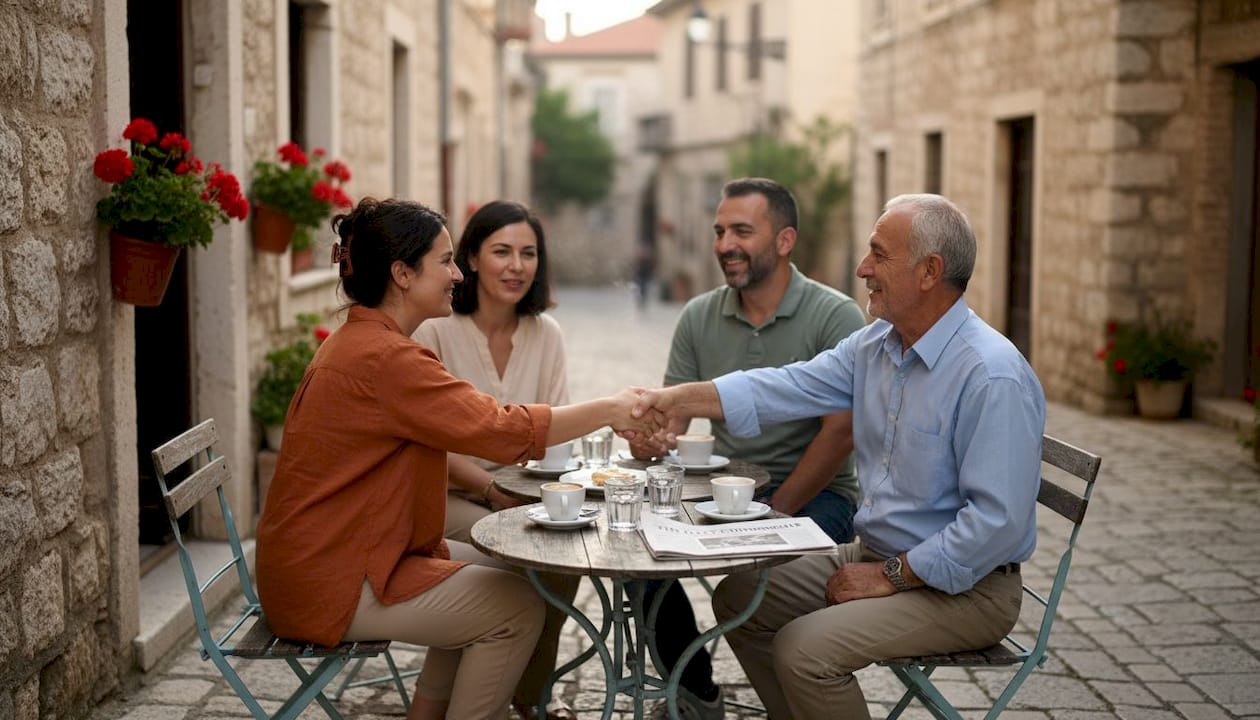
Picture this: you’re sitting at a family-run restaurant in Berat, and the owner’s mother brings out a plate of homemade byrek (a savory pastry) as a gesture of welcome. You wave it away, politely saying you’re full. The room goes quiet. What felt like courtesy on your part just read as a rejection of her hospitality. Understanding small moments like this is what separates a good Albania trip from a truly memorable one.
Table of Contents
- Why etiquette matters in Albania
- Top Albanian etiquette tips every traveler should know
- Common etiquette scenarios: A practical guide
- Etiquette missteps vs. best practices: Quick comparison
- What seasoned travelers know about Albanian etiquette (and most guides miss)
- Ready to experience Albania respectfully? Start your journey here
- Frequently asked questions
Key Takeaways
| Point | Details |
|---|---|
| Learn greetings | A firm handshake and greeting elders first shows immediate respect in Albanian culture. |
| Dress with awareness | Wear modest clothing in religious and rural areas to avoid giving offense. |
| Embrace hospitality | Accept offers of coffee or food as a sign of appreciation for local hospitality. |
| Mind driving etiquette | Follow local driving norms and be polite, especially in crowded or rural areas. |
| Be present and polite | Simple acts like smiling, saying ‘thank you,’ and learning a few Albanian words go a long way. |
Why etiquette matters in Albania
Albania is one of Europe’s most community-centered cultures. Family, honor, and hospitality are not just values here. They are the invisible architecture of daily life. When you understand that, you stop seeing etiquette as a list of rules and start seeing it as a way to genuinely connect.
Travelers who respect local customs are significantly more likely to build real, lasting connections with Albanians. This is not a soft observation. It shows up in the way locals respond to you in markets, at guesthouses, and in small-town restaurants. A single respectful gesture can shift the entire tone of an interaction.
Here is why etiquette matters practically:
- Albanian culture places enormous value on the concept of besa (a word of honor or unspoken code of trust). Violating social norms, even unintentionally, can signal disrespect.
- Social gatherings in Albania often follow unwritten rules about seating, order of service, and how long you stay. Knowing these helps you avoid awkward situations.
- At border crossings, a calm, respectful demeanor speeds things along. Officers respond better to composed, cooperative travelers.
- In restaurants, understanding how meals are structured (shared dishes, long meals, no rushing) helps you avoid appearing rude or impatient.
- Albanian hospitality is genuinely legendary. Locals may offer food, coffee, or even lodging. Knowing how to accept graciously, and when to decline politely, is essential.
The payoff for learning even basic etiquette is enormous. You go from being treated as a tourist to being welcomed as a guest. That distinction means everything in Albania.
Top Albanian etiquette tips every traveler should know
Let’s get specific. Here are the core etiquette practices that will serve you in almost every social situation you encounter in Albania.
- Greet people properly. Albanian greetings involve a handshake, and it is always customary to greet the eldest person in a group first. This signals respect and awareness of social hierarchy. For women greeting women, a light kiss on each cheek is also common in social settings.
- Learn a few Albanian phrases. Even “Mirëdita” (good day) or “Faleminderit” (thank you) spoken with genuine effort earns immediate warmth. Albanians deeply appreciate when visitors try their language. It signals that you see them as people, not just a backdrop for your vacation. Check out the Albanian language basics guide for a practical starter list.
- Follow dress code norms, especially at religious and historical sites. Dress modestly when visiting mosques, churches, and traditional villages. That means covered shoulders and knees at minimum. Albania has a remarkable tradition of religious coexistence, and showing respect at these sites honors that legacy. This applies whether you are exploring visiting UNESCO sites like Gjirokastër or a village mosque in the countryside.
- Practice table manners thoughtfully. At family-style Albanian meals, food is shared. Do not start eating before the host invites you to. Accept the first serving even if you are not hungry. Refusing food outright is considered impolite, but taking a small portion and saying “very good, thank you” works perfectly. Explore Albanian dining customs to understand what to expect at the table.
- Gift-giving matters. If you are invited into someone’s home, bring something. Sweets, coffee, or a modest gift from your home country are all appropriate. Do not bring alcohol unless you know the family well, as Albania has both Muslim and Christian communities with varying attitudes.
- Refuse food politely if you must. The correct approach is to compliment the food first, take a small bite if possible, then say you cannot eat more. A flat “no thank you” with no explanation can sting.
- Do not photograph people without asking. Older Albanians especially may feel uncomfortable being photographed. A smile and a gesture go a long way. If someone says no, accept it immediately.
“In Albania, hospitality is not just a gesture. It is a moral obligation. Treating a guest well is a matter of family honor.” This cultural truth shapes nearly every interaction you will have.
Pro Tip: Learn at least five Albanian words before arriving. Pronunciation is phonetic, so it is easier than you think. The reaction you will get from locals is worth every minute of effort.
Common etiquette scenarios: A practical guide
Knowing the rules is one thing. Seeing how they play out in real life is what makes them stick. Here are the most common situations you will encounter and how to handle each one.
Dining at a local restaurant
Albanian meals are slow by design. Sitting down for lunch can easily stretch to two hours. Do not rush it. Do not ask for the check immediately after eating. The rhythm of the meal is part of the experience. Tipping is appreciated but not mandatory. Rounding up the bill or leaving a small amount is perfectly respectful.
Visiting someone’s home
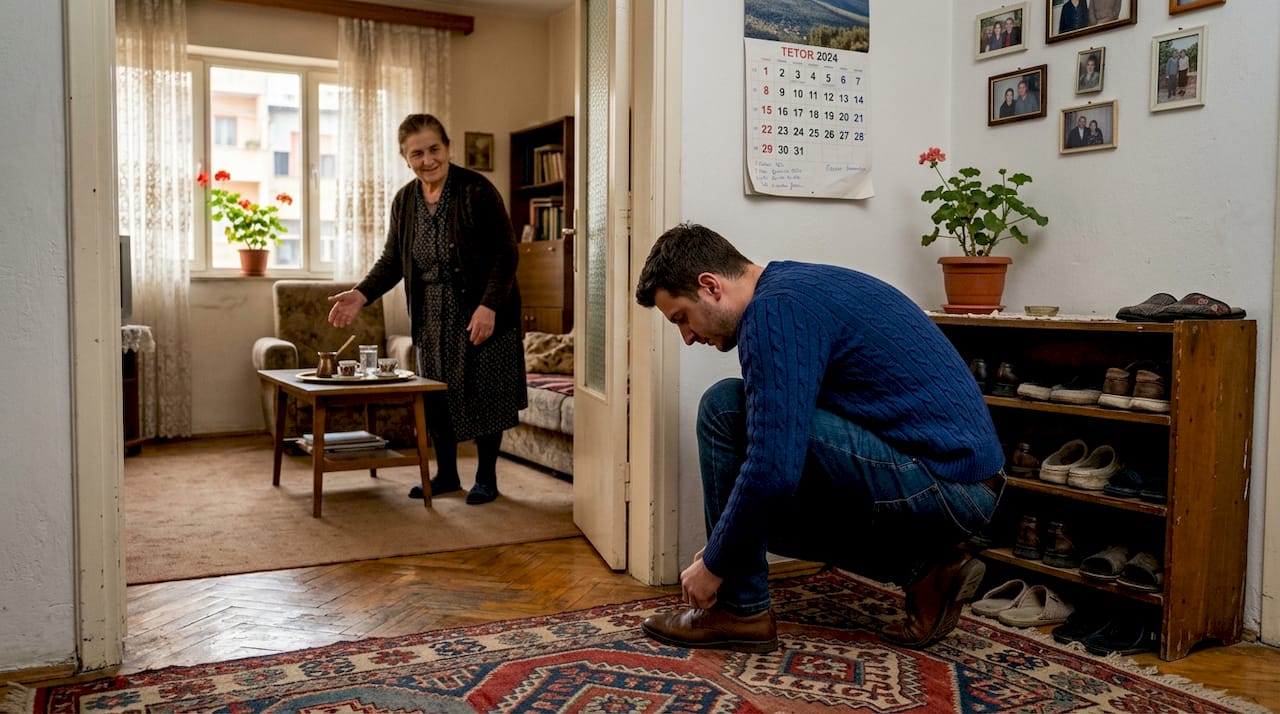
Remove your shoes at the door unless told otherwise. Accept coffee immediately, as refusing the first cup is a social misstep. Albanian coffee culture is deeply embedded. The coffee (often Turkish-style) is not just a drink. It is the opening act of any meaningful conversation.
Driving and road behavior
Road culture in Albania can feel chaotic to first-time visitors, but there are still unwritten rules. Driving norms include giving pedestrians right of way, even if you will not always see this in practice. Patience and calm behavior behind the wheel signal good character. Honking aggressively, cutting off other drivers, or showing road rage are all seen as signs of poor manners. Review driving etiquette before you hit the road, and check out the car rental checklist to make sure you are fully prepared.
Crossing the border
Border crossings in Albania require composure and preparation. Having all documents ready and responding politely to officials is not just practical. It is culturally expected. Agitation, arguing, or dismissive behavior toward border officials creates friction fast. A calm demeanor, even when things move slowly, will always serve you better. Review the border crossing tips page to know exactly what to have ready.
| Situation | What to do | What to avoid |
|---|---|---|
| Entering a home | Remove shoes, accept coffee | Declining coffee immediately |
| Restaurant meal | Wait for host to begin | Asking for the bill mid-meal |
| Meeting elders | Greet them first, firm handshake | Casual greetings or ignoring them |
| Border crossing | Stay calm, documents ready | Impatience or arguing |
| Religious sites | Dress modestly, speak quietly | Loud behavior, revealing clothing |
Pro Tip: A genuine smile is universally understood. Even when language fails, staying positive and patient communicates respect far better than any phrase book.
Etiquette missteps vs. best practices: Quick comparison
Let’s look directly at the difference between common traveler errors and the behavior that earns you respect.
Travelers who follow etiquette enjoy warmer relationships and fewer travel hassles. The contrast between tourists who blend in respectfully and those who do not is stark, and locals notice immediately.
| Etiquette mistake | Best practice |
|---|---|
| Waving off offered food | Accept a small portion, compliment it |
| Photographing people without asking | Ask first with a smile and gesture |
| Loud or boisterous behavior in villages | Match the energy of those around you |
| Wearing revealing clothes at religious sites | Cover shoulders and knees |
| Ignoring elders in a group | Greet the eldest person first |
| Overtipping or undertipping awkwardly | Round up the bill casually |
| Refusing coffee on first offer | Accept with thanks, even a small sip counts |
Following etiquette consistently leads to real outcomes:
- Locals invite you into conversations you would never have otherwise had.
- Restaurant owners bring out dishes not on the menu, just because they like you.
- Guesthouse hosts upgrade your room or offer a home-cooked breakfast.
- Villagers offer to show you around places no tour guide knows about.
Ignoring etiquette, even without meaning to, results in cooler service, missed connections, and the feeling that you are perpetually on the outside looking in. Before renting a car, also look at car rental etiquette to handle the paperwork process respectfully. And if you are heading to the capital, the Tirana city etiquette guide covers the specific social norms of Albania’s most dynamic city.
What seasoned travelers know about Albanian etiquette (and most guides miss)
Most travel articles give you a list and call it done. But experienced travelers know that Albanian etiquette is less about following rules and more about reading the room. Here is what the guidebooks usually skip.
The power of small gestures is wildly underrated. We have seen travelers walk into a market in Shkodër, mutter a barely-audible “mirëdita” to the vendor, and walk out with a free handful of figs and an invitation to visit the family’s farm. Even simple greetings in Albanian can be the key to unlocking the kind of hospitality that most tourists never experience. This is not an exaggeration. It is what distinguishes a trip that feels transactional from one that feels genuinely human.
Mirroring locals is your best navigation tool. When you are unsure what to do, pause and watch what the people around you are doing. Do they take their shoes off at the door? Follow. Do they wait for the host to pour the raki (a local spirit) before anyone drinks? Wait. This quiet attentiveness is itself a form of respect, and Albanians notice it.
The concept of hospitality as obligation cuts both ways. Many travelers feel awkward accepting generous offers from Albanian hosts, worrying they are imposing. But refusing repeatedly can actually cause offense. The correct balance is to accept warmly, express genuine gratitude, and reciprocate in whatever small way you can. Bringing a gift, offering to help clear the table, or simply staying long enough to share the conversation are all meaningful forms of appreciation.
Food etiquette stories from travelers who explored Albanian food culture show a consistent pattern: those who ate what was offered, asked questions about the dishes, and praised the food became part of the family meal. Those who brought their own protein bars and asked for separate plates remained politely ignored.
The uncomfortable truth is that no checklist fully prepares you. The real skill is curiosity and genuine interest in people. Albania rewards that more than any other approach.
Ready to experience Albania respectfully? Start your journey here
Understanding Albanian etiquette is a strong start, but putting it into practice is where the real adventure begins.
The Travel Tips Albania guide brings together everything you need to plan a culturally rich, stress-free trip, from city-by-city breakdowns to food guides, language resources, and insider destination tips. Whether you are preparing for your first visit or going deeper on a return trip, the full etiquette guide gives you the practical detail to travel with real confidence. Albania is ready to welcome you. Going in with cultural awareness means you will get the best it has to offer.
Frequently asked questions
Is tipping expected in Albania?
Tipping is appreciated but not mandatory. Rounding up the bill or leaving small change is the most common and comfortable approach in Albanian restaurants.
Are there any greetings I should avoid in Albania?
Use a warm handshake and greet elders first. Albanian greetings involve a handshake, and casual or overly informal greetings should wait until the other person sets that tone.
What should I bring when invited to an Albanian home?
Bring a small gift such as sweets, coffee, or something from your home country. It is a simple but meaningful gesture that signals respect for the household.
How should I dress when visiting religious sites in Albania?
Cover your shoulders and knees, and remove your shoes if signs or attendants indicate you should. Dress modestly at religious sites to show respect for both the space and the people who use it.
Are there any etiquette rules for driving in Albania?
Yes. Driving norms include giving pedestrians the right of way and maintaining a calm, patient demeanor, even when traffic feels chaotic. Aggressive driving is considered poor form.