Albanian Cheese Varieties: A Region-by-Region Tasting Guide

Long before Albania appeared on anyone's travel bucket list, shepherds in its highlands and fishermen along its coast were quietly perfecting one of the country's most underrated culinary treasures: cheese. Made from the milk of sheep, goats, and cows grazing on wild herbs and mountain grasses, Albanian cheese is rustic, honest, and deeply tied to the land it comes from.
Unlike mass-produced supermarket cheese, most Albanian varieties are still made in small batches by families who have passed down recipes for generations. Travel from the icy peaks of the Accursed Mountains to the sun-baked terraces of the Albanian Riviera, and you will notice the cheese changes with the landscape, becoming saltier near the coast, creamier in the lush valleys, and firmer at altitude.
This guide takes you on a tasting journey through Albania's distinct regions, so you know exactly what to order, what to buy at the market, and what pairs perfectly with a glass of local raki along the way.
Key Takeaways
| Most iconic cheese | Djathë i Bardhë, Albania's tangy white brined cheese similar to feta |
|---|---|
| Best mountain region for cheese | The Albanian Alps around Theth and Valbona |
| Where to try lakeside dairy | Shkodra and Pogradec, near Lake Shkodra and Lake Ohrid |
| Signature soft cheese | Gjizë, a fresh ricotta-like curd cheese often eaten with honey |
| Local pairing tip | Pair aged cheeses with raki and fresh cheeses with byrek or tomatoes |
Understanding Albania's Cheese Culture
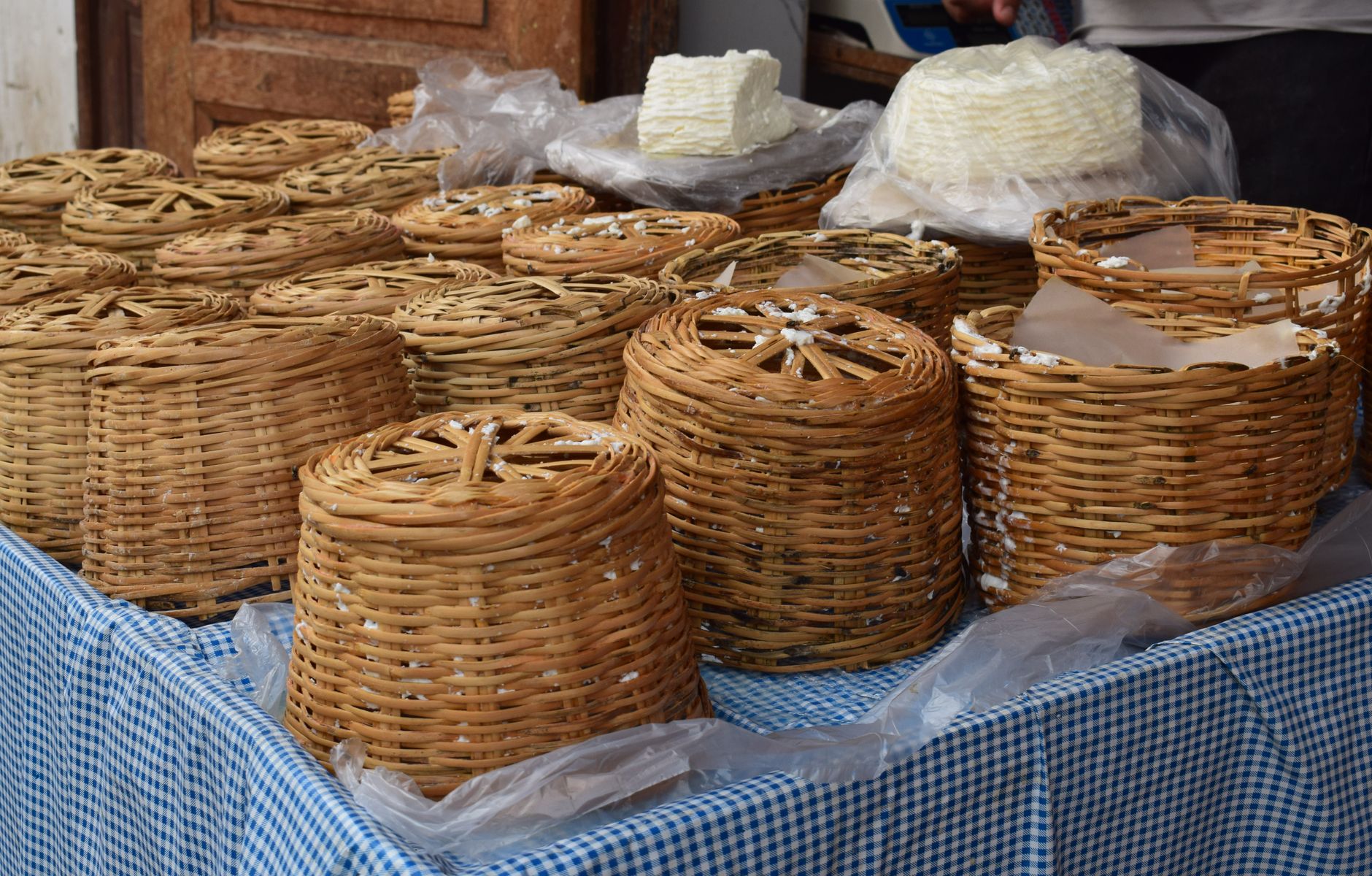
Before diving into specific regions, it helps to understand why Albanian cheese tastes so different from what you might find elsewhere in the Balkans or Mediterranean. Albania's isolation during decades of communist rule meant that industrial dairy production never fully replaced traditional family farming methods. Even today, much of the cheese sold at local markets comes from small household producers rather than large factories.
Milk itself varies enormously by region, since sheep, goat, and cow herds graze on different terrain, from alpine wildflowers to coastal scrub. This gives each region's cheese a distinct character, often described locally in terms of saltiness, texture, and how long it has been aged in brine or wooden barrels.
When traveling, look for cheese sold in small guesthouses, roadside stalls, and local farmers markets rather than supermarkets, since these are almost always fresher and more representative of regional style.
- Sheep's milk cheese tends to be richer and slightly gamey
- Goat's milk cheese is tangier and lower in fat
- Cow's milk cheese is milder and creamier
- Brined cheeses are aged in salty water for preservation and flavor
- Fresh cheeses are meant to be eaten within days of production
Ask for "djathë vendi" (local cheese) at markets to specifically request regionally made, small-batch cheese rather than commercial brands.
The Albanian Alps: Alpine Cheeses of Theth and Valbona
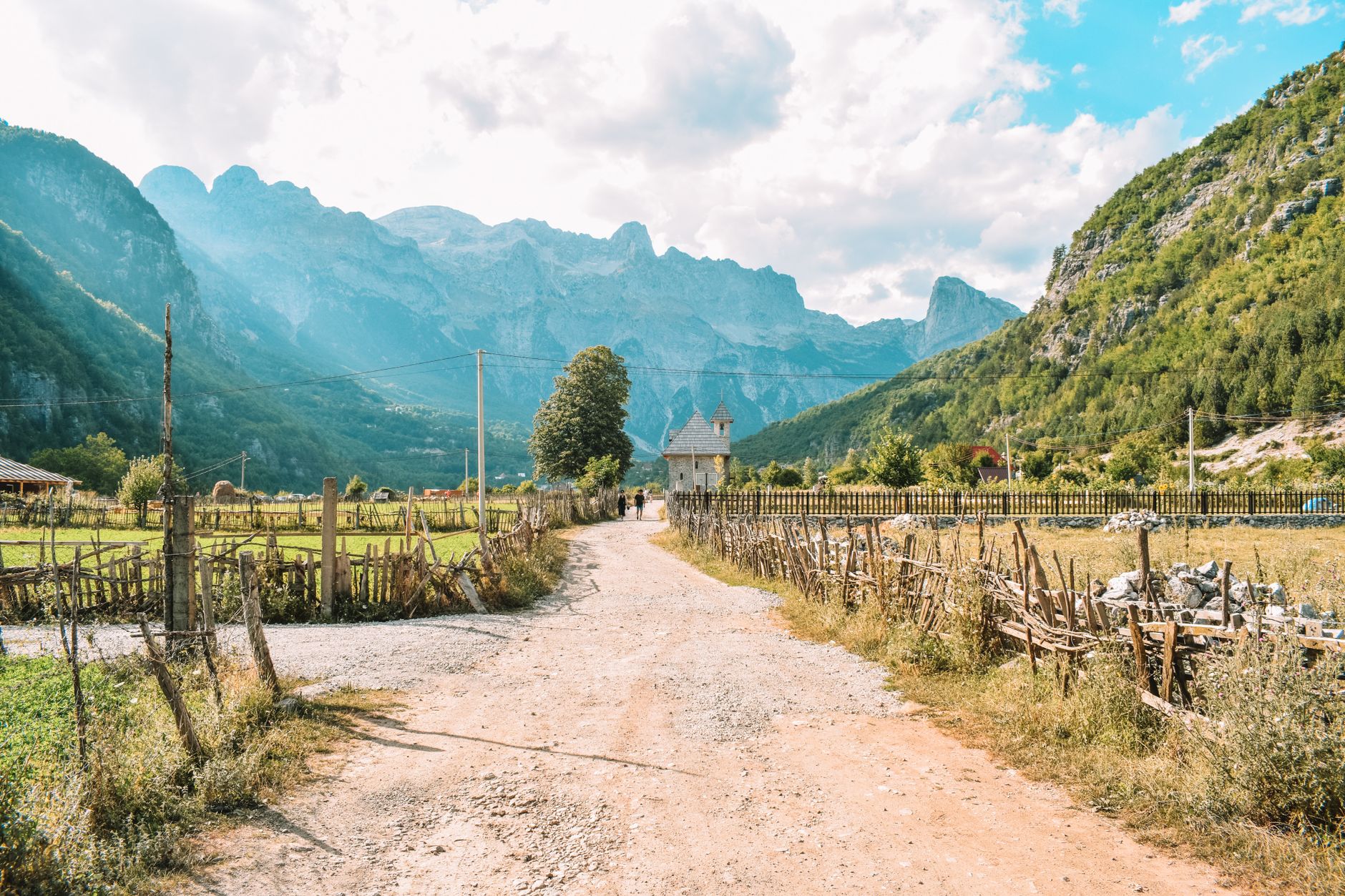
The rugged highlands of northern Albania, especially around Theth and Valbona in the Accursed Mountains, produce some of the country's most prized cheeses. Here, sheep and goats graze freely on wild herbs at high altitude, giving the milk an intensely aromatic quality that carries through into the finished cheese.
The star of this region is Mishavinë, a soft, tangy, slightly fermented cheese traditionally stored in animal skins or wooden barrels to develop its distinctive sharp flavor. It is often described as an acquired taste, pungent and salty, but locals consider it a delicacy best paired with cornbread and raki.
You will also find excellent Kos, a thick sheep's milk yogurt that functions almost like a cheese course in northern households, served with honey or walnuts as a simple mountain breakfast.
- Mishavinë: fermented, pungent, aged in barrels or skins
- Kos: thick sheep's milk yogurt, tangy and rich
- Djathë Dhensh: firm sheep cheese, aged for weeks
- Best enjoyed with cornbread, walnuts, and homemade raki
Guesthouses in Theth and Valbona often serve homemade cheese platters at breakfast, a great way to sample several varieties without committing to a full wheel.
Central Albania: Tirana, Elbasan, and Berat's Dairy Traditions

Central Albania, encompassing the capital Tirana and the historic towns of Elbasan and Berat, sits at a crossroads of mountain and lowland farming, producing a wide variety of cheeses that reflect this geographic diversity. Markets here are excellent places to compare regional cheese side by side, since producers from surrounding hills bring their goods to the capital's weekly bazaars.
Djathë i Bardhë, Albania's answer to feta, reaches its most balanced expression in this region: crumbly, salty but not overwhelming, and versatile enough to be eaten plain, fried, or crumbled over salads. Elbasan is particularly known for a baked yogurt and cheese casserole called Tavë Elbasani, which showcases how central Albanians incorporate dairy into cooked dishes rather than eating cheese solely on its own.
Berat, famous for its Ottoman-era architecture, also has a quieter reputation among food lovers for its Gjizë, a soft ricotta-style cheese made from the whey left over after producing harder cheeses. It is often mixed with herbs or spread on warm bread.
- Djathë i Bardhë: brined white cheese, similar to feta
- Gjizë: soft whey cheese, mild and slightly sweet
- Kaçkavall: semi-hard yellow cheese, great melted
- Tavë Elbasani: baked cheese and yogurt casserole dish
Visit Tirana's New Bazaar early in the morning when cheese producers from nearby villages set up their freshest stalls before the crowds arrive.
Southern Albania: Gjirokastër, Sarandë, and the Riviera

The south of Albania, including the stone city of Gjirokastër and the sun-drenched Albanian Riviera around Sarandë and Himarë, produces cheese with a distinctly Mediterranean character. Warmer climate and coastal grazing land yield milk that is often used for firmer, saltier cheeses well suited to the region's hot summers.
Gjirokastër is particularly famous for Kaçkavall Djathë, a semi-hard yellow cheese similar to a mild cheddar, often sliced and fried as a starter called Djathë i Fërguar, a beloved appetizer across southern Albania. This dish, crispy on the outside and gooey in the middle, pairs beautifully with a squeeze of lemon and a glass of local wine.
Along the Riviera, you will also encounter cheese served simply with olives, tomatoes, and olive oil as part of a light seaside meze, reflecting the influence of nearby Greece and the wider Mediterranean diet.
- Kaçkavall: firm, mild yellow cheese, great for frying
- Djathë i Fërguar: fried cheese appetizer, crispy and golden
- Feta-style brined cheese, common in coastal meze platters
- Often paired with olives, tomatoes, and local olive oil
Order Djathë i Fërguar as a starter at any tavern in Gjirokastër or Sarandë; it is inexpensive, filling, and one of the best introductions to southern Albanian flavors.
Lakeside Specialties: Shkodra and Pogradec
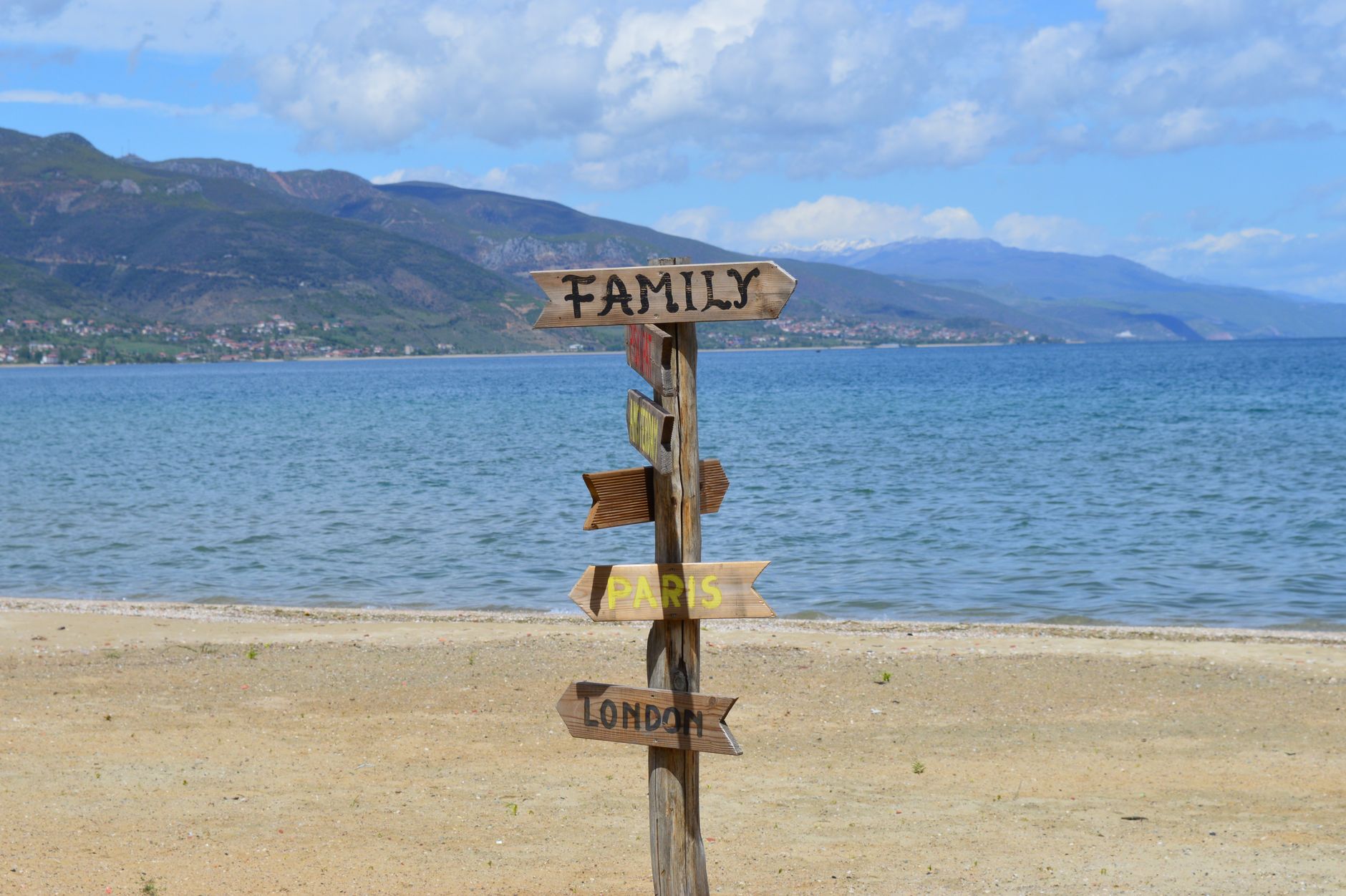
Albania's two great lakes, Shkodra in the northwest and Ohrid near Pogradec in the southeast, support their own small but distinctive dairy traditions shaped by the fertile farmland surrounding their shores. Cattle graze on the lush grasses near these lakes, producing milk that leans creamier and less gamey than the sheep and goat milk found in mountain regions.
Around Shkodra, look for fresh cow's milk cheeses served alongside grilled lake fish, a pairing that has become a signature of local restaurants. The cheese here tends to be mild and slightly sweet, a gentle counterbalance to the richness of fried carp or bleak fish pulled straight from the lake.
In Pogradec, near Lake Ohrid, small dairies produce a soft, spreadable cheese often mixed with local herbs and sold in jars at roadside stands. This cheese is less well known outside the region but is well worth seeking out for its unique herbal, slightly nutty flavor.
- Fresh cow's milk cheese, mild and creamy near Shkodra
- Herbed spreadable cheese found around Lake Ohrid
- Often paired with grilled freshwater fish
- Best purchased directly from roadside stands and small dairies
Combine a lake cheese tasting with a fish lunch in Shkodra or Pogradec for one of Albania's most underrated culinary experiences.
How to Taste and Buy Cheese Like a Local

Approaching Albanian cheese with a bit of local know-how will help you get the most out of your tasting journey. Markets, family-run guesthouses, and roadside dairies are almost always better sources than supermarkets, since they sell cheese made within days rather than weeks.
Do not be afraid to ask questions and request small tastes before buying, as vendors are generally happy to let you sample a sliver of cheese, especially in smaller towns where hospitality is a point of pride. Bringing cash in small denominations makes transactions easier, since many rural producers do not accept cards.
If you plan to bring cheese home, choose firmer, brined varieties like Kaçkavall or well-salted Djathë i Bardhë, as they travel better than soft fresh cheeses like Gjizë, which are best enjoyed on the spot.
- Buy from local markets and family dairies rather than supermarkets
- Ask to taste before purchasing whenever possible
- Carry small cash for rural vendors
- Choose firm, brined cheeses if you want to transport them
- Pair with local bread, olives, and raki for an authentic experience
Vacuum-sealed brined cheese can survive a flight home reasonably well if kept cool and consumed within a week of arrival.
Albanian Cheese at a Glance by Region
| Region | Signature Cheese | Milk Type | Flavor Profile | Best Pairing |
|---|---|---|---|---|
| Northern Alps (Theth, Valbona) | Mishavinë | Sheep or goat | Pungent, tangy, fermented | Cornbread and raki |
| Central Albania (Tirana, Elbasan, Berat) | Djathë i Bardhë | Sheep or cow | Salty, crumbly, balanced | Salads and byrek |
| Southern Albania (Gjirokastër, Sarandë) | Kaçkavall | Cow | Mild, firm, buttery | Fried and served with lemon |
| Lake Shkodra region | Fresh cow cheese | Cow | Mild, creamy, sweet | Grilled lake fish |
| Lake Ohrid region (Pogradec) | Herbed spreadable cheese | Cow or goat | Herbal, nutty, soft | Fresh bread and olive oil |
Frequently Asked Questions
What is the most famous Albanian cheese?
Djathë i Bardhë, a brined white cheese similar to feta, is the most widely recognized Albanian cheese and appears on nearly every menu across the country.
Is Albanian cheese safe for travelers with dairy sensitivities?
Most traditional Albanian cheeses are made from raw or lightly processed milk, so travelers with lactose intolerance or dairy allergies should ask vendors about production methods before eating.
Where can I find the best cheese markets in Albania?
Tirana's New Bazaar, Gjirokastër's old town market, and small roadside stalls in Theth and Valbona are among the best places to find fresh, locally made cheese.
Can I bring Albanian cheese home with me?
Firm, brined cheeses like Kaçkavall or well-aged Djathë i Bardhë travel reasonably well if vacuum-sealed and kept cool, though customs regulations vary by destination country.
What is the difference between Kaçkavall and Djathë i Bardhë?
Kaçkavall is a firm, semi-hard yellow cheese similar to mild cheddar, often fried or melted, while Djathë i Bardhë is a crumbly, salty brined white cheese similar to feta.
What should I pair with Albanian cheese?
Fresh cheeses pair well with honey, walnuts, or tomatoes, while firmer aged cheeses are traditionally enjoyed alongside raki, cornbread, and olives.
Plan your Albania adventure
Tasting your way across Albania's regional cheeses is more than a culinary detour, it is a window into the country's landscapes, history, and hospitality. Each wedge of Mishavinë from a mountain guesthouse or slice of fried Kaçkavall in a southern tavern tells the story of the land and the families who have shaped its flavors for generations.
So pack your appetite alongside your hiking boots and beach towel, and let cheese guide part of your Albanian adventure. Whether you find yourself sharing a plate at a family-run guesthouse in Theth or sampling herbed spreads at a Pogradec market stall, you will come away with a deeper, more delicious understanding of what makes Albania such a rewarding place to explore.