Albanian Breakfast Foods You Need to Try Every Morning

There's a moment on almost every trip to Albania when you realize breakfast isn't just a meal here, it's a ritual. Long before you finish your first sip of thick Albanian coffee, a tray of warm, flaky pastry or a plate of creamy cheese will land in front of you, and you'll understand why locals linger over morning meals instead of rushing through them.
Albanian breakfast culture is a delicious mashup of Ottoman, Mediterranean, and Balkan influences, shaped by centuries of history and a landscape that produces incredible dairy, wheat, and vegetables. Unlike the sugary cereals or quick pastries common elsewhere, Albanian mornings lean savory, filling, and made from scratch, often by a grandmother who has been perfecting her recipe for decades.
Whether you're wandering the cobbled streets of Berat, sipping coffee in Tirana's Blloku district, or staying with a family in the Albanian Alps, knowing what to order for breakfast will transform your trip. This guide walks you through the essential dishes, where they come from, and how to eat like a true Albanian from the very first meal of the day.
Key Takeaways
| Signature Dish | Byrek, a flaky pastry filled with cheese, spinach, or meat, is the undisputed king of Albanian breakfasts. |
|---|---|
| Dairy Focus | Fresh gjizë (curd cheese) and kos (yogurt) appear at nearly every morning table. |
| Fried Favorite | Petulla, Albania's version of fried dough, is a beloved weekend breakfast treat. |
| Drink Pairing | Turkish-style coffee or a strong espresso typically accompanies breakfast, sipped slowly rather than gulped. |
| Regional Variety | Coastal, mountain, and city regions each offer distinct breakfast specialties worth seeking out. |
Byrek: The Quintessential Albanian Breakfast Pastry
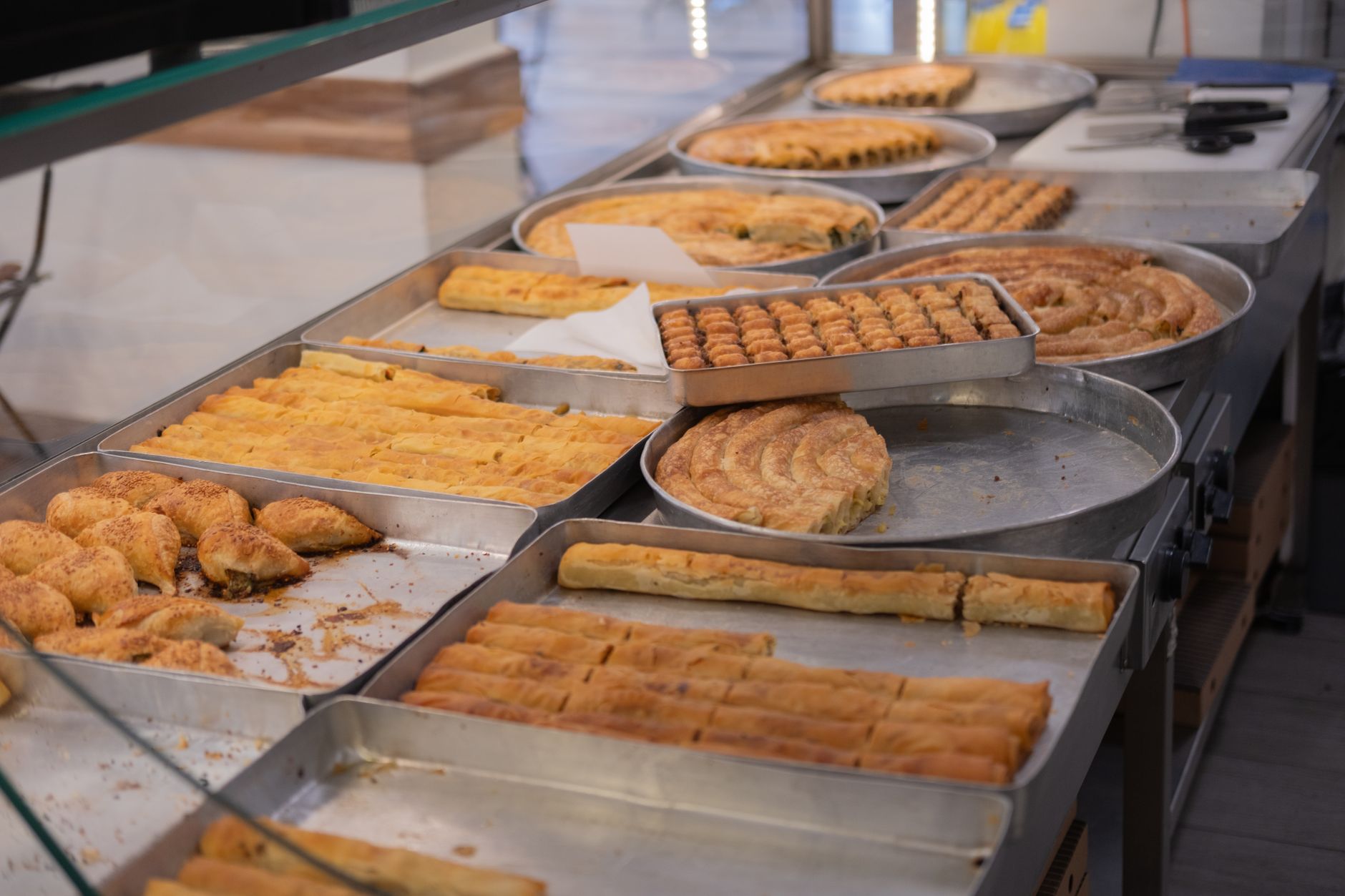
If you eat only one Albanian breakfast food during your travels, make it byrek. This layered pastry, made with thin sheets of dough similar to phyllo, is stuffed with fillings and baked until golden and crackling. You'll find it sold everywhere from bakeries to street corner kiosks, wrapped in wax paper and ready to eat on the go, though locals often prefer to sit down with it alongside coffee.
The magic of byrek lies in its versatility. Every region, and honestly every household, has its own version, and Albanians take pastry rivalries seriously. Bakers in the south tend to favor thinner, crispier layers, while northern versions can be thicker and more rustic.
Don't be surprised if you develop a favorite filling within your first few days. Many travelers find themselves returning to the same bakery each morning, chasing that perfect flaky bite.
- Byrek me gjizë: filled with fresh curd cheese, mild and slightly tangy
- Byrek me spinaq: spinach and cheese, a lighter vegetarian option
- Byrek me mish: ground meat filling, heartier and richer
- Byrek me kungull: pumpkin filling, subtly sweet and popular in autumn
- Vlorë-style byrek: often thinner and crispier than inland versions
Ask for byrek "i ngrohtë" (warm) if you can, it's noticeably better fresh out of the oven than sitting at room temperature.
Petulla: Albania's Beloved Fried Dough
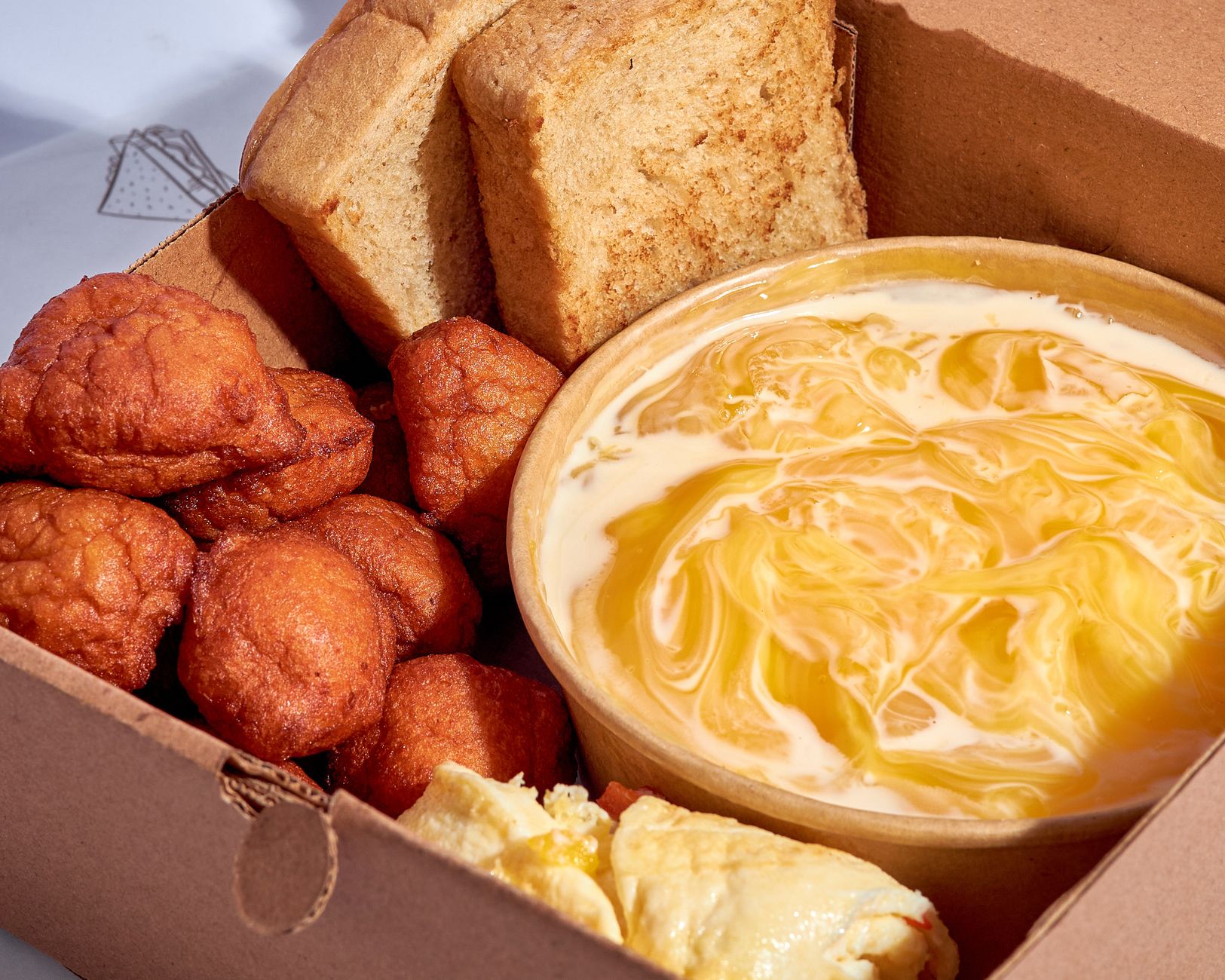
Petulla is the dish Albanian grandmothers make on lazy Sunday mornings, and once you taste it, you'll understand why it holds such a special place in the country's food culture. These are small pieces of yeasted dough, deep fried until puffy and golden, then served warm with a variety of toppings.
Unlike heavier fried breads found elsewhere, petulla stays light and airy inside thanks to the fermentation process, which usually takes a few hours or is prepared the night before. It's a communal food, often made in big batches and shared around a table while everyone waits eagerly for the next hot piece to come out of the pan.
You won't typically find petulla in restaurants or bakeries, since it's considered a homemade treat. If you're staying with a local family or in a guesthouse that offers home-cooked breakfasts, this is the dish to request.
- Served with feta cheese crumbled on top for a salty contrast
- Drizzled with honey or jam for a sweeter version
- Paired with ajvar, a roasted pepper spread, for a smoky kick
- Sometimes dusted simply with powdered sugar
- Best eaten immediately while still hot and slightly crisp on the outside
If a guesthouse host offers to make petulla for you, say yes even if it means waking up earlier, the experience of watching it fried fresh is part of the charm.
Fërgesë and Savory Egg Dishes
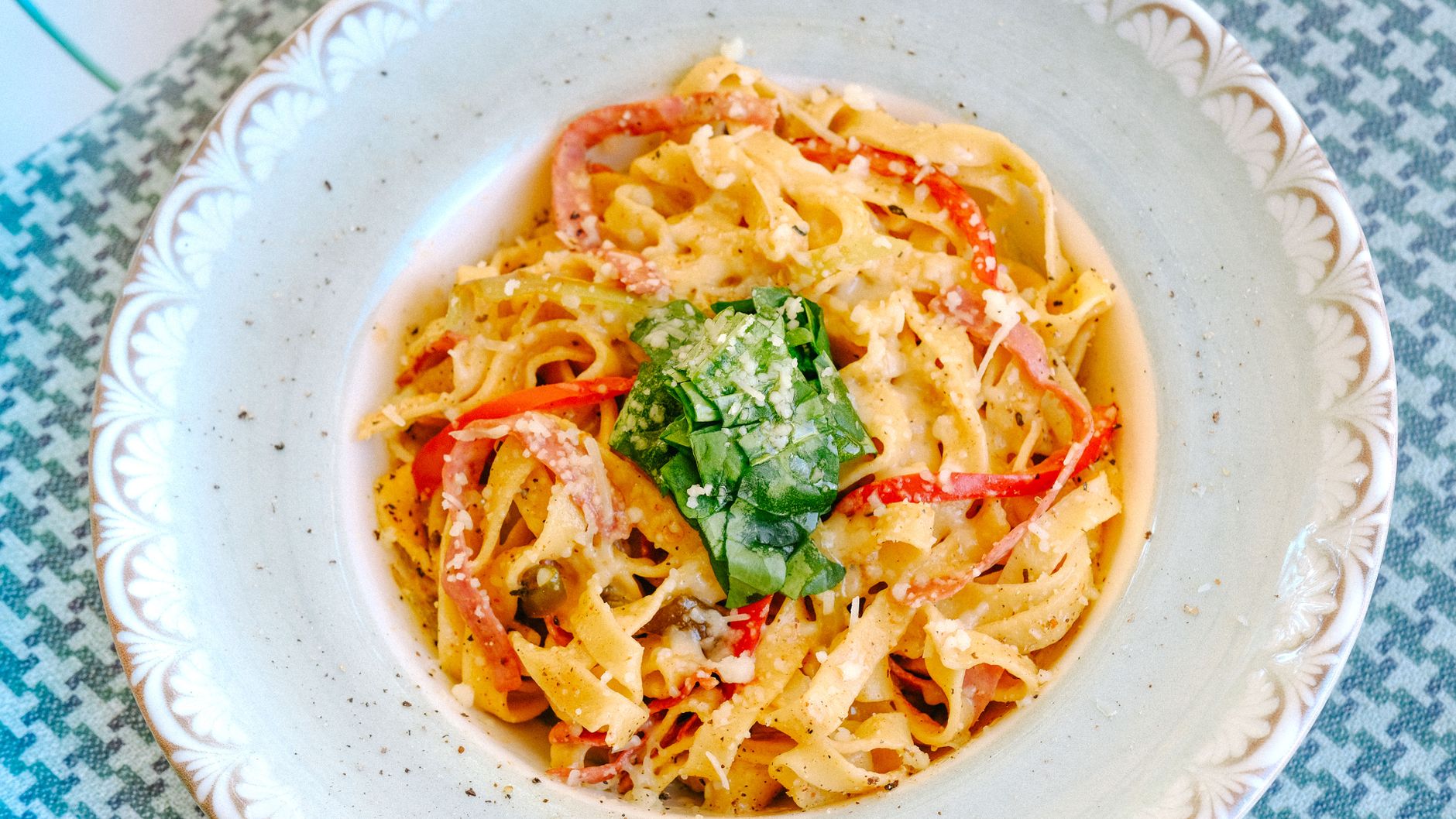
Fërgesë is one of Albania's most comforting savory dishes, and while it's often served at lunch or dinner, many households also enjoy a lighter breakfast version. It's made from roasted or stewed peppers, tomatoes, and cheese, sometimes with the addition of eggs, cooked together into a soft, slightly tangy mixture.
The dish traces its roots to the city of Tirana and is considered a point of national pride, with recipes passed down through generations. When served for breakfast, it's typically lighter on cheese and heavier on egg, closer to a rustic Balkan-style shakshuka than the richer dinner version.
Eggs also appear on their own in Albanian breakfasts, often fried simply in olive oil and served alongside bread, tomatoes, and cheese. It's a straightforward, satisfying way to start the day, especially in rural areas where farm-fresh eggs are the norm.
- Traditional fërgesë uses green peppers, tomatoes, and gjizë cheese
- Breakfast versions often incorporate a cracked egg cooked directly into the mixture
- Usually served in a small clay pot, still bubbling from the stove
- Always eaten with fresh bread for dipping and scooping
- Pairs beautifully with a side of olives and a slice of cucumber
Order fërgesë at a family-run restaurant rather than a tourist-focused café, the flavor difference between homemade and mass-produced versions is significant.
Dairy Delights: Gjizë, Kos, and Fresh Cheese

Albania's mountainous landscape and small-scale farming traditions mean dairy products here are exceptional, and breakfast is where they truly shine. Fresh cheese, thick yogurt, and curd appear on nearly every morning table, often produced locally rather than shipped from a factory.
Kos, Albania's version of thick, tangy yogurt, is a staple you'll see again and again. It's typically eaten plain, sometimes with a drizzle of honey, and occasionally used as a base for savory dips. The texture is noticeably richer and creamier than mass-produced yogurt you might be used to at home, thanks to traditional preparation methods still used by many small producers.
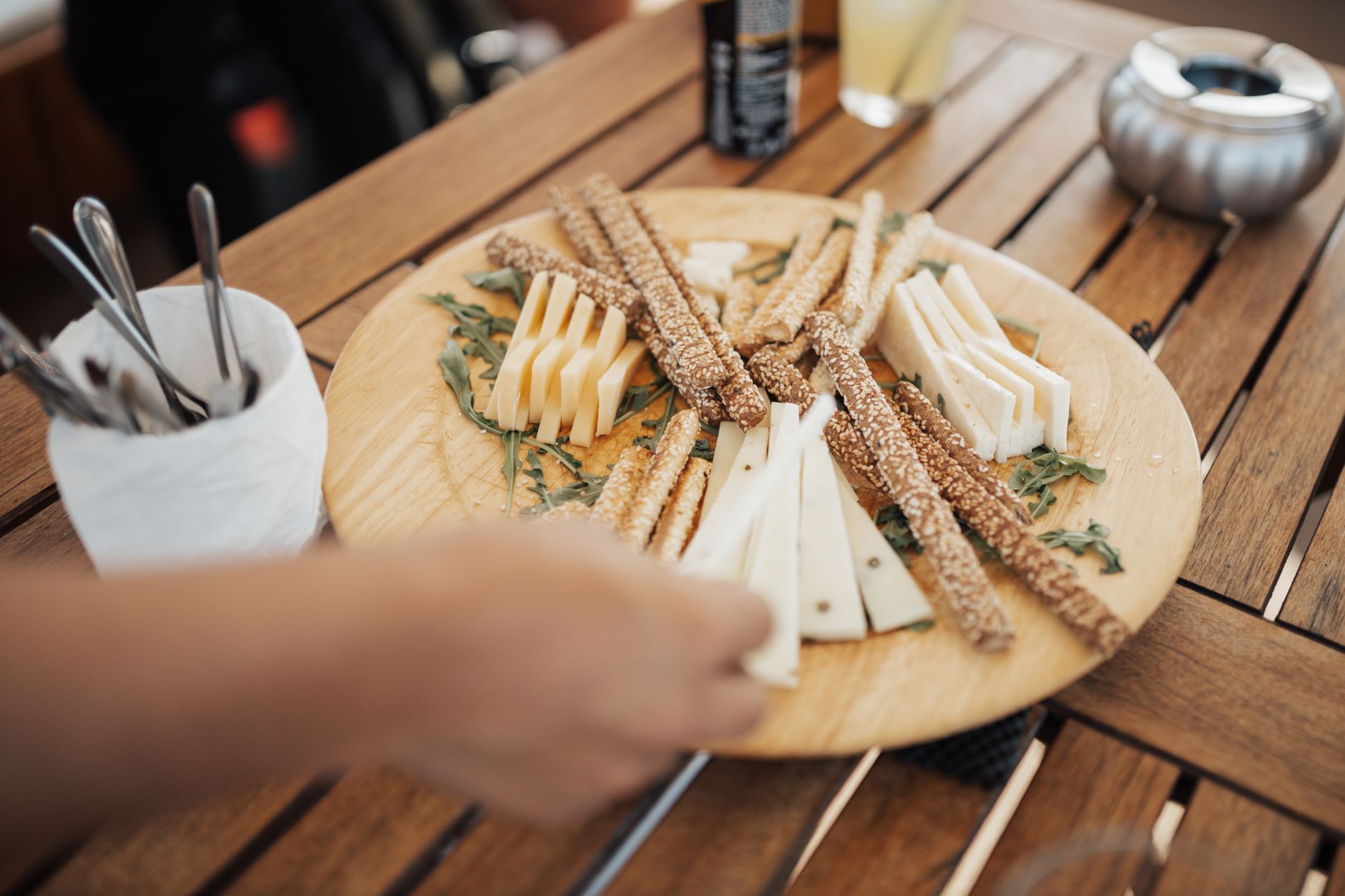
Gjizë, a soft curd cheese similar to ricotta but with a firmer texture, is another breakfast essential. It's mild enough to eat on its own with bread, but also serves as the base filling for byrek and other pastries. Combined with white brine cheese and olives, these dairy staples form the backbone of a traditional spread.
- Kos: thick yogurt, often homemade, eaten plain or with honey
- Gjizë: soft curd cheese, mild and versatile
- Djathë i bardhë: white brine cheese similar to feta, salty and firm
- Fresh butter: sometimes served with bread and jam in mountain regions
- Kaymak: a rich, clotted cream occasionally found in northern Albania
Visit a local farmers market before checking out a village guesthouse breakfast, seeing where the cheese and yogurt come from adds a layer of appreciation to the meal.
Sweet Treats and Coffee Culture
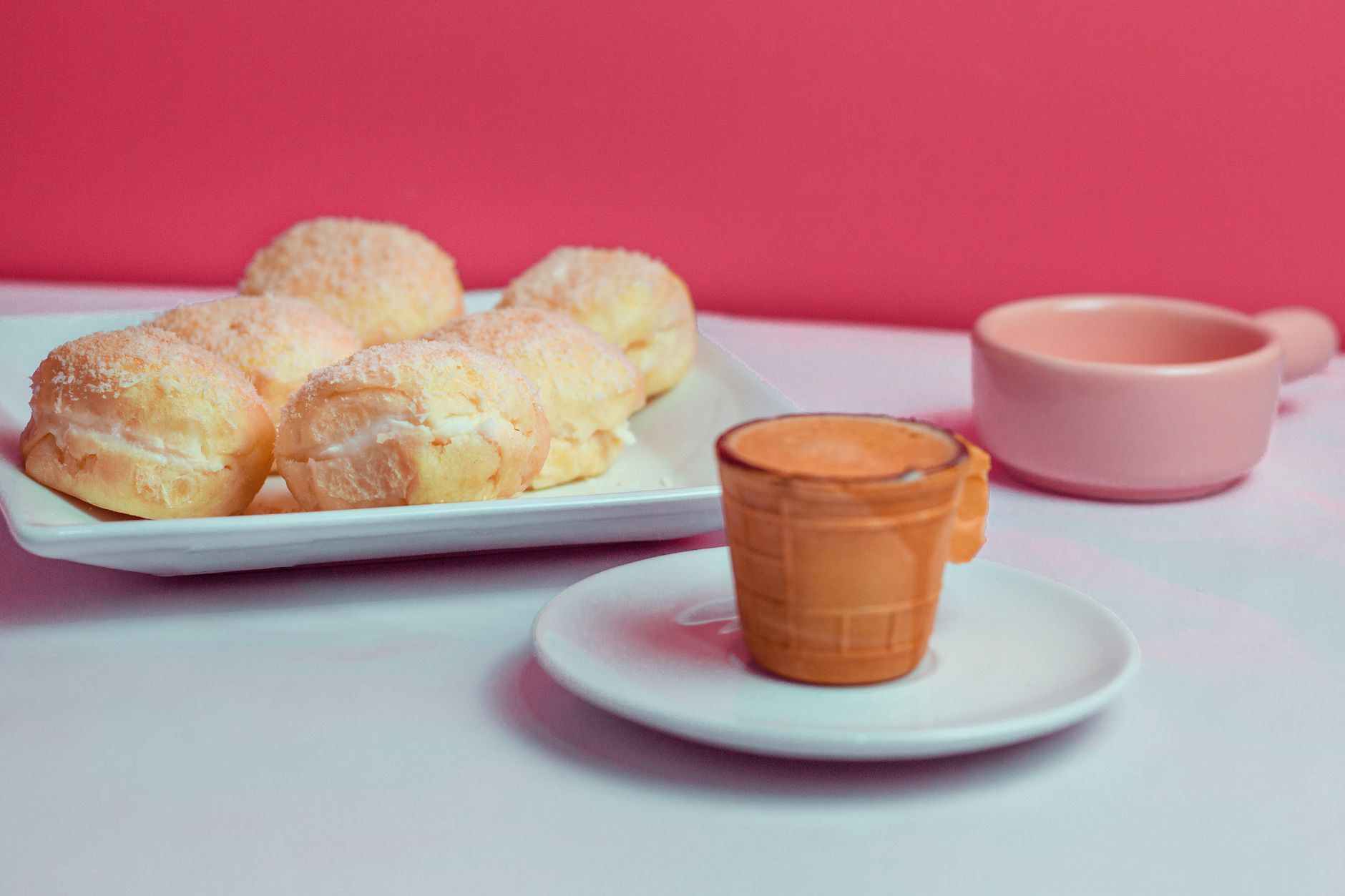
While Albanian breakfasts lean savory, there's always room for something sweet, especially alongside the country's beloved coffee culture. Turkish-style coffee, thick and unfiltered, remains popular in older cafés and among older generations, while espresso and cappuccino dominate in cities like Tirana and Shkodër.
Coffee isn't rushed here. Breakfast often stretches into a slow, social affair, with people sitting at cafés for an hour or more, chatting with neighbors between sips. If you're used to grabbing coffee to-go, prepare to slow down and embrace the pace.
For something sweet, keep an eye out for bakeries selling trilece slices in the morning, though it's technically a dessert many Albanians enjoy with coffee any time of day. Simple sweet breads and honey-soaked pastries also make appearances, particularly in the south, where Ottoman-influenced sweets remain popular.
- Kafe Turke: strong, unfiltered Turkish-style coffee served in a small cup
- Kafe Ekspres: standard espresso, common in city cafés
- Simite: a ring-shaped, sesame-crusted bread similar to Turkish simit
- Sweet bread with jam: found in home breakfasts and small bakeries
- Baklava: occasionally enjoyed as an indulgent addition to a leisurely breakfast
If you order Turkish coffee, let it sit for a minute before drinking so the grounds settle at the bottom, and never stir it once you start sipping.
Regional Breakfast Specialties Worth Seeking Out
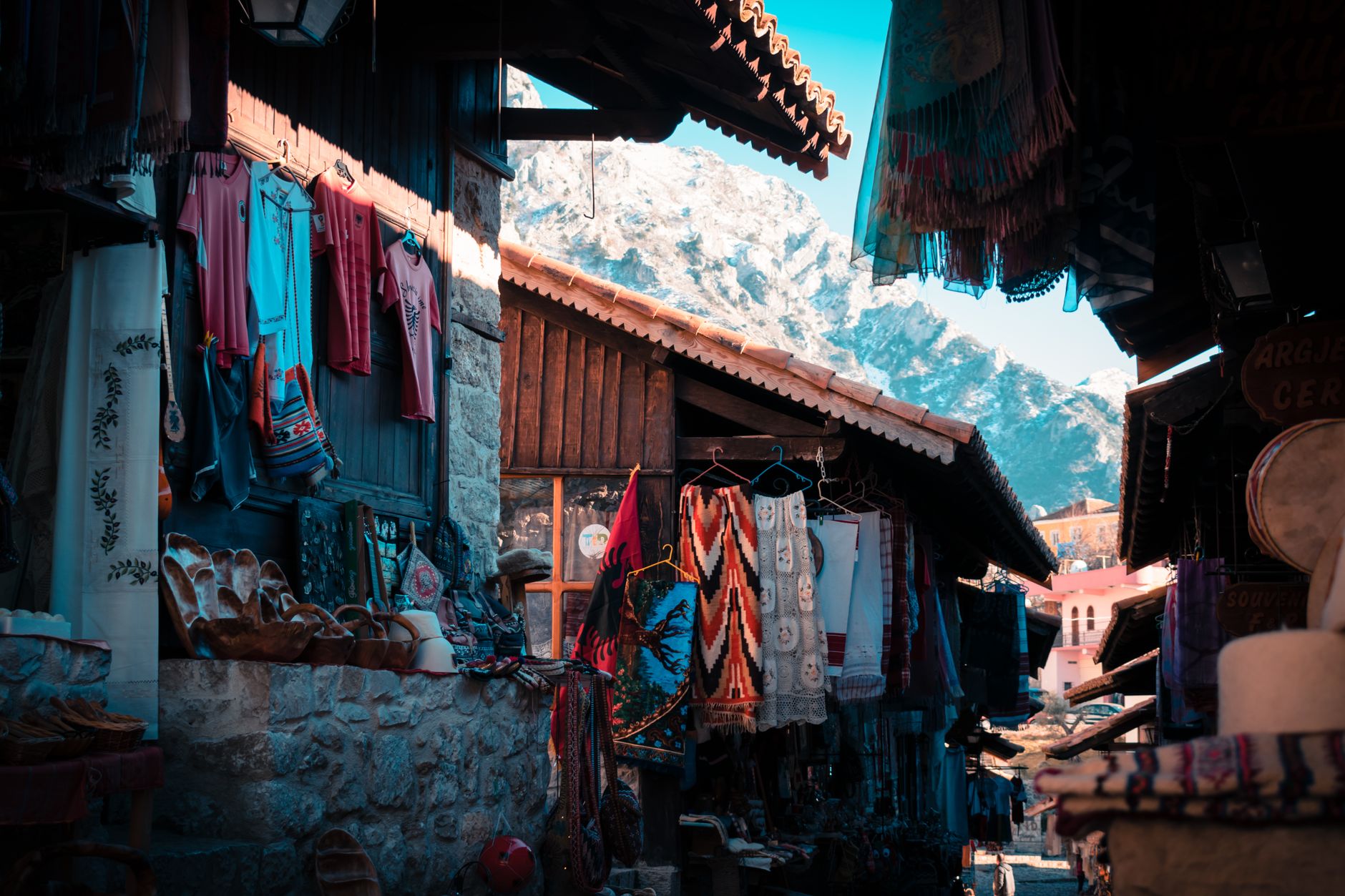
Albania's compact size hides an impressive amount of regional culinary diversity, and breakfast is no exception. Traveling from the coast to the mountains means encountering different specialties shaped by local ingredients and historical influences.
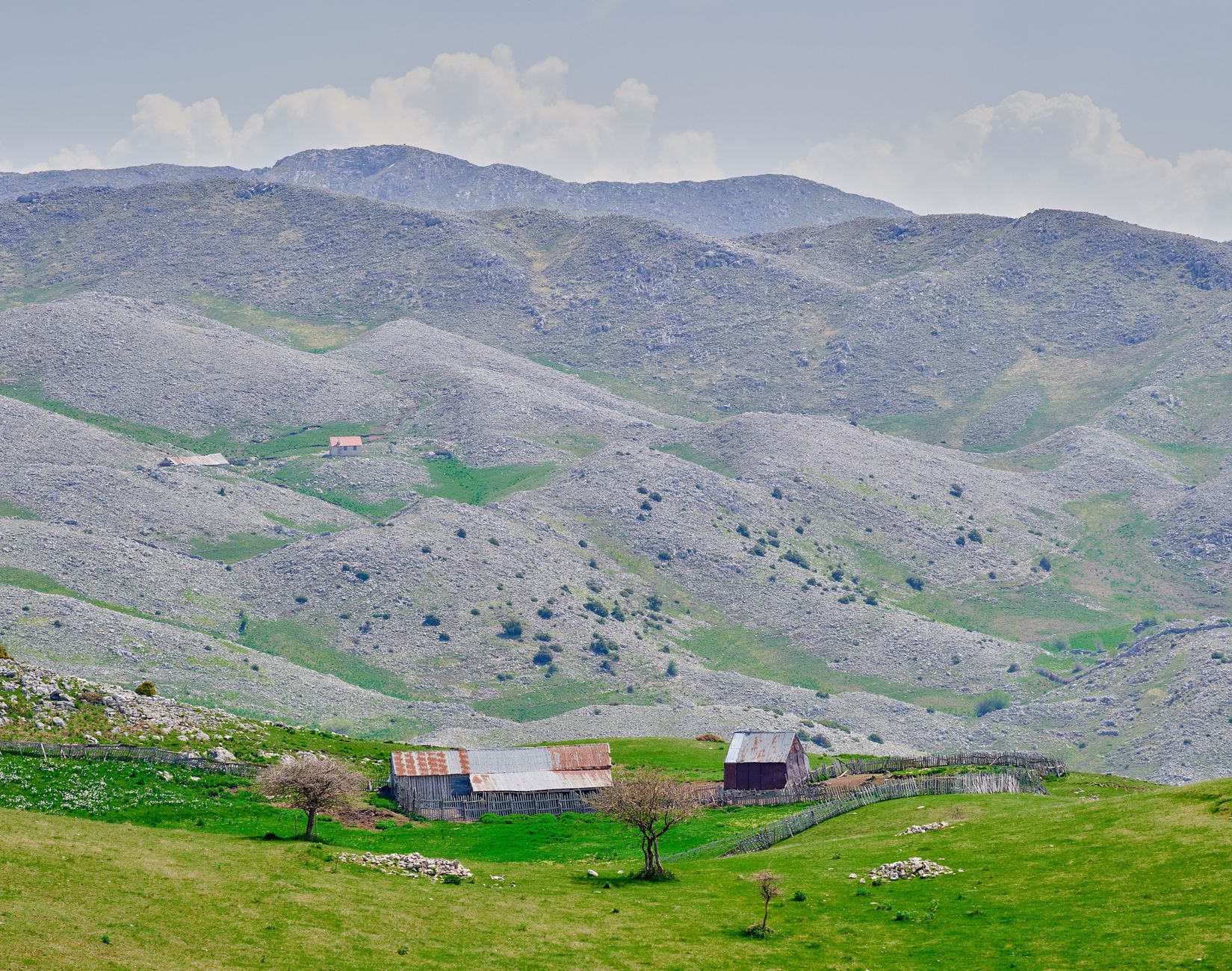
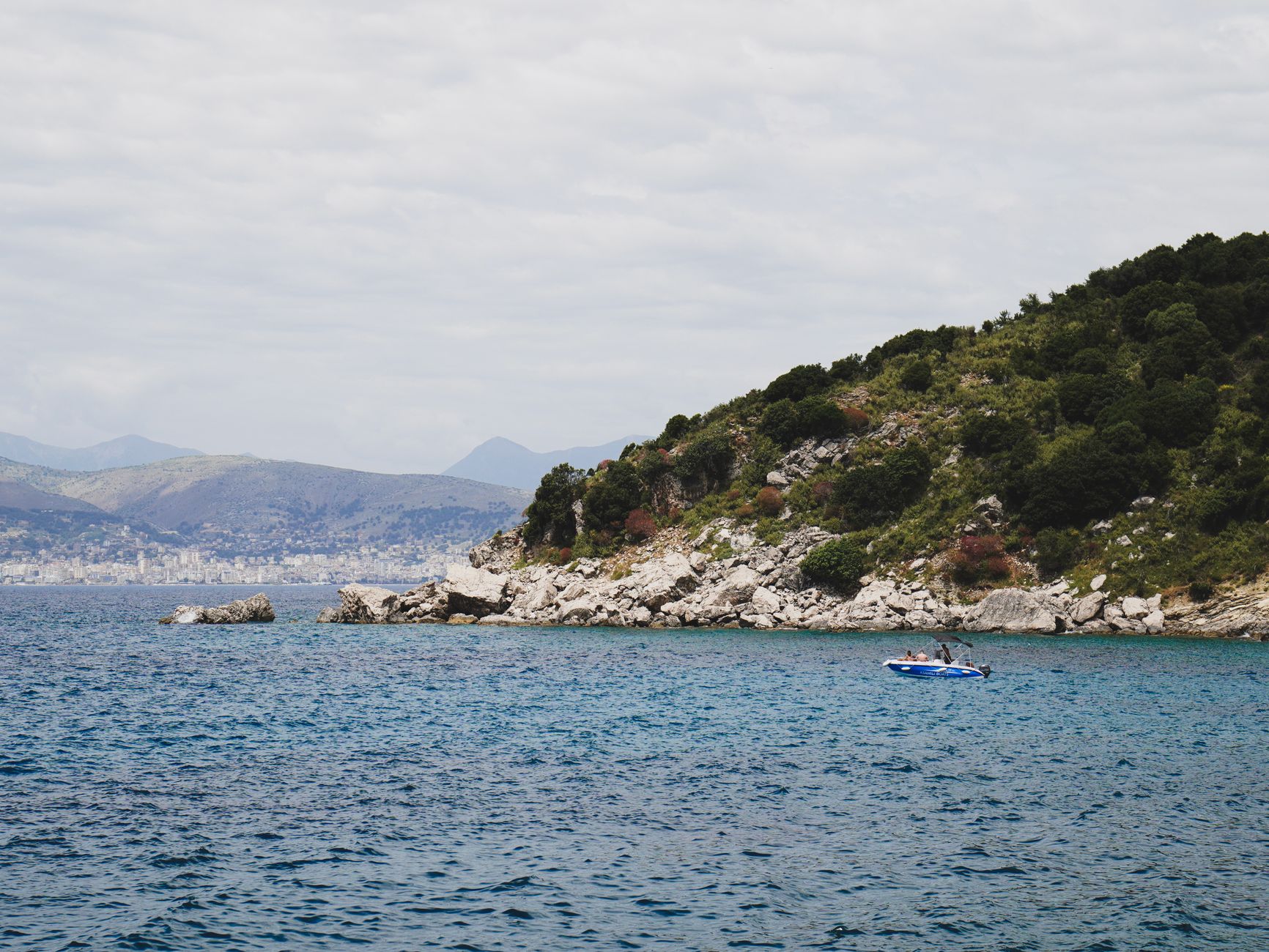
In coastal towns like Sarandë and Vlorë, breakfasts often incorporate lighter, fresher ingredients, sometimes including fish-based spreads or extra emphasis on olive oil and fresh vegetables. In the northern highlands, heartier fare dominates, with more emphasis on dairy, corn bread, and preserved meats to sustain people through colder mornings and physical mountain work.
Seeking out these regional differences is one of the best ways to deepen your understanding of Albanian culture during your trip. A byrek in Gjirokastër will taste noticeably different from one in Shkodër, and that's exactly the point.
- Gjirokastër: known for qifqi, small fried rice balls sometimes enjoyed at breakfast
- Shkodër: heartier northern-style byrek and thick, rich yogurt
- Berat: excellent bakeries producing some of the country's flakiest pastries
- Coastal towns: lighter breakfasts with fresh vegetables and olive oil
- Mountain villages: corn bread, preserved meats, and farm dairy staples
Ask your guesthouse host what breakfast dish their region is known for, most Albanians are proud to share local specialties with curious travelers.
Albanian Breakfast Foods at a Glance
| Dish | Type | Main Ingredients | Best Paired With | Where to Find It |
|---|---|---|---|---|
| Byrek | Savory pastry | Phyllo dough, cheese or spinach or meat | Turkish coffee | Bakeries nationwide |
| Petulla | Fried dough | Yeasted dough, oil | Honey or feta cheese | Home kitchens, guesthouses |
| Fërgesë | Savory egg dish | Peppers, tomatoes, cheese, egg | Fresh bread | Family-run restaurants |
| Kos | Dairy | Fermented milk | Honey or fruit | Farmers markets, homes |
| Gjizë | Dairy | Curd cheese | Bread, olives | Markets, bakeries |
| Simite | Sweet bread | Flour, sesame seeds | Espresso | Street vendors, bakeries |
Frequently Asked Questions
What is the most popular Albanian breakfast food?
Byrek is by far the most popular and widely eaten breakfast food in Albania. This flaky pastry, filled with cheese, spinach, or meat, is sold in bakeries across the country and eaten by nearly everyone, from schoolchildren to office workers grabbing a quick bite on the way to work.
Is Albanian breakfast sweet or savory?
Albanian breakfast is predominantly savory, featuring dishes like byrek, fresh cheese, yogurt, and eggs. Sweet options exist, such as honey-drizzled petulla or pastries alongside coffee, but they tend to be secondary rather than the main focus of the meal.
Where can I try homemade Albanian breakfast dishes like petulla?
Petulla and other homemade breakfast dishes are rarely sold commercially, since they're considered family recipes. Staying at a guesthouse or bujtina, a traditional Albanian homestay, or being invited into a local home is usually the best way to try them fresh and authentic.
What should I drink with an Albanian breakfast?
Coffee is the standard pairing, whether it's strong Turkish-style coffee or a modern espresso, both common throughout Albania. Fresh yogurt-based drinks and herbal teas are also enjoyed, particularly in mountain regions where dairy is abundant.
Are Albanian breakfast foods vegetarian-friendly?
Many Albanian breakfast staples are naturally vegetarian, including cheese-filled byrek, gjizë, kos, and petulla topped with honey or cheese. Meat-filled options exist but are easy to avoid, making Albania a fairly accommodating destination for vegetarian travelers at breakfast time.
Plan your Albania adventure
Albanian breakfast culture rewards travelers who slow down and pay attention. Behind every flaky layer of byrek and every spoonful of fresh yogurt is a tradition shaped by generations of home cooks, small farmers, and bakers who take pride in doing things the old way. Eating breakfast in Albania isn't just about fueling up for the day, it's an invitation into the rhythm of local life.
As you plan your trip, make room in your mornings to explore beyond the usual tourist cafés. Seek out a neighborhood bakery, accept an invitation to a home-cooked meal, and don't be afraid to ask locals what they grew up eating. The flavors you discover over breakfast might just become some of your fondest memories of Albania long after you've returned home.