Albania Travel Scams to Avoid and How to Stay Safe in 2024

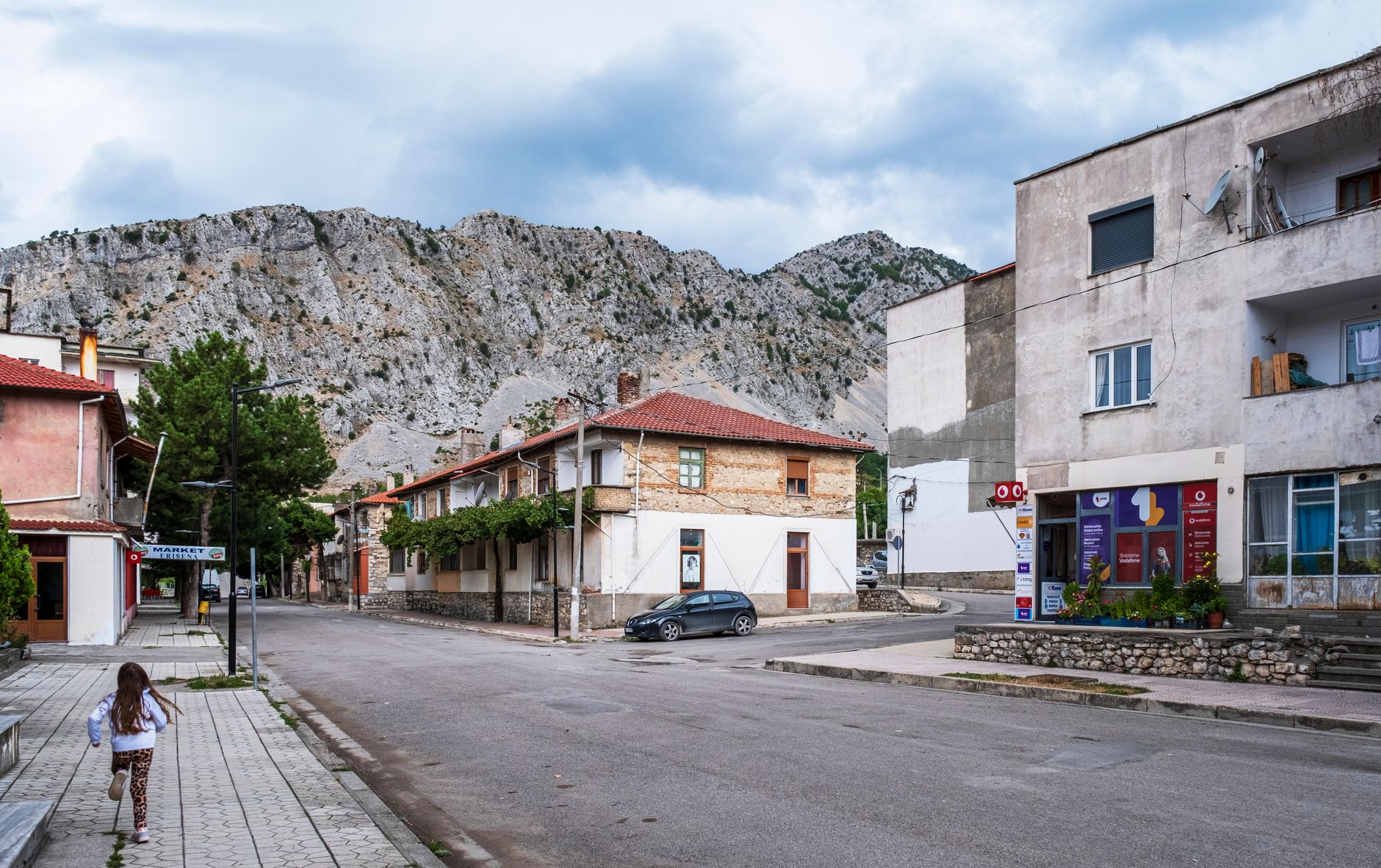
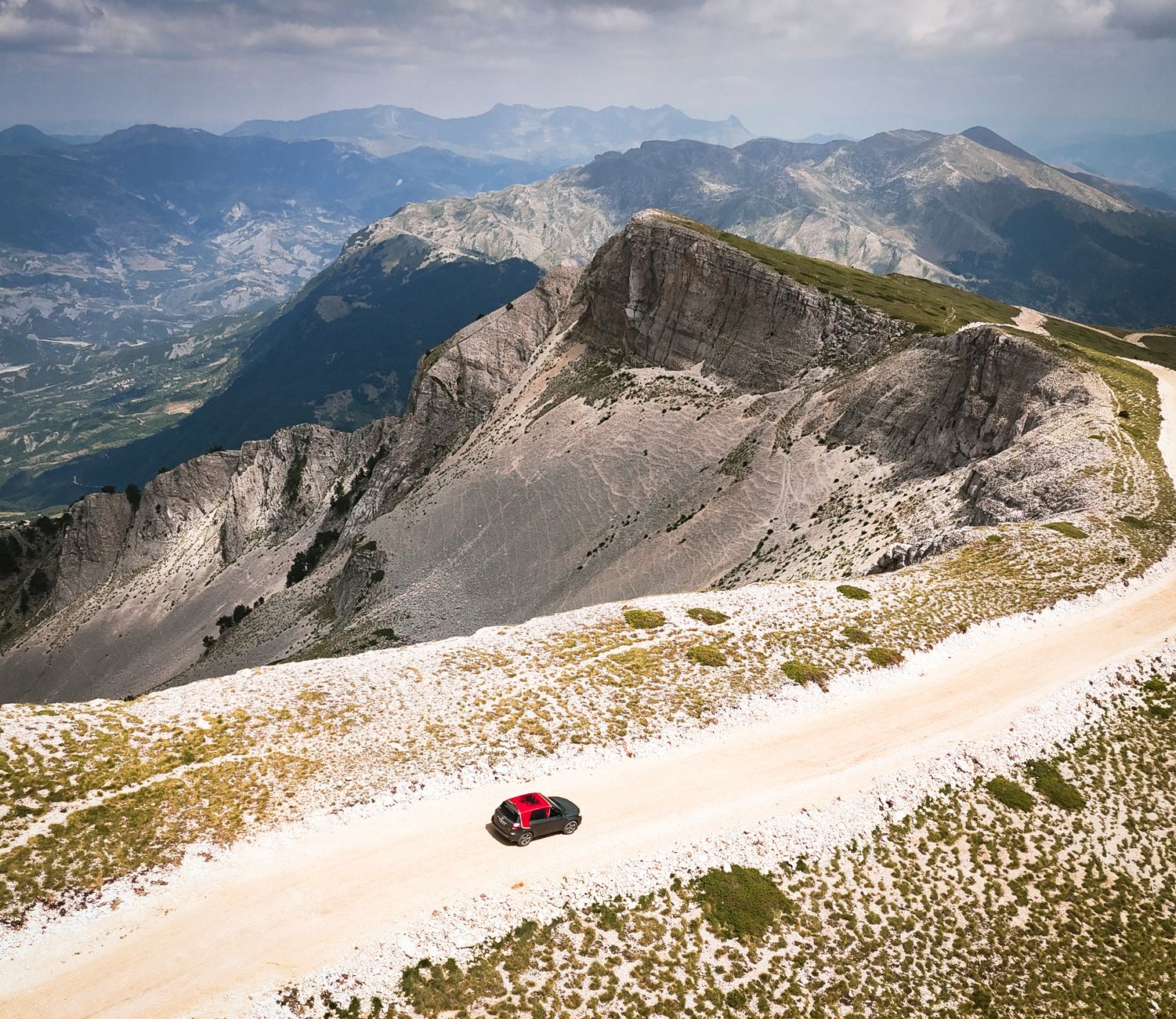
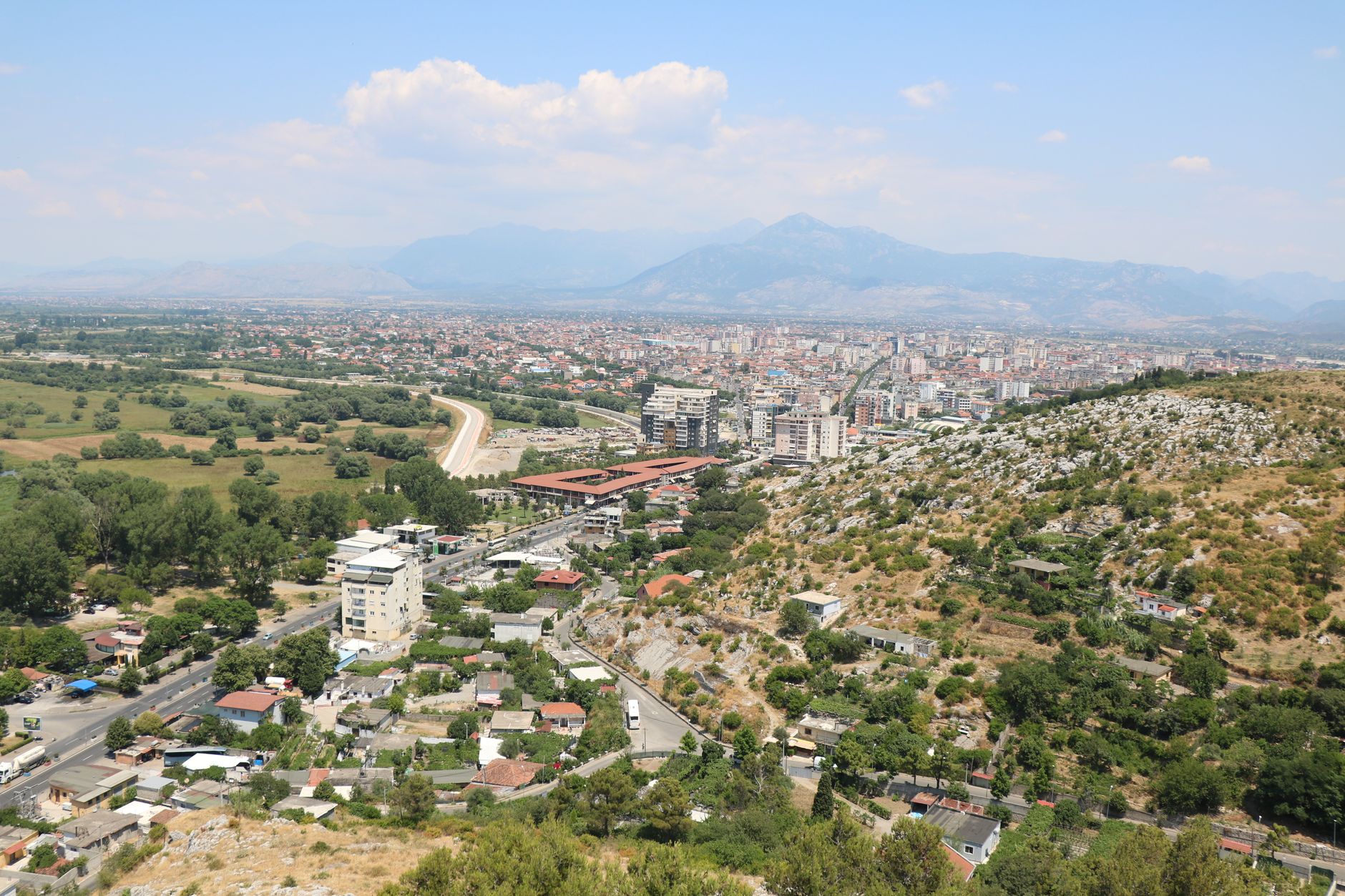
Albania has exploded in popularity over the past few years, and for good reason. Between the dramatic Albanian Alps, the turquoise waters of the Albanian Riviera, and cities bursting with Ottoman and Italian-influenced architecture, it's easy to see why travelers keep coming back. The good news is that Albania remains one of the safer countries in Europe, with low rates of violent crime against tourists.
That said, rapid tourism growth has brought a small but growing number of opportunists looking to take advantage of visitors who don't know the local prices, customs, or common tricks. Most of these issues are minor annoyances rather than dangerous situations, but they can still sour your trip and cost you money if you're unprepared.
This guide walks you through the most common Albania travel scams, how to recognize them before they happen, and simple habits that will keep your money and your peace of mind intact throughout your journey.
Key Takeaways
| Overall Safety | Albania is statistically very safe, but tourist-targeted scams are on the rise in popular areas. |
|---|---|
| Most Common Scam | Taxi overcharging and meter manipulation, especially at airports and bus stations. |
| Best Defense | Agree on prices upfront, use official apps, and carry small denominations of Lek. |
| High-Risk Zones | Tirana city center, Saranda waterfront, Ksamil beaches, and border crossings. |
| Currency Tip | Always know the current Euro-to-Lek exchange rate before exchanging money. |
Taxi and Transport Scams

Transportation scams are by far the most frequently reported issue among visitors to Albania. Because taxis in many towns don't universally use metered pricing, drivers targeting tourists sometimes quote inflated flat rates or claim the meter is broken to charge whatever they like.
This is especially common at Tirana International Airport, where unlicensed drivers may approach you before you even reach the official taxi queue, offering a "special price" that's often three to five times the standard fare. Bus and furgon (shared minibus) stations in Saranda, Shkoder, and Vlore also see similar tactics during peak summer months.
- Always ask locals or your accommodation host what a fair taxi price should be for your route before booking.
- Use ride-hailing apps where available, as they lock in the price before you get in the car.
- If taking a metered taxi, confirm the meter is running as soon as you get in.
- Avoid drivers who approach you aggressively at airports, bus terminals, or ferry ports; walk to the official taxi stand instead.
- Agree on the fare out loud and in a currency you both understand before the car moves.
Screenshot or write down the agreed price in Lek before starting your ride so there's no confusion or "misunderstanding" upon arrival.
Currency Exchange and Payment Tricks

Albania's official currency is the Lek, though Euros are widely accepted in tourist areas, which unfortunately creates room for manipulation. Some vendors and exchange bureaus quote confusing exchange rates or intentionally give change in the wrong currency to shortchange travelers who aren't paying close attention.
Another common trick involves restaurants or shops calculating the Euro-to-Lek conversion in their favor, rounding up in ways that add several extra Euros to your bill without you noticing unless you double-check the math yourself.
- Check the daily exchange rate on your phone before exchanging money or paying in Euros.
- Use official currency exchange offices (zyra kembimi) rather than exchanging money with street vendors or hotel staff.
- Count your change immediately, in front of the cashier, before walking away.
- Carry small Lek denominations for markets, taxis, and street food, since large bills are sometimes claimed to be unavailable for change purposes.
- Whenever possible, ask for the total in Lek rather than Euros to avoid conversion tricks entirely.
Keep a simple currency converter app open and glance at it before handing over cash for any larger purchase.
Restaurant and Bar Overcharging
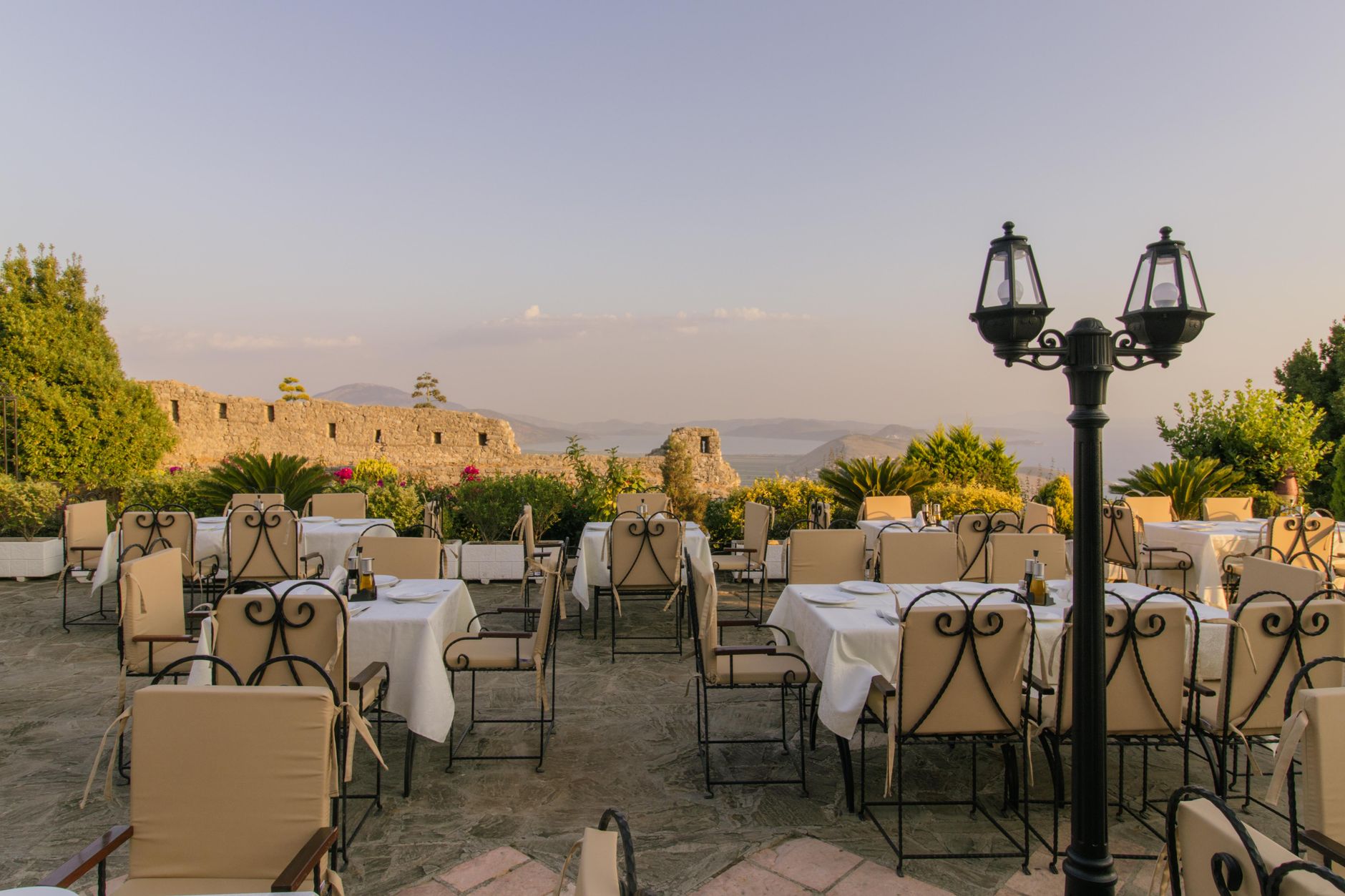
Popular tourist strips in Saranda, Ksamil, Berat, and Tirana's Blloku district occasionally feature restaurants without visible printed menus or prices, especially for seafood dishes priced by weight. This opens the door to inflated final bills that are difficult to dispute after the fact.
Another version of this scam involves adding unordered items, inflated "service charges," or double bread and water fees to the check, hoping tourists won't scrutinize a bill written in Albanian or a foreign currency.
- Choose restaurants with clearly posted menus and prices in both Lek and Euros.
- For seafood priced by weight, ask the staff to show you the fish and confirm the price per kilogram before ordering.
- Review your itemized bill carefully before paying, and don't hesitate to ask questions about unfamiliar charges.
- Read recent reviews online to check if other travelers have reported billing issues at a specific restaurant.
- Carry small cash for tipping rather than relying on card machines that may add unexpected surcharges.
If a restaurant has no visible prices and staff seem reluctant to share them upfront, it's usually best to walk away and find another spot nearby.
Fake Police and Authority Impersonation

While genuine police corruption toward tourists is rare in Albania, there have been isolated reports of individuals impersonating police officers or customs agents to intimidate travelers into handing over cash, especially near border crossings or in nightlife districts late at night.
These scammers may flash a fake badge quickly, claim you've violated some obscure rule, and pressure you to pay an on-the-spot "fine" to avoid further trouble. Real Albanian police rarely demand immediate cash payments from tourists for minor infractions.
- Always ask to see official identification and don't be afraid to request it be shown longer or more clearly.
- Real police fines are paid at a police station or through official channels, not directly in cash on the street.
- If approached at night in a nightlife area, suggest moving to a well-lit, populated location or a nearby police station.
- Politely but firmly decline to hand over your passport or wallet directly; offer to show ID instead of handing it over.
- Note the badge number, location, and time, and report suspicious encounters to your embassy or local tourist police.
Tirana and major coastal towns have dedicated tourist police units; look them up before your trip so you know exactly who to contact if something feels off.
Accommodation and Booking Scams
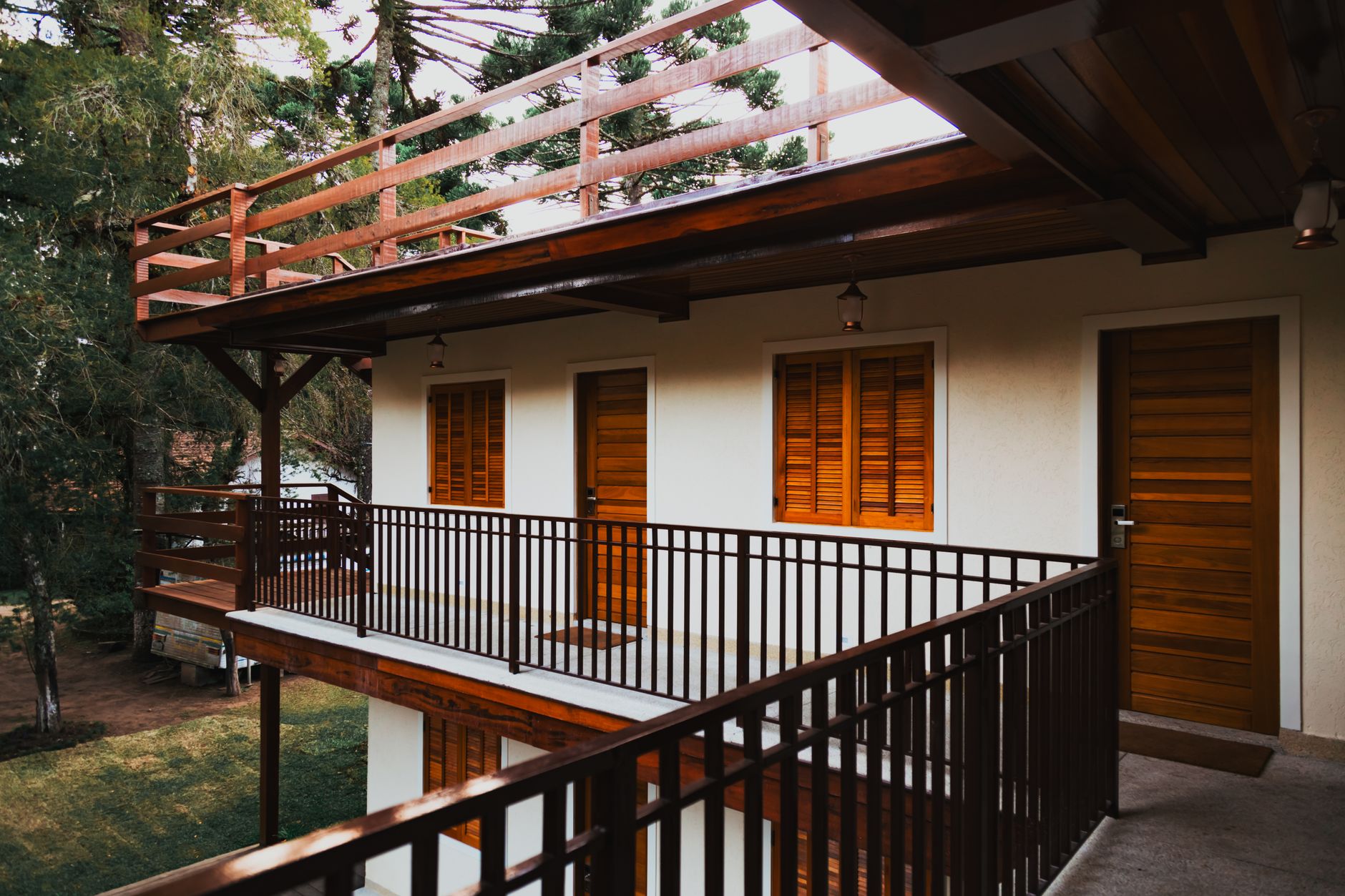
As Albania's tourism infrastructure catches up with demand, some listings for apartments, guesthouses, and beachfront villas don't match reality. Photos may be outdated, locations misrepresented, or hosts might request payment directly via bank transfer outside of a booking platform, leaving you with no recourse if the property doesn't exist or doesn't match the listing.
In peak season, particularly along the Riviera, another common issue is hosts canceling confirmed reservations last minute once they realize they can charge a higher rate to someone else, leaving travelers scrambling for a place to stay.
- Book through reputable platforms that offer buyer protection rather than paying hosts directly via wire transfer.
- Read recent reviews, especially ones from the last few months, to confirm the property still matches its description.
- Confirm the exact address and check its location on a map before arrival, particularly for rural or beachfront stays.
- Keep all booking confirmations and correspondence in case you need to dispute a cancellation or misrepresentation.
- Call or message the host a day or two before arrival to confirm your reservation is still active, especially in July and August.
During peak summer season, book accommodations several weeks in advance and avoid last-minute deals that seem unusually cheap for prime beachfront locations.
Street Vendors, Beach Hawkers, and Petty Theft
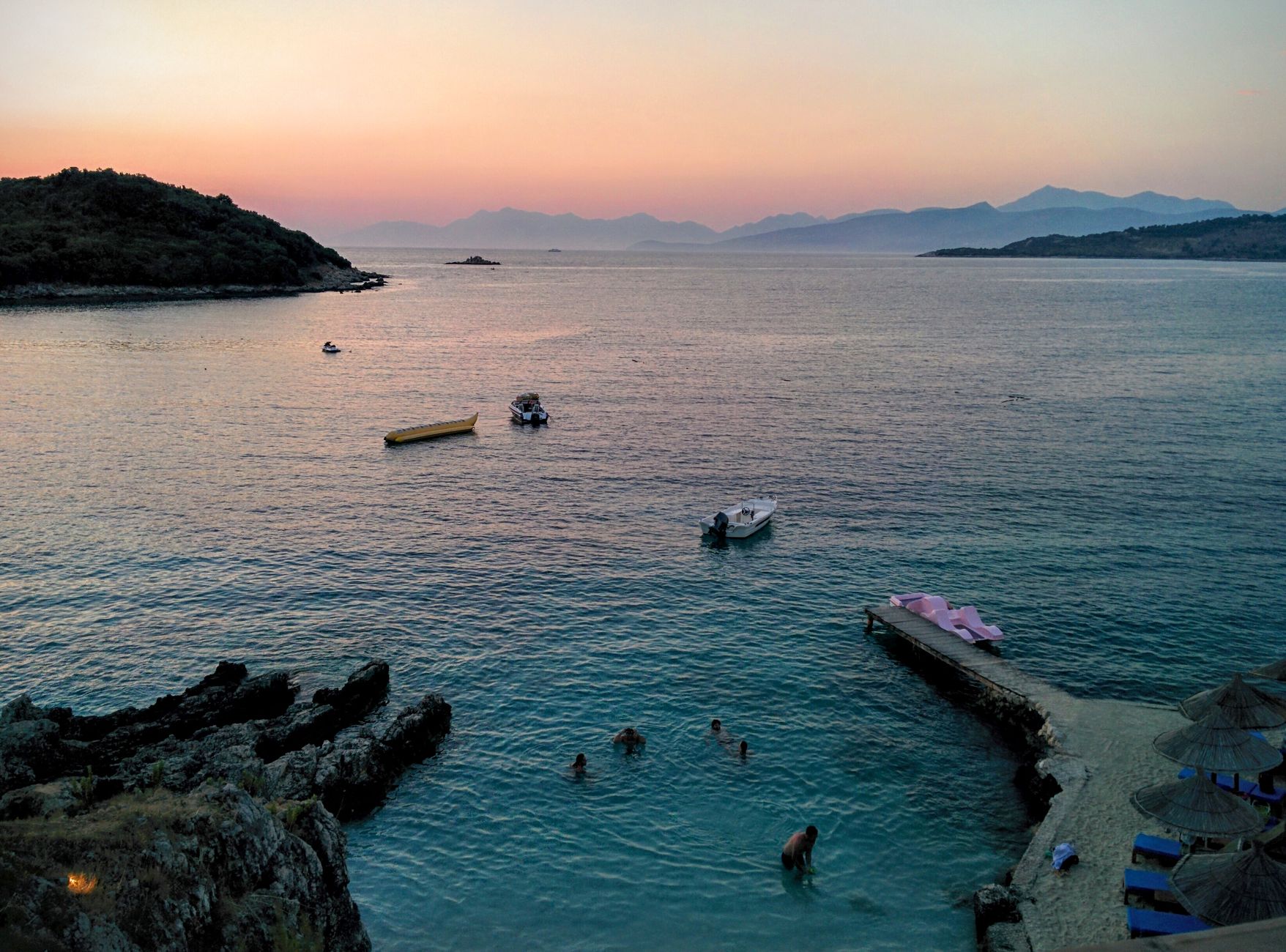
Beaches in Ksamil and Saranda draw persistent vendors selling sunglasses, jewelry, and souvenirs at heavily inflated prices, often approaching sunbathers repeatedly throughout the day. While mostly harmless, some use distraction techniques, engaging you in conversation or showing you items while an accomplice accesses unattended bags nearby.
Pickpocketing, while uncommon compared to other European hotspots, does occur in crowded areas like Tirana's main boulevard during festivals, Saranda's promenade in high season, and crowded local buses.
- Keep valuables in a zippered bag close to your body rather than in open beach bags or back pockets.
- Politely but firmly decline unwanted sales pitches; a simple "jo, faleminderit" (no, thank you) usually works.
- Never leave phones, wallets, or passports unattended on the beach, even briefly.
- Use hotel safes for passports and extra cash rather than carrying everything with you daily.
- Stay alert in crowded festival settings or public transport where distraction theft is more likely.
A cheap waterproof pouch worn under clothing is a great way to keep cash and cards safe while swimming or sunbathing.
Common Albania Scams at a Glance
| Scam Type | Where It Happens | Warning Sign | How to Avoid It |
|---|---|---|---|
| Taxi overcharging | Airports, bus stations | No meter, aggressive price quote | Agree on price upfront or use an app |
| Currency shortchanging | Shops, exchange bureaus | Confusing Euro-Lek math | Check exchange rate, count change |
| Restaurant overbilling | Tourist strips, seafood spots | No printed prices | Confirm price before ordering |
| Fake police | Nightlife areas, border zones | Demand for instant cash fine | Ask for ID, suggest a police station |
| Booking fraud | Online rental listings | Bank transfer requested off-platform | Book through protected platforms |
| Beach distraction theft | Ksamil, Saranda beaches | Persistent vendors, crowding | Keep valuables secured and close |
Frequently Asked Questions
Is Albania generally safe for tourists?
Yes, Albania is considered one of the safer countries in Europe for travelers, with low rates of violent crime. Most issues tourists encounter are minor scams involving overcharging rather than dangerous situations.
What is the most common scam in Albania?
Taxi overcharging is the most frequently reported issue, particularly around Tirana International Airport and bus stations in coastal towns during peak summer season.
Should I pay in Euros or Lek while traveling in Albania?
While Euros are widely accepted in tourist areas, paying in Lek and confirming totals in Lek generally avoids unfavorable exchange rate conversions applied by some vendors.
How do I know if a taxi driver is trying to scam me?
Warning signs include refusing to use a meter, quoting a flat rate significantly higher than what locals mentioned, or approaching you aggressively before you reach an official taxi stand.
What should I do if someone claiming to be police asks for money?
Ask to see official identification, avoid handing over cash on the spot, and suggest resolving the matter at a police station. Genuine fines are not typically collected as immediate cash payments from tourists.
Are Albania's beaches safe from theft?
Beaches in popular areas like Ksamil and Saranda are generally safe, but unattended valuables can occasionally be targeted, especially amid distraction tactics from persistent vendors. Keeping belongings secured is a smart precaution.
Plan your Albania adventure
None of this should discourage you from visiting Albania. The vast majority of travelers pass through the country without ever encountering a serious problem, and locals are overwhelmingly warm, hospitable, and eager to help visitors feel welcome. Being aware of these common scams simply means you'll spend less time worrying about your wallet and more time enjoying the stunning coastline, mountain villages, and rich history that make Albania so special.
A little preparation goes a long way: know your prices, keep your valuables secure, trust your instincts, and don't be afraid to politely walk away from a situation that feels off. With these habits in place, you're free to explore Albania's beaches, castles, and cafes with confidence, and to come home with nothing but great stories and photos to show for it.