Albania in July & August: Heat, Crowds & Smart Alternatives



Albania in summer is a seductive proposition. The Ionian and Adriatic coastlines shimmer under a relentless Mediterranean sun, the mountains glow green and gold, and the whole country seems to hum with an infectious energy. If you have ever scrolled through photos of Ksamil's turquoise waters or the dramatic cliffs above Himara and felt the urge to book a flight immediately, you are not alone. July and August draw more visitors to Albania than any other months, and for very good reason.
But peak season in Albania comes with real trade-offs that too many travelers discover only after they arrive. Temperatures along the Riviera regularly exceed 35 degrees Celsius, beach towns like Saranda and Dhermi swell with Albanian diaspora returning from across Europe, and the prices for accommodation can triple compared to May or October. The roads through the Albanian Riviera become slow, winding queues of cars, and finding a sun lounger without a reservation can feel like a competitive sport.
The good news is that Albania is a wonderfully diverse country, and the very crowds that overwhelm the coast leave remarkable places almost entirely to yourself. In this guide you will learn exactly what to expect from an Albanian summer, how to navigate the heat and the bustle intelligently, and which smart alternatives will give you a richer, cooler, and more authentic experience without sacrificing any of the magic.
Key Takeaways
| Peak months | July and August are the hottest and most crowded months in Albania, especially along the Riviera. |
|---|---|
| Average coastal temperature | Expect 33 to 38 degrees Celsius on the coast during the day, with little relief at night in resort towns. |
| Best coastal strategy | Arrive at beaches before 9 am or after 5 pm to avoid the worst heat and crowds. |
| Smart mountain alternative | The Albanian Alps and Valbona Valley are significantly cooler and far less crowded in peak summer. |
| Budget tip | Accommodation prices in coastal hotspots can be two to three times higher in July and August than in June or September. |
| Hidden gem | Inland cities like Berat, Gjirokastra, and Permet remain authentic and manageable even at the height of summer. |
| Transport warning | The road along the Albanian Riviera can be extremely congested on weekends; plan travel on weekday mornings. |
What the Weather Really Feels Like in July and August

When people imagine an Albanian summer, they picture sparkling water and golden light, and they are not wrong. But the reality of July and August heat deserves honest attention before you pack your bags. Along the Albanian Riviera, from Vlora down to Saranda, daytime temperatures routinely sit between 33 and 38 degrees Celsius. In Tirana, the capital, it can feel even more intense due to the urban heat island effect, with temperatures occasionally pushing past 40 degrees on the hottest days.
The heat is dry and intense rather than humid, which makes it more bearable than subtropical climates, but it also means the sun burns faster than you might expect. UV levels are extremely high throughout both months, and fair-skinned visitors in particular should plan their outdoor activities with care. Midday, roughly between 11 am and 4 pm, is genuinely uncomfortable for sightseeing or hiking, and even seasoned travelers find themselves retreating to shade or air-conditioned spaces during those hours.
Nights along the coast are warm and breezy, which is part of the charm, but inland cities like Tirana and Elbasan can be stuffy after dark. The mountains, by contrast, cool down beautifully at night and offer a genuine escape from the relentless summer heat. Rainfall in July and August is extremely rare on the coast, so you can plan outdoor days with confidence, but that same dryness means wildfires are a risk in forested areas, and you should always follow local guidance about hiking in dry conditions.
- Coastal daytime temperatures: 33 to 38 degrees Celsius
- Tirana can exceed 40 degrees on peak summer days
- UV index is very high; apply SPF 50 and reapply every two hours
- Mountain areas like Valbona and Theth sit 10 to 15 degrees cooler than the coast
- Rain is almost nonexistent on the coast in July and August
- Evenings on the Riviera are warm and pleasant but can be humid near the sea
Pack a small handheld fan, a reusable water bottle, and a light linen shirt. Staying hydrated is not optional in Albanian summer heat; aim for at least three liters of water per day if you are active outdoors.
The Crowd Reality: Where Gets Packed and Why

Understanding who visits Albania in July and August helps you plan around the crowds more effectively. A significant portion of summer visitors are Albanian diaspora, families who have lived in Italy, Greece, Germany, and Switzerland returning home for their annual holiday. These visitors know the country well, they travel in large family groups, and they tend to converge on specific coastal towns that have been favorites for generations. Saranda, Ksamil, Dhermi, and Himara bear the brunt of this seasonal influx.
International tourists, particularly from Kosovo, North Macedonia, and increasingly from Western Europe, add another substantial layer to the crowds. The result is that popular beaches in these towns can feel genuinely overwhelming in the second and third weeks of July and throughout August. Parking lots fill by 8 am, beach clubs operate at full capacity by 10 am, and restaurants in the evenings have queues stretching out onto the street.
What surprises many visitors is how localized the crowding actually is. Step just a few kilometers off the main tourist trail and you encounter a completely different Albania. Smaller coves between Himara and Palasa, the beaches around Porto Palermo, and the largely undiscovered stretches near Shengjin in the north see a fraction of the visitor numbers. The crowds are real, but they are concentrated, and knowing where they gather is half the battle.
- Ksamil and Saranda are the most crowded spots, especially in the first two weeks of August
- Dhermi and Himara attract a younger, party-oriented crowd throughout both months
- The northern coast near Shengjin and Velipoja is far less visited by international tourists
- Weekends are dramatically busier than weekdays everywhere on the Riviera
- Inland historic cities like Berat and Gjirokastra see tourism but nothing like coastal volumes
- Book accommodation at least six to eight weeks in advance for any coastal destination in July or August
If Ksamil is your dream destination, consider arriving on a Tuesday or Wednesday and leaving before the weekend rush hits. You will experience the same beautiful water with noticeably fewer people on the sand.
Smart Coastal Strategies: Enjoying the Riviera Without the Stress
The Albanian Riviera is genuinely one of Europe's most beautiful coastlines, and you should not feel obligated to skip it entirely just because it gets busy in summer. The key is approaching it strategically rather than following the crowd's default itinerary. The single most effective tactic is adjusting your daily rhythm. Albanian beach culture naturally gravitates toward late mornings and afternoons, which means that early risers have a significant advantage. Arriving at a beach by 8 am gives you a completely different experience than arriving at noon.
Choosing your base wisely also transforms the experience. Rather than staying in Saranda or Dhermi itself, consider basing yourself in a smaller village nearby and making day trips. Places like Lukova, Palasa, or the area around Gjipe Canyon offer accommodation with far fewer tourists and often more authentic local interaction. The beaches you access from these bases may require a short hike or a boat ride, which naturally filters out the crowds.
Boat trips are one of the best-kept secrets of the Albanian Riviera in summer. Local fishermen and small operators offer trips to coves and beaches that are completely inaccessible by road. Some of the most spectacular swimming spots along the coast between Himara and Saranda can only be reached by water, and because of that, they remain blissfully uncrowded even at the height of August. Asking locally about boat hire is almost always worthwhile.
- Arrive at popular beaches before 9 am or return after 5 pm for the best experience
- Base yourself in smaller villages rather than main resort towns
- Hire a local boat to reach inaccessible coves between Himara and Saranda
- Gjipe Canyon beach requires a 40-minute walk and stays far less crowded than open-road beaches
- Porto Palermo and the area around Ali Pasha's castle offer swimming with historical atmosphere
- Avoid driving the Riviera road on Saturday and Sunday afternoons at all costs
Ask your accommodation host about their personal favorite beach. Albanians are extraordinarily hospitable and genuinely love sharing local knowledge. You will almost always get a tip that no travel website has published.
The Best Smart Alternatives: Mountains, Culture, and the Unexplored North

If you want to escape the coastal heat and crowds entirely, Albania's interior and northern mountains offer some of the most dramatic and rewarding experiences in the entire Balkans. The Albanian Alps, centered on the Valbona Valley and the village of Theth, are genuinely world-class hiking destinations that remain remarkably uncrowded compared to their equivalents in Switzerland or Slovenia. In July and August, temperatures here hover between 20 and 28 degrees Celsius during the day, making outdoor activity genuinely comfortable.
The famous hike between Valbona and Theth is one of the great mountain walks in Europe. Crossing the Valbona Pass at around 1800 meters, the trail rewards you with views of jagged limestone peaks, wildflower meadows, and glacial valleys that feel utterly remote from the beach-bar world of the Riviera. The journey takes six to eight hours at a comfortable pace, and guesthouses in both villages offer warm hospitality and excellent home-cooked food at prices that feel almost impossibly low compared to coastal accommodation.
For those who prefer culture to mountains, the UNESCO World Heritage cities of Berat and Gjirokastra are magnificent in summer. Yes, they are warm, but the thick stone walls of the old houses and the shade of narrow Ottoman-era streets make them far more pleasant than open coastal towns. Gjirokastra in particular, with its dramatic castle and terraced hillside architecture, is one of the most visually striking cities in the entire Balkans, and summer evenings here, when the heat softens and locals gather in the main square, are genuinely magical.
River Swimming: Albania's Best-Kept Summer Secret
One of the most delightful discoveries for summer visitors is Albania's network of cold, crystal-clear mountain rivers. The Osumi Canyon near Skrapar, the Shala River in the north, and the Blue Eye spring near Saranda all offer swimming in water so cold and clear it feels almost supernatural. The Shala River, accessible by boat from Komani Lake, is particularly spectacular, with turquoise water flowing between towering limestone cliffs. Spending a day here in the heat of August is one of the most refreshing experiences you can have anywhere in Europe.
- Valbona Valley and Theth: 10 to 15 degrees cooler than the coast, world-class hiking
- The Valbona to Theth trail is the highlight of any Albanian mountain visit
- Berat's old town is a UNESCO site with thick-walled houses that stay cool inside
- Gjirokastra offers dramatic castle views and authentic southern Albanian culture
- Permet and the Permet Canyon area are ideal for river swimming and thermal baths
- Lake Ohrid's Albanian shore near Pogradec is a beautiful, less-known summer alternative
- Prespa Lakes near Korce offer birdwatching and complete tranquility in peak summer
If you want the ultimate contrast trip, spend three nights in the Albanian Alps followed by three nights on the Riviera. The mountains will recalibrate your senses and make even a busy beach feel like a reward rather than a chore.
Budget and Booking: Navigating Peak Season Prices

Peak season pricing in Albania is a topic that catches many first-time visitors off guard. Albania has a well-deserved reputation as one of Europe's most affordable destinations, and this remains largely true, but July and August coastal prices have risen sharply in recent years as the country's popularity has grown. A guesthouse room in Ksamil that costs 30 euros per night in June can easily reach 80 to 100 euros in the first two weeks of August. Beach clubs charge entrance fees and minimum spends that add up quickly, and restaurant prices in tourist-heavy areas reflect the captive market.
The good news is that inland Albania remains genuinely affordable year-round. A bed in a mountain guesthouse in Theth or Valbona typically costs between 15 and 25 euros per night including breakfast, and the food is often outstanding, featuring fresh vegetables, local cheese, and slow-cooked lamb dishes that represent some of the best eating in the country. Historic city accommodation in Berat and Gjirokastra is also significantly cheaper than coastal equivalents even in peak season.
Booking strategy matters enormously for a July or August trip. For coastal accommodation, booking six to eight weeks in advance is a minimum, and for the most popular spots like Ksamil, you should ideally book three months ahead. Mountain guesthouses are more flexible and can often be booked two to three weeks in advance, but the best family-run places do fill up, so earlier is always better. Flexibility on exact dates, particularly avoiding the first two weeks of August when Albanian diaspora travel peaks, can save you both money and stress.
- Coastal accommodation prices peak in the first two weeks of August
- Mountain guesthouses in Theth and Valbona cost 15 to 25 euros per night with breakfast
- Book coastal accommodation at least six to eight weeks in advance
- Eating at local restaurants away from the beachfront saves significant money
- Renting a car in advance is essential; prices and availability tighten dramatically in July
- Paying cash is still common and sometimes preferred in rural guesthouses
If your dates are flexible, the last week of June and the first week of September offer nearly identical weather to peak summer but with noticeably lower prices and thinner crowds. These shoulder weeks are arguably the best time to visit Albania's coast.
Food, Festivals, and Summer Culture: The Joys of Peak Season

For all its challenges, peak season in Albania has genuine, irreplaceable pleasures that you simply cannot experience at other times of year. Albanian summer food culture is at its absolute peak in July and August. Fresh fish grilled over open wood fires, cold watermelon sold from roadside stalls, figs ripening on trees that overhang village walls, and the incomparable byrek pastries eaten at tiny bakeries that open at dawn are all part of the sensory landscape of an Albanian summer. The country's agricultural abundance is fully on display, and eating well is both easy and affordable if you follow local habits.
Summer evenings in Albanian towns are a cultural experience in their own right. The tradition of the xhiro, the evening promenade, is alive and vibrant throughout the country. In Berat, Gjirokastra, Shkodra, and Permet, locals of all ages dress up and stroll the main boulevard in the cooler evening air, greeting neighbors, drinking coffee, and simply enjoying being outside. As a visitor, joining this ritual is one of the most authentic things you can do, and it costs nothing.
Albania also hosts a number of summer festivals that are worth timing your trip around. Music festivals, cultural events in historic castles, and local village celebrations called feste take place throughout July and August. These events offer a window into Albanian identity and community life that no beach holiday alone can provide. Asking locally about upcoming feste in the area you are visiting almost always leads to an invitation to join something genuinely special.
- Fresh grilled fish and seafood is at its best and most abundant in summer
- The evening xhiro promenade in Albanian towns is a beautiful cultural tradition
- Local markets overflow with summer produce: tomatoes, peppers, figs, and watermelon
- Summer festivals and castle concerts take place throughout July and August
- Village feste celebrations often include music, traditional food, and dancing
- Albanian coffee culture is year-round but especially vibrant in summer evenings
Find out when the weekly market day falls in any town you visit. These local pazare are where you will see authentic Albanian daily life, find the freshest produce, and eat the cheapest and most delicious food of your entire trip.
Practical Tips for Staying Safe and Comfortable in Peak Summer

Traveling smart in Albanian summer heat requires a few practical adjustments to your usual habits. Heat exhaustion and sunburn are the most common issues affecting tourists in July and August, and both are entirely preventable with the right approach. Structure your days around the heat: be active and sightseeing in the morning before 11 am and again in the late afternoon from 5 pm onward. Use the midday hours for a long lunch, a rest, or a swim in the sea where the water temperature provides relief.
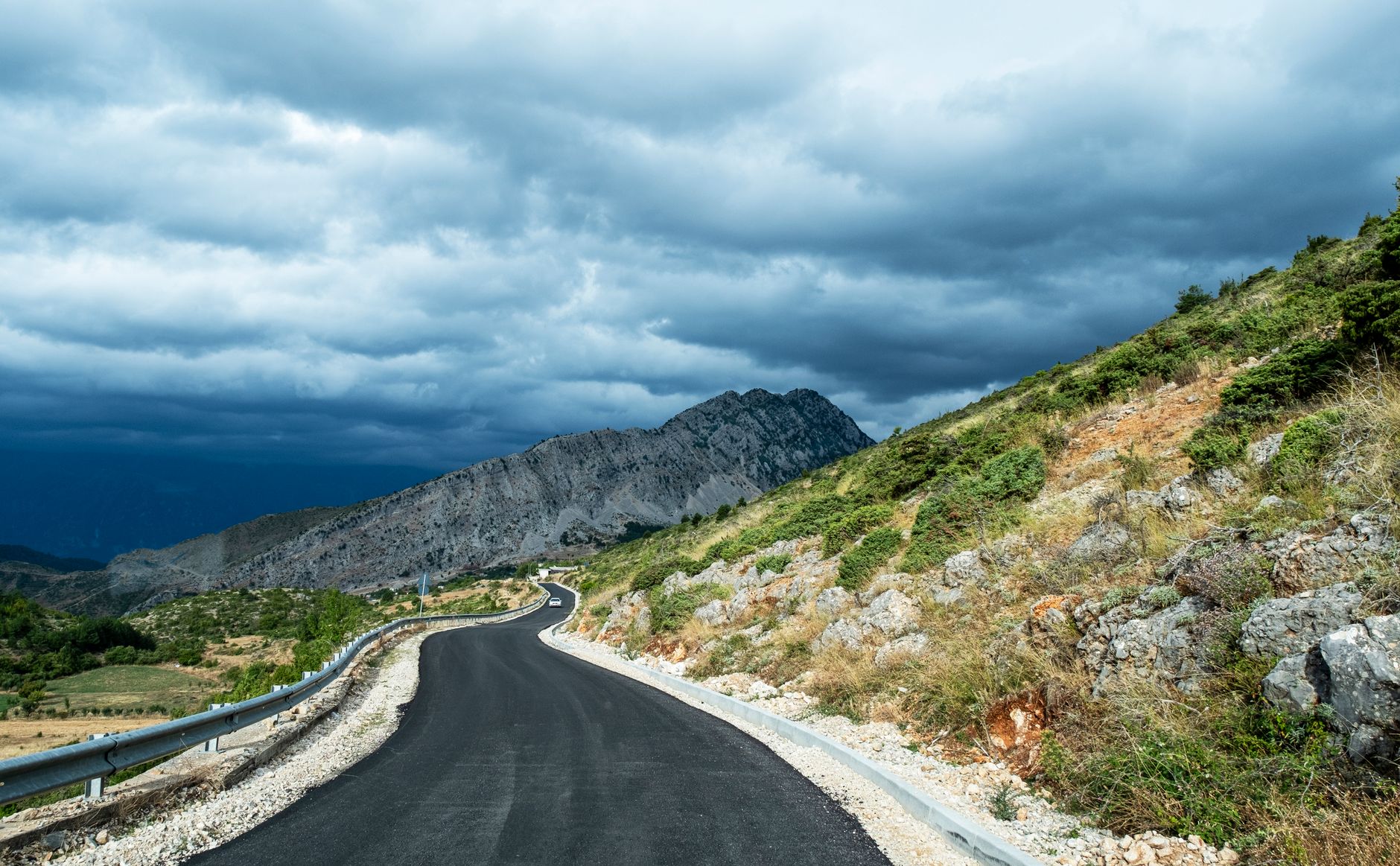
Driving in Albania deserves special mention. Albanian roads have improved significantly in recent years, but mountain roads remain narrow and winding, and the combination of summer heat, heavy traffic, and unfamiliar road conditions can be stressful. If you are driving the Riviera road, be patient, keep your speed down on the bends, and never attempt the mountain passes after dark. Renting a car with air conditioning is not a luxury in July and August; it is a genuine necessity.
Water safety at Albanian beaches is generally good, but some beaches have strong currents, and not all of them have lifeguards on duty. Always check local conditions before swimming, particularly at less-developed beaches and coves. Jellyfish are occasionally present in Albanian waters in late summer, particularly August, so wearing water shoes and checking the sea before diving in is sensible. Albania's healthcare system has improved but remains limited in rural areas, so travel insurance with medical evacuation cover is strongly recommended.
- Structure sightseeing before 11 am and after 5 pm to avoid dangerous midday heat
- Always carry and drink at least three liters of water per day when active
- Rent a car with air conditioning; it is essential, not optional, in summer
- Check for currents and lifeguard presence before swimming at unfamiliar beaches
- Jellyfish can appear in coastal waters in late August; check before diving in
- Travel insurance with medical cover is strongly recommended for all visitors
- Keep a small first aid kit with sunburn relief cream, rehydration sachets, and antihistamines
Download an offline map of Albania before you travel. Mobile data coverage in mountain areas and some rural coastal zones can be unreliable, and having offline navigation could save you from a very stressful situation on a narrow mountain road.
Albania in Summer: Coastal Hotspots vs. Smart Alternatives
| Destination | Temperature in July/Aug | Crowd Level | Average Nightly Cost | Best For |
|---|---|---|---|---|
| Ksamil / Saranda | 34 to 38 C | Very High | 60 to 120 euros | Beach lovers, first-time visitors |
| Dhermi / Himara | 33 to 37 C | High | 50 to 100 euros | Nightlife, younger travelers, scenic beaches |
| Valbona / Theth (Alps) | 20 to 26 C | Low to Moderate | 15 to 30 euros | Hikers, nature lovers, budget travelers |
| Berat / Gjirokastra | 30 to 35 C | Moderate | 25 to 55 euros | Culture, history, authentic Albanian life |
| Permet / Osumi Canyon | 28 to 33 C | Very Low | 20 to 40 euros | River swimming, thermal baths, off-the-beaten-path |
| Pogradec / Prespa Lakes | 26 to 31 C | Low | 20 to 45 euros | Tranquility, birdwatching, lakeside relaxation |
Frequently Asked Questions
Is Albania worth visiting in July and August despite the heat and crowds?
Absolutely, but you need to go in with realistic expectations and a smart plan. The heat is intense and the most popular coastal spots do get very busy, but Albania is a large and diverse country. If you mix coastal time with mountain or cultural destinations, and adjust your daily rhythm to avoid midday heat, you can have an extraordinary trip. The summer atmosphere, the food, the festivals, and the warmth of Albanian hospitality are at their most vibrant in these months.
What is the coolest part of Albania to visit in summer?
The Albanian Alps in the north, particularly the Valbona Valley and the village of Theth, are the coolest destinations in summer. Temperatures there sit between 20 and 28 degrees Celsius during the day, which is dramatically more comfortable than the 35-plus degrees on the coast. The mountain scenery is spectacular, hiking is world-class, and guesthouses offer exceptional value. Lake Ohrid's Albanian shore near Pogradec and the Prespa Lakes area are also notably cooler and more tranquil than the Riviera.
How far in advance should I book accommodation for July or August in Albania?
For coastal destinations like Ksamil, Saranda, and Dhermi, you should book at least six to eight weeks in advance, and ideally three months ahead if you are visiting in the first two weeks of August, which is the absolute peak period. Mountain guesthouses in Theth and Valbona are more flexible and can often be booked two to three weeks out, but the best family-run places do fill up. Inland cities like Berat and Gjirokastra have more accommodation availability but still benefit from advance booking in peak season.
Is it safe to drive in Albania during the summer months?
Yes, driving in Albania is safe if you approach it with patience and preparation. The main coastal road along the Riviera is paved but narrow and winding in places, and it gets very congested on summer weekends. Mountain roads require care and a vehicle with good ground clearance. Always drive during daylight hours in unfamiliar mountain areas, keep your speed appropriate for road conditions, and never assume the road ahead is clear on blind bends. Renting a car with air conditioning is highly recommended for summer travel.
What should I pack for a summer trip to Albania?
Pack light, breathable clothing in natural fabrics like linen and cotton. High-factor sunscreen (SPF 50 or above) is essential and may be harder to find in smaller towns, so bring enough from home. A reusable water bottle, a wide-brimmed hat, and good-quality sunglasses are non-negotiable. If you plan to hike in the mountains, bring a light waterproof layer as afternoon thunderstorms can occur at altitude. Water shoes are useful for pebbly beaches and river swimming. A small first aid kit with rehydration sachets and antihistamines rounds out the essentials.
Are there any festivals or events worth timing a visit around in July and August?
Yes, Albania has a lively summer festival calendar. Music festivals, open-air cinema events, and cultural performances take place in various cities throughout both months. Historic castles, including those at Gjirokastra and Rozafa near Shkodra, sometimes host concerts and theatrical events in summer. Village feste celebrations, which are local patron saint festivals featuring music, traditional food, and community dancing, happen throughout the country and are among the most authentic experiences available to visitors. Ask locally or check with your accommodation host for upcoming events near where you are staying.
Plan your Albania adventure
Albania in July and August is not for the faint-hearted, but it rewards those who approach it thoughtfully with some of the most memorable travel experiences in Europe. The turquoise water of the Ionian coast, the ancient stone cities of the south, the soaring limestone peaks of the north, and the extraordinary warmth of the Albanian people create a combination that is genuinely difficult to find anywhere else on the continent. Yes, the heat is fierce and the popular beaches get busy, but armed with the strategies in this guide, you are not just another tourist caught off guard. You are a traveler who knows where to go, when to move, and how to find the Albania that most visitors never see.
Whether you choose to chase the waves at Ksamil, hike the wild passes of the Albanian Alps, wander the cobbled streets of Gjirokastra at dusk, or swim in the icy blue waters of the Shala River, summer in Albania will leave its mark on you. This is a country that gives generously to those who engage with it honestly and curiously. Pack your bags, adjust your expectations, embrace the heat, and go discover one of Europe's most exciting and underrated destinations at its most alive and vibrant. Albania is waiting for you.