How to Plan a 10-Day Albania Itinerary on a Shoestring



Imagine waking up to the sound of church bells echoing off Ottoman-era stone walls, sipping a strong espresso that costs less than a euro, and knowing that today you will hike to a hilltop castle, swim in a glacial lake, and feast on grilled lamb before sunset — all without spending more than twenty dollars. That is not a fantasy. That is a Tuesday in Albania. This small Balkan nation has quietly become one of the most rewarding destinations for budget-conscious travelers in the world, offering a depth of history, natural beauty, and genuine hospitality that rivals countries charging ten times the price.
Albania spent decades in near-total isolation under a communist regime, which paradoxically preserved its landscapes, traditions, and authenticity in ways that more heavily touristed countries lost long ago. Today, the country is open, welcoming, and hungry to share its culture with curious visitors. Prices remain remarkably low, locals are famously generous, and the infrastructure for independent travelers is improving every year. Whether you are a backpacker counting every lek or simply a savvy traveler who refuses to overpay, Albania rewards your curiosity with experiences that feel genuinely off the beaten path. This ultimate guide will show you exactly how to spend 10 incredible days in Albania on a shoestring budget, from the buzzing capital Tirana all the way down to the sun-drenched Albanian Riviera.
Key Takeaways
| Average Daily Budget | 20 to 35 USD per day covering accommodation, food, and transport |
|---|---|
| Best Time to Visit | April to June and September to October for mild weather and fewer crowds |
| Currency | Albanian Lek (ALL); euros are also widely accepted in tourist areas |
| Visa Requirements | Citizens of most EU, US, UK, and many other countries enter visa-free |
| Main Transport | Shared minibuses (furgons) are the cheapest and most authentic way to travel |
| Must-Visit Highlights | Tirana, Berat, Gjirokaster, the Albanian Riviera, Valbona Valley, and Lake Ohrid |
Days 1 and 2: Dive Into Tirana, Albania's Colorful Capital

Your Albanian adventure begins in Tirana, a city that surprises almost every visitor with its energy, color, and youthful spirit. Far from the grey, austere capital many people expect, modern Tirana is a riot of painted facades, lively pedestrian boulevards, excellent coffee culture, and a thriving arts scene. Best of all, many of its top attractions are completely free, making it an ideal starting point for your shoestring journey.
Spend your first morning exploring Skanderbeg Square, the beating heart of the city, where you will find the National History Museum with its enormous mosaic facade. Entry to the museum costs just a few hundred lek and gives you a thorough grounding in Albanian history from Illyrian times through the communist era. Wander south along the Bulevardi Dëshmorët e Kombit, lined with grand buildings from the Italian fascist period, and stop at the Et'hem Bey Mosque, one of the most beautiful in the Balkans, which is free to enter outside of prayer times.
On your second day, head to the Blloku neighborhood, once the exclusive enclave of the communist elite and now Tirana's trendiest district full of cafes, street art, and boutiques. Do not miss the Bunk'Art museums — two extraordinary installations inside former nuclear bunkers that document Albania's communist past. Budget travelers should also visit the New Bazaar, a beautifully restored Ottoman-era market where you can buy fresh produce, local cheeses, and burek pastries for almost nothing.
- Skanderbeg Square and the National History Museum are essential first stops
- Bunk'Art 1 and Bunk'Art 2 offer powerful and unique historical experiences
- The New Bazaar is perfect for cheap, authentic local food
- Street art tours of Tirana are self-guided and completely free
- Budget guesthouses and hostels in Tirana typically cost 10 to 18 USD per night
Eat your main meal at lunchtime in Tirana. Many restaurants offer a fixed-price lunch menu called a 'menu of the day' for around 400 to 600 lek, which includes a starter, main course, and sometimes a drink. This is one of the best budget hacks in the city.
Days 3 and 4: Step Back in Time in Berat, the City of a Thousand Windows

From Tirana, a furgon minibus south will deliver you to Berat in roughly two hours for a very modest fare. Berat is a UNESCO World Heritage Site and arguably the most visually stunning city in Albania, its white Ottoman houses stacked up a hillside and reflected in the Osum River below. The city's nickname, the City of a Thousand Windows, comes from the distinctive large windows of these ancient houses that seem to stare out across the valley like rows of eyes.
The city is divided into distinct neighborhoods: Mangalem on the west bank with its old Muslim quarter, Gorica on the east bank, and the Kala castle neighborhood perched at the very top. Remarkably, people still live inside the castle walls, and wandering its cobblestone lanes past Byzantine churches and ancient towers feels like stepping directly into the medieval era. The Onufri Museum inside the castle houses a stunning collection of 16th-century religious icons and is well worth the small entry fee.
Berat is extremely walkable and most of its charm is free. Simply strolling the lanes of Mangalem, crossing the old stone bridge, and sitting at a riverside cafe with a cold Korca beer as the sun sets over the castle is a perfect way to spend an afternoon. Accommodation in Berat is very affordable, with guesthouses often offering rooms with castle views for 15 to 25 USD per night, sometimes including a home-cooked breakfast.
- The Kala castle neighborhood is free to explore and inhabited year-round
- Onufri Museum inside the castle has an exceptional collection of Byzantine icons
- Walk the entire old town in a day but stay two nights to soak up the atmosphere
- Try tave kosi, a traditional baked lamb and yogurt dish, at a local restaurant
- The Gorica neighborhood across the river offers quieter lanes and great photo angles
Visit the castle area in the early morning before tour groups arrive. The light on the white houses is magical at sunrise, and you will often have the narrow lanes entirely to yourself for a peaceful hour of exploration.
Days 5 and 6: Explore Gjirokaster, the Stone City of the South

Continue south from Berat by furgon to Gjirokaster, another UNESCO World Heritage city and one of the most dramatically beautiful places in the entire Balkans. Built on a steep hillside beneath a massive fortress, Gjirokaster is constructed almost entirely from grey limestone, giving it a brooding, fortress-like appearance that is completely different from the whitewashed charm of Berat. The city was the birthplace of former dictator Enver Hoxha and also of celebrated author Ismail Kadare, and its complex history is visible at every turn.
The Gjirokaster Castle dominates the skyline and houses a surprisingly good arms museum with captured American military aircraft from the Cold War era — a surreal and fascinating exhibit that costs very little to enter. Below the castle, the old bazaar district is a wonderful tangle of cobblestone streets, Ottoman-era hans, and traditional craftsmen's workshops. The Skenduli House and the Zekate House are two beautifully preserved Ottoman mansions that offer guided tours for a small fee and give you a vivid sense of how wealthy Albanian families lived centuries ago.
Gjirokaster is also an excellent base for a day trip to the ancient ruins of Butrint, a UNESCO-listed archaeological site near the Greek border that encompasses Greek, Roman, Byzantine, and Venetian remains in a stunning lakeside setting. The entry fee to Butrint is modest and the site is large enough to spend three or four hours exploring. A shared taxi or minibus from Gjirokaster to Butrint is affordable and the journey itself through the Albanian countryside is beautiful.
- Gjirokaster Castle and its arms museum are the top paid attractions in the city
- The Zekate House is one of the finest examples of Ottoman domestic architecture in the Balkans
- Day trip to Butrint archaeological site is unmissable and very budget-friendly
- The old bazaar area has cheap local restaurants serving traditional southern Albanian cuisine
- Look for guesthouses in the old town for the most atmospheric and affordable stays
If you visit in late September or early October, check whether the Gjirokaster National Folklore Festival is taking place. Held every five years, this extraordinary event fills the castle courtyard with traditional music and dance from across Albania and is free to attend.
Days 7 and 8: Unwind on the Albanian Riviera

After two days of history and hilltop castles, it is time to reward yourself with some of the most beautiful coastline in the Mediterranean. The Albanian Riviera stretches along the Ionian Sea in the south of the country and offers beaches that genuinely rival those of Greece or Croatia at a fraction of the price. The road from Gjirokaster to the coast winds through the Ceraunian Mountains before descending dramatically to the sea, and the views along the way are breathtaking.
The village of Himara is a great first stop on the coast, with a mix of pebble and sand beaches, a small castle, and a lively waterfront scene. From Himara, continue south to Saranda, the main resort town on the Albanian Riviera, which sits directly across the water from the Greek island of Corfu. Saranda is more developed than other coastal spots but still very affordable, and it serves as the perfect base for visiting the nearby beach village of Ksamil.
Ksamil is the jewel of the Albanian coast, a small village surrounded by four tiny islands accessible by short swims through crystal-clear turquoise water. The beaches here are genuinely stunning and while sun lounger rental is available, you can easily find free spots on the beach. Accommodation in Ksamil ranges from basic rooms in family guesthouses to small apartments, with prices outside of peak July and August being very reasonable for budget travelers. Seafood is fresh and relatively inexpensive compared to neighboring Greece, and eating grilled fish at a waterfront restaurant as the sun sets over the Ionian Sea is one of Albania's great pleasures.
- Ksamil's four small islands are reachable by swimming and are free to visit
- Himara offers a less crowded alternative to Saranda with beautiful beaches
- The drive along the Riviera road is one of the most scenic in Europe
- Fresh seafood in coastal restaurants is excellent value compared to neighboring countries
- Avoid peak July and August if you want lower prices and fewer crowds
Bring your own snorkeling gear if possible. The waters around Ksamil and along the Riviera are exceptionally clear, and snorkeling among the rocky coves reveals a vibrant underwater world. Renting gear locally is possible but buying it before your trip saves money.
Days 9 and 10: Trek the Albanian Alps in the Valbona Valley

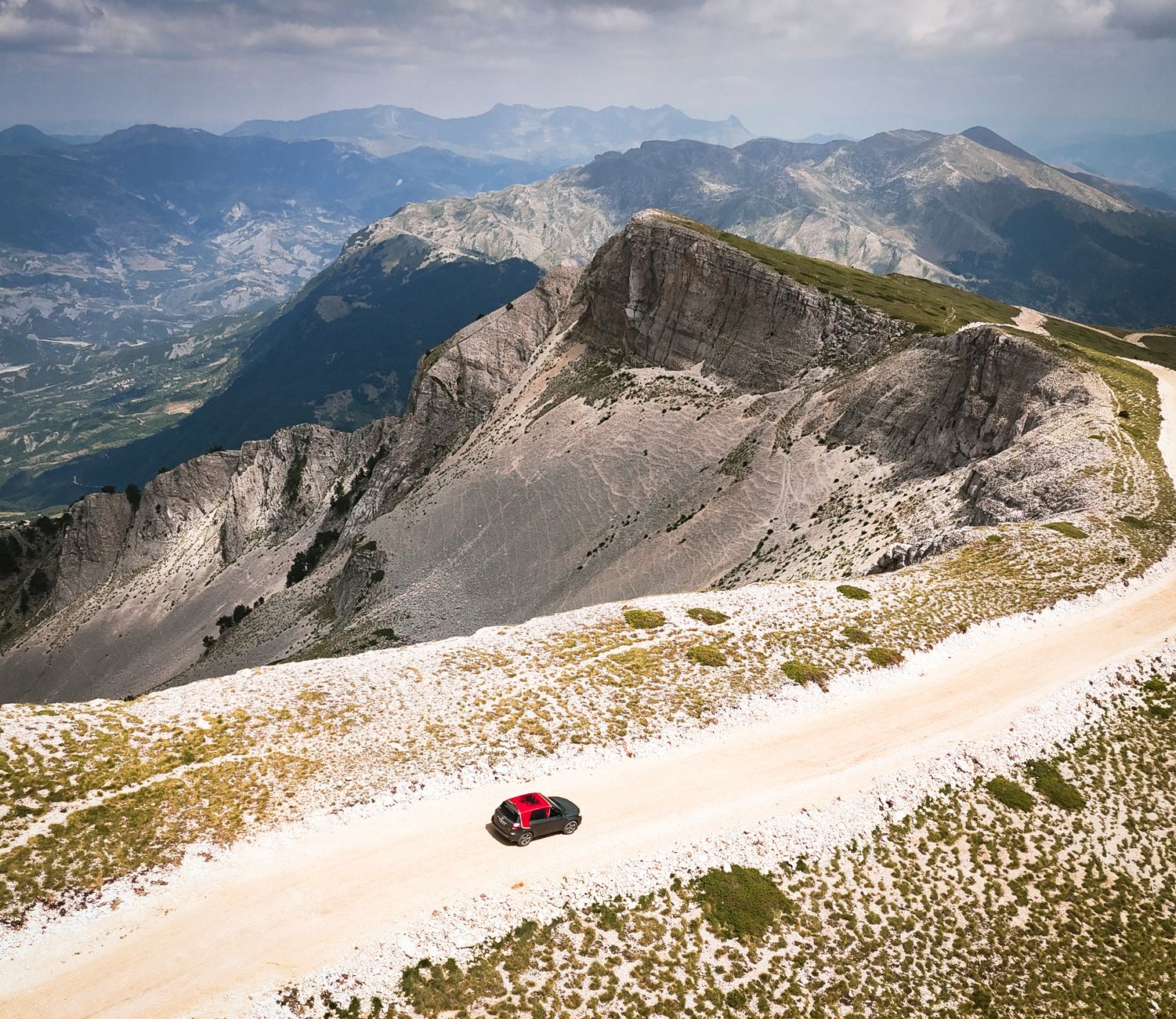
For the final leg of your 10-day journey, head north to experience a completely different side of Albania: the Albanian Alps, locally known as the Accursed Mountains. This dramatic mountain range in the far north of the country is home to some of the most spectacular trekking in Europe, with jagged peaks, deep glacial valleys, traditional stone villages, and a culture of mountain hospitality that has remained largely unchanged for centuries.
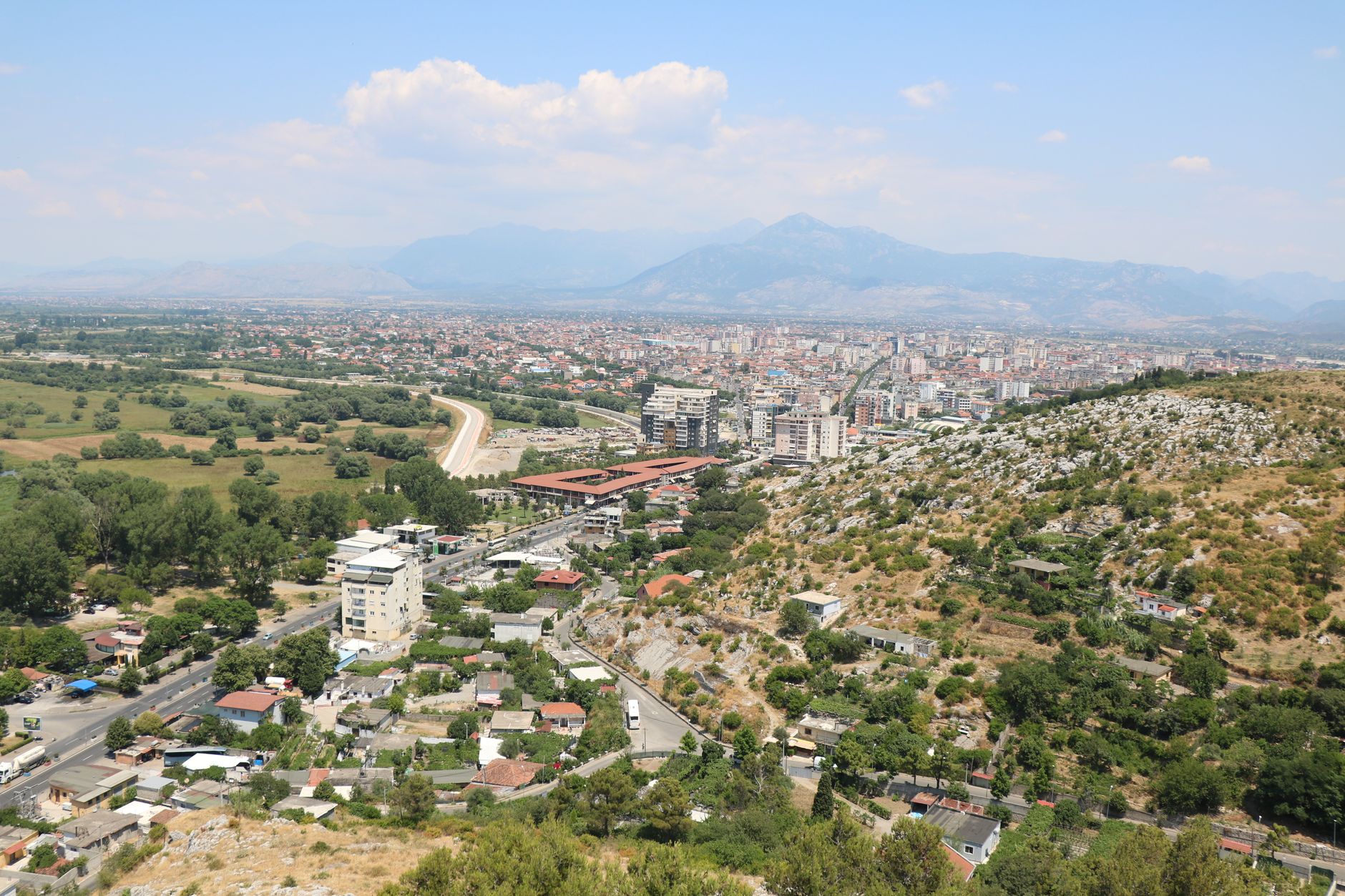
The classic route for budget travelers is to take a furgon from Tirana north to Shkoder, spend a night there exploring the impressive Rozafa Castle and the atmospheric old town, and then continue by furgon and the famous Komani Lake ferry to the village of Fierza, from where another furgon takes you into the Valbona Valley. The Komani Lake ferry journey is one of the most spectacular boat rides in Europe, carving through a dramatic fjord-like gorge for several hours, and it costs only a few dollars.
In Valbona, guesthouses run by local families offer simple but comfortable rooms with home-cooked meals included, making this one of the best value experiences in all of Albania. The classic Valbona to Theth trek crosses a mountain pass at over 1,800 meters and takes around six to seven hours, rewarding hikers with extraordinary alpine scenery and the charming village of Theth at the other end, which has its own guesthouses and the famous Grunas waterfall. This two-day mountain experience is the perfect climax to your Albanian adventure, combining physical challenge, natural beauty, and genuine cultural immersion.
- The Komani Lake ferry is one of Europe's most scenic boat journeys and very affordable
- Valbona guesthouses typically offer bed and breakfast plus dinner for 20 to 30 USD
- The Valbona to Theth hike is the most famous trek in Albania and suitable for fit beginners
- Theth village has a historic lock-in tower and beautiful waterfall worth visiting
- Shkoder is worth a half-day stop for Rozafa Castle and the old bazaar
Book your guesthouse in Valbona and Theth in advance during July and August as rooms fill up quickly. Outside peak season you can usually find accommodation on arrival, and prices drop noticeably. Always carry cash as there are no ATMs in the mountain villages.
Budget Breakdown: How to Stretch Every Lek in Albania
One of the most compelling reasons to visit Albania is how extraordinarily affordable it remains compared to the rest of Europe. With a little planning and a willingness to travel like a local, it is entirely realistic to explore this country comfortably on 25 to 35 USD per day, covering accommodation, food, transport, and entrance fees. At the lower end of 20 USD per day, you will need to be more disciplined, but it is genuinely achievable, especially outside of peak summer season.
Accommodation is your biggest variable expense. Hostels in Tirana and other cities offer dorm beds for 8 to 12 USD per night, while private rooms in family guesthouses across the country typically run from 15 to 25 USD. In the mountain villages, guesthouses often include meals in the price, which actually makes them excellent value even if the room rate seems slightly higher than urban options. Camping is possible in some mountain areas and is either free or very cheap.
Food is where Albania truly shines for budget travelers. A burek pastry from a bakery costs around 50 to 100 lek (less than one dollar) and makes a filling breakfast. A sit-down lunch at a local restaurant rarely exceeds 500 to 800 lek for a full meal with a drink. Supermarkets and local markets are well-stocked and cheap, making self-catering easy when you have kitchen access. Transport by furgon is the cheapest option, with most intercity routes costing between 200 and 600 lek. Taxis are affordable by European standards but always agree on a price before getting in.
- Furgon minibuses are the cheapest way to travel between cities, costing 200 to 600 lek per trip
- Burek from bakeries is the ultimate cheap Albanian breakfast at under one dollar
- Cook your own meals occasionally using fresh produce from local markets
- Free attractions include castle exteriors, beaches, parks, and most viewpoints
- Drink local Korca beer instead of imported brands to save money at bars
- Travel in shoulder season (April to June or September to October) for lower accommodation prices
Always carry a mix of Albanian lek and euros. While euros are accepted in many tourist areas, you will get better value paying in lek at local restaurants, bakeries, and markets. Withdraw lek from ATMs in larger cities before heading to rural areas where cash machines are scarce.
Essential Practical Tips for First-Time Visitors to Albania

Albania is an easy country to travel independently, but a few practical tips will make your journey smoother and more enjoyable. The country uses the Albanian lek as its official currency, though euros are widely accepted, particularly in the south near the Greek border and in tourist-heavy areas. ATMs are available in all major cities and towns but rare in rural and mountain areas, so always withdraw enough cash before venturing into the countryside.
Getting around Albania independently is straightforward using the furgon network. These shared minibuses run between most cities and towns, depart when full rather than on a fixed schedule, and are the preferred transport method for locals and budget travelers alike. For more remote destinations like the Valbona Valley or the Riviera villages, you may need to combine furgons with occasional shared taxis. Renting a car gives you far more flexibility and is worth considering if you are traveling in a group and can split the cost.
Safety in Albania is generally very good for tourists. The famous Kanun code of hospitality, known as besa, means that guests are treated with great respect and warmth. Petty crime exists as in any country, so take normal precautions with your valuables in busy urban areas. Road conditions vary significantly, and mountain roads in particular can be challenging. If you are renting a car, a vehicle with good ground clearance is advisable for reaching remote areas. Finally, learn a few basic phrases in Albanian — even a simple faleminderit (thank you) will be met with enormous appreciation and smiles.
- Carry cash at all times, especially when traveling to rural and mountain areas
- Furgons are the most authentic and affordable way to travel between destinations
- A SIM card with local data is cheap and essential for navigation on mountain roads
- Learn a few Albanian words to connect with locals and show respect for their culture
- Travel insurance is strongly recommended, especially if you plan to hike in the Alps
- Download offline maps before leaving cities as mobile coverage is patchy in remote areas
When taking a furgon, sit near the driver or ask a local to help you identify the right minibus. There are no formal bus stations in most cities — furgons depart from specific street corners or informal gathering points that you learn through asking locals or your guesthouse host.
Albania Budget Travel: Destination Cost Comparison
| Destination | Budget Accommodation (per night) | Average Meal Cost | Main Free Attraction | Furgon from Tirana |
|---|---|---|---|---|
| Tirana | 10 to 18 USD (hostel dorm) | 3 to 6 USD | Skanderbeg Square and street art | Starting point |
| Berat | 15 to 25 USD (guesthouse) | 4 to 7 USD | Kala castle neighborhood | 2 hours, ~2 USD |
| Gjirokaster | 15 to 22 USD (guesthouse) | 4 to 7 USD | Old bazaar and city views | 4 hours, ~4 USD |
| Ksamil / Saranda | 18 to 30 USD (guesthouse) | 5 to 9 USD | Ksamil island beaches | 5 hours, ~5 USD |
| Valbona Valley | 20 to 30 USD (inc. meals) | Included in guesthouse | Alpine trekking trails | 5 to 6 hours, ~6 USD |
Frequently Asked Questions
How much money do I need per day for a budget trip to Albania?
A realistic shoestring budget for Albania is between 20 and 35 USD per day. At 20 USD you will stay in dorm beds, eat from bakeries and markets, and use furgons exclusively. At 35 USD you can afford private guesthouse rooms, sit-down restaurant meals, and occasional paid attractions. Outside of peak summer season, your money goes even further.
Is Albania safe for solo travelers and backpackers?
Albania is generally very safe for tourists, including solo travelers and backpackers. Violent crime targeting tourists is extremely rare, and Albanians are known for their hospitality and willingness to help visitors. As in any destination, use common sense with your belongings in crowded urban areas, and take extra care on mountain roads if driving. Solo female travelers generally report feeling safe, though as always it is wise to trust your instincts and take standard precautions.
What is the best time of year to visit Albania on a budget?
The shoulder seasons of April to June and September to October offer the best combination of pleasant weather, lower prices, and fewer crowds. July and August are peak season, especially on the coast, when accommodation prices rise and beaches become crowded. Spring is particularly beautiful in the mountains, while autumn brings warm sea temperatures and harvest season food. Winter is very cheap but some mountain roads and guesthouses close.
Do I need a visa to visit Albania?
Citizens of most European Union countries, the United States, the United Kingdom, Canada, Australia, and many other nations can enter Albania visa-free for stays of up to 90 days. Albania also participates in a seasonal agreement that allows entry without a visa during the summer months for additional nationalities. Always check the latest entry requirements for your specific passport before traveling, as policies can change.
How do furgons work and how do I use them?
Furgons are shared minibuses that form the backbone of public transport in Albania. They depart from informal gathering points in city centers, usually near the main bazaar or a well-known landmark. There are no official timetables — the furgon leaves when it is full. To use one, ask your guesthouse host or a local where the furgon for your destination departs from, show up in the morning (most furgons run in the morning), and pay the driver or a conductor when you board or arrive. Prices are fixed and very cheap.
Can I drink tap water in Albania?
Tap water quality varies across Albania. In Tirana and some larger cities it is generally considered safe to drink, but in many rural areas and smaller towns it is advisable to drink bottled or filtered water. Bottled water is inexpensive and widely available. To reduce plastic waste, consider carrying a water bottle with a built-in filter, which is a practical and eco-friendly solution for budget travelers.
Plan your Albania adventure
Albania is not just a budget destination — it is a genuinely extraordinary one. In 10 days, you will have walked the cobblestone lanes of two UNESCO World Heritage cities, swum in some of the clearest water in the Mediterranean, crossed a mountain pass in the Albanian Alps, and eaten some of the most honest and delicious food in Europe, all while spending less than you would on a long weekend in many Western European capitals. The country has a way of getting under your skin, its contradictions and complexities and raw, unpolished beauty leaving a mark that is difficult to shake long after you have returned home.
The best time to visit Albania is always now, before the rest of the world fully catches on. Prices are rising slowly as tourism grows, but the country remains one of the most accessible and rewarding shoestring destinations on the planet. Pack your bag, load up your offline maps, learn how to say faleminderit, and get ready for an adventure that will redefine what you thought European travel could be. Albania is waiting for you, and it will not disappoint.